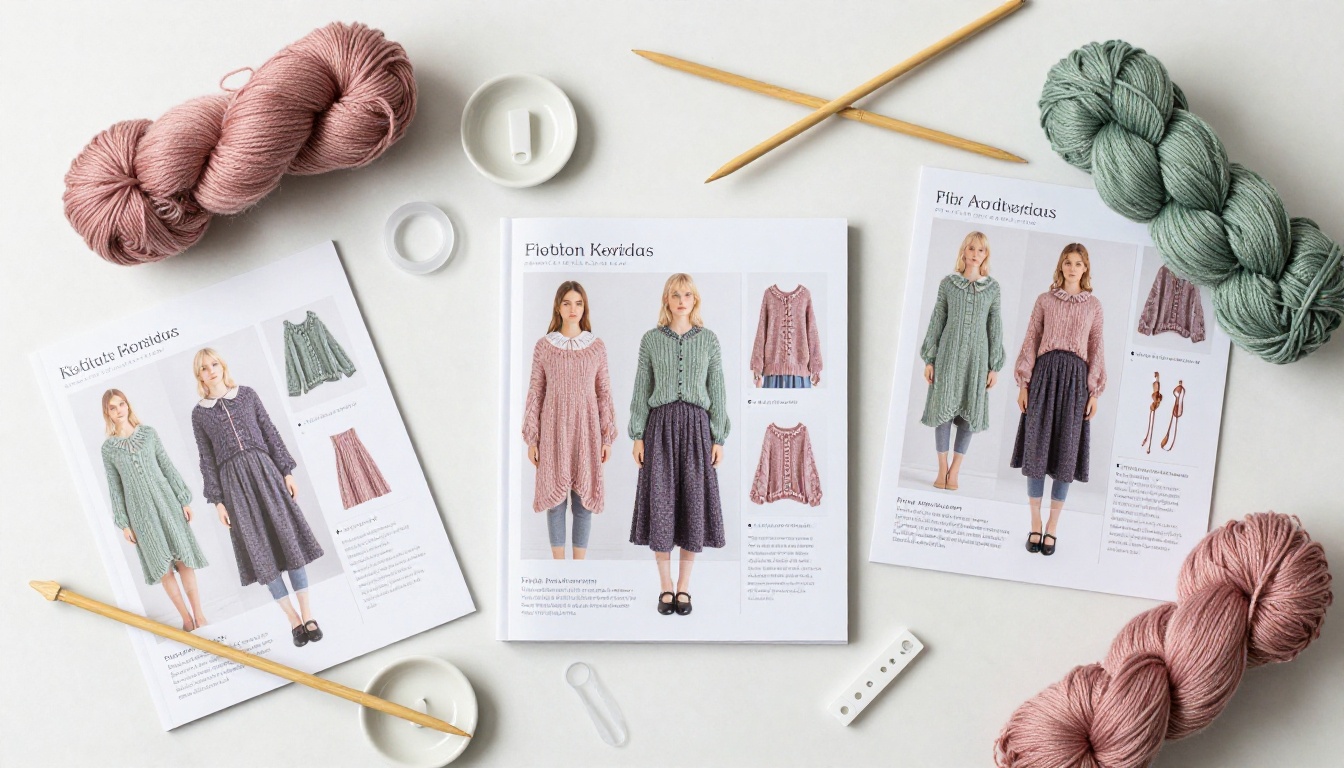
Selling knitting patterns online is one of the most realistic passive income opportunities available to fiber artists today. The market is real, the demand is consistent, and the startup costs are close to zero. If you have even a handful of original designs that other knitters want to make, you are sitting on a digital product business. This article breaks down exactly how to do it right: where to sell, how to price, how to package your files professionally, and how to build income that grows while you sleep.
Why Digital Patterns Are a Reliable Income Stream
Physical products have margins. Digital products have economics. When you sell a knitting pattern as a PDF download, you create it once and sell it thousands of times. There is no shipping, no inventory, no production cost per unit. A well-written sweater pattern generates consistent sales for years without any additional work on your part.
Independent designers routinely earn $1,000 to $10,000+ per month from pattern downloads alone. The barrier is not the knitting. It is the business side: formatting, photography, pricing, and distribution. That is exactly what this article fixes.

Not every platform is worth your energy. Here is an honest comparison of where knitting pattern sellers actually succeed:
| Platform | Best For | Fee Structure | Audience Size |
|---|
| Etsy | New sellers, discoverability | 6.5% transaction + $0.20 listing fee | 90M+ active buyers |
| Ravelry | Community credibility, free listing | Free (optional donations) | 9M+ registered users |
| Your Own Website | Long-term brand building, full margins | Payment processor fees only | Built by you |
| Payhip | Simple digital downloads | Free plan + 5% or paid flat rate | Growing creator base |
| Gumroad | Creator communities, flexible pricing | 10% on free plan, less on paid | Creator-focused |
Etsy: The Volume Play
Etsy remains the single best starting point for most knitting pattern sellers. The platform's internal search is already trained to surface fiber arts products. Buyers arrive pre-qualified. The listing process takes about 15 minutes per pattern. The downside is competition: over 100,000 knitting pattern listings exist on Etsy at any time.
Sellers who win on Etsy invest in professional photography, keyword-rich titles, and detailed pattern descriptions. A blurry photo and a vague title will bury your listing regardless of how beautiful the design actually is.
Ravelry: The Community Play
Ravelry is the social network of the knitting world with over 9 million registered users. Listing patterns is free. The community uses it as a reference database, meaning your pattern accumulates ratings, project photos, and discussion threads over time. Many top-earning designers drive significant revenue from Ravelry alone because patterns build social proof organically.
The limitation: Ravelry does not drive new buyer discovery the way Etsy does. Use it as a complement, not a replacement.
Your Own Website: The Long Game
Running your own shop through Shopify, Squarespace, or WordPress with WooCommerce gives you full margins and full control. No platform fees, no algorithmic risk. The trade-off is marketing effort: you need to build your own audience through social media, email, or organic search traffic. For sellers who already have an established following, this is the highest-margin option available.
💡 Run all three simultaneously. Ravelry and Etsy for discovery, your own site for profitability. Treat them as funnels that feed each other, not as alternatives.
Pricing Your Patterns to Sell
Pattern pricing is where most new sellers either undercharge dramatically or second-guess themselves into paralysis. Here is what the market actually supports:
| Pattern Type | Price Range | Notes |
|---|
| Simple accessory (hat, cowl, mitts) | $5 to $8 | High volume, beginner-friendly |
| Intermediate garment (sweater, cardigan) | $8 to $14 | Core market, consistently strong seller |
| Complex lace or colorwork | $10 to $18 | Smaller audience, higher price tolerance |
| Pattern collection or bundle | $20 to $40 | Great for established designers |
| Monthly subscription | $8 to $15/month | Requires consistent output |
⚠️ Never price below $4. Patterns priced under $4 signal low quality to buyers regardless of actual quality. The pricing floor matters more than you think.
The sweet spot for most intermediate patterns is $8 to $12. At $10, a pattern selling 200 copies earns $2,000. At 2,000 copies over its lifetime, that is $20,000 from a single design. The math works when you build a catalog. The goal is not a premium price on one pattern: it is consistent quality across many.
Bundling for Higher Order Value
Selling three coordinating patterns (say, a matching hat, mittens, and cowl set) as a bundle at $22 instead of $8 each dramatically increases revenue per transaction. Buyers love bundles because they feel like a deal. You benefit because you run one transaction and one customer relationship instead of three.
Preparing Your Pattern Files Professionally
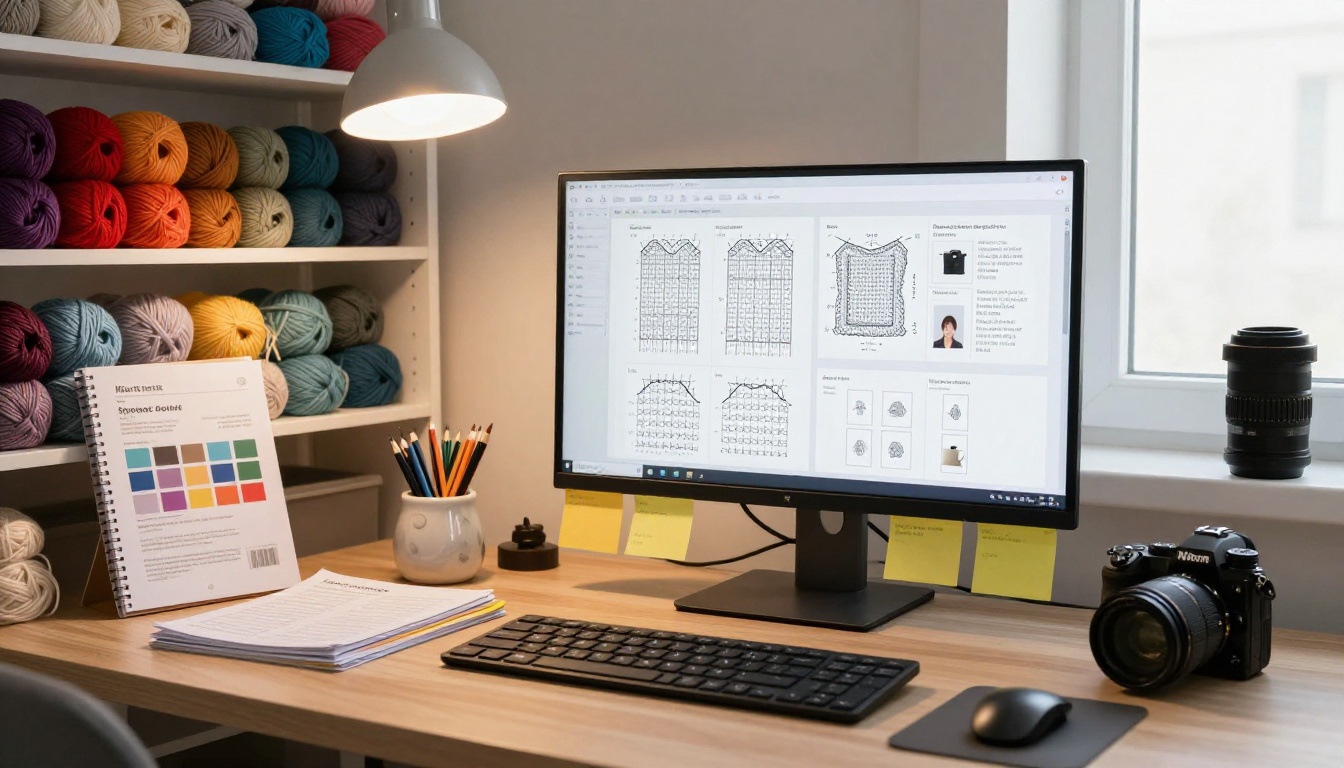
The difference between a pattern that earns five-star reviews and one that generates refund requests is the quality of the PDF. This is a product. Treat it like one.
What every professional pattern PDF should include:
- A strong photo of the finished item on the first page
- Yarn requirements: weight, yardage, fiber content, and needle size
- Gauge swatch instructions with blocked dimensions
- All sizes offered with finished measurements at each size
- Written instructions with a complete abbreviations reference
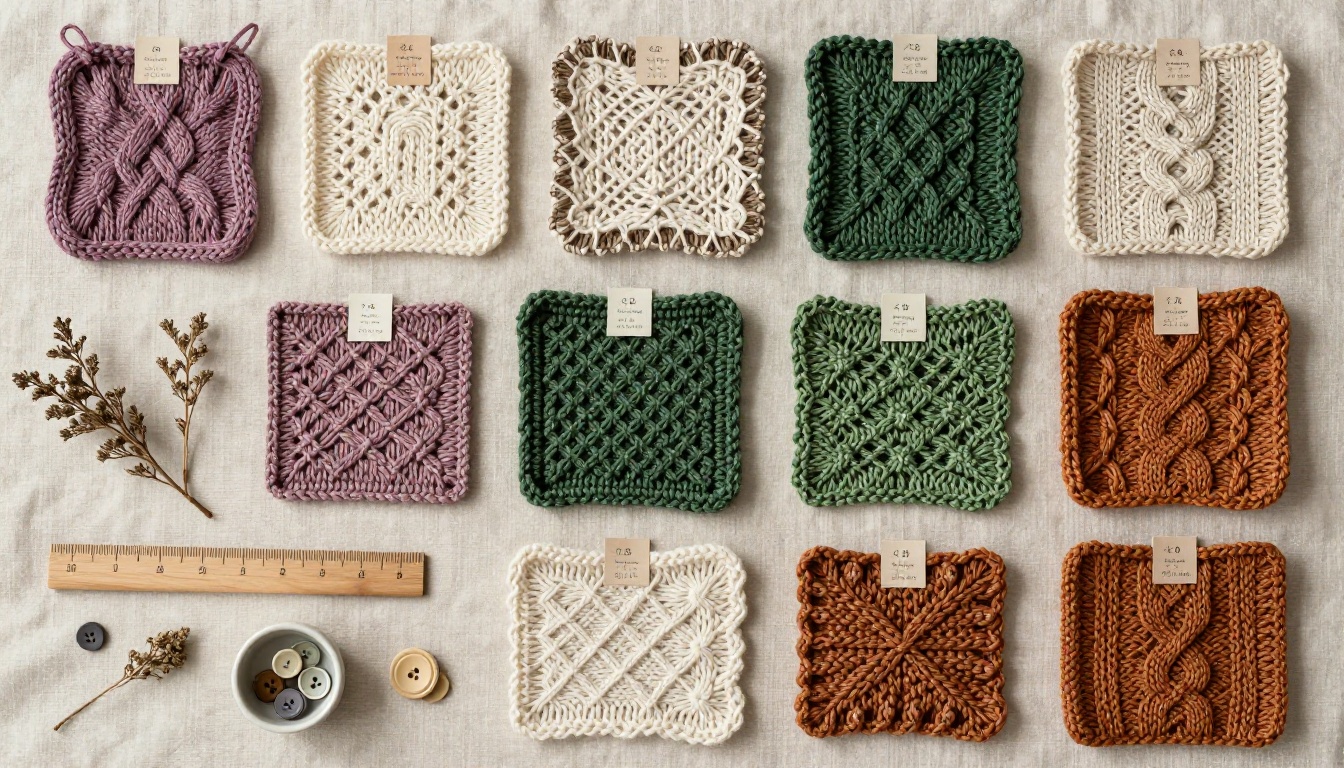
- Charts where applicable: lace, colorwork, and cable patterns
- A notes or tips section covering commonly confusing parts
- Contact information for buyer questions
Formatting tools that get the job done:
- Adobe InDesign or Affinity Publisher for professional multi-page layouts
- Canva for simpler single-page or short designs with easy templates
- Microsoft Word or Google Docs as a functional baseline for new designers
✅ Always run your pattern through at least one test knitter before publishing. A single undetected error generates dozens of support messages and negative reviews that take months to recover from.

How to Sell Your Knitting Patterns Online with Interactive Previews
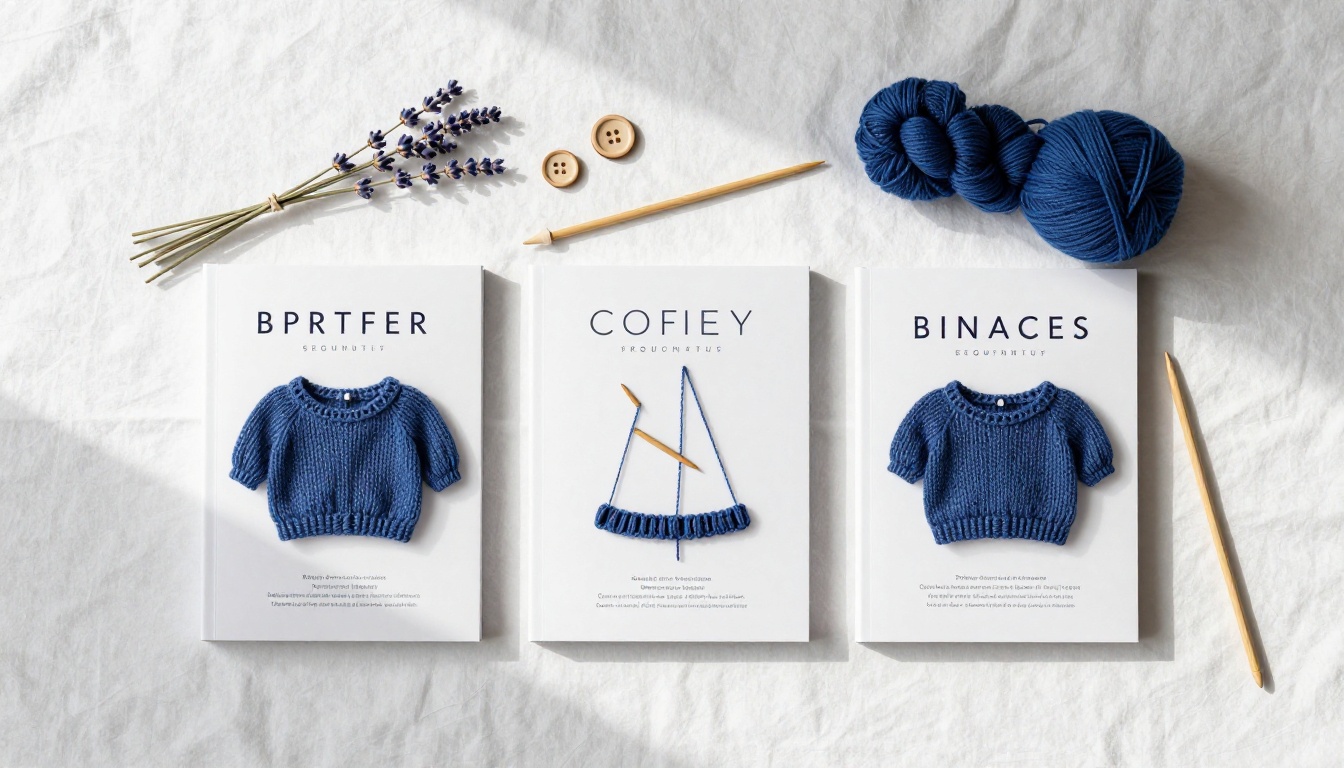
Here is something most knitting pattern sellers miss entirely: how your pattern looks in a digital preview directly affects conversion rates. When a buyer can flip through your pattern before purchasing, seeing the stitch charts, the page layout, and the lifestyle photography, they buy with significantly more confidence. This is where Flipbooks AI gives independent pattern designers a real competitive edge.
Instead of a flat, static PDF thumbnail, you offer an interactive page-turning preview directly on your shop page. Buyers scroll through pages, zoom into charts, and get a genuine sense of quality before committing to a purchase.
Step-by-Step: Creating a Pattern Preview with Flipbooks AI
-
Set up your account: Visit Flipbooks AI and create a free account. The process takes under two minutes with no credit card required.
-
Upload your pattern PDF: From your dashboard, select "New Flipbook" and upload your formatted pattern PDF. The platform converts it automatically, preserving your layout, stitch charts, and images exactly as formatted.
-
Customize your branding: Add your brand colors, logo, and a styled page for the pattern introduction. This makes the preview feel like your own branded publication rather than a generic viewer.
-
Enable page effects: Turn on the page-flip animation and choose your preferred reading mode. For knitting patterns, the spread view works especially well for displaying charts alongside written instructions simultaneously.
-
Configure sharing settings: Set the flipbook to public for a shop preview. For paying customers who need the full pattern, add password protection so only buyers receive the access link.
-
Embed or share the link: Copy the embed code and paste it into your Etsy listing, website product page, or Ravelry pattern listing. Buyers can now flip through the preview without downloading a thing.
-
Review with analytics: On the Professional plan, track how many people viewed your pattern, which pages they spent the most time on, and what your overall conversion rate looks like.
💡 Use the Interactive E-Book Publisher tool to give your pattern collections the look and feel of a premium publication. It raises perceived value noticeably and takes minutes to set up.
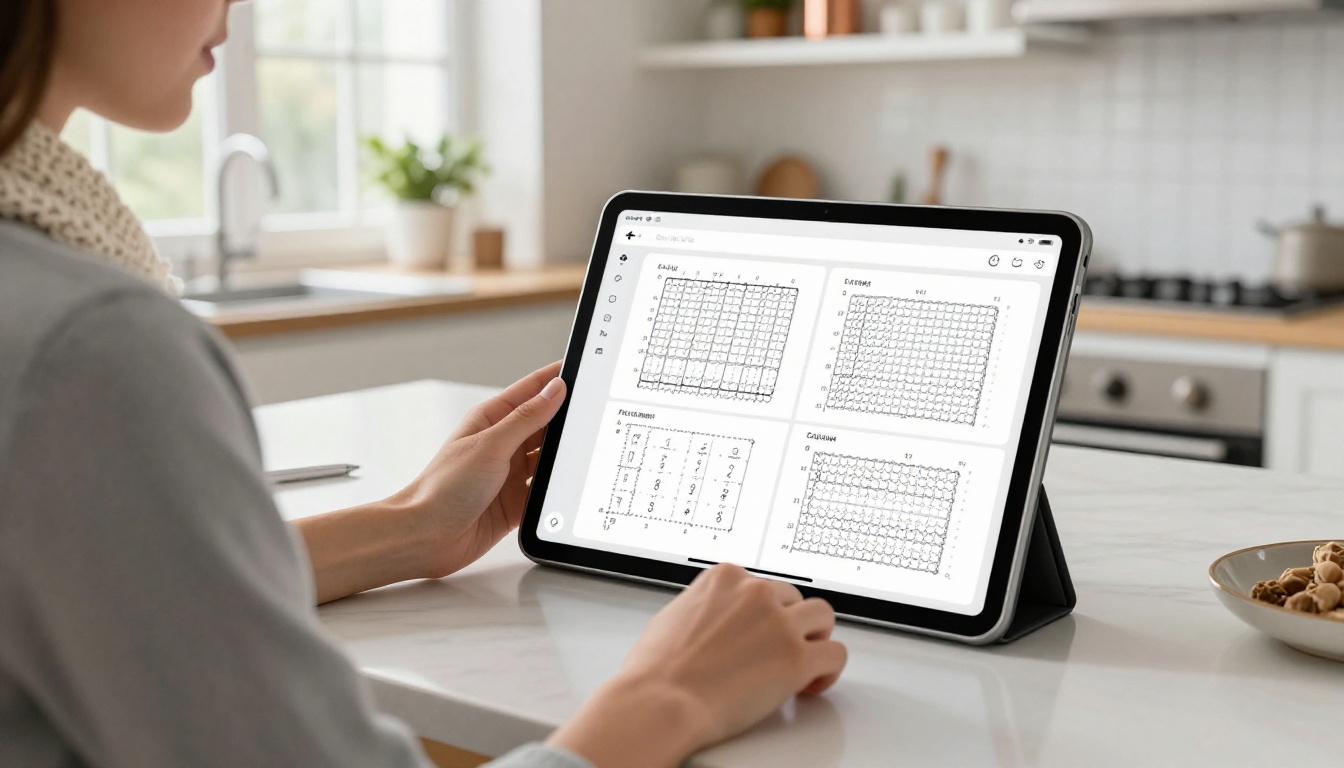
The E-Book Flipbook Generator is equally powerful for designers publishing seasonal lookbooks or pattern collections. Upload once, share everywhere, with no ongoing file management required.
Flipbooks AI features that matter most for pattern sellers:
- No watermarks on any plan, ever
- Password protection for purchased content
- Mobile-responsive design for buyers browsing on their phones
- Embed directly on any website or link from Etsy and Ravelry
- Offline download option for buyers who want a saved copy
- Custom branding throughout the entire experience
Photography That Converts Browsers into Buyers
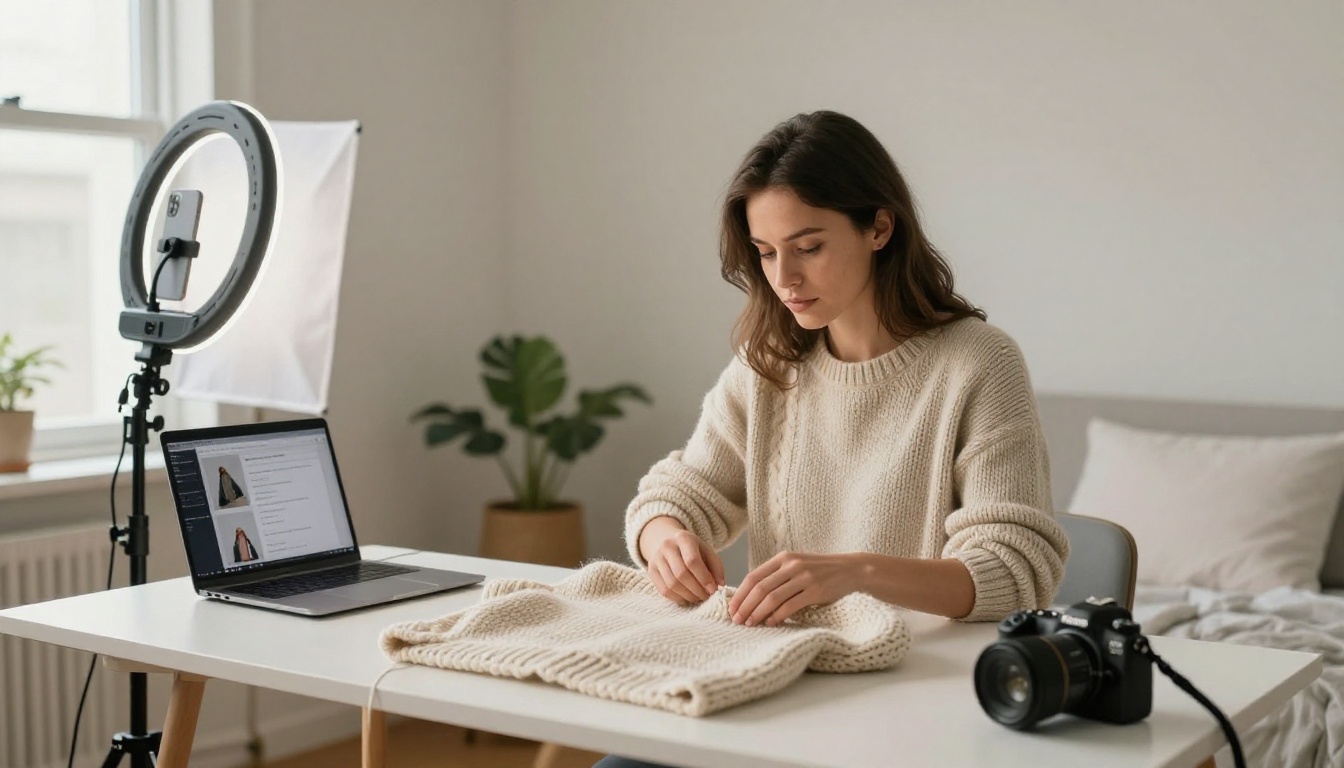
No amount of strong writing compensates for weak photos. On Etsy, your first image is responsible for 90% of your click-through rate. Here is what actually drives sales:
| Shot Type | Conversion Strength | Production Difficulty |
|---|
| Worn on model in natural outdoor setting | Highest | Moderate |
| Worn indoors with lifestyle styling | High | Low to Moderate |
| Flat lay on styled surface | High | Low |
| Close-up stitch detail (supporting photo) | Medium | Very Low |
| Plain item on white background | Low | Very Low |
Lifestyle photography consistently outperforms studio shots for knitting patterns. Buyers are not purchasing a PDF. They are purchasing the vision of themselves wearing something beautiful. Sell the finished object, not the instructions.
Practical tips that cost nothing:
- Shoot near a north-facing window for even, shadow-free natural light
- Use a plain linen bedsheet as a styled backdrop for flat lays
- Recruit a friend or family member to model once per season
- Shoot on an overcast day outdoors for the most flattering diffused light
Marketing Your Patterns Without Spending Money
The fastest-growing channels for knitting pattern sellers are free. Here is where to put your energy first:
Instagram and Pinterest
Pinterest is the highest-converting social platform for knitting patterns. A single pin of a beautifully styled finished project drives traffic for years after posting. Create a business account, pin your finished project photos with a direct shop link, and pin consistently. Unlike Instagram stories, Pinterest content has a shelf life measured in years, not hours.
Instagram builds community and behind-the-scenes connection. Show your process: yarn winding, swatching, writing charts, photographing finished objects. The knitting community on Instagram is warm, engaged, and genuinely eager to support independent designers.
Hashtag strategy that works:
- Niche tags: #knittersofinstagram, #handknit, #knitdesigner
- Technique tags: #cableknit, #laceshawl, #colorworkknitting
- Community tags: #makersmovement, #craftbusiness, #fibercommunity
Your Email List
Every seller who has been at this for more than two years says the same thing: they wish they had started their email list earlier. Social platforms change algorithms without warning. Email is direct, unmediated access to your buyers.
Offer a free mini-pattern or a first-purchase discount in exchange for a newsletter signup. Even 500 engaged subscribers generate meaningful launch-day revenue every time you release a new design. Mailchimp and ConvertKit both offer free tiers for small lists.
✅ Email past buyers every time you launch a new pattern. They already trust your work. A simple release announcement reliably generates sales within hours of sending.
4 Mistakes That Kill Pattern Sales
Even technically excellent patterns fail to sell when these four things go wrong:
-
Weak photography: The most common reason a strong pattern stays invisible. One afternoon of proper lifestyle photography pays back indefinitely with better click-through rates and more confident buyers.
-
Vague listing titles: "Blue Sweater Pattern" tells a search engine nothing useful. "Slouchy Oversized Ribbed Sweater Knitting Pattern, Sizes XS-3XL, Bulky Weight" gets found by exactly the right buyer.
-
Narrow size range: Patterns that only reach a medium size exclude a large portion of potential buyers. Grading your pattern across a full size range significantly expands who can purchase and wear it.
-
Skipping pattern testing: A pattern with errors earns refunds and negative reviews that are nearly impossible to recover from. Budget one to two weeks for a proper test knit before listing anything publicly.
What a Sustainable Pattern Business Looks Like
The real power of selling digital knitting patterns is in compounding. Each new pattern added to your catalog increases your passive earning potential. A portfolio of 20 well-produced patterns, sold across Etsy, Ravelry, and your own site, supported by social traffic and an email list, is a legitimate ongoing business.
Full-time knitting designers who earn $5,000 to $10,000+ monthly typically have 50 or more patterns in their catalog and have been publishing consistently for two to four years. The formula is not complicated:
- Create patterns your audience actually wants to make
- Package them professionally with strong photos and polished PDFs
- Present them with interactive previews using Flipbooks AI
- Distribute across multiple platforms simultaneously
- Promote consistently on the channels where your buyers spend time
- Reinvest revenue into more patterns and better production quality
The sellers who build real, durable income from patterns are the ones who treat it as a business from day one: consistent output, professional presentation, and intentional marketing. The craft is already there. What this system does is make sure buyers can find it, trust it, and purchase it with confidence.
Ready to make your patterns impossible to scroll past? Create your free account on Flipbooks AI and turn your next PDF into an interactive preview that converts browsers into buyers. Browse the full tools directory to find formats that fit your creative brand, or compare plans to choose what works for your business stage.
Your designs deserve to be seen by the knitters who will love making them.



