The tattoo industry rewards visibility as much as it rewards skill. A fully booked artist is not always the most technically gifted one in the city. They are almost always the one with the clearest, most professional presentation. If you have spent years perfecting your craft but struggle to attract consistent clients, the problem is rarely the quality of your tattoos. It is the way you are showing them. Flipbooks AI is one of the tools reshaping how creative professionals present their portfolios, and building a dominant tattoo showcase involves more than picking one platform and hoping for the best. This article breaks down exactly what works.
Why Your Portfolio Wins Bookings
Before a client ever sits in your chair, they sit in front of your portfolio. It is not just a collection of photos. It is a curated argument for why someone should trust you with permanent ink on their body.
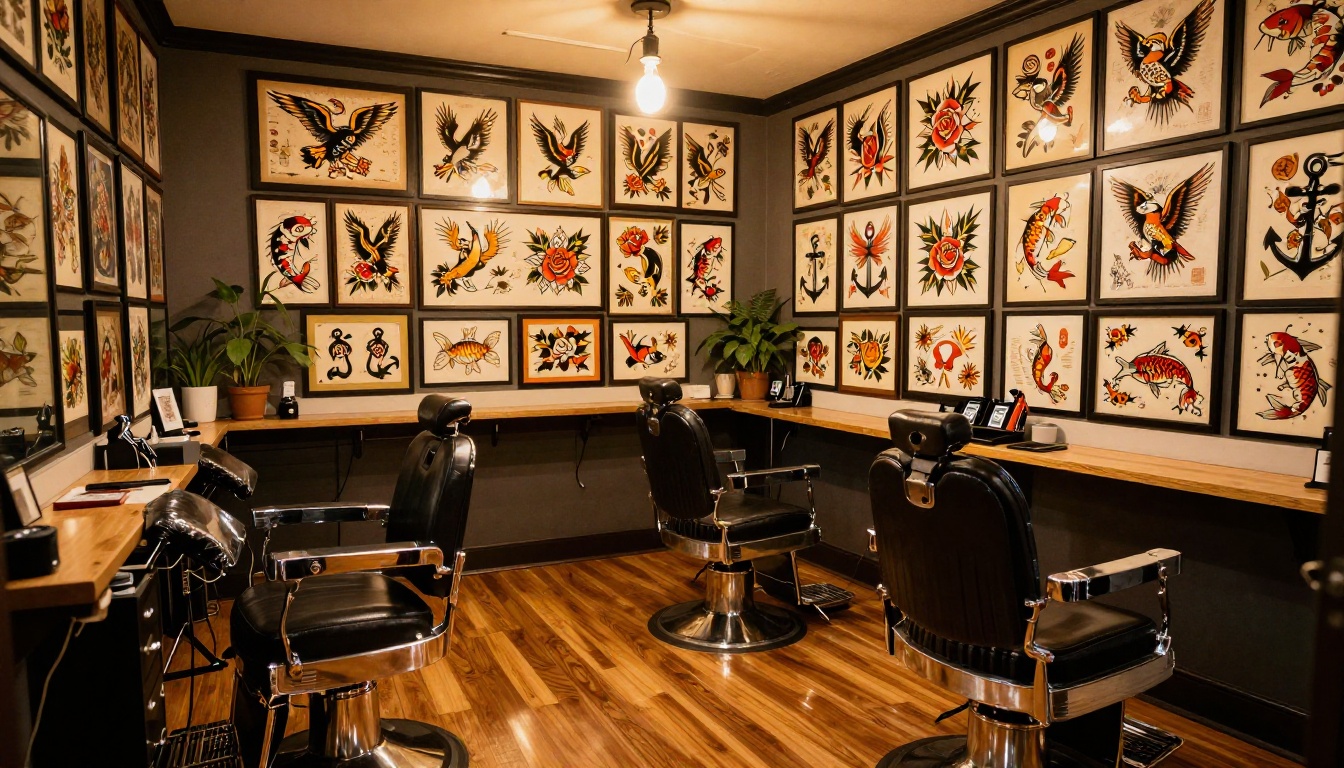
Most artists underestimate how quickly clients form impressions. A disorganized portfolio reads as a disorganized artist. Clients make a direct connection between the care you put into presenting your work and the care they expect from the tattoo itself.
What clients decide in 15 seconds
When a prospect opens your portfolio, they are answering three questions almost immediately:
- Does this artist specialize in the style I want?
- Are the results consistent across multiple pieces?
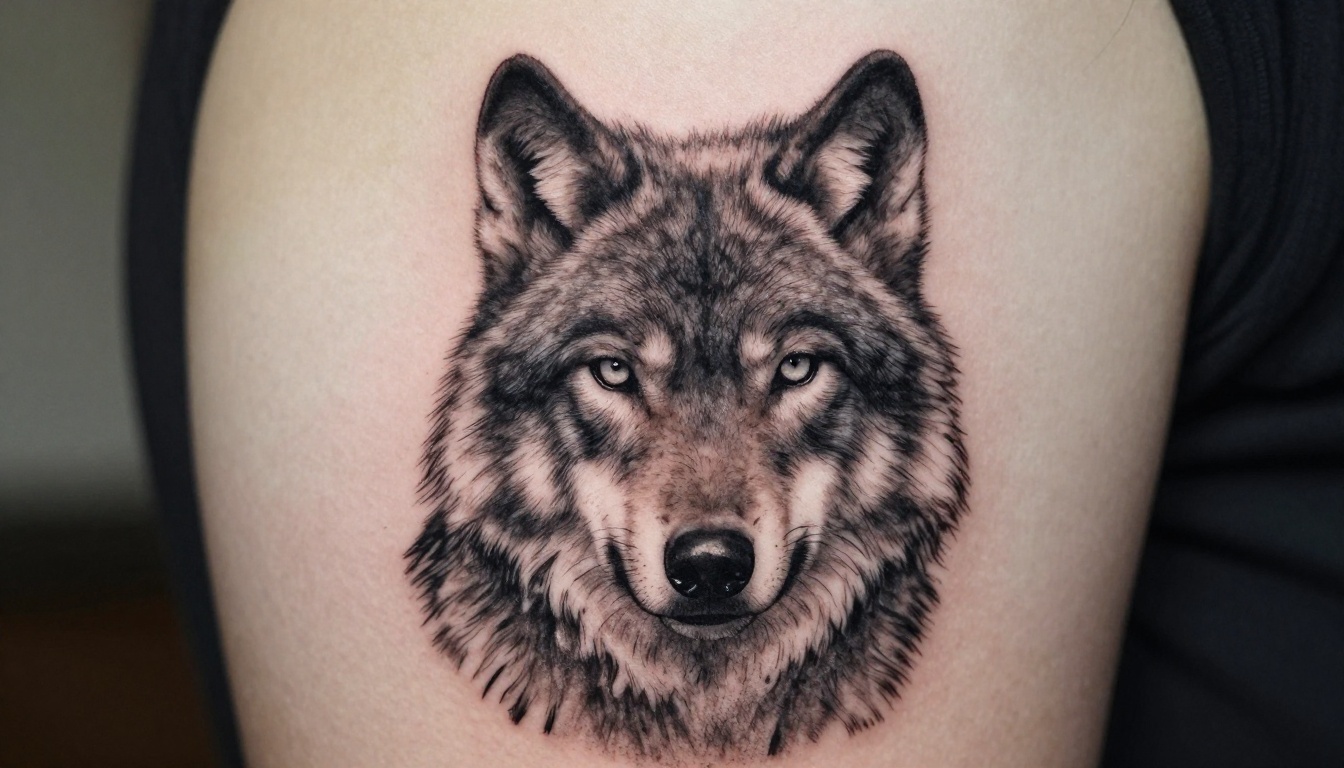
- Do their healed tattoos look as good as the fresh ones?
Structure your entire portfolio to answer all three within the first few pages.
Sort by style, not by date
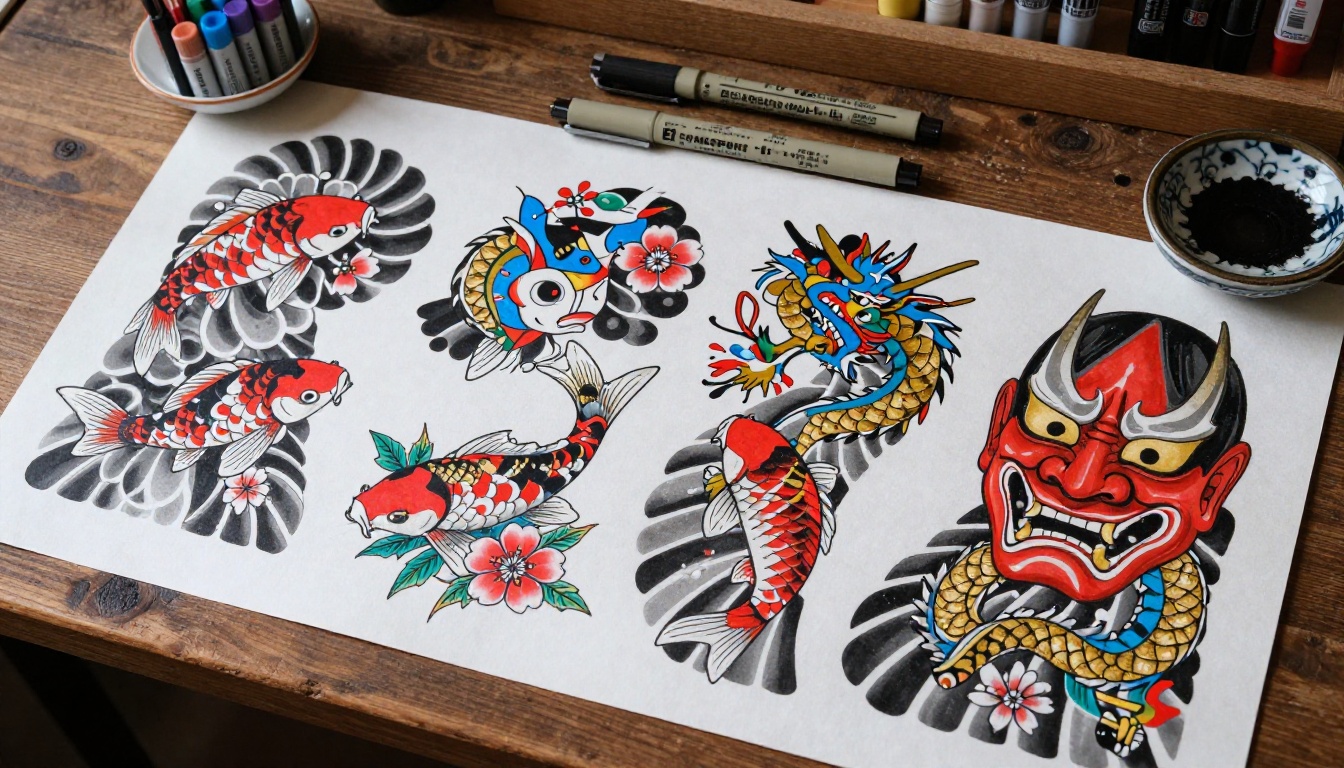
Most artists default to chronological order. That is the wrong call. Group your work by style:
- Black-and-grey realism
- Neo-traditional and American traditional
- Fine-line botanical
- Japanese / Irezumi
- Geometric and dotwork
- Watercolor
A client searching for a Japanese sleeve should not have to scroll through thirty minimalist florals to find relevant work. Build a direct path to what they came to see.
Not all portfolio formats deliver the same results. Here is how the most common options compare across the dimensions that matter most for booking clients:
| Format | Cost | Shareability | Client Experience | SEO Value |
|---|
| Physical Portfolio Book | Low | None | High (in-studio) | None |
| Instagram Page | Free | High | Medium | Low |
| Personal Website | Medium-High | Medium | High | High |
| PDF Portfolio | Free | Medium | Low | None |
| Interactive Flipbook | Low | Very High | Very High | Medium |
| Google Photos Album | Free | Low | Low | None |
Each format serves a purpose. The mistake most artists make is relying on only one.
Physical books still earn their place
A portfolio book on the consultation table signals professionalism immediately. Clients can feel the weight of it, flip through pages, and point directly at what they love. For in-studio consultations, nothing replaces the tactile experience. The limitation is obvious: it goes nowhere, it ages, and you cannot send it to someone who messaged you asking to see your work.
Digital portfolios do the heavy lifting
The moment a client asks "can I see your work?", you need something shareable in ten seconds. A dedicated portfolio link beats sending an Instagram username in almost every situation because you control exactly what they see and in what order.
💡 Pro Tip: A dedicated portfolio link filters out window-shoppers instantly. Someone who clicks through to a curated portfolio is far more likely to book than someone casually browsing your Instagram grid.
Photographing Your Tattoos the Right Way
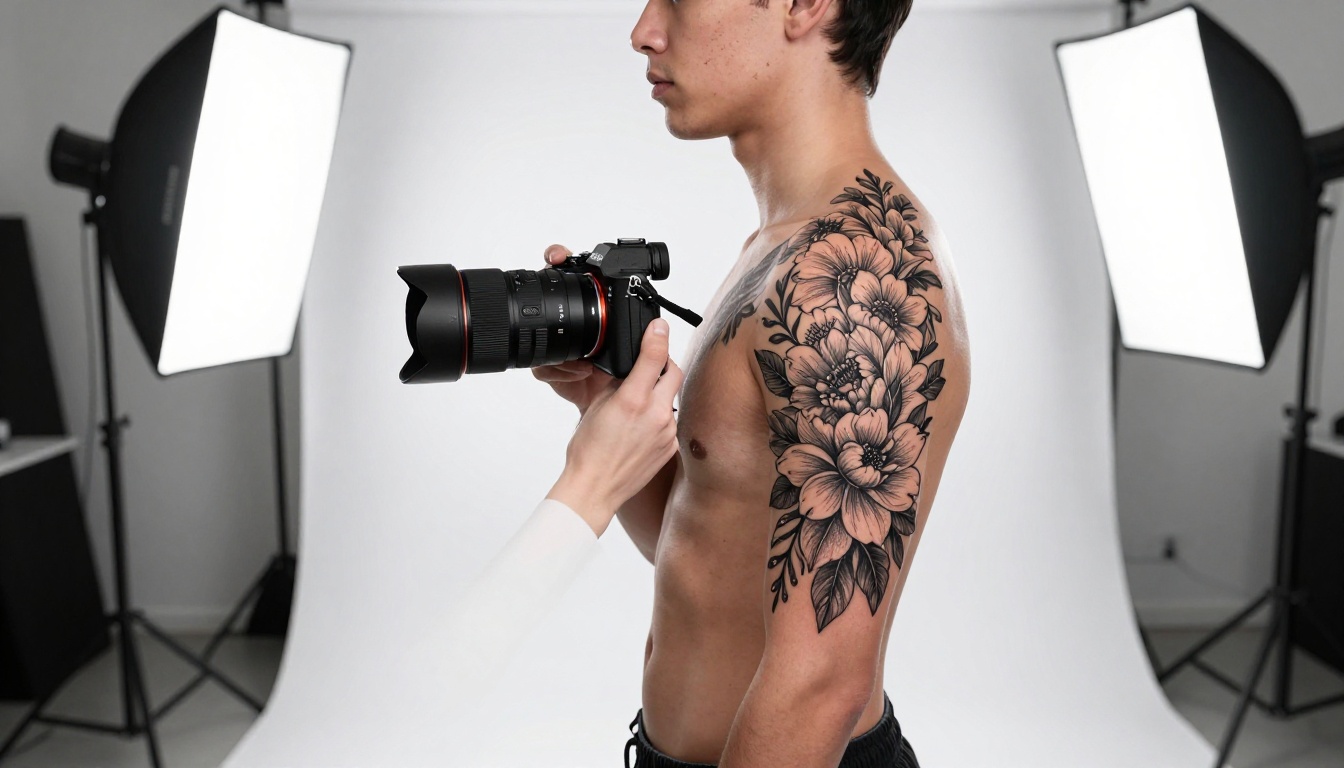
Photography quality matters as much as tattoo quality in a portfolio. A masterpiece poorly photographed looks average. A detailed, well-lit shot of solid work performs exceptionally well in client conversion.
Five rules every tattoo photographer follows
- Always shoot healed work alongside fresh shots. Fresh tattoos oversaturate colors. Healed pieces show exactly what the client will carry for life.
- Use natural light whenever possible. Position clients near a large window. Diffuse direct sun through a white sheet if needed.
- Shoot at multiple distances: one full piece in context, one medium shot, one close-up showing linework detail.
- Neutral backgrounds only: plain skin or minimal background clothing. Busy patterns steal attention from the tattoo.
- Shoot in RAW format if your camera supports it. Edit for color accuracy, not social media saturation.
Consistency in editing builds identity
Pick one editing style and apply it consistently across every portfolio image. Visual cohesion makes a collection feel curated rather than accidental. Your editing eye signals your artistic perspective before clients read a single word of your bio.
Digital Portfolios vs. Physical Books

The comparison is not really a competition. Both formats serve distinct moments in the client journey. Here is where each performs:
| Scenario | Physical Book | Digital Portfolio |
|---|
| In-studio consultation | ✅ Best | ✅ Good |
| DM or email inquiry | ❌ Not possible | ✅ Best |
| Social media discovery | ❌ Not applicable | ✅ Essential |
| Convention or travel day | ⚠️ Bulky | ✅ Accessible anywhere |
| Client shares with a friend | ❌ Not possible | ✅ One link away |
| Updating with new work | ❌ Slow, costly | ✅ Instant |
| Password-protected access | ❌ None | ✅ Available |
Physical portfolios anchor the in-studio experience. Digital portfolios do the heavy lifting everywhere else.
⚠️ Warning: Never rely exclusively on Instagram as your portfolio. Algorithm changes, account restrictions, or a hacked account can erase years of visibility in hours. Own your portfolio on a platform you control.
Build a Tattoo Portfolio Flipbook
One of the most effective and underused tools for tattoo artists is the interactive digital flipbook. It combines the visual richness of a physical portfolio with the shareability of a URL, in a format that clients genuinely enjoy browsing.
Flipbooks AI lets you create a professional, branded, page-turning digital portfolio in minutes, with no design background required.
Step 1: Prepare your portfolio PDF
Before uploading to Flipbooks AI, assemble your best work into a PDF:
- Use Canva, Adobe InDesign, or Google Slides
- Group pages by style, one section per genre
- Include a brief bio page at the start
- Add a contact and booking page at the end
- Export photos at 300 DPI minimum for sharp detail
Step 2: Upload and convert
- Visit flipbooksai.com and create your account
- Click Upload PDF from your dashboard
- Select your portfolio PDF
- The platform converts it to an interactive flipbook automatically, with page-turn animation included
Most files convert in under a minute.
Step 3: Personalize your branding
Once converted, customize the experience:
- Set a branded first page with your studio name and logo
- Choose a color palette that fits your visual identity
- Apply a dark background theme, which works particularly well for tattoo portfolios
- Enable page-flip sound for an authentic browsing feel
- Start from a template with the Digital Portfolio Creator or Portfolio Flipbook Builder
Step 4: Set your sharing options
Flipbooks AI provides multiple distribution paths:
- Direct link: Share via DM, email, or your Instagram bio
- Embed code: Drop your portfolio straight into your booking website
- Password protection: Create a private portfolio for VIP clients, exclusive flash, or pieces reserved for collectors
- QR code: Print it on business cards and studio signage so clients scan and browse on the spot
Step 5: See what clients actually look at
With the Professional plan, analytics show which pages clients spend the most time on, which styles attract the most attention, and where browsers drop off. That data tells you exactly what to photograph more of.
✅ Best Practice: Build two flipbook versions. A public portfolio for general inquiries, and a private one with unpublished flash for serious collectors. Password protection makes this effortless.
Flipbooks AI Plan Comparison:
| Feature | Free | Standard | Professional |
|---|
| Watermarks | Yes | No | No |
| Number of Flipbooks | 1 | Unlimited | Unlimited |
| Custom Branding | Limited | Full | Full |
| Password Protection | No | Yes | Yes |
| Website Embed | No | Yes | Yes |
| Portfolio Analytics | No | No | Yes |
| Lead Generation | No | No | Yes |
| Offline Downloads | No | No | Yes |
See the full breakdown on the pricing page.

Social media is where clients find you. A portfolio is where they decide to book. These two things serve completely different jobs. Treating Instagram as your portfolio is like using a billboard as a business card.
What social platforms do well
- Algorithmic reach: A strong reel can introduce your work to thousands of people who have never heard of you
- Community building: Followers become advocates who share your work organically
- Real-time content: Flash availability posts, healed reveals, and process videos build momentum
- Personality and trust: Behind-the-scenes content humanizes your brand in a way no portfolio page can
Where social media falls short
- No organization: Clients cannot filter work by style or type
- No control: You cannot shape the browsing experience or sequence
- No permanence: Posts bury over time in every feed
- Weaker professionalism signal: A dedicated portfolio page reads as more serious than a scrollable grid
💡 Pro Tip: Pin your Flipbooks AI portfolio link at the top of your Instagram bio and in a permanent story highlight labeled "Portfolio." Every curious follower should land on a curated, controlled experience, not your posts from three years ago.
How to Display Flash Designs
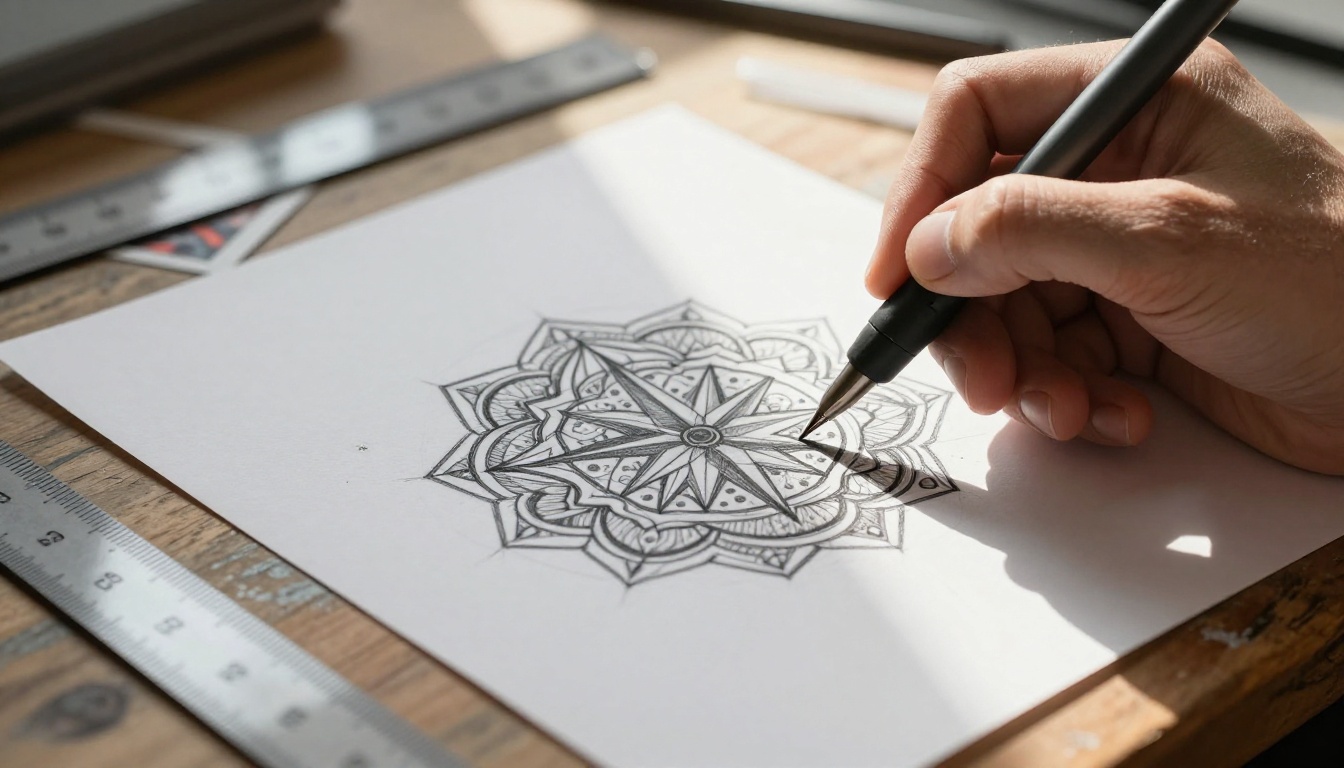
Flash art is one of the fastest ways to fill appointment slots, show off your range, and build a recognizable visual identity. How you display it makes all the difference.
Digital flash sheets fill calendars faster
Instead of posting individual flash photos that disappear into your feed, create a dedicated flash sheet PDF and convert it into an interactive flipbook with Flipbooks AI. Clients can browse available designs, share the link with friends, and contact you about specific pieces.
A dedicated flash flipbook signals organization and intent. It tells clients: this is a serious artist with a real catalog, not someone posting phone photos between sessions.
Conventions and travel days
If you work conventions or travel for guest spots, a QR code on your business cards pointing to your portfolio is more impressive than any paper handout. Clients scan it, browse at their leisure, and often book before the convention ends.
Brand Clarity Fills Your Calendar
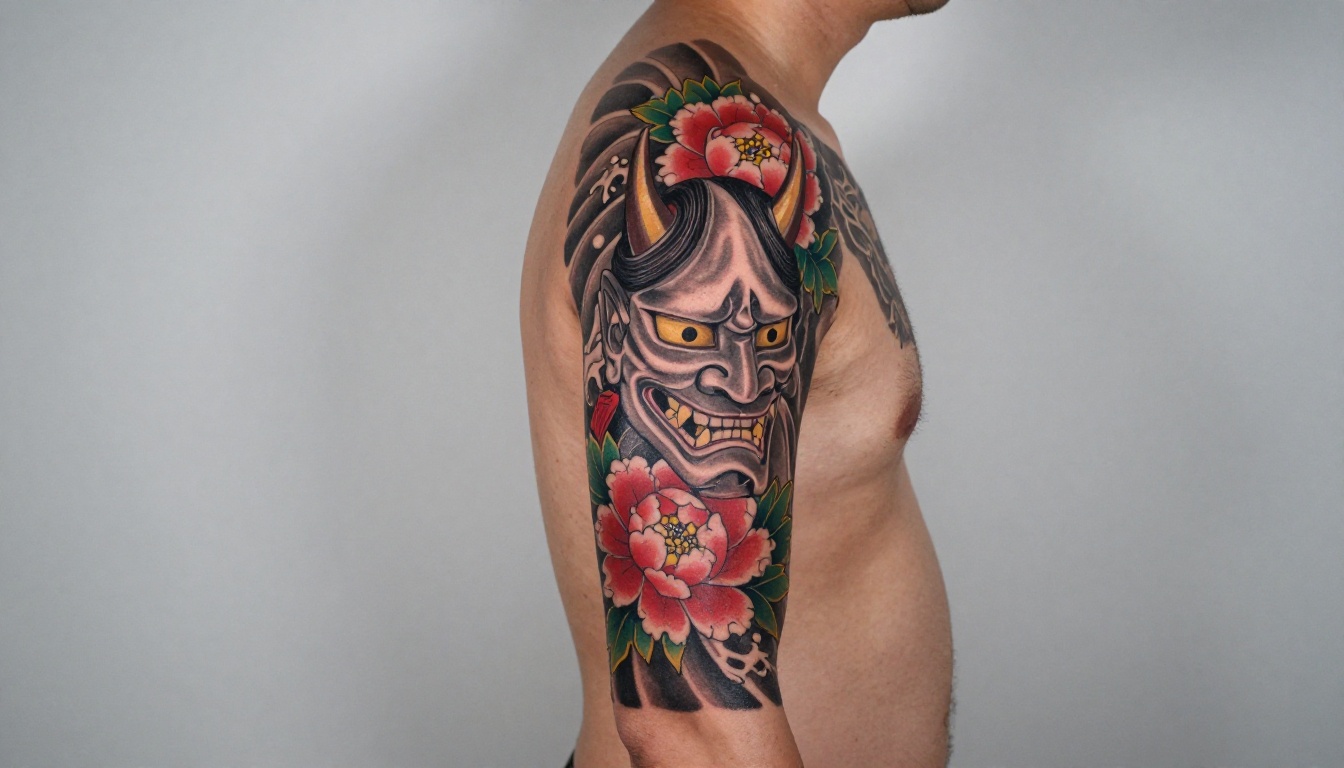
The tattoo industry is increasingly crowded. Technical skill is the baseline, not the differentiator. What separates booked-out artists from everyone else is brand clarity.
Define your niche and own it
Trying to appeal to everyone is the fastest way to become no one's first choice. Pick two or three styles you execute exceptionally well and make them the center of your portfolio. Clients searching for a specific style do not want a generalist. They want someone who breathes their preferred aesthetic.
Visual consistency across every touchpoint
Your portfolio, social media, and studio space should all feel like the same artist. Consistent photo editing, consistent content tone, and a consistent color palette in your branding create a recognizable identity that builds over time. Clients who see your work once should recognize it three months later without needing to see your name.
Healed shots and real client stories
Nothing converts a hesitant prospect faster than healed work from happy clients. Dedicate the final pages of your flipbook portfolio entirely to healed shots and short client testimonials. It closes the gap between "this looks impressive" and "I trust this artist with my skin."
What to Do Next
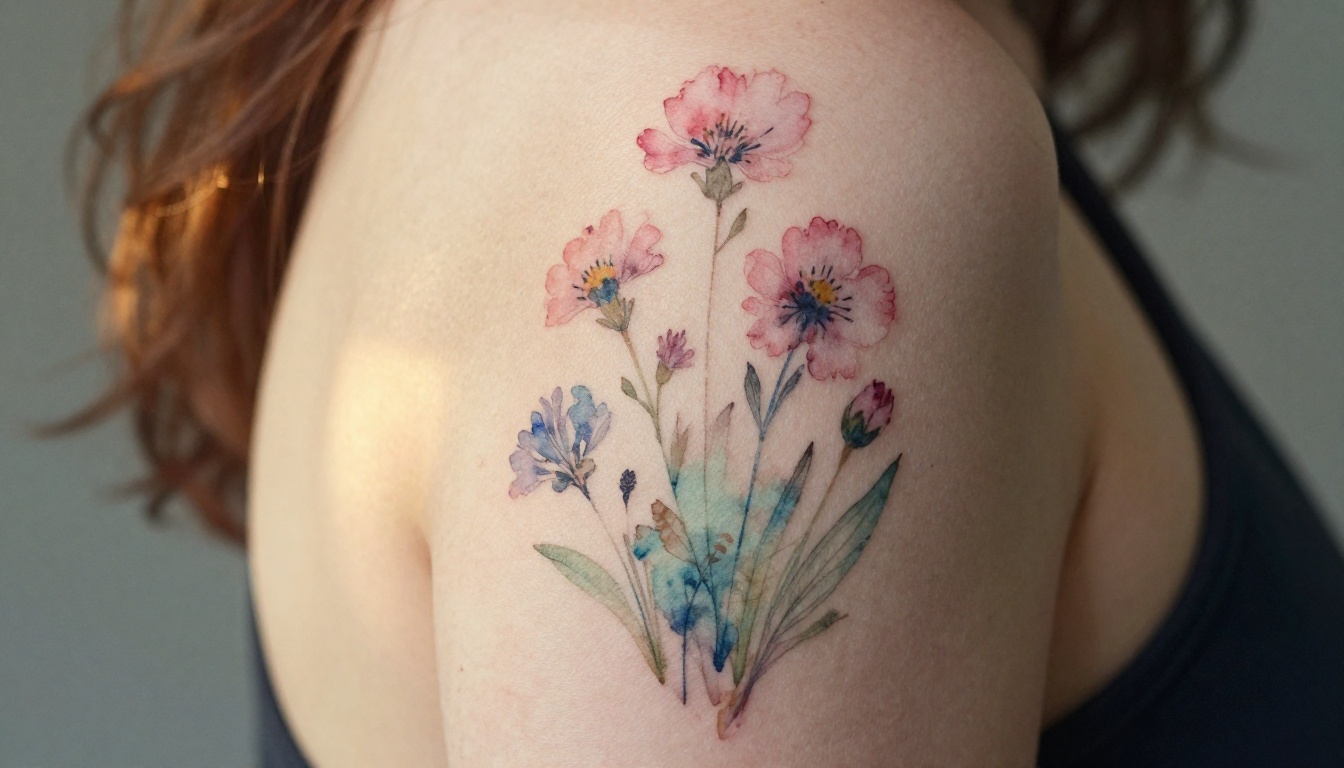
Showcasing tattoo designs is not about being everywhere at once. It is about being excellent and intentional in the right places. A well-organized, properly photographed portfolio distributed through a shareable digital format, backed by consistent social media presence, will outperform a scattered presence across every platform simultaneously.
The artists who stay booked three months out almost always have the clearest, most professional presentation.
If you want a portfolio that clients actively share with friends, create your first interactive portfolio on Flipbooks AI today. Upload your existing work and have a shareable, branded link ready to send in under ten minutes.
Not sure which plan fits your studio? Compare your options and start free to see exactly how your portfolio looks in flipbook format.
Check out all creative portfolio tools on the platform, including the Photography Portfolio Flipbook and the Portfolio Flipbook Builder, both built for creative professionals who want their work presented at its best.
Your tattoo art deserves a presentation that matches its quality.



