Fashion brands live and die by first impressions. Whether you're a boutique label presenting your spring collection to buyers or an established brand launching a seasonal campaign, a well-crafted lookbook is the single most effective piece of marketing collateral you can produce. And today, the most powerful lookbooks aren't printed. They flip.
Flipbooks AI has made it easier than ever to turn a static PDF design into an interactive, page-turning digital experience that buyers, press, and customers can browse on any device. This article breaks down everything you need to know about creating a fashion lookbook that actually works, from design principles to publishing and performance tracking.
What Makes a Fashion Lookbook Work
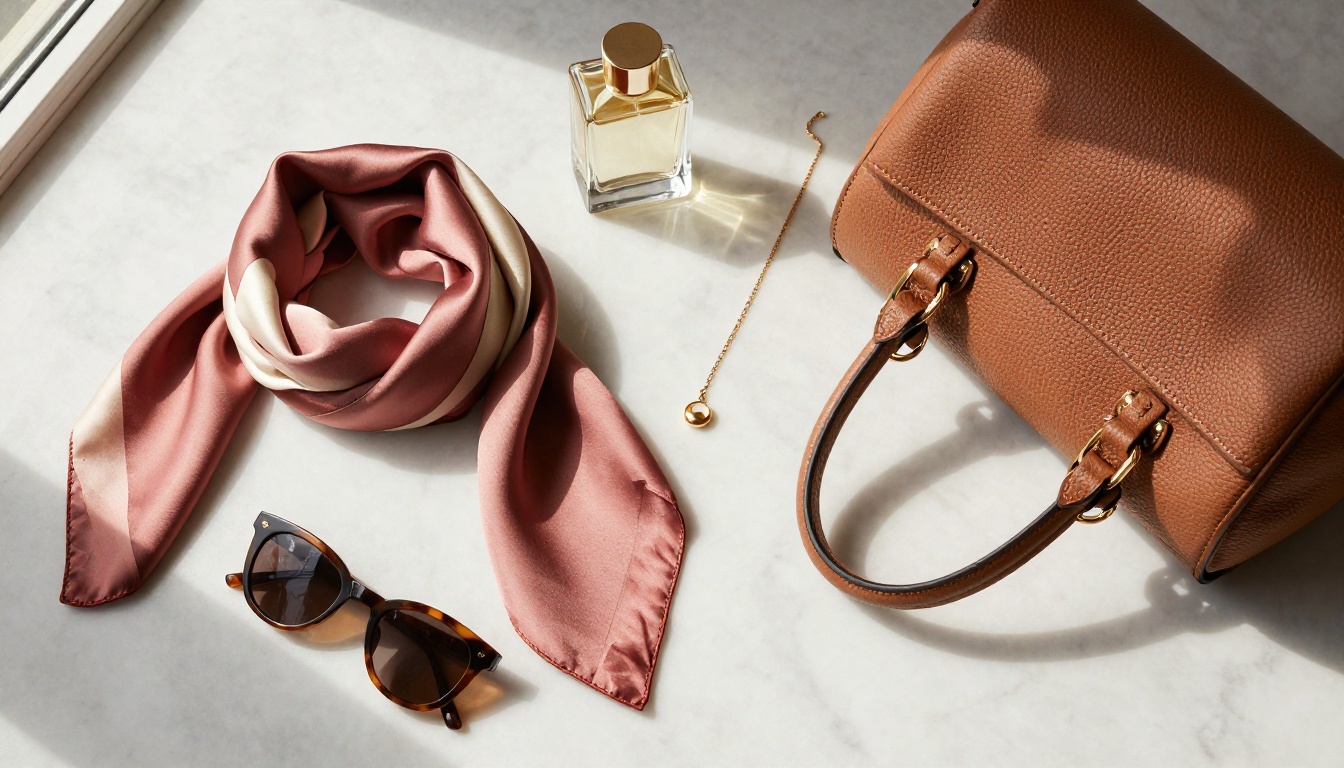
A lookbook isn't just a collection of product photos. It's a narrative. The best fashion lookbooks tell a story about who wears the clothes, where they live, and how they feel. That emotional context is what separates a lookbook that converts from one that gets scrolled past.
The story your brand tells
Every page should feel intentional. Your color palette, typography choices, model casting, and location all communicate brand values before a single word is read. A clean, minimal lookbook says something very different from a maximalist, editorial-heavy one. Neither is wrong. What matters is consistency.
Before you open any design software, answer these three questions:
- Who is the specific customer this collection speaks to?
- What feeling should they walk away with after viewing it?
- What action do you want them to take after the last page?
Those answers should inform every creative decision from cover to close.
What buyers actually look at first
Retail buyers and press have a different priority list than consumers. They scan for:
- Hero shots first - The cover and first spread set the tone. If these don't arrest attention, the rest won't get read.
- Product detail shots - Close-ups of fabric texture, construction details, and hardware matter enormously for wholesale.
- Pricing and availability - B2B lookbooks should include wholesale pricing, order minimums, and delivery windows.
💡 Keep consumer-facing and wholesale lookbooks separate. The messaging, pricing, and depth of information needed are fundamentally different.
Print vs. Digital: The Real Comparison

Print lookbooks had their era. They still have a place in high-end luxury positioning. But for most fashion brands, digital lookbooks win on nearly every metric that matters.
| Factor | Print Lookbook | Digital Flipbook |
|---|
| Cost per unit | $5 - $50+ | $0 |
| Time to produce | 2 - 4 weeks | Same day |
| Reach | Limited by distribution | Global, instant |
| Updates | Requires reprint | Edit anytime |
| Analytics | None | Full page-by-page data |
| Interactivity | Static | Video, links, audio |
| Storage | Physical space | Cloud-based |
| Password protection | No | Yes |
The numbers don't lie. A digital flipbook created on Flipbooks AI gives you capabilities that print simply cannot match, at a fraction of the cost.
⚠️ Print still carries brand prestige in luxury segments. For high-end positioning, consider a hybrid approach where digital is primary and a limited print run is reserved for key press and VIP buyers.
How to Design a Fashion Lookbook That Sells
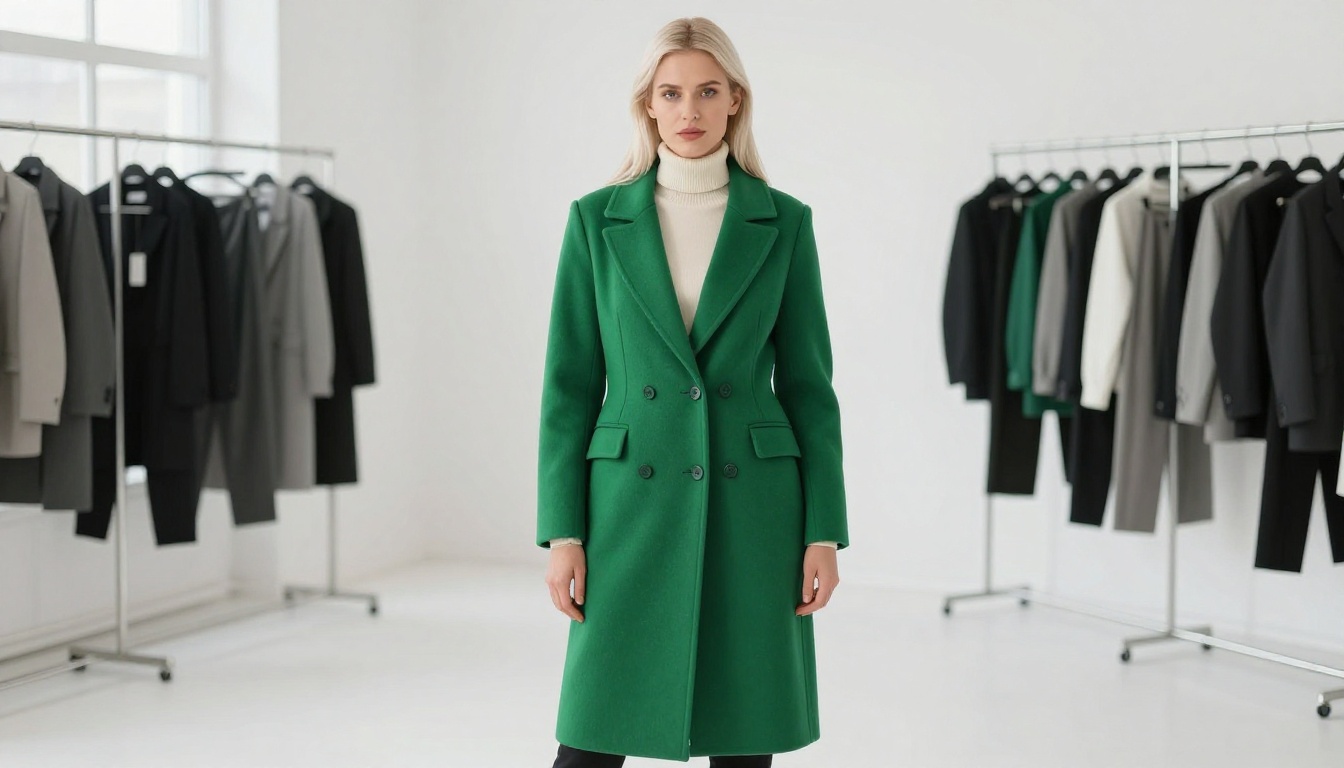
Design quality directly impacts perception. A poorly laid-out lookbook signals a poorly run brand. Here's what separates professional-quality lookbooks from amateur ones.
Layout and composition principles
- Bleed and white space: Give images room to breathe. Overcrowded pages feel cheap. White space is not wasted space.
- Spread thinking: Always design in two-page spreads, not single pages. A strong image that bleeds across both pages creates a premium feel.
- Hierarchy: One dominant image per spread. Everything else supports it.
- Consistency: Use the same margin widths, font pairing, and color treatment throughout. Deviation feels like a mistake, not a choice.
Typography that works with fashion photography
Typography in fashion lookbooks should never compete with the imagery. Choose:
- A serif for elegance: Cormorant, Didot, or Playfair Display convey high-fashion positioning.
- A clean sans-serif for product info: Helvetica Neue, Futura, or GT America for SKUs, prices, and descriptions.
- Size contrast: Headlines at 40pt+ against body copy at 9-10pt creates the editorial tension that feels intentional.
Choosing and sequencing your images
The order of images matters more than most brands realize. Follow this editorial arc:
- Opening spread: Your strongest, most atmospheric image. Establish the world.
- Collection overview: Three to five pieces in context through lifestyle shots.
- Detail progression: Alternate between full-looks and close-up details to build texture.
- Campaign climax: Your most complex, aspirational image, usually two-thirds through.
- Closing statement: A quieter, intimate image that ends on a personal note.
✅ Shoot at least 3-5 options per look so you have editorial flexibility when sequencing.
How to Create a Lookbook for Your Fashion Brand with Flipbooks AI
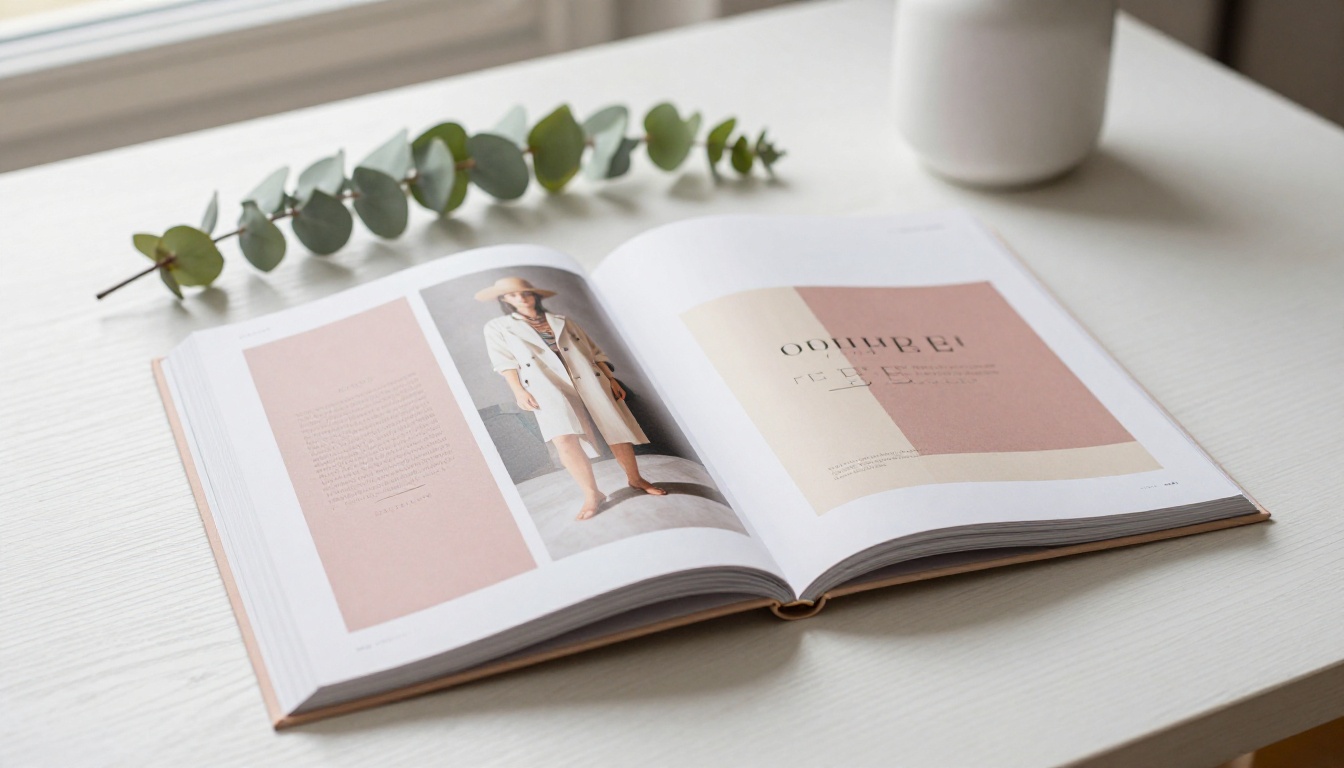
Once your PDF lookbook is designed and ready, turning it into an interactive digital flipbook takes minutes. Here's the exact process using Flipbooks AI.
Step 1: Create your account
Go to flipbooksai.com and sign up for a free account. The Standard plan gives you unlimited flipbooks with no watermarks, which covers the needs of most growing fashion brands.
Step 2: Upload your PDF
From your dashboard, click Create Flipbook and upload your PDF lookbook. Flipbooks AI converts your PDF into a page-turning digital format automatically. The PDF to Flipbook Converter handles multi-page documents up to professional print resolution.
💡 Export your PDF at 300 DPI for maximum image quality in the flipbook. Fashion photography demands it.
Step 3: Customize your branding
After conversion, you have full control over the presentation:
- Custom domain: Host it under your own brand URL
- Brand colors: Match the flipbook interface to your visual identity
- Custom cover thumbnail: Upload a specific cover image rather than defaulting to page 1
- Page effects: Choose from various page-turn animations that suit your brand tone
Step 4: Add interactive elements
This is where digital genuinely outperforms print. Inside the Interactive Lookbook Designer, you can embed:
- Clickable product links: Connect each look directly to your e-commerce product page
- Video content: Embed runway footage, campaign films, or behind-the-scenes content directly into pages
- Audio: Add an ambient soundtrack or a voice-over from your creative director
- Lead capture forms: Collect wholesale inquiries directly from the flipbook (Professional plan)
Step 5: Set privacy and sharing options
Flipbooks AI gives you granular control over who sees your lookbook:
- Public: Anyone with the link can view
- Password protected: Perfect for pre-launch previews or exclusive wholesale presentations
- Embedded on your website: Use the Embed Flipbook on Website tool to place your lookbook directly on your brand site
Step 6: Share and track performance
Once published, share via direct link, embed code, or QR code (ideal for print materials). On the Professional plan, you get full analytics: page views, time per page, link clicks, and geographic data. This tells you exactly which looks buyers and customers spend the most time with.
Flipbooks AI Plans for Fashion Brands
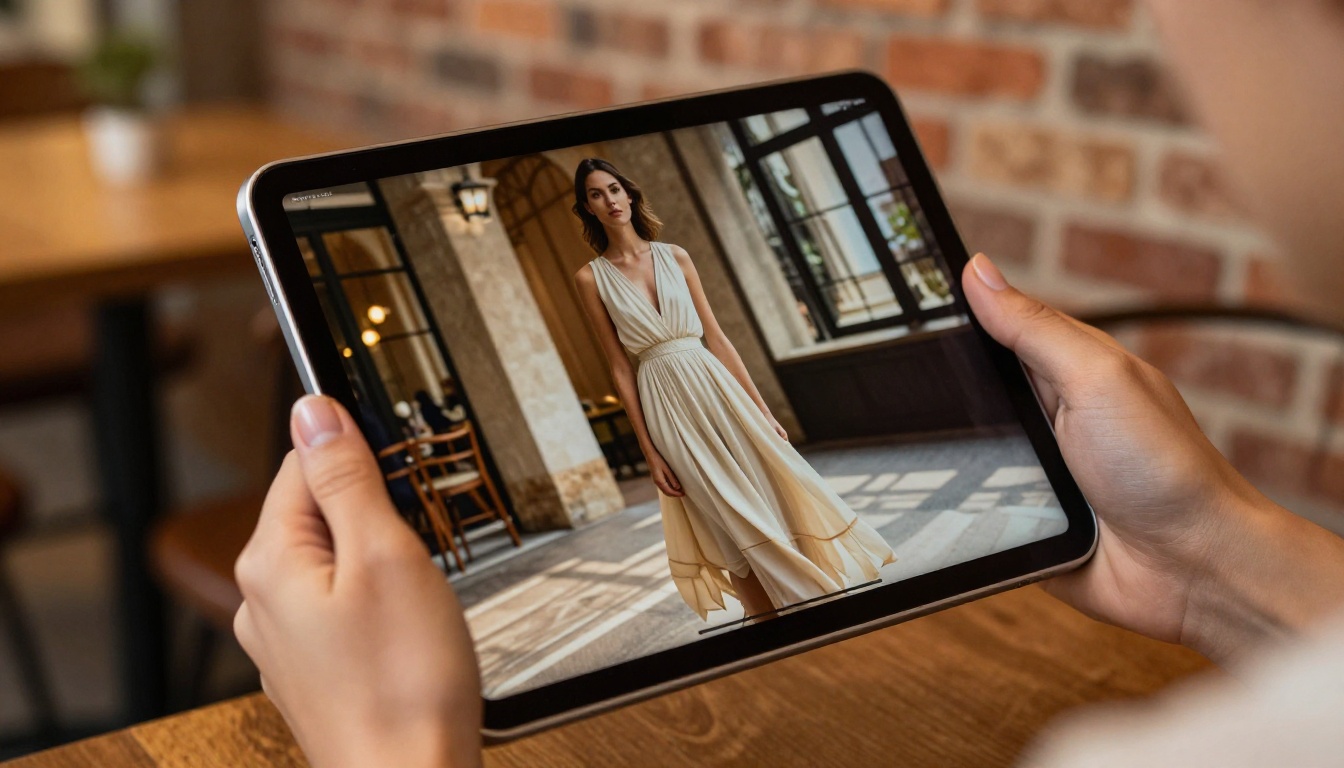
Choosing the right plan depends on how you intend to use your lookbooks. Here's a breakdown:
| Feature | Free | Standard | Professional |
|---|
| Flipbooks | 1 | Unlimited | Unlimited |
| Watermark | Yes | No | No |
| Password protection | No | Yes | Yes |
| Custom branding | No | Yes | Yes |
| Analytics | No | No | Yes |
| Lead generation | No | No | Yes |
| Offline downloads | No | No | Yes |
| Embedded video/audio | No | Yes | Yes |
| Mobile responsive | Yes | Yes | Yes |
For fashion brands doing wholesale presentations, the Professional plan's lead generation and analytics features alone justify the upgrade. Knowing which pages buyers spend the most time on is data you simply cannot get from a printed lookbook.
Browse pricing plans to find what works for your current stage.
Real-World Use Cases for Fashion Lookbooks
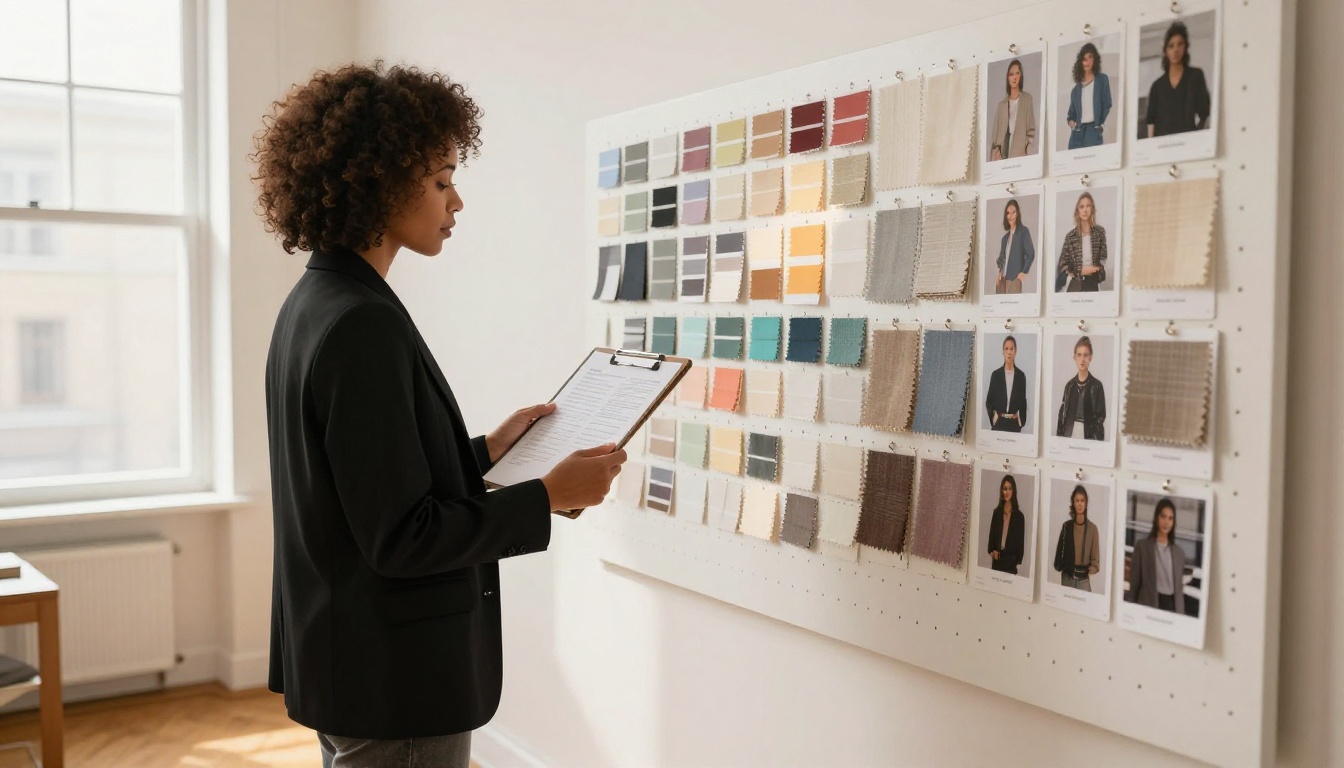
Fashion lookbooks serve different purposes at different stages of a brand's calendar. Here's how brands actually use them.
Seasonal collection launches
The most common use case. A seasonal lookbook accompanies every major collection release, used across:
- Email campaigns to existing customers
- Press kits sent to fashion editors and bloggers
- Social media, via link in bio or stories
- Your website's collection page
A single well-produced digital lookbook replaces what used to require a print budget of thousands of dollars. With Flipbooks AI, you can build it, update it with new looks, and republish within an afternoon.
Wholesale and trade show presentations
Trade shows still happen in person, but buyers increasingly want to browse before committing to a meeting. A password-protected digital lookbook sent in advance lets buyers pre-select which pieces they want to discuss, making your showroom time significantly more productive.
💡 Include wholesale pricing, fabric compositions, lead times, and MOQ directly in the lookbook. Buyers who get all the information they need upfront convert at a higher rate.
New brand launches and press kits
When launching a new brand, your lookbook is your first impression with press. Pair it with a Press Kit Designer to create a full media package that includes brand biography, contact information, and high-resolution image downloads alongside the interactive lookbook.
Creative director portfolio presentations
Fashion creatives use lookbooks not just to sell product, but to present their creative vision to potential collaborators, investors, and talent. The Digital Portfolio Creator is built for exactly this use case.
Designing for Different Channels
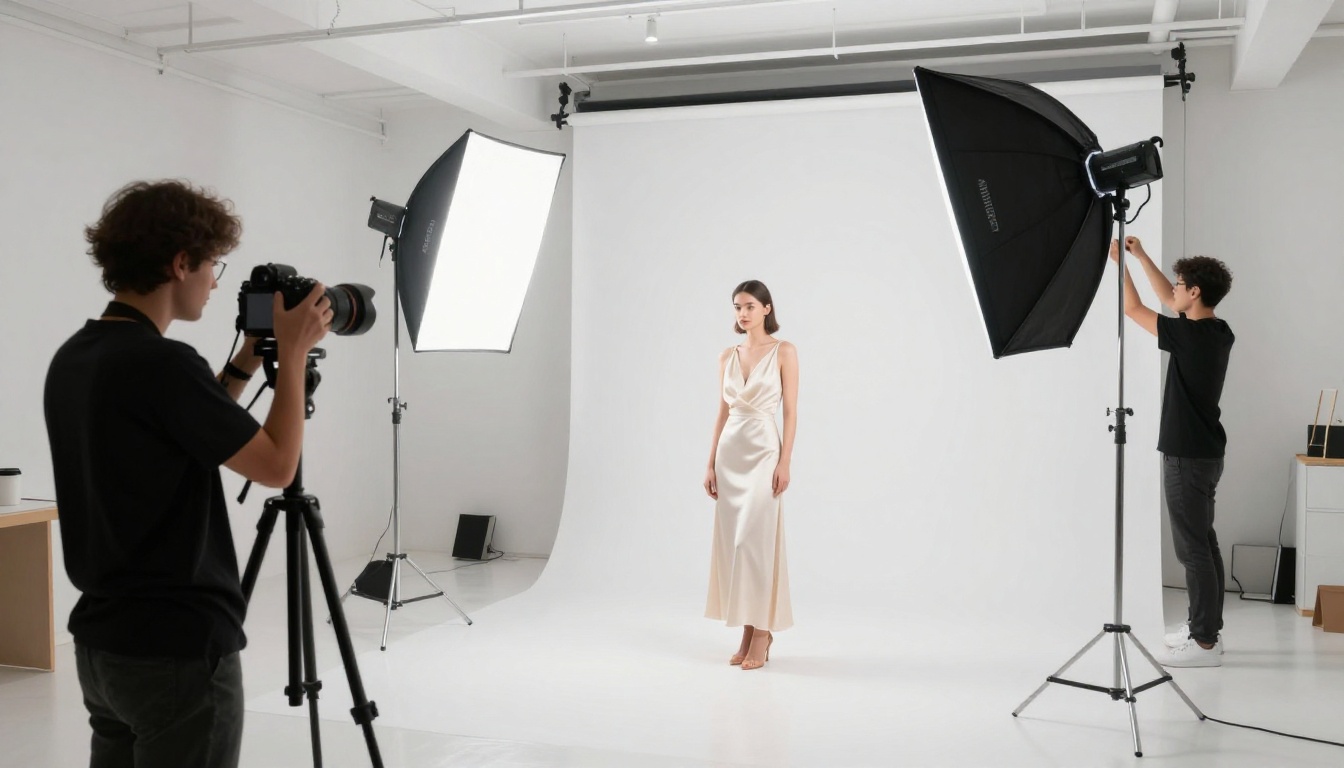
Your lookbook will be viewed across different contexts. Design with all of them in mind.
Embedded on your website
An embedded flipbook on your collection or press page keeps visitors on your site longer and gives them a premium browsing experience. Use the Lookbook Flipbook Builder to create a version optimized for web embedding, with clean interface styling that doesn't compete with your site design.
Email campaigns
Direct links to your flipbook in email campaigns outperform static image carousels for click-through. Pair a strong cover thumbnail image with a subject line that creates urgency around viewing the collection. Avoid attaching the PDF directly. Always link to the hosted flipbook for tracking and a better mobile experience.
Social media integration
Create a shorter highlight version of your lookbook (12-16 pages) specifically for social sharing. This version focuses on your 4-5 strongest looks and includes a strong call-to-action on the final page.
| Channel | Recommended Pages | Content Focus |
|---|
| Instagram bio link | 12-16 | Hero shots, strong opening |
| Email campaign | 20-30 | Full collection with details |
| Wholesale/B2B | 30-50 | Full line with pricing |
| Press kit | 15-20 | Editorial, brand story |
| Website embed | Full collection | Complete experience |
Common Mistakes Fashion Brands Make

After seeing thousands of fashion lookbooks, these are the mistakes that come up again and again.
Too many looks, too little context. A lookbook with 60 looks and no lifestyle photography feels like a catalog, not an editorial. Aim for quality over quantity. 20 strong looks beat 50 mediocre ones every time.
Inconsistent photography. Mixing indoor studio shots with outdoor natural light shots without a cohesive color grade makes a lookbook feel disjointed. Commit to a treatment and apply it uniformly in post-production.
No clear call-to-action. What do you want the viewer to do after the last page? Shop the collection? Contact your wholesale team? Apply to become a stockist? The final spread should answer that question with a specific, clear direction.
Forgetting mobile. Over 60% of fashion content is consumed on mobile. Every design decision in your lookbook should be tested at phone screen size before publishing. Flipbooks AI's mobile-responsive format handles the technical side, but your design still needs to be legible at smaller sizes.
⚠️ Never send a raw PDF as your lookbook. PDFs don't track interaction, aren't mobile-optimized, and can't be updated without resending. Always convert and host.
Measuring What Works
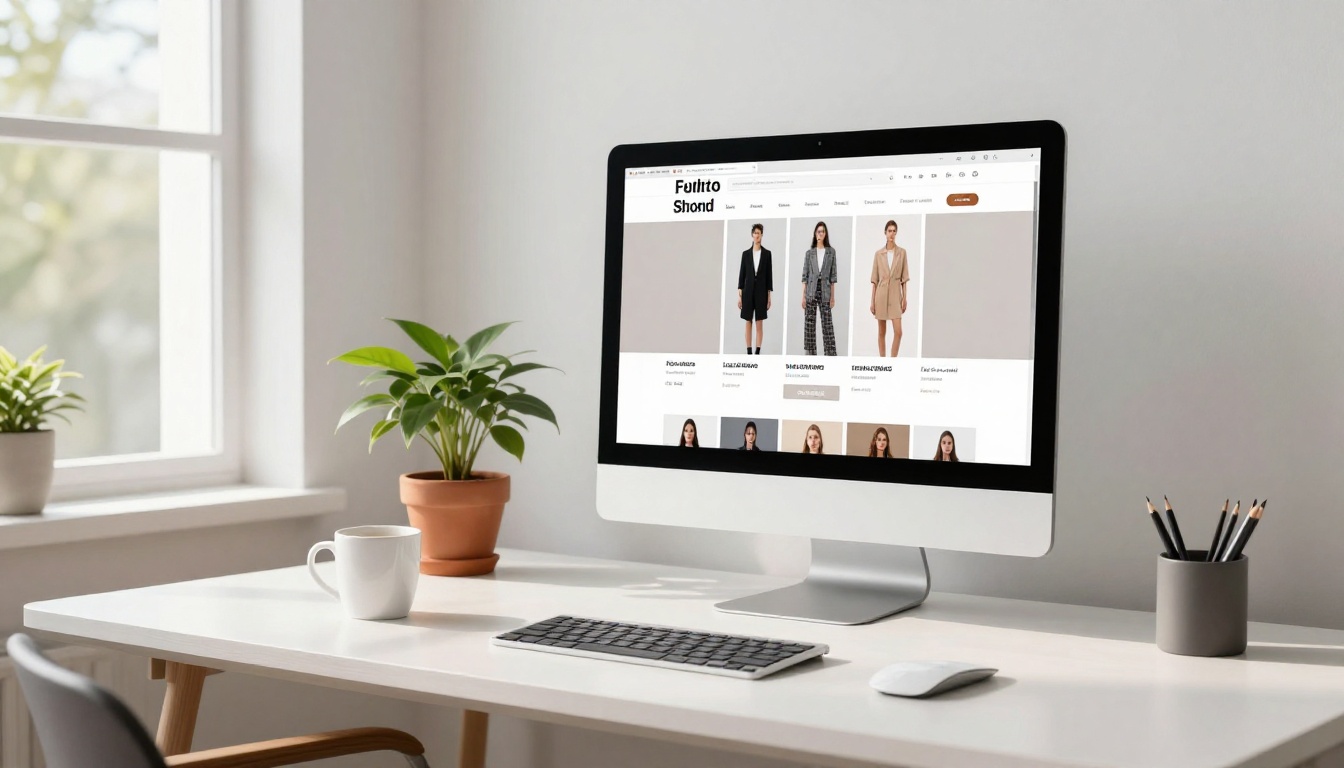
Data is where digital lookbooks make a permanent, irreversible case for themselves. With Flipbooks AI's analytics on the Professional plan, you get:
- Page-level attention data: Which spreads viewers spend the most time on
- Drop-off points: Where viewers stop reading, and what to fix in the next season
- Link click tracking: Which products generate the most intent to purchase
- Geographic data: Where your lookbook audience is located
- Lead capture: Contact information from wholesale buyers who submit inquiries
This information fundamentally changes how you brief your photographer and sequence your next lookbook. It removes guesswork and replaces it with actual audience behavior.
A brand that publishes its third seasonal lookbook with this data behind it is operating at a completely different level than one still guessing at what works. Three data points are enough to identify patterns. Six seasons in, you'll know exactly which fabric weights, silhouettes, and color stories your buyers consistently engage with most.
Your Next Collection Starts Here
Fashion moves fast. The brands that build efficient, beautiful, and trackable content systems will consistently outperform those that don't. A digital lookbook built on Flipbooks AI is one of the highest-leverage investments you can make in your brand's presentation.
Whether you're launching your first collection or refreshing your fifth, the workflow is the same: design your PDF in the tool you already use, upload it to Flipbooks AI, add your interactive elements, and share it with the world in minutes.
Ready to build it? Create your first lookbook for free. No watermarks, no limits on the Standard plan, and everything you need to present your fashion brand at the level it deserves.
Browse all available tools and templates to find the perfect fit for your brand. Compare pricing plans to choose what works for your current stage.



