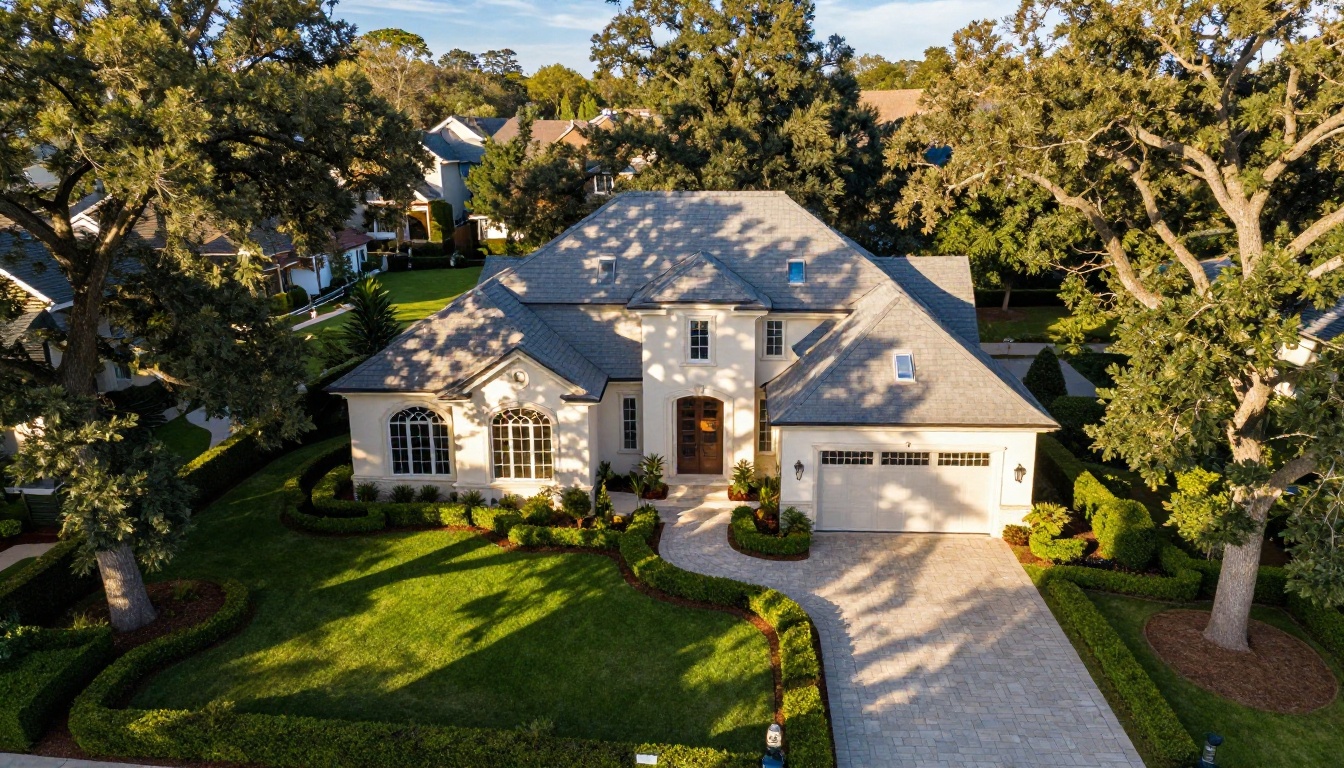
Paper brochures vanish into coat pockets, fade on kitchen counters, and end up in recycling bins before buyers even get home. A digital open house brochure built with flipbook technology stays with every prospective buyer indefinitely, shareable in seconds, readable on any screen, and trackable so you know exactly who came back for a second look. This is the reality shift happening in real estate marketing right now, and Flipbooks AI is at the center of it.
Why Paper Brochures Are Costing You Deals
The math agents hate to see
The average cost of printing a full-color property brochure runs between $2 and $8 per copy. For a busy weekend open house with 40 to 60 visitors, that is $120 to $480 spent on materials most buyers will forget, lose, or discard within 48 hours. Multiply that across a dozen listings per year and the figure becomes impossible to ignore.
Beyond the dollars, there is the data problem. A printed brochure gives you zero feedback. You have no idea whether the buyer in the navy jacket studied the floor plan for two minutes or never opened the back page. With a digital brochure, every page view, every click, every return visit tells a story that shapes your follow-up strategy.
What buyers actually want right now
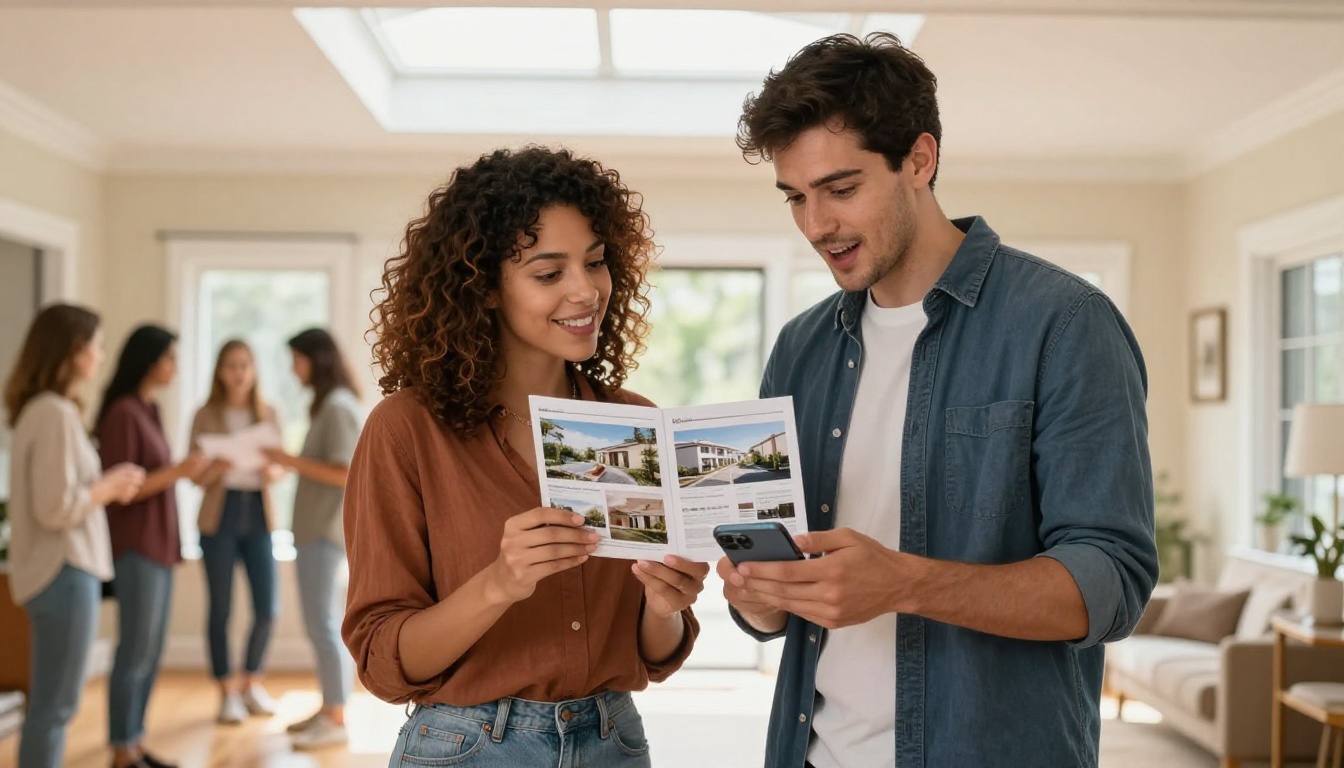
Over 95% of home buyers use the internet during their search process. They are not waiting for a paper handout. They are on their phones during the open house itself, texting the listing link to a partner, sharing it with their parents before dinner, and reviewing it again on a laptop that evening. A format that travels with them meets buyers exactly where they already are.
What a Digital Open House Brochure Actually Is
The flipbook format, explained
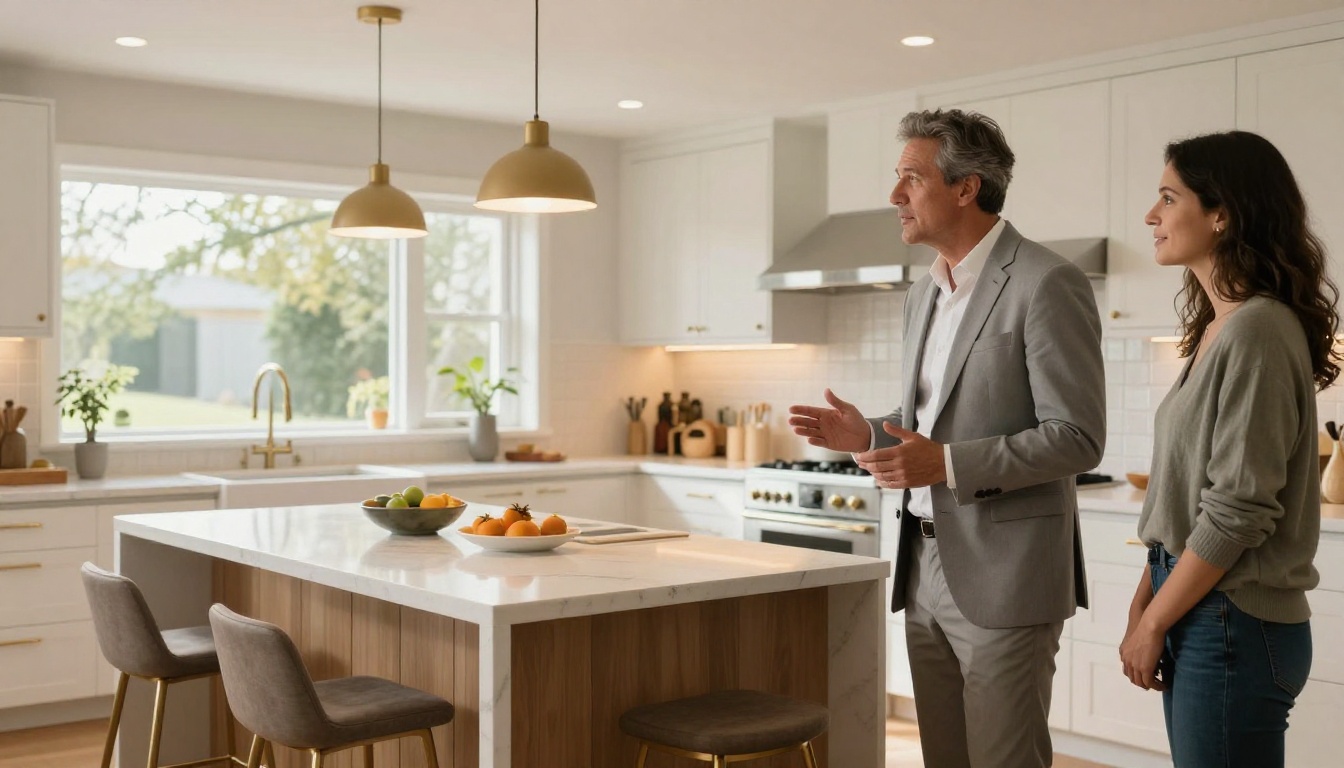
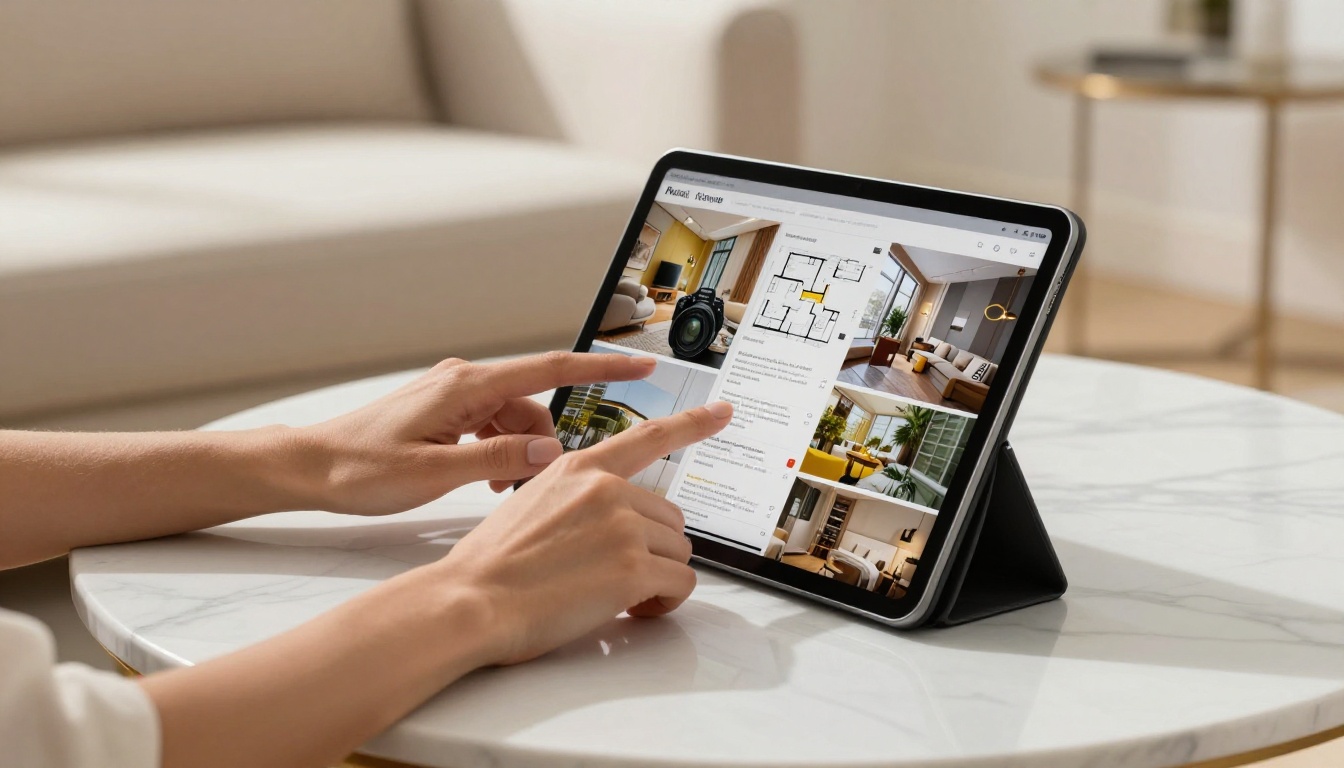
A flipbook is not just a PDF you email to people. It is an interactive, browser-based publication with realistic page-turn animations, embedded media capabilities, and a mobile-responsive layout that adjusts perfectly to any screen size. When a buyer taps or clicks through your property brochure, the experience feels closer to flipping through a beautifully designed magazine than scrolling through a static document.
The format works because it mirrors something buyers already find enjoyable. Physical property magazines are still desirable precisely because of their tactile, paginated feel. A digital flipbook preserves that experience while removing every practical limitation of print: cost, distribution range, update cycles, and analytics.
How it differs from a plain PDF attachment
| Feature | PDF Attachment | Digital Flipbook |
|---|
| Mobile experience | Pinch-to-zoom, awkward scrolling | Fully responsive, native swipe |
| Page-turn animation | None | Realistic flip effect |
| Shareable link | File attachment required | Single URL, shareable anywhere |
| Visitor analytics | None | Full tracking included |
| Embedded video | Not supported | Fully supported |
| Branding customization | Limited | Complete color and logo control |
| Password protection | Requires extra software | Built-in feature |
| Offline access | Manual download required | One-tap optional download |
The difference is not subtle. For buyers comparing five properties in a single afternoon, the agent who delivers a crisp, interactive flipbook link wins the attention competition every time.
What to Put Inside Your Open House Brochure
Must-have sections
A well-built open house brochure does more than list bedrooms and bathrooms. It tells the story of the property and removes every question that stands between a visitor and a serious offer. Here is a structure that consistently performs across property types:
- Cover page: Hero exterior photography, property address, quick stats (beds, baths, square footage, asking price)
- About this home: A 100 to 150 word narrative that sets the tone and highlights the three most compelling features
- Interior gallery: 8 to 12 curated high-resolution photos organized by room
- Floor plan: Dimensioned, clearly labeled, with compass orientation shown
- Neighborhood highlights: Nearby schools with ratings, transit access, shops, parks, and lifestyle amenities
- Financial snapshot: HOA fees, recent tax assessment, estimated mortgage at current rates
- Agent contact page: Professional headshot, direct number, email, and a QR code linking to a showing request form
💡 Add a QR code on any printed materials pointing directly to the flipbook. You get the reach of both formats without duplicating your content creation work.
Content that converts browsers to buyers
The buyers who return to your brochure a second or third time are the ones closest to making an offer. The content driving those return visits is almost always the floor plan and the neighborhood section. Buyers obsess over layout and lifestyle fit above almost everything else.
Dedicate at least two full pages to the floor plan, with room dimensions clearly visible. Add one page to a visual neighborhood map with walking distances and transit times marked. These two elements alone regularly turn a casual open house visitor into a qualified inquiry within 24 hours.
How to Build Your Open House Flipbook in 5 Steps
The Real Estate Brochure Creator on Flipbooks AI is purpose-built for exactly this workflow. Here is the process from start to live publication.
Step 1: Create your account
Head to flipbooksai.com/account and sign up in under two minutes. No credit card is required to test the platform. The Standard plan and above remove watermarks entirely and give you unlimited flipbooks from the first month.
Step 2: Prepare your PDF
Before uploading, confirm your PDF is print-quality. Design tools like Canva, Adobe InDesign, or a premium PowerPoint template all export reliably. Aim for 8 to 12 pages minimum and export at 150 to 300 DPI for the best balance of quality and file size.
⚠️ Avoid Google Slides exports as your PDF source. The aggressive image compression will visibly degrade your property photography once it renders inside the flipbook viewer.
Step 3: Upload and convert
Drag your PDF directly into the Flipbooks AI dashboard. Conversion completes automatically in under a minute for most files. The platform strips the static pages and rebuilds them as an interactive publication with the page-turn engine applied instantly.
A live preview appears immediately after conversion. At this stage, use the editor to set brand colors for the toolbar, upload your agency logo, choose your page-flip animation style (hard cover, soft page, or flat scroll), and optionally add ambient background audio for luxury listings.
Step 4: Add interactive elements
This step is where digital brochures permanently separate from printed alternatives. Inside the Flipbooks AI editor you can:
- Embed a video walkthrough directly on the property tour page
- Add clickable hotspots on the floor plan that link to photos of each specific room
- Insert a contact form on the final page so buyers can request a showing without leaving the brochure
- Enable lead capture on the Professional plan to collect buyer names and email addresses before granting full access
Step 5: Share everywhere
Once published, your flipbook lives at a permanent URL you can distribute across every channel simultaneously:
- Text it to every open house visitor as they leave
- Paste it into your MLS listing description
- Embed it on your agency website using the Embed Flipbook on Website tool
- Include it in your follow-up email sequence with a preview thumbnail
- Post it on Instagram Stories and LinkedIn as a swipe-through preview
✅ Use password protection for pre-market listings. Share the password only with qualified buyers. This creates exclusivity and urgency that printed materials simply cannot replicate.
Features That Separate Good From Great
Analytics that tell you who is serious
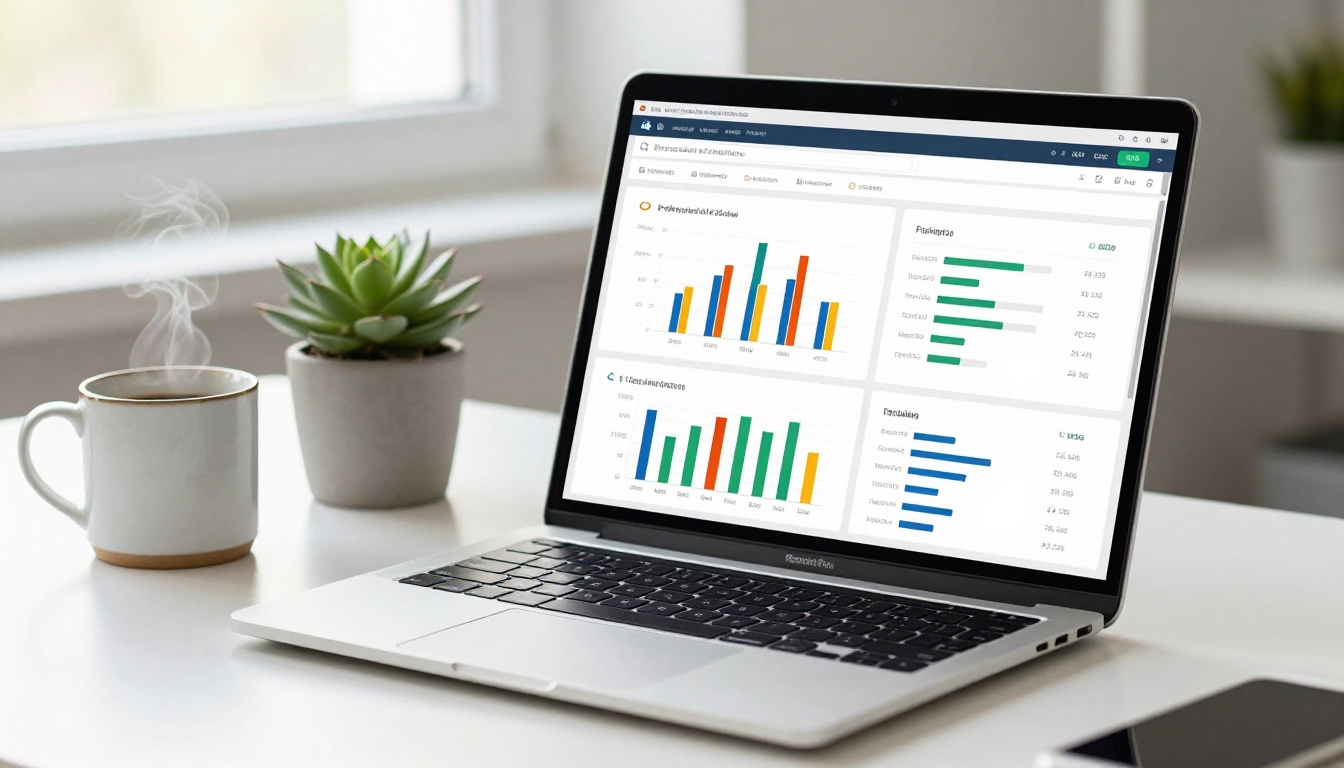
The Professional plan on Flipbooks AI includes real-time analytics that would change how most agents prioritize follow-up calls. You can see total unique visitors to your flipbook, time spent on each individual page, return visits over any date range, geographic location of viewers, and the device breakdown between mobile and desktop.
The practical impact is significant. Knowing that one specific buyer spent four minutes on the master suite pages and returned to the brochure the following morning tells you exactly who to call first. No guesswork, no cold follow-up, no wasted time chasing buyers who were never serious.
Sharing that actually travels
One of the persistent problems with email PDF attachments is that they do not forward cleanly. Files grow, quality degrades across email clients, and recipients frequently cannot open them at all on mobile devices.
A flipbook URL forwards perfectly every time. One link works on every device, every browser, without any download required. Buyers pass it to family members, their solicitor, their financial advisor, and their architect without a second thought. Each time they do, you gain another potential touchpoint with a new qualified prospect.
💡 Print the flipbook URL as a QR code on your open house sign-in sheet. Visitors scan to register their attendance and immediately receive the digital brochure in their phone browser, without any manual follow-up required from your side.
Plan Comparison: Which Tier Fits Your Business
| Feature | Free | Standard | Professional |
|---|
| Flipbooks per month | 3 | Unlimited | Unlimited |
| Watermark removed | No | Yes | Yes |
| Custom branding | No | Yes | Yes |
| Password protection | No | Yes | Yes |
| Full visitor analytics | No | No | Yes |
| Lead generation forms | No | No | Yes |
| Offline downloads for buyers | No | Yes | Yes |
| Embed on your website | No | Yes | Yes |
| Embedded video and audio | No | Yes | Yes |
For agents handling one or two listings per month, the Standard plan covers everything needed to present professionally. High-volume agents and brokerages with multiple active listings simultaneously will find the analytics and lead generation capabilities of the Professional plan worth far more than their cost. See the complete breakdown at flipbooksai.com/pricing.
Real Scenarios Where This Changes Outcomes
Luxury listings above $1.5M
At this price point, buyers expect a premium experience at every touchpoint before they commit to a serious conversation. A sleek, branded digital brochure with embedded video, a custom color scheme matching your agency identity, and password-protected pre-market access signals that you operate at their level. The Real Estate Brochure Creator delivers exactly the polish that high-net-worth buyers expect when they walk through a property of this caliber.
First-time buyer properties
First-time buyers are information-hungry and anxiety-prone. They will read your brochure five times and share it with three different family members before making a decision. A flipbook with a clear financial breakdown page, a neighborhood overview with school ratings, and a simple FAQ section about the purchase process removes friction and builds the trust that eventually closes these deals.
Multi-property portfolio events
Brokerages hosting portfolio events, new development launches, or investment property showcases can create a dedicated flipbook for each property and group them under a single branded landing page. Investors move through each option at their own pace. Agents spend less time presenting basic specifications and more time answering qualified, deal-specific questions from buyers who have already done their reading.
Room Photography That Actually Sells
The shots that close deals
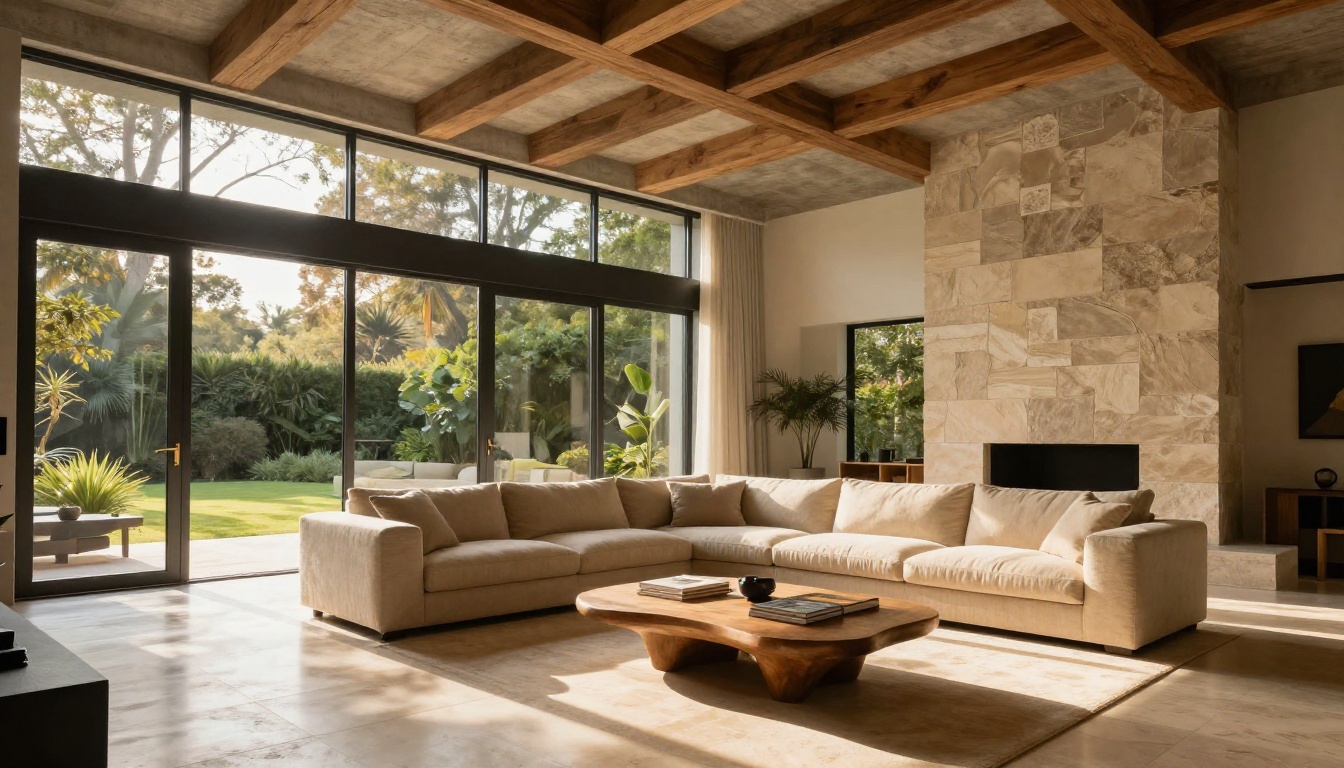
Property photography quality is the single biggest factor in whether buyers spend time with your brochure or skip past it. A few principles that never change regardless of market conditions:
- Shoot after sunrise or before sunset for the warmest, most flattering natural light
- Always lead with a clear exterior shot with visible sky and landscaping
- Kitchens and primary suites close more deals than any other room in the home
- Include at least one wide shot per main room where buyers can visualize themselves living in the space
- Show the view from windows whenever it is a selling point, even if modest
The floor plan most agents undervalue
Most agents include a floor plan, but few present it effectively. A floor plan without room dimensions is nearly useless to a serious buyer who is mentally arranging their furniture before placing an offer. Label every room clearly, include ceiling heights for open-plan areas, mark compass orientation on the page, and show the outdoor footprint with patio or garden dimensions. Buyers who are seriously considering an offer almost always screenshot or save the floor plan. Make sure it is worth keeping.
The flipbook workflow applies cleanly across every property type, not only residential open houses. The same five-step process above handles:
- New development pre-sales: Build a flipbook from architectural renders and floor plan PDFs before construction is complete, capturing interest months before the first brick is laid
- Commercial property leasing: Tenant brochures with unit layouts, amenity specifications, and lease term summaries in one interactive document
- Holiday rental properties: Seasonal brochures with embedded availability calendars and direct booking links
- Property management reports: Annual performance summaries for landlord clients built with the Annual Report Creator
The Online Brochure Designer and Brochure Flipbook Maker cover each of these use cases without requiring any technical setup or design background.
Digital vs Print: The Full Picture
| Consideration | Print Brochure | Digital Flipbook |
|---|
| Cost per copy | $2 to $8 | Effectively $0 |
| Distribution reach | In-person only | Global, unlimited |
| Updates after publishing | Impossible without reprint | Instant, at no cost |
| Visitor analytics | None | Full real-time tracking |
| Environmental impact | Paper waste per event | Zero physical waste |
| Buyer access after the event | Requires physical copy | Permanent URL forever |
| Multimedia support | None | Video, audio, clickable links |
| Time from PDF to live | Days including print turnaround | Under 5 minutes |
The economics of this decision are straightforward. The only reason to continue printing brochures as a primary format is habit, and habit is not a marketing strategy.
Your Next Open House Starts Here
The open house format has not fundamentally changed in decades, but buyer behavior has changed completely. They arrive with a smartphone in their pocket, a sharp eye for digital presentation, and the expectation that professional agents operate with current tools.
A digital open house brochure built on Flipbooks AI takes less than 30 minutes to create, costs a fraction of a single printed copy, reaches every buyer who walks through your door indefinitely, and tells you in real time exactly who is serious about making an offer.
Ready to create yours? Get started for free on Flipbooks AI and have your first property flipbook live before your next showing. Compare all pricing plans to choose the tier that fits your listing volume. Explore the Real Estate Brochure Creator built specifically for property marketing, or browse the full tools directory for every format your business needs across the year.



