Most marketing teams invest weeks into content that quietly disappears. A product catalog gets attached to an email, downloaded onto someone's laptop, opened once, and never revisited. That is the daily reality of static content distribution for the vast majority of brands right now, and it is costing real money in lost leads, weak brand impressions, and content that never earns back its production cost. Flipbooks AI is built specifically to fix this problem: a platform that converts any PDF into an interactive, hosted, trackable digital publication that holds attention far longer than any static file. The brands already using this format are pulling ahead of every competitor still sending attachments.

Why Your PDF Strategy Is Failing
The numbers behind static content distribution are uncomfortable. Average time spent with a downloaded PDF sits under 90 seconds. Email attachments have notoriously low open rates, and even those that get opened rarely get read in full. Sales decks sent as flat files get forwarded, misformatted across different PDF viewers, and almost never acted on in any trackable way.
Three core failures make static documents ineffective as marketing assets:
- No tracking: Zero visibility into whether anyone read past page one. No data on which page captured attention or which caused readers to close the document entirely.
- No interactivity: Readers cannot click a CTA, zoom into product detail, play a video, or navigate directly to a section without scrolling through the whole file.
- No shareability: A PDF does not have a URL. It cannot be posted on LinkedIn, embedded in a landing page, or shared as a link that opens beautifully on a phone.
Flipbook marketing solves all three failures simultaneously. An interactive flipbook lives at a unique URL, works perfectly on any device, logs every page view with timestamp data, and lets readers interact with embedded multimedia without leaving the document.
💡 Pro tip: Brands that switch from PDF distribution to hosted flipbooks consistently report 3-5x longer average read times per document, meaning every piece of content you produce works significantly harder.
What Flipbook Marketing Actually Is
Flipbook marketing is the strategic practice of converting static documents (catalogs, brochures, reports, menus, proposals, e-books) into interactive, hosted digital publications that simulate the tactile experience of turning physical pages. The result is a document that looks premium, performs like a website, and delivers the reading experience of a high-end magazine.

The core components of a flipbook marketing system:
- The publication itself: A PDF converted to a hosted, animated, page-turning digital document.
- A unique URL: Every flipbook gets its own direct link for sharing, embedding, and tracking.
- Page analytics: Granular data on views, time-on-page, drop-off rates, and reader sources.
- Embed functionality: The flipbook can be placed inside any website, landing page, or email campaign.
- Lead capture: Gated access forms built directly into the document flow to collect contact data before readers proceed.
This is not a cosmetic upgrade from PDF. It is a fundamentally different content distribution channel that turns passive documents into active marketing assets.
The Numbers That Make This Worth Doing
Interactive content consistently outperforms static formats across every measurable metric. Here is how flipbook publications compare directly against traditional document formats:
| Metric | Static PDF | Hosted Flipbook |
|---|
| Average read time | Under 90 seconds | 4-7 minutes |
| Page-level analytics | None | Full per-page data |
| Mobile readability | Poor (requires zoom) | Fully responsive |
| Shareability | File attachment only | Direct URL + embed |
| SEO indexability | Limited | Full HTML indexing |
| Lead capture | None | Built-in forms |
| Multimedia support | None | Video + audio |
| Load speed | Large file download | Instant streaming |
For any brand investing in content production, converting existing documents to flipbook format delivers a measurable lift in content performance without any additional content creation cost.
✅ Best practice: Before publishing any catalog, brochure, or report, ask yourself: "Can this live at a URL instead of as a download?" If yes, it should be a flipbook.
Industries Where This Works Right Now
Flipbook marketing works across virtually every industry that produces printed or digital publications. Here are the sectors seeing the strongest results:
Real Estate
Property listings and area brochures convert dramatically better as flipbooks than as PDF downloads. Prospective buyers share a listing link via text, open it on a phone in seconds, and browse high-resolution photography in a smooth, cinematic presentation. A real estate brochure creator lets agents publish full property portfolios that clients save, bookmark, and forward to family members without ever downloading a file.

Hospitality and Food Service
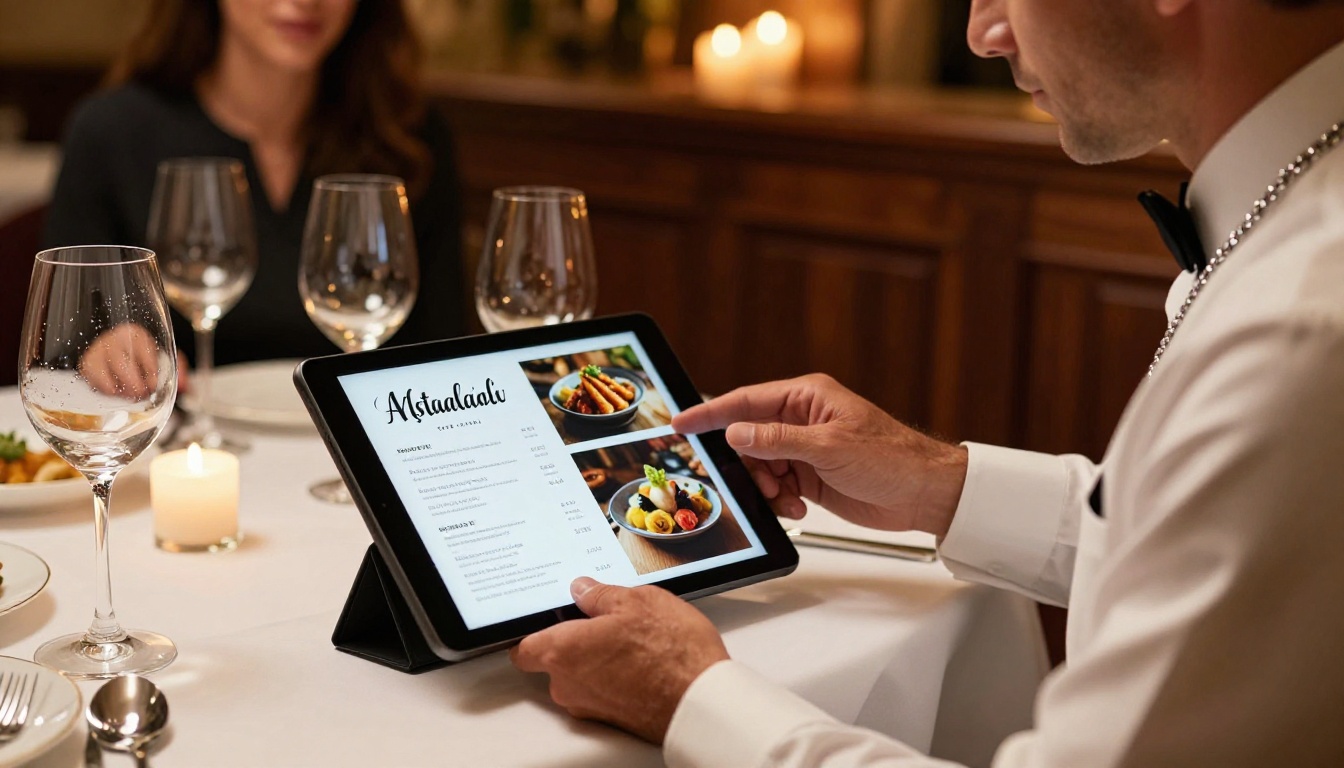
Restaurant menus, hotel brochures, and spa packages need to look beautiful, load instantly on mobile, and change easily when prices or offerings shift. A restaurant menu creator produces a menu flipbook that renders perfectly on any screen, eliminates reprinting costs, and can be updated in minutes.
Spa and wellness businesses can use the spa and wellness menu creator to publish service menus that include embedded video previews, pricing tables, and direct booking links in a single shareable document.
Fashion and Retail
Seasonal catalogs and lookbooks are natural flipbook content. A fashion catalog creator or interactive lookbook designer produces publications that feel premium on any screen and link directly to product pages for one-click purchase. The furniture catalog maker serves home goods retailers in the same way, turning a static product PDF into a shoppable digital experience.

B2B and Corporate
Sales presentations, annual reports, and corporate proposals need to impress stakeholders and generate measurable data. A sales presentation flipbook or annual report creator gives B2B teams publications that track reader attention per section. Sales reps then know exactly which pages prospects spent time on and which they skipped, enabling sharper follow-up conversations.
Non-profit organizations benefit from the non-profit annual report tool, creating donor-facing reports that tell compelling stories with embedded photographs, videos, and impact statistics in a single hosted publication.

How to Build Your First Flipbook with Flipbooks AI
Setting up a flipbook marketing workflow is faster than most teams expect. Here is the full process:
Step 1: Create Your Account
Visit Flipbooks AI and sign up for free with no credit card required. The platform runs entirely in your browser on any device.
Step 2: Prepare Your PDF
Design your document in any tool (Canva, Adobe InDesign, Figma, Google Slides, PowerPoint) and export as a standard PDF. For screen-optimized output, use 72 to 150 DPI and RGB color mode.
⚠️ Warning: Print-resolution PDFs at 300 DPI or higher will work but significantly increase upload and conversion time. Optimize for screen before uploading.
Step 3: Upload and Convert
Upload your PDF directly in the dashboard. Flipbooks AI converts it automatically into a fully interactive flipbook with page-turn animation. Conversion typically finishes within 30 to 60 seconds depending on page count.
Step 4: Customize Your Branding
After conversion, personalize the flipbook experience to match your brand:
- Upload a custom logo to the flipbook player interface
- Set brand-specific colors for the player controls and background
- Add a custom domain or branded subdomain for a fully white-labeled experience
- Embed video clips and audio directly on any individual page
Step 5: Set Sharing and Privacy Options
Every flipbook receives a unique public URL ready for immediate sharing. Additional control options include:
- Password protection for client-exclusive documents or internal company publications
- Embed code to place the full flipbook inside any website, landing page, or email
- Trackable direct link for email distribution with read-receipt capability
💡 Pro tip: For B2B sales proposals, enable password protection and send the password separately from the link. It signals that the document is exclusive and measurably lifts open rates in follow-up sequences.
Step 6: Monitor and Iterate
With the Professional plan, you access the full analytics suite on Flipbooks AI:
- Page-level analytics: See precisely where readers spend time and where they exit the document
- Visitor tracking: Identify who opened your flipbook, when they opened it, and on which device
- Lead generation forms: Gate the document with a contact form that readers fill in before accessing page one
- Offline downloads: Allow readers to save a version for offline access

Comparing Flipbooks AI Plans
Choosing the right plan depends on your publication volume and which features matter most to your workflow:
| Feature | Free | Standard | Professional |
|---|
| Watermarks | Yes | None | None |
| Flipbooks | 1 | Unlimited | Unlimited |
| Password protection | No | Yes | Yes |
| Custom branding | No | Yes | Yes |
| Analytics depth | Basic | Basic | Full page-level |
| Lead generation forms | No | No | Yes |
| Offline downloads | No | No | Yes |
| Website embed | Yes | Yes | Yes |
| Video and audio | No | Yes | Yes |
| Mobile responsive | Yes | Yes | Yes |
For most small businesses and independent creators, Standard covers everything needed for a full publishing workflow. Teams focused on ROI measurement and lead capture will need Professional. Full pricing details are available at Flipbooks AI pricing.
Content Types to Convert First
Not every document needs immediate flipbook treatment. Start with the highest-impact publications and build from there:
Prioritize documents you share most frequently and those most directly connected to revenue outcomes.
3 Mistakes That Kill Flipbook Marketing Results
Even with the right platform, predictable errors reduce performance. Here is what to avoid:
Treating It Like a PDF
A flipbook is not a prettier static file. Without embedded links, multimedia elements, and regular analytics review, the format's core advantages go entirely unused. Every flipbook you publish should have at least three clickable CTAs, one embedded media element, and a defined distribution channel.
Skipping the Analytics Review
Publishing without reviewing your data is similar to running paid ads without checking conversions. Set a weekly reminder to open your flipbook analytics dashboard. Look at which pages earn the most reading time, which pages see high exit rates, and how your read-through rate changes between publications. Each data point directly informs the next version.
Publishing One Giant Document
Segment your publications by audience and use case. A retailer with five product categories should have five separate targeted flipbooks, not one 200-page omnibus catalog. Shorter, focused flipbooks consistently show higher page-completion rates and more actionable data per topic.

Building a Flipbook Content Calendar
The most effective brands treat flipbook marketing as an ongoing content channel, not a one-off project. A quarterly publication rhythm creates consistent reader touchpoints throughout the year:
- Q1: Annual report or year-in-review publication for stakeholders and customers
- Q2: Spring or summer product catalog, seasonal lookbook, or industry report
- Q3: Mid-year case study compilation, customer success stories, or product update publication
- Q4: Holiday catalog, gift guide, or year-end performance report
Each publication maps directly to a buying cycle moment. Each lives at its own permanent URL, carries its own analytics, and can be updated in place without breaking existing links.
✅ Best practice: Use a single permanent URL for recurring publications like seasonal catalogs and update the content inside that URL each cycle. Inbound links and SEO authority accumulate over time without ever needing to be rebuilt.
Where Flipbooks Fit Across Your Organization
Flipbook marketing scales naturally across every department that produces publications:
- Sales: Send interactive proposals via unique links and see exactly when prospects open them, which pages they spend time on, and when they share the document internally.
- Human Resources: Publish employee handbooks, onboarding packages, and benefits documentation as password-protected flipbooks accessible only to staff.
- Events: Create digital programs using the event program maker and share them via QR codes at venues for a zero-print event experience.
- Education and Training: Publish course materials and training content via the course material publisher with access controlled per cohort.
- Marketing: Run campaigns where flipbook content serves as the primary offer, gated behind a lead form with full analytics tracking every reader interaction.

The brands winning with this format operate flipbooks as a proper channel. They publish on a schedule, review performance weekly, and ship updated versions based on actual reader behavior data.
Stop Sending Files. Start Publishing Pages.
Your competitors are still emailing PDFs and hoping someone opens them. Most have no idea what happens after that file hits the inbox. The window to differentiate on content quality and measurability is wide open right now, and the production cost of switching is minimal because your existing content already works.
Every catalog, brochure, report, and proposal your business produces right now could be a trackable, interactive, shareable publication instead of a static file sitting in a downloads folder. The only thing standing between your current content strategy and a significantly better one is a single upload.
Ready to publish your first interactive flipbook? Get started for free on Flipbooks AI with no credit card required.
Want to see what formats are available before committing? Browse all available flipbook tools and templates to find the exact fit for your business.
Ready to access full analytics and lead generation? Compare pricing plans and choose what works for your team.



