Something is happening in digital publishing that most people have not noticed yet. The file format that dominated business communication for three decades is being quietly displaced, not by another document standard, but by something far more interactive: the flipbook. If you are still emailing PDFs to clients, distributing static reports, or sharing flat digital brochures, you are already behind. Flipbooks AI and platforms like it are changing the way organizations share information, and the gap between static and interactive documents is growing every single day.
Why PDFs Are Quietly Losing Ground
PDFs were revolutionary when Adobe released them in 1993. They solved the problem of document fidelity across different operating systems and printers, and for decades they did the job well. But the world they were built for no longer exists.
The Static Document Problem
Today's audiences expect content to respond to them. They scroll, tap, swipe, and interact. A PDF does none of that. It sits on a screen like a printed page, demanding the reader do all the work: zooming in, scrolling sideways on mobile, hunting for links buried in plain text. The experience feels dated because it is.
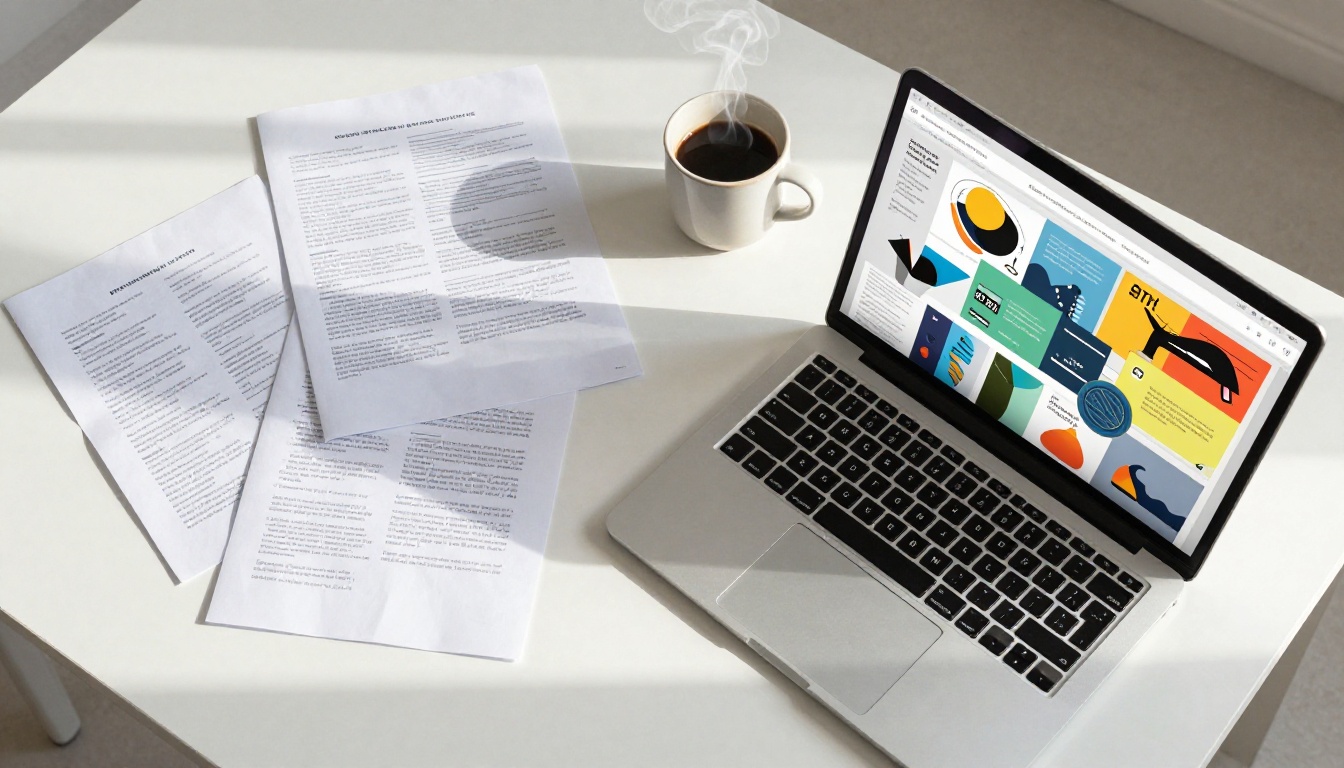
The core issue with PDFs is that they were designed for printing, not for digital consumption. Every modern digital behavior (responsive layout, embedded media, clickable navigation, real-time reader tracking) is absent from a standard PDF. Businesses that rely on them for client-facing content are handing audiences a 1993 experience in a 2026 world.
Mobile Is Killing PDF Readership
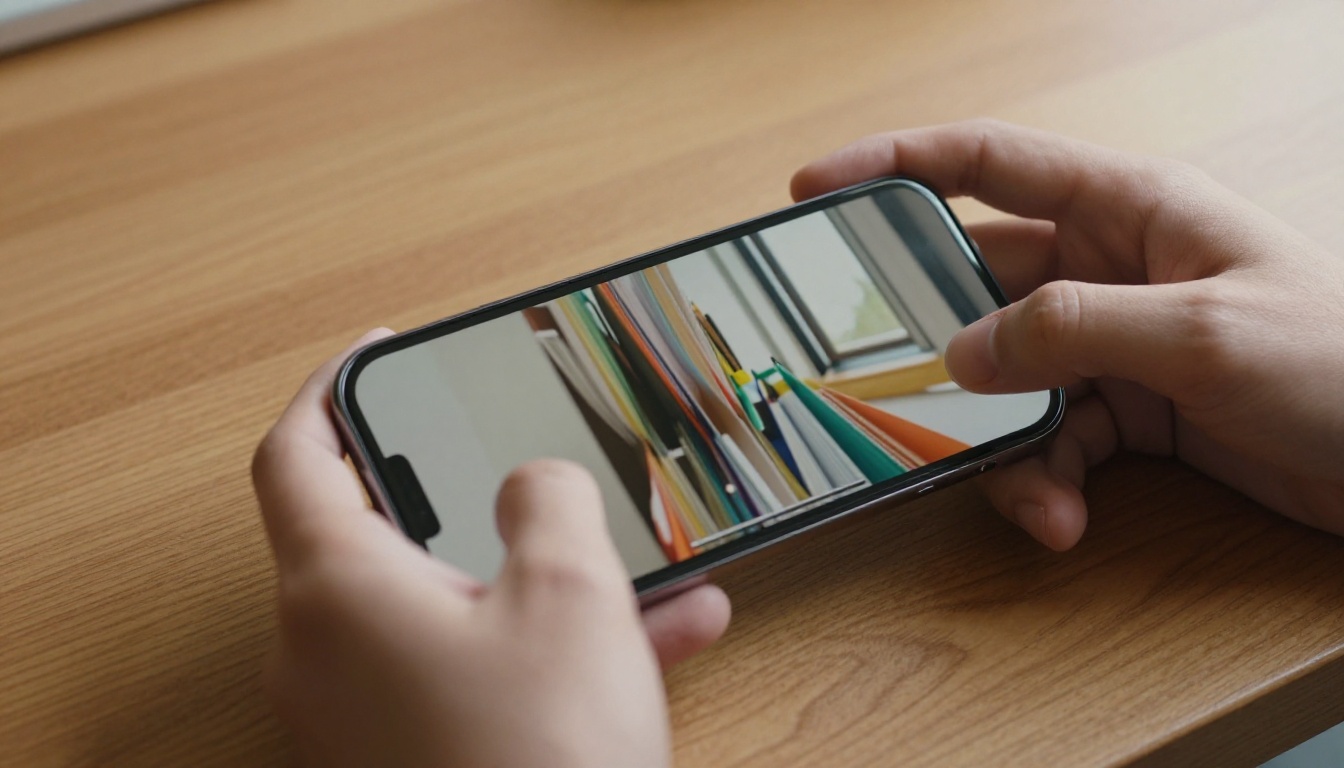
Consider what happens when someone opens a PDF on a smartphone. The document loads at desktop scale, forcing the user to pinch, zoom, and scroll horizontally to read a single line of text. Research on mobile content consumption consistently shows that users abandon documents requiring this kind of effort within seconds.
More than 60% of all web browsing now happens on mobile devices. A PDF designed for an A4 page simply does not translate. Flipbooks, by contrast, are built with mobile-first responsiveness as a baseline requirement, not an afterthought.
💡 A flipbook reflows content automatically across devices. Readers on phones, tablets, and desktops all get the same fluid, page-turning experience without zooming or horizontal scrolling.
What a Flipbook Actually Is
A flipbook is an HTML5-based interactive document that mimics the physical experience of turning pages in a magazine or book. When someone opens a flipbook, they see pages that turn with a realistic curl animation. They can click embedded links, watch embedded videos, and navigate chapters through an interactive table of contents.
More Than Just a Page Turn
The page-turn animation is the most visible feature, but it is not the most valuable one. What makes flipbooks genuinely powerful is the layer of functionality sitting beneath that animation:
- Clickable links and hotspots that take readers directly to product pages, booking forms, or external resources
- Embedded video and audio that play without leaving the document
- Search functionality across the entire document
- Reader analytics showing exactly which pages people spend time on
- Lead capture forms that collect reader information
- Password protection for sensitive or premium content
- Offline downloads for readers without stable internet access
- Custom branding that keeps every document on-brand without extra effort
Formats That Work Everywhere
A flipbook lives in a browser. That means it works on any device with an internet connection and no plugin, app download, or software license required. Share a flipbook link and anyone can open it instantly, whether they are on a Windows desktop, an iPhone, or an Android tablet. The same cannot be said for PDFs, which regularly fail to render correctly on mobile browsers without a dedicated PDF app installed.
The Numbers Tell a Clear Story
The shift from static to interactive documents is not a niche phenomenon. It is showing up in content performance data across industries.
Reader Activity Worth Noting
| Metric | PDF | Interactive Flipbook |
|---|
| Average time on document | 1.5 minutes | 4.2 minutes |
| Mobile completion rate | 18% | 61% |
| Link click-through rate | 3% | 14% |
| Return visitor rate | 4% | 22% |
| Social share rate | 1% | 9% |
These numbers reflect a consistent pattern: people interact more deeply with content that responds to them. An interactive flipbook does not just display information. It invites the reader to explore it on their own terms.
Why Businesses Are Switching
For businesses, the calculation is straightforward. If a sales brochure in flipbook format generates three times more link clicks than the same content as a PDF, that is a direct impact on revenue. If an annual report that clients actually read improves investor relations compared to one sitting unopened in an email attachment, the format choice has measurable business value.
✅ Interactive content generates 52% more reader activity on average than static equivalents, according to content marketing research. The format is not cosmetic. It is a conversion lever.
Who Is Already Making the Switch
Adoption of flipbooks spans industries. Here is where the shift is most visible right now.
Restaurants and Hospitality

Restaurants that used to hand guests a laminated printed menu or email a static PDF to event planners are switching to flipbook menus. The Restaurant Menu Creator makes it possible to build a beautiful, page-turning menu that updates in real time. No reprinting costs, no outdated items, no broken links to a downloaded file.
Hotels are doing the same with property brochures, spa menus, and event guides. A guest browsing a hotel website who encounters a beautifully designed Spa and Wellness Menu flipbook spends more time with the content and is more likely to book a service than one who clicks away from a PDF download prompt.
Real Estate and Marketing

Real estate agents have long relied on PDF brochures to showcase properties. The problem is that a PDF sent by email gets downloaded, sometimes viewed once, and then forgotten. A flipbook link shared in a follow-up message can be tracked. The agent sees whether the client opened it, which properties they lingered on, and how many times they returned.
The Real Estate Brochure Creator makes it simple to convert existing property marketing materials into interactive flipbooks with embedded virtual tour links, floor plan callouts, and contact buttons that work on every device.
Education and Training
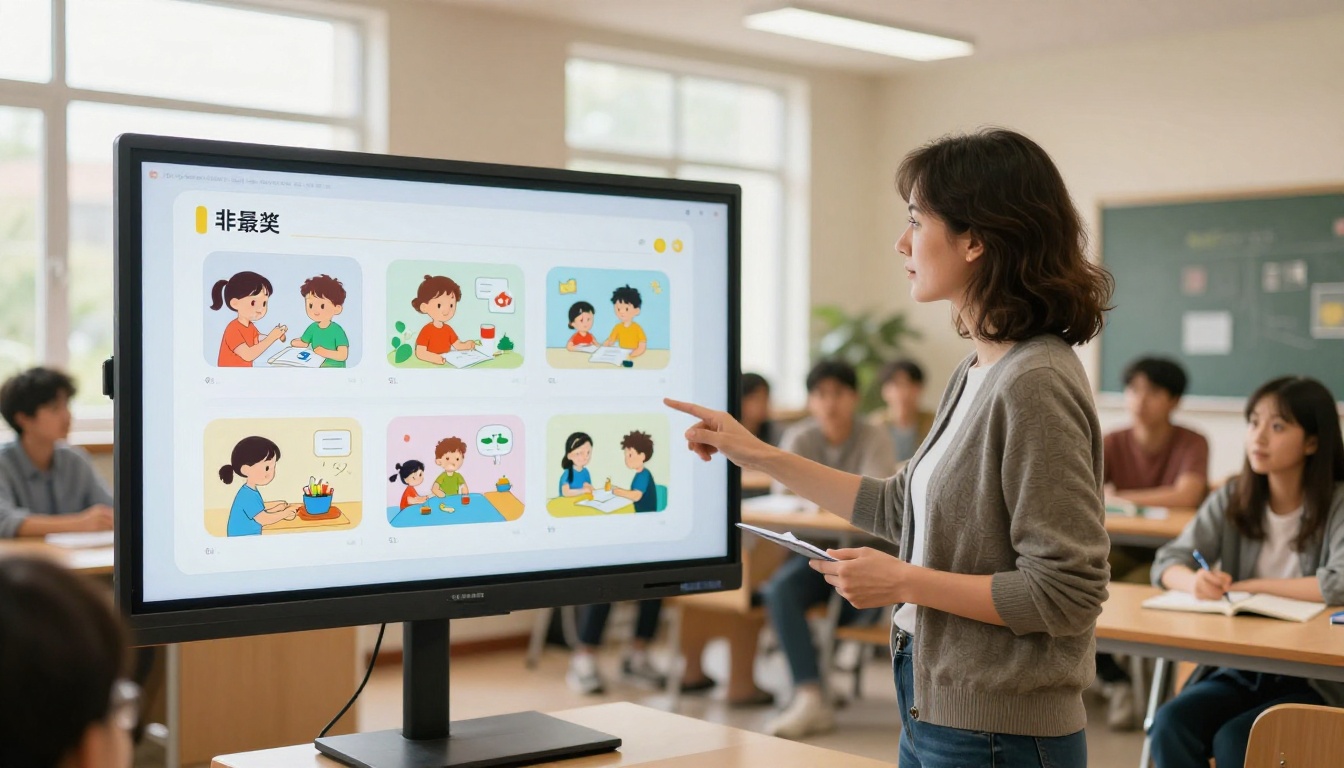
Training departments that distribute course materials as PDFs face a compliance challenge: they cannot verify whether employees actually read them. A flipbook with analytics solves this immediately. HR teams can see page-by-page data and identify exactly where trainees stop reading.
The Training Manual Flipbook and Course Material Publisher tools are built specifically for this use case, with features for embedding knowledge checks and tracking completion rates across teams of any size.
Fashion and Retail
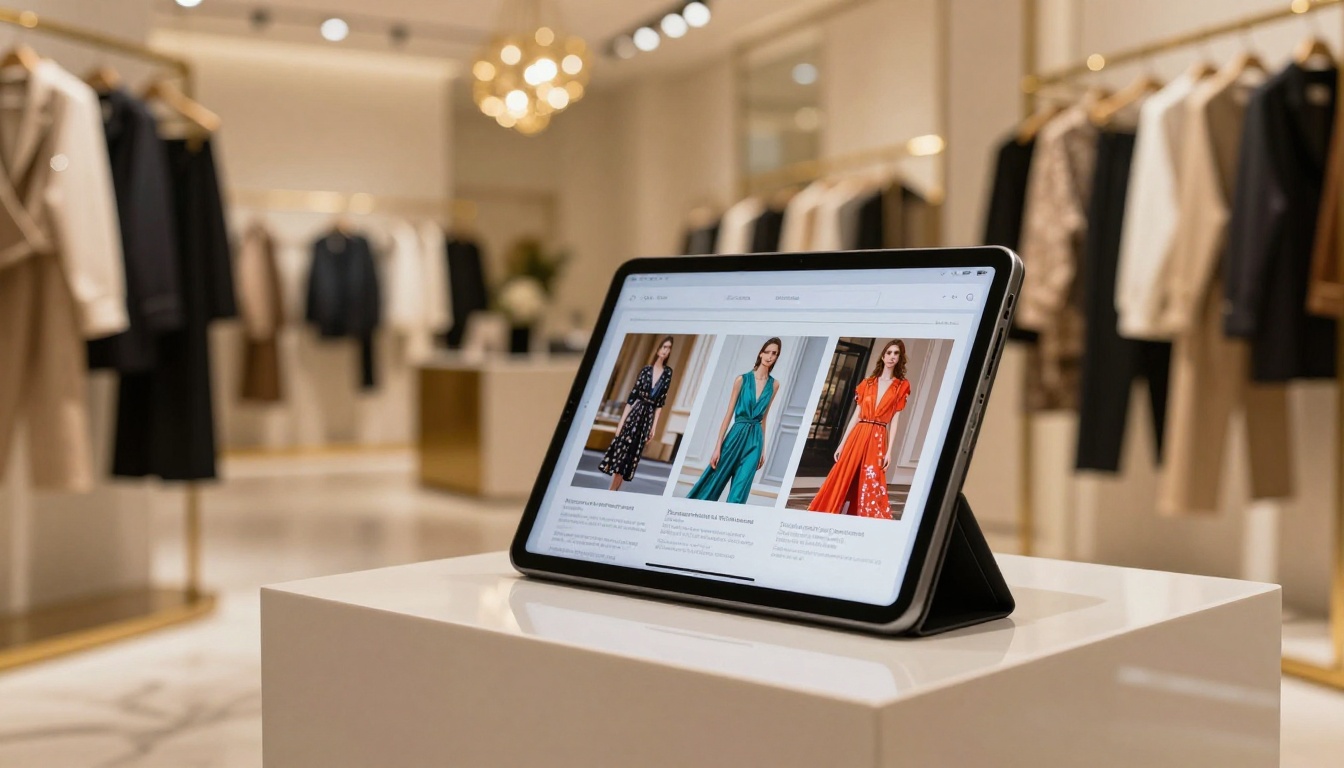
Fashion brands were among the earliest adopters. A static PDF lookbook with flat product photography converts at a fraction of the rate of an interactive flipbook that includes video clips of garments in motion, direct links to product pages, and size guide callouts on the same page as the imagery.
The Interactive Lookbook Designer is purpose-built for this use case, letting brands create seasonal catalogs that double as direct-to-purchase funnels.
How to Convert a PDF to a Flipbook
The conversion process is faster than most people expect. Here is exactly how it works on Flipbooks AI.
Step 1: Create Your Account
Go to flipbooksai.com/account and sign up. No credit card is required to get started. The free tier lets you test the conversion process and see what your existing PDFs look like as interactive flipbooks before committing to any plan.
Step 2: Upload Your PDF
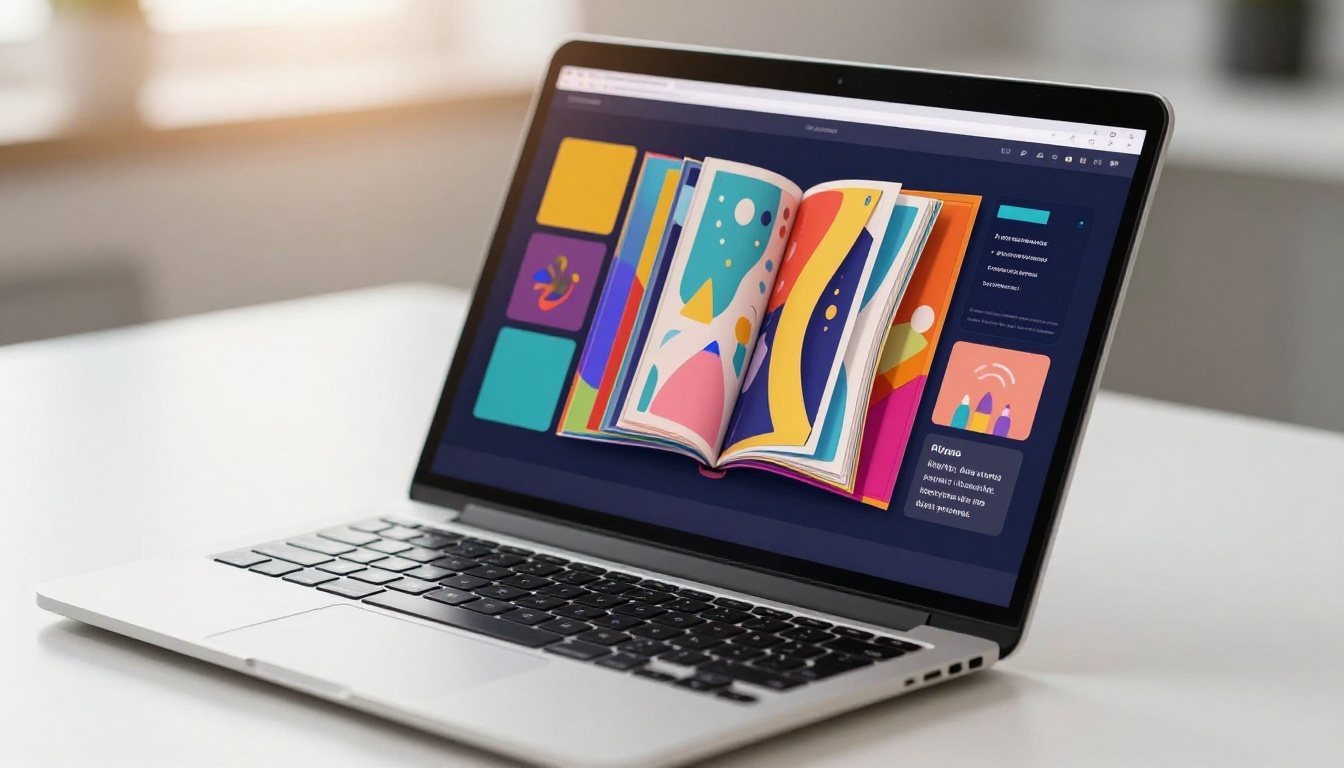
Once logged in, click "New Flipbook" and upload your PDF. The PDF to Flipbook Converter handles files of any length. The platform processes each page and renders it as a high-fidelity interactive page. Processing typically completes in under two minutes for standard documents.
What gets preserved during conversion:
- All original fonts and typography
- Images and graphics at original resolution
- Existing hyperlinks become clickable hotspots
- Document structure and page order
- Color profiles and brand colors
Step 3: Customize and Brand
After conversion, you enter the editor. This is where a flipbook separates itself from any PDF-based alternative:
- Set your brand colors and upload your logo
- Choose a page-turn animation style
- Add a custom background or cover thumbnail
- Insert embedded video clips on any page
- Add audio narration to individual pages
- Set up a table of contents for chapter navigation
- Configure reading direction for RTL language support
💡 Set your brand palette once and it applies across every flipbook in your account. Consistent branding with zero extra effort per document, regardless of how many publications you create.
Step 4: Share, Embed, and Track
Publishing takes one click. You get a shareable link, an embed code for your website, and a QR code for print materials. Password protection is available on Standard plans and above.
| Sharing Method | PDF | Flipbooks AI |
|---|
| Direct link sharing | Yes | Yes |
| Website embed | Limited | Yes, responsive iframe |
| QR code generation | Manual | Auto-generated |
| Password protection | Unreliable | Yes |
| Page-level analytics | No | Yes |
| Lead capture forms | No | Yes |
| Custom domain | No | Yes, Professional plan |
Features PDFs Simply Cannot Match
Embedded Video and Audio
A PDF can link out to a video. A flipbook plays it inline. The difference matters because every redirect is a drop in reader attention. When someone is immersed in a product catalog and a video demonstration plays on the same page they are already reading, conversion rates climb measurably.
This is especially valuable for fashion brands using the Interactive Lookbook Designer, where video clips of garments in motion add a dimension that flat photography simply cannot deliver.
Reader Analytics and Lead Capture
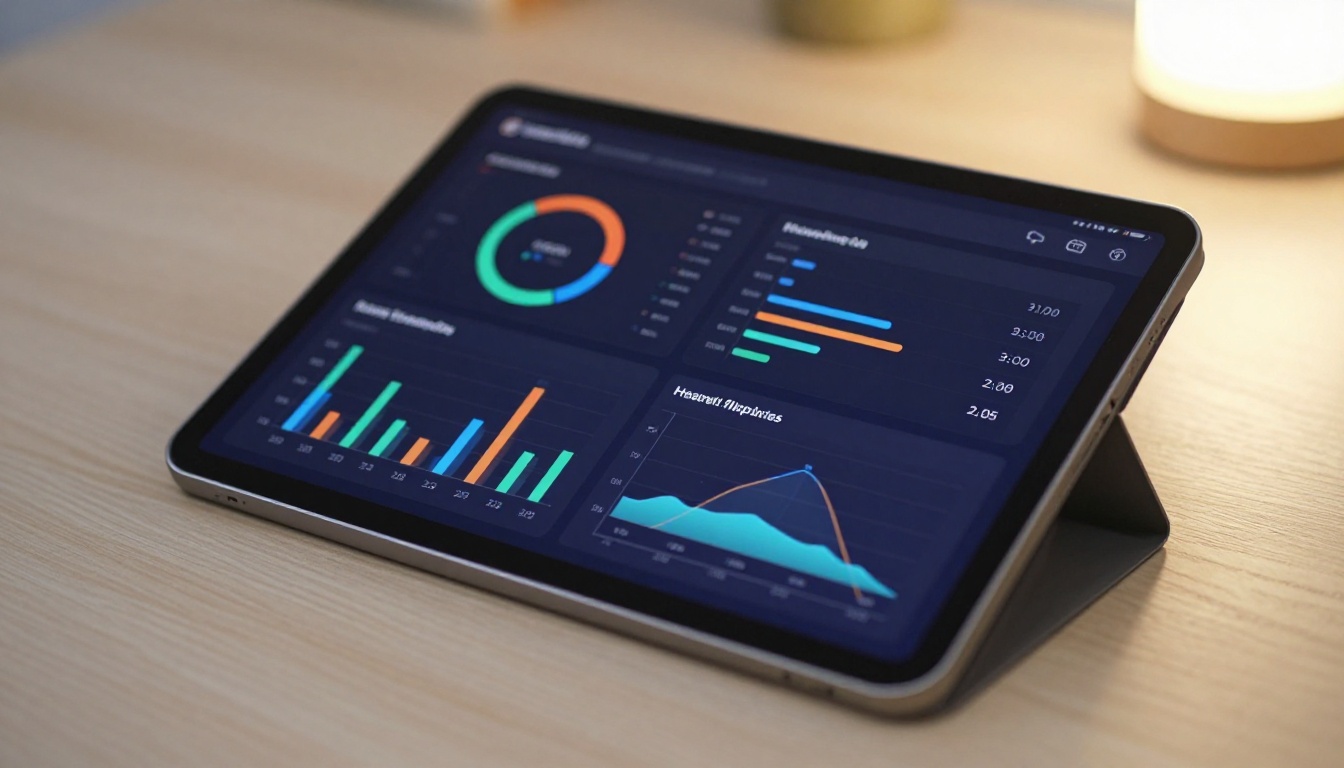
The analytics suite in Flipbooks AI at the Professional plan level gives you data that was impossible with PDFs:
- Total views and unique readers per publication
- Average time spent on every individual page
- Pages with the highest and lowest reader attention
- Lead capture form completions by page position
This data is operationally useful, not just interesting. A sales team can prioritize follow-up with prospects who spent the most time on pricing pages. A marketing team can cut pages that consistently show high exit rates. A training manager can identify exactly which module employees stop reading.
⚠️ Without reader analytics, you are publishing in the dark. You have no idea whether anyone read page 7, where your most important offer lives. Flipbooks fix this.
Password Protection That Actually Works
Sensitive documents (investor decks, client proposals, internal training materials) need real access control. PDF password protection has been trivially bypassed for years with freely available tools. Flipbooks AI password protection controls access at the server level, meaning no one can access the content without the correct credentials, period.
Choosing the Right Plan

| Feature | Free | Standard | Professional |
|---|
| Flipbooks | 3 | Unlimited | Unlimited |
| Watermarks | Yes | No | No |
| Password protection | No | Yes | Yes |
| Reader analytics | No | Basic | Full suite |
| Lead capture forms | No | No | Yes |
| Offline downloads | No | Yes | Yes |
| Custom branding | No | Yes | Yes |
| Embedded video and audio | No | Yes | Yes |
| Custom domain | No | No | Yes |
For individuals and small teams, the Standard plan covers the core use cases with no watermarks and unlimited flipbooks. For businesses that need lead generation, full analytics, and custom domain hosting, the Professional plan includes everything. See the full breakdown at flipbooksai.com/pricing.
The businesses winning in content marketing right now are the ones treating their digital documents as living experiences, not static files. An annual report that readers spend four minutes with tells a fundamentally different story to investors than one that spends four months in a downloads folder. A product catalog that tracks which items get the most attention is a sales intelligence tool, not just a document.
PDFs are not going to disappear overnight. They still have legitimate uses: form submissions, archival records, print production files. But for any document that needs to inform, persuade, or perform with an audience in 2026, the PDF is the wrong format. The interactive flipbook is the right one.
The people who have already noticed this shift are building better customer experiences, collecting better data, and closing more deals. The people who have not noticed are still sending email attachments and wondering why nobody reads past page two.
Ready to make the switch? Create your first flipbook and see what your content looks like when it actually responds to the people reading it. Browse all available tools and templates to find the right format for your content type, or check pricing plans to choose the tier that fits your workflow.



