Most marketers treat digital publishing as a design problem. They obsess over typography, color palettes, and page layouts while completely overlooking the fact that their publication format directly affects how search engines find, read, and rank their content. Flipbooks AI sits at the crossroads of visual storytelling and search visibility, and once you see how the two connect, you will never look at a static PDF the same way again.

Why Static PDFs Lose the SEO Race
PDFs Are Essentially Black Boxes
Search engines can technically crawl PDFs, but they do it reluctantly and incompletely. A PDF has no navigable URL structure, no internal link architecture, no metadata fields like Open Graph tags or canonical URLs, and no mobile-responsive layout. Google may index some of the text inside a PDF, but the document will never accumulate the same SEO signals as a proper web page.
Digital flipbooks solve this at the format level. When you convert a PDF into a flipbook using the PDF to Flipbook Converter, each publication gets its own hosted URL. That URL is a real, crawlable, linkable web address. It can receive backlinks. It can be shared on social media and drive referral traffic. It earns the same SEO treatment as any other page on the web.
The Backlink Problem with PDFs
Backlinks remain one of the most important ranking signals in search. When a website links to your content, search engines interpret it as a vote of authority. PDFs receive almost no natural backlinks because most content creators link to pages, not file downloads. A flipbook published on a dedicated URL is far more likely to attract links from industry blogs, partner websites, and resource pages.
💡 After publishing a flipbook, submit its URL to relevant directories, partner sites, and resource pages. A well-linked digital brochure can outrank competitor websites that publish the same information as a PDF.
Flipbooks Are Indexed as Full Web Pages
Crawlable Text Means Findable Content
Every word inside a flipbook is rendered as HTML text that search engine crawlers can read, index, and rank. This is a structural advantage over PDFs and far superior to image-based publications where the text exists only as pixels. Your product descriptions, pricing information, editorial content, and calls to action all become indexable content the moment you publish a flipbook.
This matters especially for long-tail keyword traffic. A 40-page product catalog published as a flipbook contains hundreds of natural keyword phrases that search engines can match to user queries. The same catalog as a PDF is practically invisible.
Structured Data and Metadata Support
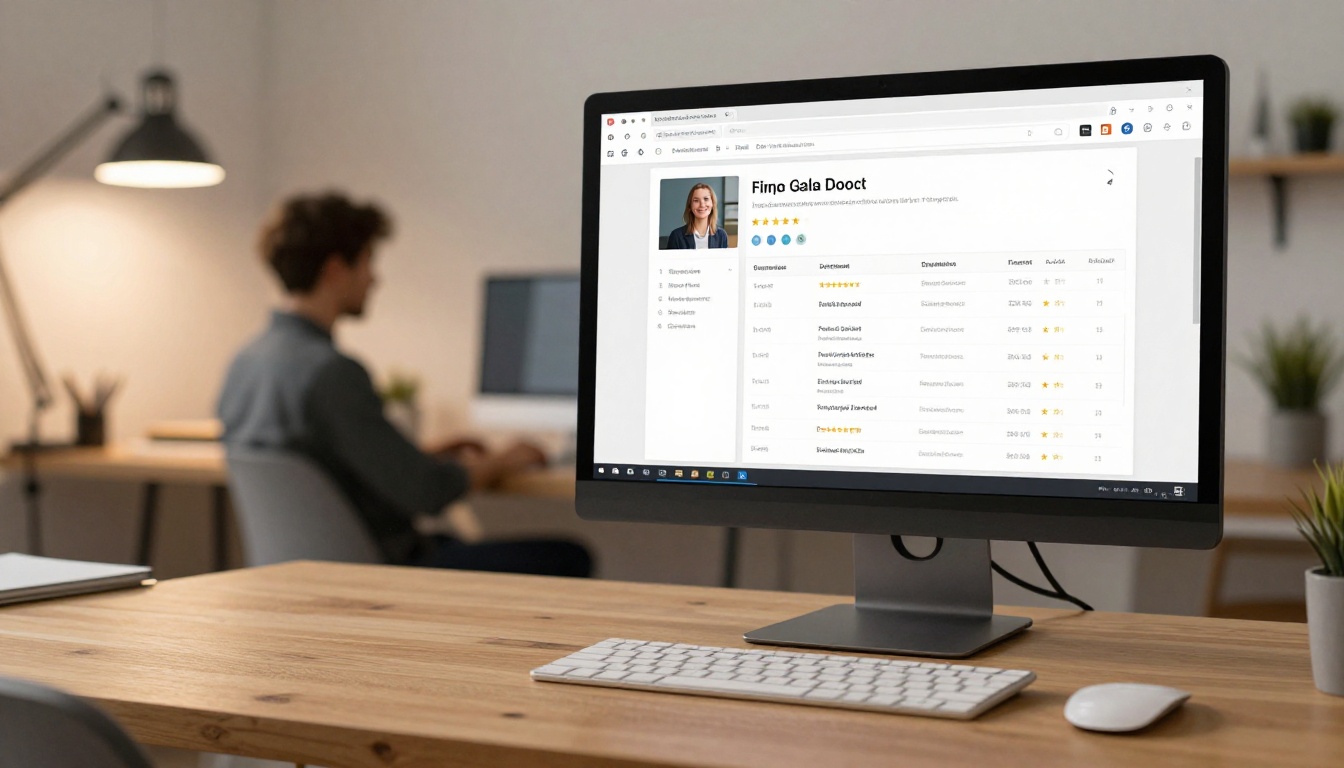
Flipbooks AI publications support full metadata configuration. You can set custom titles, descriptions, and keywords for each flipbook just as you would for any web page. This metadata feeds directly into how search engines display your publication in results pages, and it controls how your content appears when shared on social media through Open Graph and Twitter Card tags.
| SEO Signal | Static PDF | Digital Flipbook |
|---|
| Unique crawlable URL | No | Yes |
| Indexable text content | Partial | Full |
| Custom meta title and description | No | Yes |
| Open Graph and social sharing | No | Yes |
| Mobile-responsive layout | No | Yes |
| Internal linking capability | No | Yes |
| Backlink accumulation | Very limited | Yes |
| Analytics integration | No | Yes |
⚠️ If your flipbook platform hosts all publications under a generic domain or redirects without canonical URLs, you lose the indexing benefits. Always confirm that your flipbook gets its own persistent, shareable URL before investing time in content creation.
How Sharing Behavior Drives SEO
Social Signals and Referral Traffic
When users share a flipbook link on social media, each share generates referral traffic to that URL. While social signals are not direct Google ranking factors, the traffic they drive is. High-traffic pages tend to earn more backlinks over time, and backlinks are a direct ranking factor. The interactive, visual nature of flipbooks makes them far more share-worthy than a PDF download link.
The page-turning animation alone increases the likelihood of sharing. People share experiences, not documents.

Embed Codes Multiply Your Reach
Every flipbook on Flipbooks AI can be embedded directly on external websites using an embed code, thanks to the Embed Flipbook on Website feature. When another site embeds your flipbook, the original URL still receives traffic and attribution. This means your content reaches new audiences while your hosted URL accumulates visit data and potential backlinks.
This is a distribution mechanic that PDFs simply cannot match.
Internal Linking From Your Website
A flipbook published on a shareable URL becomes a legitimate destination for internal links from your main website. Your blog can link to your digital catalog. Your product pages can link to relevant how-to publications. Your landing pages can embed your latest magazine issue. Each internal link passes authority and creates a richer site architecture that search engines reward.
Dwell Time and User Experience Signals
Why People Stay Longer on Flipbooks
Google tracks behavioral signals like dwell time (how long users stay on a page after clicking from search results) and bounce rate. Flipbooks are designed to hold attention. The tactile page-turning interaction, the visual richness, and the natural reading flow keep users on the page far longer than a wall of text.
A well-designed flipbook catalog can hold a reader for three to eight minutes. A text page covering the same information might get 45 seconds. That difference is visible in your analytics and factored into search ranking algorithms.

Mobile Responsiveness Is Non-Negotiable
Google uses mobile-first indexing, meaning it evaluates the mobile version of your content to determine rankings. Flipbooks on Flipbooks AI are fully mobile-responsive by design. They adapt to any screen size, from desktop to tablet to smartphone, without requiring separate mobile versions or AMP pages.
Static PDFs pinch and zoom. Mobile users abandon them immediately. That abandonment is a negative behavioral signal that hurts rankings across your entire domain.
Title Tags That Drive Click-Through Rates
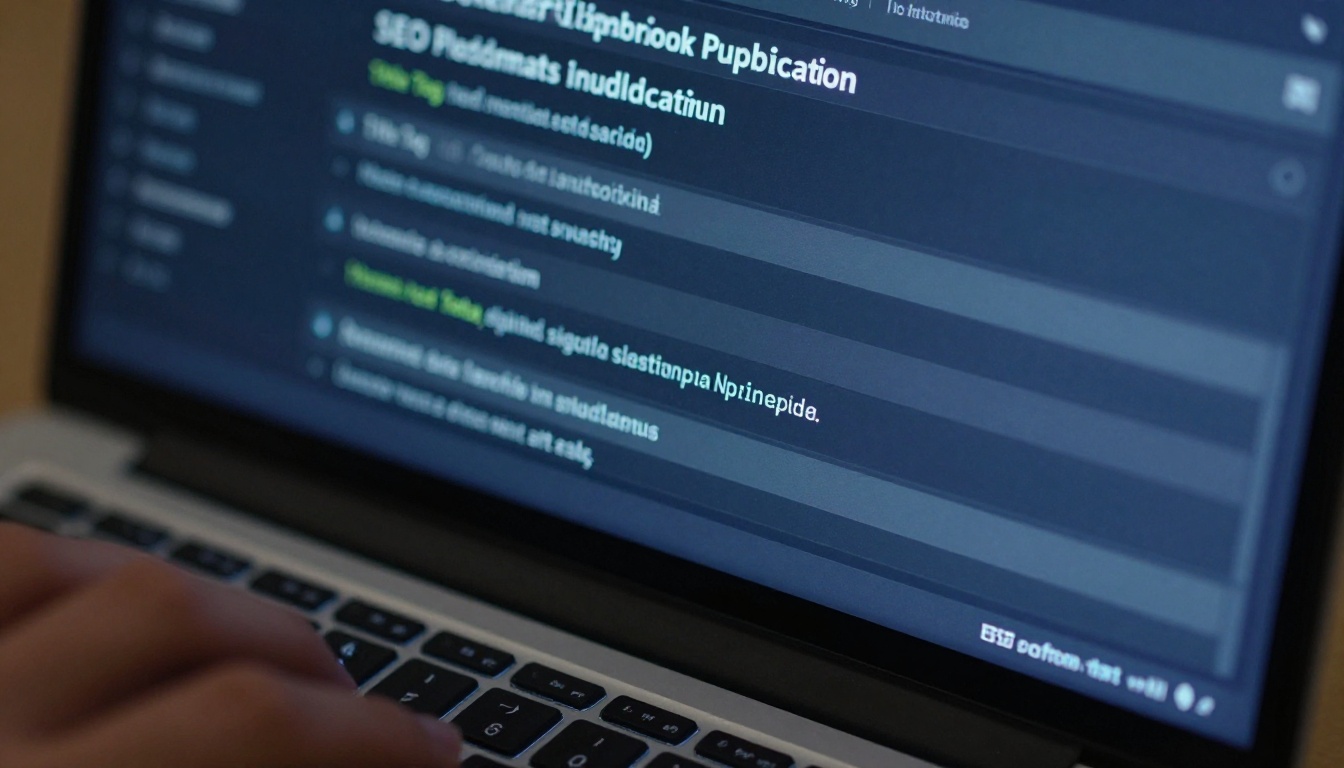
Your flipbook's meta title appears in search results as the blue clickable headline. A well-crafted title that matches search intent and creates curiosity drives higher click-through rates. Higher CTR is itself a ranking signal, and it directly increases the traffic value of your organic position.
For example, a restaurant using the Restaurant Menu Creator can set a meta title targeting local search queries, while a fashion brand using the Fashion Catalog Creator can target product-specific searches.
Alt Text and Image SEO
Every image inside a flipbook can carry alt text descriptions that search engines use to interpret visual content. When a product catalog contains dozens of product images all tagged with descriptive alt text, that publication becomes eligible to appear in image search results as well as standard web search. This doubles your organic surface area from a single piece of content.
Structured Data and Rich Snippets
Publications that include structured data markup can appear as rich snippets in search results, showing star ratings, publication dates, page counts, or content previews directly on the results page. Rich snippets significantly increase click-through rates because they stand out visually from plain blue links.
| Content Type | SEO Surface Area | Rich Snippet Potential | Share-Ability |
|---|
| Static PDF | Very low | None | Low |
| Plain HTML page | High | Moderate | Moderate |
| Digital Flipbook | High | High | Very High |
| Video content | Moderate | High | High |
| Image gallery | Moderate | Moderate | High |
Real-World Use Cases Where Flipbook SEO Delivers
Product Catalogs for E-Commerce
An online retailer publishing a seasonal product catalog as a flipbook creates a new organic landing page containing hundreds of product names, descriptions, and prices. Each of those terms becomes indexed and searchable. The Digital Catalog Maker makes this effortless, letting you publish a new catalog each season as a standalone SEO asset.
✅ Structure your catalog with section headings and product names that mirror the exact language your customers use in search queries. These phrases will be indexed and can rank for long-tail product searches.
Real Estate Brochures That Rank Locally
Real estate agents who publish property brochures as flipbooks get organic search visibility for property addresses, neighborhood names, and listing features. The Real Estate Brochure Creator produces shareable flipbooks that can rank for local property searches and drive inbound leads from organic traffic without paid advertising.
Educational Institutions and Course Materials
Schools and training organizations publishing course materials through the Course Material Publisher benefit from indexable curriculum content that ranks for subject-specific queries. Students searching for topics covered in the course find the publication, the institution builds authority, and organic traffic grows steadily over time.

Hospitality and Food Service
A hotel publishing its property brochure through the Hotel Brochure Designer creates an indexed page that can rank for destination-specific searches. A spa publishing its wellness menu through the Spa and Wellness Menu Creator targets service-specific searches in local markets.
The pattern repeats across every industry: flipbooks turn passive documents into active, traffic-generating assets.
Analytics: Measuring the SEO Impact
What Flipbook Analytics Actually Shows You
The Professional plan on Flipbooks AI includes analytics that reveal page-by-page data, geographic traffic sources, total views, and average time spent per page. This information is invaluable for SEO optimization because it shows you which sections of your publication hold attention and which pages cause readers to leave.
Pages with high drop-off rates can be redesigned or rewritten to improve dwell time. High-performing sections can be repurposed as standalone blog content to capture additional organic traffic.
| Flipbooks AI Plan | Analytics | Lead Generation | Offline Downloads | Watermarks |
|---|
| Free | No | No | No | Yes |
| Standard | Basic | No | Yes | No |
| Professional | Full | Yes | Yes | No |
💡 Use your analytics data to identify the top-performing pages of your flipbook, then create dedicated blog posts on those topics. Link the blog posts back to the flipbook to build internal link authority across both assets.
Lead Generation as an SEO Multiplier
When the Professional plan's lead generation forms are embedded inside a flipbook, captured leads can be segmented by which page triggered the sign-up. This behavioral data helps you produce more content on topics that drive conversions, which in turn creates more SEO-optimized publications in a positive feedback loop.
How to Publish an SEO-Optimized Flipbook
The entire workflow takes under ten minutes. Here is how it works step by step:
-
Create your account at Flipbooks AI. The free tier lets you test the platform immediately with no credit card required.
-
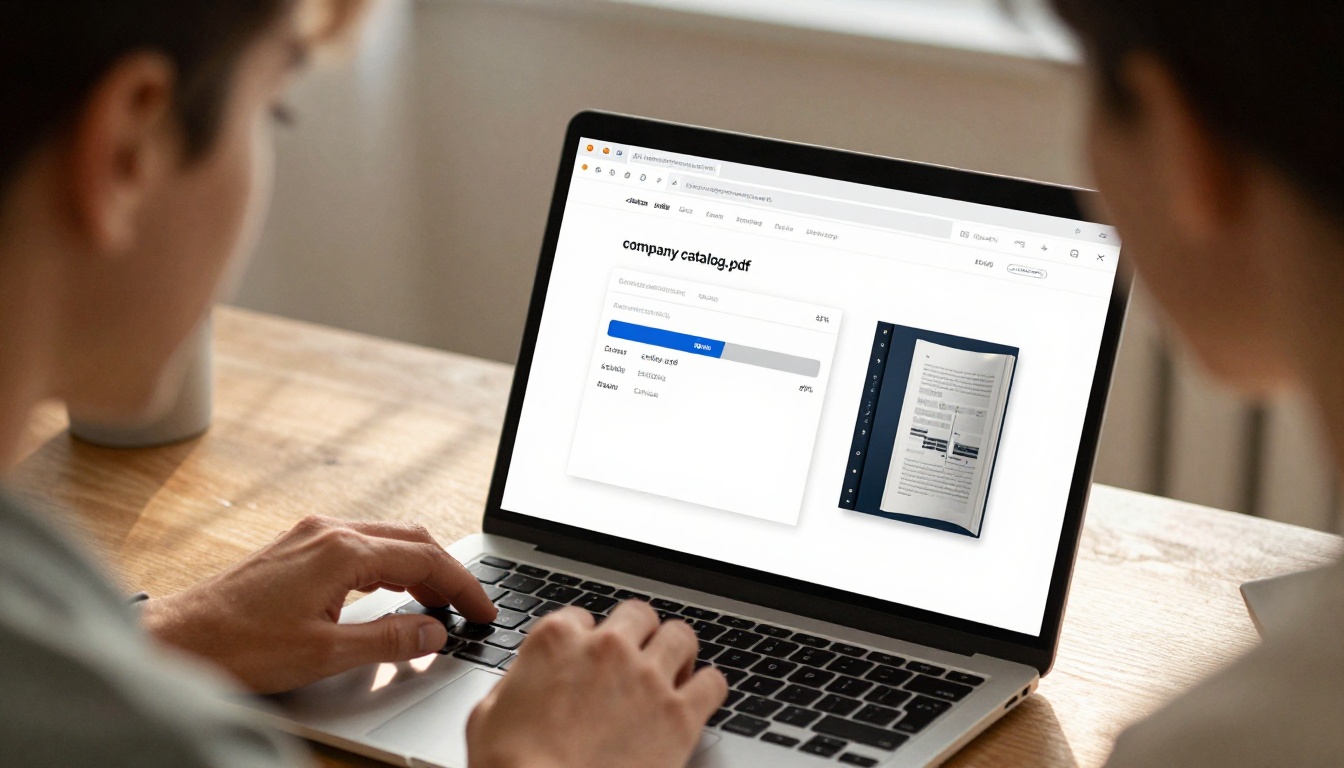
Upload your PDF using the drag-and-drop interface. The PDF to Flipbook Converter processes the file and renders it as an interactive flipbook within seconds.
-
Configure your SEO settings by filling in the meta title, meta description, and per-page alt text fields. Write these as if you are writing a web page title tag: include your primary keyword, keep it under 60 characters, and make it descriptive.
-
Set your branding by applying your custom colors, logo, and domain. A custom domain strengthens brand authority signals and keeps the publication URL consistent with your main website.
-
Choose your sharing settings: public for maximum SEO exposure, password-protected for internal or gated content. For SEO purposes, public publications are indexed and can rank in search results.
-
Embed the flipbook on your website using the Embed Flipbook on Website tool. Place it on a relevant product or resource page to create a contextual internal link.
-
Distribute the flipbook URL across your email newsletter, social media profiles, partner websites, and relevant online communities. Each share creates a new referral pathway back to your indexed URL.
-
Monitor performance in your analytics dashboard. Check organic traffic, time-on-page, and top-performing sections weekly. Iterate based on what the data reveals.

✅ Publish a new flipbook at least once per month. Fresh content signals to search engines that your publishing presence is active, which benefits the overall authority of your domain.
The Compounding Effect Over Time
Every Flipbook Is a New Organic Asset
Unlike a social media post that disappears in 24 hours or a paid ad that stops working when the budget runs out, a flipbook published with proper SEO configuration continues to accumulate organic traffic indefinitely. Every new publication you release adds another indexed URL to your presence. Over 12 months of consistent publishing, a business can build a portfolio of 12 to 50 organic assets, each drawing search traffic on its own.
This is the compounding nature of SEO-optimized content. The work done today pays dividends for years.
Building Topical Authority
When you consistently publish flipbooks around a specific topic, such as interior design trends for a furniture company using the Furniture Catalog Maker, search engines begin to associate your domain with that topic. Topical authority is a real SEO signal that lifts rankings across your entire content library, not just individual pieces.
The businesses seeing the most organic growth from flipbooks are the ones who treat each publication as a long-term SEO asset rather than a one-time design project. Start publishing indexed, traffic-generating flipbooks today and in six months you will be looking back at a portfolio your competitors cannot replicate with static PDFs.

Ready to convert your first PDF? Use the PDF to Flipbook Converter and publish in minutes. Compare all available features at Flipbooks AI pricing to choose what works for your publishing volume. Browse the full tools directory to see how flipbooks fit every industry and content type. Create your account and get started for free today.



