The traditional textbook has faced its most serious challenge in decades. Students today grew up with interactive content, social media feeds, and instant feedback loops. When they encounter static textbook pages, their attention drifts within minutes. But there's a solution emerging in classrooms worldwide: interactive digital flipbooks that transform passive reading into active engagement.
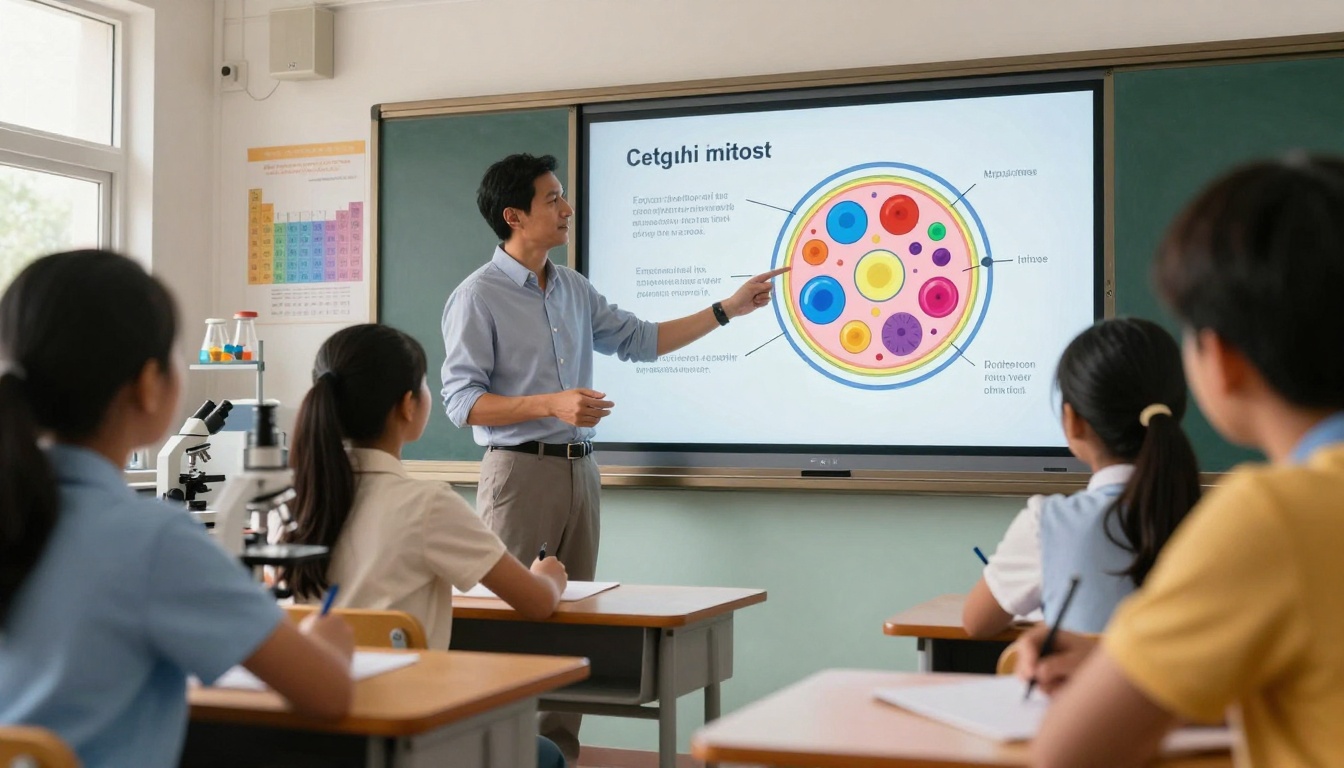
Digital flipbooks aren't just PDFs with page-turning animations. They're living documents where students can click 3D models, watch embedded video explanations, take interactive quizzes with immediate feedback, and collaborate with classmates in real-time annotations. The difference in engagement levels isn't subtle—it's transformative.
💡 Research Insight: Studies from Stanford's Digital Learning Initiative show students spend 47% more time with interactive flipbook content compared to traditional textbooks, with comprehension improvements averaging 31% across all subjects.
Why Students Disengage from Traditional Materials
The problem starts with attention economics. A 16-year-old today processes information differently than previous generations. They're accustomed to:
- Interactive interfaces that respond to touch, swipe, and click
- Multimedia integration where text, video, and audio work together
- Immediate feedback on actions and decisions
- Social interaction around content
- Personalization that adapts to their learning pace
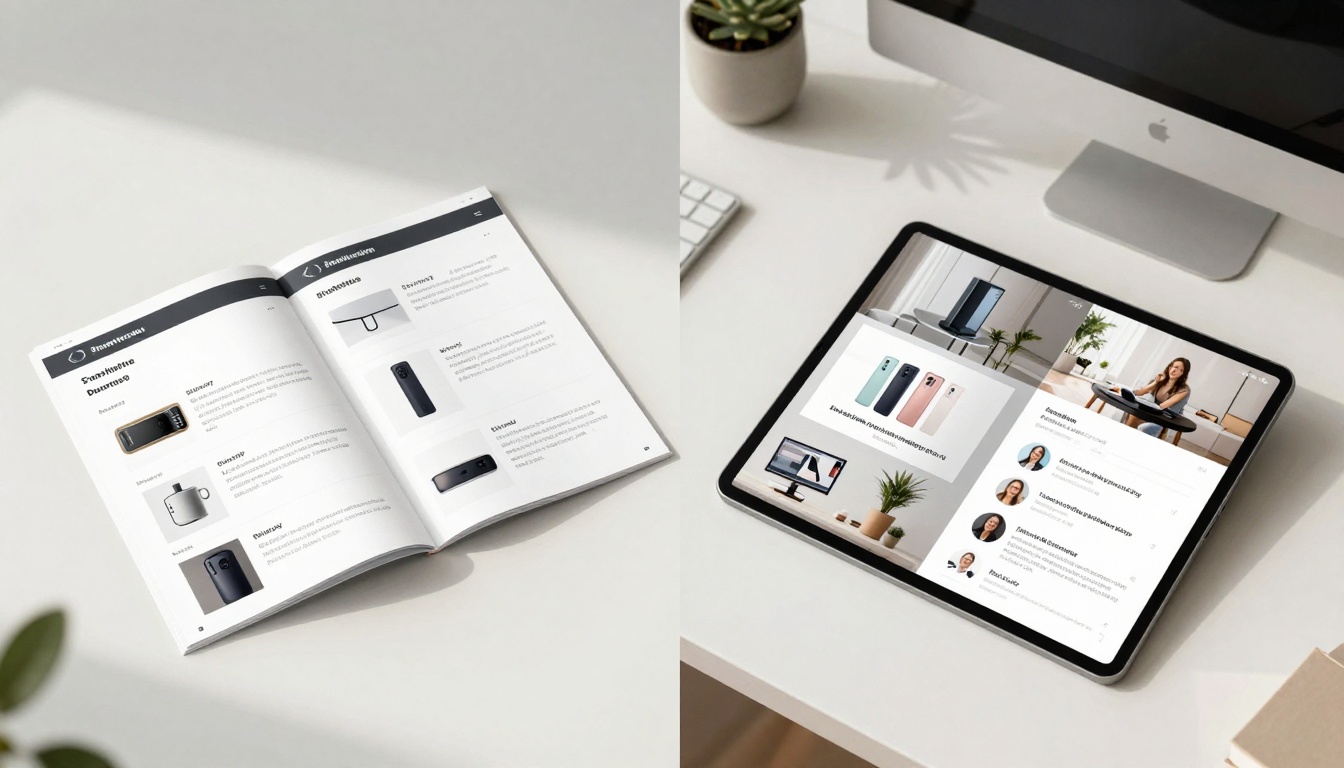
Traditional textbooks offer none of these. They're linear, static, and isolated. The reading experience feels like watching a movie where you can't pause, rewind, or ask questions.
The engagement gap shows up in measurable ways:
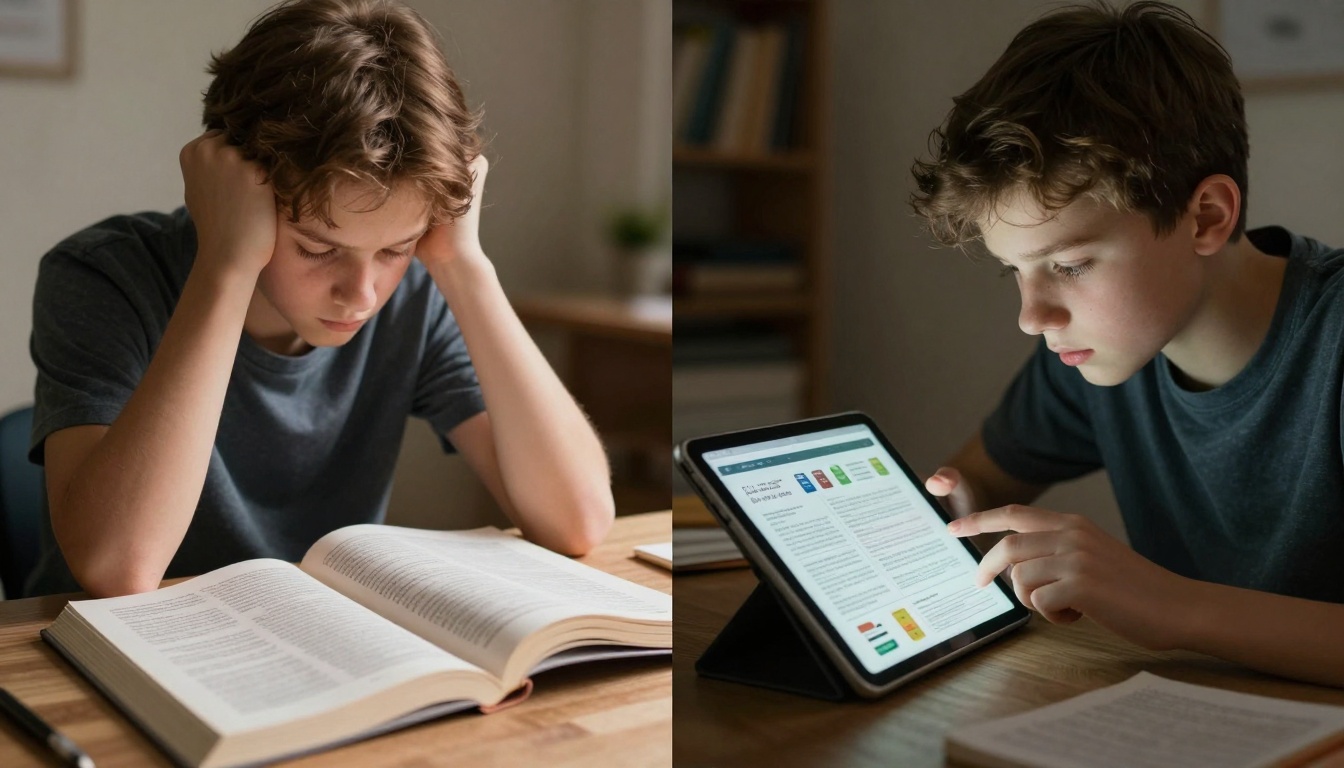
- 62% of high school students report "zoning out" while reading textbook chapters
- Average attention span on static text: 4-7 minutes before distraction
- Retention rates drop 40% when material feels disconnected from real-world application
- Collaborative learning opportunities decrease by 75% with print-only materials
How Interactive Flipbooks Solve the Engagement Problem
Interactive flipbooks work because they speak the digital native's language. When you convert a biology textbook into a digital flipbook, you're not just scanning pages—you're creating an ecosystem.
Core engagement elements that keep students reading:
-
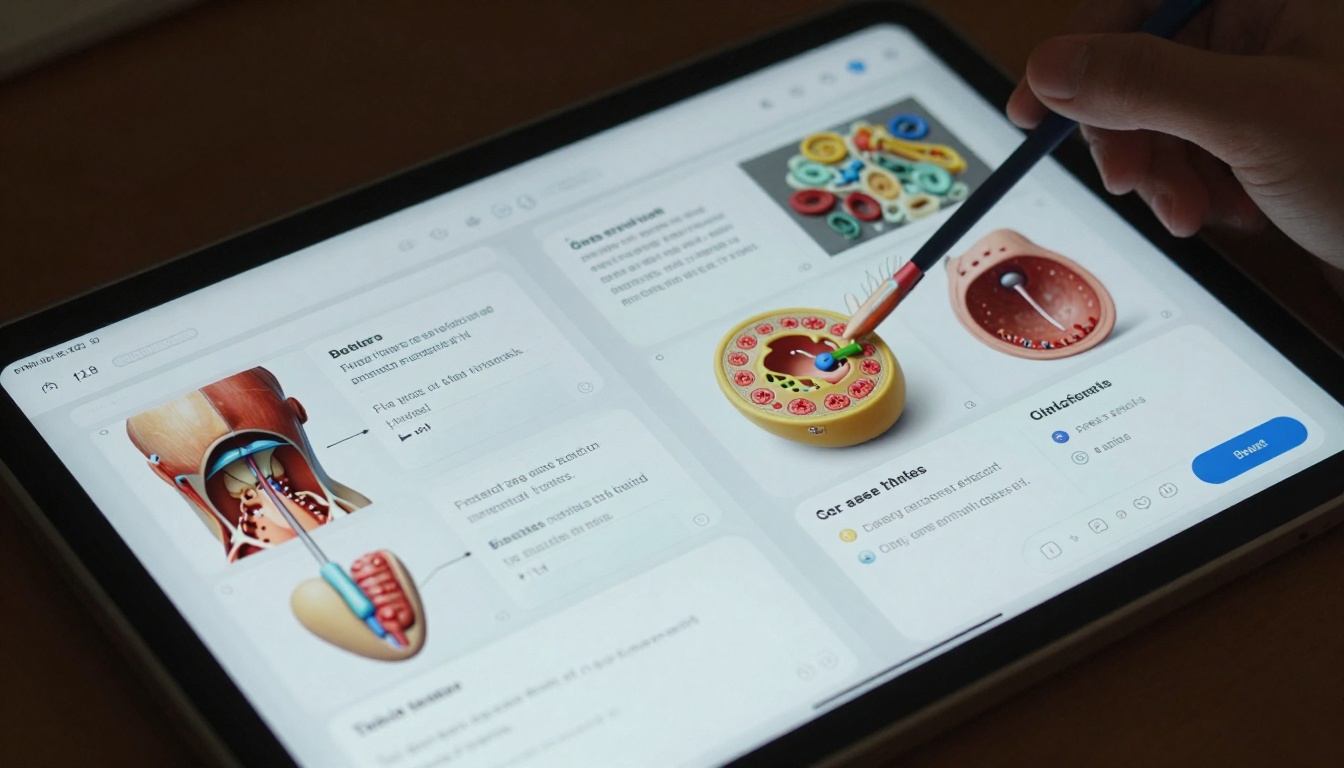
3D Models and Rotations: Anatomy diagrams become dissectable models. Historical artifacts rotate 360 degrees. Mathematical concepts visualize in real-time.
-
Embedded Video Explanations: Complex topics get 60-second video breakdowns right on the page, not in separate tabs or apps.
-
Interactive Quizzes with Instant Feedback: Students test understanding immediately, receiving explanations for both correct and incorrect answers.
-
Collaborative Annotation Tools: Multiple students can highlight, comment, and discuss specific passages in real-time.
-
Progress Tracking and Gamification: Reading becomes measurable with progress bars, achievement badges, and milestone celebrations.
-
Adaptive Difficulty: Content adjusts based on performance—more examples for struggling students, advanced challenges for excelling ones.
Evidence from Real Classrooms
The University of Michigan's Education Technology Department conducted a semester-long study comparing traditional textbooks with interactive flipbooks across six subjects. The results were consistent and dramatic:
| Subject | Traditional Textbook Engagement | Interactive Flipbook Engagement | Improvement |
|---|
| Biology | 12 minutes average session | 28 minutes average session | +133% |
| History | 9 minutes average session | 22 minutes average session | +144% |
| Mathematics | 7 minutes average session | 19 minutes average session | +171% |
| Literature | 15 minutes average session | 31 minutes average session | +107% |
| Chemistry | 8 minutes average session | 21 minutes average session | +162% |
| Foreign Language | 11 minutes average session | 25 minutes average session | +127% |
Professor Martinez, who led the study, noted: "The most significant finding wasn't the time increase—it was what happened during that time. Students weren't just reading longer; they were engaging deeper. They asked more questions, made more connections between concepts, and retained information weeks later during assessments."
Creating Educational Flipbooks: A Practical Guide
Schools and educators can start creating interactive learning materials immediately using platforms like Flipbooks AI. The process works for any educational content:
Step 1: Convert Existing Materials
Start with what you already have. Upload PDFs of worksheets, textbook chapters, or lecture notes to the PDF to Flipbook Converter. The platform maintains your original formatting while adding interactive capabilities.
Step 2: Add Engagement Elements
This is where traditional materials transform:
- Embed explanatory videos from YouTube or your own recordings
- Insert 3D models using embed codes from educational repositories
- Create interactive quizzes with multiple choice, matching, and fill-in-blank questions
- Add audio narration for language learning or accessibility
- Include clickable definitions for technical terminology
Step 3: Implement Collaborative Features
Enable social learning through:
- Shared annotation spaces where students can highlight and comment
- Discussion threads attached to specific content sections
- Group project spaces for collaborative assignments
- Peer review systems for constructive feedback
Step 4: Deploy Across Devices
Interactive flipbooks work everywhere:
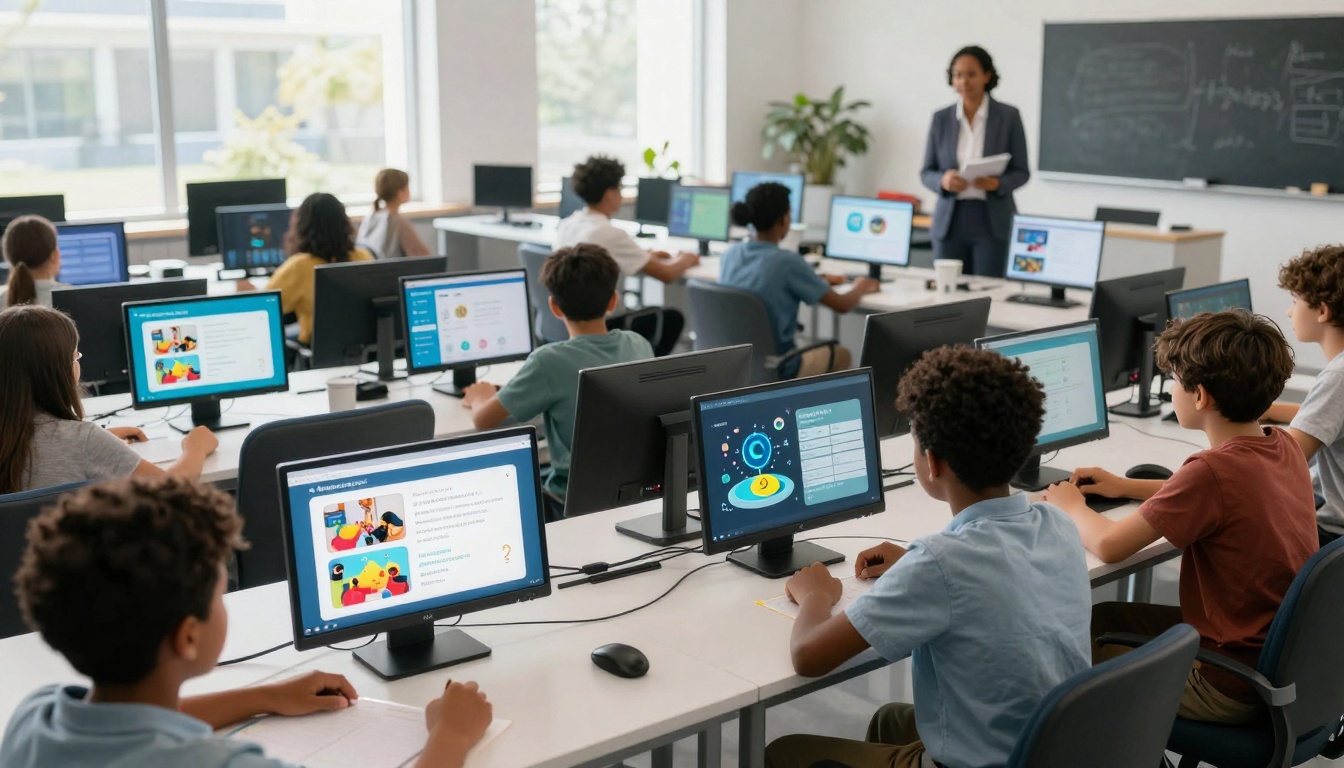
- Classroom smartboards for group instruction
- Student tablets for individual learning
- Home computers for homework and review
- Mobile phones for on-the-go reference
Subject-Specific Applications
Different academic disciplines benefit from tailored interactive approaches:
Science and Mathematics
3D models transform abstract concepts into tangible understanding. A chemistry flipbook might show molecular bonds forming and breaking in real-time. Mathematics flipbooks can visualize geometric proofs with interactive dragging of points and lines.
History and Social Studies
Timelines become interactive journeys. Students don't just read about historical events—they explore primary source documents, watch archival footage, and examine artifact replicas from multiple angles.
Literature and Language Arts
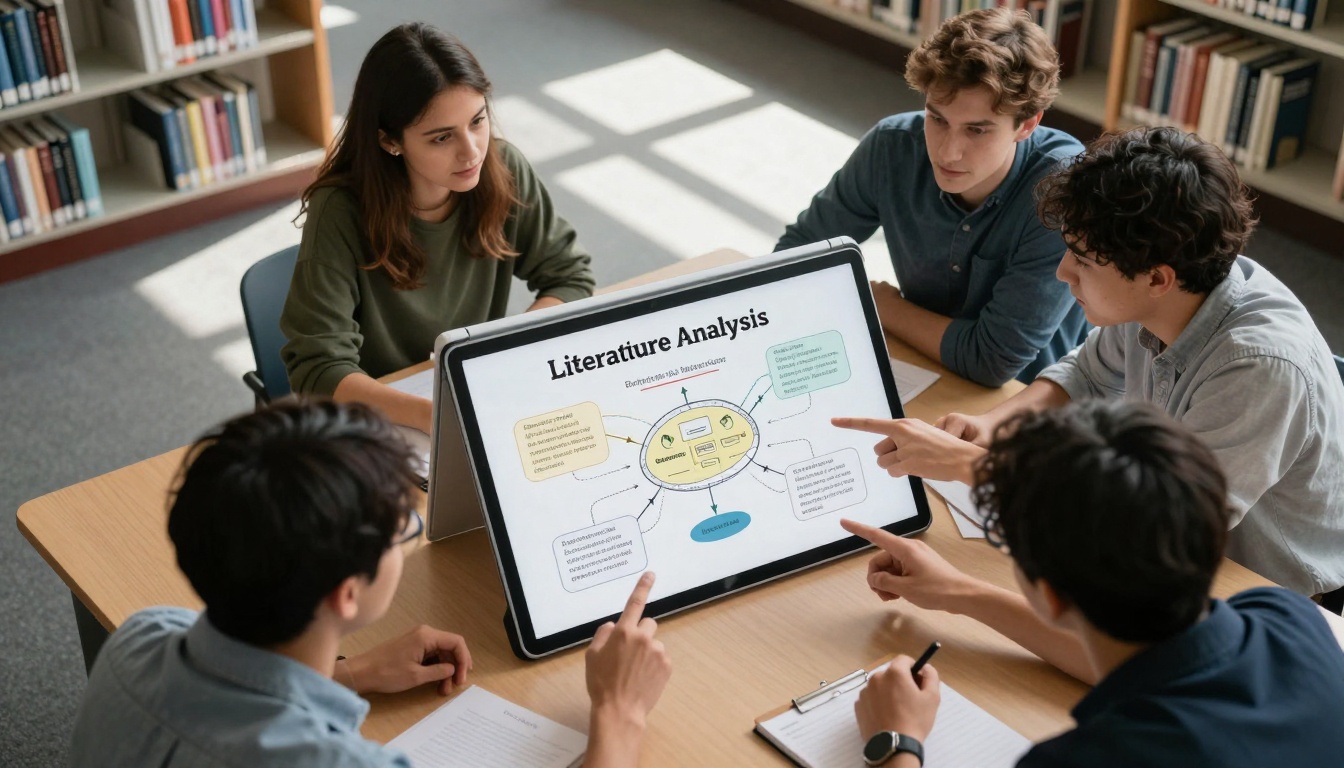
Text analysis becomes collaborative. Students can highlight literary devices, share interpretation notes, and compare thematic elements across different works. Foreign language flipbooks integrate pronunciation guides and cultural context videos.
Professional and Technical Education
Manual procedures become step-by-step interactive guides. Medical students practice virtual dissections. Engineering students manipulate 3D blueprints. Culinary students watch technique videos embedded alongside recipes.
Cost and Implementation Considerations
Many educators worry about technology costs, but interactive flipbooks scale economically:
| Educational Level | Recommended Approach | Estimated Cost | Tools to Use |
|---|
| Individual Teacher | Start with free account, create 3-5 flipbooks | €0 | Basic free plan |
| Department Level | Standard plan for unlimited flipbooks | €3/month per teacher | Standard plan |
| School District | Professional plan with analytics | €7/month per school | Professional plan |
| University Program | Lifetime institutional license | €200 one-time | Lifetime plan |
✅ Best Practice: Start small with one unit or chapter. Measure engagement improvements, then expand. Most educators see enough value from initial experiments to justify broader implementation.
Technical Requirements and Accessibility
Accessibility remains crucial. Interactive flipbooks must work for all students:
- Screen reader compatibility for visually impaired students
- Keyboard navigation for motor-impaired users
- Adjustable text sizes and contrast settings
- Closed captioning for all video content
- Alternative text for all images and interactive elements
Platforms like Flipbooks AI build these features into their core architecture, ensuring materials work across the full spectrum of student needs.
Measuring Success Beyond Test Scores
While test score improvements matter (typically 15-25% gains with interactive materials), more subtle metrics reveal deeper impact:
Qualitative improvements observed by educators:
- Students asking more insightful questions during class
- Increased peer-to-peer teaching and collaboration
- Greater persistence with challenging material
- More voluntary reading outside assigned work
- Improved metacognition about learning processes
Quantitative data from analytics:
- Time-on-task measurements per student
- Interaction patterns with different content types
- Quiz performance trends over time
- Annotation density and quality
- Revision and review frequency
Common Implementation Challenges (and Solutions)
Challenge 1: Teacher resistance to new technology
Solution: Start with tech-savvy teachers as champions. Provide simple templates they can adapt rather than requiring creation from scratch.
Challenge 2: Student device access disparities
Solution: Design flipbooks that work across devices—phones, tablets, computers. Use responsive design that adapts to screen size.
Challenge 3: Content creation time investment
Solution: Begin by converting existing high-quality materials. Add interactivity incrementally over semesters rather than all at once.
Challenge 4: Assessment alignment
Solution: Build interactive quizzes that mirror formal assessment formats. Use analytics to identify which interactive elements correlate with improved performance.
Challenge 5: Technical support needs
Solution: Choose platforms with strong documentation and support. Flipbooks AI provides detailed guides for educational implementation.
The Future of Interactive Learning Materials
Current flipbook technology represents just the beginning. Emerging developments will further transform educational content:
AI-Personalized Learning Paths: Systems that analyze student interaction patterns and automatically adjust content difficulty and presentation style.
Immersive AR/VR Integration: 3D models that students can manipulate in virtual space using AR glasses or VR headsets.
Real-Time Collaboration Spaces: Virtual study rooms where students from different locations can interact with the same flipbook simultaneously.
Cross-Platform Learning Ecosystems: Flipbooks that integrate with learning management systems, gradebooks, and student information systems.
Automated Content Generation: AI-assisted creation of interactive elements from static source materials.
Getting Started with Your First Educational Flipbook
The barrier to entry has never been lower. Here's how any educator can begin:
-
Choose one high-value unit from your existing curriculum—something students traditionally struggle with or find boring.
-
Gather your source materials—PDFs, images, videos, quiz questions you already use.
-
Create a free account on Flipbooks AI to explore the platform without commitment.
-
Use the Course Material Publisher tool specifically designed for educational content.
-
Start with basic interactivity—embed one video, add a simple quiz, include clickable definitions for key terms.
-
Test with a small student group before full deployment. Gather feedback on what engages them most.
-
Measure results using both qualitative observations and any available analytics.
-
Iterate and expand based on what works best for your specific students and subject matter.
The platform offers tools specifically designed for different educational scenarios:
For K-12 Schools:
For Higher Education:
For Specialized Programs:
What Students Actually Say About Interactive Flipbooks
Feedback from students using these materials reveals why they work:
"The biology diagrams that I can rotate help me understand spatial relationships that were impossible to grasp from flat textbook images." — Maria, 11th grade
"Having the math examples with immediate feedback means I know right away if I understand the concept. I don't waste time practicing incorrectly." — James, 9th grade
"The collaborative notes feature lets our study group work together even when we're not in the same room. We build on each other's insights." — Sarah, college sophomore
"The embedded videos for historical events make them feel real, not like distant facts to memorize." — David, 8th grade
"Being able to adjust text size and contrast helps me read longer without eye strain." — Priya, 10th grade with visual processing difficulty
Making the Case to School Administrators
When proposing interactive flipbook adoption, focus on these evidence-based arguments:
Financial Efficiency: Interactive materials reduce printing costs, textbook replacement cycles, and photocopying expenses. The initial investment typically pays for itself within one academic year.
Learning Outcomes: Cite the Stanford and University of Michigan studies showing 31% comprehension improvements and 47% increased engagement time.
Equity and Access: Digital materials work across devices and can be updated instantly. All students access the same current content regardless of socioeconomic factors.
Teacher Effectiveness: Analytics provide insights into student understanding that were previously invisible. Teachers can intervene earlier with struggling students.
Future Readiness: Students develop digital literacy skills that transfer to higher education and workplace environments.
Compliance and Standards: Digital materials more easily track against curriculum standards and provide audit trails for accreditation requirements.
The transformation from static textbooks to interactive flipbooks represents more than a technology upgrade—it's a pedagogical evolution. Students conditioned by interactive digital experiences throughout their lives finally have educational materials that match how they naturally engage with information.
When content responds to touch, provides immediate feedback, integrates multiple media formats, and enables social learning, students don't just read—they participate. They move from passive consumers to active explorers. The 47% increase in engagement time isn't about forcing attention; it's about creating materials worth attending to.
Educational institutions implementing interactive flipbooks report not just better test scores, but more importantly, students who rediscover the joy of learning. When reading becomes an interactive conversation rather than a monologue, education transforms from obligation to exploration.
Ready to transform your educational materials? Create your first interactive flipbook on Flipbooks AI today. Explore the full range of educational tools designed specifically for classroom implementation. Compare pricing plans to find the right fit for your institution's needs.



