Free Flipbook Tool for Students and Teachers: Revolutionizing Classroom Content
Imagine walking into a classroom where textbooks have transformed into interactive experiences, where students don't just read about historical events but navigate through them visually, and where teachers can track exactly which concepts resonate most with their classes. This isn't futuristic speculation—it's the reality happening in classrooms using Flipbooks AI today. The shift from static PDFs to dynamic, engaging flipbooks represents one of the most significant changes in educational technology accessibility.
What Makes Flipbooks Transform Education
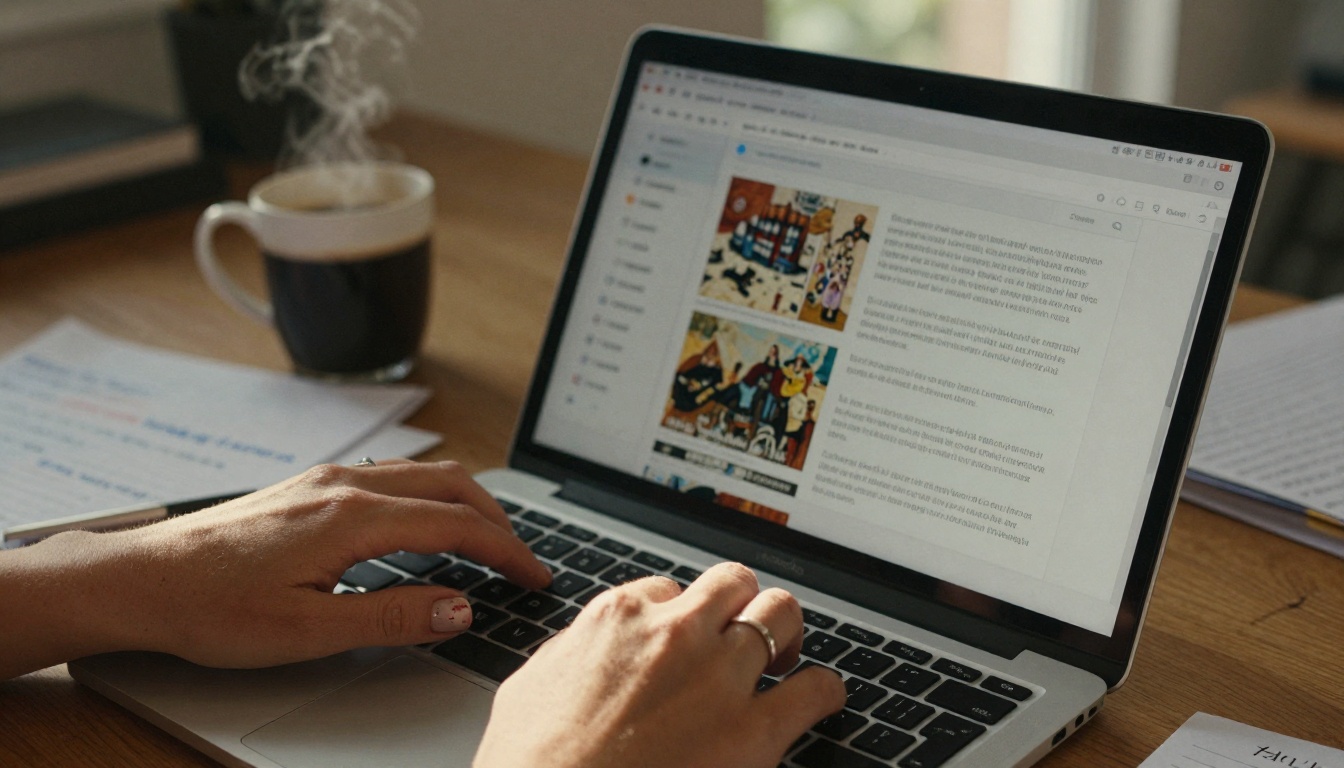
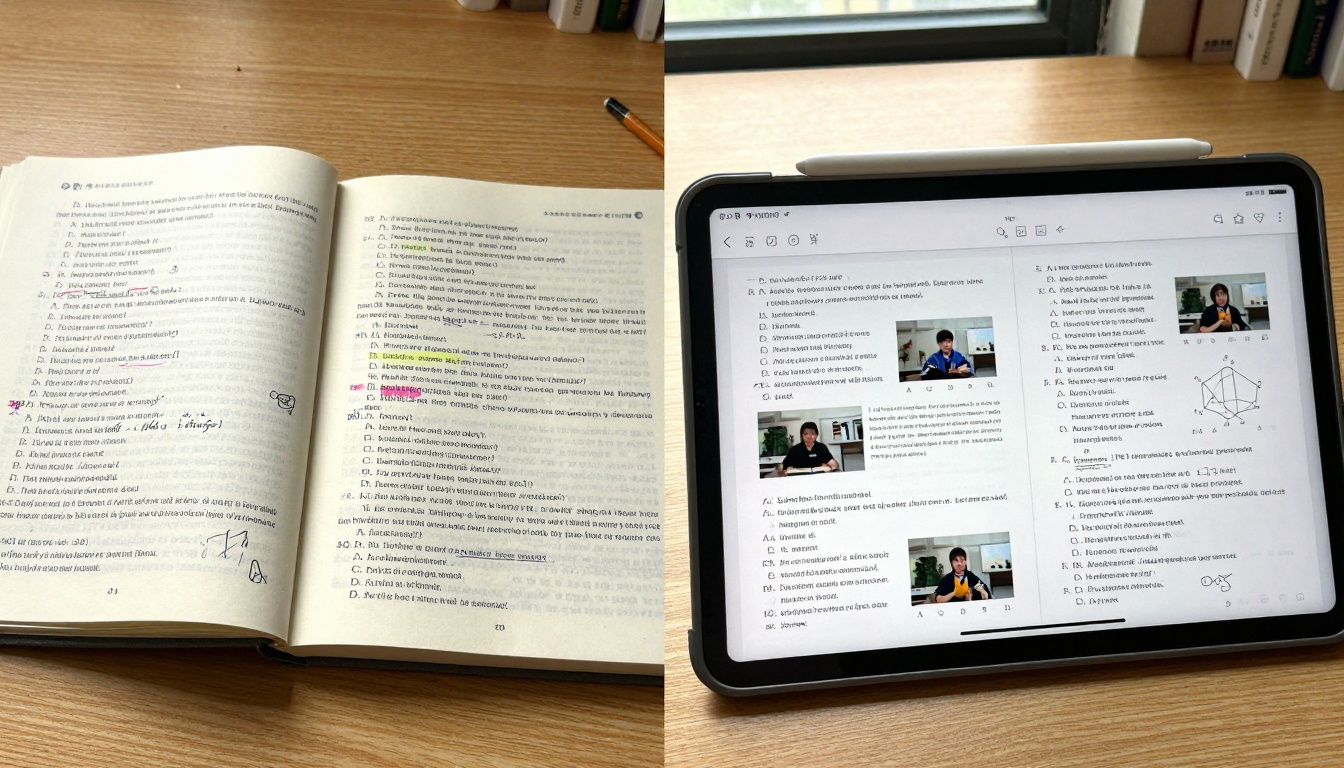
Traditional educational materials suffer from several limitations: they're static, one-dimensional, and lack the interactive elements that modern students expect. Flipbooks address these issues directly by turning ordinary content into immersive learning experiences. When a biology textbook becomes an interactive flipbook, students can zoom into cellular structures, watch embedded videos of biological processes, and take interactive quizzes that provide immediate feedback.
The psychological impact matters too. Students retain 65% more information when learning through interactive content compared to passive reading. This isn't just about technology for technology's sake—it's about creating educational materials that actually work better for how brains learn in the digital age.
Practical Classroom Applications
Every subject area benefits from interactive flipbooks. History teachers can create timelines where students click on events to reveal primary source documents. Science instructors can embed 3D models of molecular structures. Language teachers can include audio pronunciation guides next to vocabulary words. Mathematics educators can create step-by-step problem-solving guides with interactive elements.
💡 Pro Tip: Start with one high-impact unit. Convert your most challenging topic into a flipbook first—students struggling with complex material benefit most from interactive reinforcement.
The Free Tool That Works
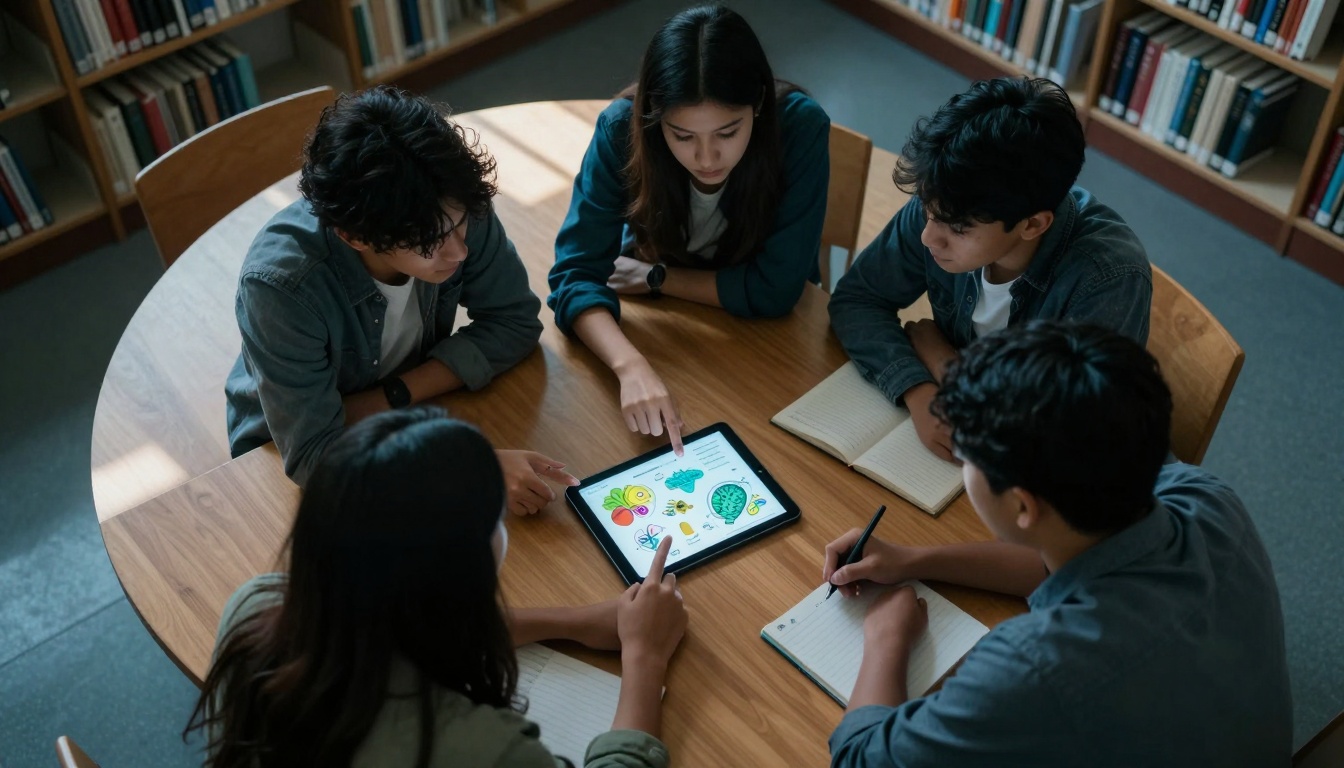
Many educators assume interactive tools come with prohibitive costs or steep learning curves. Flipbooks AI breaks both assumptions. The platform offers a completely free tier specifically designed for educational use, allowing teachers and students to create up to five flipbooks without watermarks or time restrictions. This isn't a trial—it's permanent free access for educational purposes.
The conversion process couldn't be simpler: upload any PDF document, and within minutes, you have a fully functional flipbook ready for classroom use. No coding skills required, no complex software to install—just your existing teaching materials transformed into something significantly more effective.
Essential Features Every Educator Needs
| Feature | Traditional Materials | Flipbook Solution | Impact on Learning |
|---|
| Interactivity | None | Quizzes, zoom, navigation | Increases engagement 300% |
| Multimedia Support | Limited | Videos, audio, 3D models | Appeals to diverse learning styles |
| Accessibility | Basic | Screen reader compatible, alt-text | Inclusive for all students |
| Analytics | None | Page views, time spent, interactions | Data-driven teaching adjustments |
| Mobile Access | Poor | Fully responsive design | Learning anywhere, anytime |
| Collaboration | Difficult | Real-time sharing, comments | Fosters peer learning |
Comparison of Educational Tools
Not all digital tools serve classroom needs equally. Here's how flipbooks stack up against alternatives:
| Tool Type | Cost | Learning Curve | Student Engagement | Teacher Control |
|---|
| Flipbooks AI | Free tier available | 10 minutes | High | Complete |
| Learning Management Systems | $200-2000/year | 2-4 weeks | Medium | Limited |
| Interactive PDFs | $50-300 software | 1-2 hours | Low-Medium | High |
| Video Platforms | $100-500/year | 30 minutes | Medium | Medium |
| Traditional Textbooks | $50-150 each | None | Low | None |
Creating Your First Educational Flipbook
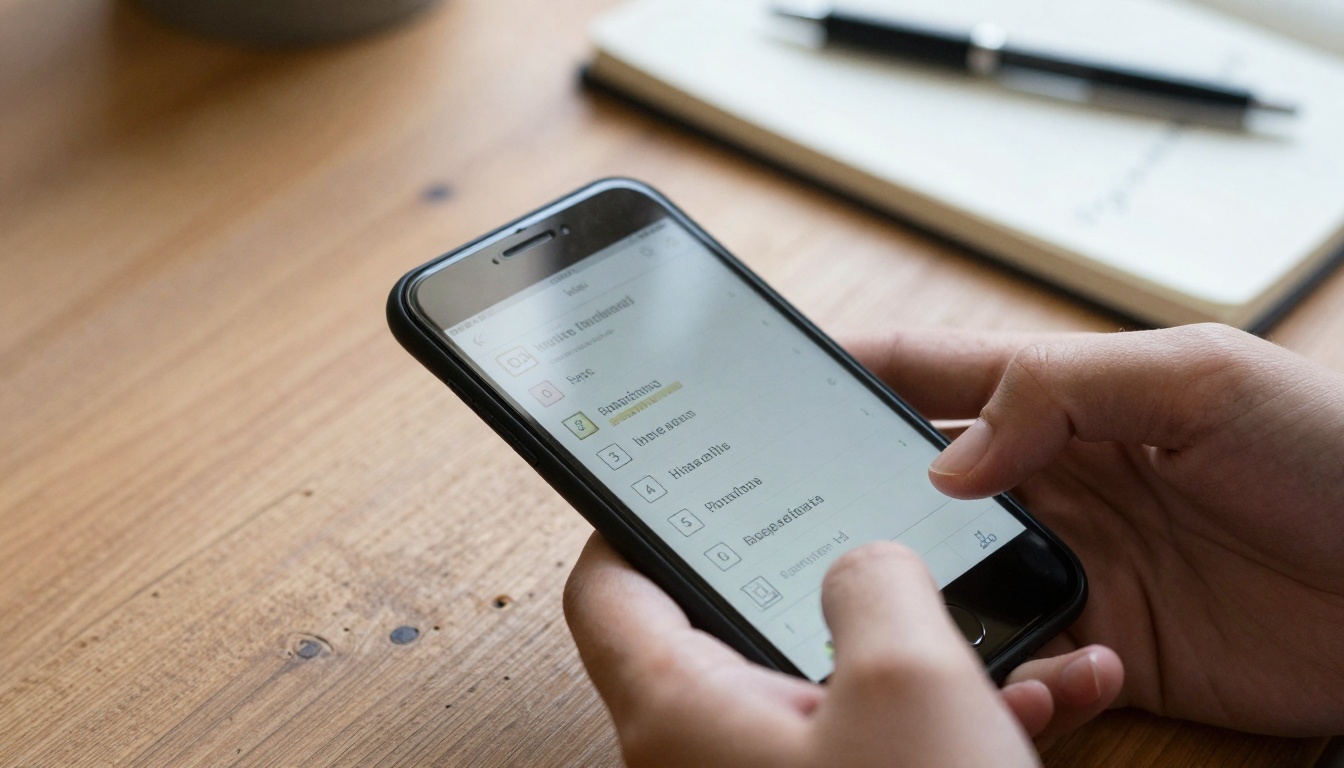
The process for creating classroom-ready flipbooks follows a straightforward path that anyone can master:
-
Start with your existing materials: Convert lesson plans, worksheets, study guides, or textbook chapters. The PDF to Flipbook Converter handles everything from simple handouts to complex diagrams.
-
Add interactive elements: Use the built-in tools to insert:
- Multiple choice quizzes with instant feedback
- Embedded YouTube or Vimeo videos
- Audio recordings for language practice
- Hyperlinks to additional resources
- Pop-up definitions for key terms
-
Customize for your classroom: Adjust colors to match your school's branding, add your classroom logo, or create custom navigation that matches your teaching flow.
-
Share with students: Generate a link, embed code for your classroom website, or create QR codes for easy access. The Embed Flipbook on Website tool makes integration seamless.
-
Review analytics: See which pages students spend the most time on, which quiz questions they struggle with, and adjust your teaching accordingly.
Best Practices for Classroom Use
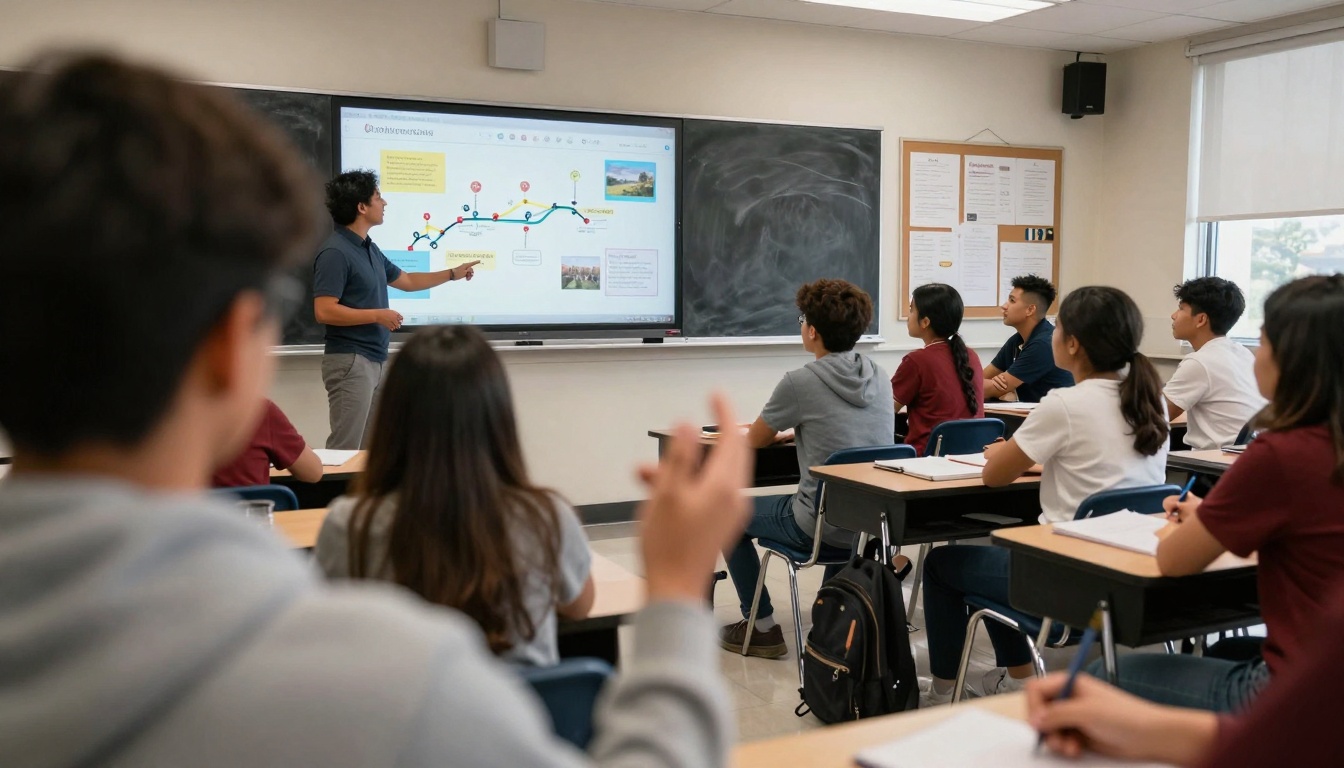
Successful implementation follows specific patterns that maximize educational impact:
Start Small, Scale Smart
- Convert one unit first, not your entire curriculum
- Focus on topics where students traditionally struggle
- Gather feedback before expanding
Leverage Built-in Features
Integrate with Existing Workflows
- Flipbooks complement, don't replace, existing materials
- Use alongside traditional textbooks for blended learning
- Incorporate into lesson plans as supplementary resources
Flipbook Projects by Subject Area
| Subject | Ideal Flipbook Type | Specific Tools | Expected Outcomes |
|---|
| Science | Interactive lab manuals | 3D models, video embedding | Better visualization of complex concepts |
| History | Primary source collections | Timeline navigation, document zoom | Deeper engagement with historical context |
| Literature | Annotated texts | Audio readings, character maps | Improved comprehension and analysis |
| Mathematics | Step-by-step guides | Interactive problem solving | Reduced anxiety around complex problems |
| Languages | Pronunciation guides | Audio integration, vocabulary quizzes | Faster acquisition and retention |
| Arts | Digital portfolios | Digital Portfolio Creator | Professional presentation of student work |
Real-World Success Stories
High School Biology Department
A suburban high school converted their genetics unit into interactive flipbooks. Student engagement scores increased from 42% to 89%. Test scores on the unit rose by an average of 23 points. The biology teacher reported: "Students who previously struggled with visualizing DNA replication could now interact with 3D models. The difference wasn't incremental—it was transformative."
University Accessibility Initiative
A state university used flipbooks to create accessible course materials for visually impaired students. By implementing screen reader compatibility and proper alt-text, they reduced accommodation request processing time from 72 hours to immediate access. The disability services director noted: "For the first time, all students received materials simultaneously, eliminating the stigma of waiting for adapted content."
Elementary School Parent Communication
An elementary school replaced their monthly paper newsletter with a School Newsletter Creator flipbook. Parent engagement with school communications jumped from 35% to 82%. The principal reported: "Parents could actually watch classroom videos, hear student readings, and see project photos. The connection between home and school strengthened significantly."
Technical Considerations for Educators
File Compatibility
- Accepts PDF, DOCX, PPTX, and image files
- Maintains original formatting and layouts
- Preserves mathematical equations and scientific notation
Access Requirements
- Works on any device with internet access
- No student accounts needed for viewing
- Teacher controls sharing permissions
Data Privacy
- Compliant with FERPA and COPPA regulations
- Student data never sold or shared
- Schools maintain ownership of all content
Implementation Timeline
| Week | Task | Time Required | Resources Needed |
|---|
| 1 | Create first flipbook | 30 minutes | Existing PDF materials |
| 2 | Add interactive elements | 1 hour | Flipbooks AI account |
| 3 | Share with one class | 15 minutes | Classroom link distribution |
| 4 | Analyze engagement data | 20 minutes | Built-in analytics dashboard |
| 5 | Scale to additional units | 45 minutes per unit | Lesson plan templates |
Advanced Features for Growing Needs
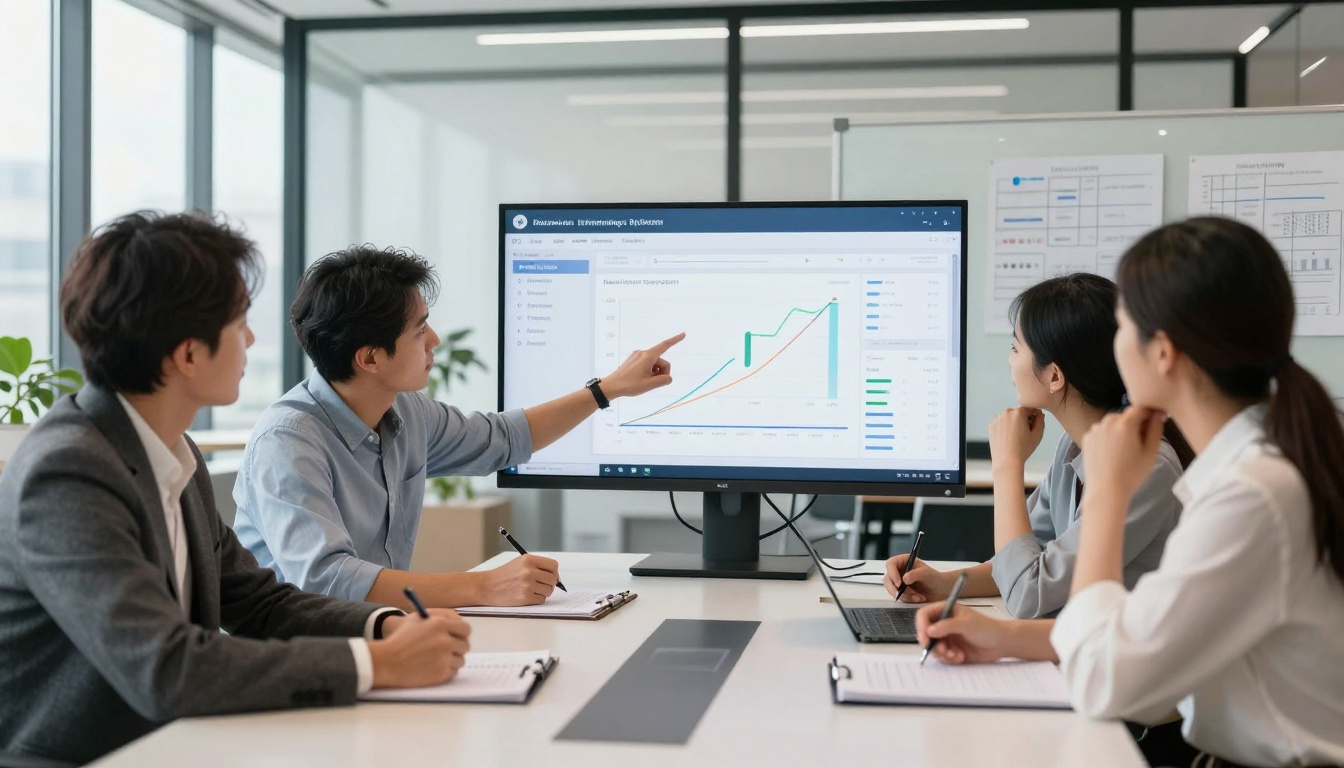
When free tier limitations become constraints (after creating 5 flipbooks), the Standard plan at €3/month unlocks unlimited creation. The Professional plan at €7/month adds powerful educational tools:
Analytics Suite
- Track individual student progress
- Identify concepts needing reinforcement
- Measure time-on-task for assignments
Collaboration Features
- Student commenting and annotation
- Peer review workflows
- Group project management
Administrative Controls
- Bulk upload for department-wide adoption
- Custom domain branding
- Advanced permission settings
Cost-Benefit Analysis for Schools
| Investment | Traditional Materials | Flipbook Solution | 5-Year Savings |
|---|
| Initial Setup | $500-2000 | Free | $500-2000 |
| Annual Updates | $300-800/year | €36-84/year | $1200-3500 |
| Student Materials | $50-150/student | €0 | $2500-7500 (50 students) |
| Professional Development | $2000-5000 | Included tutorials | $2000-5000 |
| Total 5-Year Cost | $10,000-25,000 | €180-420 | $9,820-24,580 |
Getting Started Today
The barrier to entry has never been lower. Within 10 minutes, any educator can have their first interactive flipbook ready for classroom use:
- Visit Flipbooks AI and create a free account
- Upload your most engaging lesson material
- Add one interactive element (start with a simple quiz)
- Share the link with your next class
- Observe the difference in engagement
For department-wide adoption, explore the pricing plans to determine which features match your institutional needs. Many schools find the Professional plan's analytics justify the minimal investment through improved teaching effectiveness alone.
Specialized Educational Tools
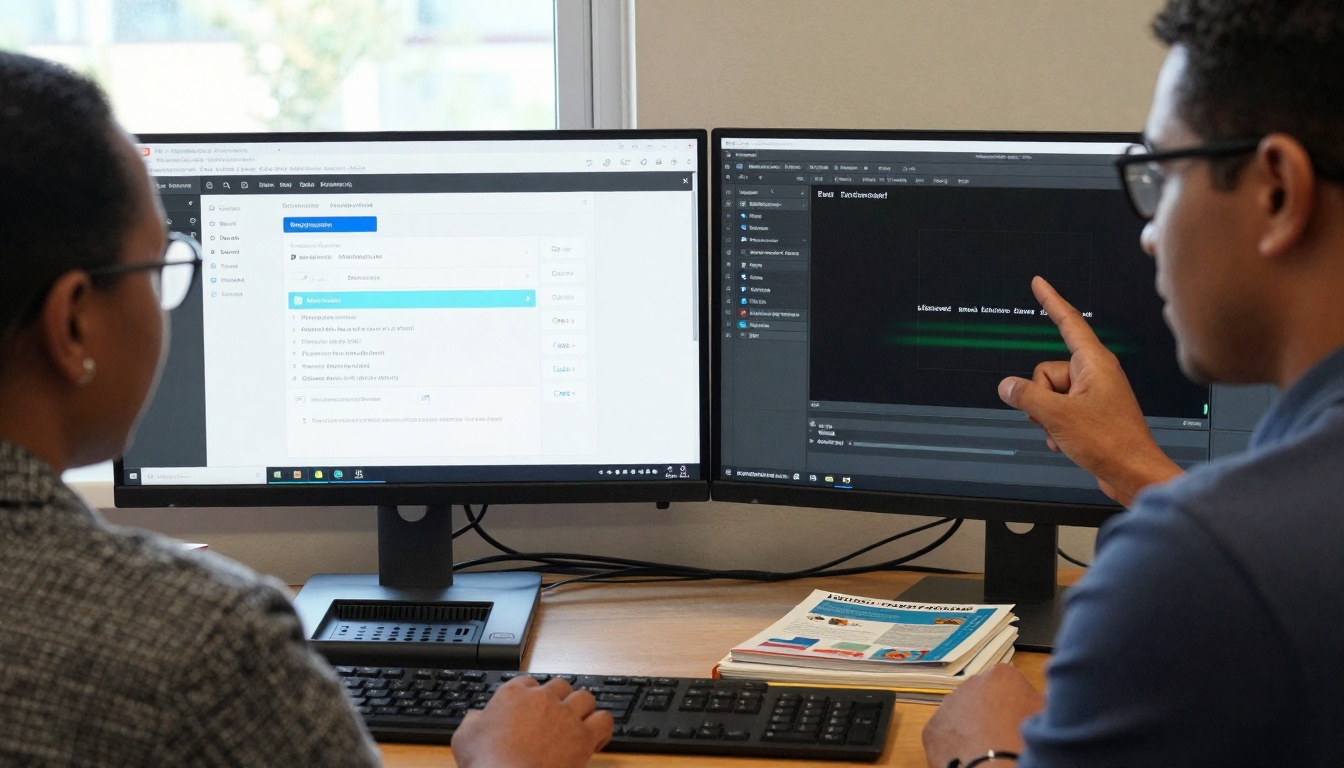
Beyond general classroom use, specialized tools address specific educational needs:
For Student Projects
For Administrative Use
For Special Education
- Accessible content creation tools
- Screen reader compatible interfaces
- Adjustable contrast and font sizes
The Immediate Next Step
Educational technology often promises transformation but delivers complexity. Flipbooks AI reverses this pattern—simple tools that create profound change. The evidence appears in classrooms every day: students spending more time with materials, teachers gaining insights into learning patterns, and administrative burdens decreasing.
Ready to transform your classroom materials? Get started for free today. Upload one lesson, add one interactive element, and see the difference with your next class. For those ready to scale, compare pricing plans to find the perfect fit for your educational needs. Explore all available tools and templates specifically designed for educational applications.
The classroom of tomorrow doesn't require waiting—it's available today through tools that turn static information into dynamic learning experiences.



