There's a specific kind of frustration reserved for free software that does not want you to stay free. You sign up, upload your PDF, watch it convert into a beautiful flipbook, and then right when you try to share it, a popup appears. "Upgrade to remove the watermark." You close it. You try to embed it on your website. "Embedding is a Pro feature." You hit publish. "Your account is limited to 1 flipbook per month." If you've been through this cycle before, you already know that most so-called free flipbook tools are just disguised demos. This article covers what makes a free flipbook tool that does not bug you to upgrade actually worth using, compares the real options available, and shows you where to go if you want a free plan that works without constant pressure. Flipbooks AI is built around that exact idea.
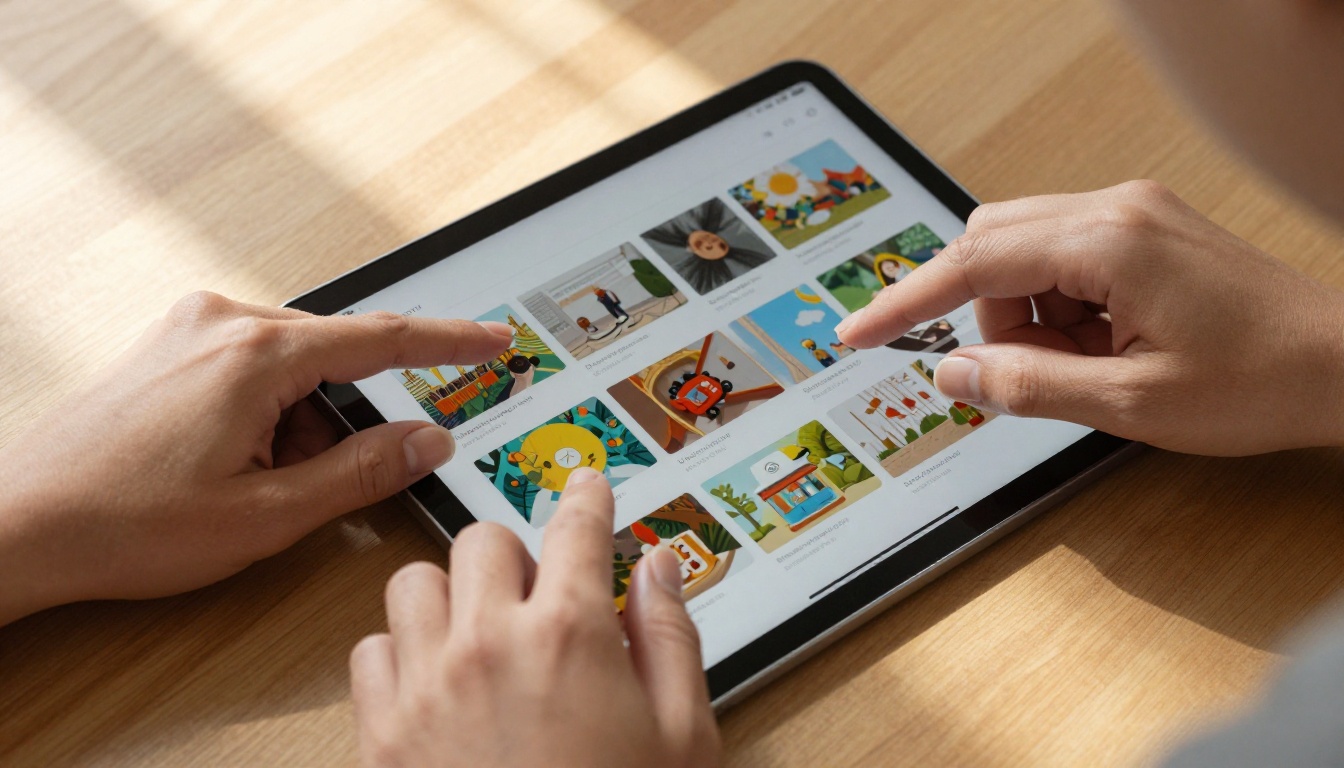
The promise is always the same: "Start for free." What they don't mention in the headline is that "free" means you get about 10% of the product before a wall appears. The free tier exists not to serve you but to demonstrate the product just enough to make you pay.
The Upgrade Popup Problem
Most free-tier flipbook tools are engineered to interrupt you. The popup timing is not accidental. It fires at the exact moment of completion, when you have already invested time uploading and editing your content. At that point, the sunk cost pressure is real. You feel stuck between losing your work or paying for a plan you never intended to buy.
Some tools are more aggressive than others. Popups every few clicks. Tooltips on locked buttons that say "Upgrade" in bright orange. Banner ads at the top of your flipbook when viewed by your audience. These are not bugs. They are deliberate friction points designed to convert you, not to help you.
⚠️ If a "free" tool shows your audience an upgrade banner when they view your flipbook, it is using your content to advertise itself. That is not a free plan. That is unpaid advertising on your behalf.
Watermarks, Limits, and Locked Features
The most common restrictions on free flipbook tiers fall into four categories:
- Watermarks: Your flipbook displays the tool's branding to your audience, regardless of how professional your content is
- Flipbook count limits: You can only have 1 to 3 active flipbooks at a time
- Page count restrictions: PDFs above 10 to 20 pages get cut off or rejected
- Sharing blocked: Embedding on external websites is a paid-only feature
Each of these is a deliberate limitation designed to make the free plan feel insufficient. And for most real use cases, it absolutely is.

Not every tool operates this way. A genuinely useful free flipbook plan has clear, honest limits, does not interrupt your workflow with sales prompts, and delivers real value without treating you like a prospect to convert.
The Features You Need at Zero Cost
At minimum, a free flipbook tool worth using should include:
- PDF to flipbook conversion with no restrictive page-count limit
- The ability to share via a public link without a paywall
- No watermark on the final output visible to your audience
- Mobile-responsive viewing out of the box
- Basic customization such as a header image and title
- More than 1 or 2 active flipbooks allowed at a time
These are not requests for advanced functionality. They are baseline features. A tool that locks any of these behind a paywall is not offering a free plan. It is offering a preview.
What "Free Forever" Really Means
The phrase "free forever" gets overused in SaaS marketing. What it should mean: you can create, share, and maintain flipbooks indefinitely without paying anything and without the tool degrading your experience to pressure you into upgrading.
What it sometimes actually means in practice: the free plan technically exists forever, but it becomes so restricted over time through feature removals and new premium tiers that it stops being practical for any real workflow.
💡 Before committing to any free flipbook tool, test the full sharing flow from start to finish. Upload a real document, publish it, open the shared link as a guest, and check exactly what your audience sees. Watermarks and upgrade prompts often only appear at that final viewing step.

Before picking a platform, it helps to see what each one actually gives you for free. The table below cuts through the marketing language and shows the real restrictions on each tool's free tier.
Feature-by-Feature Breakdown
| Tool | Watermark on Output | Free Flipbooks | Page Limit | Free Embedding | Upgrade Prompts |
|---|
| Flipbooks AI | None | Unlimited (Standard+) | None stated | Yes | Minimal |
| Tool B | Yes (logo on flipbook) | 3 | 15 pages | Paid only | Aggressive |
| Tool C | Yes (footer branding bar) | 1 | 30 pages | Paid only | Moderate |
| Tool D | None | 5 | 50 pages | Paid only | Moderate |
| Tool E | Yes (watermark per page) | Unlimited | None | Yes | Low |
⚠️ This comparison reflects publicly stated free-tier terms at time of writing. Individual tools change their plans frequently. Always verify current restrictions on the tool's official pricing page before committing.
Which Free Plan Wins
The standout differences come down to two things: whether your audience sees any third-party branding on your flipbook, and whether embedding on external sites is available without paying. Most tools fail on both counts. Flipbooks AI addresses both and keeps sales pressure minimal throughout the interface rather than surfacing it at every interaction.

Flipbooks AI Free Plan: No Nagging, Real Features
Flipbooks AI was designed around a specific premise: people creating flipbooks do not want to feel like they are constantly being sold something while they work. The interface reflects that. There are no popup interruptions mid-workflow, no watermarks stamped across your content, and no upgrade banners displayed to your audience when they view what you made.
What You Get Without Paying
The platform's approach is to offer enough genuine functionality that users want to upgrade when their needs grow, rather than feeling coerced into it before they're ready. What that looks like in practice:
- No watermarks on any flipbook you create or share
- Mobile-responsive output by default, no configuration required
- Shareable links that work immediately without a paywall gate
- PDF conversion with realistic page-turn animation
- Custom branding options including colors and header images
- Password protection for private flipbooks
For users on higher tiers, the pricing plans add analytics, lead generation, offline downloads, and expanded storage. But the decision to upgrade is driven by genuine need, not because the free plan deliberately made your content look unprofessional.
Creating Your First Flipbook Free
The process of creating a flipbook on Flipbooks AI takes about two minutes from a PDF. There are no lengthy forms before you can start, no credit card required to see results, and the output is ready to share before you ever encounter a pricing screen.
✅ Best practice: Have your PDF finalized before uploading. The conversion is immediate and the result is shareable right away, so uploading a draft version means sharing work in progress.

How to Make a Flipbook Without Being Upsold
If you are ready to create your first flipbook without a single upgrade popup interrupting you, here is the exact process using Flipbooks AI.
Step-by-Step with Flipbooks AI
Step 1: Create your account
Go to flipbooksai.com/account and sign up. No credit card is required to get started. The signup process takes under 60 seconds and does not redirect you to a pricing page before you can do anything.
Step 2: Upload your PDF
From your dashboard, click the upload button and drag your PDF into the upload zone. The PDF to Flipbook Converter processes your document automatically and produces a page-turn flipbook in seconds. No software to install, no waiting for an email.
Step 3: Customize your flipbook
Once converted, you can:
- Add a custom header image for the flipbook thumbnail
- Set your brand colors for the viewer interface
- Add a title and description visible to readers
- Enable or disable page thumbnails in the sidebar
- Set a password for private sharing
Step 4: Publish and share
Click publish and your flipbook is live immediately. You get a direct shareable link that works on any device. You can also use the Embed Flipbook on Website tool to copy an embed code and drop it directly into any website, blog, or landing page without additional configuration.
Step 5: Manage and track
Your dashboard shows all published flipbooks in one place. On the Professional plan, you also get view analytics showing how many people opened each flipbook, how long they read, and which pages held attention. These analytics are available via pricing plans without requiring a sales call.
💡 If you are creating a flipbook for a specific use case like a restaurant menu, product catalog, or portfolio, use one of the dedicated tools. The Restaurant Menu Creator, Product Catalog Generator, and Digital Portfolio Creator are purpose-built for those formats and produce more polished results than a generic PDF conversion alone.

Real Use Cases on a Free Plan
Whether a free flipbook tool is actually usable depends heavily on what you need it for. Here are the use cases where a no-nag free plan makes a real, practical difference.
Small Business, Teachers, Creators
Small business owners who produce product catalogs, menus, or promotional brochures need a tool that represents their brand professionally. A watermark from a third-party tool on your catalog tells your customers you used a free tier to make it. That is not the impression you want. A restaurant using the Restaurant Menu Creator needs a clean, shareable menu link without anyone else's branding anywhere on it.
Teachers and educators who create course materials or class newsletters need something that works repeatedly without hitting a flipbook count limit. A teacher producing monthly class updates using the School Newsletter Creator will exhaust a 3-flipbook cap in a single semester. A free plan with no count restriction actually works for that workflow.
Real estate agents showing property brochures to clients need a professional presentation that loads instantly on a client's phone. A digital brochure created with the Real Estate Brochure Creator, free of watermarks and upgrade prompts, makes the right first impression.

Creative professionals building portfolios or lookbooks benefit from the Digital Portfolio Creator or Interactive Lookbook Designer. These outputs are meant to impress clients or employers. A third-party watermark or upgrade banner on a portfolio piece undermines the entire purpose of sharing it.
Event organizers who produce programs or invitations for recurring events need to create and update multiple flipbooks throughout the year. The Event Program Maker is ideal for one-off events, but organizers with monthly or quarterly programs need a plan that does not cap their output at a handful of documents.

When to Actually Upgrade (And When Not To)
Not every paid feature is worth paying for. Knowing which capabilities genuinely change your workflow versus which ones just lift artificial restrictions helps you make the upgrade decision on your own terms rather than on the tool's schedule.
Honest Look at Paid Features
The features that actually justify upgrading from a free flipbook plan are specific. They are not about removing artificial limits that should not exist in the first place. They are about capabilities that genuinely require infrastructure and processing that cost money to provide.
Worth upgrading for:
- Analytics: Knowing how many people viewed your flipbook, for how long, and which pages they read is genuinely useful for sales and marketing teams. View Professional plan details on Flipbooks AI if analytics is your primary use case.
- Lead generation: Collecting email addresses from readers before they access a flipbook requires backend processing and data storage. This is a real paid feature with real infrastructure behind it.
- Offline downloads: Allowing your audience to save a flipbook for offline access requires server-side processing and file management. Worth paying for if your audience is in low-connectivity environments.
- Bulk password protection: Protecting large volumes of content at scale requires account-level management tools not practical to offer for free.
Not worth upgrading for:
- Removing watermarks that should not be there in the first place
- Getting a basic shareable link that should always be free
- Increasing a flipbook count from 3 to 10 (artificial scarcity, not a real feature)
- Unlocking basic embedding (this is a core function, not a premium capability)
💡 If you are being asked to pay for something that feels like baseline functionality, it is not an upgrade. It is a deliberate restriction being lifted. Those are not the same thing, and a tool that positions them as upgrades is not being straight with you about what "free" actually means.
The right moment to upgrade is when you need capabilities that genuinely require more resources: detailed analytics, automated lead capture, or large-scale processing across many documents. Not because a popup appeared at an inconvenient moment in your workflow.

The free flipbook tool that does not bug you to upgrade is not a myth. It does not interrupt your workflow with popups, does not stamp its own logo on your work, and does not lock basic sharing behind a paywall. Get started for free on Flipbooks AI and create your first flipbook without seeing a single upsell prompt before you are ready.
If you already know your use case, browse all flipbook tools to find the right format for your content. For teams that need analytics and lead generation, check the pricing plans and upgrade when the features genuinely match your workflow needs.
You should get to decide when to pay. Not the tool.



