Most artists working today have the same problem: they make great work, but the way they show it online kills the sale before it starts. A folder of JPEGs on a static website, a PDF nobody opens past page two, or an Instagram grid that buries context with no way to buy. The result is interest without income.
That is changing. Artists who have started using interactive digital flipbooks are closing more sales, booking more commissions, and attracting licensing clients they never reached before. This is the full picture of how artists use flipbooks to sell more work online, and how you can do the same.

Why Static Portfolios Are Losing You Sales
The 8-Second Exit Problem
When a potential buyer lands on a typical artist portfolio site, they get a wall of thumbnail images, slow-loading pages, and no clear path to purchase. Research on online attention patterns consistently shows that visitors decide to stay or leave in under 10 seconds. A static grid of images does not give them a reason to stay.
The format does not do the work of a gallery. There is no sense of flow, no narrative, no curation. The viewer is left to do all the mental labor themselves, and most of them will not bother.
What Buyers Actually Need
Buyers, collectors, and art directors are not just evaluating individual images. They are evaluating you as an artist: your body of work, your range, your consistency, and whether what you make fits the space, brand, or story they have in mind.
That means they need to browse, not just see. They need the experience of turning pages through a curated collection, seeing work in context, reading a brief artist statement, noticing how one piece leads naturally to the next. That is what a flipbook delivers, and it is why the format converts so much better than a static site.
What a Flipbook Does for Your Art Business
The Browsing Experience That Converts
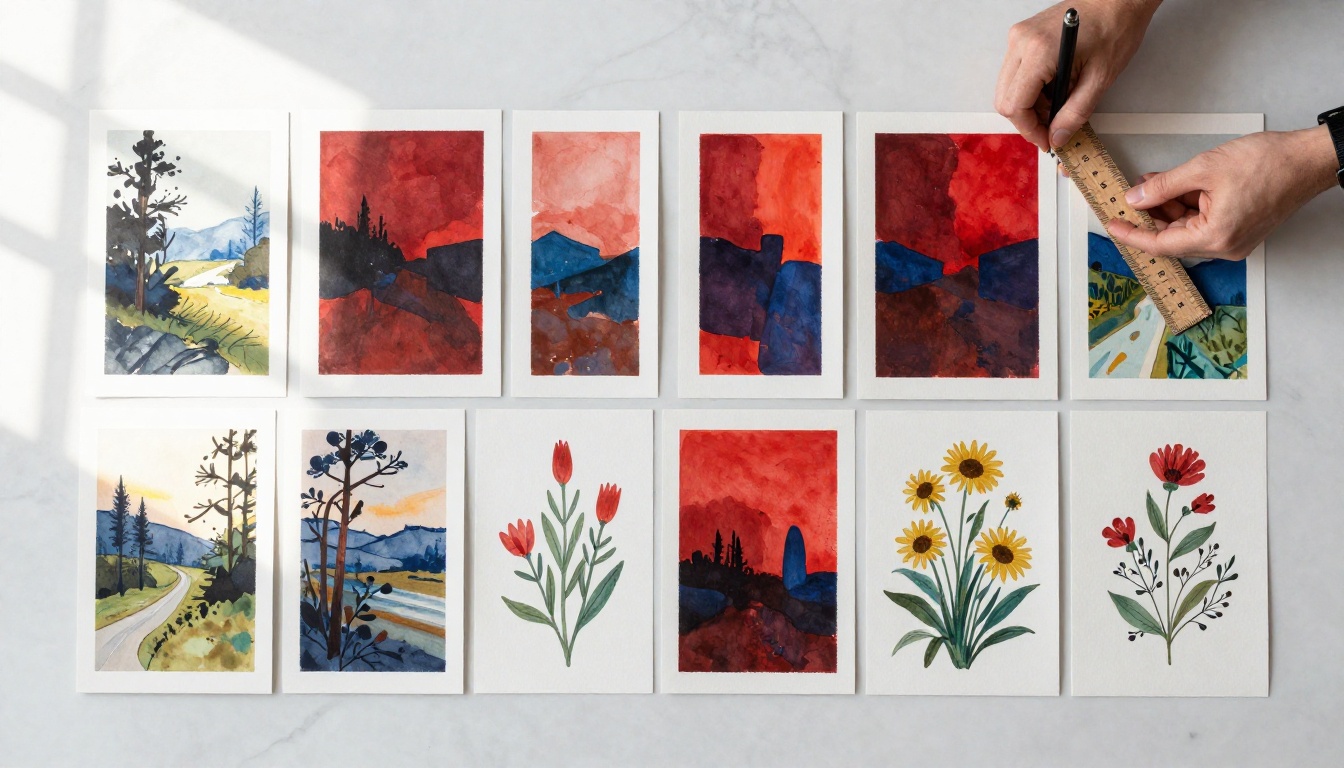
An interactive digital flipbook recreates the physical experience of flipping through a beautiful art book or catalog. Pages animate with a realistic page-turn, images fill the screen at full resolution, and the viewer controls the pace. This is not just aesthetics. It changes how people feel about the work.
When someone takes 3-4 minutes to flip through your portfolio, they are investing attention. That attention builds a relationship with the work. By the time they reach the final page with your pricing or a contact form, they are already sold in a way that a static website visitor almost never is.
More Than a Downloadable PDF
A PDF gets downloaded and forgotten in a Downloads folder. A flipbook is a living document. You can update it, add new work, embed a video of your process, include a clickable price list, and share it with a single link that always loads the most current version.
You can also see who is viewing it, which pages they spend the most time on, and where they drop off. That data tells you exactly what your buyers respond to, so you can build better catalogs over time.

Practical Ways Artists Sell More Work with Flipbooks
Selling Prints and Originals
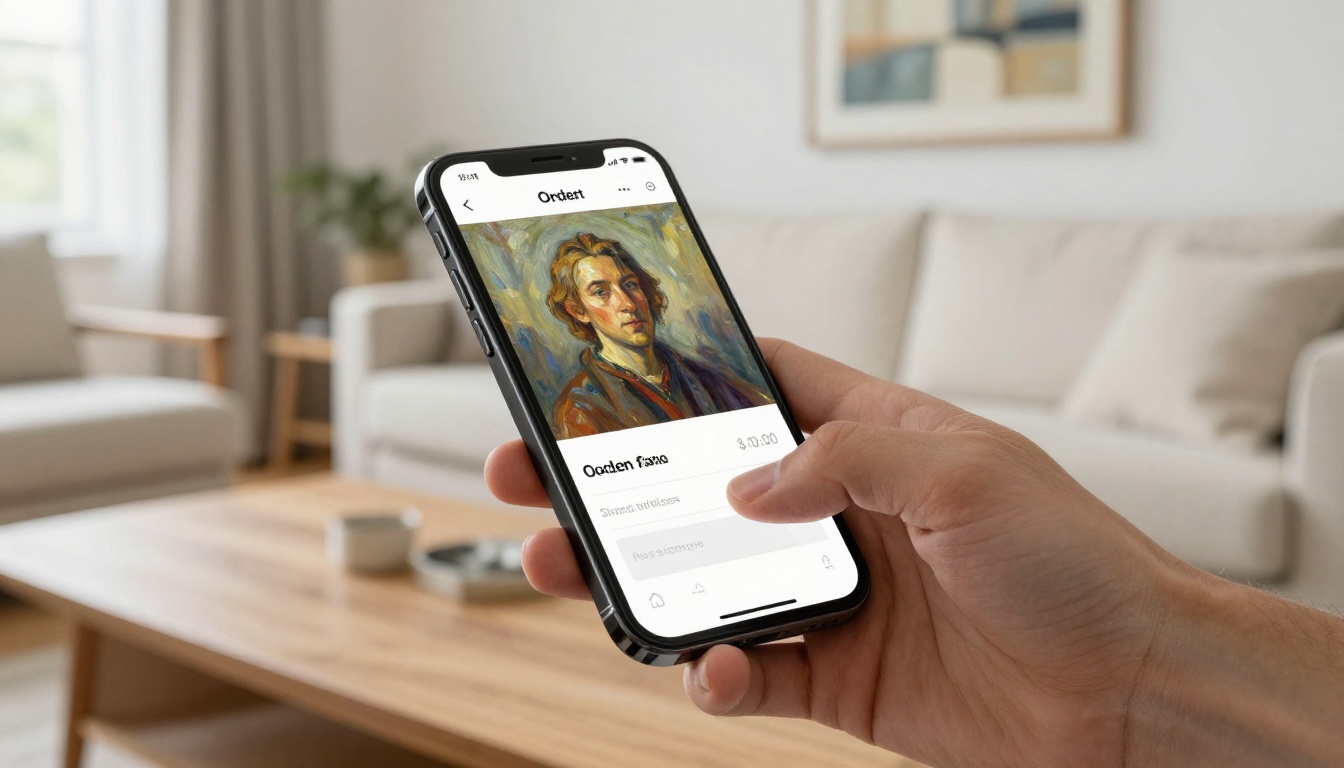
The most direct application is a print catalog or originals collection. Instead of listing work on a marketplace platform that takes 30-50% commission, artists create their own interactive catalog with pricing, dimensions, edition numbers, and a direct contact or buy link.
A painter with 20 available originals can build a catalog that feels like a private gallery preview. Collectors who receive that link feel they are getting privileged access, which increases the perceived value of the work and the likelihood of a sale.
💡 Include a dedicated "Available Work" section at the front of your flipbook. Buyers who are ready to purchase should not have to flip through your entire portfolio to find what is for sale.
Booking Commissions
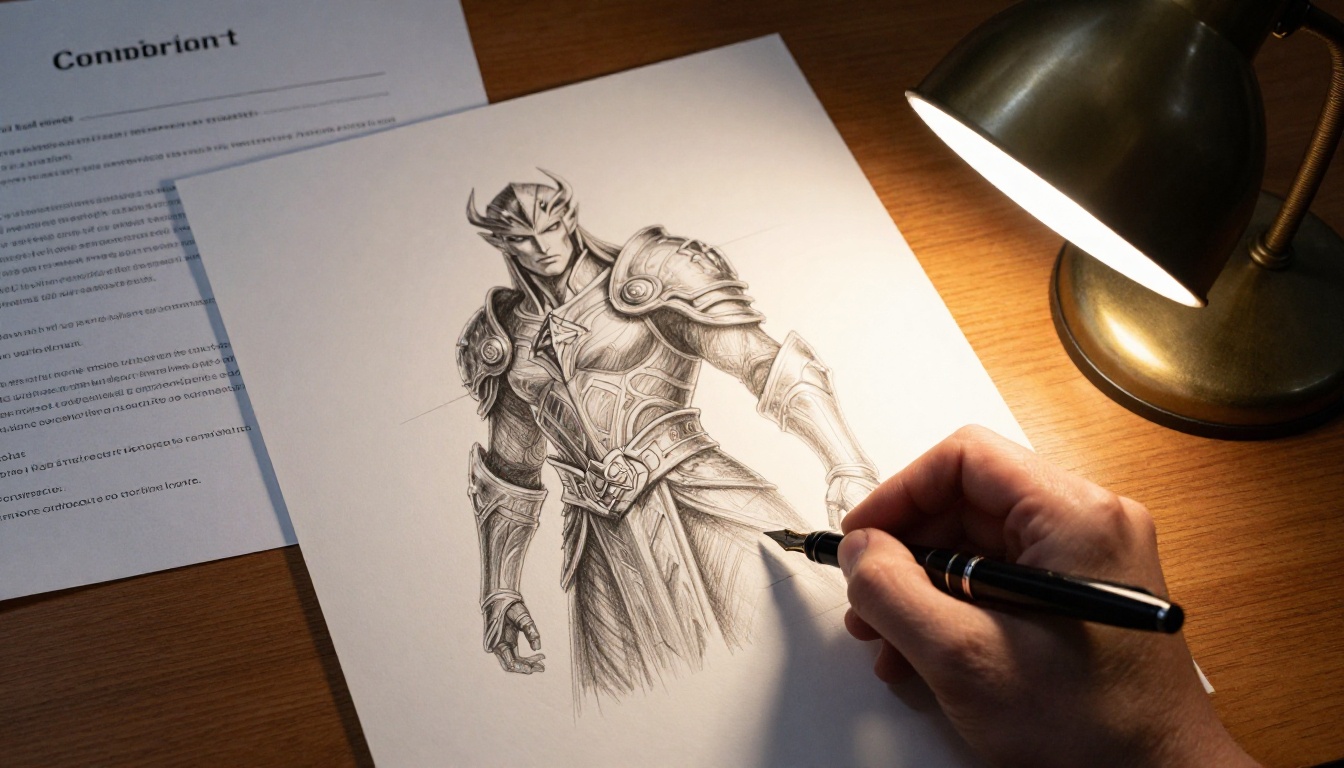
Illustrators, portrait artists, and character designers use flipbooks differently. Their goal is not to sell a specific piece, but to demonstrate range and process so clients book commissions.
A commission portfolio flipbook typically includes:
- Style samples across multiple projects
- Before and after process spreads showing sketches and finals
- Client testimonials formatted as pull quotes
- Pricing tiers for different commission types
- A clear call to action at the end with a booking or contact link
This format works far better than a plain website for converting inquiries into paid projects. The client arrives at the booking conversation having already seen your full range, which reduces back-and-forth and increases the average project value.
Licensing and Commercial Work
Art directors and brand managers who license artwork are busy. They do not have time to scroll through an artist's website and piece together a picture of what is available. A licensing catalog in flipbook format gives them exactly what they need: curated work organized by style, theme, or medium, with usage terms and contact details at the end.
Artists who produce surface pattern designs, editorial illustrations, or photography for commercial use report significantly higher response rates when pitching with a flipbook link compared to a portfolio URL or PDF attachment. The format signals professionalism and makes the buyer's job easier.
⚠️ If your work includes sensitive pricing or exclusive exclusivity terms, use the password protection feature to keep those details private. Only share the link with vetted buyers.
How to Sell Art with Flipbooks AI
Flipbooks AI is built specifically for this kind of use case. The workflow is straightforward, and the output is a professional interactive flipbook you can share in minutes.
Step 1: Prepare Your Portfolio PDF
Before uploading, build your PDF intentionally. Organize your work the way you would hang a gallery show: strongest work first, clear sections, minimal clutter. Include a brief artist statement, image titles with dimensions and medium as captions, pricing where relevant, and your contact information on the final page.
Use a design tool like Canva, Adobe InDesign, or Affinity Publisher to create a PDF with consistent margins and high-resolution images. The quality of your PDF is the quality of your flipbook, so take the time to do it right.
Step 2: Upload and Convert
Create your account and use the PDF to Flipbook Converter to upload your file. The platform converts your PDF into an interactive flipbook with realistic page-turn animations automatically. No technical skills required. No developer needed.

Step 3: Add Your Branding
Once converted, customize the flipbook to reflect your artistic identity:
- Upload your logo for the header area
- Set a background color or texture that complements your work
- Choose a cover style that makes the first impression count
- Add custom colors to navigation controls to match your palette
Artists building a Digital Portfolio or a Photography Portfolio can use the dedicated tools for a more tailored result from the start.
Step 4: Share and Sell
Flipbooks AI gives you several ways to put your portfolio in front of buyers:
- Direct link: A clean URL you can include in emails, social media bios, and email signatures
- Embed code: Drop your flipbook directly into your existing website using the Embed Flipbook on Website tool
- Password protection: For exclusive collector previews or private sales
- Offline download: Share a version buyers can view without internet access
✅ Add your flipbook link to your email signature. Every message you send becomes a passive portfolio introduction to potential buyers.

Which Artists Benefit Most
The format works across every visual art discipline, but certain practices see the strongest commercial results:
| Artist Type | Best Flipbook Use Case | Primary Benefit |
|---|
| Fine art painters | Original works catalog | Higher perceived value, direct collector sales |
| Illustrators | Commission portfolio with process spreads | More booking conversions |
| Photographers | Portfolio or print store catalog | Professional presentation, licensing pitches |
| Surface pattern designers | Licensing catalog by theme | Faster art director response rates |
| Sculptors and ceramicists | Process and available works catalog | Context-rich presentation of 3D work |
| Watercolor artists | Print collection with edition details | Easy sharing to niche collector audiences |
| Digital artists | Style portfolio with commercial pricing | Streamlined client acquisition |
💡 If you work in multiple mediums or styles, consider building separate flipbooks for each category. A buyer looking for abstract oil paintings does not want to scroll past your portrait commissions. Targeted catalogs close faster.
Pricing Your Art Through a Flipbook
Including a Price List That Actually Works
Most artists avoid showing prices publicly, and there are valid reasons for that in certain markets. But for artists selling prints, originals under a certain price point, or commission slots, transparent pricing removes friction. A buyer who sees a price they can afford acts immediately. A buyer who has to ask for pricing often does not follow up.
Use the Digital Price List Generator to build a clean price list page that fits naturally within your flipbook. A well-formatted price list builds trust and saves you hours of inbox negotiation every month.
Flipbook vs. Standard Portfolio Website
| Feature | Static Portfolio Website | Interactive Flipbook |
|---|
| Setup time | Hours to days | Under an hour |
| Mobile experience | Varies widely | Always optimized |
| Page-turn browsing | Not available | Built-in |
| Embed in email or site | Technically complex | One embed code |
| Analytics | Requires separate tool | Built-in on Professional plan |
| Password protection | Requires developer | One toggle |
| Update content | Requires site edits | Re-upload PDF |
| Watermarks | Depends on platform | Never, on all plans |
| Offline access | Not available | Available on Standard and above |
The difference in setup time alone makes flipbooks the faster path to revenue for most independent artists. And for buyers, the experience is simply better.
Pro Tips That Actually Move Work
Use Analytics to Stop Guessing
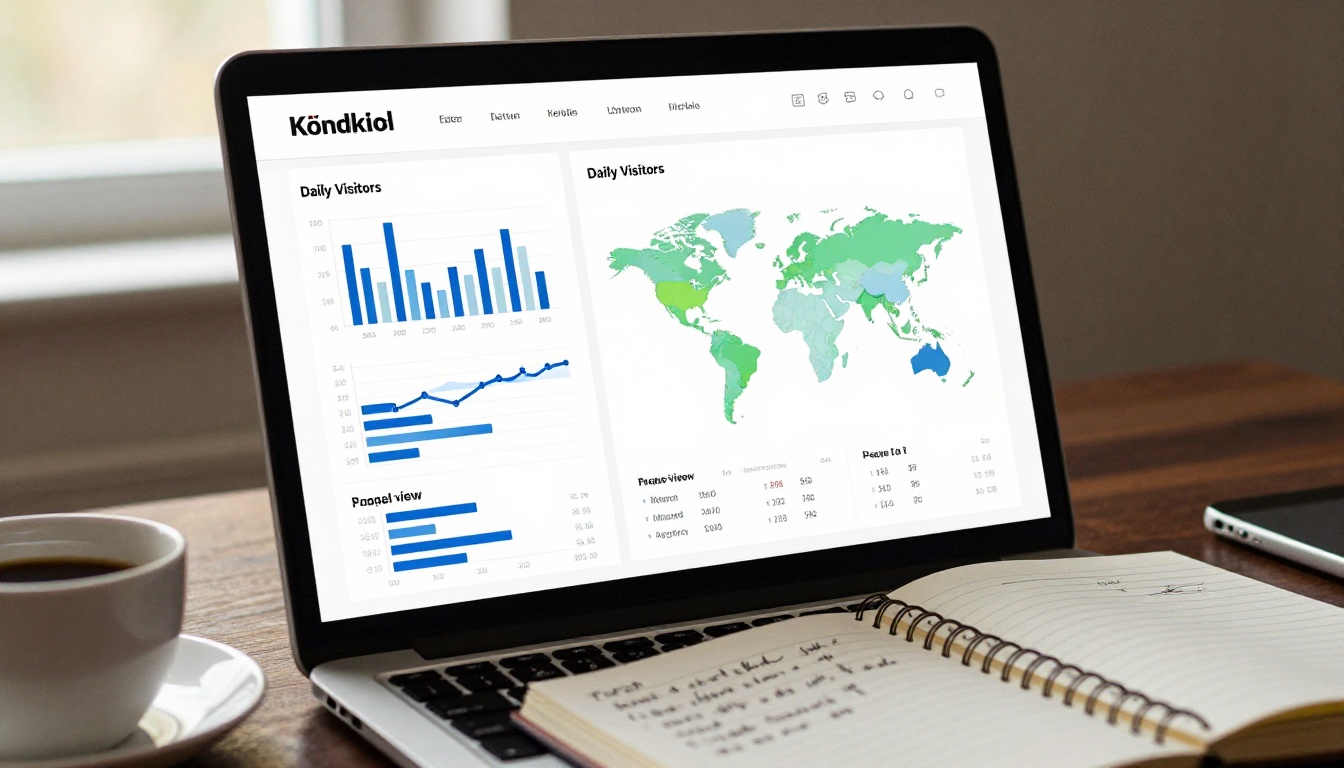
One of the most underused features for artists is the built-in analytics available on the Professional plan. Knowing which pages your viewers spend the most time on tells you which work resonates. If buyers consistently linger on your landscape series and skip past your abstract work, that data should shape what you feature next.
Analytics also show you referral sources: where your flipbook views are coming from. If your Instagram bio link is driving most of your flipbook traffic, you know exactly where to focus your social energy.
Password-Protected Collector Catalogs
High-value collectors and corporate art buyers often respond better to exclusive access than public-facing sales pages. Building a private catalog with password protection lets you create a VIP experience around your available originals.
Send a personalized email with a private link and the password. The collector feels they are getting early or exclusive access to work that is not publicly available. That positioning supports higher prices and builds long-term collector relationships.
The lead generation feature (Professional plan) lets you require an email address before a viewer can access the flipbook. This turns every portfolio share into a list-building opportunity.
Flipbooks AI Plan Comparison for Artists
| Feature | Free | Standard | Professional |
|---|
| Flipbooks | 1 | Unlimited | Unlimited |
| Watermarks | None | None | None |
| Custom branding | Limited | Full | Full |
| Password protection | No | Yes | Yes |
| Analytics | No | No | Yes |
| Lead generation | No | No | Yes |
| Offline downloads | No | Yes | Yes |
| Embed on website | Yes | Yes | Yes |
Browse all pricing plans to find the right fit for your practice size and goals.

Start Selling Your Art Today
The artists who are consistently selling online are not necessarily making better work than you. They are presenting it better. A flipbook closes that gap immediately, because it puts your work in a format that buyers actually want to spend time with.
Ready to build your first portfolio flipbook? Get started for free on Flipbooks AI. You can have a professional, shareable catalog live in under an hour.
Browse the full range of creative tools, including the Portfolio Flipbook Builder and the Interactive Lookbook Designer, to find the exact format your art needs. When you are ready to access analytics and lead capture, compare plans and upgrade at any time.
Your work deserves an audience. A flipbook is how you find it.



