The home decor industry runs on desire. Buyers don't just want a sofa; they want to picture it in their living room, draped with the right throw, sitting on the right rug, lit by the right lamp. That's why the brands selling the most aren't just listing products. They're building worlds. And the most effective way to do that digitally, right now, is through lookbook flipbooks. Flipbooks AI has become the platform of choice for brands that want to turn seasonal collections into immersive, page-turning experiences that actually convert.
This isn't about following a trend. It's about understanding how home decor buyers make decisions, and then meeting them exactly where that decision happens.
Why Static Catalogs No Longer Cut It
Print catalogs had a long run. But they break down the moment someone opens them on a phone. PDFs aren't much better. They're flat, they're slow, and they offer zero interactivity. For a category where visual aspiration is everything, a flat file is a wasted opportunity.
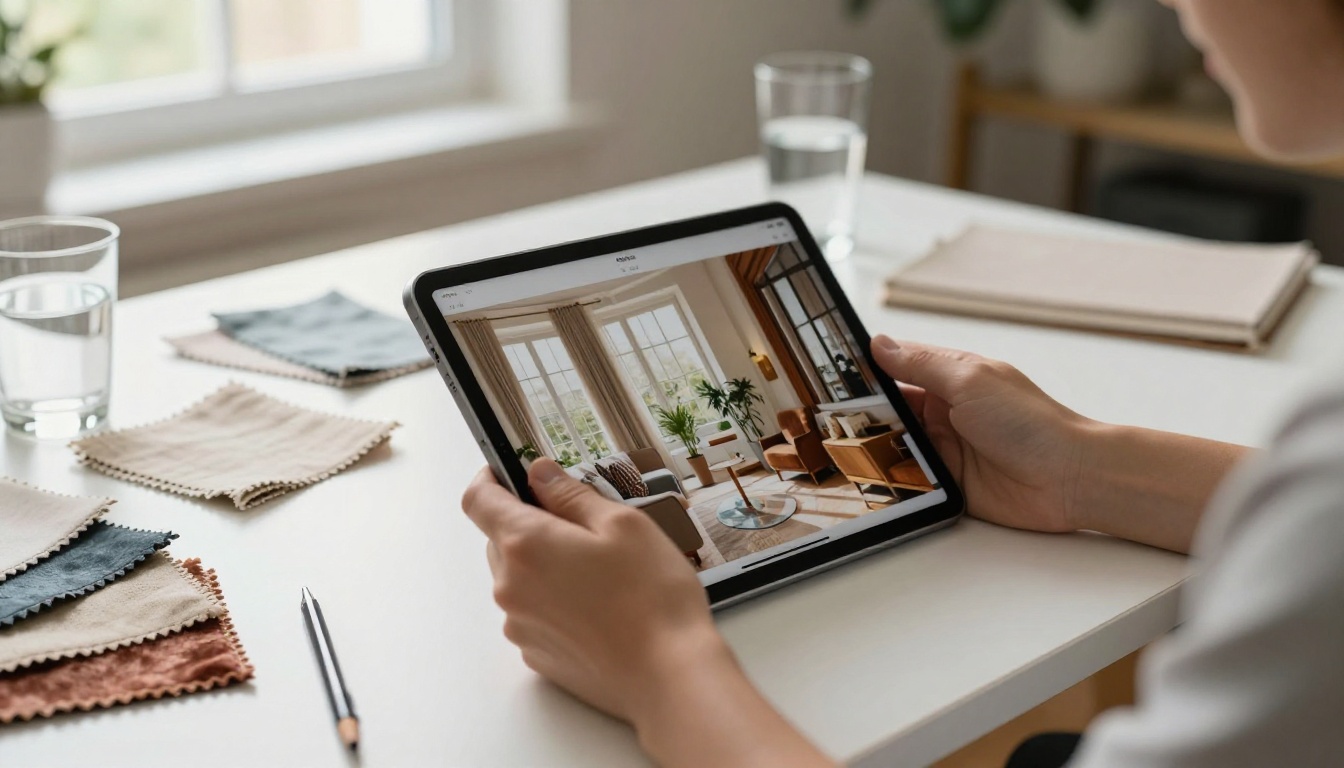
The home decor buyer in 2026 is browsing on a tablet during their lunch break, pinning inspiration on weekends, and comparing three different sofas across four different tabs. Static content doesn't hold attention in that environment. Interactive content does.
A lookbook flipbook solves the specific problem that PDFs and print catalogs can't: it replicates the tactile, page-turning experience of a physical catalog inside a browser. On any device. With embedded links, hover effects, and smooth animation that makes flipping through a collection feel like reading a magazine.
💡 Brands that move from static PDF catalogs to interactive flipbooks typically report higher time-on-page and lower bounce rates, because the format itself encourages exploration and dwelling.
The Cost of Doing Nothing
When a competitor publishes a beautifully designed interactive lookbook and you're still sending a PDF attachment in a newsletter, the gap isn't subtle. Buyers notice. The format signals how much the brand values their experience.
| Format | Mobile Experience | Interactivity | Shareability | Cost to Produce |
|---|
| Print Catalog | Poor | None | Low | High |
| Static PDF | Mediocre | None | Medium | Low |
| Basic Website Page | Good | Limited | Medium | Medium |
| Lookbook Flipbook | Excellent | High | High | Low |
What a Lookbook Flipbook Actually Does
A lookbook flipbook is a digital publication built around aspirational room photography and curated product placement. Unlike a standard product grid, a lookbook tells a story. It opens with a mood, builds through styled room spreads, and closes with a call to action that feels earned rather than forced.
Beyond the PDF
The difference isn't just visual. A well-built lookbook flipbook on Flipbooks AI can embed direct product links, include embedded video clips of textiles in motion, allow password-protected access for wholesale clients, and be dropped directly into a brand website via embed code. These aren't features of a PDF.
The Page-Turn Psychology
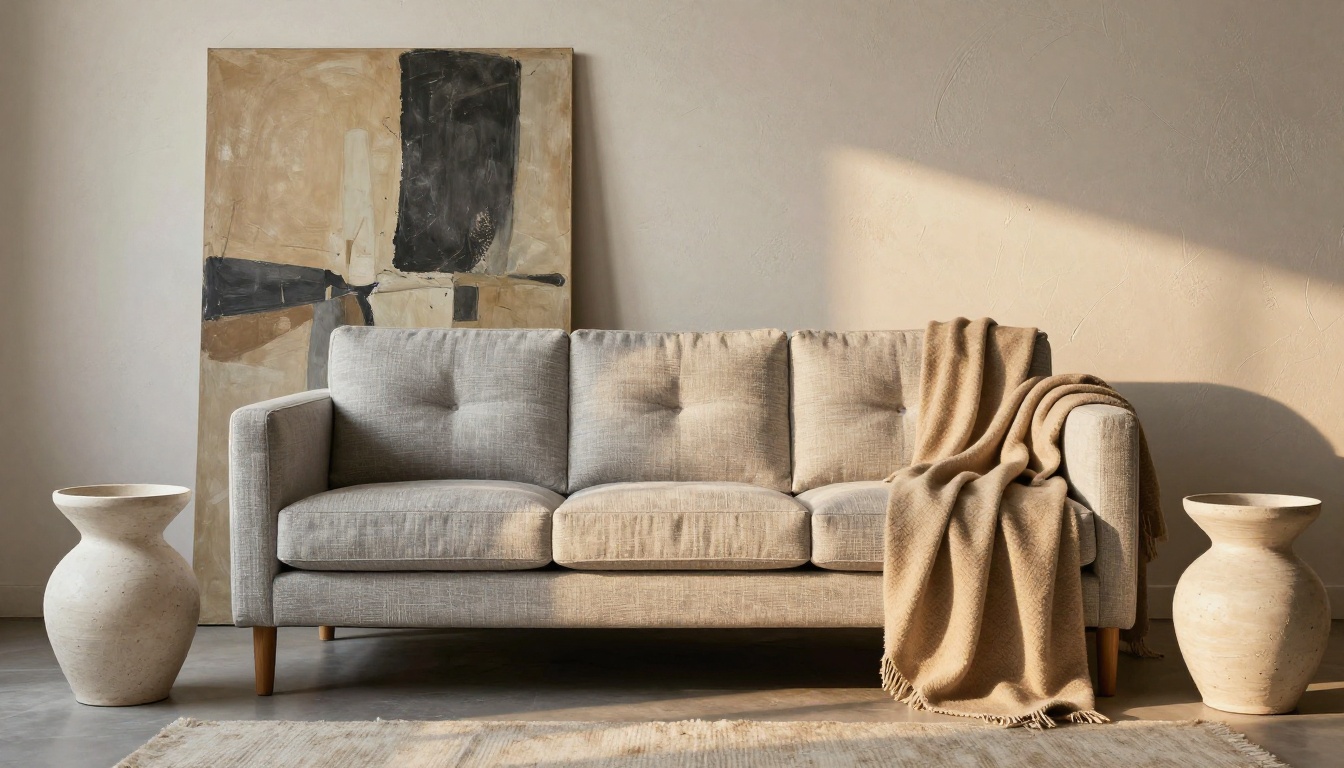
There's something that happens when someone flips a virtual page. It feels like progress. Like reading a real magazine rather than scrolling a feed. This small psychological distinction changes how buyers engage with a collection. They spend more time per spread. They form stronger associations between the product and the lifestyle it represents. And they're more likely to click through to buy.
✅ The most effective lookbooks don't start with products. They start with a feeling. A morning-lit kitchen. A bedroom that looks like a slow Sunday. Lead with atmosphere, follow with product.
How Brands Stage Their Rooms to Sell
The photography strategy behind a successful lookbook is the same whether the final format is print or digital. But when it goes digital as a flipbook, the stakes are higher because the images do more work.
The Full-Room vs. Product-Only Debate
Brands consistently see better results when lookbooks feature full-room styled shots rather than product-isolated white-background photography. The reason is simple: buyers who see a rug in a full living room context don't just want the rug, they want the whole room. That creates cross-sell opportunities on every single page.
Here's how the two approaches compare:
| Approach | Products Visible Per Page | Cross-Sell Rate | Brand Impression |
|---|
| Product-Only Shots | Low (1-2) | Low | Transactional |
| Full-Room Styled Shots | High (4-8 per spread) | High | Aspirational |
| Mix (Room + Detail Callouts) | Highest | Highest | Premium |
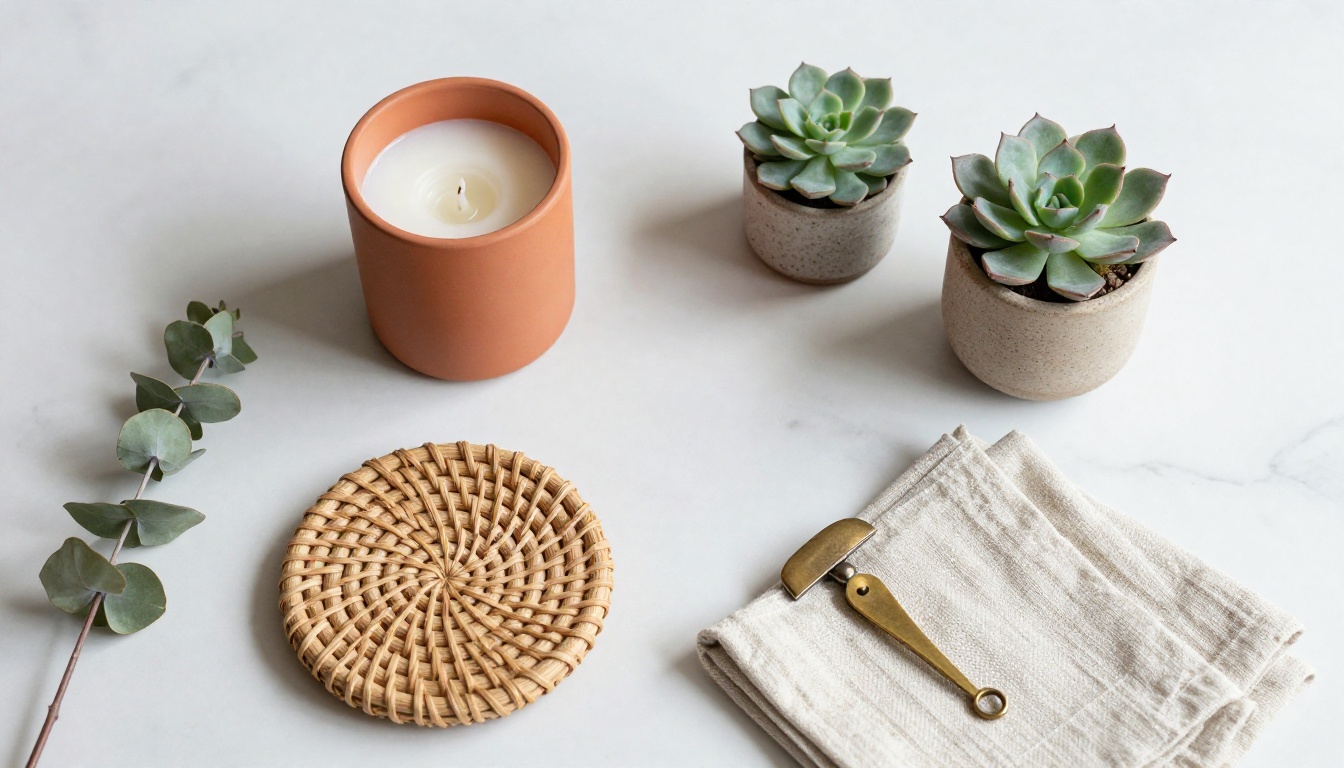
The most effective home decor lookbooks use a three-part structure per room: an establishing wide shot, a styled detail close-up (a textured cushion, a ceramic vessel), and a flatlay of the hero products from that room. This gives buyers multiple entry points into the same collection.
Styling for Seasonal Collections
Smart home decor brands release quarterly lookbooks tied to seasons rather than a single annual catalog. A spring lookbook might focus on natural fibers, pale palettes, and outdoor-adjacent styling. A winter edition leans into warmth: heavy wool throws, candlelit tablescapes, deep jewel tones.
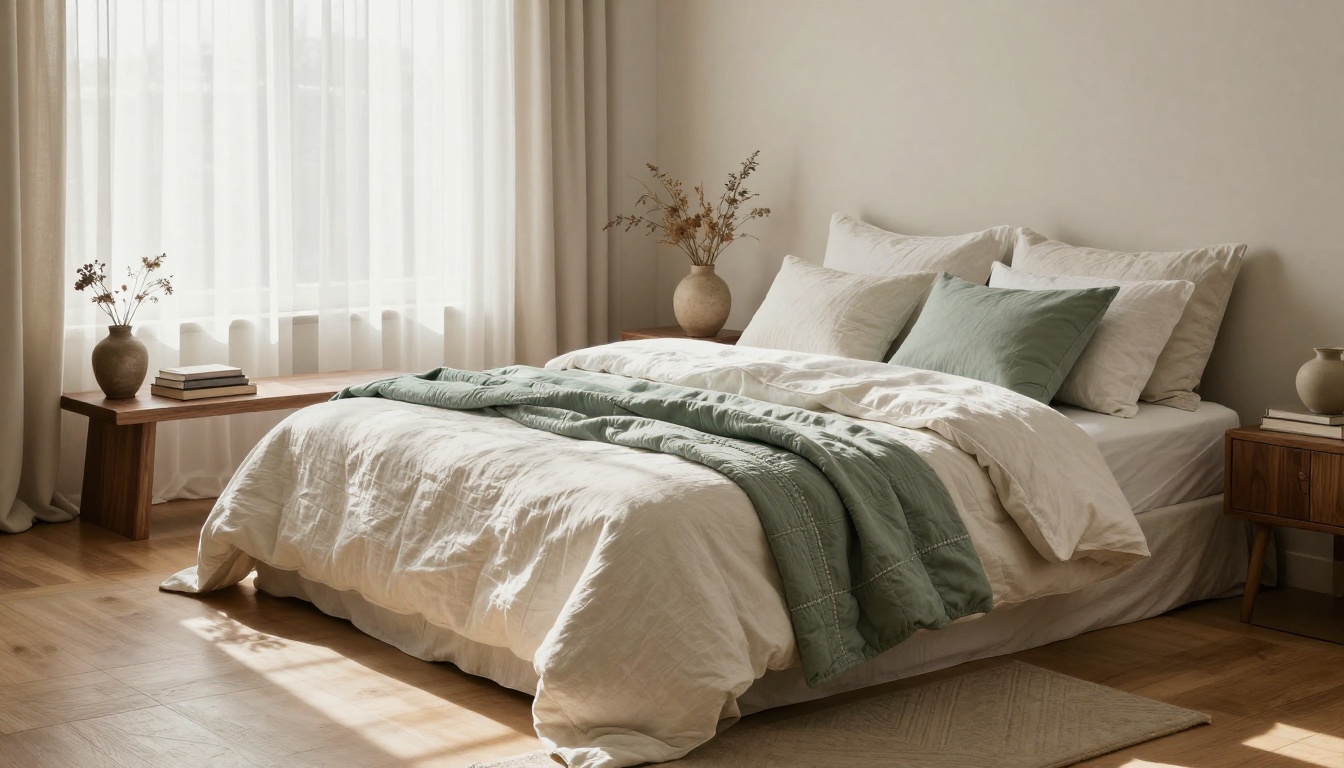
This seasonal cadence serves two purposes. It gives buyers a reason to return and look at new content. And it gives the brand a structure for their content calendar that isn't arbitrary. Each release becomes a content event, not just a document update.
Strategies That Actually Drive Sales
A lookbook without a sales strategy behind it is just a portfolio. The brands using lookbook flipbooks most effectively are integrating them into a broader sales funnel.
Shoppable Room Spreads
The most direct path from lookbook to sale is a clickable product link embedded directly in the spread. When a buyer is captivated by a styled bedroom and can click the duvet cover while they're emotionally invested in the image, conversion rates spike. This is something that print and PDF catalogs structurally cannot do.

💡 Place your product links on the styled room spread, not just on a separate "shop this room" page. The closer the click is to the emotional peak of the image, the better it converts.
Story-Driven Collection Reveals
Some brands use their seasonal lookbook as a content event. Instead of quietly uploading a PDF, they build a campaign around the flipbook itself. A teaser image posted three days before. An email with a "preview" of the first spread. A social post on launch day with a direct link to the interactive flipbook.
This approach turns the lookbook from a passive document into an active marketing asset. It creates anticipation. It gives the brand multiple content touchpoints around a single well-produced asset.
Social Media Teaser Drops
Short screen-recorded clips of the flipbook being browsed perform well on Instagram Reels and Pinterest video pins. The page-turn animation is visually satisfying and unusual enough to stop a scroll. Brands that record 15-second walk-throughs of their latest lookbook consistently see higher click-throughs to their full digital catalog than static image posts.
How to Build a Lookbook Flipbook with Flipbooks AI
Flipbooks AI makes the production side of this process fast enough that even a small home decor brand with no dedicated tech team can publish a professional lookbook in under an hour. Here's exactly how it works.
1. Prepare Your PDF Lookbook
Design your lookbook in whatever tool you use, whether Canva, Adobe InDesign, or Figma. Export it as a PDF with the highest image quality setting. Include your room photography, product callouts, and any lifestyle imagery that establishes the collection's mood.
⚠️ Use high-resolution images (300 DPI minimum) in your PDF. The flipbook conversion preserves your original quality, so the output is only as good as the source file.
2. Upload and Convert
Go to Flipbooks AI and create an account. Once inside, upload your PDF using the PDF to Flipbook Converter. The conversion takes seconds. What comes out the other side is a fully page-turning digital publication, ready to customize.
For home decor brands specifically, the Interactive Lookbook Designer and Lookbook Flipbook Builder are purpose-built for this use case.
3. Apply Your Branding
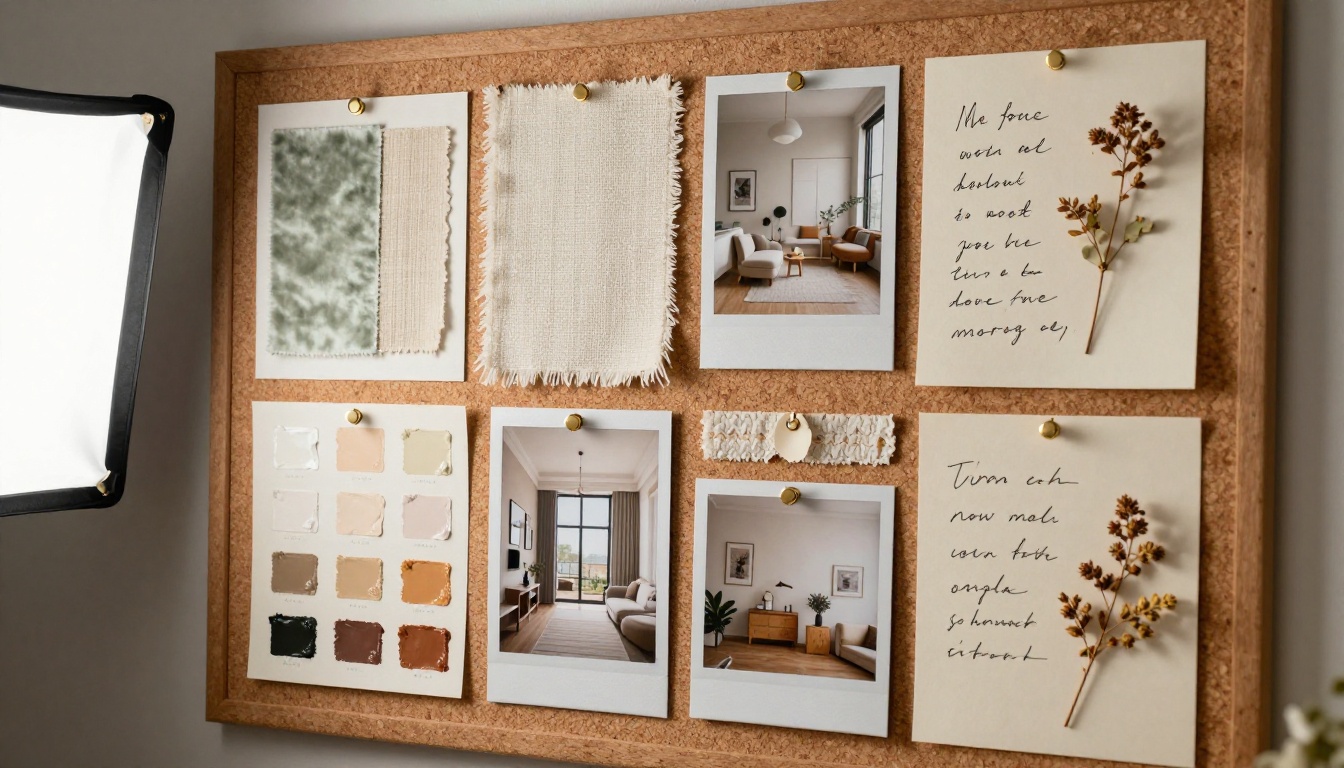
Inside the editor, set your brand colors for the flipbook UI, upload your logo, and choose a page-turn animation style. For home decor brands, a soft, realistic page-curl animation tends to feel most consistent with the premium aesthetic of the content. You can also add a custom background texture behind the open flipbook for an extra editorial touch.
Key branding elements to set:
- Brand color for UI controls and page chrome
- Logo in header or footer
- Custom domain or subdomain for your flipbook URL
- Password protection for wholesale previews or press access
4. Embed Product Links and Media
This is where the digital format separates itself from print. Click any element on any spread and add a direct link to that product's page on your website. For collections with video content (a rug texture shot, a fabric in motion), embed it directly into the relevant spread. Buyers don't have to leave the lookbook to see more.
5. Set Your Distribution Options
Flipbooks AI gives you several sharing paths. Each has a specific use case for home decor brands:
| Distribution Method | Best For |
|---|
| Public shareable link | Social media campaigns, newsletter CTAs |
| Embedded on website | Product pages, dedicated "lookbook" site section |
| Password-protected link | Wholesale clients, press previews |
| Offline download | Trade shows, in-store displays |
Share your lookbook link in your email newsletter, embed it on your site using the Embed Flipbook on Website tool, and drop the link in your social bio for maximum reach.
6. Track What's Working
The Professional plan on Flipbooks AI includes analytics that show you which pages get the most time, where readers drop off, and how many people clicked through on product links. For a home decor brand running seasonal lookbooks, this data is genuinely useful. If readers consistently spend the most time on the bedroom spreads, that tells you where to invest your next shoot budget.
✅ Use analytics to iterate, not just report. If a specific room type is outperforming others, build more of that content for the next seasonal release.
Real-World Use Cases by Room Type
Different rooms serve different purchase motivations. Understanding which emotional triggers each space activates helps you build a more intentional lookbook structure.
| Room Type | Buyer Motivation | Top-Converting Products | Lookbook Angle |
|---|
| Living Room | Social aspiration, hosting | Sofas, rugs, coffee tables | Wide establishing shot, full vignette |
| Bedroom | Personal comfort, sanctuary | Bedding, lamps, throw pillows | Intimate morning light, close textiles |
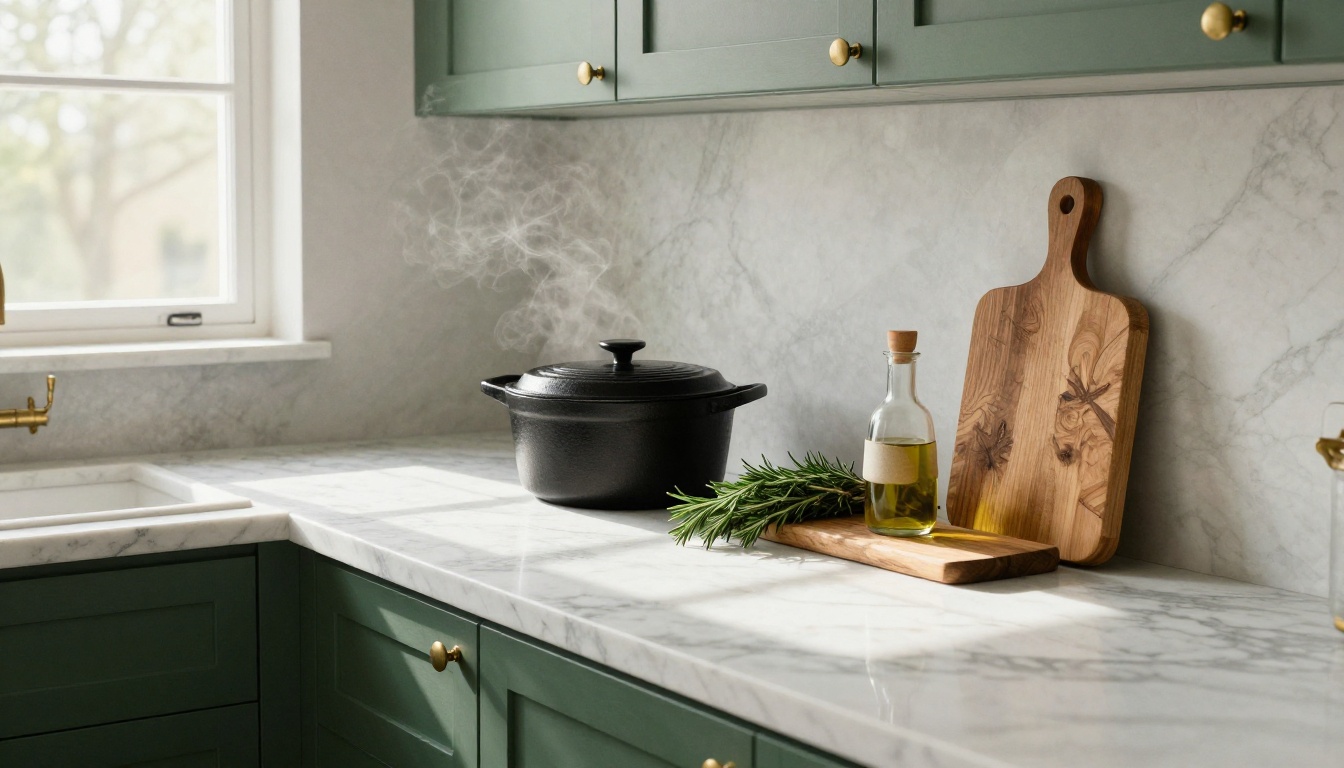
| Kitchen | Lifestyle identity, daily ritual | Tableware, textiles, storage | Counter-level, styled use scenario |
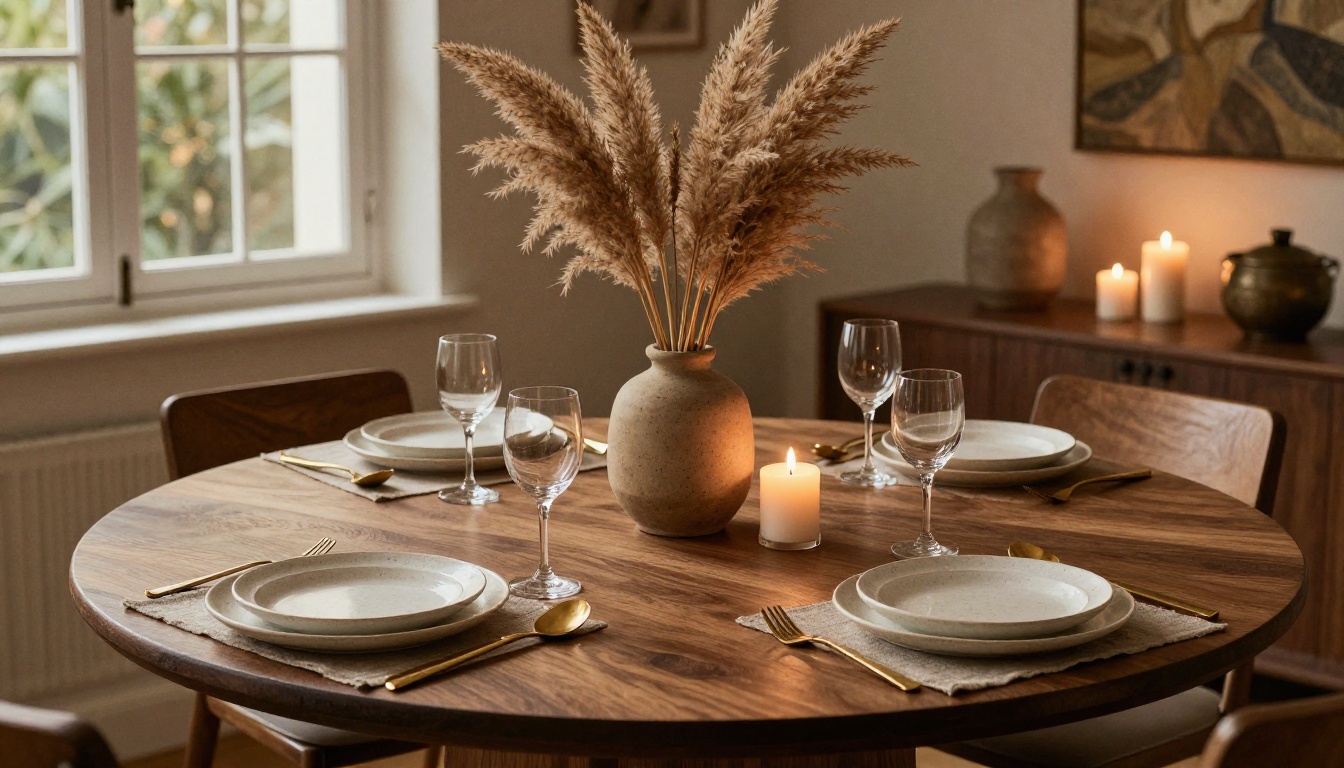
| Dining Room | Celebration, gatherings | Table settings, centrepieces | Candlelit evening, lush layering |
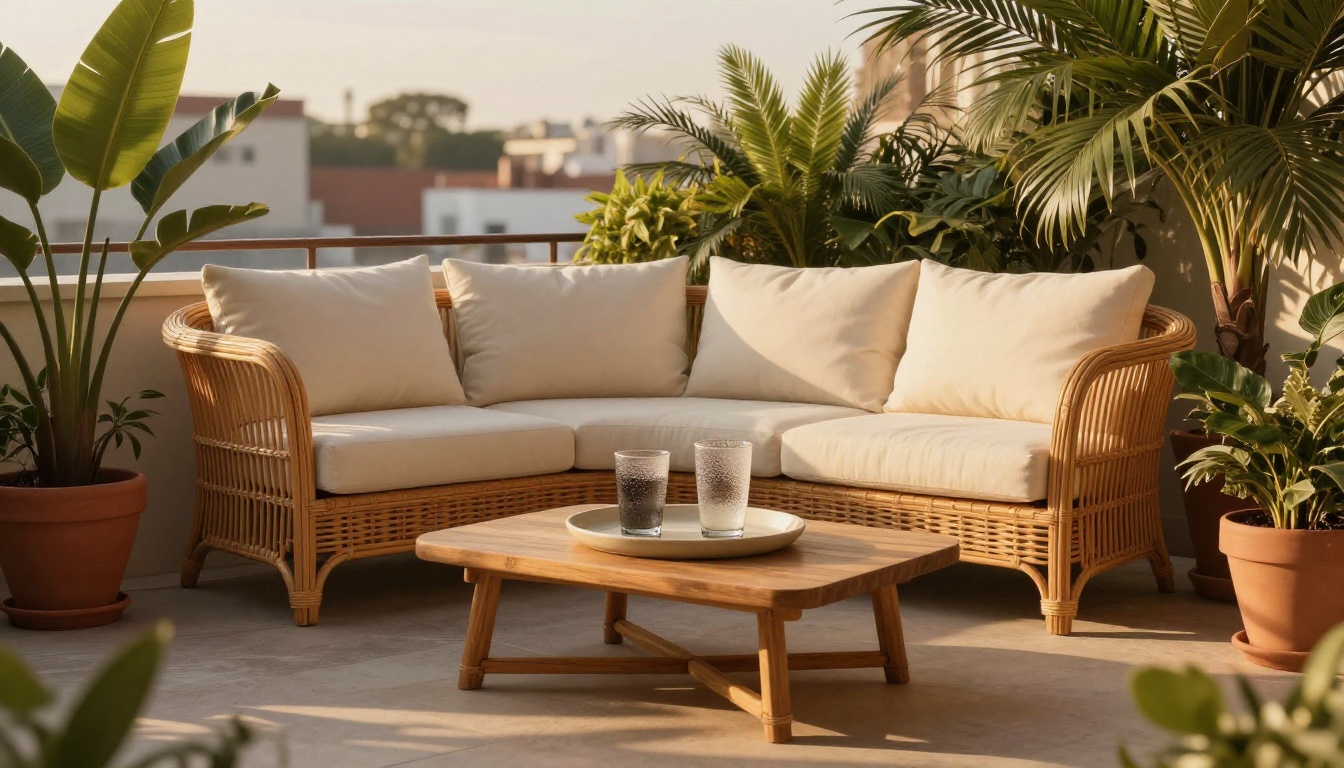
| Outdoor/Terrace | Seasonal aspiration | Rattan furniture, planters | Golden hour, relaxed lifestyle |
| Home Office | Productivity meets aesthetics | Desks, task lighting, accessories | Clean, organized, minimal |
The Flipbooks AI Plan Breakdown
For home decor brands at different stages, here's how the platform tiers map to your needs:
| Feature | Free | Standard | Professional |
|---|
| Flipbooks per month | Limited | Unlimited | Unlimited |
| Watermark | Yes | No | No |
| Custom branding | No | Yes | Yes |
| Password protection | No | Yes | Yes |
| Analytics | No | No | Yes |
| Lead generation | No | No | Yes |
| Offline downloads | No | Yes | Yes |
| Embed on website | Yes | Yes | Yes |
For a small home decor brand doing 1-2 seasonal releases per year, the Standard plan covers the essentials. For brands running active sales campaigns, the Professional plan's analytics and lead generation features pay for themselves quickly. See the full pricing breakdown here.
What to Do Right Now
Home decor brands that treat their lookbook as a static document are leaving a significant amount of sales potential untouched. The brands building interactive, page-turning experiences are seeing buyers spend more time with their collections, click through to more products, and return for the next seasonal release.
The format works because it respects how home decor buyers actually shop: by inspiration, by room, by feeling. A lookbook flipbook meets that behavior precisely. It doesn't push. It shows. And when the showing is done well, the buying follows naturally.
The practical starting point is simple. Take whatever lookbook PDF you already have, upload it to Flipbooks AI, and see what an interactive version of your catalog looks and feels like. The conversion takes under a minute.
From there, add your product links, set your branding, and share it in your next email campaign. The data you collect from that first interactive release will tell you exactly what to build next.
Ready to move beyond static catalogs? Create your account on Flipbooks AI and publish your first lookbook flipbook today. Browse the full list of home decor tools to find the right format for your collection, or compare pricing plans to choose what fits your brand's current stage.



