Independent publishing has never been more accessible, and yet most indie publishers are still leaving their best content locked inside static PDFs that nobody wants to open. The format is broken. Nobody wants to download a file, open it in a separate reader, and scroll through flat pages. What readers want is something that feels alive: something they can browse on any device, share in a single click, and actually remember. That is exactly where flipbooks come in, and the publishers who figured this out early are growing faster than anyone expected. Flipbooks AI has become the platform of choice for thousands of independent publishers making that shift.
Why Static PDFs Are Holding Publishers Back
A PDF is a container, not an experience. It was built for printing, not for the web. When an independent publisher sends a PDF newsletter or drops a 40-page catalog as a file attachment, most recipients will not open it. Those who do will scan it for thirty seconds and close it. The content may be excellent, but the format is actively working against it.
The Attention Problem
Reader attention is finite. When a potential subscriber has to download, save, and then open a separate application to read your content, you lose them at every step. Interactive flipbooks eliminate that friction entirely. They open in a browser, play immediately, and deliver a reading experience that feels closer to a magazine than a file.
Publishers who switch from static PDFs to interactive flipbooks consistently report stronger click-through rates, longer reading sessions, and more shares per issue. A static PDF might be forwarded once. A flipbook with a clean shareable URL gets embedded on blogs, posted in newsletters, and shared across social channels by readers who want their followers to see it too.
Distribution Without Infrastructure
Traditional publishing required printing budgets, distribution contracts, and physical shelf space. Digital publishing removed most of those barriers but left the reach problem unsolved. Flipbooks solve the last piece: they give independent publishers a distribution format that works like the open web, with a link you can drop anywhere and a reading experience that works on every device without asking the reader to do anything except click.

What Flipbooks Actually Do for Growth
Growth in publishing comes from two places: bringing new readers in and keeping existing ones coming back. Flipbooks work on both fronts simultaneously, and understanding exactly how they do it helps publishers use them intentionally rather than accidentally.
First Impressions That Stick
The moment a reader opens a flipbook, they get a clear visual signal: this publisher put real effort into their presentation. The page-turn animation, the responsive layout, the crisp typography on every screen size, all of it communicates professionalism without requiring a design degree or a large budget. That first impression shapes whether the reader stays, scrolls deeper, and returns for the next issue.
💡 Pro tip: The opening page of your flipbook functions like a storefront window. Invest time in the opening spread layout before you publish. A strong opening page increases reading time across every channel where you share the link.
Sharing That Works Like Social Media
Flipbooks are web-native content. They have a URL. That single fact changes everything about how they spread. A publisher can embed their latest issue on their website, drop a link in a post, include it in an email without an attachment, and pin it to their bio link. Every one of those access points opens the same flipbook, instantly, in a browser, with no friction between the share and the read.

How Independent Publishers Use Flipbooks Day-to-Day
Different types of independent publishers are using flipbooks in very different ways. The format is flexible enough to serve a weekly email curator, a self-published novelist, and a small independent press producing quarterly literary journals, all with the same basic tool set.
Newsletter Publishers and Weekly Digests
Newsletter creators are one of the fastest-growing groups adopting flipbook formats. Instead of sending a plain text email or a PDF attachment, they publish each issue as a flipbook and include the link in their email. Readers get a richer experience than a standard email client can deliver, and the publisher gets real data: how many people opened it, which pages they read longest, and where they stopped reading.
This data is genuinely valuable. It tells a publisher which sections of their newsletter are resonating and which ones are being skipped, something no email open rate can ever reveal. The Newsletter Flipbook Publisher tool is purpose-built for this workflow.
Self-Published Authors and Book Previews
Self-published authors use flipbooks to create professional-looking book previews that they can share with book bloggers, reading communities, and potential reviewers. A flipbook preview of the first three chapters of a novel, with the cover art and proper interior formatting, looks and feels like a real book. It converts browsers into buyers at a rate that a plain "download sample" PDF button never will.
The Interactive E-Book Publisher is built specifically for this use case. Upload the PDF, choose your page style and branding, and you have a shareable preview link within minutes.
Small Presses and Catalog Distribution
Small independent presses that publish multiple authors need to communicate with booksellers, librarians, and distributors. Their seasonal catalogs have traditionally been printed in small runs and mailed out, at significant cost, to buyers who may never look at them.
A flipbook catalog solves this completely. The Digital Catalog Maker lets a small press build a professional seasonal catalog that they can email, embed on their website, and share with any buyer in the world. No printing costs. No shipping costs. Just a link that opens cleanly on any device.

How to Publish Your First Flipbook with Flipbooks AI
Flipbooks AI makes the entire process straightforward. You do not need design experience or technical knowledge. If you have a PDF, you can have a published flipbook in under ten minutes.
Step 1: Create Your Account
Go to flipbooksai.com/account and create a free account. The free tier lets you test the platform and see exactly how your content will look before committing to a paid plan. No credit card required to start.
Step 2: Upload Your PDF
Click "New Flipbook" and upload your PDF. The platform converts it automatically, preserving your layout, fonts, and images. Large files process quickly. Once the conversion is complete, you can preview the flipbook exactly as readers will see it.
Step 3: Customize Your Branding and Style
This is where your publication gets its identity. You can:
- Set a custom background color or texture to match your brand palette
- Add your logo to the header or opening page
- Choose from page-turn styles such as hard cover, soft page, or instant flip
- Enable auto-flip mode for a magazine-style browsing experience
- Embed video and audio directly into specific pages for multimedia issues
✅ Best practice: Keep your branding consistent across every issue. Readers who recognize your visual identity will open new issues without hesitation.
Step 4: Share and Embed Everywhere
Once published, you get several sharing options immediately:
- Direct link: Share anywhere, opens in any browser without a download
- Embed code: Paste into your website or blog, the flipbook loads inline
- Password protection: For premium content or private distribution to paying subscribers
Step 5: Track Performance with Analytics
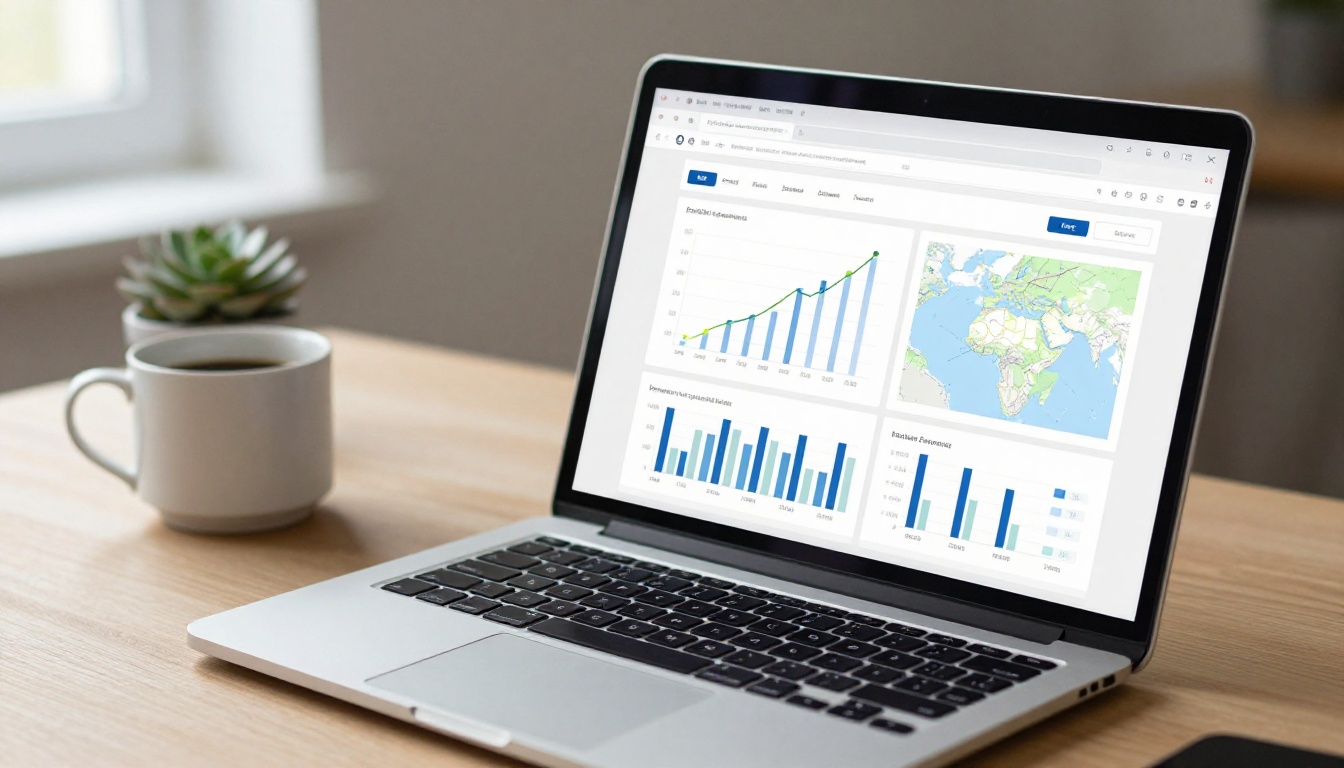
On the Professional plan, you get full analytics showing page views, average reading time per page, geographic reader distribution, and lead capture data. This feedback loop separates publishers who grow deliberately from publishers who guess. See the full feature breakdown at flipbooksai.com/pricing.
Monetization Strategies That Actually Work
Publishing has a monetization problem. Most independent publishers are giving their content away for free and hoping that something eventually converts. Flipbooks change the economics because they give publishers real tools for generating revenue directly from their content.
Lead Generation Through Gated Content
The Professional plan includes a lead generation form that you can place at any point in the flipbook. A reader gets to page 5 and sees a form asking for their email address before they can continue. When the content is genuinely valuable, readers opt in willingly. A publisher building a list of qualified subscribers from readers who were captivated enough to reach page 5 is building something durable.
💡 Pro tip: Place the lead capture form at a natural break in the content, not mid-sentence. Respecting the reader's experience makes them far more likely to complete the form.
Sponsorship and Advertising Pages
A flipbook looks like a real publication, which means sponsors are more willing to pay for placement inside it. A dedicated sponsor page in a flipbook carries significantly more perceived value than a banner ad in an email. Independent publishers in niche categories, whether cooking, travel, personal finance, or local arts, can approach relevant brands for sponsored issues once they can demonstrate consistent readership through their analytics data.
Premium Access and Password Protection
Not all content needs to be free. Password-protected flipbooks let publishers create a premium tier for their most valuable issues: annual reviews, special editions, expert interviews, or complete archives. Readers who pay for access get a genuinely premium experience because the format itself communicates that the content is worth protecting.

Plan Comparison: What You Get at Each Tier
Choosing the right plan depends on your publishing volume and whether you need the monetization tools. Here is how the plans compare at a glance:
| Feature | Free | Standard | Professional |
|---|
| Number of flipbooks | Limited | Unlimited | Unlimited |
| Watermarks | Yes | No | No |
| Custom branding | No | Yes | Yes |
| Password protection | No | Yes | Yes |
| Analytics | No | Basic | Full |
| Lead generation forms | No | No | Yes |
| Offline downloads | No | No | Yes |
| Embed on website | Yes | Yes | Yes |
| Video and audio support | No | Yes | Yes |
| Mobile-responsive | Yes | Yes | Yes |
⚠️ Note: The free plan includes watermarks on all published flipbooks. If you are distributing to sponsors or professional industry contacts, upgrading to Standard or Professional removes them entirely.
Real-World Use Cases by Publisher Type
Different publishing niches benefit from flipbooks in specific ways. The table below maps publisher types to the most practical use cases and relevant tools:

Common Mistakes That Kill Reach
Most independent publishers who try flipbooks and see limited results are making one of a small number of avoidable mistakes. Knowing what they are saves time and protects the work you already put into your content.
Uploading Without Optimizing for Mobile
More than half of all web content is consumed on mobile devices. If your original PDF was designed for print with two-column layouts and small body text, it will be difficult to read on a phone screen without zooming. Before you upload, check whether your PDF layout reads cleanly on a small screen. If it does not, adjust it.
Flipbooks AI renders content to be mobile-responsive, but the underlying layout of your PDF still matters. A single-column, readable-font-size layout will always perform better on mobile than a densely typeset print design.
Ignoring Analytics Data
Publishers on the Professional plan have access to per-page analytics that most of them never use. This data tells you exactly which parts of your publication are holding reader attention and which parts are losing people. Ignoring it means you are publishing blind. Using it means every issue you produce is better than the last one, because you are making decisions based on what your actual readers do, not what you assume they want.
Treating Every Issue as a One-Off
The publishers growing the fastest are building a catalog of flipbooks over time, not just publishing a single issue and moving on. Each published flipbook is a permanent, searchable, shareable asset. Past issues attract new readers from search and social discovery long after they were published. A back catalog of twenty well-crafted issues does more for long-term growth than any single brilliant edition.

The Shift Happening in Independent Publishing Right Now
Independent publishers are no longer competing only with each other. They are competing for attention against every piece of content on the internet. The ones winning that competition are not necessarily the ones with the biggest budgets or the largest existing audiences. They are the ones who deliver a better reading experience, consistently.
A flipbook does not fix poor content. But it gives strong content a real chance in a distribution landscape where PDFs are ignored, email attachments go unread, and physical print is impractical for most budgets. It is a format that meets readers where they actually are: on the web, on their phones, with limited time and high standards for what earns a second look.
The independent publishers building real audiences right now are not waiting for permission from traditional gatekeepers. They are using tools like Flipbooks AI to publish professionally, distribute globally, and build direct relationships with readers who choose to keep coming back.
Comparison: Traditional PDF vs. Interactive Flipbook
| Factor | Static PDF | Interactive Flipbook |
|---|
| Opens in browser | No, requires download | Yes, instantly |
| Mobile-optimized | Rarely | Always |
| Shareable via link | No | Yes |
| Embeddable on website | No | Yes |
| Analytics available | No | Yes (Professional) |
| Lead capture built in | No | Yes (Professional) |
| Page-turn experience | No | Yes |
| Video and audio support | No | Yes |
| Password protection | No | Yes |
| Cost to distribute | High (print) / Low (email) | Very low |
Start Publishing Better Content Today
You do not need a traditional publisher, a printing budget, or a large existing following to produce content that looks and feels professional. You need a PDF and a platform that knows how to turn it into something worth reading.
Create your first flipbook for free on Flipbooks AI and see exactly what your content looks like in a format readers will actually open. Browse all the flipbook tools to find the right fit for your publishing type, whether you are creating newsletters, e-books, catalogs, or portfolios.
When you are ready to remove watermarks, add custom branding, and access the analytics that drive real reader growth, compare the pricing plans and choose the tier that fits where you are right now.
Your content deserves a format that works as hard as you do to earn every reader's attention.



