The days of handing a buyer a paper brochure and hoping they remember your listing are over. The most productive real estate agents today are using interactive digital flipbooks to showcase properties in a way that stops buyers in their tracks, builds emotional connection faster, and dramatically cuts the time from first showing to signed contract. Flipbooks AI is the platform behind thousands of these high-impact presentations, and the results agents report are consistent: shorter sales cycles, higher engagement, and more referrals.
This shift is not about being tech-savvy for its own sake. It is about meeting buyers where they already are, on their phones, tablets, and laptops, with content that feels premium and interactive rather than flat and forgettable.

Why Static PDFs Are Killing Your Sales Speed
Most agents still rely on the same tools their colleagues used a decade ago: static PDFs, printed flyers, and email attachments. These formats have a fundamental problem. They are passive. A buyer downloads a PDF, maybe scrolls through it once, and it sits in their downloads folder forever. There is no way to know if they read it. There is no call to action built in. There is nothing to make them pick up the phone.
Interactive flipbooks solve every one of these problems.
The Attention Gap in Modern Real Estate
Buyers today compare dozens of properties at once. Their attention is divided across Zillow, Realtor.com, social media, and their agent's emails. A static PDF competes poorly in this environment. An interactive flipbook with page-turning animations, embedded photos, and a clean branded layout stands out immediately.
The difference is visceral. When a buyer receives a link to a beautifully designed property flipbook rather than a 4MB PDF attachment, their first impression of both the property and the agent is transformed.
What Agents Lose Without Digital Flipbooks
| What Static PDFs Offer | What Interactive Flipbooks Offer |
|---|
| No engagement tracking | Full analytics on opens, pages viewed, time spent |
| No interactivity | Page-curl animations, embedded links, multimedia |
| No mobile optimization | Fully responsive on all devices |
| Attachment spam risk | Clean shareable link or QR code |
| Generic presentation | Custom branding, colors, and fonts |
| No lead capture | Lead generation forms (Professional plan) |
How Top Agents Actually Use Flipbooks
The agents closing deals fastest are not just digitizing their old brochures. They are building a complete digital presentation system around flipbooks, using them at every stage of the buyer journey.
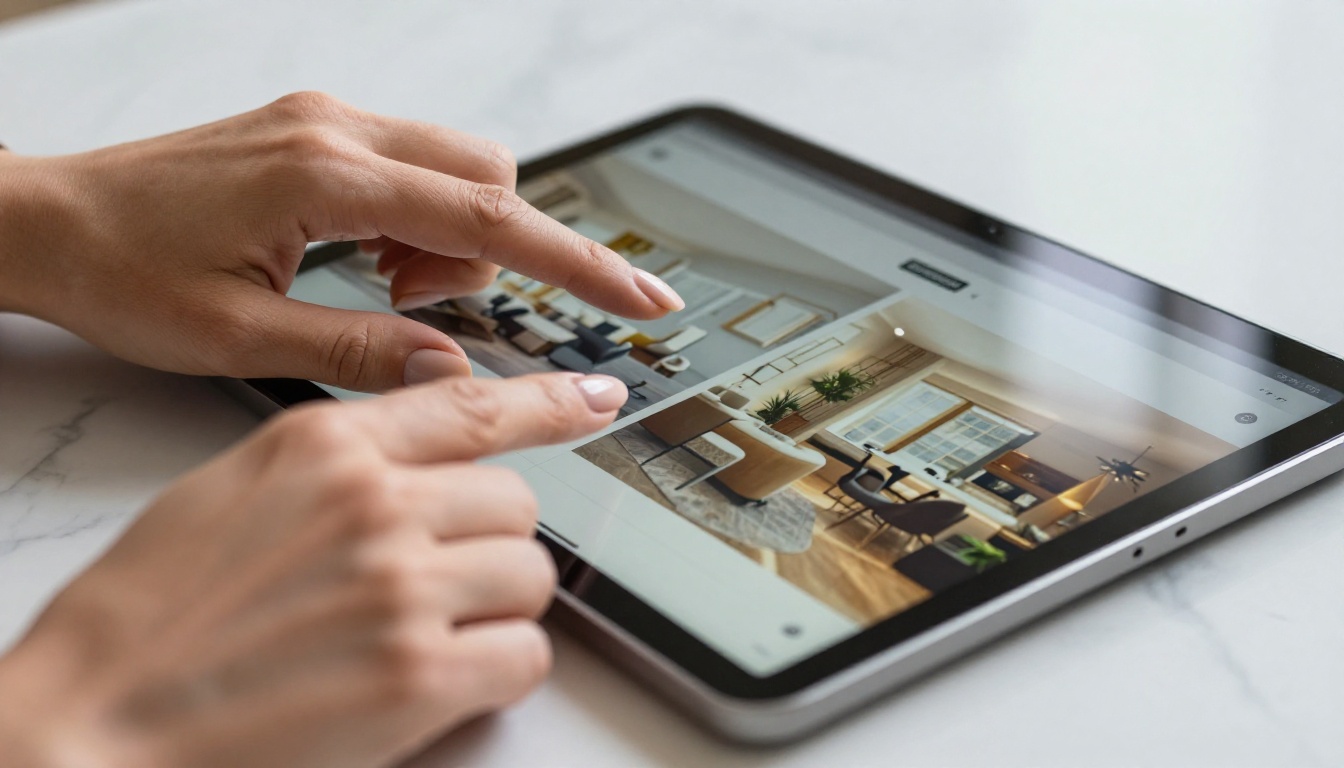
Property Listing Presentations
The most common use case is the listing presentation flipbook. Instead of printing a stack of papers for a buyer consultation, agents create a polished, branded digital document that includes:
- High-resolution interior and exterior photos with full-bleed layouts
- Floor plans embedded directly into the flipbook
- Property specs in clean, easy-to-scan tables
- Neighborhood information with local school ratings, walkability scores, and nearby amenities
- Virtual tour links embedded as clickable elements
This kind of presentation communicates professionalism before the agent says a single word. When a buyer opens a flipbook on their phone at 10pm and spends 12 minutes browsing the property, the agent knows about it the next morning through the analytics dashboard.
Pre-Listing Packages for Sellers
Flipbooks work just as well on the seller side. A compelling pre-listing package delivered as a flipbook shows sellers exactly what the agent will do for them: the marketing plan, the pricing strategy, the comparable sales analysis, and the timeline. This kind of presentation wins listings.
💡 Pro tip: Use password protection for pre-listing packages so sellers feel the information is exclusive and prepared specifically for them.
Neighborhood and Community Guides
Buyers, especially those relocating from another city, need context beyond the property itself. Agents who create neighborhood guide flipbooks covering local restaurants, schools, parks, commute times, and community events give buyers a reason to keep coming back to that document. Every time they open it, they are reminded of the agent's name and brand.

Open House Follow-Up Materials
The window after an open house is critical. Most agents send a generic follow-up email. The agents who close faster send a personalized flipbook with a recap of the property, answers to the most common questions asked at the open house, and a clear next step. This follow-up arrives as a clean link, not an attachment, and it loads beautifully on any device.
Flipbooks AI offers specific tools built for real estate professionals. The Real Estate Brochure tool is purpose-designed for property marketing, making it simple to create stunning property documents in minutes rather than hours.
✅ Best practice: Keep a library of template flipbooks for different property types (condos, single-family homes, luxury listings, investment properties) so you can customize quickly for each new listing.
Buyer Psychology and the Flipbook Effect
There is a psychological reason flipbooks work so well in real estate sales. The page-turning animation mimics the experience of browsing a high-end magazine or luxury catalog. It triggers an association with premium content, which transfers directly to the buyer's perception of the property.
First Impressions Are Built in Seconds
Research consistently shows that buyers form strong opinions about a property within the first few seconds of viewing it. A beautifully designed flipbook with professional photography, clean typography, and a logical layout sets a premium tone immediately. A disorganized PDF or a printout full of clip-art borders does the opposite.
The Scarcity Signal
When an agent sends a password-protected flipbook with the note "I prepared this specifically for you," buyers feel that the property has been curated for their preferences. This sense of personalized curation builds urgency and emotional connection faster than any open listing URL can.
Mobile Behavior and the 10pm Browse
The majority of property browsing happens on mobile devices, and a large portion of it happens in the evening. Flipbooks are fully mobile-responsive, meaning the buyer who receives a flipbook link at 9pm is going to have a seamless, engaging browsing experience. A PDF opened on a phone is a frustrating pinch-and-zoom exercise. A flipbook is a pleasure to scroll.
How to Create a Property Flipbook with Flipbooks AI
Creating a professional property flipbook does not require design skills. Here is the exact process top agents follow.
Step 1: Set Up Your Account
Head to Flipbooks AI and create your account. The platform offers a free tier to start, with no watermarks on any plan. For teams and brokerages, the Professional plan unlocks analytics, lead generation forms, and offline download capability.
Step 2: Prepare Your PDF
Assemble your property content in a PDF. This could be a listing sheet from your MLS, a presentation built in Canva or PowerPoint, or a property brochure from your brokerage. The PDF to Flipbook Converter handles the transformation.
Step 3: Upload and Convert
Upload your PDF to the platform. The conversion takes seconds. Your document is instantly transformed into a page-turning interactive flipbook with the signature flip animation.
Step 4: Customize Your Branding
Add your logo, choose your brand colors, and set a custom cover title. You can also add a background texture, adjust the page transition speed, and choose between a single-page or double-page spread layout. For luxury listings, the double-page spread creates a magazine-quality feel.
Step 5: Add Multimedia Elements
Embed video walkthroughs directly into specific pages of the flipbook. Add clickable links to virtual tour platforms, your booking calendar, or your agency website. Insert audio narration for a premium guided-tour experience.
Step 6: Set Sharing Preferences
Choose your sharing method:
- Direct link: Share via text, email, or social media
- Embed code: Place the flipbook directly on your property listing page using the Embed Flipbook on Website tool
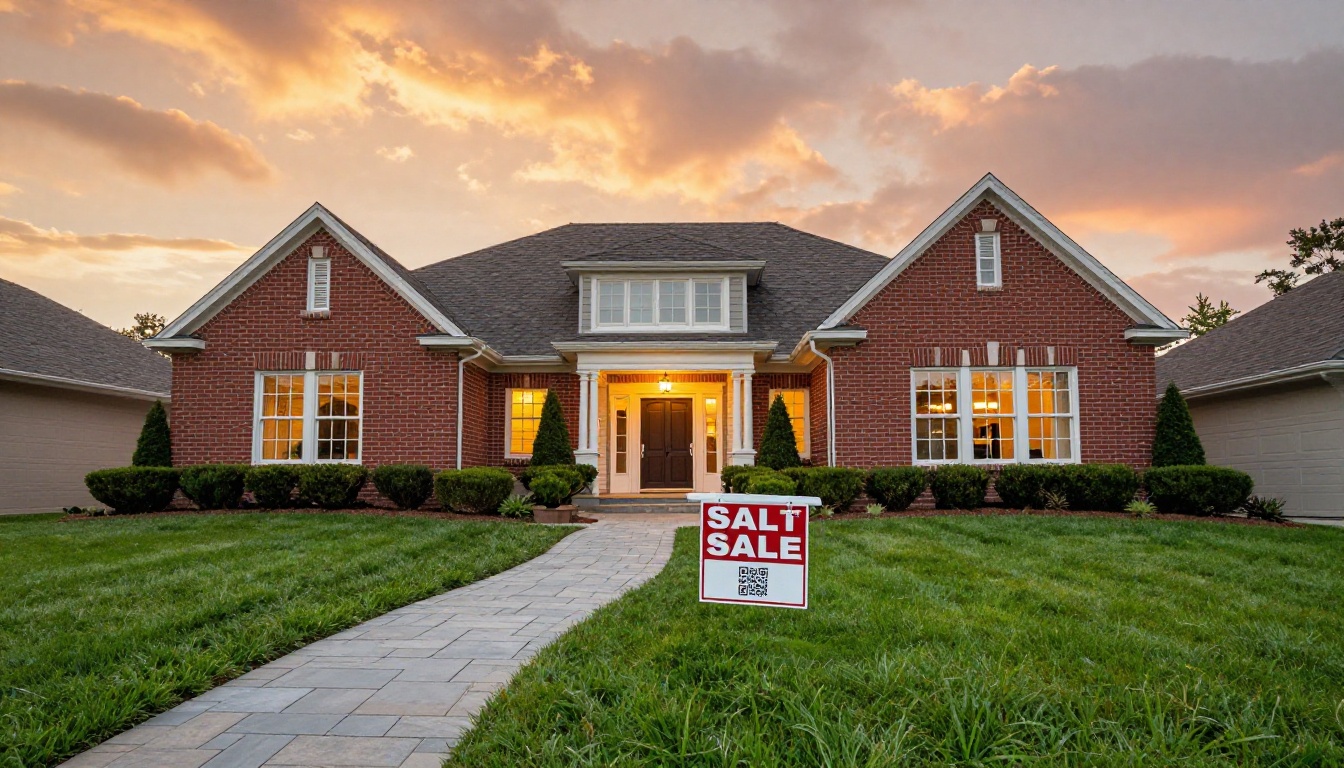
- QR code: Print on yard signs, business cards, or open house flyers
- Password protection: For exclusive pre-listing materials or off-market properties
Step 7: Track with Analytics
On the Professional plan, you can see exactly who opened your flipbook, how long they spent on each page, and what they clicked. This intelligence transforms follow-up calls. Instead of asking "did you get a chance to look at the property?" you can say "I noticed you spent a lot of time on the kitchen pages. What did you think?"
Flipbooks vs. Traditional Marketing: Real Numbers
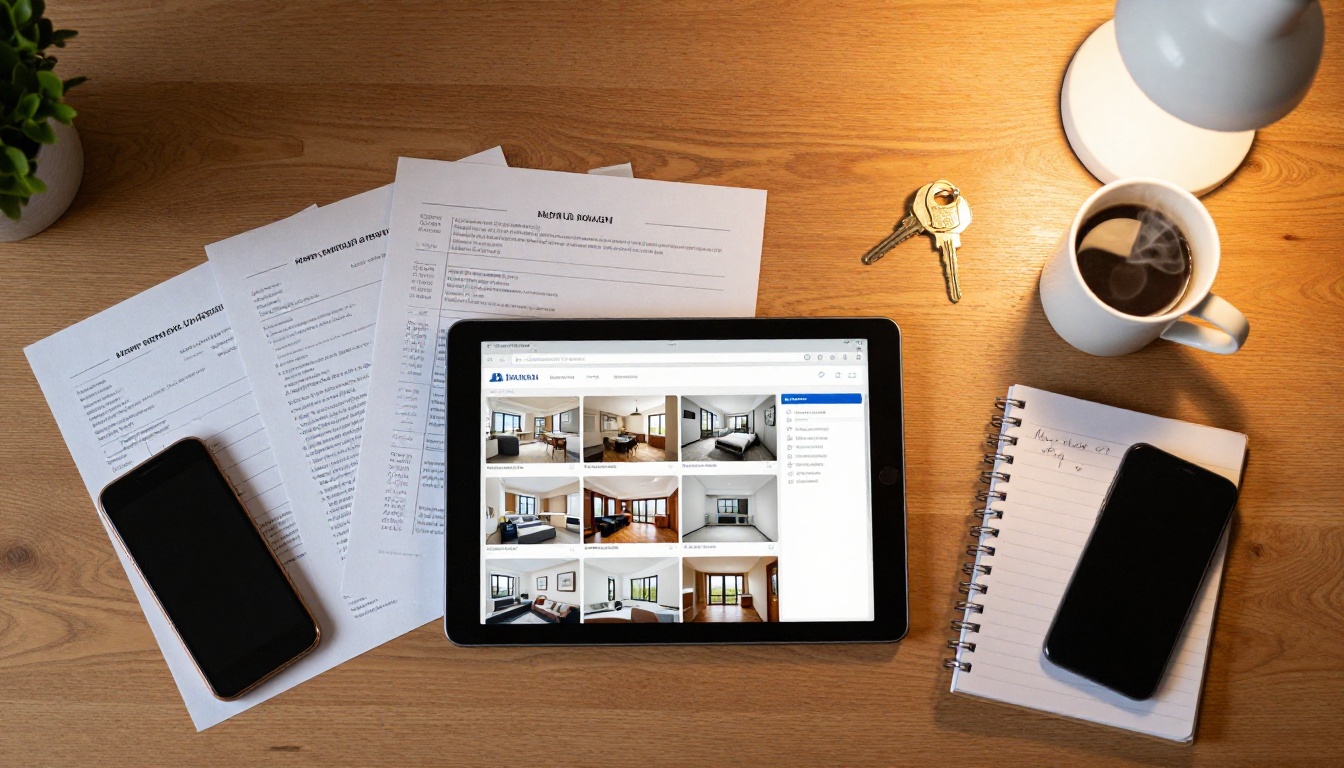
Agents who have made the shift to digital flipbook presentations consistently report measurable improvements across their key performance indicators.
| Metric | Traditional PDF/Print | Interactive Flipbook |
|---|
| Average time spent viewing | Under 45 seconds | 3-8 minutes |
| Mobile viewing experience | Poor (pinch-to-zoom) | Excellent (fully responsive) |
| Follow-up conversion rate | Low (no tracking data) | Higher (data-driven outreach) |
| Cost per property presentation | $15-50 (print costs) | Near zero (digital delivery) |
| Time to create materials | 2-4 hours (design and print) | 15-30 minutes |
| Ability to update after sending | Impossible with print | Instant (update the live link) |
| Lead capture capability | None | Built-in (Professional plan) |
⚠️ Watch out: Agents who switch to flipbooks often find they can never go back to print. The engagement data makes traditional marketing feel completely blind by comparison.
Distribution Strategies That Accelerate Sales
Generating a great flipbook is only half the work. The agents closing fastest have a clear distribution system.

QR Codes on Yard Signs
A QR code linking directly to a property flipbook on the yard sign is one of the highest-converting tactics in modern real estate. Drive-by buyers who would never call the number on a sign will scan a QR code in seconds. They are immediately in the flipbook, browsing photos, reading details, and forming a connection with the property.
Email Campaigns with Flipbook Links
Including a clickable flipbook thumbnail in your email marketing generates dramatically higher click-through rates than attaching a PDF. Email clients often block large attachments. A lightweight link always delivers.
Social Media Stories and Posts
A flipbook link shared in an Instagram story or a Facebook post gives followers a premium content experience that most agents never offer. When buyers swipe through a beautifully designed property flipbook in their social feed, it creates a halo effect around the agent's brand.
Broker and MLS Integration
High-performing agents embed their property flipbooks directly on listing pages. A buyer browsing your agency's website encounters not just static photos but a full interactive experience. This keeps them on the page longer and builds a stronger connection to the listing.

Building a Repeatable System
The agents who benefit most from flipbooks are not those who use them occasionally. They are agents who have built a repeatable system: every new listing gets a flipbook within 24 hours, every buyer consultation includes a personalized presentation, and every open house generates a follow-up flipbook the same evening.
This systematization is what compresses the sales cycle. Buyers who receive consistent, high-quality digital content at every touchpoint make decisions faster because they feel informed, cared for, and confident.
Building a Flipbook Template Library
Start with three to five core templates:
- Luxury property listing (full-bleed photography, minimal text, premium feel)
- Standard residential listing (balanced photos and specs)
- Investment property (income projections, cap rate, neighborhood data)
- Neighborhood guide (local services, schools, commute times)
- Buyer presentation (agency overview, services, process timeline)
With these templates in place, creating a new flipbook for any listing takes less than 20 minutes.
Automating the Follow-Up
Pair your flipbook links with a CRM sequence. When a buyer opens a flipbook for the first time, trigger an automatic follow-up text or email. When they open it a second time, that is a strong buying signal. The analytics available on the Professional plan make this kind of data-driven follow-up possible.

The Brokerage Advantage
Individual agents benefit enormously from flipbooks, but brokerages that standardize on the platform see even greater returns. When every agent in an office presents listings with the same branded, professional flipbook format, the brokerage's market presence becomes unmistakable.
Consistent branding across dozens of listings, all linked to the same agency identity, builds the kind of brand recognition that attracts both more buyers and more listing clients. The Sales Presentation Flipbook tool makes it easy to create standardized brokerage presentation templates that every agent on the team can use.
Key platform advantages for brokerages:
- ✅ No watermarks, ever
- ✅ Unlimited flipbooks (Standard plan and above)
- ✅ Password protection for private content
- ✅ Analytics and lead generation (Professional plan)
- ✅ Offline downloads for in-person presentations
- ✅ Embed videos and audio for virtual tours
- ✅ Mobile-responsive design for every device
- ✅ Custom branding for agency consistency
Take the First Step
The gap between agents who close deals in days and those who close them in months is increasingly about the quality and speed of the digital experience they deliver to buyers. Interactive flipbooks are no longer a novelty. They are a professional standard that separates serious agents from the rest of the field.
Ready to close your next deal faster? Create your first property flipbook on Flipbooks AI today. The free tier has no watermarks and no limits on getting started. Browse all available real estate and brochure tools to find the format that fits your listings. When you are ready to add analytics and lead generation to your system, compare pricing plans to choose what works for your business.
The buyers are already on their phones. Give them something worth stopping for.



