Your travel brochure has one job: make someone want to pack their bags. But in a world where travelers scroll through Instagram reels, watch 4K drone footage, and read destination reviews in seconds, a flat PDF with pretty photos is no longer enough. The good news? There is a better format that turns passive browsing into active excitement, and it does not require a design degree or a big budget. This is exactly how to make your travel brochure stand out with flipbooks, and why forward-thinking travel brands are switching fast.
Flipbooks AI transforms any travel PDF into a page-turning digital experience that feels more like a magazine than a brochure. With realistic flip animations, embedded media, and mobile-ready delivery, your destination content finally gets the presentation it deserves.
Why Static Brochures Fall Short
Attention Spans Have Changed
The average person decides in under eight seconds whether digital content is worth their time. A static PDF that takes three seconds to open, then presents a wall of text and stock images, loses the battle before it even starts. Travelers are conditioned by social media to expect movement, interaction, and visual richness. A flat file simply cannot compete.
Travel marketing has always been about emotion. The shimmer of water, the warmth of golden hour light, the energy of a busy market, these are what sell destinations. Print brochures and static PDFs strip those sensory cues away and replace them with flat representations. Flipbooks do not.
What Modern Travelers Actually Expect
When someone picks up your brochure, digitally or physically, they are already dreaming. They want to feel the destination before they book it. They expect content that responds to their curiosity, content they can page through like a real magazine, zoom into for details, and share instantly with a travel companion.
| Format | Interactivity | Shareability | Mobile Experience | Analytics |
|---|
| Printed Brochure | None | Low (physical copy) | Not applicable | None |
| Static PDF | Minimal | Medium (email/download) | Poor (pinch-zoom only) | None |
| Digital Flipbook | High (page-turn, links) | High (URL, embed, QR) | Excellent (responsive) | Full tracking |
The data is clear. Digital flipbooks address every gap that static formats leave open.
What Makes a Flipbook Different
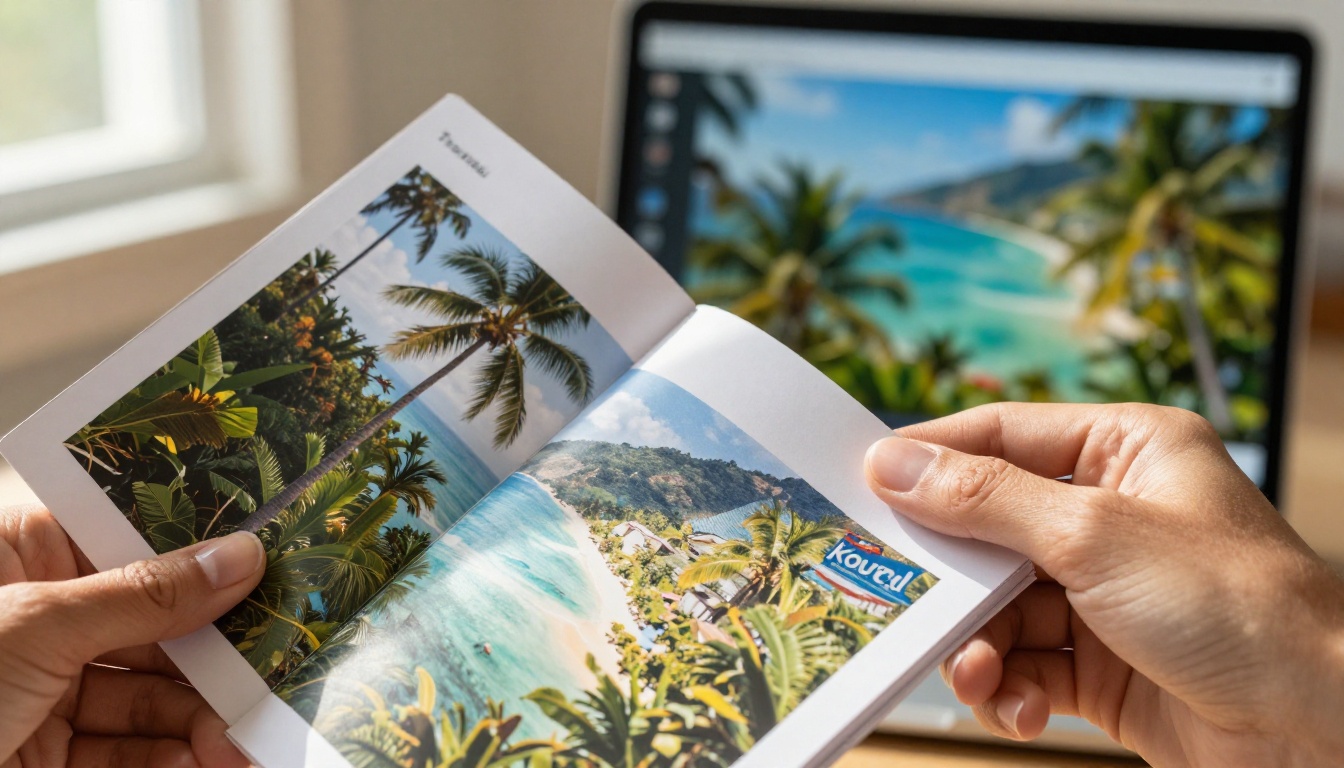
The Page-Turn Effect Changes Everything
There is genuine psychology behind why page-turn animations work. The act of flipping a page, even digitally, creates a sense of ownership over the content. Readers feel like they are browsing something tangible, not just scrolling through a screen. This single interaction shift increases time spent on content and reduces bounce behavior significantly.
For travel brands, that extra time on page is everything. The longer someone spends inside your brochure, the more destinations they visualize, the more they emotionally commit to the idea of the trip, and the closer they get to a booking decision.
Multimedia That Print Cannot Do
A flipbook is not just a PDF with fancy animations. It is a living document. You can embed:
- Videos: Drone footage of the resort pool, a time-lapse of a city skyline at dusk, a welcome message from your tour director
- Audio: Ambient soundscapes, narrated destination introductions
- Clickable links: Direct booking buttons, hotel websites, map embeds
- Lead capture forms: Built directly into the brochure pages for instant conversions
💡 Embedding a 30-second destination clip on page two dramatically increases the time travelers spend inside the brochure. It works like an autoplay preview on a streaming platform, pulling them deeper into the experience.
Designing a Brochure Worth Flipping Through
Visuals That Sell Destinations
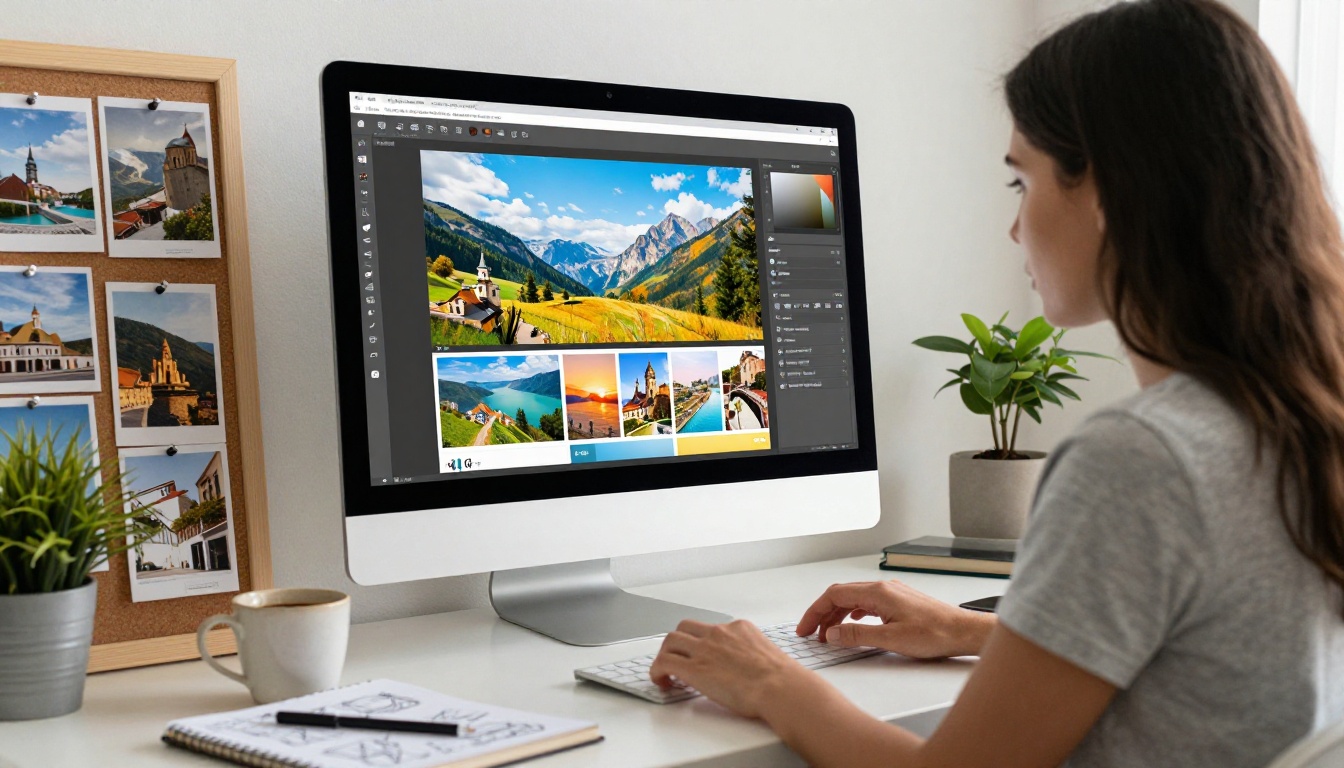
The photography in your brochure is doing most of the emotional work. Low-quality images, mismatched filters, and overcrowded layouts are the fastest way to erode trust in your brand. Before you build the flipbook, invest time in the visuals:
- Use wide-angle shots for landscapes, giving a sense of scale and grandeur
- Include human subjects to help readers place themselves in the scene
- Show both day and night versions of popular locations
- Mix close details like local food and architectural textures with wide establishing shots
- Keep a consistent color grade across all images for brand cohesion
✅ Choose a color palette that matches the destination mood. Tropical resorts call for turquoise and coral. Alpine escapes need deep greens and warm wood tones. Mediterranean city breaks suit terracotta and cream.
Copy That Creates Desire
Great travel copy does not describe destinations, it creates longing. The difference between "The hotel has a rooftop pool" and "Wake up to an uninterrupted view of the city from your own private rooftop pool" is the difference between information and desire.
Structure each page spread around three elements:
- The promise: What the traveler will feel or experience
- The proof: A specific detail that makes it believable
- The call: A soft nudge toward the next step
Keep paragraphs short. Two to three sentences per block maximum. White space is not empty, it is breathing room that makes your content feel premium and worth paying for.
Page Flow and Structure

The structure of your brochure matters as much as the individual pages. Think of it like a story with a clear arc:
| Page Range | Content Purpose |
|---|
| Cover | Emotional hook, destination identity |
| Pages 2 to 4 | Destination overview and key attractions |
| Pages 5 to 8 | Accommodation, dining, and experiences |
| Pages 9 to 12 | Practical info, itineraries, and pricing |
| Back Cover | Contact details, booking CTA, and social links |
⚠️ Do not front-load pricing. Travelers need to fall in love with the destination before they evaluate the cost. Put pricing in the back half of the brochure after you have built desire and painted the dream.
How to Create Your Travel Flipbook on Flipbooks AI
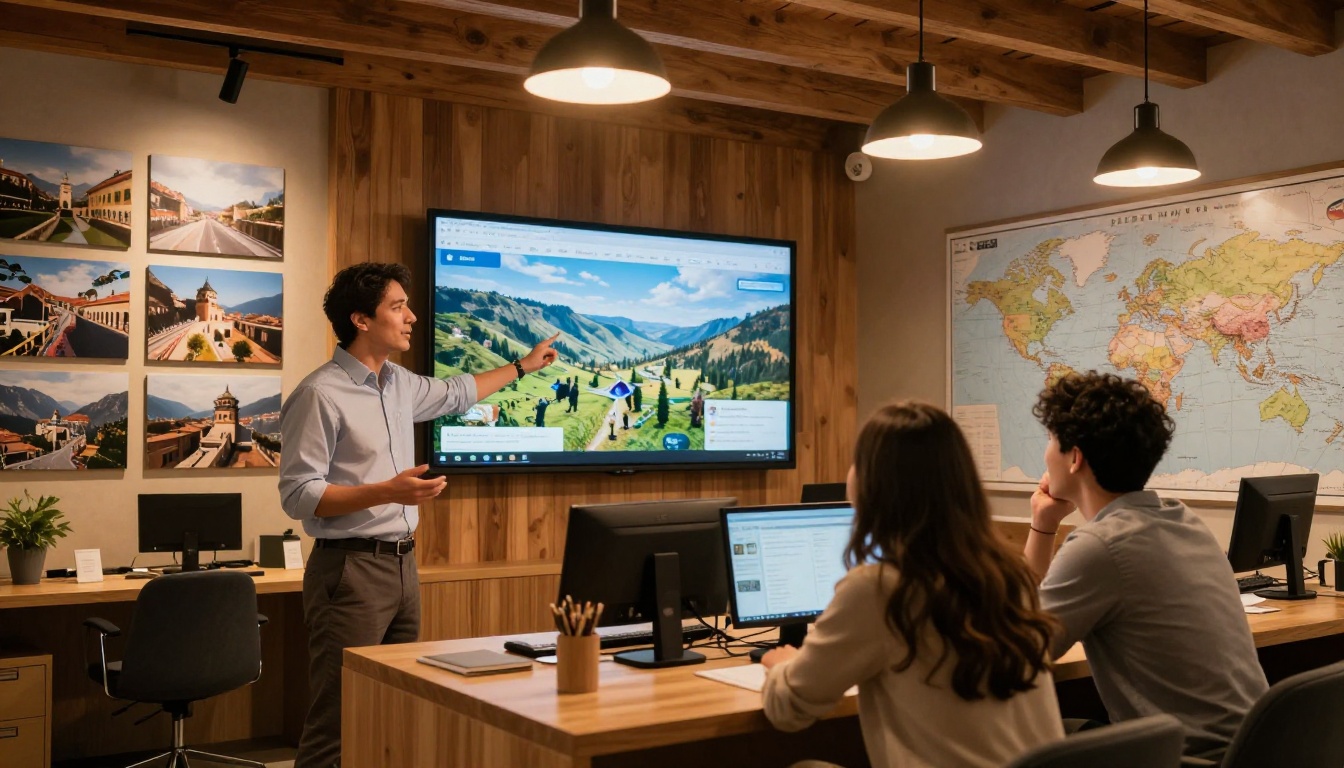
Flipbooks AI is built specifically for this kind of content. The travel flipbook creator takes your existing PDF and converts it into a fully interactive flipbook in minutes. Here is the exact process:
Step 1: Upload Your Brochure PDF
First, create a free account on Flipbooks AI. Once inside your dashboard, click "New Flipbook" and upload your travel brochure PDF. The platform accepts files up to professional print quality and preserves all your original layout, typography, and imagery at full resolution.
The PDF to Flipbook Converter processes your file automatically, building the page-turn interface around your existing design. You do not need to rebuild anything from scratch.
Step 2: Brand Your Flipbook
After conversion, open the customization editor. This is where your brochure takes on its full identity:
- Upload your agency or brand logo to appear in the viewer header
- Set your primary and accent brand colors throughout the interface
- Choose a background color or texture for the flipbook viewer frame
- Customize the page-turn sound (subtle paper rustle or completely silent)
- Add your custom domain if you want the flipbook URL to match your website address
Step 3: Add Multimedia and Clickable Links
This step separates a good flipbook from a great one. Click on any page element to:
- Insert clickable hotspots over images that open booking pages or destination sites
- Embed YouTube or Vimeo clips directly into specific pages
- Add audio clips for immersive soundscapes
- Link text and buttons to external sites, contact forms, or payment pages
💡 Add a "Book Now" button on the spread where you show your best accommodation photography. That is peak desire and peak conversion opportunity, right where emotion is highest.
Step 4: Set Sharing and Privacy Options
Once your flipbook is ready, Flipbooks AI gives you several ways to distribute it:
- Direct link: Share a clean URL via email, WhatsApp, or social media instantly
- Embed code: Place the flipbook on your website using the embed flipbook tool
- QR code: Print QR codes on physical materials that open the digital version on any phone
- Password protection: Restrict access to approved clients or qualified leads only
Step 5: Track Performance with Analytics
On the Professional plan, you get full analytics showing which pages get the most time, where readers drop off, and how many people clicked your booking links. This data is genuinely actionable. If readers consistently exit on page six, your page six needs attention.
✅ Run your flipbook for at least two weeks before making changes. You need enough data to see real patterns rather than early traffic noise skewing the numbers.
Features That Set Digital Brochures Apart
Mobile-First Delivery
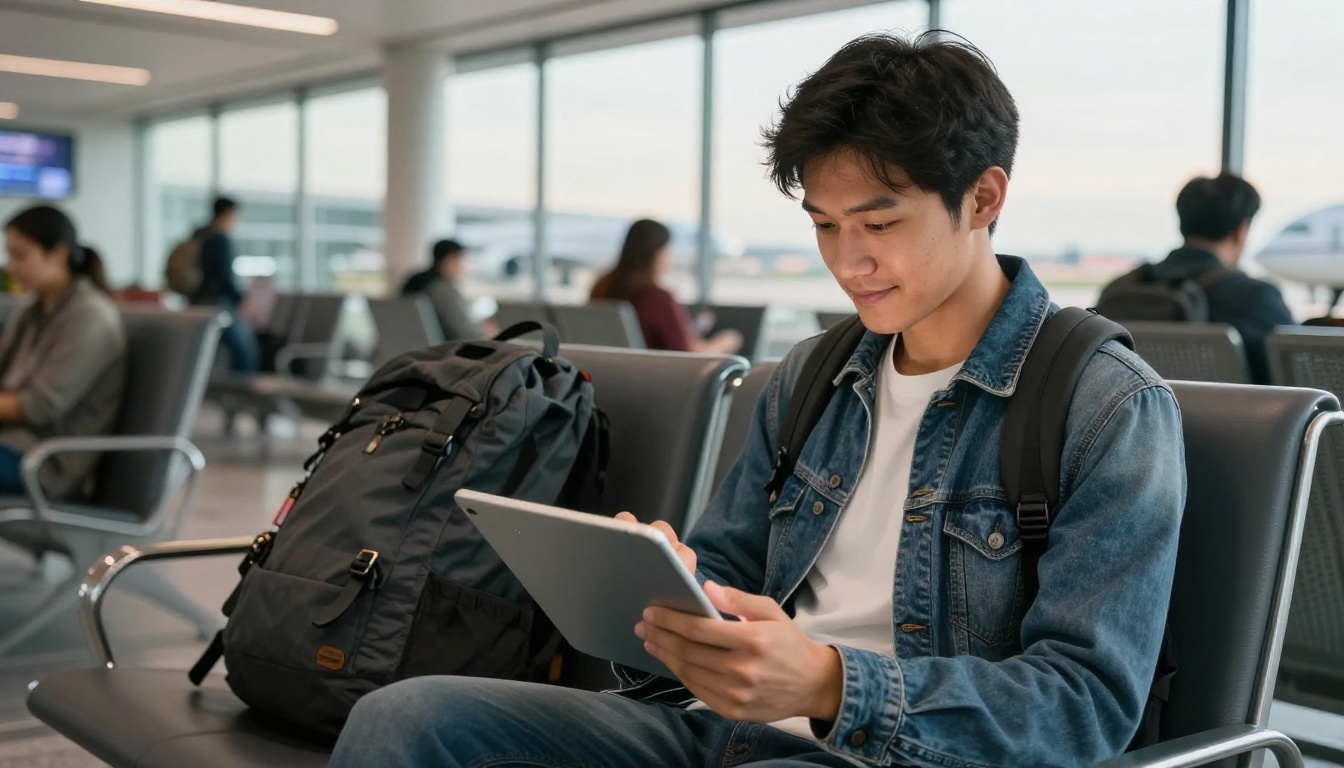
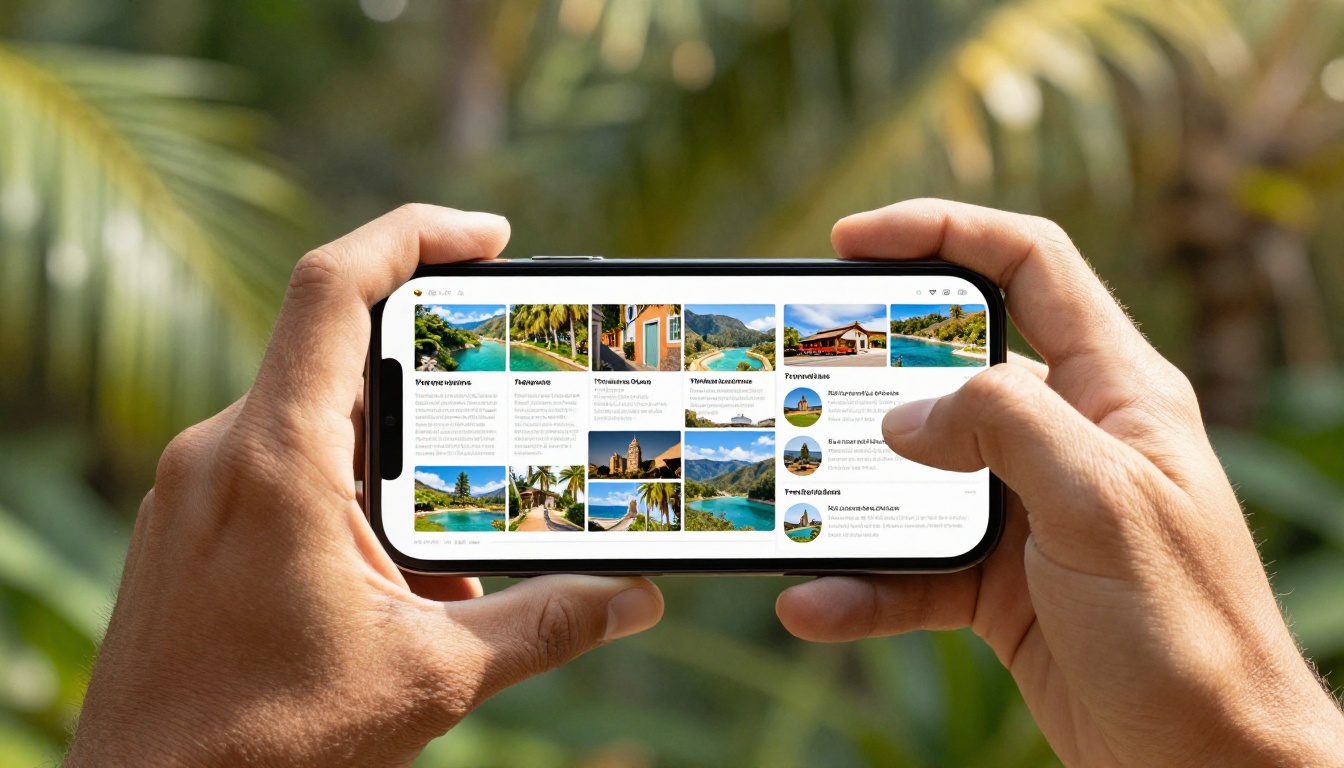
Over 70% of travel research happens on mobile devices. A flipbook built on Flipbooks AI is fully responsive, meaning it automatically adapts to any screen size without the reader needing to zoom or scroll sideways. The page-turn interaction works perfectly with touch swipe gestures, making it feel natural on any phone or tablet during a commute or lunch break.
This matters enormously. A traveler browsing your brochure while waiting for a flight should have the same quality experience as someone at a desktop computer.
No Downloads, No Friction
Static PDFs require downloading, which creates friction. People hesitate before downloading files from unfamiliar senders, and email clients often strip attachments entirely. A flipbook URL opens instantly in any browser, no app required, no download prompt. You send a link. They click. They are inside your brochure in two seconds.
| Delivery Method | Friction Level | Opens on Mobile | Trackable | Always Updated |
|---|
| PDF Email Attachment | High | Poor | No | No (static file) |
| Google Drive PDF | Medium | Moderate | Limited | Manual update only |
| Flipbook Link | Zero | Excellent | Yes (full analytics) | Instant on edit |
| Embedded Flipbook | Zero | Excellent | Yes (full analytics) | Instant on edit |
Update Anytime Without Resending
When your pricing changes, a new destination opens, or a promotion ends, you update the flipbook once and the change is live immediately for everyone who has your link. No resending, no versioning headaches, no clients reading outdated pricing.
For seasonal travel businesses, this is a significant time and cost saving that compounds over the course of a year.
Real Use Cases That Work

Tour Operators
Tour operators running multi-destination packages benefit enormously from flipbooks. A single flipbook can act as a complete itinerary showcase, with each spread dedicated to one destination day. Clients flip through the full journey before they book, building anticipation and reducing pre-sale objections dramatically.
A tour operator focused on Southeast Asia itineraries reported a 34% increase in email-to-booking conversion after switching from PDF attachments to Flipbooks AI links. The critical factor was that clients spent an average of four minutes inside the flipbook compared to under 30 seconds with the old PDF format.
Hotels and Resorts
Hotels use flipbooks as digital property brochures, spa menus, and event packages. A resort can maintain three separate flipbooks: one for leisure guests, one for corporate retreats, and one for wedding packages. Each one is tailored, branded, and shareable through the same platform.
The Hotel Brochure tool handles the visual weight of luxury photography and translates it into a browsing experience that matches the quality guests already expect before arrival.
Travel Agencies
Agencies selling curated holiday packages can create a new flipbook for each package or season. The password protection feature means exclusive offers go to VIP clients first, creating a sense of priority access that clients appreciate. Analytics then show which packages generate the most interest before the agency even makes outbound calls.
The lead generation feature, available on the Professional plan, lets agencies place an email capture form inside the brochure itself. A reader who makes it to page ten of your Maldives package is a qualified lead. Capture them right there, in the moment.
Choosing the Right Plan for Your Travel Business

Flipbooks AI offers plans built around different volume and feature needs. Here is how they compare for travel businesses specifically:
| Feature | Free | Standard | Professional |
|---|
| Flipbooks | 1 | Unlimited | Unlimited |
| Watermark | Yes | No | No |
| Custom Branding | Limited | Full | Full |
| Password Protection | No | Yes | Yes |
| Analytics | No | Basic | Full |
| Lead Generation | No | No | Yes |
| Offline Downloads | No | Yes | Yes |
| Embed on Website | No | Yes | Yes |
For agencies and operators publishing more than one brochure per season, the Standard plan is the sensible minimum. No watermarks, unlimited flipbooks, and full branding control are non-negotiable for client-facing materials.
Professional is the right choice when you want analytics and lead generation working for you automatically. At that level, the flipbook becomes a sales asset that qualifies prospects while you sleep.
💡 Running a seasonal business? Publish your winter and summer collection flipbooks simultaneously, each with its own link and analytics dashboard. Compare performance to inform next season's content strategy before the season even ends.
Where to Share Your Travel Flipbook
A great flipbook without a distribution strategy sits unseen. Here is where travel brands get the most traction:
- Email campaigns: Replace PDF attachments with a flipbook link. Higher click-through rates, better tracking, zero attachment size issues
- Your website: Use the embed tool to place the flipbook directly on a destination landing page for maximum time-on-page
- Social media: Share the link on Instagram, Facebook, and LinkedIn with a compelling cover image caption
- WhatsApp Business: Send personalized flipbook links directly to warm leads mid-conversation
- Printed materials: Add a QR code on any physical collateral that opens the digital version instantly
- Travel fairs and events: Display the flipbook on a tablet or large screen at trade show stands for a premium first impression
The Brochure Flipbook Maker and the Online Brochure Designer tools make it simple to produce multiple versions of the same brochure optimized for different channels and audiences without doubling your workload.
Take the Next Step
Travel is a deeply emotional purchase. The brochure that makes someone feel something wins the booking. Digital flipbooks do not just present information, they create an experience. From the moment a reader opens your flipbook to the last page call-to-action, every interaction is an opportunity to move them closer to saying yes.
Ready to start? Get started for free on Flipbooks AI and convert your first travel brochure in minutes. Want to see what each plan includes? Check the full pricing breakdown to find what fits your business. Or browse the full range of flipbook tools to see every use case covered, from hotel brochures to destination showcases to event programs.
Your next booking starts with a brochure that actually gets read.



