Every property listing tells a story, but most real estate catalogs tell it poorly. A static PDF buried in an email attachment, with a "please scroll to page 12 for floor plans" note, is not closing deals in 2026. Buyers today expect more, they move faster, and they make decisions before they ever walk through a door. If your catalog isn't interactive, you are losing those buyers to agents who figured this out already.
Flipbooks AI lets real estate professionals turn standard PDF listings into interactive digital catalogs with page-flip animations, embedded virtual tours, mobile-responsive layouts, and built-in lead capture. The result isn't just a prettier document; it's a sales tool that works around the clock.
This piece walks through why interactive real estate catalogs that close more deals are replacing static formats across the industry, what features actually matter, and how to build one in minutes.
Why Static PDFs Are Costing You Deals
The Attention Problem on Page 2
The average email attachment gets about 11 seconds of attention before a decision is made. For a static PDF with 20 property pages, that's catastrophic. Buyers open it, scroll once, and close it. The follow-up call that might've converted them never happens because nothing in that PDF made them stop and pay attention.
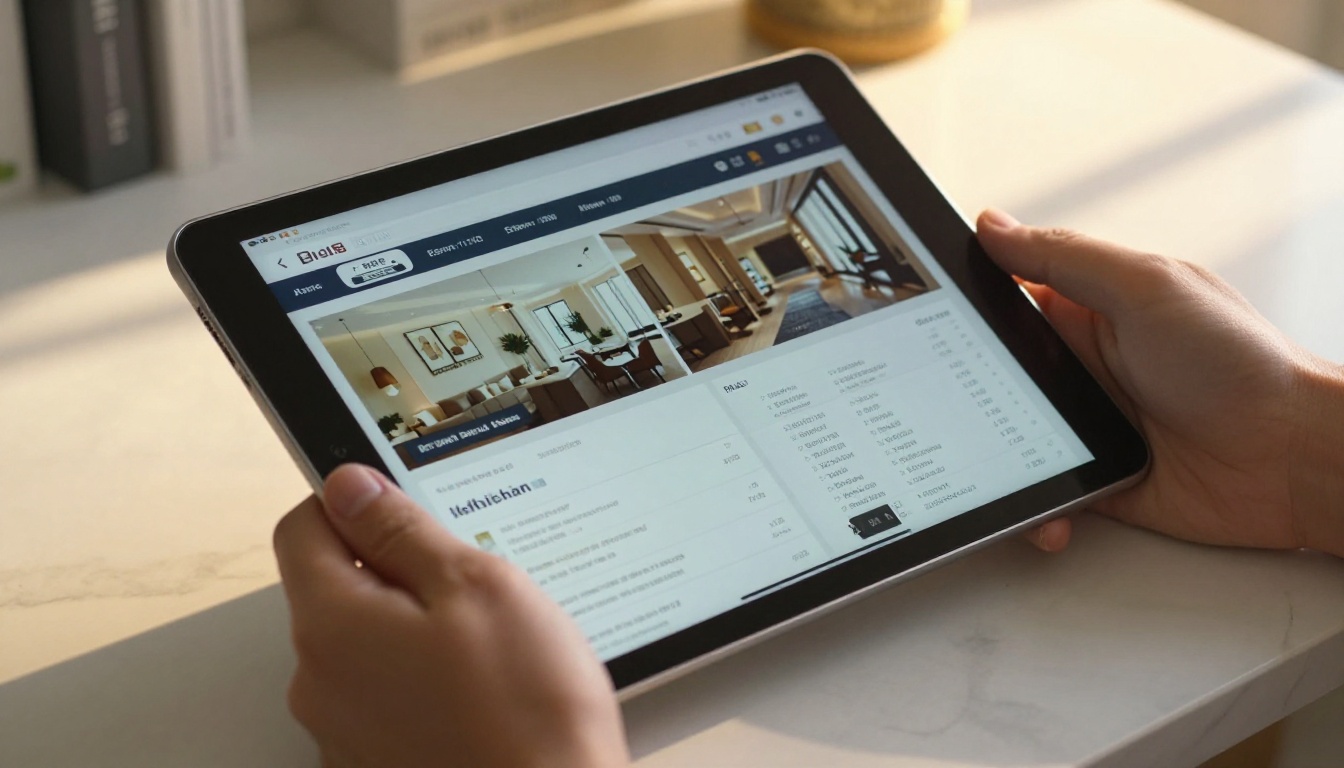
Interactive catalogs change that dynamic completely. Page-flip navigation with smooth animations makes property browsing feel like flipping through a magazine, not downloading a form. Readers stay longer. When they stay longer, they call.
Research on digital catalog consumption consistently shows that interactive publications hold reader attention significantly longer than static equivalents, with page-flip formats performing especially well on mobile, where most buyers now do their initial property research.
What Buyers Actually Expect Now
Post-2020, the real estate market has been reshaped by remote work relocations, international buyers, and a generation of homeowners who made their first purchase entirely online. These buyers conduct 90% of their research before contacting an agent. What they want from a property catalog:
- High-resolution interior photography, not compressed thumbnails
- Floor plan access without requesting it separately
- Mobile-first layouts that work on any device
- The ability to share a property with a partner or family member instantly
- Contact and inquiry options within the document itself
A static PDF can check maybe two of those boxes. An interactive catalog built on Flipbooks AI checks all of them.
What "Interactive" Means in a Property Catalog

The term "interactive catalog" gets used loosely, so let's be specific about what it actually includes when done right.
Page-Flip Navigation
The most immediately visible feature is the animated page-flip effect. It replicates the tactile feel of a printed catalog digitally, which matters psychologically. Buyers associate flip-through browsing with magazines and premium publications. That association elevates your listing's perceived value before a single word is read.
With Flipbooks AI, the flip navigation also includes a thumbnail sidebar, direct page-jumping, and full-screen mode, all without the buyer needing to download anything or install an app.
Embedded Media and Virtual Content
A well-built interactive catalog for real estate can include:
- Embedded YouTube or Vimeo virtual tours directly inside the catalog page
- Clickable floor plan hotspots that zoom into specific rooms
- Neighborhood overview videos that auto-play when the buyer reaches that section
- Gallery slideshows within a single page spread
- Audio narration for luxury listings where tone and pacing matter
This isn't just cosmetic. A buyer who watches a 90-second virtual tour inside the catalog is far more qualified than one who only saw photos. They've invested time. They're warmer when you call.
Analytics That Inform Your Follow-Up
This is the feature most agents don't talk about enough. With the Professional plan, Flipbooks AI provides page-by-page analytics showing exactly how long a recipient spent on each section. If a prospect lingered on the master suite for 45 seconds and spent two minutes on the floor plan, you call them and lead with those features. That's not luck; that's data-driven follow-up.
💡 Pro tip: Share your interactive catalog via a tracked link instead of an email attachment. You'll know exactly when a prospect opened it and which pages held their attention longest.
Static vs. Interactive: The Real Difference

| Feature | Static PDF | Interactive Catalog |
|---|
| Page navigation | Scroll only | Animated flip, thumbnails, jump-to |
| Mobile experience | Often broken layout | Fully responsive, swipe-friendly |
| Embedded video | Not supported | Yes, inline playback |
| Shareable link | Download required | Direct URL, no download needed |
| Lead capture | None | Built-in forms (Professional plan) |
| Analytics | None | Page-level time tracking |
| Branding | Basic header/footer | Custom colors, logo, domain |
| Password protection | No | Yes, per-flipbook |
| Offline access | Yes (downloaded) | Yes (download available) |
| Update after sending | New file, new send | Edit live, same link |
That last row is underrated. When a listing price changes or a new photo needs to be added, an interactive catalog updates in place. Everyone who received the original link sees the updated version automatically, without a single re-send.
⚠️ Common mistake: Agents who send updated PDFs to the same list rarely get re-opened. If you're sending "updated listing v3.pdf," you've already lost most of your audience.
How Real Agents Use These Catalogs to Win

Before the Showing
The interactive catalog is the first impression that qualifies or disqualifies a buyer before you invest a Saturday afternoon in a showing. Agents using Flipbooks AI's Real Estate Brochure tool report that prospects arrive at showings having already identified their priority rooms and negotiation questions, shortening the sales cycle significantly.
When a buyer has already "toured" the property virtually through an interactive catalog, the in-person showing becomes a confirmation visit rather than a first impression. The emotional buying decision is largely made before they park the car.
Remote and Relocation Buyers
For clients relocating from another city or country, the interactive catalog isn't a supplement to the in-person visit. It's often the deciding factor for whether that visit happens at all. A catalog with embedded neighborhood walk-through video, school district information, and a floor plan that can be browsed page-by-page eliminates most objections that would otherwise delay a decision.
A buyer in Chicago considering a property in Miami doesn't need to fly down to decide they're interested. They need a catalog that answers the questions they'd ask on a tour. Build that catalog, and the flight becomes a formality, not a research trip.
Luxury and Commercial Properties
At the high end of the market, presentation signals credibility. A $4M listing shared as an email attachment is a credibility mismatch. The same listing as a beautifully formatted interactive catalog with custom branding, password protection for exclusivity, and high-fidelity photography signals that the agent operates at that level.
For commercial real estate, the Digital Catalog Maker handles multi-property portfolios, investor presentations, and development site documentation in formats that institutional buyers expect.
✅ Best practice: Always password-protect luxury listings. It signals exclusivity and keeps your best prospects from forwarding to unqualified leads.
How to Build Your Property Catalog with Flipbooks AI

Creating a professional interactive real estate catalog takes less time than most agents expect. Here is how it works from start to a shareable link.
Step 1: Create your account
Go to Flipbooks AI and sign up. No credit card required to start. The free plan lets you test the full conversion workflow before committing to a paid tier.
Step 2: Prepare your PDF
Build your property presentation in whatever software you already use: Canva, InDesign, Google Slides, or Microsoft Word. Export it as a PDF. Aim for 8 to 24 pages for optimal mobile performance. Include a hero exterior photo page, main specs summary, interior photography section, floor plan pages, neighborhood section, and agent contact page.
Step 3: Upload and convert
Drag your PDF into the Flipbooks AI uploader. Conversion typically takes under 60 seconds. The platform automatically detects page layout and optimizes for both desktop and mobile viewing. The page-flip effect is applied automatically, no technical setup required.
Step 4: Customize your branding
From the editor, set your agency's color palette, logo placement on the title page and footer, a custom domain for white-label sharing (Standard plan and above), and your preferred page transition style.
Step 5: Add multimedia
This is where a static PDF becomes something else entirely. In the editor you can embed your virtual tour video directly onto the relevant page, add a clickable link on the neighborhood section pointing to a local area map, and insert an inquiry form on the contact page using the lead generation widget available on the Professional plan.
Step 6: Set sharing options
Choose from:
- Direct link: Share via email, WhatsApp, or any messaging platform
- Embed code: Drop the flipbook directly into your property listing page using the Embed Flipbook on Website tool
- Password protection: Restrict access for exclusive or off-market listings
- QR code: Print on physical signage at the property for on-site access
Step 7: Share and track
Send the link. Monitor analytics from your dashboard to see who opened the catalog, how long they stayed, and which pages drove the most attention. On the Professional plan, this data feeds directly into your follow-up strategy.
Flipbooks AI Plans at a Glance

| Feature | Free | Standard | Professional |
|---|
| Flipbooks | 1 | Unlimited | Unlimited |
| Watermark | Yes | No | No |
| Custom branding | No | Yes | Yes |
| Password protection | No | Yes | Yes |
| Analytics | No | Basic | Full page-level |
| Lead generation forms | No | No | Yes |
| Offline downloads | No | Yes | Yes |
| Embed on website | Yes | Yes | Yes |
| Multimedia embedding | Yes | Yes | Yes |
| Custom domain | No | Yes | Yes |
For agents handling more than one or two listings at a time, the Standard plan removes watermarks and provides unlimited catalogs, which is the minimum for professional use. The Professional plan is the right choice for teams, luxury specialists, or anyone using lead capture as part of their pipeline.
See all pricing options to find the right tier for your listing volume.
5 Property Types That Benefit Most

Not every property type benefits equally from an interactive catalog format. These five see the most measurable impact:
Pre-sale and new development properties see especially strong returns from interactive catalogs. When the physical property doesn't exist yet or is under construction, the catalog carries the entire buying decision. A static PDF of renders is unconvincing. A polished interactive catalog with embedded walkthrough video of comparable finished properties, detailed floor plans, and a lead capture form for deposit interest converts at a meaningfully higher rate.
What to Include (and What to Skip)

Most real estate catalogs fail not because of poor photography but because of poor editorial decisions. Here is a practical framework:
Include:
- A single strong hero exterior shot as your opening page
- Main specs on the second page: beds, baths, sqft, lot size, price, one-line location description
- Interior photography ordered by buyer priority: kitchen, master suite, living areas, secondary rooms, outdoor spaces
- A floor plan with room dimensions
- One neighborhood page with walkability highlights, school rating, and closest transit
- Agent contact with photo, phone, and email
Skip:
- Multiple exterior shots on the opening page (dilutes impact)
- Long agent bio paragraphs (buyers don't care at this stage)
- Low-resolution photography at any point in the catalog
- Text-heavy neighborhood descriptions (a short bullet list works better)
- Stock imagery that doesn't show the actual property
- Decorative page numbers in the footer (flip navigation handles orientation automatically)
💡 Pro tip: The kitchen and master suite pages get the most catalog time from buyers. Put your absolute best photography there, not on the opening page.
Sharing, Embedding, and Getting Leads

An interactive catalog that stays in your drafts folder doesn't close anything. Distribution strategy matters as much as the catalog itself.
Where to share your interactive real estate catalog:
- Email campaigns: Include a clickable thumbnail image linking to the flipbook rather than attaching a PDF. Click-through rates on thumbnail links run significantly higher than PDF download rates.
- Your agency website: Use the embed code to place the interactive catalog directly on your listing page. Buyers who stay on your page longer are more likely to act.
- WhatsApp and iMessage: A direct link opens instantly in mobile browser with no app or download required. For agent-to-agent referrals, this is the fastest path.
- Social media: The 16:9 thumbnail pairs with the catalog link for Instagram, Facebook, and LinkedIn posts. The professional format signals credibility to other agents and buyers in your network.
- On-site QR codes: Print a QR code on the property sign, window display, or open house flyer. Walk-by prospects scan it and access the full interactive catalog immediately on their phone.
For teams working with buyer's agents, the password-protected share option lets you distribute to qualified leads only, protecting your listing data and signaling scarcity to high-value prospects.
The lead generation form available on the Professional plan captures contact information directly from within the catalog, converting passive browsers into active leads without them leaving the document.
Stop Sending PDFs Nobody Reads
The real estate agents closing more deals today aren't just better at negotiating or staging properties. They're better at the first impression, the one that happens before anyone picks up a phone. Interactive real estate catalogs that close more deals work because they respect the buyer's time, deliver information in the format buyers actually prefer, and give agents actionable data to follow up with precision.
If you're still emailing PDF attachments, you're asking buyers to do extra work for the privilege of considering your listing. Most of them won't bother.
Ready to change that? Create your first interactive real estate catalog on Flipbooks AI today. Browse all real estate tools and templates to find the right format for your listings. When you're ready to remove watermarks and access full analytics, compare pricing plans to choose what fits your business.
The catalog that closes the deal is the one the buyer actually finishes reading.



