If you've been wrestling with the choice between Issuu and Flipbooks AI for your digital publications, you're not alone. Both platforms promise to convert PDFs into interactive flipbooks, but the gap in actual reader interaction, analytics depth, and conversion capability is significant. This comparison cuts through the marketing noise and shows you exactly which platform delivers more where it counts.
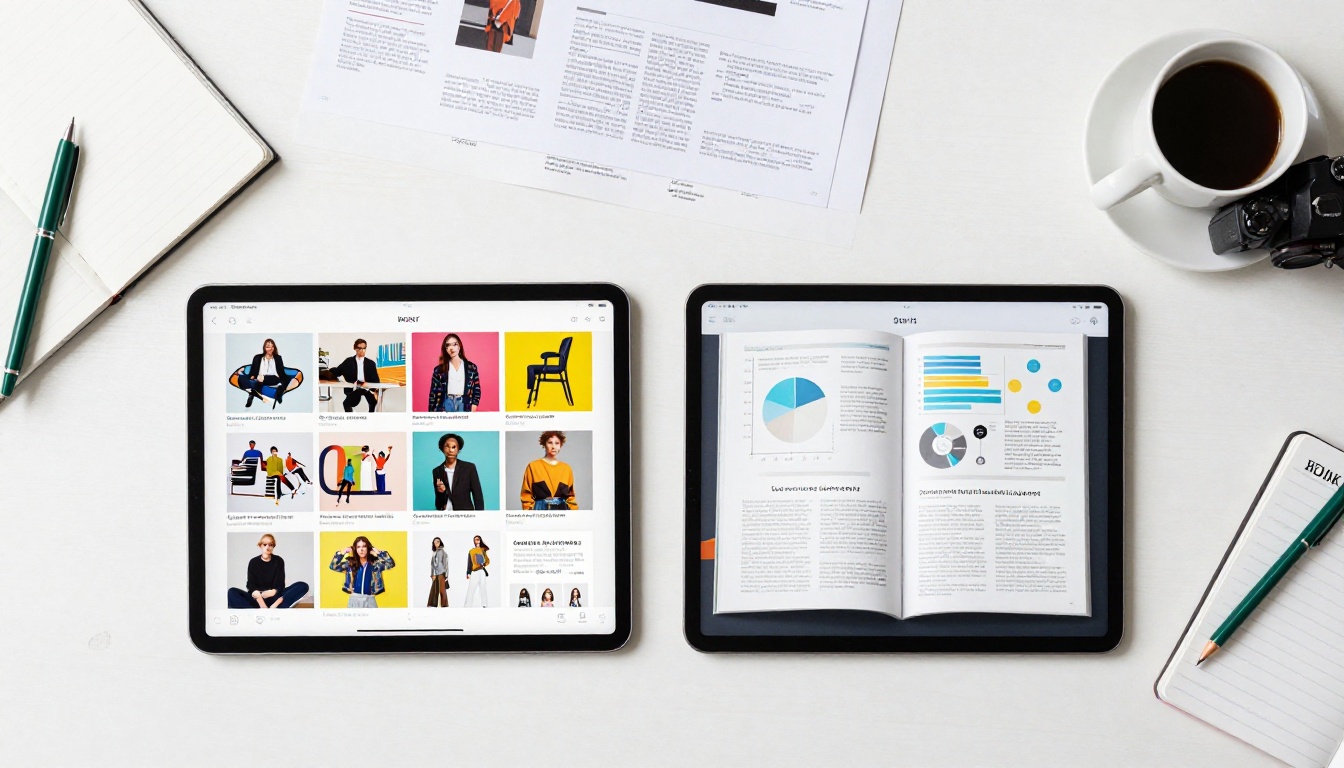
Why Engagement Metrics Actually Matter
Publishing a flipbook isn't the end goal. The goal is that someone reads it, spends time with it, clicks a link inside it, and ideally takes an action. In the context of digital publications, "engagement" means the difference between content that works and content that sits unread.
What "Engagement" Really Measures
Engagement covers a cluster of reader behaviors: how long someone stays on your publication, how many pages they scroll through, whether they click embedded links, and whether they share it. A flipbook with a 90-second average session time is doing something right. A flipbook with 8 seconds means readers bounced immediately.
For businesses, these metrics directly impact ROI. A restaurant using a digital menu that readers spend 3 minutes with generates more orders than one users swipe away from in 10 seconds. A real estate brochure with embedded virtual tour links that get clicked converts browsers into inquiries.
The Metrics Worth Tracking
Not every analytics platform shows the same data. Here's what actually signals active readership:
- Average reading time per session
- Page depth (how many pages were viewed per visit)
- Click-through rate on embedded links
- Return visitor rate (readers coming back to the same publication)
- Device breakdown (mobile vs desktop viewing)
- Geographic distribution of readers
Both Issuu and Flipbooks AI offer some version of these metrics, but the depth and accessibility of that data differs significantly between plans.

Before going deep, here's a high-level look at where each platform positions itself:
| Feature | Issuu | FlipbooksAI |
|---|
| Free plan available | Yes (with limits) | Yes |
| Watermark-free | Paid plans only | All plans, no watermarks |
| Page-flip animation | Yes | Yes |
| Custom branding | Paid plans | Standard plan and above |
| Analytics depth | Basic to advanced (by tier) | Standard to Professional |
| Embedded video/audio | Yes | Yes |
| Password protection | Yes | Yes |
| Lead generation | Yes | Professional plan |
| Offline downloads | Yes | Yes |
| Mobile-responsive | Yes | Yes |
| Unlimited publications | Premium+ | Standard plan and above |
💡 Watermarks are a trust-killer with clients and readers. FlipbooksAI removes them at every paid tier, while Issuu keeps them on lower plans.
Issuu's Strengths and Limits
Issuu has been around since 2006 and built a large community of publishers. That history comes with real advantages, but also some legacy constraints that affect how modern audiences interact with content.
Where Issuu Wins
Content discovery network: Issuu has a built-in reader community where publications can be found through their feed. For brands focused on organic reach, having a presence in that ecosystem adds a distribution layer you don't build yourself.
Established SEO presence: Issuu publications often rank in search results because the domain carries significant authority. If your goal is findability without heavy SEO work on your own site, this matters.
Brand familiarity: Marketing teams who have used Issuu for years have workflows built around it. The learning curve for established teams is essentially zero.
Where Issuu Falls Short
The model is gated. Core features like removing the Issuu branding, accessing detailed analytics, and enabling lead capture are locked behind their higher-tier plans. For smaller businesses or agencies managing multiple clients, those costs add up fast.
Customization is limited at accessible price points. You can't deeply match a flipbook's appearance to a client's brand identity without upgrading. This creates a disconnect for businesses where visual consistency is non-negotiable.
The free plan displays Issuu's logo prominently. For professional use, this is a dealbreaker. Readers associate what they see, and a third-party watermark on your marketing collateral undercuts the premium feel you've worked to create.

How FlipbooksAI Drives More Interaction
Flipbooks AI was built with a specific outcome in mind: making readers stay longer and act more. The platform architecture prioritizes interactive features that create natural reader retention rather than passive scrolling.
Built-in Features That Boost Reading Time
The page-flip animation isn't just visual flair. Research on reading behavior shows that physical metaphors (like a page turning) trigger a completion bias in readers, making them more likely to read to the next page. Flipbooks AI optimizes this experience across all devices with smooth, responsive animations that don't degrade on mobile.
Embedded video and audio within pages means your content can include a product demo video directly inside a catalog page, a message from the CEO inside an annual report, or background music in a portfolio. These elements increase dwell time significantly because readers are consuming multiple content types without leaving the flipbook.
Clickable links and hotspots throughout the document let you drive readers to product pages, booking forms, or landing pages directly from within the publication. A fashion catalog with clickable items that go straight to purchase pages turns a passive read into an active shopping experience.
Customization That Keeps Readers Longer
A flipbook that matches your brand's visual identity creates a seamless experience. Readers who feel they're in a coherent, professionally designed environment stay longer. Flipbooks AI's customization covers:
- Logo and color scheme matching
- Custom domain embedding so publications live on your site
- Background themes and page transitions
- Thumbnail customization for sharing previews
✅ Custom branding isn't a luxury feature. It's a basic requirement for professional publications. FlipbooksAI includes it from the Standard plan.
Feature-by-Feature Breakdown
Here's a detailed look at how specific interaction-driving features compare between the two platforms:
| Feature | Issuu | FlipbooksAI |
|---|
| Page-flip animation quality | Good | Excellent, smooth on all devices |
| Video embedding | Yes | Yes, per page |
| Audio embedding | Yes | Yes |
| Clickable hotspots/links | Yes | Yes |
| Lead capture forms | Premium plans | Professional plan |
| Analytics: page-by-page | Advanced plan | Professional plan |
| Custom domain/embed | Yes | Yes |
| Password protection | Yes | Yes |
| Search within publication | Yes | Yes |
| Offline viewing | Yes | Yes |
| API access | Yes | Yes |
| Auto-convert PDF | Yes | Yes |
| SEO settings per publication | Basic | Full meta control |
⚠️ Pay attention to where lead capture sits in each pricing structure. If your flipbooks are part of a sales funnel, this feature alone can determine your platform choice.
Pricing and What You Actually Get
Pricing transparency directly impacts which platform businesses can realistically use. Here's how the plans stack up:
| Plan | Issuu | FlipbooksAI |
|---|
| Free | Yes, watermarked, limited | Yes, no watermark, limited publications |
| Entry paid | ~$19/month | Competitive starting rate |
| Standard | ~$29/month | Unlimited flipbooks, custom branding |
| Professional | ~$59+/month | Analytics, lead gen, offline downloads |
| Watermark-free start | $19+ | Every paid plan |
| Unlimited publications | Premium+ | Standard plan and above |
💡 The most critical difference: FlipbooksAI gives you unlimited flipbooks with no watermarks starting at the Standard plan. Issuu requires higher tiers for similar output freedom.
Check pricing plans to see the full tier breakdown and choose what fits your volume.

How to Create a High-Converting Flipbook
If you're ready to put these features to work, here's how to build a flipbook on Flipbooks AI that maximizes reader interaction from page one.
1. Create your account
Head to Flipbooks AI and sign up. You can start with the free plan to test the interface before committing to a paid tier.
2. Upload your PDF
From your dashboard, click "New Flipbook" and upload your PDF file. The platform converts it automatically, preserving all formatting, typography, and images. Conversion is fast, typically under a minute for standard documents.
3. Set your branding
Once converted, go to the Customize panel. Upload your logo, set your brand colors for the viewer interface, choose your page transition style, and set a thumbnail image that represents the publication well for sharing previews.
4. Add interactive elements
This is where reader retention happens. On any page, you can:
- Add clickable link hotspots over product images
- Embed a YouTube or Vimeo video directly into a page
- Insert audio tracks for ambience or narration
- Set up a lead capture form to collect reader emails before or during reading
5. Configure sharing and distribution
Choose your visibility settings: public, password-protected, or private. Copy your embed code to place the flipbook directly on your website or landing page. Use the Embed Flipbook on Website tool for seamless integration.
6. Enable analytics tracking
On the Professional plan, activate detailed analytics. You'll see per-page reading data, session durations, device types, and geographic data. Use this to iterate: if readers consistently drop off at page 5, revise that section.
7. Share and promote
The direct link is clean and shareable across email, social media, and messaging. You can also download an offline version for presentations or trade shows.
✅ Specific use case tools make setup even faster. The Digital Catalog Maker and Interactive Lookbook Designer include pre-optimized templates for their categories.

Real-World Use Cases
The platform choice becomes clearest when you apply it to specific business scenarios.
Retail and Product Catalogs
A furniture retailer publishing a seasonal catalog needs readers to stay on pages long enough to develop product desire. On Flipbooks AI, they can embed "Shop Now" hotspots on each product image, link directly to the product page, and add a video showing the furniture in a styled room setting. The Furniture Catalog Maker and Product Catalog Generator templates are pre-built for exactly this use case.
On Issuu, you can embed links, but the watermark (on lower plans) and the Issuu-branded viewer frame pull focus from the brand experience. For retail, that friction costs conversions.
Marketing Teams and Agencies
An agency producing flipbooks for multiple clients needs volume without per-publication pricing. FlipbooksAI's unlimited publications model (Standard plan and above) makes client work economically scalable. The white-label branding means each client's flipbook looks like it came from their own platform.
For agencies managing brochures, Issuu's community discovery can add value if organic reach is a KPI. But for client deliverables where brand integrity is paramount, the watermark-free, fully branded output from FlipbooksAI wins.
The Real Estate Brochure Creator and Online Brochure Designer make property marketing fast and consistent.
Publishers and Media Brands
A brand publishing a quarterly magazine or newsletter needs analytics to justify the content investment. Knowing which articles readers spend 4 minutes on versus which pages they skip tells editorial teams exactly what to produce more of. The E-Magazine Publishing Tool and Newsletter Flipbook Publisher tools on FlipbooksAI include the infrastructure for this data-driven publishing approach.
Issuu has an advantage here in terms of community and search discovery for publishers wanting to reach new audiences beyond their existing subscriber base.
The Engagement Gap Explained
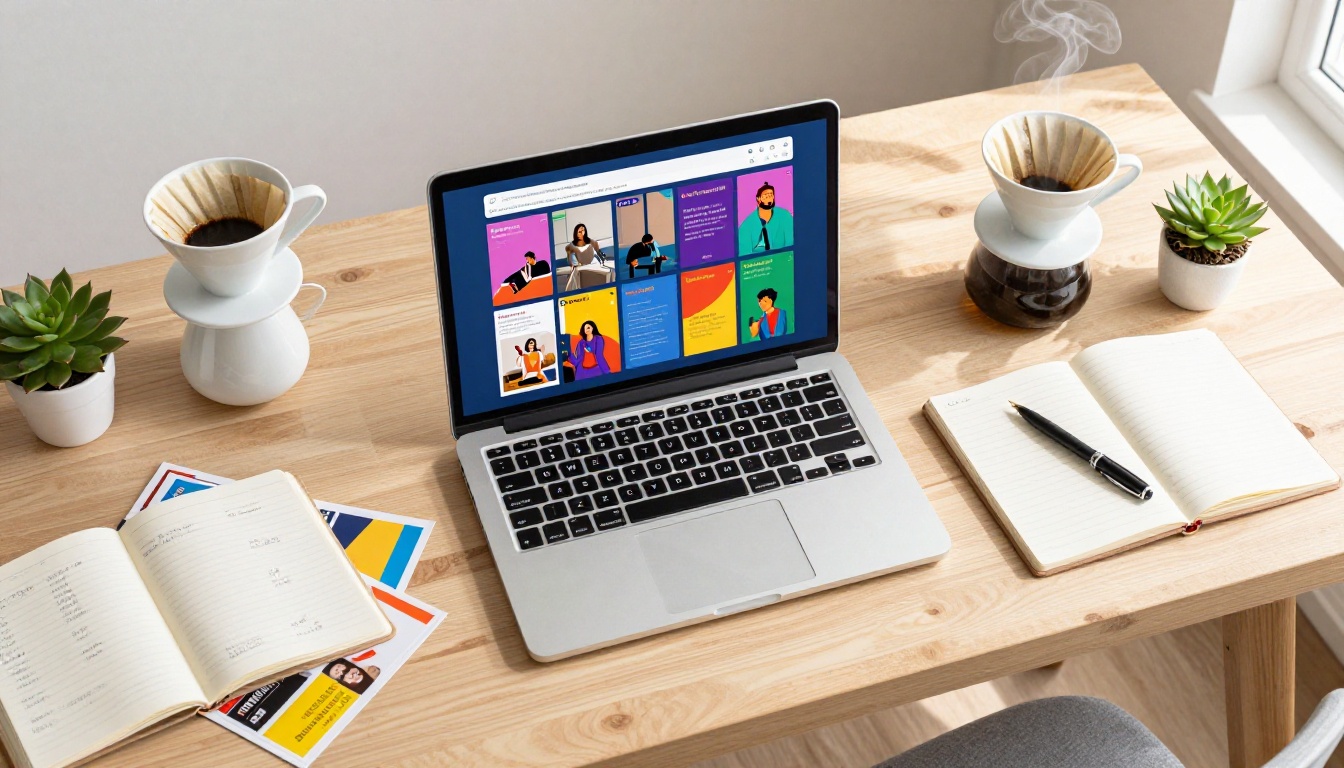
The core reason FlipbooksAI drives stronger reader retention comes down to context control. When your flipbook lives within your own branded viewer, without any third-party logos or navigation pulling readers to another platform, they stay in your world. Every design decision within FlipbooksAI's interface is made to serve the publication, not the platform.
Issuu, by contrast, is a platform with its own ecosystem. It's designed to keep readers within Issuu, not necessarily within your specific publication. The "related publications" sidebar and the Issuu branding remind readers that they're on Issuu's platform first, your content second.
⚠️ For businesses where brand authority is part of the product, the framing matters. A luxury hotel brochure presented inside a generic blue Issuu viewer undermines the premium experience the content is trying to create.
This isn't a fatal flaw for Issuu, particularly if discovery and reach are priorities. But for conversion-focused content, where the goal is to move readers through a defined journey, a clean, branded, distraction-free reader like FlipbooksAI's performs better.
The decision comes down to your primary objective.
Choose Issuu if:
- Organic discovery and community reach are part of your distribution strategy
- You already have established workflows built around Issuu
- You're publishing content that benefits from being found within Issuu's reader network
- SEO benefit from Issuu's domain authority matters for your publication
Choose FlipbooksAI if:
- Brand consistency and client-grade presentation are non-negotiable
- You need unlimited publications without per-publication costs
- Lead generation and detailed analytics are part of your content strategy
- You're embedding flipbooks directly on your own website or client sites
- You want a watermark-free result from the first paid tier
For most businesses producing marketing collateral, catalogs, menus, annual reports, and portfolios, Flipbooks AI delivers stronger reader interaction. The combination of interactive features, clean custom-branded viewers, unlimited output, and actionable analytics creates the conditions for readers to stay, read, and act.

Ready to see the difference? Get started for free on Flipbooks AI and publish your first flipbook today. Browse all available flipbook tools to find templates built for your specific use case, or check pricing plans to choose the tier that fits your volume and feature needs.



