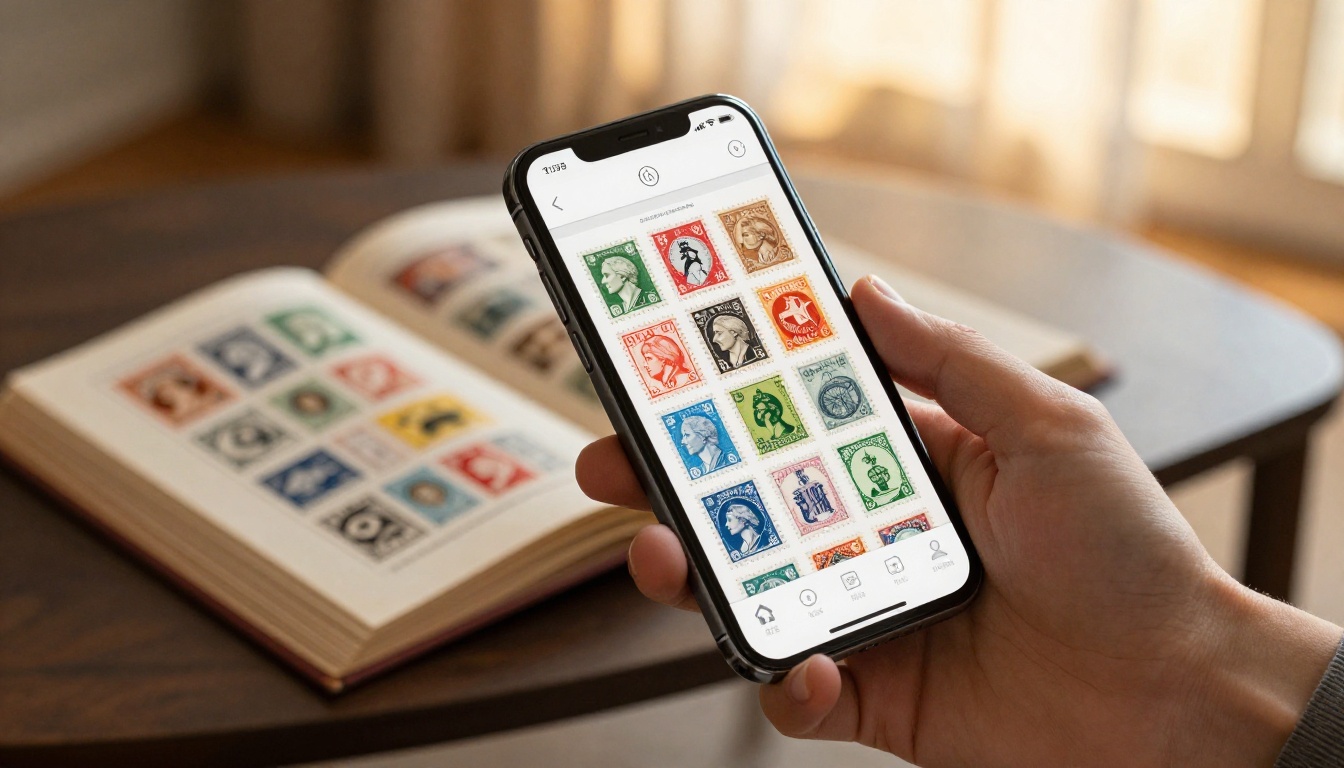
Stamp collecting is one of the world's oldest and most deeply personal hobbies, yet most collections sit hidden in albums on a shelf, seen by almost no one. If you have spent years building a philatelic collection, you deserve a way to show it off that matches the care you put into curating it. Creating a digital flipbook for your stamp collection changes everything: it gives your collection a polished, shareable, interactive format that works on any device and never degrades with age. Flipbooks AI makes the process fast, requiring no design skills, so your stamps get the presentation they deserve.
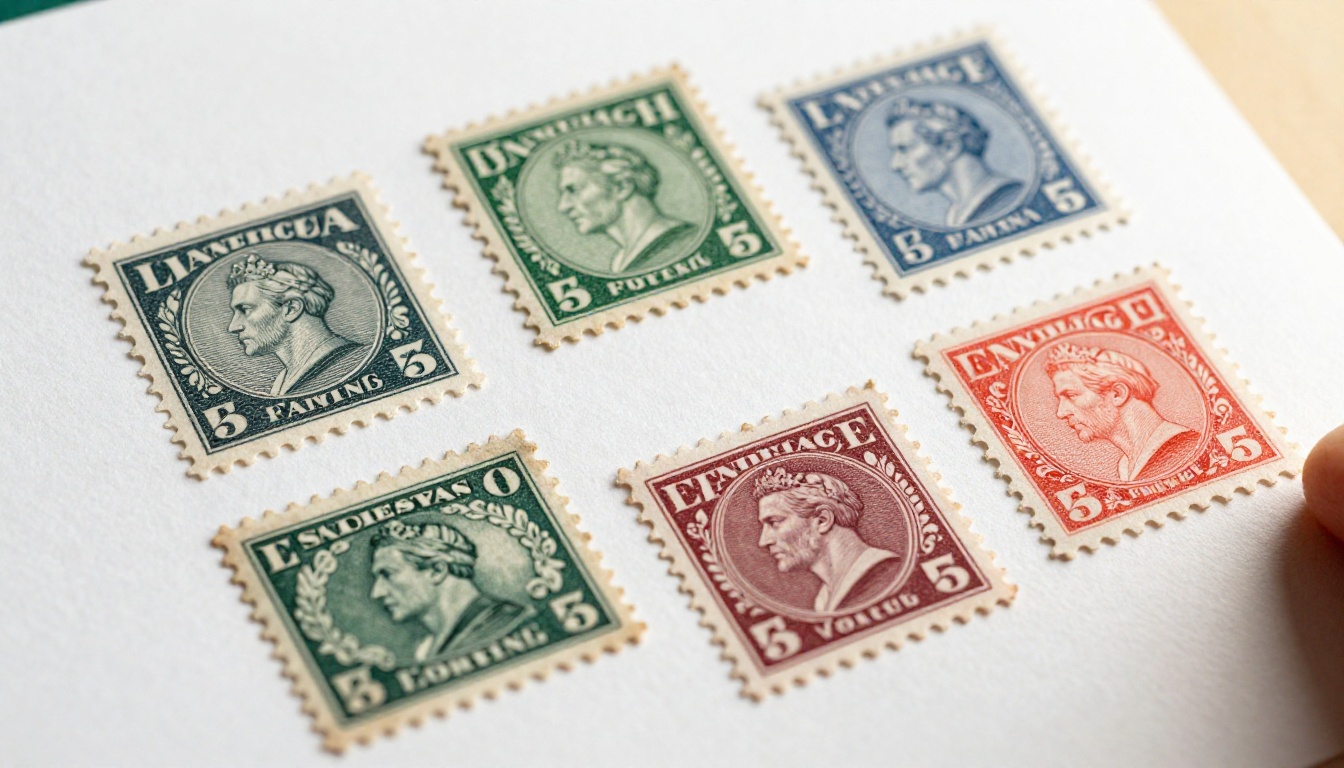
Why Your Physical Album Falls Short
Physical stamp albums are beautiful objects. But they come with real limitations that a digital flipbook solves completely.
The Hidden Risks of Paper Albums
Every time you open a traditional album, you expose your collection to light, humidity, and handling. Even archival-quality pages yellow and become brittle over decades. A single water incident, whether from a leaky roof or a spilled drink, can destroy years of careful collecting in seconds. Insurance claims require photographic documentation that most collectors never have readily available.
Beyond damage risk, the biggest problem with a physical album is accessibility. When a fellow philatelist in another country wants to see your Victorian-era British Commonwealth issues, there is no practical way to share them. You either ship an irreplaceable book across the world or describe it in text, which does no justice to the visual richness of the stamps themselves.
What a Flipbook Does Differently
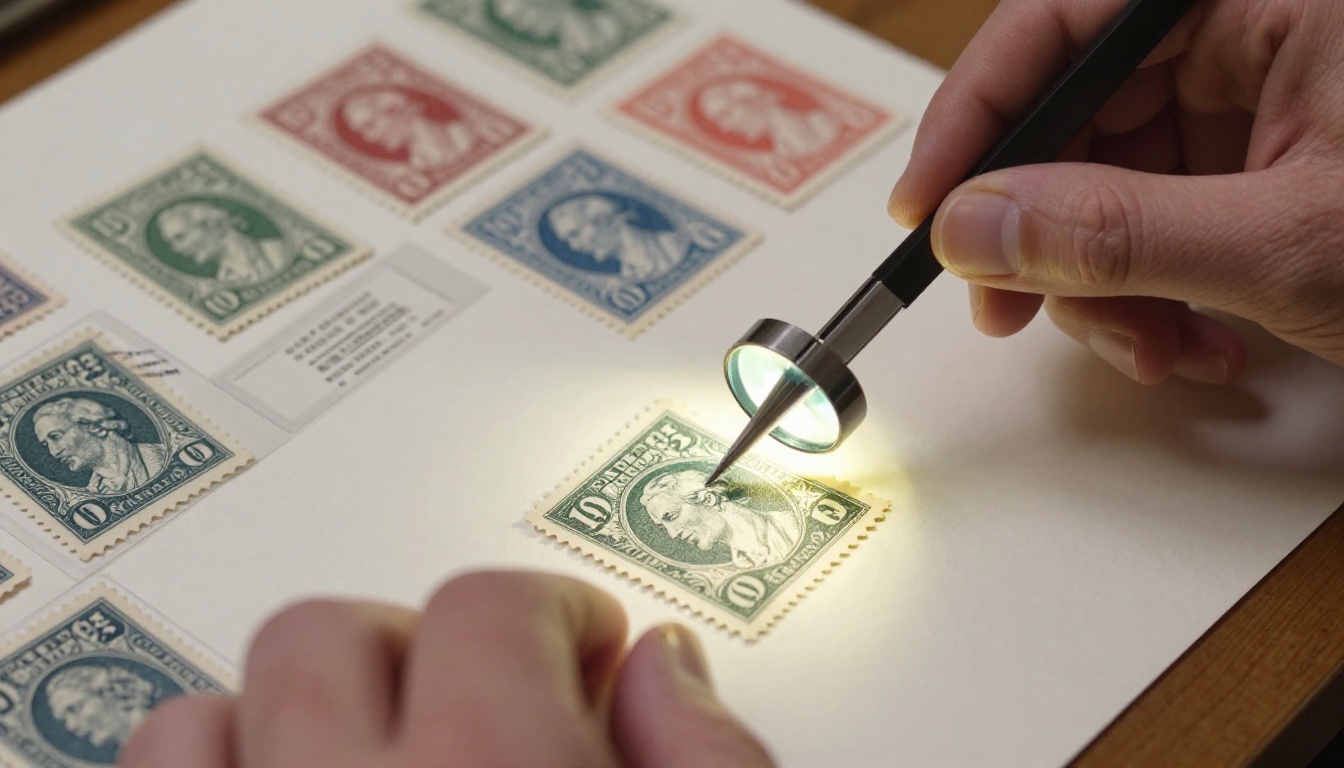
A digital flipbook replicates the page-turning experience of a real album while adding everything that paper cannot do. Pages load with a realistic curl animation. Readers can zoom in on individual stamps to examine perforations, color varieties, and printing details. You can embed notes, catalog numbers, and valuations right alongside each stamp without cluttering the visual layout.
Most importantly, you can share a single link with anyone, anywhere, and they get the full experience on their phone, tablet, or computer without installing anything.
💡 Pro tip: A digital flipbook does not replace your physical collection. It creates a permanent, shareable record of it that can be updated, duplicated, and distributed infinitely.
Choosing What Goes in Your Flipbook
Before you start scanning or photographing, spend time deciding on the scope and structure of your digital album.
Thematic vs. Country Organization
The two most popular ways to organize a stamp flipbook are thematic and geographic.
Thematic collections group stamps by subject regardless of origin: aviation stamps from 40 countries on one spread, wildlife stamps on another. This approach creates visually dramatic pages and tells a story across borders. It works especially well for collectors who specialize in a particular topic like space exploration, royalty, or ships.
Country-based organization keeps all stamps from a given nation together, ordered by issue date. This is the classic philatelic approach and works best for collectors who focus on one or a few countries in depth. It also makes catalog referencing easier when you include Scott or Stanley Gibbons numbers.
Many collectors combine both: a country-organized primary album and a separate thematic flipbook for display and sharing.
Deciding on Depth
You do not need to include every stamp you own in one flipbook. Consider creating multiple focused flipbooks rather than one overwhelming volume.
| Flipbook Type | Best For | Page Count |
|---|
| Full collection catalog | Personal archive, insurance | 50-200+ pages |
| "Best of" showcase | Sharing with non-collectors | 10-20 pages |
| Thematic set | Club presentations, social sharing | 15-30 pages |
| New acquisitions | Ongoing collection journal | 5-15 pages |
| Country focus | Deep dives on specific areas | 20-50 pages |
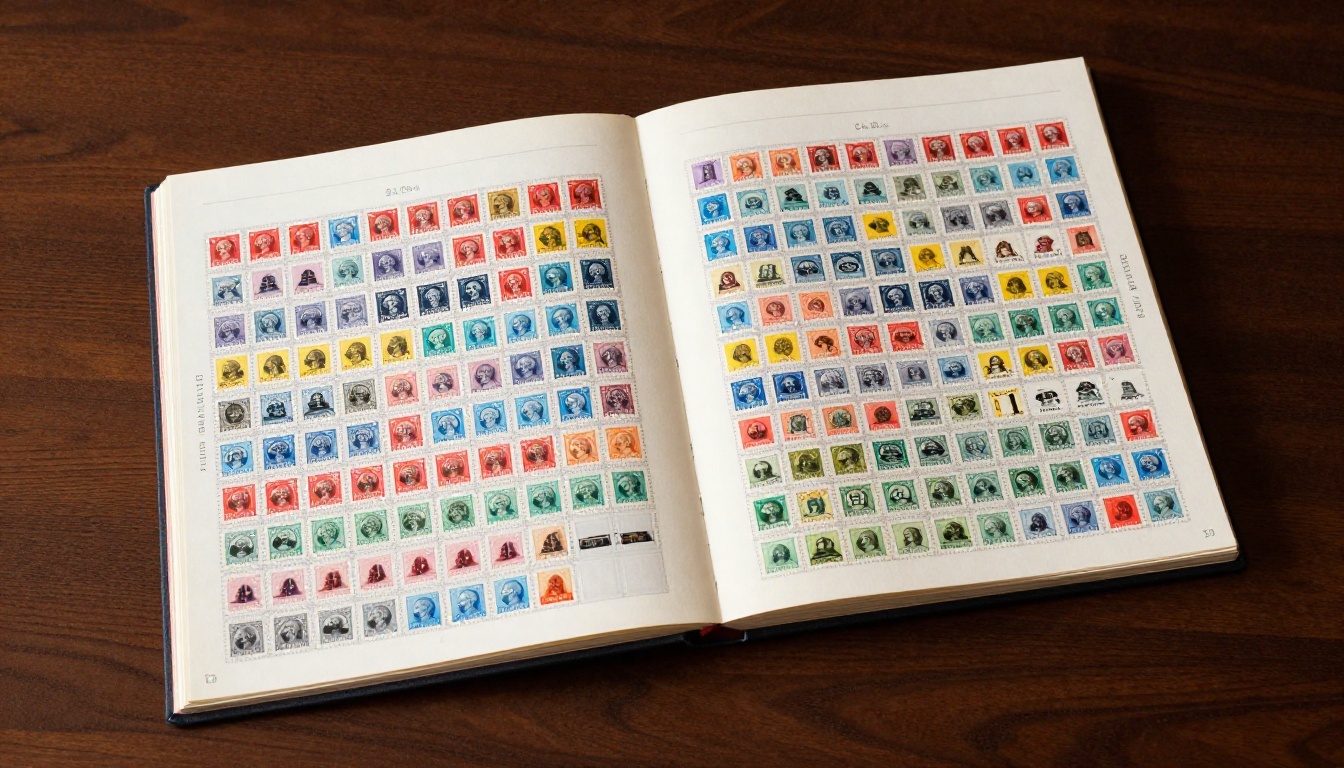
Digitizing Your Stamps the Right Way
The quality of your flipbook depends entirely on the quality of your scans or photographs. Rushing this step is the single biggest mistake first-time digital collectors make.
Scanning vs. Photography
Both methods work, but they produce different results and suit different situations.
Flatbed scanning gives you perfectly even lighting, zero distortion, and consistent color across every image. A scanner with 600 to 1200 DPI resolution captures enough detail to zoom into perforation varieties and subtle color shifts. This is the gold standard for catalog images and archive purposes.
Camera photography works better for stamps that are mounted in an album you do not want to dismantle, or for stamps on cover still attached to original envelopes. Use a camera with a macro lens, a copy stand, and diffused lighting. Avoid camera flash, which creates harsh reflections on the stamp's shiny surface.
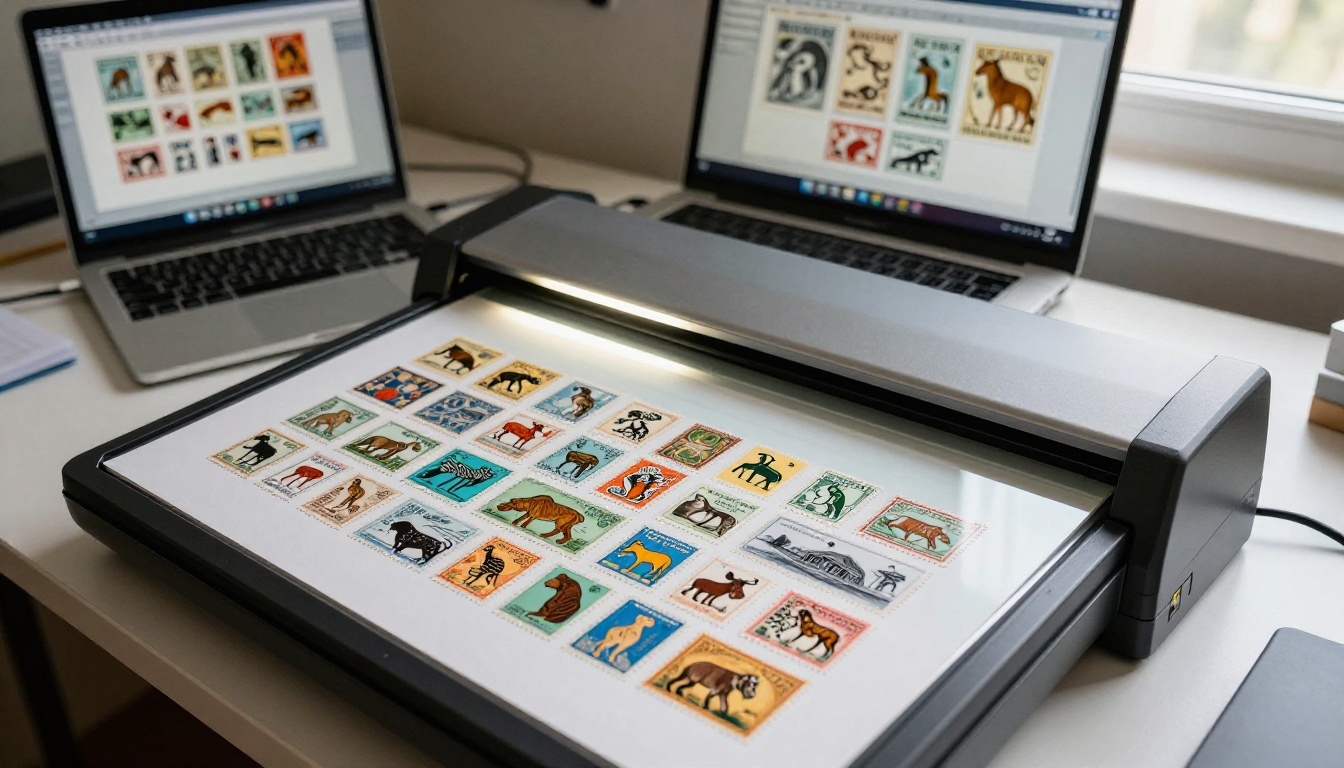
Resolution and File Settings
| Setting | Minimum | Recommended |
|---|
| Scan resolution | 300 DPI | 600 DPI |
| Color mode | RGB color | RGB color |
| File format | JPEG | TIFF or PNG |
| Color profile | sRGB | Adobe RGB |
| Background | White | Neutral grey or white |
Once you have your images, organize them into folders by page or section before building your PDF. Tools like Adobe Acrobat, Canva, or even Microsoft Word can assemble your stamp images into a clean multi-page PDF ready for conversion.
⚠️ Important: Always keep your original high-resolution scans as backup files. The PDF you upload to a flipbook platform is a display copy, not an archival master.
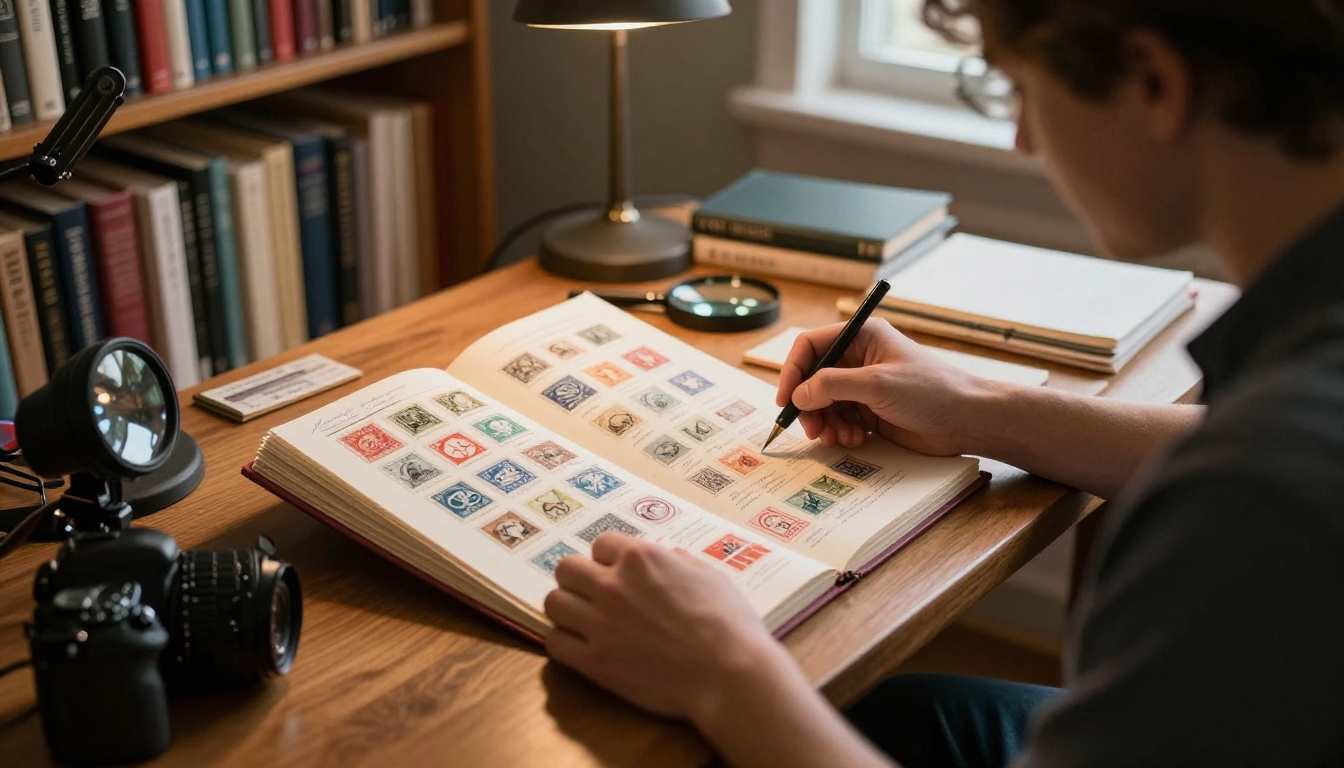
How to Create a Stamp Collection Flipbook with Flipbooks AI
Flipbooks AI is built for exactly this kind of project: turning a carefully prepared PDF into a polished, interactive digital publication that anyone can browse. Here is the full process from account creation to sharing.
Step 1: Create Your Account
Go to flipbooksai.com/account and create your free account. No credit card required to start. The free tier lets you try the conversion and preview what your stamp flipbook will look like before committing to a plan.
Step 2: Prepare and Upload Your PDF
Before uploading, make sure your PDF is organized exactly as you want the final flipbook to appear. Each page of the PDF becomes one page of the flipbook. A typical stamp collection PDF might look like this:
- Title page with your collection name and any personal branding
- Table of contents with section names
- Country or theme sections, one spread at a time
- Index or catalog reference page at the end
Once your PDF is ready, click Upload PDF in your dashboard. Flipbooks AI processes the file and converts it automatically. For a 50-page PDF, this typically takes under two minutes.
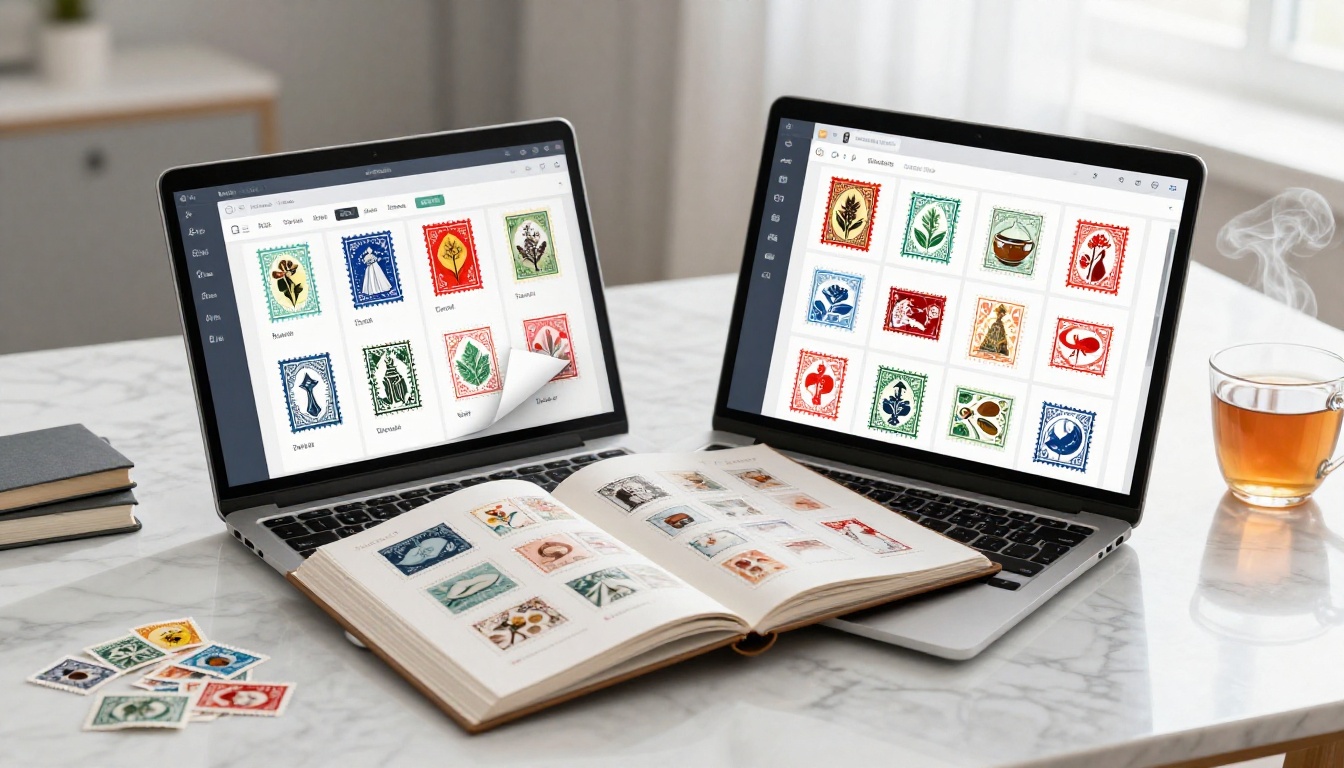
Step 3: Customize the Appearance
After conversion, the editor gives you full control over how the flipbook looks and behaves.
- Header image: Set a custom header image, which can be your finest stamp or a flat-lay arrangement of your best pieces
- Background: Choose a page background color or texture. A warm cream or aged paper tone suits stamp collections perfectly
- Branding: Add your collector name or club logo without any watermark from the platform (no watermarks, ever, on any plan)
- Page effects: The realistic page-curl animation is on by default and gives the flipbook a satisfying analog feel
Step 4: Add Interactive Elements
This is where digital clearly beats physical. Within your flipbook, you can embed:
- Text annotations alongside individual stamps with catalog numbers, year of issue, condition grades, and estimated value
- Links to external auction records or philatelic databases for research reference
- Audio narration for a richer presentation when showing your collection at club meetings
For serious collectors, adding Scott catalog numbers and a brief description of each stamp's history transforms the flipbook from a gallery into a genuine reference document.
Step 5: Share or Embed Your Flipbook
Flipbooks AI gives you multiple ways to share your stamp flipbook.
- Public link: Share directly via URL with anyone. Great for philatelic forums, social media, or club newsletters
- Password protection: Lock the flipbook with a password for private sharing with trusted collectors or family members
- Embed code: Paste the embed code directly into your personal website, WordPress blog, or philatelic society page using the Embed Flipbook on Website tool
- Offline download: With a Professional plan, download the flipbook as a self-contained offline file, ideal for exhibitions or presentations where internet access is unreliable
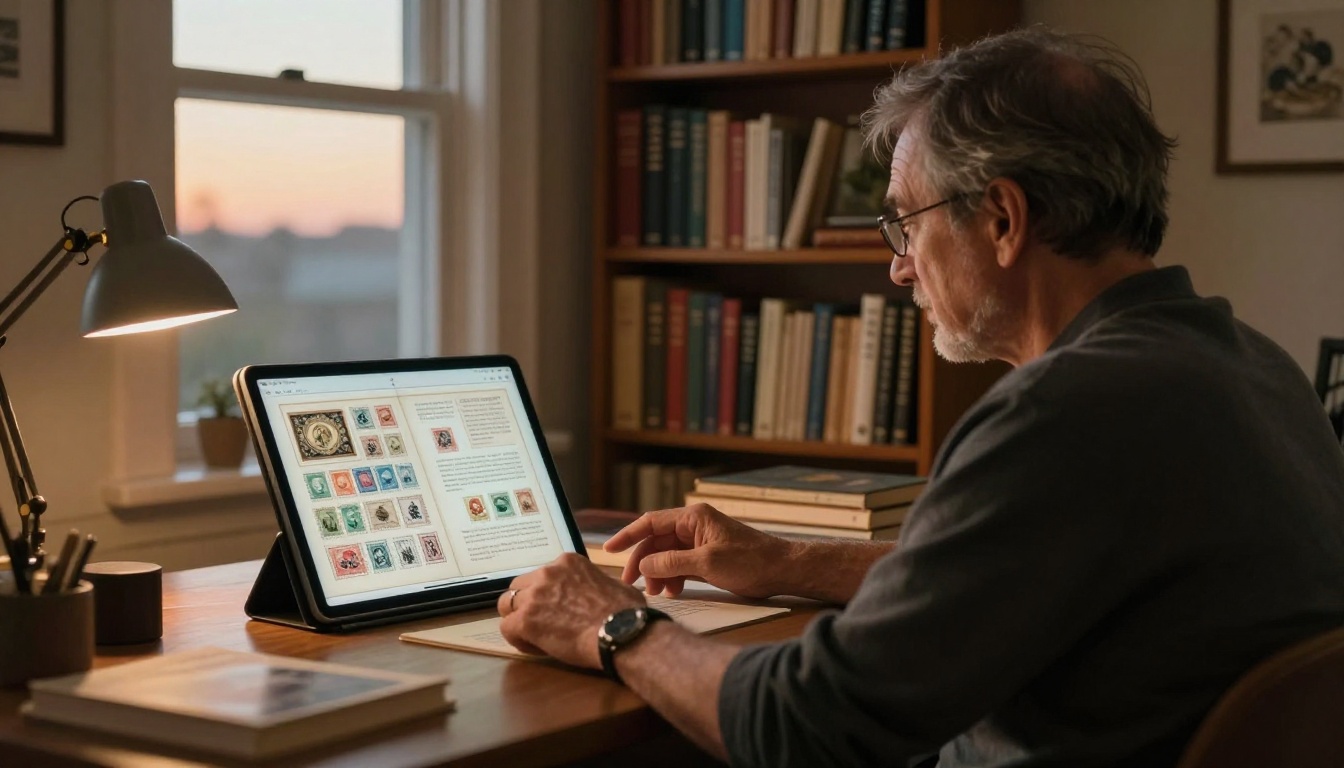
Design Tips for a Professional Look
A well-organized stamp flipbook reads like a curated exhibition catalog. These choices separate memorable collections from forgettable ones.
Typography That Respects the Stamps
Your stamps are the visual centerpiece. Typography should be clean, small, and unobtrusive. Use a serif font like Georgia or Garamond for catalog entries to echo the traditional feel of philatelic publishing. Keep annotation text in neutral dark grey rather than black, which feels slightly softer and more elegant against cream or white backgrounds.
Avoid script fonts or decorative typefaces. They compete with the detail of the stamps and make the text harder to read when zoomed out.
Page Layouts That Tell a Story
Group stamps on each page with intention. A page showing the progression of a definitive series from 1900 to 1960 reads as a narrative. A page with random stamps from different eras and countries reads as clutter.
Three layouts work consistently well for stamp flipbooks:
- Grid layout: Equal-sized cells, stamps centered, annotation below. Clean and professional. Best for catalog-style albums.
- Feature layout: One large stamp prominent at the top, smaller supporting stamps below. Great for showcasing a key rarity with related issues.
- Timeline layout: Stamps arranged left to right in chronological order with a subtle date axis. Visually interesting and tells the history of an issue.
✅ Best practice: Leave breathing room around each stamp. Crowded pages make stamps feel less valuable. White space is not wasted space.
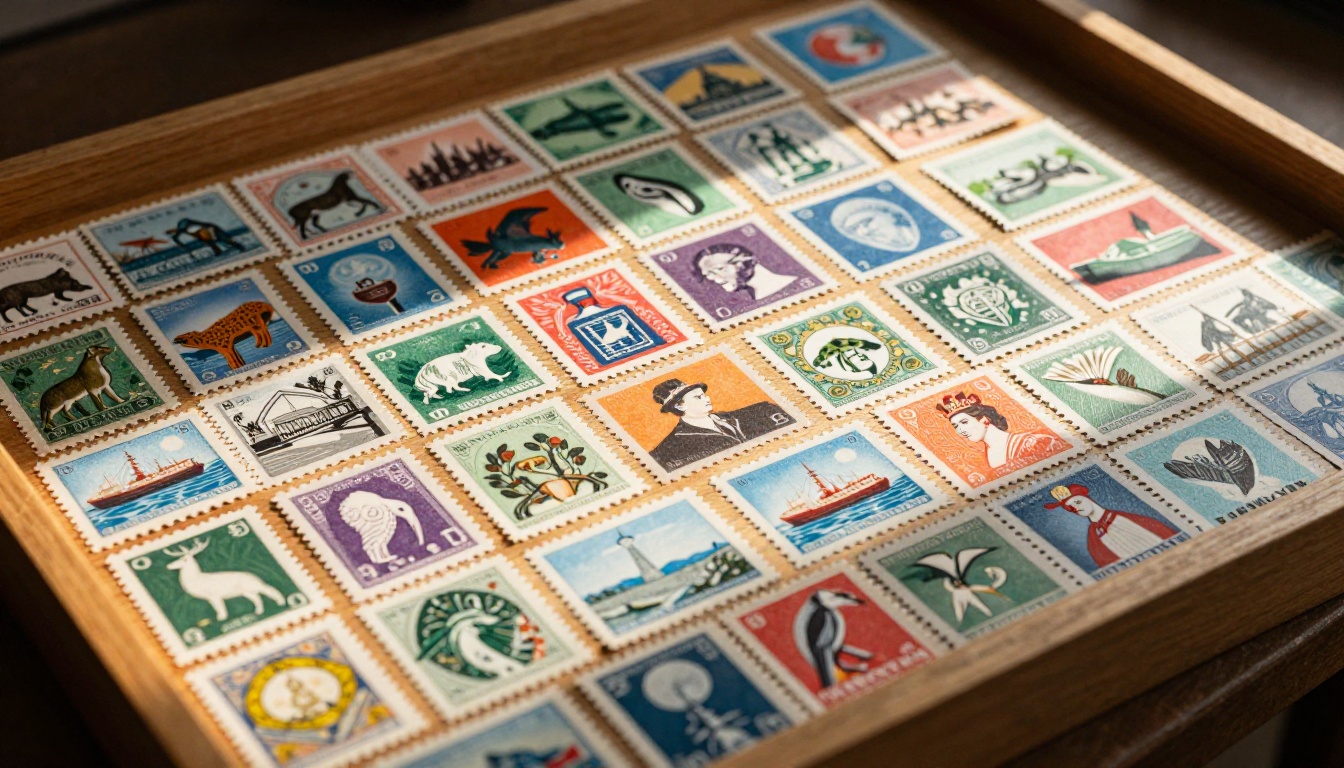
Color Coordination by Section
Use subtle color coding to help readers navigate your flipbook. A soft blue header bar for European stamps, a warm terracotta for African issues, soft green for Commonwealth stamps from Asia. These visual anchors orient the reader instantly and give the flipbook a sense of deliberate design without overwhelming the stamps themselves.
Protecting and Sharing Your Digital Album
Private vs. Public Albums
Not every collector wants a fully public flipbook, and that is a completely valid choice.
| Sharing Level | Best Use Case | Privacy Setting |
|---|
| Fully public | Club newsletters, forums, social media | No password |
| Semi-private | Family sharing, trusted collector groups | Password protected |
| Fully private | Insurance records, personal archive | Password protected, no embed |
| Exhibition mode | Club presentations, stamp fairs | Offline download |
💡 Pro tip: Create two versions of your flipbook. A public highlights version with your finest pieces for sharing, and a comprehensive private version with full catalog data for archival purposes.
Embedding in Philatelic Communities
Many philatelic societies and collector forums allow members to embed external content. With Flipbooks AI, the embed code is a single line of HTML that drops directly into any website or content management system. Readers interact with your full flipbook without ever leaving the page they are on.
This is particularly useful for society members who maintain personal collector pages on club websites, or for anyone who writes about their collection on a blog or philatelic forum.
Flipbooks AI Plans for Stamp Collectors
Choosing the right plan depends on how many flipbooks you plan to create and what features matter most to you.
| Feature | Free | Standard | Professional |
|---|
| Flipbooks | 1 | Unlimited | Unlimited |
| Watermark | None | None | None |
| Password protection | No | Yes | Yes |
| Custom branding | No | Yes | Yes |
| Offline download | No | No | Yes |
| Analytics | No | No | Yes |
| Lead generation | No | No | Yes |
| Embed on website | Yes | Yes | Yes |
| Mobile responsive | Yes | Yes | Yes |
Most stamp collectors find the Standard plan covers everything they need: unlimited flipbooks, password protection for private albums, and custom branding. Serious collectors or those who run philatelic clubs benefit from the Professional plan thanks to analytics showing who is viewing which pages, and offline download for exhibition use.
See all pricing options to find the plan that fits your collecting style.
Other Ways Collectors Use Digital Flipbooks
Stamp collectors are creative people. Once they have the platform, they find uses well beyond the obvious digital album.
| Use Case | Description |
|---|
| Want list flipbooks | A wishlist album to share with dealers at stamp fairs |
| Sale catalog | A professional catalog of stamps available for trade or purchase |
| Exhibition record | A documented record of stamps shown at philatelic society events |
| Collection progress journal | An annual review of additions and changes to the collection |
| Family gift album | A curated flipbook gifted to a family member showing their philatelic inheritance |
| Junior collector resource | A teaching album for new hobbyists in a youth philatelic club |
The Digital Portfolio Creator and the PDF to Flipbook Converter are the two most relevant tools for stamp collectors, though the Yearbook Flipbook Maker works beautifully for annual collection reviews.
Your Collection, Finally Seen
Stamp collecting is a deeply personal pursuit, and your collection tells a story that spans decades, countries, and history. A digital flipbook gives that story the audience it deserves, whether that is your grandchildren browsing it on a tablet, fellow philatelists on the other side of the world, or future collectors encountering your catalog years from now.
The process is straightforward: organize your collection, scan or photograph at high resolution, build your PDF, and let Flipbooks AI handle the conversion and presentation. Within an afternoon, a collection that has spent years in a drawer becomes a polished, interactive publication that anyone can experience.
Ready to create your first stamp collection flipbook? Get started for free on Flipbooks AI and see your collection in a completely new way.
Browse all flipbook tools to find additional templates, or compare pricing plans to choose the right plan for your collection size and sharing needs.



