If you've ever emailed a client a tarot reading and watched it disappear into a PDF attachment they'll never open again, you already know the problem. The cards hold meaning. The spread tells a story. But a flat document doesn't do that story justice, and it doesn't make you look like the professional you are. That's where Flipbooks AI changes everything for tarot practitioners.
Making a flipbook for your tarot card readings isn't just a formatting choice. It's a branding decision. It's how you go from "the reader who sends spreadsheets" to "the reader whose reports feel like an experience." This shows you exactly how to do it, step by step, with no design background required.
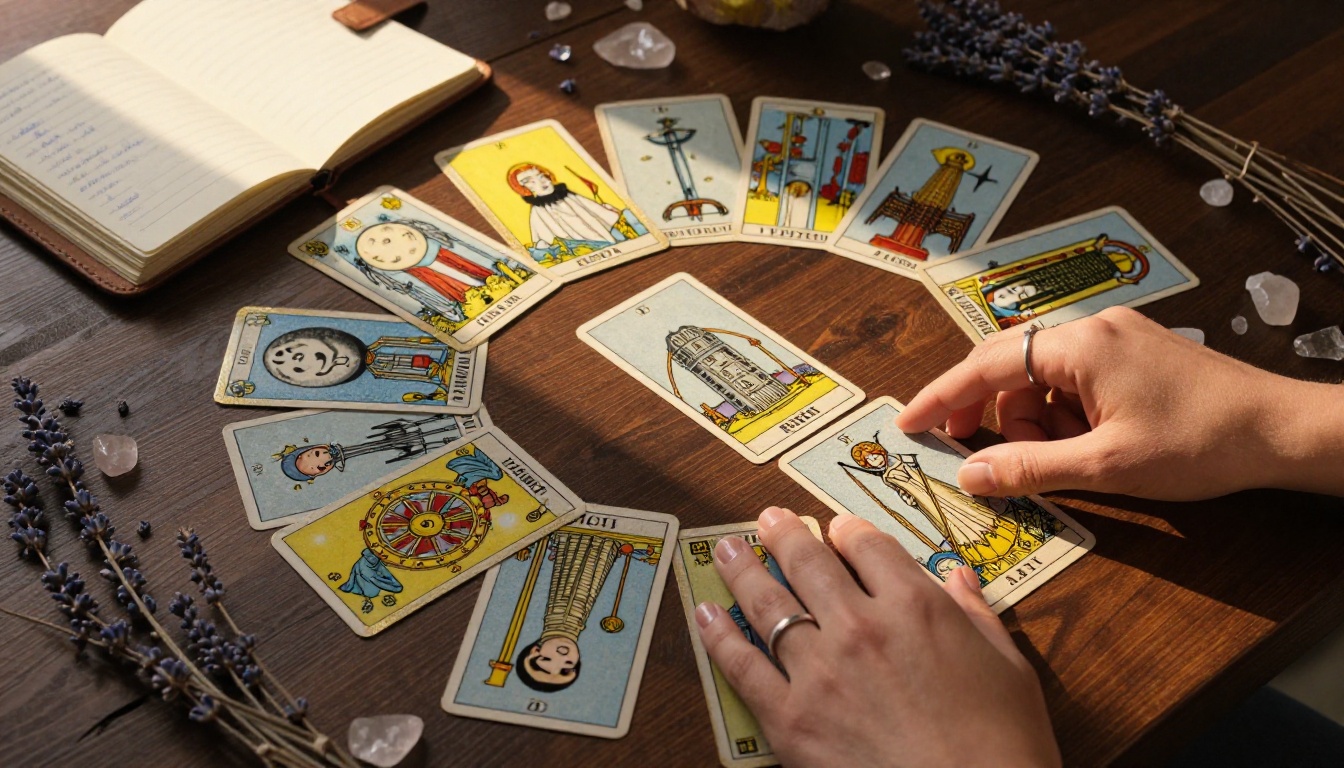
Why Your Tarot Readings Deserve Better Than Email Attachments
The Problem With Flat Documents
Most tarot readers deliver their readings one of three ways: a plain email, a static PDF, or a screenshot of the spread. All three share the same weakness. They're passive. The client scrolls down, skims, maybe saves it, maybe doesn't. There's no sense of turning a page, no visual weight to each card, no moment of anticipation as the next section appears.
That experience gap directly affects how clients perceive the value of what you do. A reading that took you two hours to prepare and write deserves a presentation format that reflects that investment. When delivery feels effortless and beautiful, clients feel the full weight of what they paid for. When delivery feels like a random file attachment, some of that value disappears before they even read the first word.
What Clients Actually Want
When someone books a tarot reading, especially online, they're not just buying information. They're buying an experience. They want something they'll return to, reference weeks later, and share with trusted people in their lives.
An interactive digital flipbook gives them exactly that. Pages that turn with a satisfying animation. Sections that flow in a clear visual sequence. A document that feels intentional, ceremonial even, rather than just functional. Clients who receive readings in flipbook format often describe the experience as "professional," "special," and "worth sharing." That reaction doesn't happen with a PDF.
💡 Clients who receive beautifully formatted readings are significantly more likely to rebook and refer others. Presentation is part of the service, not separate from it.
What Makes a Great Tarot Reading Flipbook
Visual Design That Honors the Work
A tarot reading flipbook works best when it mirrors the aesthetic of your practice. That might mean deep purples and gold typography for a mystical brand, clean white and sage green for a wellness-focused practice, or warm amber tones for an earth-centered approach. The design should feel like an extension of your identity, not a generic template someone else used last week.
Flipbooks AI lets you apply custom branding to every flipbook you create: colors, fonts, logo placement, and page themes. You don't start from scratch each time. Once your brand is configured, every new reading document you upload instantly inherits your visual identity. That consistency, repeated across every client interaction, is how a personal brand gets built.
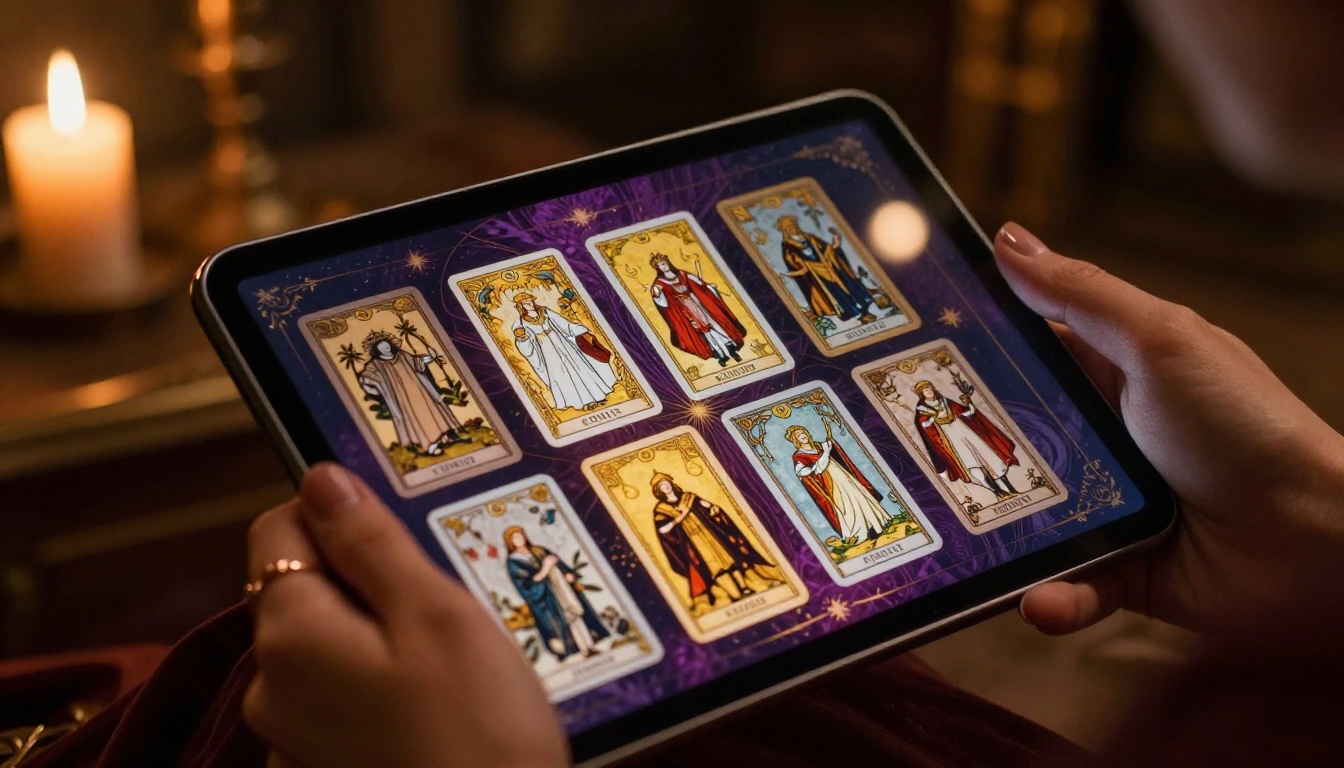
Formats That Work for Every Reading Type
Not all readings are the same length or structure. A single card pull for a quick daily reflection is a very different document than a full year-ahead reading. Here's how different reading formats map to flipbook page counts and sections:
| Reading Type | Recommended Sections | Ideal Page Count |
|---|
| Single Card Pull | Card image, meaning, reflection prompt | 3-5 pages |
| Celtic Cross Spread | Position overview, card-by-card, synthesis | 10-15 pages |
| Monthly Forecast | Month overview, weekly cards, themes | 12-18 pages |
| Year Ahead Reading | 12 monthly cards, themes, action steps | 20-30 pages |
| Past/Present/Future | 3 card deep dives, timeline narrative | 6-10 pages |
| Custom Spread | Varies by number of positions | Variable |
Each of these translates naturally to a multi-page PDF, which then becomes an interactive flipbook in minutes.
How to Make a Flipbook for Your Tarot Card Readings in 5 Steps
This is where the actual process lives. You don't need Photoshop or design experience. What you need is your reading content, a way to export a PDF, and an account on Flipbooks AI.
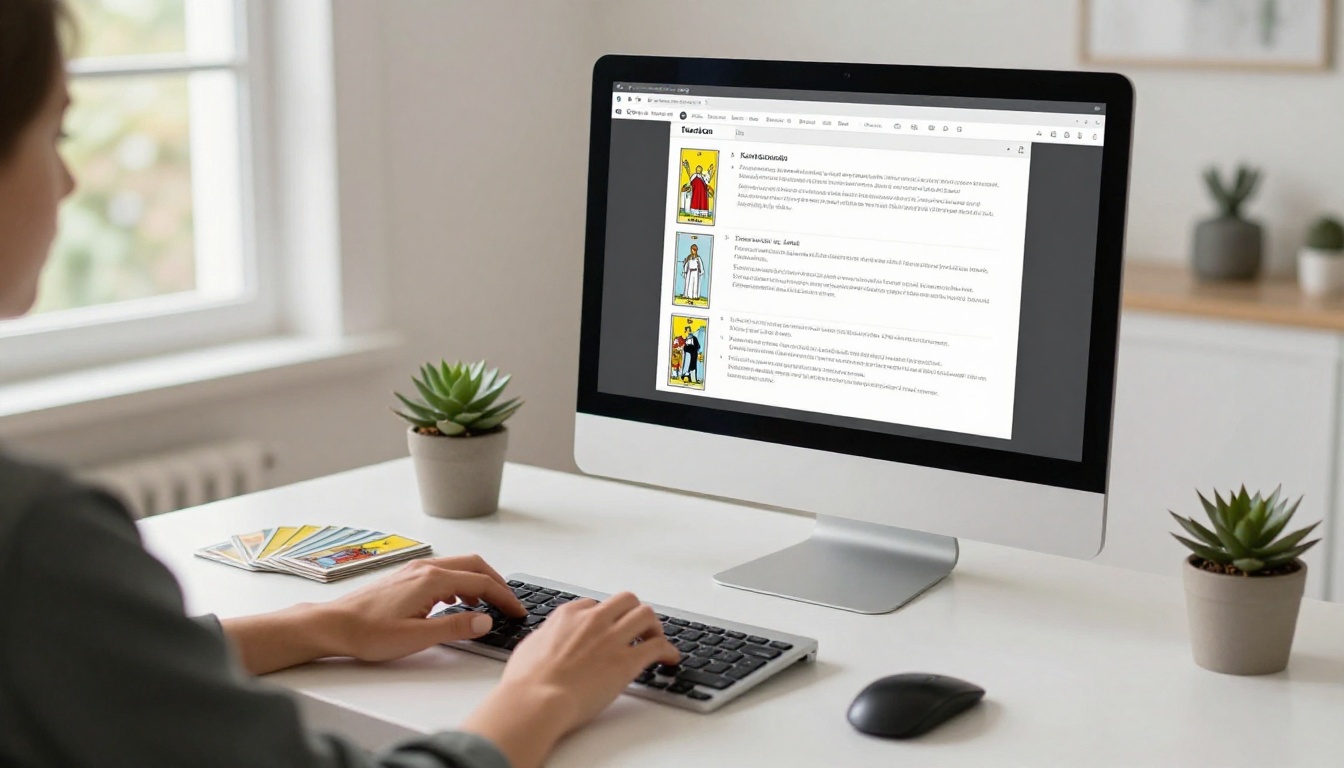
Step 1 - Design Your Tarot Reading Document
Start in whatever tool you're comfortable with: Canva, Google Slides, Adobe InDesign, or even Microsoft Word. Structure your reading as a visual document with a consistent layout across every page:
- Opening page: Client name, reading date, spread type, and a brief welcome note
- Pages 2-3: Spread overview with a visual showing all card positions and their labels
- Pages 4 onward: Individual card pages with the card image, its position in the spread, and your full interpretation
- Final page: Themes across the reading, a personal closing note, and any follow-up recommendations
Save the finished document as a PDF. That's your raw material for the flipbook conversion.
✅ Use consistent card image sizes across every page. Inconsistent layouts make the flipbook feel rushed, even when the writing is excellent. Create a repeating page template in your design tool and drop each card's content into it.
Step 2 - Upload to Flipbooks AI
Head to flipbooksai.com and sign in to your account. From the dashboard:
- Click New Flipbook
- Select Upload PDF
- Drag and drop your tarot reading PDF into the upload area
- Wait for the automatic conversion, which typically finishes in under 60 seconds
- Preview the result in the built-in editor before publishing
The PDF to Flipbook Converter handles everything automatically. Your static document becomes a page-turning digital publication with no additional effort required.
Step 3 - Customize for Your Brand
This is where your reading stops looking generic and starts looking like you. Inside the Flipbooks AI editor, you can:
- Set your brand colors to match your website or social media aesthetic
- Upload your logo for placement in the header or footer of every page
- Choose a page flip animation style: classic turn, fade, or instant
- Set the background color or texture that surrounds the reading on screen
- Add a custom thumbnail image that clients see as the preview before opening
💡 Use a consistent opening template for all your readings. Clients who book repeatedly will instantly recognize your reading reports, which signals reliability and builds trust over time.
Step 4 - Set Privacy and Sharing Options
Tarot readings are deeply personal. Most clients don't want their spread discoverable publicly, and you have a responsibility to protect that privacy. Flipbooks AI includes password protection on every paid plan, giving you full control:
- Set a unique password per reading so only the intended client can access it
- Share the link and password in separate messages for an extra layer of privacy
- Enable or disable public discovery from the search index
- Set link expiration dates for time-limited access (Professional plan)
This is a major advantage over email attachments or shared cloud folders. You control who sees what, and you can revoke access entirely at any time. No more worrying about a reading being forwarded to the wrong person.
Step 5 - Send to Your Client
Copy the shareable link from your dashboard and deliver it however you normally communicate with clients: email, WhatsApp, a client portal, your booking platform, or a private message. The flipbook opens instantly in any browser with no app download required. It's fully mobile-responsive, so the reading looks just as polished on a phone as it does on a desktop.
✅ Include a short note with the link explaining the format. Something like "Click the arrows or swipe to turn pages" removes any friction for clients who haven't encountered this format before. First impressions count.

Types of Tarot Flipbooks You Can Build
Personal Reading Reports
The most direct use case: a custom flipbook created for each individual client session. Each report contains the client's name, their specific spread, and your personal interpretation of every card in context. Password protected. Beautifully formatted. Accessible via link indefinitely.
This is what separates a transactional reading from a memorable experience. When a client opens a document that begins with their name and looks like it was designed specifically for them, the reading already feels more meaningful before they've processed a single word.
Monthly and Annual Forecasts
Monthly forecast flipbooks work especially well as a subscription product. You create one document per month covering collective or personalized energy, major themes, and week-by-week card pulls. Clients subscribe and receive a new link each month. Because the flipbook is branded and visually consistent, it functions as a recognizable monthly "publication" with your name on it.
Annual readings, which often run 20 to 40 pages, are where the flipbook format truly shines. Turning through twelve months of card interpretations feels ceremonial in a way that scrolling a PDF simply never does. The physical act of page turning matches the weight of the content.

Card Meaning Reference Books
If you teach tarot or run workshops, this is one of the highest-value digital products you can create. A flipbook covering all 78 cards with your personal interpretations, suggested spread positions, journaling prompts, and imagery commentary becomes a sellable resource.
Use it as a paid digital download. Offer it to workshop participants. Make it a premium bonus for annual reading clients. The Interactive E-Book Publisher tool is built precisely for this kind of long-form educational content, with formatting designed to make reference material easy to navigate.
Tarot Journal Templates
A flipbook doesn't have to be a reading report at all. It can be a structured daily card pull tracker, a blank spread template clients print and fill in themselves, or a curated library of your favorite spreads with instructions for each one. These products are created once and sold or gifted repeatedly, making them one of the more efficient additions to a tarot reader's digital income.
💡 Offer a free sample flipbook as your email opt-in. A beautifully formatted 3-card reading template or single card meaning preview demonstrates your quality before a client commits to a paid reading.
Comparing Flipbooks AI Plans for Tarot Readers
Before choosing a plan, consider how many readings you deliver per month and whether you need analytics or lead generation for your practice. Here's how the plans map to different tarot reader needs:
| Feature | Free | Standard | Professional |
|---|
| Flipbooks per month | Limited | Unlimited | Unlimited |
| Password protection | No | Yes | Yes |
| Custom branding | No | Yes | Yes |
| Watermark-free | No | Yes | Yes |
| Analytics | No | No | Yes |
| Lead generation | No | No | Yes |
| Offline downloads | No | No | Yes |
| Embed on website | No | Yes | Yes |
For most independent tarot readers seeing clients regularly, the Standard plan offers the right balance of features at a manageable price. For practitioners who teach, sell digital products, or run subscription services, Professional features like analytics and lead generation deliver a measurable business return.
⚠️ Analytics on the Professional plan shows you when a client opens their reading, how many times they returned to it, and which pages they spent the most time on. That data is genuinely useful for follow-up conversations and understanding what resonates most.
Features That Set Your Reading Business Apart
Embedding Flipbooks on Your Website
Instead of sending links via email every time, you can embed a flipbook directly on a page of your website. The Embed Flipbook on Website tool generates a code snippet that places your publication inside any web page, visible without clicking away to another tab.
This works well for:
- A free sample reading that showcases your interpretation style for prospective clients
- A card of the month section updated monthly on your homepage
- A reading formats portfolio showing prospective clients what a finished report actually looks like
Multimedia Inside Your Flipbook
Flipbooks AI lets you embed audio and video directly inside your publication. For tarot readers, this creates some genuinely differentiated options:
- Audio narration: Record yourself interpreting each card and embed the audio on the corresponding page, so clients can read along while hearing your voice
- Video introduction: A short welcome message on page one before the reading begins, making the experience feel personal even for distance clients
- Guided meditation: An audio file on the closing page for clients to use as they integrate the reading's themes
None of these are features a PDF or email thread can replicate. They position your practice in a different category entirely.
Digital Portfolio for Your Practice
A Digital Portfolio Creator flipbook showcasing your reading style, sample spreads, client testimonials, and your approach to interpretation works as a powerful first impression for potential new clients. Send it instead of a long "about me" email. Link it from your booking page. It does the explaining for you.
Who Benefits Most From Tarot Reading Flipbooks
| Tarot Reader Type | Primary Use Case | Recommended Tool |
|---|
| Independent reader | Personal reading reports per client | PDF to Flipbook Converter |
| Tarot teacher or educator | Student course materials and workbooks | Course Material Publisher |
| Content creator or influencer | Monthly collective readings | E-Magazine Publishing Tool |
| Subscription service | Monthly digital inserts for subscribers | Newsletter Flipbook Publisher |
| Online course creator | Student workbooks and reference decks | Interactive E-Book Publisher |
| Festival or event reader | Event programs and card references | Event Program Maker |
Each of these use cases is supported by specific tools in the Flipbooks AI tools directory. You're not starting from a blank canvas every time.
✅ Even if you're just beginning to offer readings professionally, create your first tarot flipbook for your own practice before going live with clients. Photograph your spread, write your interpretation, format a simple PDF, and publish it. Getting comfortable with the full workflow before your first paying client removes pressure at exactly the wrong moment.
Tarot Practitioners Are Building Real Businesses With This
The shift from "I do readings" to "I run a tarot practice" often hinges on small professionalism signals that accumulate over time. How you dress for a reading. How quickly you respond to inquiries. How you handle rebooking. And yes, how you deliver the finished reading to the person who trusted you with their questions.
When a client receives a beautifully designed, password-protected, interactive flipbook with their name on the opening page and your branding carried consistently throughout, they don't just feel like they received a good reading. They feel like they invested in something real, something worth keeping and returning to. That feeling is what converts a one-time booking into a long-term client relationship.
It's also the difference between word-of-mouth that says "she's good" and word-of-mouth that says "you have to see how she sends her readings." The second kind brings you new clients you didn't have to advertise for.
Making a flipbook for your tarot card readings is not a luxury step for when your practice reaches some undefined larger size. It's one of the things that actually gets your practice there.
Ready to see what your readings look like in flipbook format? Create your account on Flipbooks AI and convert your first reading in under five minutes. When you're ready for more features, compare pricing plans to find the right fit for where your practice is right now. Browse the full tools directory to see every publication type available for tarot readers, educators, and digital content creators.



