Every Ramadan and Eid celebration deserves a menu that matches the occasion's warmth and generosity. Whether you are hosting an intimate iftar dinner for family or planning a grand Eid Al-Fitr feast for 50 guests, the way you present your food matters just as much as what you cook. A beautifully designed, interactive flipbook menu transforms the humble act of listing dishes into a moment of genuine hospitality. And with Flipbooks AI, creating that menu takes minutes, not days.
Printed menus for private celebrations have always felt like a thoughtful touch. But they tear, they get greasy, and they cost money to reprint when the iftar menu changes night to night. Digital flipbooks solve all of that.
A Ramadan and Eid menu flipbook is a shareable PDF converted into an interactive page-turning experience. Your guests can open it on their phones before arriving, flip through appetizers and mains on the dinner table via a tablet, or receive it in the family WhatsApp group as a link that feels intentional rather than an afterthought.
💡 Send your flipbook link in the invitation message. Guests will know what to expect, dietary needs can be flagged in advance, and you eliminate last-minute questions about the menu.
What Makes Digital Menus Work for Islamic Celebrations
Ramadan and Eid gatherings often span extended families, multiple generations, and guests with different dietary requirements. A digital menu allows you to:
- Include Arabic and English side-by-side for multilingual families
- Note halal certifications clearly for each dish
- Mark vegetarian, gluten-free, or nut-free options with visual icons
- Update the suhoor menu daily without printing new copies
- Add embedded photos of each dish so guests know exactly what is coming
The Restaurant Menu Creator on Flipbooks AI is built precisely for this kind of visual, multi-page menu design. You do not need design software or a professional printer.
Iftar Spread Ideas Worth Designing
The iftar meal, breaking the fast at sunset, is the emotional center of Ramadan. The menu structure typically follows a clear rhythm.
Opening Bites and Dates
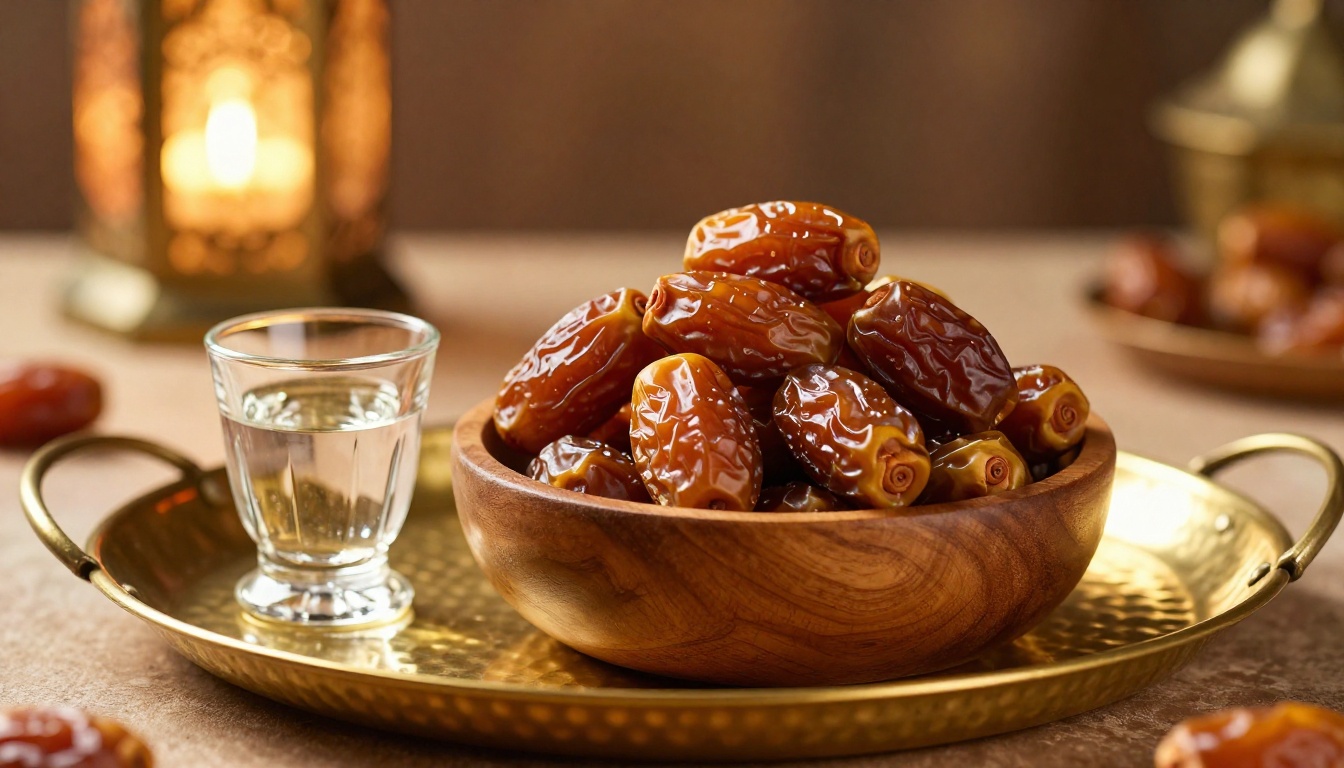
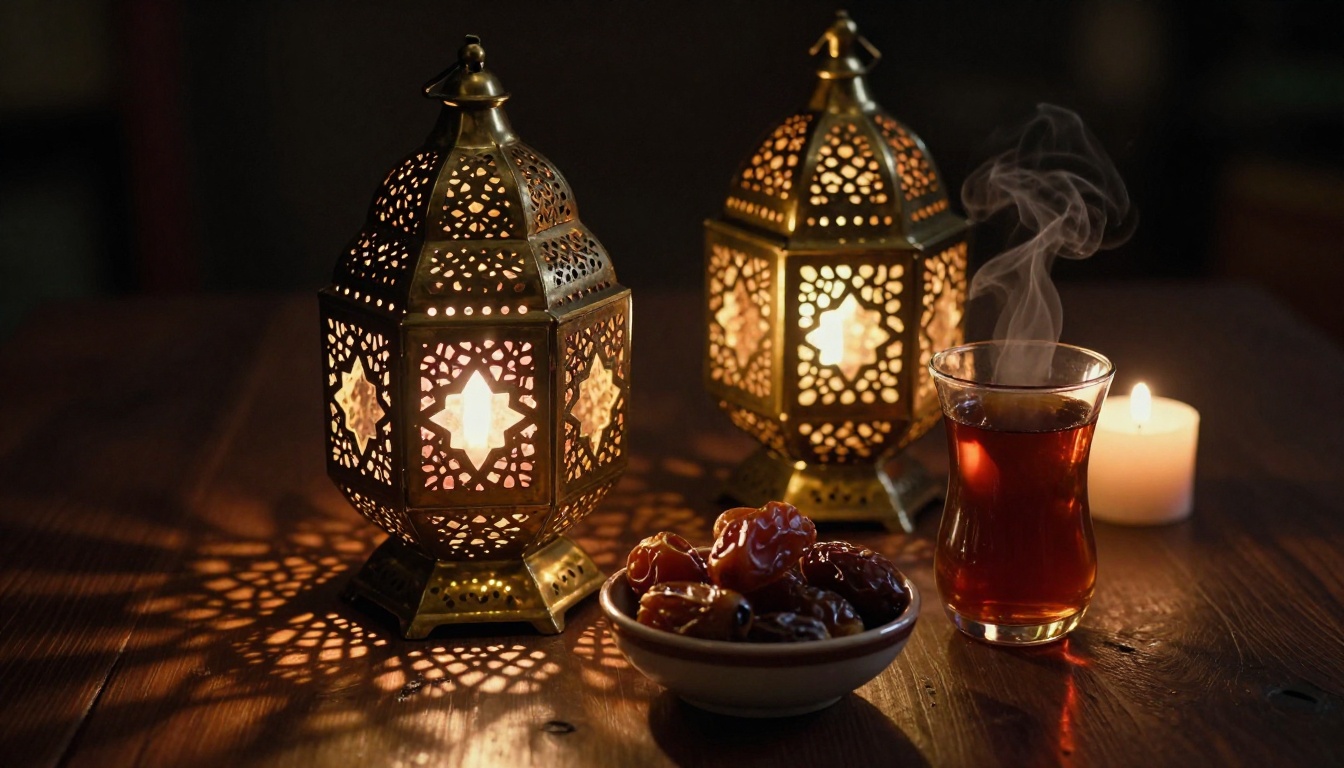
Every iftar starts with dates and water, honoring the Prophetic tradition. Your flipbook's opening page should reflect this simplicity: a full-width photo of dates on a copper tray, a short paragraph explaining the tradition, and a list of the opening drinks.
Sample Opening Page Layout:
| Item | Description |
|---|
| Medjool Dates | Three dates per person, served with water |
| Jallab | Rose water, grape juice, crushed ice, pine nuts |
| Tamarind Water | Cold-brewed, lightly sweetened, with lemon |
| Laban | Chilled salted yogurt drink, fresh mint garnish |
Soups and Salads
After the opening bites, a warm soup and fresh salads bridge the gap before the main course. Classic choices include:
- Harira: Moroccan tomato, lentil, and chickpea soup with coriander
- Shorba: Algerian lamb and vermicelli soup with ras el hanout
- Tabbouleh: Bulgur, parsley, mint, tomato, olive oil, lemon
- Fattoush: Crunchy bread salad with sumac dressing and pomegranate seeds
- Cucumber and yogurt salad: Labneh base, dried mint, olive oil
✅ Dedicate one flipbook page per course. Guests can flip forward to preview the mains while they finish their soup, creating genuine anticipation.
Main Dishes for Iftar Night
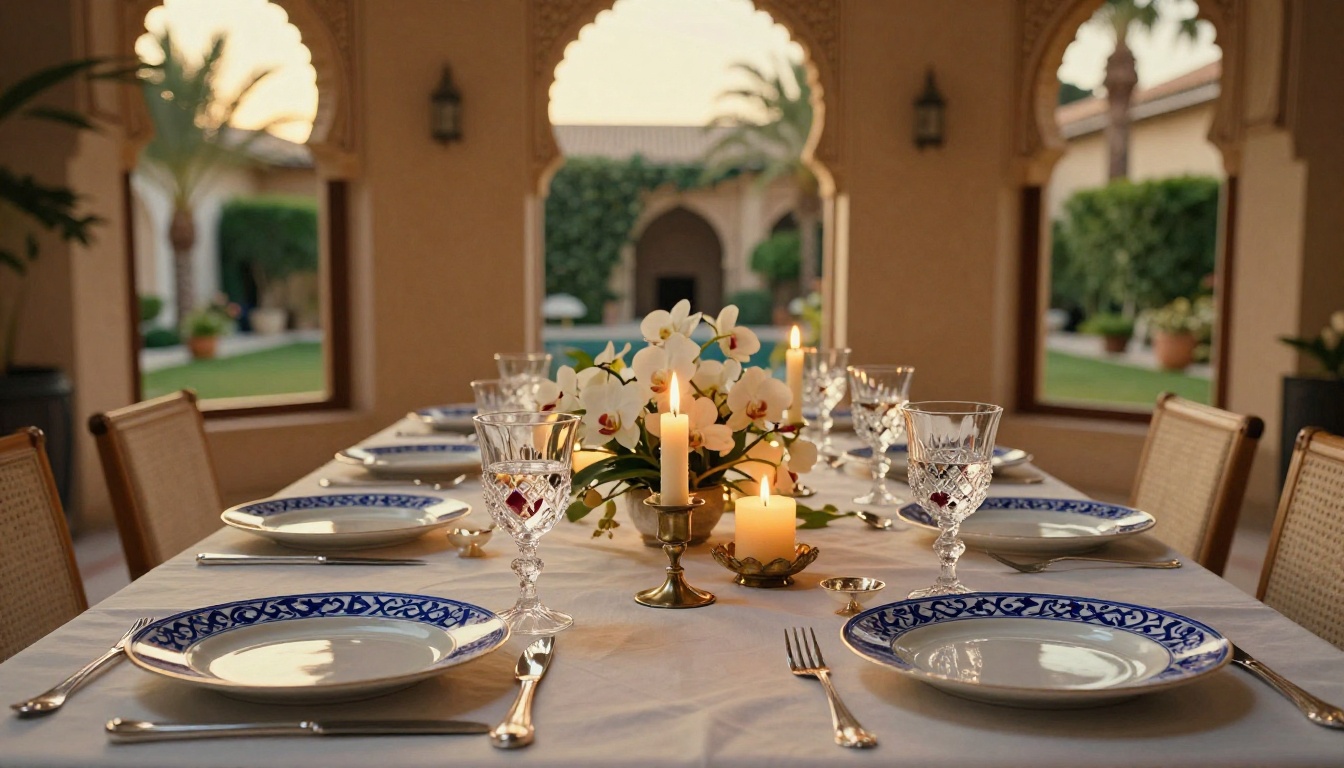
The main iftar course is where the cooking truly shines. Depending on regional tradition and family background, the dishes change dramatically:
| Regional Style | Signature Main Dish | Common Accompaniment |
|---|
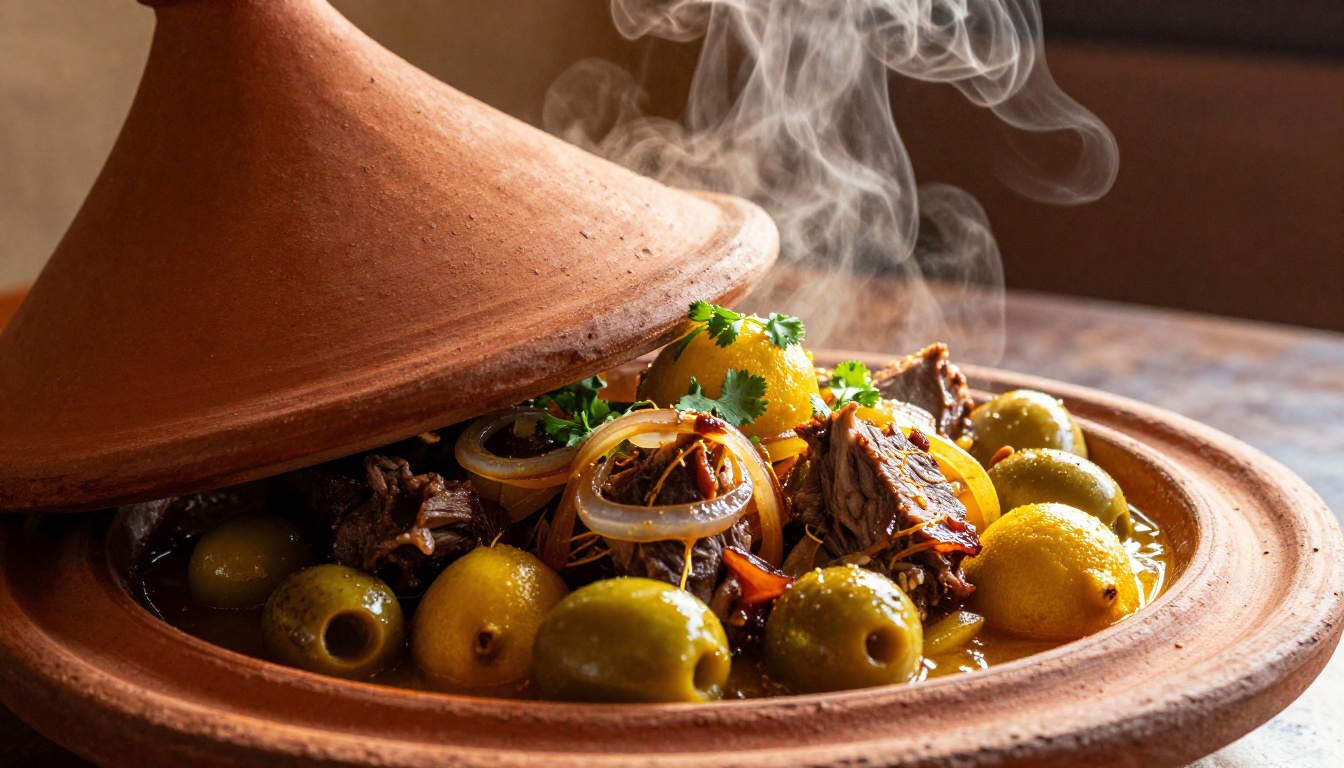
| Moroccan | Lamb tagine with preserved lemons | Saffron couscous |
| Levantine (Syrian/Lebanese) | Ouzi (whole roasted lamb) | Spiced rice with nuts |
| Egyptian | Koshari or stuffed pigeon | Tomato-cumin sauce |
| Gulf (Saudi/Emirati) | Harees (wheat and meat porridge) | Caramelized onions |
| Pakistani/Indian | Biryani (lamb or chicken) | Raita and fried onions |
| Turkish | Iskender kebab | Tomato butter sauce, yogurt |
Displaying this as a regional journey through your flipbook creates a beautiful narrative. A family hosting guests from different backgrounds can dedicate one spread to each regional tradition.
Suhoor, the pre-dawn meal before the fast begins, is often neglected in menu planning. It is grabbed quickly, eaten sleepily, and rarely presented with care. But with a flipbook, you can give suhoor the visual respect it deserves.
Foods That Sustain the Fast
Suhoor works best when it is high in slow-release energy. A well-designed suhoor menu flipbook page might include:
- Eggs: Shakshuka, scrambled with za'atar, or soft-boiled with dukkah
- Labneh platters: Strained yogurt with olive oil, herbs, and flatbread
- Oatmeal with dates: Rolled oats cooked in milk, topped with date syrup and crushed walnuts
- Ful medames: Slow-cooked fava beans with lemon, garlic, cumin, and olive oil
- Cheese and bread boards: Nabulsi cheese, olives, cucumber, and tomatoes
💡 For large households, a suhoor menu that is set and known the night before reduces the 3am kitchen chaos significantly. Post the flipbook link in the family chat the night before.
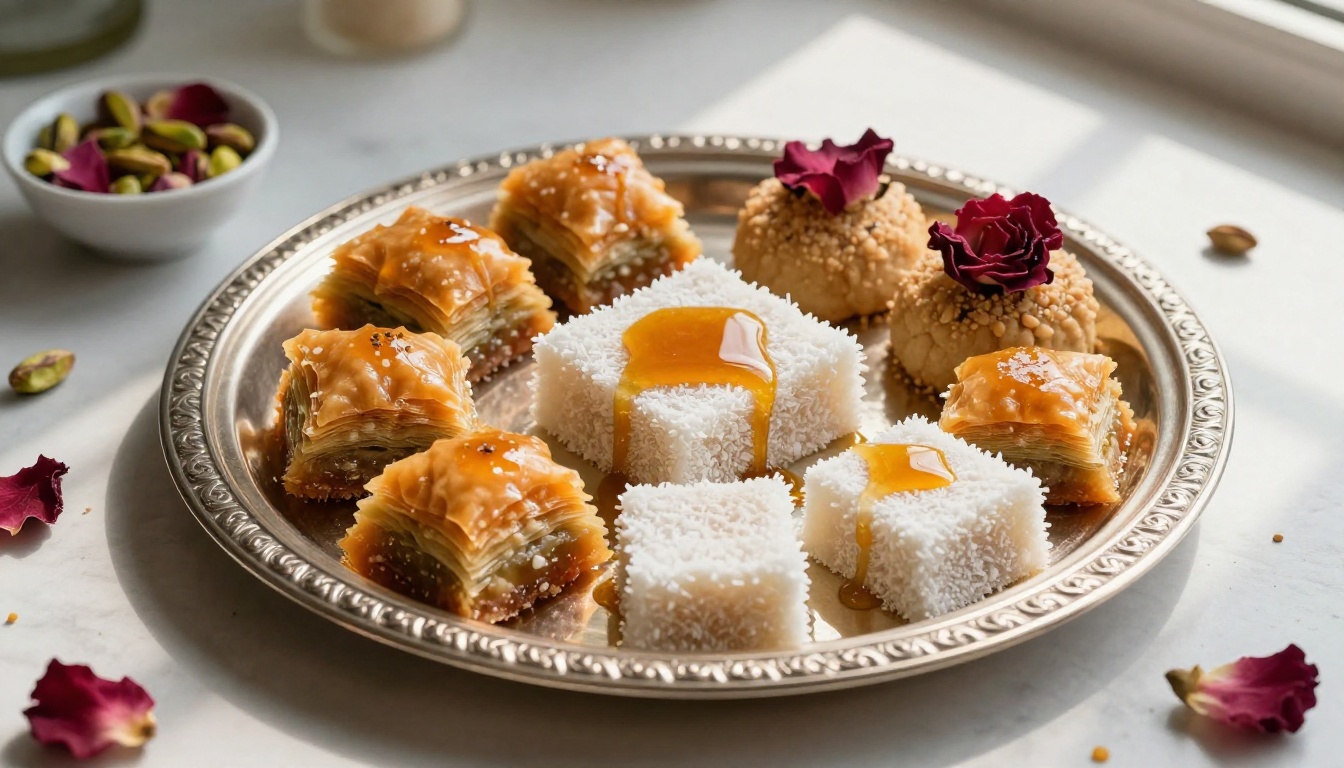
Eid Al-Fitr marks the end of Ramadan with three days of celebration, feasting, and visiting. The food expectations are high. Families travel, guests arrive unannounced, and the table is rarely still. A flipbook menu for Eid Al-Fitr needs to be robust, visually stunning, and representative of the occasion.
A Sample Three-Course Eid Al-Fitr Menu
Starters:
- Cheese sambusak (fried pastry filled with white cheese and nigella seeds)
- Vine leaves stuffed with spiced rice and pine nuts
- Kibbeh balls with yogurt dipping sauce
- Hummus with ground lamb topping
Mains:
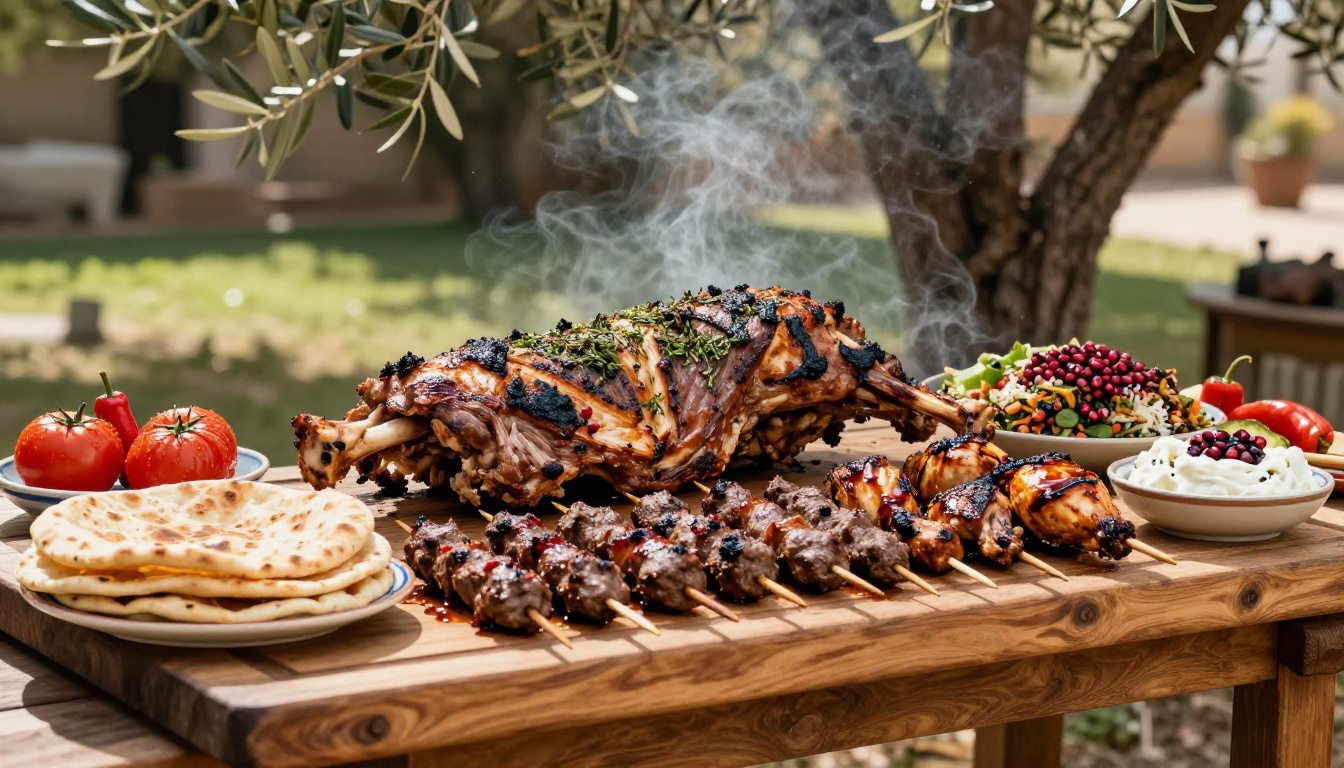
- Whole roasted lamb (ouzi style) on fragrant rice
- Grilled chicken with sumac and caramelized onion
- Stuffed zucchini (kousa mahshi) in tomato broth
Sweets:
- Kunafa with orange blossom syrup
- Maamoul filled with dates, walnuts, or pistachios
- Baklava selection
- Umm Ali (Egyptian bread pudding with cream and nuts)
✅ Use the Menu Flipbook Designer to arrange a multi-page menu where each course occupies its own spread. The visual separation makes the feast feel properly organized.
Setting Up the Eid Table with the Menu
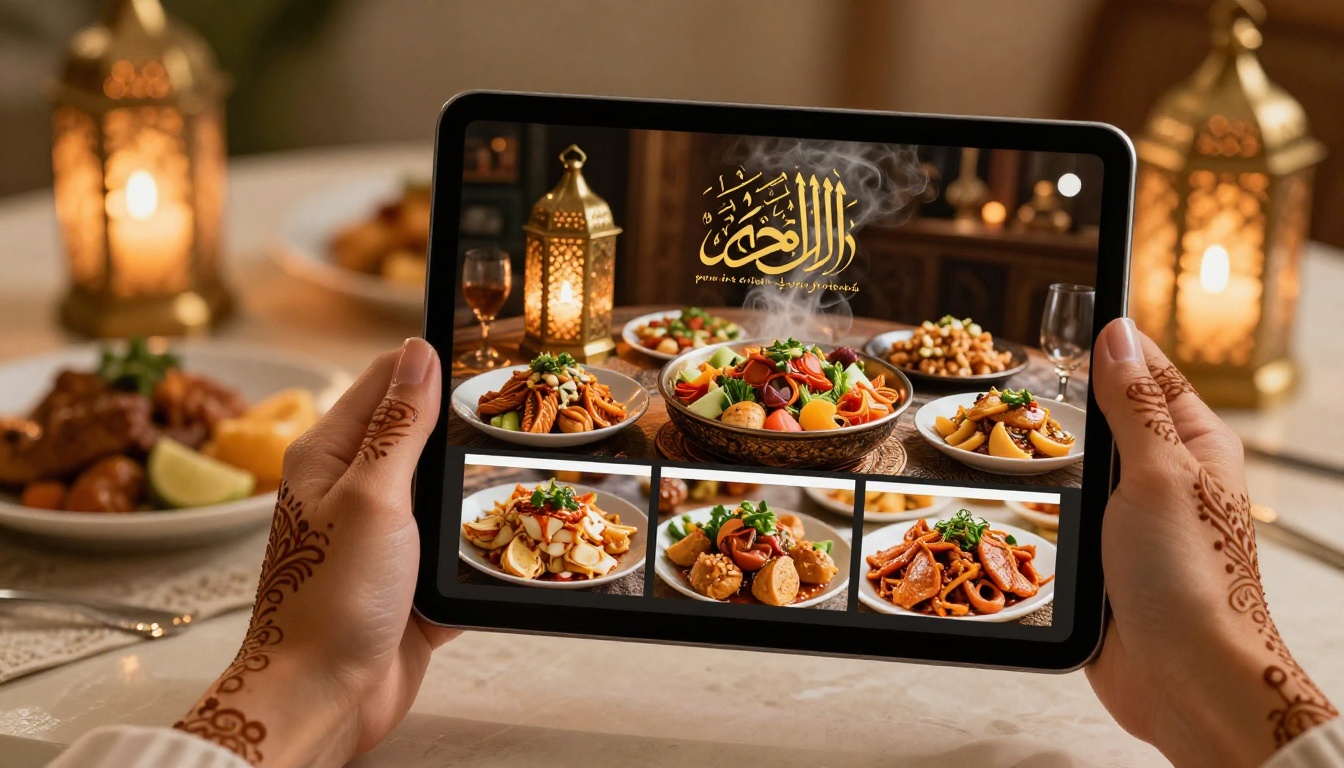
The physical table and the digital menu should mirror each other. Place a tablet or a printed QR code at the table linking to the flipbook. When guests scan and flip through the menu before the food is served, the anticipation builds. Children love the interactive page-turn effect, and older guests appreciate having the full menu to reference at their own pace.
Eid Al-Adha centers on the sacrifice of livestock, making meat the natural focus of the menu. The challenge is presenting a meat-heavy feast in a way that feels varied, balanced, and celebratory.
How to Structure an Eid Al-Adha Menu Flipbook
A smart Eid Al-Adha flipbook acknowledges the sacrifice with a brief note of its meaning, then moves into the food presentation. A typical layout:
- Title page: The celebration name, date, host family name
- The tradition page: One paragraph on the meaning of Eid Al-Adha
- The meat section: Lamb, beef, and offal dishes with descriptions
- Sides and salads: To balance the heaviness
- Beverages: Tea, coffee, fresh juices
- Sweets: Cookies, pastries, traditional desserts
Meat Preparation Methods to Feature:
| Method | Dish Example | Cooking Time |
|---|
| Whole roast | Ouzi, mechoui lamb | 4 to 6 hours |
| Slow braise | Tagine, daoud basha | 2 to 3 hours |
| Grilled skewers | Kofta, shish tawook | 15 to 20 min |
| Fried | Liver with cumin, crispy lamb chops | 10 to 15 min |
| Soup | Oxtail soup, lamb head broth | 3 to 4 hours |
⚠️ Eid Al-Adha menus often underestimate side dishes. A meat-only flipbook misses an opportunity. Include at least three substantial vegetable sides and two grain dishes to balance the overall presentation.
Dessert Pages: The Sweetest Flipbook Section
No Ramadan or Eid menu is finished without a dedicated desserts page. This is the section that guests reference most during the meal. Knowing that kunafa is coming gives you the willpower to pace yourself through the mains.
Classic Desserts by Region
- Levantine: Baklava, maamoul, halawet el jibn (cheese and semolina rolls)
- Moroccan: Chebakia (sesame fried pastry with honey), sellou (sesame and almond powder blend)
- Egyptian: Umm Ali, basbousa, qatayef (stuffed Ramadan pancakes)
- Gulf: Logaimat (sweet dumplings with date syrup), sago pudding with saffron
- South Asian: Seviyan kheer (vermicelli pudding), gajar ka halwa (carrot pudding)
💡 Add a photo of each dessert next to its name in your flipbook. Guests who are unfamiliar with certain traditions will be far more excited to try something when they can see what it looks like first.
How to Build Your Ramadan and Eid Menu Flipbook
Here is a practical, step-by-step process for creating your menu on Flipbooks AI:
Step 1: Design Your PDF
Before uploading, design your menu in Canva, Adobe InDesign, Microsoft Word, or any PDF-capable tool. Structure it with:
- A title page with the celebration name and date
- One page per course or category
- High-quality photos of signature dishes
- Clean typography with Arabic or decorative fonts where appropriate
- A warm color palette: deep gold, emerald green, burgundy, and ivory work beautifully for Ramadan
Step 2: Upload and Convert
Go to Flipbooks AI and create your account. From the dashboard:
- Click "New Flipbook" and upload your PDF
- The platform converts each PDF page into an interactive spread automatically
- Watch the page-turn animation render in real time
Step 3: Customize the Look
Once uploaded, personalize your flipbook:
- Set your front page style (hard or soft)
- Choose your background color or texture
- Add your family name or event name as the flipbook title
- Enable password protection if the menu is for a private gathering
- Toggle mobile-responsive layout so every guest can view it on their phone
Step 4: Share It
Sharing options include:
- Direct link: Copy and paste into WhatsApp, email, or your event group
- QR code: Print and place on the dining table
- Embed code: Drop it into your event website or digital invitation
- Download: Save as PDF to print physical copies if needed
✅ The Standard plan and above include unlimited flipbooks and no watermarks, meaning your Ramadan menu can look polished and professional without any third-party branding.
Step 5: Professional Features for Larger Events
If you are hosting a large community iftar or an Eid charity dinner, the Professional plan on Flipbooks AI unlocks:
- Analytics: See how many times your menu was viewed and which pages received the most attention
- Lead generation forms: Collect RSVPs or dietary preferences directly through the flipbook
- Offline downloads: Guests can save the menu to browse without internet access
- Embedded videos: Add a short cooking video or a welcome message from the host
Plan Comparison for Event Hosting:
| Feature | Free | Standard | Professional |
|---|
| Number of flipbooks | 1 | Unlimited | Unlimited |
| Watermark-free | No | Yes | Yes |
| Password protection | No | Yes | Yes |
| Analytics | No | No | Yes |
| Lead generation forms | No | No | Yes |
| Offline downloads | No | No | Yes |
| Custom branding | No | Yes | Yes |
| Embedded video and audio | No | Yes | Yes |
See pricing plans to find the right tier for your celebration size.
Sharing and Presenting Your Menu
The final step is getting your flipbook in front of your guests in a way that feels intentional.
Before the Event
Send the flipbook link with your digital invitation. A well-designed menu builds anticipation and signals that the host has put genuine thought into the celebration. Apps like WhatsApp, Telegram, and email all handle direct flipbook links cleanly.
At the Table
Print a small tent card or frame with a QR code linking to the flipbook. Place one at each end of the dining table. When guests arrive and scan it, the menu opens beautifully on their screen with the page-turn effect intact.
For Catering Clients and Restaurants
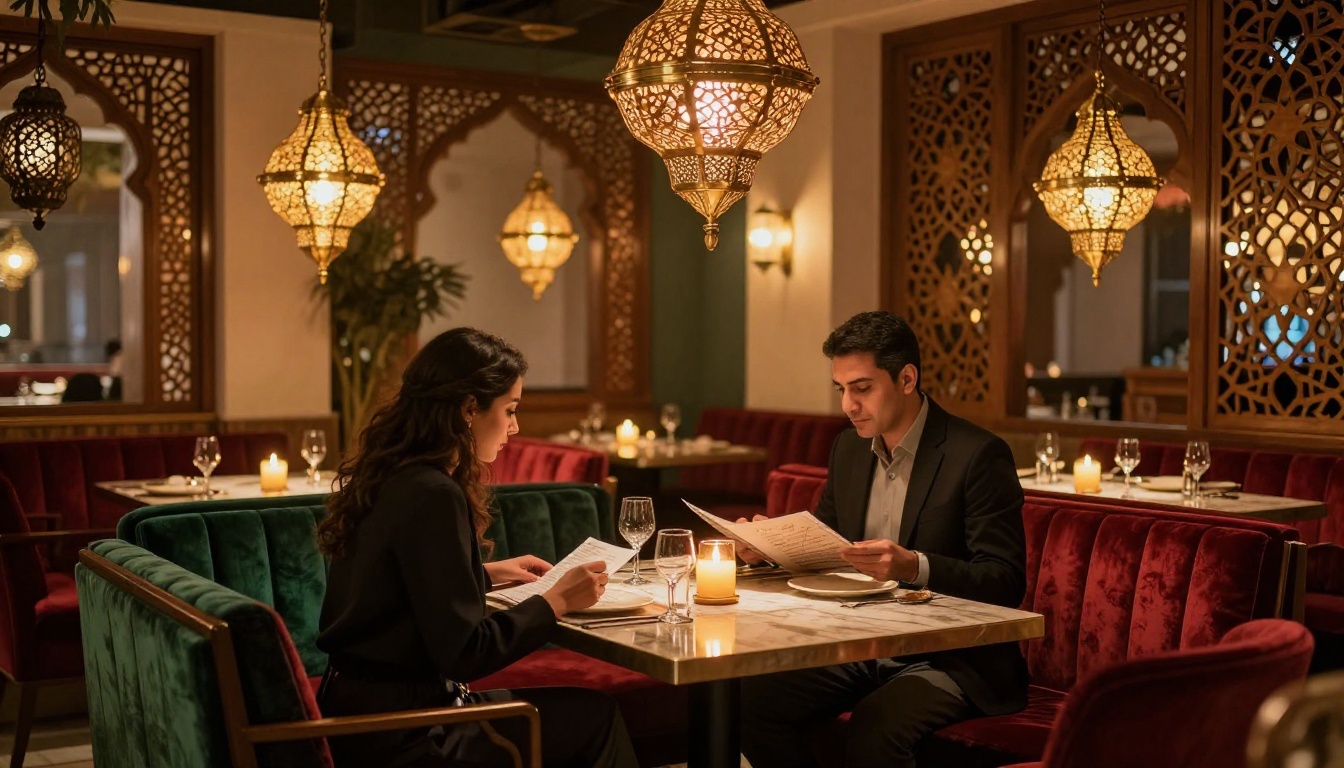
If you run a catering business or a restaurant with a special Ramadan iftar package, a flipbook menu is far more persuasive than a PDF attachment or a flat image. The Menu Flipbook Designer lets you create professional, branded menus that you can send to corporate clients or post on your website.
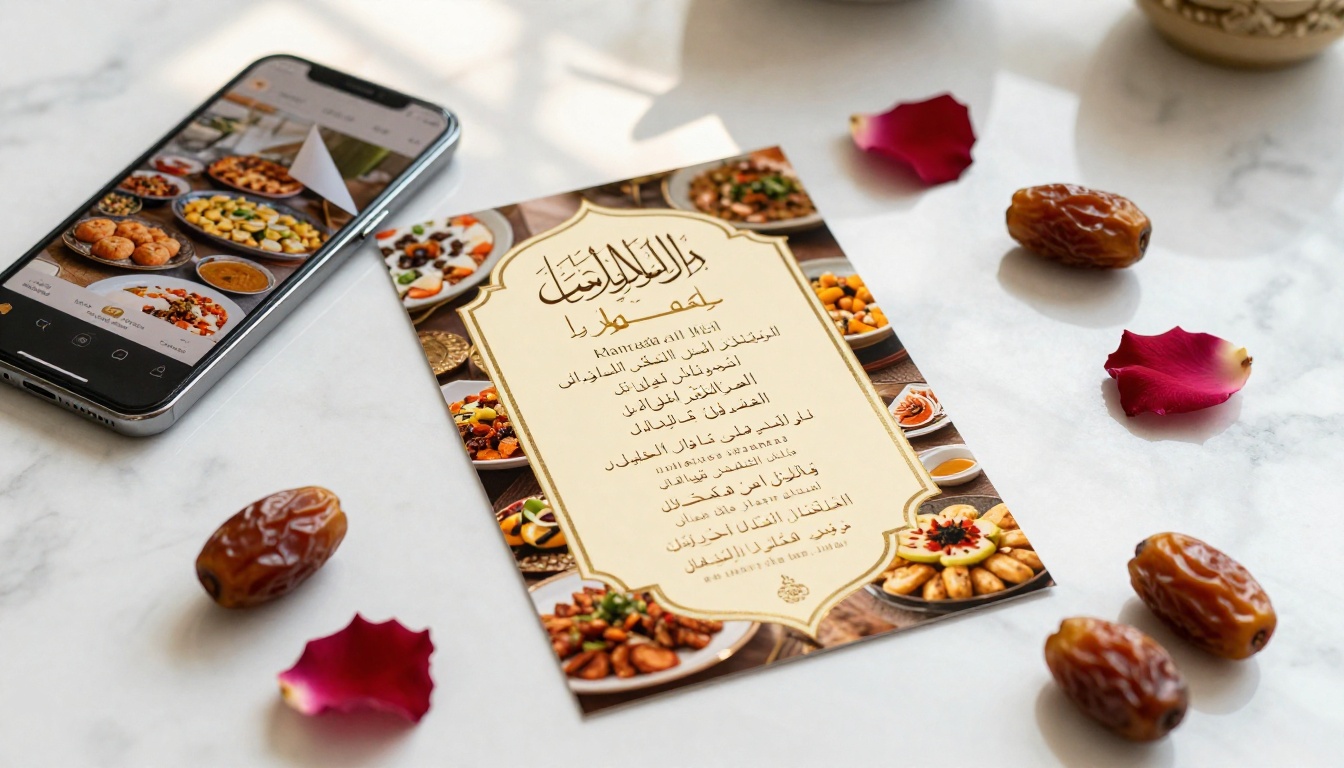
💡 A catering business that shares a beautiful Ramadan and Eid menu flipbook on social media during the holy month gets significantly more traction than one sharing a flat image. The interactive format is inherently shareable.
Reusing Your Menu Year After Year
One of the most practical advantages of a digital menu is that it can be updated and reused. Your Eid Al-Fitr menu from last year becomes the starting template for this year with a quick edit of dates and any new dishes. You do not start from scratch each Ramadan.
Browse all flipbook tools to see the full range of menu, catalog, and publication templates available for every occasion beyond Ramadan, including recipe books, event programs, and catering catalogs.
There is something deeply generous about putting thought into how you present food, not just what you cook. Ramadan and Eid are celebrations of community, gratitude, and abundance. A well-crafted menu flipbook reflects all three. It tells your guests: this meal was worth designing.
Create your Eid and Ramadan menu flipbook on Flipbooks AI today. See all available plans to find the one that fits your event perfectly.



