The way buyers find and fall in love with properties has fundamentally shifted. In a world where a buyer might scroll through 40 listings during a lunch break, your real estate brochure has about three seconds to earn their attention or lose it forever. Static PDFs and printed materials still dominate most agencies, but the agents closing deals consistently in today's market have found something better: interactive digital flipbooks that turn passive browsing into genuine buying momentum. Flipbooks AI sits at the center of this shift, and once you see the difference in buyer behavior, going back to flat PDFs feels impossible.
Why Traditional Brochures Are Losing Ground
Real estate marketing hasn't changed much in thirty years. Agents print glossy brochures, hand them out at open houses, or attach PDFs to emails, then hope buyers remember the property when it's time to make an offer. The problem isn't the content; it's the format. When the format fights the buyer's natural behavior, no amount of great photography or compelling copy can save the campaign.
The Hidden Cost of Print
Printed brochures carry a deceptively high price tag. Between design fees, print runs, distribution logistics, and the inevitable updates when a price changes or a feature description needs tweaking, a single property campaign can consume thousands of dollars before a single qualified buyer walks through the door.
Then there's the waste factor. Industry research consistently shows that the majority of printed property brochures end up in a recycling bin within 48 hours of an open house. The ones that survive sit in a drawer, out of sight and out of mind, doing nothing to move a sale forward. For a high-turnover office managing dozens of active listings, the annual spend on printed materials that deliver no measurable return is substantial.
What PDFs Get Wrong
Switching to digital doesn't automatically solve the problem. A PDF emailed to a prospect is marginally better than a physical brochure but still suffers from the same fundamental flaw: it's static. No interactivity, no analytics, no way to know if anyone actually opened it or scrolled past page one.
⚠️ Warning: Sending a flat PDF as your primary digital marketing material signals to buyers that your agency is behind the curve. In real estate, first impressions influence everything that follows.
PDFs also break on mobile. A beautifully designed two-column property layout becomes an unreadable pinch-and-zoom experience on a smartphone screen, and over 70% of buyers now browse properties primarily on mobile devices. If your brochure creates friction on the device buyers actually use, you're losing the moment of peak emotional interest.
What Makes a Real Estate Flipbook Different
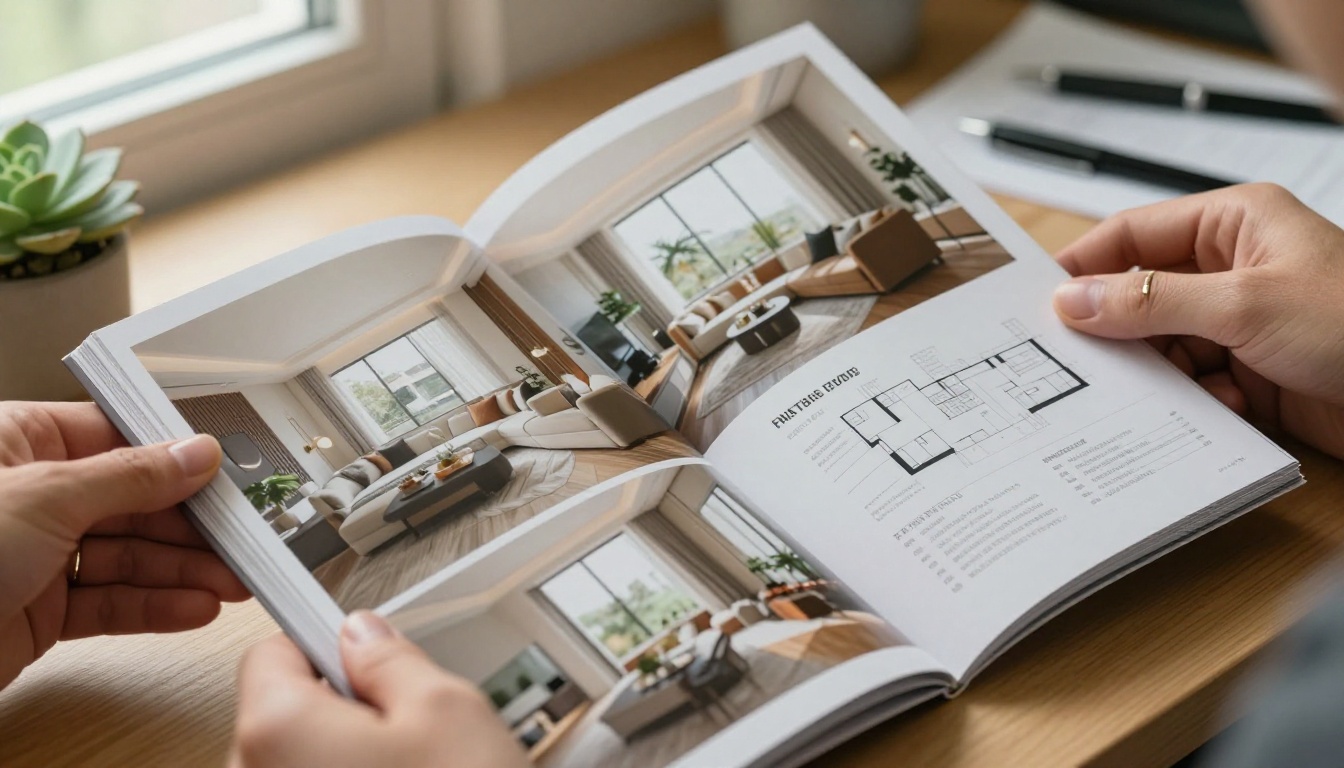
A digital flipbook isn't just a PDF with a page-turn animation. It's a fundamentally different content experience that mirrors the way people naturally consume visual information, and the measurable outcomes prove it.
The Psychology of the Page Turn
There's genuine psychology behind why flipbooks hold attention longer. The act of turning a page, even a digital one, signals to the brain that it's engaged with a cohesive, intentional story rather than scanning a disconnected list of specs. Buyers spend significantly more time with flipbook brochures than any other digital format, processing property features at a deliberate pace that builds the emotional connection needed to motivate a viewing request.
Flipbooks AI uses this principle at its core: every property PDF you upload is transformed into a smooth, page-turning digital publication that feels premium and intentional. Your design doesn't change. Your photography doesn't change. The experience does.
Built for How Buyers Actually Browse
Modern buyers might discover your property listing on a desktop at work, revisit it on their phone during a commute, and share it with a partner on a tablet at home. A properly built real estate flipbook adapts to every screen size without losing its visual impact. No pinching, no horizontal scrolling, no layout breakage across devices.
💡 Pro Tip: Always check how your property brochure reads on a small mobile screen before distributing. If a buyer has to work to see your content, they'll move to the next listing.
How Sharing Behavior Changes Everything
The reach potential of a well-designed flipbook is something print will never replicate. A buyer who loves a property doesn't just read the brochure; they share it. A URL is frictionless to forward via WhatsApp, text, or Instagram DM. An engaged buyer sharing your listing link is essentially doing your marketing for free, exposing the property to their entire social circle of potential buyers and referrers.
5 Ways Flipbooks Close More Deals
The advantages of digital flipbooks over traditional brochures aren't theoretical. These are the specific mechanisms by which they deliver measurable results in real estate marketing campaigns.
1. Sharable in seconds. A flipbook lives at a URL. Agents can drop it into a WhatsApp message, a text, an email, a social post, or a QR code instantly. There's no file size limit, no download required, no "I couldn't open the attachment" from buyers with outdated email clients.
2. Always up to date. Price adjustment? New staging photos? Updated floor plan after a boundary survey? Edit the flipbook once and every shared link automatically reflects the change. No reprints, no re-sends, no conflicting versions floating around in buyer inboxes.
3. Analytics reveal genuine interest. With Flipbooks AI Professional, you can see exactly who opened your brochure, which pages they spent the most time on, and when they shared it with someone else. A buyer who returns to page 12 three times is telling you something important about their priorities. That's lead intelligence traditional brochures can never provide.
4. Multimedia sits inside the experience. Add a virtual tour video directly inside the flipbook. Embed a neighborhood walkthrough, a builder's materials presentation, or a drone flyover. Buyers process video at an emotional level that photography alone can't reach, and having it integrated inside the brochure keeps them in the experience rather than jumping to an external platform.
5. Password protection for private listings. Pre-market and off-market properties deserve discretion. Password-protect your flipbook to share only with pre-qualified buyers, keeping sensitive pricing and property details away from competitors and curious neighbors.
The Numbers Side by Side
| Format | Average View Time | Mobile Experience | Analytics | Update Cost | Shareability |
|---|
| Printed Brochure | 45 seconds | Not applicable | None | Reprint required | Low |
| Static PDF | 60 seconds | Poor | None | Re-send required | Medium |
| Interactive Flipbook | 3-5 minutes | Excellent | Full tracking | Free, instant | Very High |
The difference in average view time alone is striking. A buyer who spends 3-5 minutes with your property presentation has absorbed far more of the selling story than one who glanced at a PDF for 60 seconds and closed the tab. That depth of attention is what separates a casual browser from a motivated buyer ready to schedule a private inspection.
How Top Agents Use Flipbook Brochures

Open Houses That Keep Selling After You Leave
The smartest use of a real estate flipbook isn't at the open house itself. It's what happens in the 72 hours after. When a visitor scans a QR code at the entrance and saves the flipbook link to their phone, your property travels home with them. They show it to their spouse over dinner. They forward it to their mortgage broker to check loan serviceability. They share it in a group chat with their parents.
A physical brochure gets left on a kitchen counter or lost in a bag. A flipbook link sits in a text thread until the buyer makes a final decision.
Listing Presentations That Win the Mandate
When you're pitching for a listing mandate, showing a seller a live flipbook example from a previous campaign is one of the most compelling demonstrations of modern marketing capability. It immediately differentiates your agency from competitors still presenting PDF slide decks and printed marketing proposals.
✅ Best Practice: Build a sample real estate flipbook using a recently sold property to show prospective sellers during listing presentations. The visual impact is immediate and memorable, and it shows sellers exactly what their campaign will look like before they sign.
Development and Project Marketing
Developers and project marketers have adopted flipbooks for entire project brochures, stage releases, and neighborhood lifestyle guides. A 40-page project brochure that previously cost thousands in print can be converted, branded, and distributed digitally at a fraction of the cost. Updates roll out instantly when floor plans change, availability shifts, or pricing is revised.
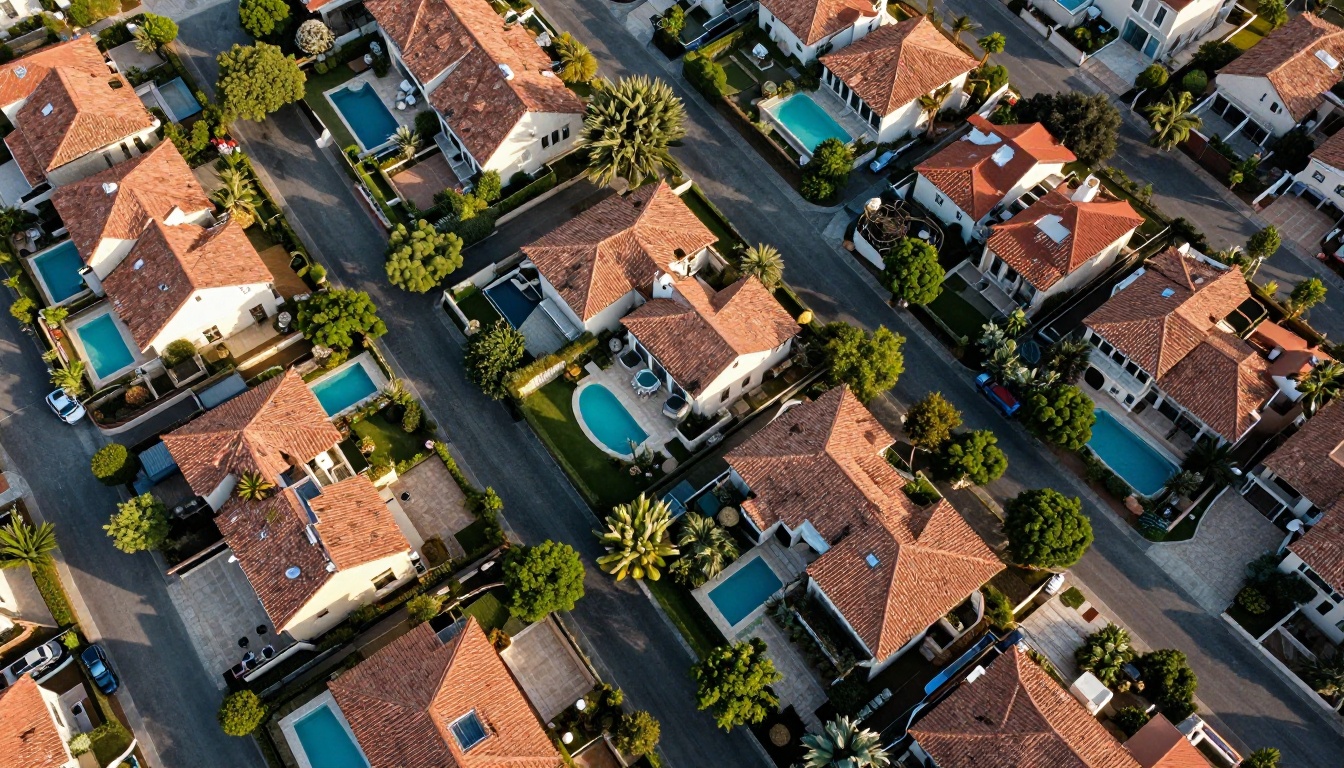
How to Create a Real Estate Flipbook Step by Step
Flipbooks AI makes the process straightforward, even for agents who have never built a digital publication before. Your existing design workflow stays exactly the same.
1. Prepare Your Property PDF
Design your brochure in Canva, InDesign, or any PDF design tool you currently use. Property photography, floor plans, specifications, and agent contact details all translate perfectly into the flipbook format. The only change is what you do with the finished file.
2. Upload and Convert
Head to flipbooksai.com/account and create your free account. Upload your property PDF directly from your computer. The conversion is automatic and takes under a minute for most standard-sized property brochures.
The dedicated Real Estate Brochure Creator is purpose-built for property marketing, with pre-configured settings that suit real estate presentations perfectly.
3. Apply Agency Branding
Set your logo, brand colors, custom fonts, and background styling. A branded flipbook reinforces your agency identity every time a buyer opens it. The Online Brochure Designer gives you full control over the visual frame around your content.
4. Embed Multimedia
Add a virtual tour video on the property overview page. Include clickable links to a Google Maps location, an inspection booking form, or a mortgage calculator. These additions turn a passive brochure into an active conversion tool that works while you sleep.
5. Share Across Every Channel
Your flipbook is now live at a permanent, shareable URL. Distribution options include:
- Direct link: Paste into any message, email, or social post and it opens instantly in any browser
- Embed code: Drop the flipbook directly onto your agency website listing page using Embed Flipbook on Website
- QR code: Print on signboards, open house materials, and letterbox drops
- Password protection: Available for pre-market and confidential listings on Standard plan and above
With the Professional plan, full analytics show view counts, time-per-page, and geographic audience data. See pricing details for the complete feature breakdown.
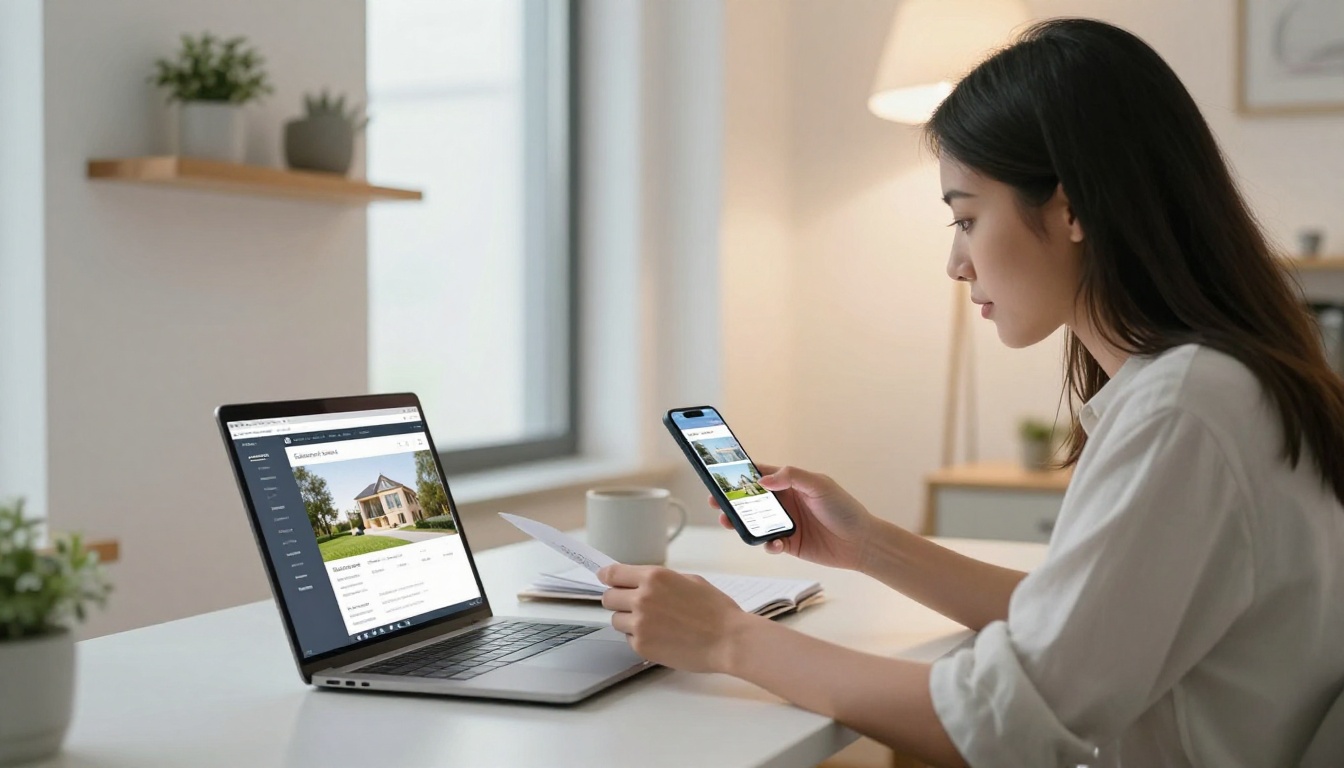
Flipbooks AI Plans for Real Estate Agencies
| Feature | Free | Standard | Professional |
|---|
| Flipbooks | 1 | Unlimited | Unlimited |
| Custom Branding | Limited | Full | Full |
| Analytics Dashboard | No | No | Yes |
| Lead Capture Forms | No | No | Yes |
| Password Protection | No | Yes | Yes |
| Offline Download | No | Yes | Yes |
| Embed on Website | No | Yes | Yes |
| Video and Audio | No | Yes | Yes |
| Watermark | Yes | None | None |
For solo agents, the Standard plan delivers everything needed to run professional digital brochure campaigns without watermarks and with full embedding capability. For agencies managing multiple agents and active listings, Professional adds the analytics and lead generation features that convert flipbook views into trackable pipeline activity.
| Criterion | Printed Brochure | Flat PDF | Interactive Flipbook |
|---|
| Production Cost | High | Low | Low |
| Distribution Speed | Slow, manual | Fast via email | Instant, any channel |
| Mobile Experience | Not applicable | Poor | Excellent |
| Update Flexibility | Reprint required | Re-send required | Instant, same URL |
| Analytics Available | None | None | Detailed |
| Multimedia Support | None | None | Video, audio, links |
| Active Lifespan | Days | Short | Indefinite |
| Shareability | Low | Medium | Very High |
| Buyer Engagement | Low | Low | High |
| Professional Impact | Good | Average | Excellent |
Open Houses That Work on a Different Level
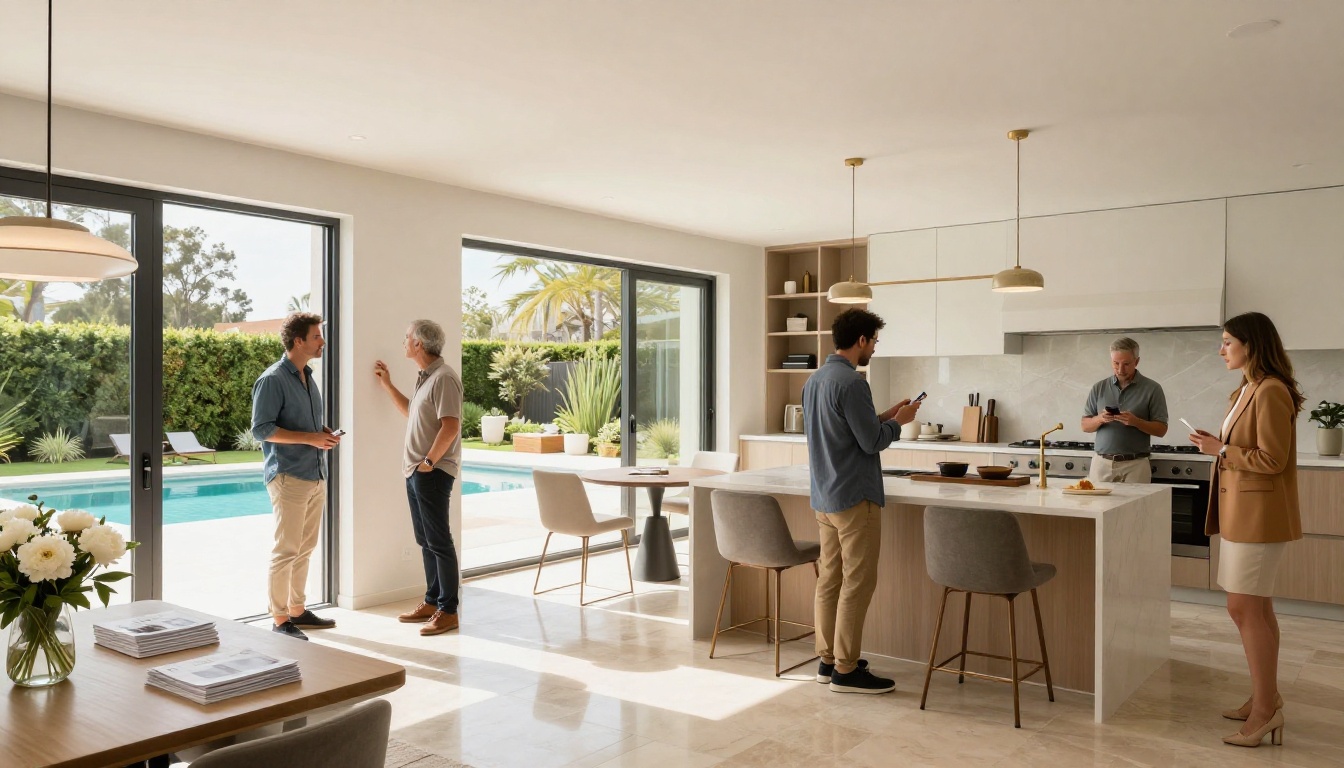
Picture this: a buyer arrives at your open house on a Saturday morning. Instead of picking up a printed sheet from a table by the door, they scan a QR code that opens a fully branded property flipbook on their phone. Inside, they find professional photography of every room, a walkthrough video, a zoomable floor plan, and a direct link to book a private inspection.
They spend eight minutes with that flipbook while walking through the property, cross-referencing what they're seeing with what they're reading. When they leave, the link is saved in their camera roll and has already been forwarded to their partner. The property stays top of mind for days rather than hours.
That's the difference a well-executed digital brochure creates at an open house. It doesn't just inform; it keeps the conversation alive well after the inspection ends.
Beyond Listings: Other High-Value Use Cases
The Brochure Flipbook Maker and related tools extend well beyond single property listings:
- Development project brochures: Stage releases, site plans, apartment finishes guides, and lifestyle vision documents
- Agency capability presentations: Service offerings, team profiles, recent sales data, and market commentary
- Suburb and neighborhood reports: Market statistics, lifestyle content, school zone information, and infrastructure updates
- Buyer's guides: First homebuyer education, investment property overviews, and relocation welcome packs
Each of these represents an opportunity to deliver a premium, interactive experience that keeps buyers and sellers engaged with your agency longer than any static format.
💡 Pro Tip: Create a branded suburb report flipbook for your key farming areas and share it monthly via your database. It positions your agency as the local authority and keeps your brand visible between transaction cycles when most competitors go quiet.
Staging Photography and Aspirational Presentation
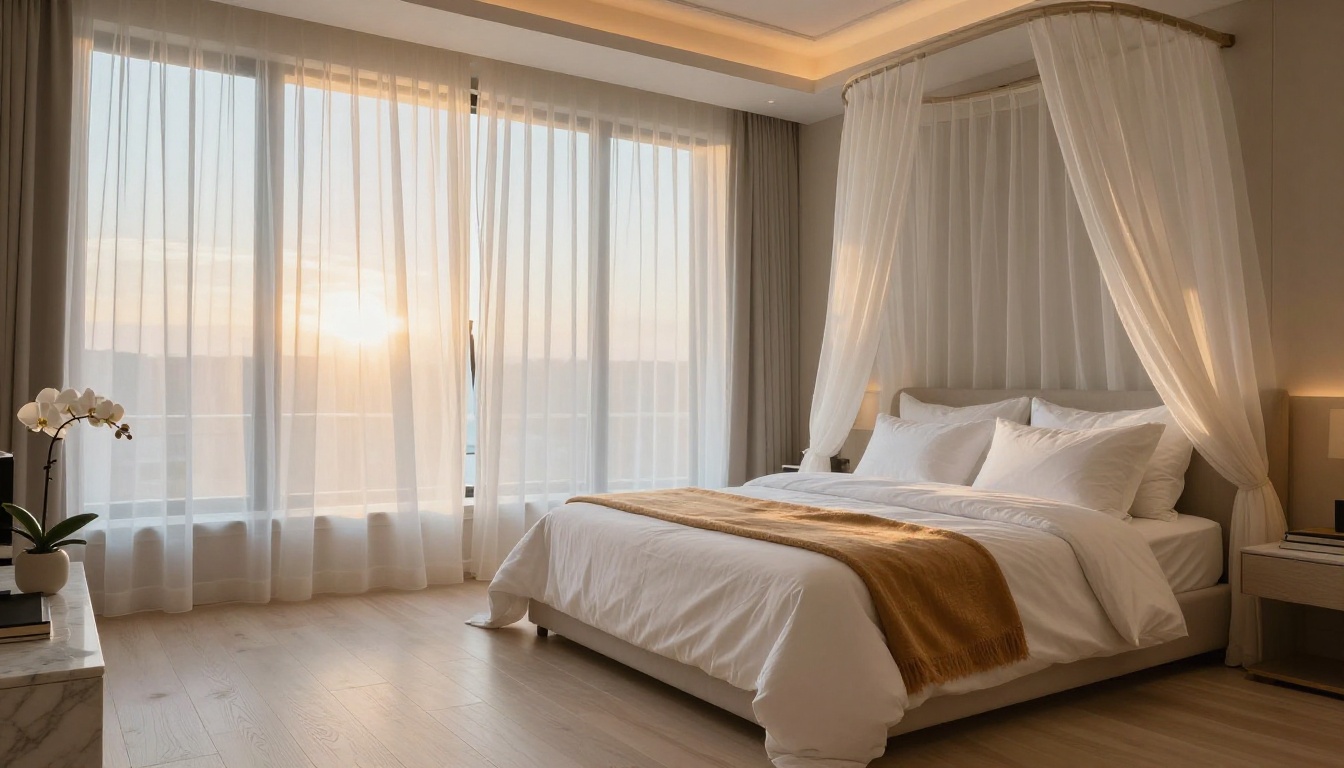
Great staging photography is one of the most powerful selling tools in residential real estate. A flipbook amplifies that photography by presenting it in a format buyers spend meaningful time with. Where a PDF reader might skip through pages quickly, a flipbook reader engages with the page-turn rhythm, pausing on images that create emotional resonance.
Bedrooms, in particular, benefit from this format effect. A soft, well-lit bedroom spread displayed on a slowly-turned page creates an aspirational feeling that static formats rarely achieve. The format communicates quality, and quality is exactly what high-value property buyers are seeking when they make one of the largest financial decisions of their lives.
Your Properties Deserve Better Marketing
The competition for buyer attention in real estate has never been more intense. Properties that use professional, interactive marketing materials stand out not just against other listings, but against the entire attention economy competing for buyers' limited time and focus.
Get started for free on Flipbooks AI and convert your next property PDF into an interactive brochure that buyers actually engage with, share, and return to. When you're ready to add analytics, lead generation, and unlimited campaigns, view all pricing options to pick the plan that fits your agency's volume and ambitions.
Browse the full Flipbooks AI tools library to find purpose-built creators for property brochures, development marketing packages, and every other format your agency needs to stay ahead in a competitive market.



