Spring collection season is short, and the brands that win it are the ones who show up with a lookbook that actually looks like a brand. Not a product dump, not a slideshow, but a real seasonal story that gives buyers, stockists, and customers a reason to pay attention. If you're a small brand building this without a full creative team or a large production budget, the following ideas will help you produce something that stands out and sells.
Why Your Lookbook Is Your Brand's Handshake
A lookbook is often the first thing wholesale buyers, press contacts, and new customers see before they ever touch your product. It sets tone, communicates quality, and positions your brand in a market full of noise. For small brands specifically, a well-executed spring lookbook levels the playing field. A thoughtful layout with strong photography and a clear color story can make a two-person operation feel as polished as a company ten times its size.
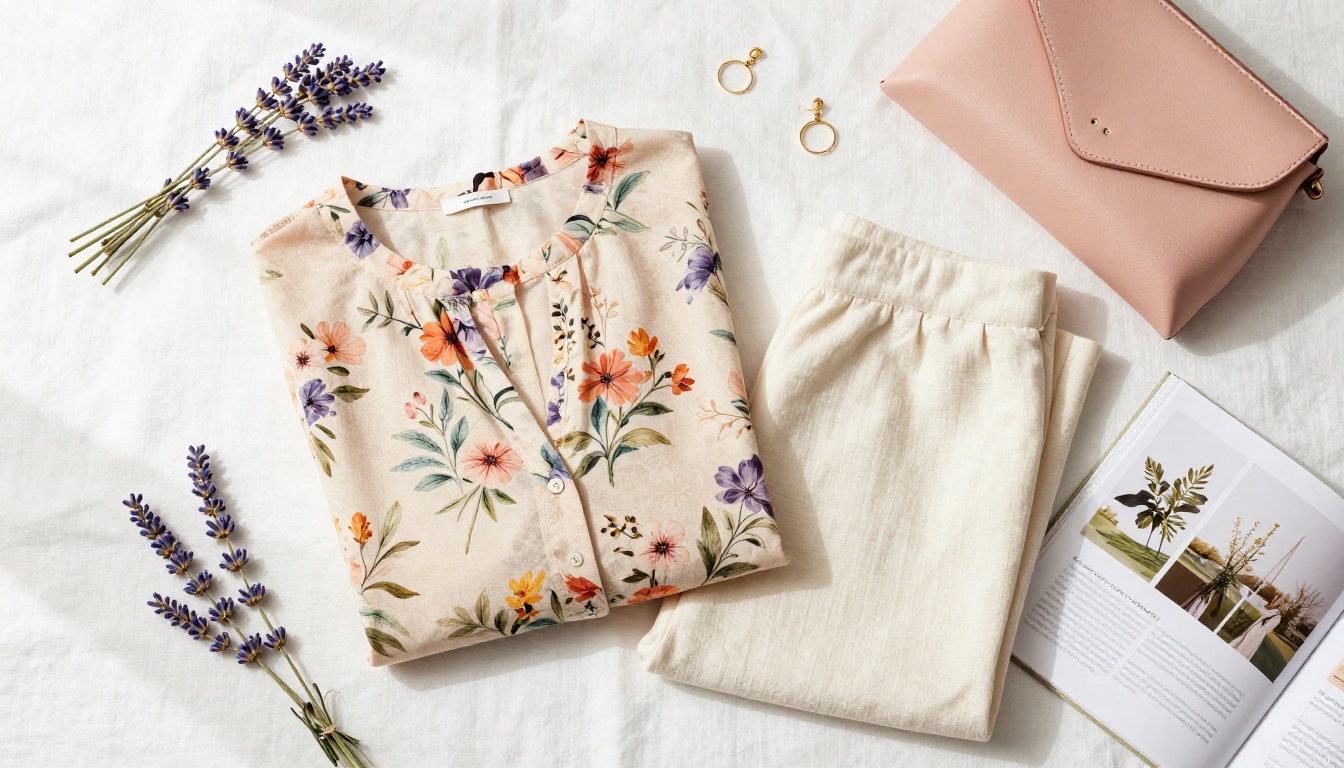
The secret is not budget. It is intentionality. The brands that do this best start with a defined concept before they ever pick up a camera or open a design tool. And when it comes to publishing and sharing that lookbook, platforms like Flipbooks AI remove every technical barrier between a finished PDF and a polished digital experience.
The Concept Comes Before the Camera
The single most common mistake small brands make when building a spring lookbook is starting with the clothes. The clothes are the subject, but the concept is the story. Before you book a photographer or scout a location, answer these three questions:
- What feeling does this collection create? Is it breezy coastal, urban minimal, countryside romantic?
- Who is wearing it and where? A specific scenario anchors every styling, location, and casting decision that follows.
- What does your brand sound like this season? Copy tone, font choices, and pacing all need to match the mood.
Once those answers are clear, every production decision becomes logical rather than reactive.
💡 Write your concept in one sentence before you plan any shoot. If you cannot say it clearly in a sentence, your lookbook will not say it either.
Building Your Spring Color Palette
Spring palettes are not one-size-fits-all. The right set of tones depends on your collection, your customer, and the concept you defined. That said, certain combinations work reliably well for seasonal fashion content.
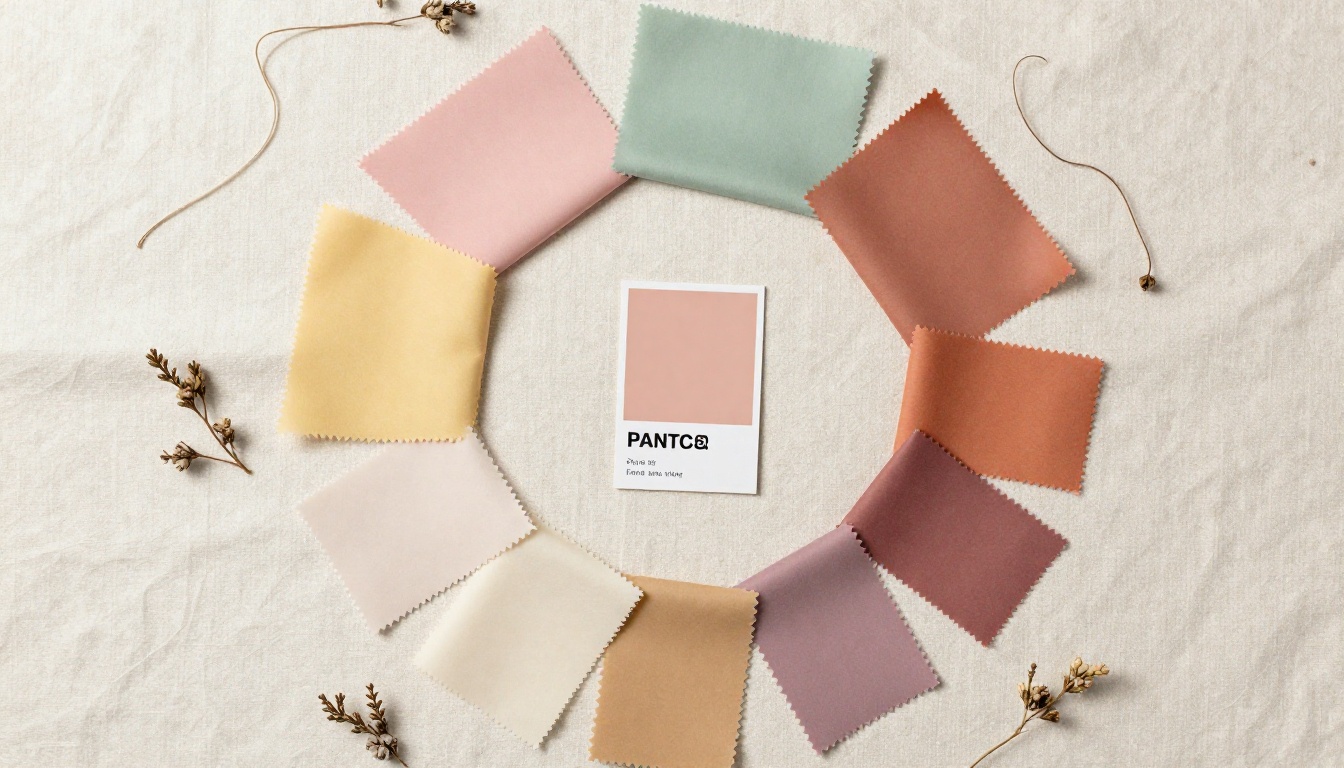
| Palette Name | Primary Tones | Best For | Mood |
|---|
| Garden Morning | Sage green, blush, cream | Cottagecore, slow fashion | Romantic, soft |
| Desert Spring | Terracotta, dusty mauve, warm sand | Earthy minimalism | Grounded, warm |
| Coastal Refresh | Ivory, ocean blue, warm white | Resort, athleisure | Clean, airy |
| Urban Bloom | Dusty lilac, slate, stone | Contemporary, editorial | Modern, cool |
| Classic Pastels | Baby blue, butter yellow, soft pink | Traditional fashion, giftwear | Playful, nostalgic |
Your palette does not just apply to the clothing. It should influence your background choices, prop selection, and the overall post-production treatment of every image.
✅ Apply your chosen palette to every touchpoint in the lookbook: backgrounds, typography, dividers, and even the texture of surfaces in flat lays. Consistency is what makes it read as a brand rather than a collection of images.
Photography Setup That Works on a Small Budget
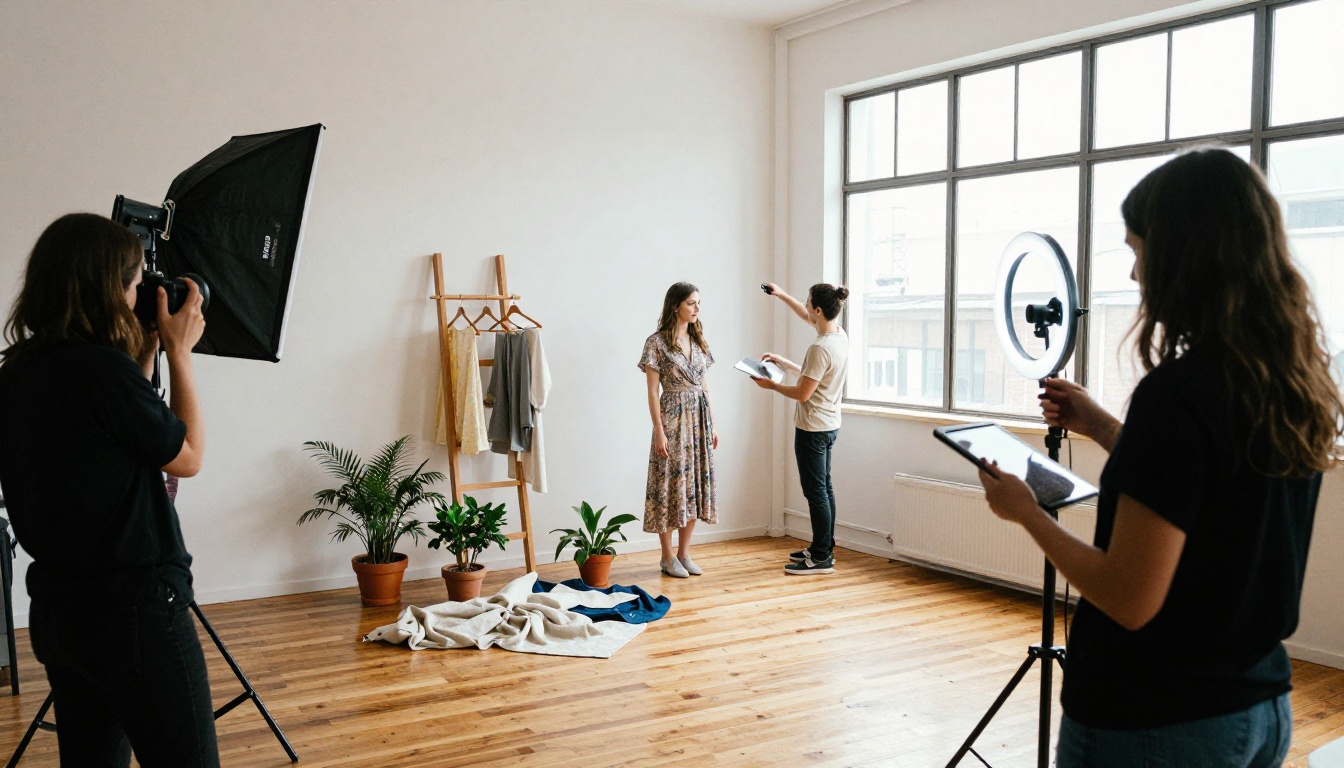
You do not need a studio rental to shoot a compelling spring lookbook. Some of the most effective small brand lookbooks are captured in natural light with a single camera body and a 50mm or 85mm lens. What matters more than equipment is preparation.

Essential equipment for a small brand spring shoot:
- Camera body (mirrorless preferred) with a 50mm or 85mm prime lens
- A large white foam board for fill light
- Natural window light or a shaded outdoor location
- A steamer for all garments before every shot
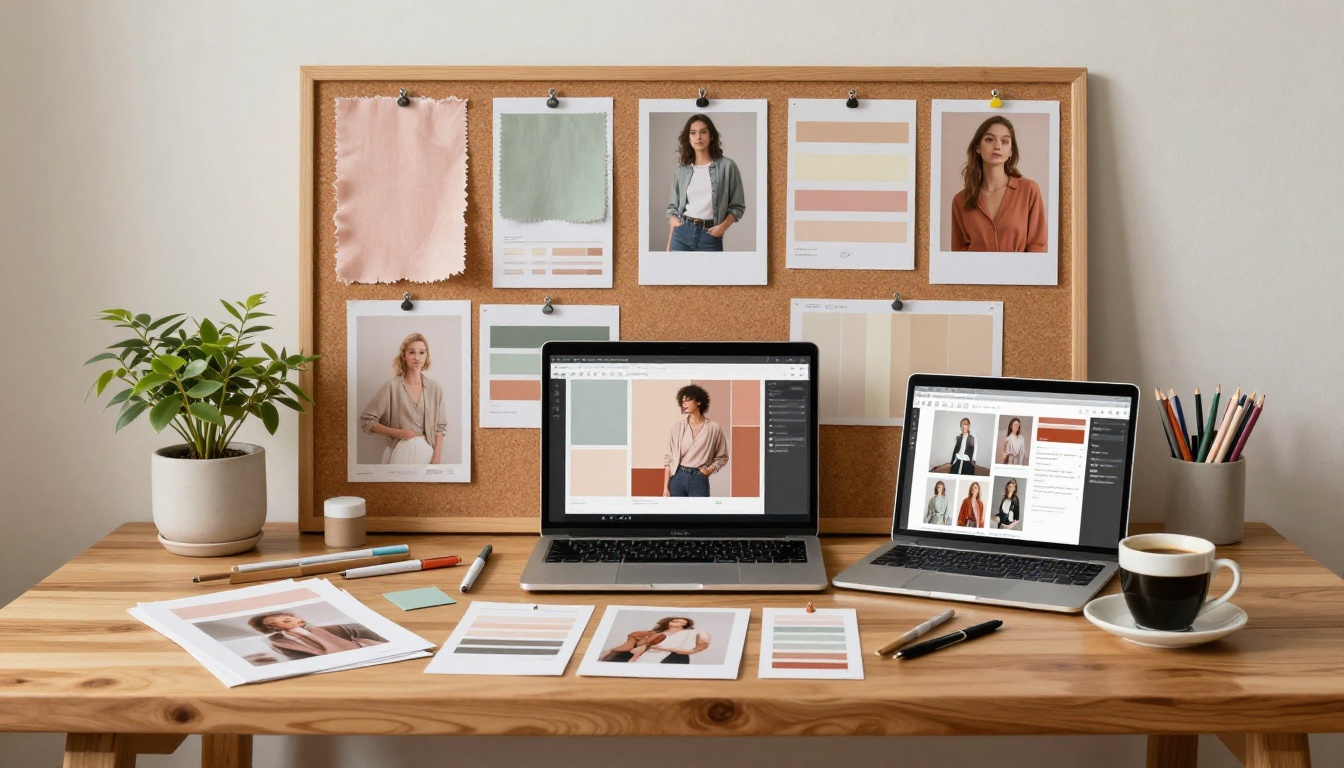
- A printed mood board for on-set reference
Location scouting tips for spring:
- Farmers markets and flower markets give authentic, seasonal context at no cost
- Parks with cherry blossoms or wildflower fields photograph beautifully in early morning light
- Cobblestone streets and outdoor cafés work for European or urban aesthetics
- Home interiors with large windows are excellent clean, minimal studio alternatives
⚠️ Avoid harsh midday sun. It creates unflattering shadows on fabric and washes out skin tones. Shoot in the first two hours after sunrise or the hour before sunset for the warmest, most flattering natural light.
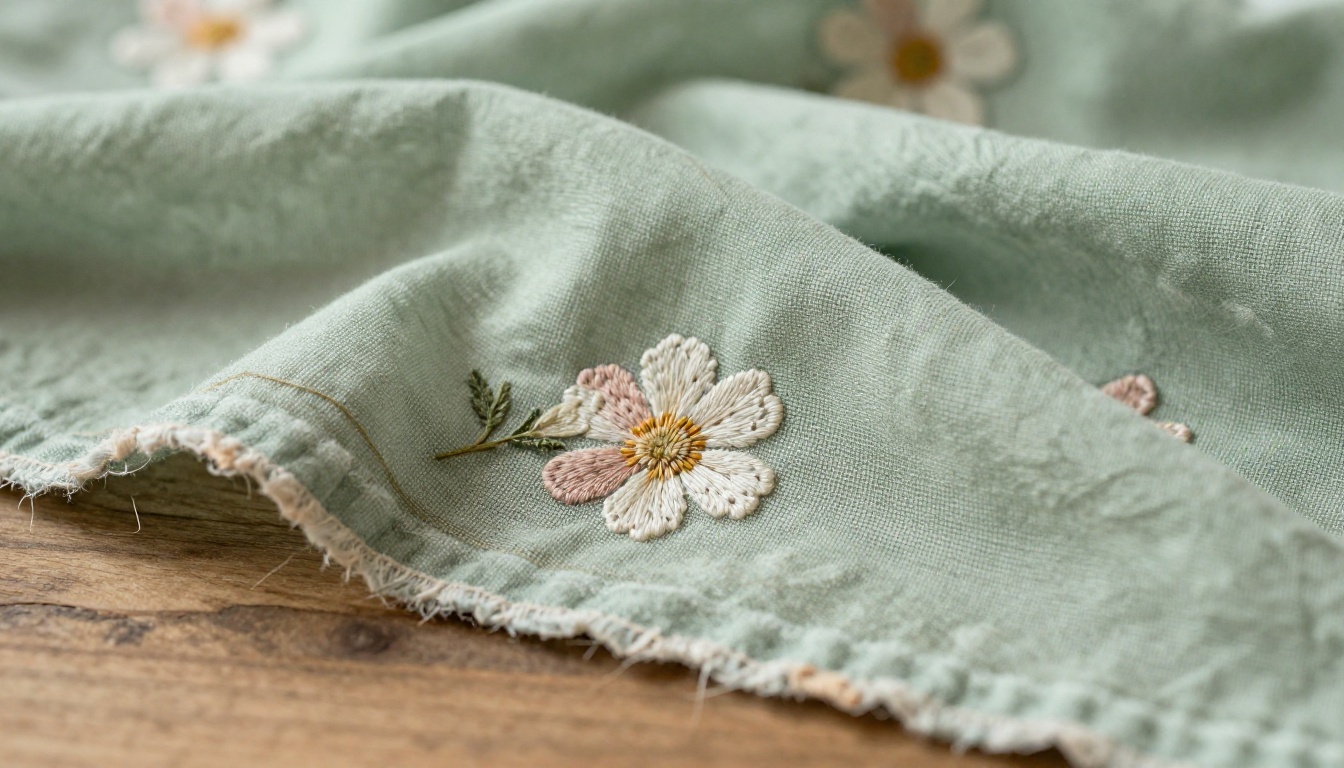
The quality of your fabric detail shots often determines whether wholesale buyers look twice. Shoot close-ups of every significant textile, embroidery, or surface treatment. These images serve double duty in your lookbook and as product photography across your website and wholesale listings.
Spring Lookbook Layout Ideas That Convert
The way you arrange images and text on a page communicates as much as the images themselves. A cluttered layout signals a disorganized brand. A layout with breathing room and intentional visual hierarchy signals confidence and quality.
| Layout Style | Description | Best Use Case |
|---|
| Full Bleed Hero | Single image fills the entire spread, no text | Opening spreads and section openers |
| Editorial Grid | 2-3 images in asymmetric grid, minimal text | Mid-lookbook, showing collection range |
| Product Focus | Clean neutral background, single item centered | Hero products and signature pieces |
| Lifestyle Spread | Wide environment shot with copy alongside | Story sections and campaign pages |
| Detail Close-Up | Tight texture or accessory shot with brand copy | Material callouts and craftsmanship pages |
💡 Structure your lookbook in three acts: open with a strong concept spread that establishes the season's mood, build through editorial lifestyle pages, then close with clean product-focused shots that make ordering straightforward. Buyers and customers navigate differently; the three-act structure serves both.
Your lookbook does not need to follow a strictly linear format. Many buyers flip through non-linearly. Make sure your brand name, contact details, and a coherent visual identity appear on every spread, not just at the front.
How to Create Your Spring Lookbook with Flipbooks AI
Once your design is finalized as a PDF, turning it into a shareable digital experience takes minutes with Flipbooks AI. The platform converts your static PDF into an interactive flipbook with realistic page-turning animation, making your spring lookbook feel like a living editorial rather than a static file.
1. Create your account
Head to flipbooksai.com/account to sign up. No credit card is required to start, and you can publish your first flipbook immediately after registering.
2. Upload your PDF
Drag and drop your spring lookbook PDF into the dashboard. The converter preserves your exact typography, color values, and image quality. A standard 20-page lookbook uploads in under 30 seconds.
3. Set your branding
Use the customization panel to match the flipbook interface to your brand palette. Adjust background color, toolbar tones, and page border treatment. You can disable the default toolbar entirely for a clean editorial presentation.
4. Add interactive elements
Embed product links directly onto pages so buyers can click through to purchase pages or wholesale order forms. Add video embeds for any behind-the-scenes content from your production shoot.
5. Configure sharing and access
For wholesale buyers or press previews, enable password protection so only invited contacts can access the lookbook. For public seasonal drops, generate a direct link and an embed code to place the flipbook on your website or landing page.
6. Activate analytics (Professional plan)
With the Professional plan, page-by-page analytics show which spreads hold attention longest, where buyers drop off, and which products generate the most interest. That data directly improves your next season's presentation strategy.
✅ Use the Interactive Lookbook Designer or the Lookbook Flipbook Builder for templates purpose-built around fashion editorial formats. The Fashion Catalog Creator is also well suited to spring drops, with templates optimized for alternating lifestyle and product spreads.
Features available on every plan:
- No watermarks, ever
- Unlimited flipbooks on Standard plan and above
- Password protection for private wholesale or press versions
- Mobile-responsive design across all devices
- Custom branding and interface colors
- Embed codes for direct website integration
- Offline downloads for buyers without reliable internet
Distributing Your Spring Lookbook
A lookbook that sits in a shared folder is not doing its job. Distribution is where small brands consistently underinvest, and it is often the difference between a season that builds lasting relationships and one that passes unnoticed.

| Channel | Format | Timing | Audience |
|---|
| Email newsletter | Embedded thumbnail with link | 2-3 weeks before launch | Existing customers, buyers |
| Instagram | Single images and Stories | Weekly during launch window | General audience |
| Website embed | Full interactive flipbook | Launch day | All site visitors |
| Wholesale outreach | Password-protected link | 4-6 weeks before launch | Buyers and stockists |
| Pinterest | Individual spreads as pins | Launch day, ongoing | Discovery audience |
💡 Send your lookbook to press contacts with a personalized note three to four weeks before the public launch. Many small brand placements in editorial publications come directly from this kind of early, personal outreach rather than formal press releases.
Where to distribute:
- Email campaigns: Embed a preview thumbnail with a direct link. Keep the email minimal so the lookbook does the storytelling.
- Instagram Stories and Reels: Pull three to five hero images for sequential storytelling that teases the full experience.
- Website integration: Place the embed code from Flipbooks AI directly on your homepage or a dedicated spring collection page.
- Wholesale portals: Share a password-protected version with buyers and stockists before the public launch.
- Pinterest boards: Seasonal fashion content has a long shelf life on Pinterest. Pin your strongest spreads with descriptive copy early in spring for extended discovery reach.
What Separates a Good Lookbook from a Genuinely Effective One
Most small brand lookbooks have decent photography. The ones that actually convert buyers and build brand equity consistently do a few specific things differently.

They tell you exactly who the customer is. Every casting choice, location, and styling decision points to a specific person living a specific kind of life. Vague lookbooks attract vague attention.
They make action obvious. Product codes, wholesale minimums, and order contact details are present and easy to find. A beautiful lookbook that requires five emails to place an order loses buyers to brands that make it effortless.
They stay consistent across every channel. The lookbook's color story, typography, and tone match the website, the packaging, and the social grid. Buyers and customers notice when things feel mismatched, even when they cannot articulate why.
They use the full capability of digital formats. A lookbook published through Flipbooks AI has features a printed PDF does not: embedded product links, video content, page analytics, and interactive navigation. Brands that use these features communicate more without adding more pages.
⚠️ Do not repurpose last season's lookbook structure by swapping out photos. Each season's lookbook should reflect that season's specific concept, not just carry updated imagery inside an old template.
A Realistic Production Timeline for Small Brands
Small brands typically operate without the extended lead time of larger labels. This calendar is built for realistic small team constraints.
10 weeks before launch
- Finalize collection and confirm all samples are shoot-ready
- Define concept, palette, and location approach
8 weeks before launch
- Book photographer, cast model, confirm location
- Create shot list based on your lookbook layout plan
6 weeks before launch
- Shoot days
- Begin layout design in parallel with photo editing
4 weeks before launch
- Finalize design as a PDF
- Upload to Flipbooks AI and configure branding
- Send to wholesale buyers and press with a password-protected link
2 weeks before launch
- Begin social teaser campaign with selected hero images
- Finalize website embed placement
Launch week
- Publish publicly, activate open sharing link
- Send email campaign to your full list
- Pin to Pinterest, share across all active channels
The brands that produce strong spring lookbooks consistently are not the ones with the largest budgets. They are the ones that plan early, commit to a clear concept, and use tools that let a small team produce results that look effortless and feel intentional.
Make This Season Count
Your spring collection represents months of creative and operational work. A well-built lookbook makes sure that work gets seen by the right people, in the right format, at exactly the right time.
Flipbooks AI gives you everything you need to take a finished PDF and publish it as a polished, shareable digital experience. No watermarks, no technical complexity, and no cap on the number of flipbooks you publish on the Standard plan and above.
Ready to publish your spring collection? Create your account and have your first lookbook live in under ten minutes.
Browse all available flipbook tools including templates built for fashion catalogs, editorial lookbooks, and product portfolios. Or go directly to the Lookbook Flipbook Builder to start with a format designed for exactly this kind of seasonal collection work. Compare pricing plans to find what fits your brand's current stage.



