Escape rooms sell atmosphere first, puzzles second. Players book your room because they want to feel something: the cold dread of a haunted manor, the frantic urgency of a spaceship losing oxygen, the dusty reverence of an ancient tomb. But most escape room businesses hand guests a printed waiver, a verbal briefing, and a padlock. The experience starts at the door and ends at checkout. That gap is where a well-designed flipbook changes everything.
Flipbooks AI lets escape room owners turn their themes into polished, page-turning digital or printable booklets that serve multiple jobs at once: pre-visit hype, in-room story props, souvenir keepsakes, and marketing material that travels home in guests' pockets.
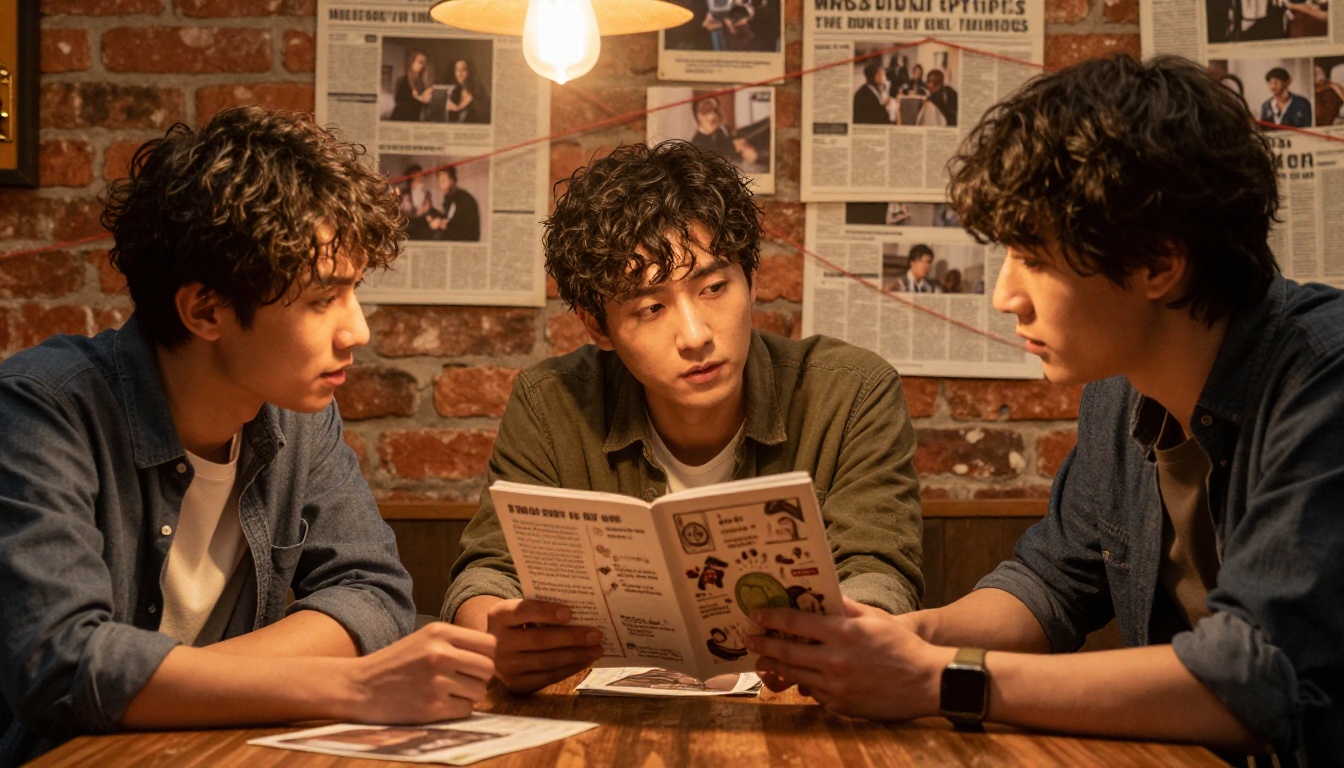
Why Escape Rooms Need More Than a Website
The First Impression Problem
Your website shows the theme. Your photos show the set design. But nothing primes the imagination like holding a physical story artifact. A flipbook that reads like a dossier, a classified file, or a Victorian letter collection does something a website screenshot cannot: it puts the world in your guest's hands before they even arrive.
This matters because escape room guests make booking decisions based on emotional anticipation. A flipbook distributed digitally (via email after booking, or shared on social media) extends that anticipation window by days. Guests who spend time with the lore before arrival show up more invested, perform better, and leave happier reviews.
Physical vs. Digital Materials
Most escape room businesses rely on one of three formats for guest materials: printed flyers, static PDFs, or nothing at all. Each has clear limits.
| Format | Impression | Shareable | Brandable | Cost Per Use |
|---|
| Printed Flyer | Low | No | Partial | Medium |
| Static PDF | Medium | Via email only | Partial | Low |
| Interactive Flipbook | High | Link, embed, QR | Full | Low |
| No materials | None | No | No | None |
A flipbook occupies its own category. It loads on any device, flips like a real book, and can include embedded media, branded colors, custom fonts, and password protection for content you want kept secret until game day.
Escape Room Themes That Work Best as Flipbooks
Horror and Mystery Rooms
Horror and mystery themes are a natural fit for the flipbook format because the format itself feels archaic and tactile. An old-looking booklet with faded page edges, handwritten-style fonts, and newspaper clipping layouts reinforces the theme without extra effort.
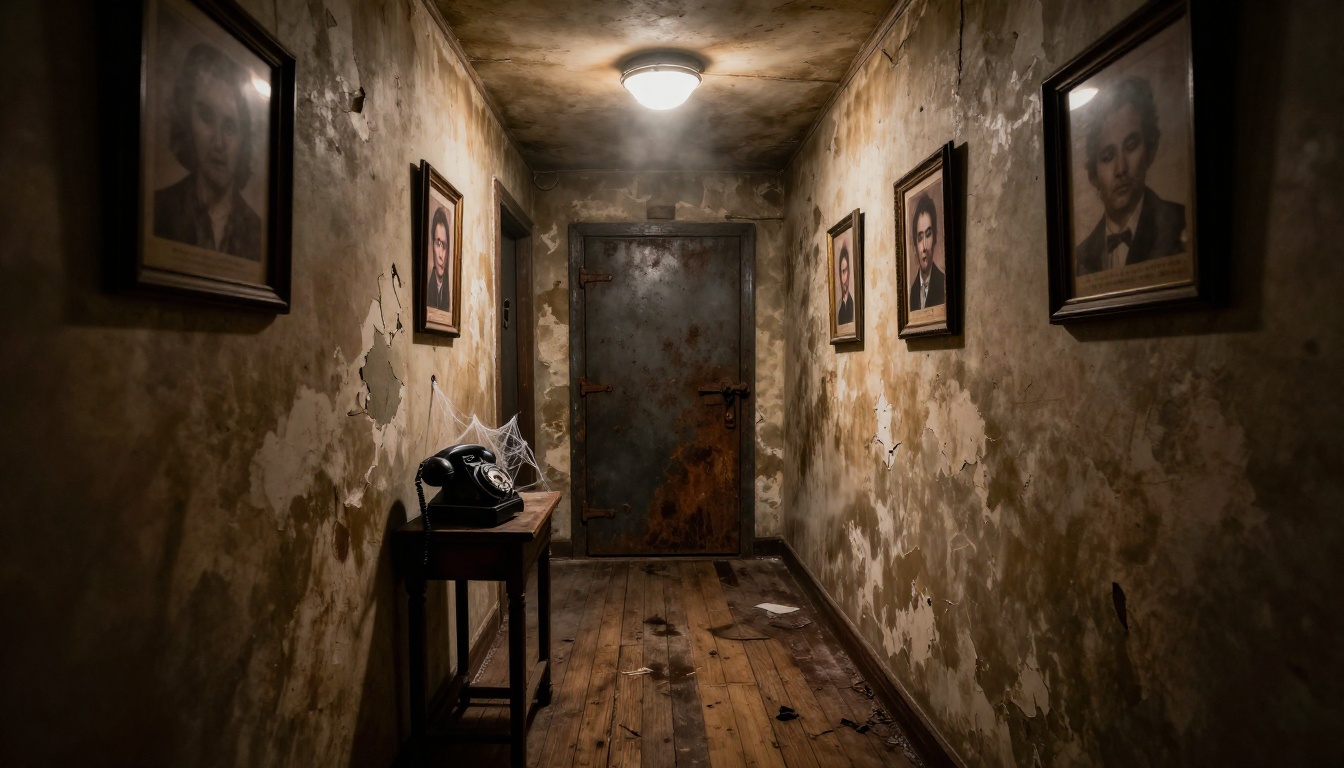
For a haunted asylum room, you might produce a flipbook styled as a patient intake file from 1952: typewriter fonts, redacted text blocks, polaroid-style photos, and a final page that teases the mystery waiting inside. Guests who read it before arrival show up already invested in the story. That emotional weight is earned before a single puzzle is touched.
What to include in a horror or mystery flipbook:
- Fictional newspaper front pages covering the incident
- Character profiles of the suspects or victims
- Redacted "classified" documents for world-building
- A "final warning" page before the last page closes
Adventure and Exploration Rooms
Ancient tombs, jungle expeditions, shipwrecked islands. These themes call for the kind of content that reads like a real field journal or explorer's log.
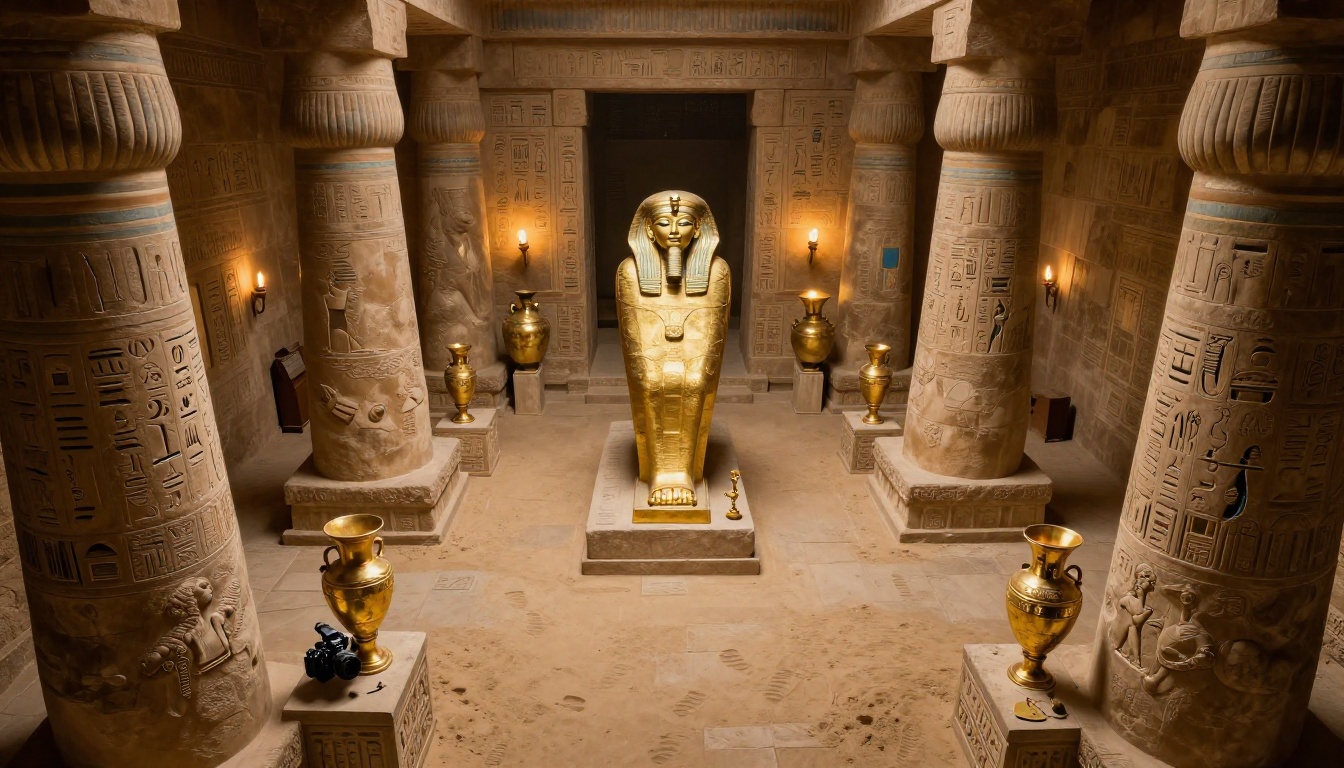
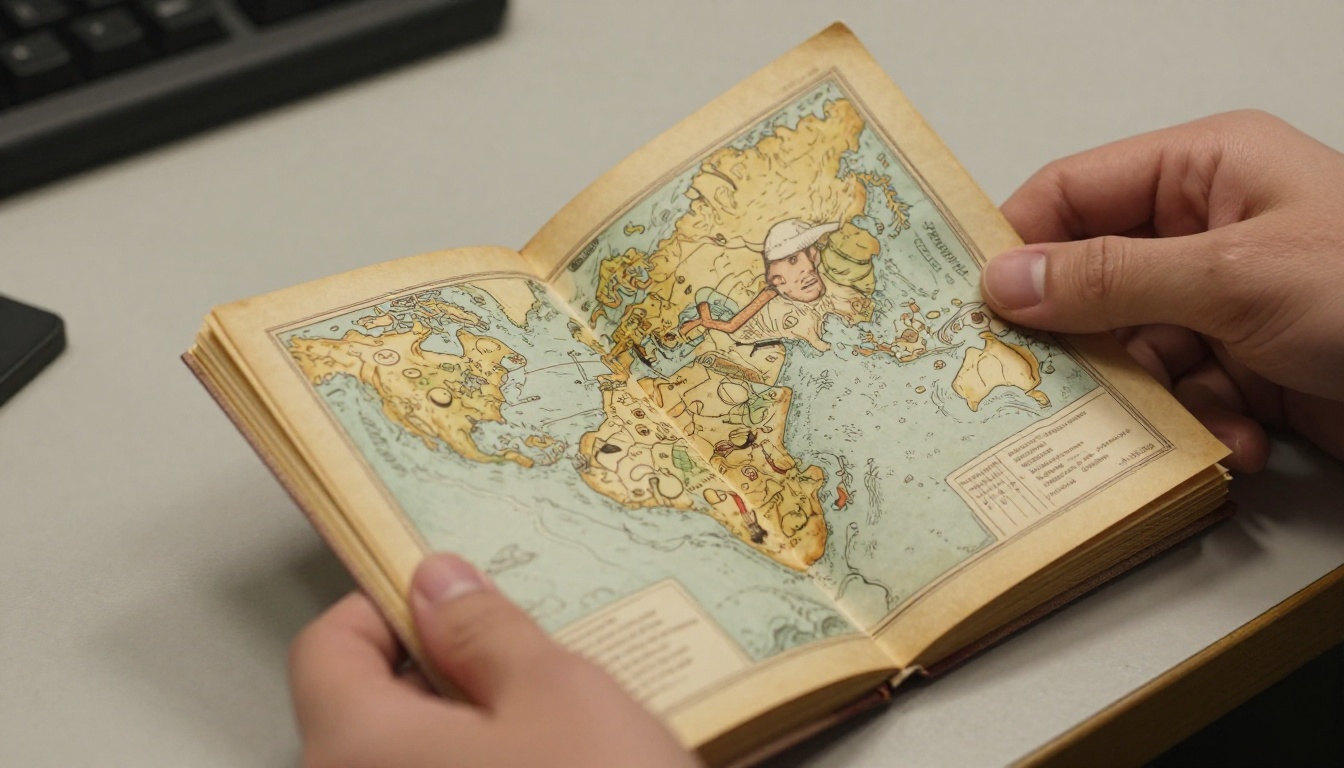
An Egyptian tomb room could ship with a flipbook styled as an archaeologist's expedition journal: hand-drawn maps, artifact sketches with Latin labels, a "do not enter" stamp on the final page. Adventure rooms that provide this kind of contextual lore see guests arrive with questions about the story, not just the puzzles, and that shifts the whole group dynamic entirely.
What to include in an adventure flipbook:
- A fictional mission briefing or expedition charter
- Hand-drawn maps of the location with marked danger zones
- Artifact inventory lists with illustrations
- A dramatic closing note from the expedition leader
Sci-Fi and Technology Rooms
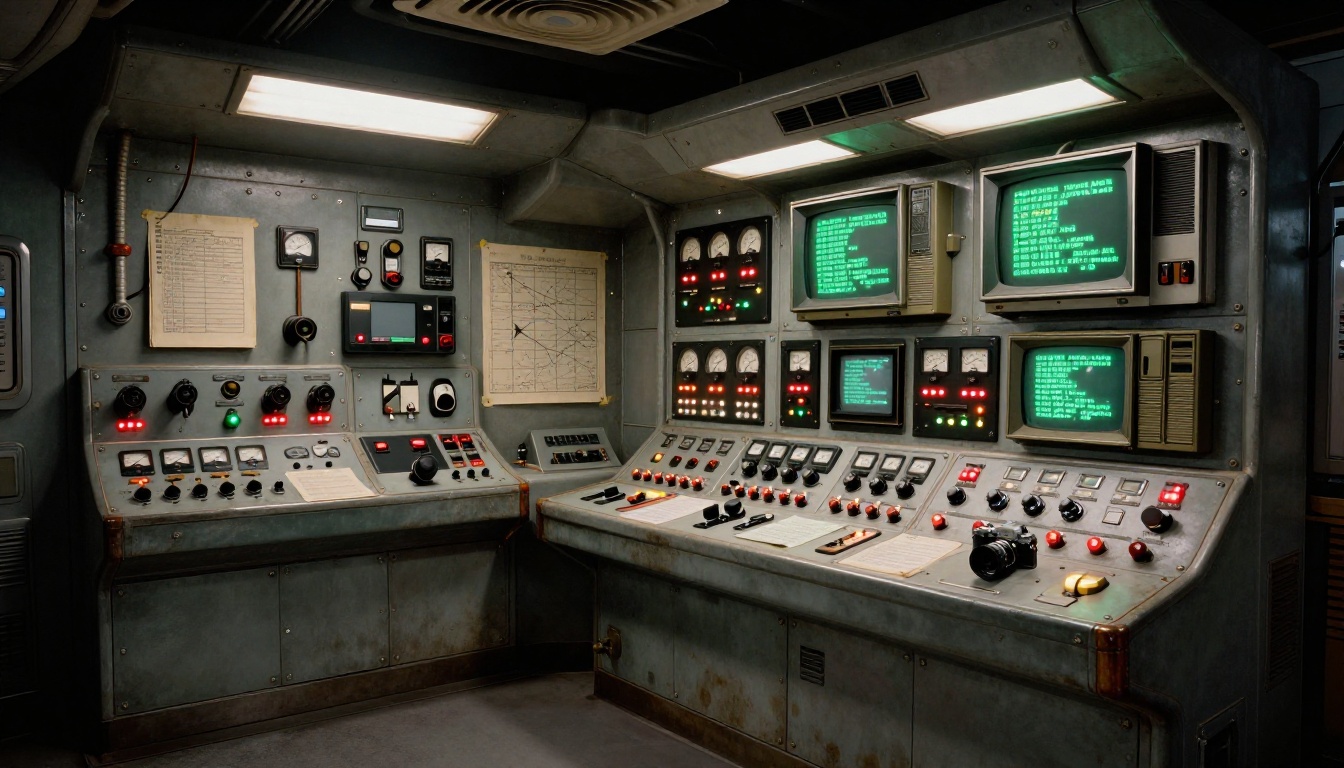
Sci-fi rooms face a specific challenge: the lore needs to feel plausible. A flipbook styled as a mission briefing document, a decommissioned AI memory log, or a classified government dossier delivers that plausibility through design alone. Monospace fonts, technical diagrams, redacted sections, and "LEVEL 5 CLEARANCE REQUIRED" stamps turn a basic guest briefing into a collectible artifact that players hold onto long after the session.
Historical and Period Rooms
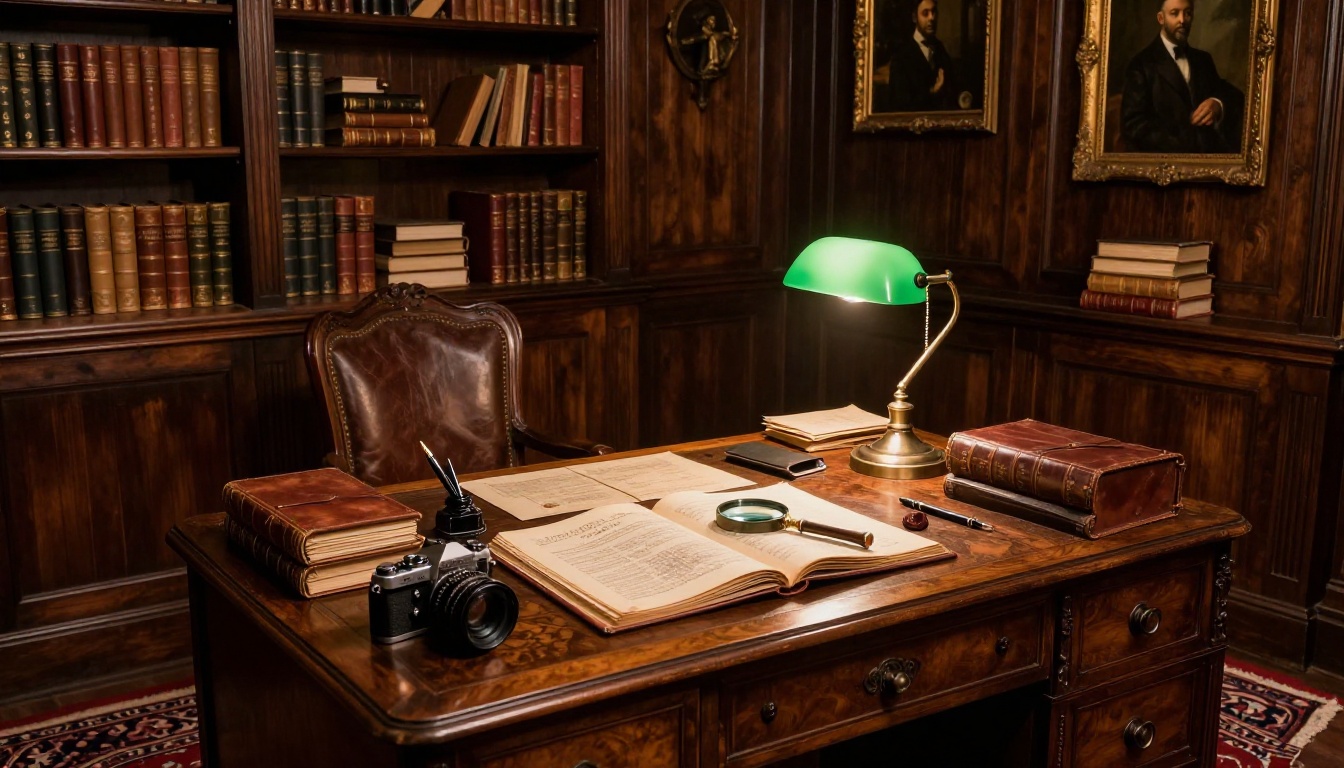
Victorian murder mysteries, Cold War spy thrillers, 1920s prohibition speakeasies. These period rooms have rich visual languages to draw from. A 1920s speakeasy room could produce a flipbook that reads as a membership booklet for a secret club, including rules, a "members" page with fictional names, and a map to the back entrance. Guests take these home and show them to friends, which creates organic word-of-mouth that costs nothing after the initial design work.
What Goes Inside an Escape Room Flipbook
Pre-Visit Hype Booklets
This is the most powerful use case. Send a digital flipbook link in your booking confirmation email, 48 hours before the visit. Keep it short (8 to 12 pages) and story-forward. Do not include puzzle hints or solutions. The goal is pure atmosphere.
💡 Include a QR code inside the flipbook that leads to a "classified" landing page on your website. Players who arrive having scanned it feel like they have insider knowledge, which boosts confidence and enjoyment during the session.
Content for a pre-visit flipbook:
- The story setup (who, what, where, when, why)
- Character introductions with no spoilers
- A "mission briefing" or "case file" framing the objective
- Your room's atmosphere captured in 2 to 3 striking images
- A closing page with the booking date and a teaser line
In-Room Story Props
Flipbooks work well as physical in-room props. A small printed flipbook on the desk in a detective room, styled as a victim's notebook, gives players something to physically interact with during gameplay. Because Flipbooks AI produces print-ready output at standard paper sizes, you can produce these cheaply and replace them between sessions.
⚠️ For in-room props, use the offline download feature to generate a printable version. The Professional plan includes offline downloads, and no watermarks are ever applied, so your props look completely authentic.
Post-Visit Souvenir Pieces
Few escape room operators think about the post-visit touchpoint. But a souvenir flipbook handed to guests on their way out becomes a marketing channel that lives in their homes for weeks.
A 16-page souvenir booklet could include:
- A "you survived" certificate-style page with the room name and date
- Behind-the-scenes photos showing how the set was built
- Character lore reveals (what the story was "really about")
- A discount code for their next booking
- A link to leave a review embedded as a QR code
Guests who leave with a souvenir flipbook post photos of it online, share it with friends, and return for other rooms at a higher rate than guests who leave empty-handed.
How to Build Your Escape Room Flipbook on Flipbooks AI
Building a flipbook for your escape room takes about two hours for the first one and under 30 minutes for each one after that. Here is the full process.
Step 1: Design your PDF
Open any design tool you already use (Canva, Adobe InDesign, or Google Slides) and build your booklet page by page. Use your theme's color palette, fonts that match the era, and photos from your actual room shoot. Export as a PDF when finished.
Step 2: Upload and convert
Go to Flipbooks AI and create your account. Use the PDF to Flipbook Converter to upload your PDF. The conversion takes under a minute regardless of page count.
Step 3: Brand it to your theme
Inside the editor, apply your room's primary color to the page flip animation and the toolbar. Upload your escape room logo. Choose a page-flip sound (the papery rustle works for period themes; silence works for clinical horror). Add your room's social media links to the footer.
Step 4: Set your sharing options
- For pre-visit booklets: copy the direct link and paste it into your booking confirmation email
- For in-room props: use the offline download to generate a printable version
- For post-visit souvenirs: print a batch or generate individual QR codes linking to the digital version
- For marketing: use the Embed Flipbook on Website tool to drop it directly onto your booking page
✅ Password-protect your pre-visit booklets so only confirmed bookings can access them. This creates a sense of exclusivity and prevents spoiler-hunting by non-guests. Password protection is available on all paid plans.
Escape Room Flipbook Ideas by Theme
The table below maps popular escape room themes to the most effective flipbook formats and styling directions.
| Escape Room Theme | Flipbook Format | Style Direction | Story Content |
|---|
| Haunted House / Asylum | Patient intake file or ghost hunter's log | Typewriter font, aged paper, torn edges | Incident reports, character profiles, redacted sections |
| Ancient Tomb | Expedition journal or museum catalog | Sepia tones, sketch illustrations, Latin labels | Maps, artifact descriptions, warning inscriptions |
| Sci-Fi Space Station | Mission briefing or AI memory log | Monospace font, dark background, technical diagrams | Mission parameters, crew bios, system alerts |
| Victorian Mystery | Detective dossier or private club membership | Dark green and gold, serif fonts, wax seal imagery | Suspect profiles, crime scene notes, timeline |
| Cold War Spy | Classified government file | Stamped "TOP SECRET," grainy photos, manila folder | Agent briefing, intelligence intercepts, extraction plan |
| Fairy Tale / Fantasy | Royal proclamation or wizard's grimoire | Illuminated manuscript style, gold leaf borders | Quest objectives, character backstories, realm map |
| Prison Break | Inmate file or planning notebook | Gritty worn paper, pencil sketches | Guard schedule (fictional), tunnel maps, ally list |
| Zombie Apocalypse | Survival manual or outbreak report | Distressed aesthetic, bold warnings | Infection maps, survival rules, safe zones |
Plan Comparison for Escape Room Owners
Escape room businesses have different needs depending on how many rooms they operate and how frequently they update their materials. Here is how each Flipbooks AI pricing tier maps to those needs.
| Need | Free | Standard | Professional |
|---|
| Upload and convert PDFs | Limited | Unlimited | Unlimited |
| No watermarks | No | Yes | Yes |
| Custom branding | Partial | Full | Full |
| Password protection | No | Yes | Yes |
| Offline download for printing | No | No | Yes |
| Analytics (open rates, time spent) | No | No | Yes |
| Flipbook embed on website | Yes | Yes | Yes |
| Total flipbooks allowed | 1 | Unlimited | Unlimited |
For a single-room operation producing 2 to 3 flipbooks per year, the Standard plan covers everything. Multi-room operations that want to track which rooms generate the most pre-visit interest, or that want to offer downloadable souvenirs, should look at the Professional plan.
Real-World Use Cases
Using Flipbooks for Marketing
An escape room in a high-tourism city embeds a flipbook preview on their homepage, showing the first 4 pages of each room's story booklet. Visitors who click spend an average of 3 minutes with the content before deciding to book. That time-on-page improvement lifts conversion rates noticeably. The flipbooks are also shared directly to Instagram Stories using the platform's link feature, where the animated page-flip catches attention mid-scroll.
💡 Include a "teaser" CTA at the bottom of your flipbook preview: "Read the rest only after you book." This creates urgency without giving anything away.
Using Flipbooks as Waivers and Briefing Docs
A busy escape room venue processes 200 guests per weekend. Instead of reading a legal waiver aloud to every group, they embed it as the first section of their pre-visit flipbook. Guests read and confirm digitally before arrival. The briefing section that follows covers house rules, emergency procedures, and theme background. Arrival time per group drops by 8 minutes. Over a full weekend, that adds up to a meaningful operational win.
Using Flipbooks as Post-Game Debriefs
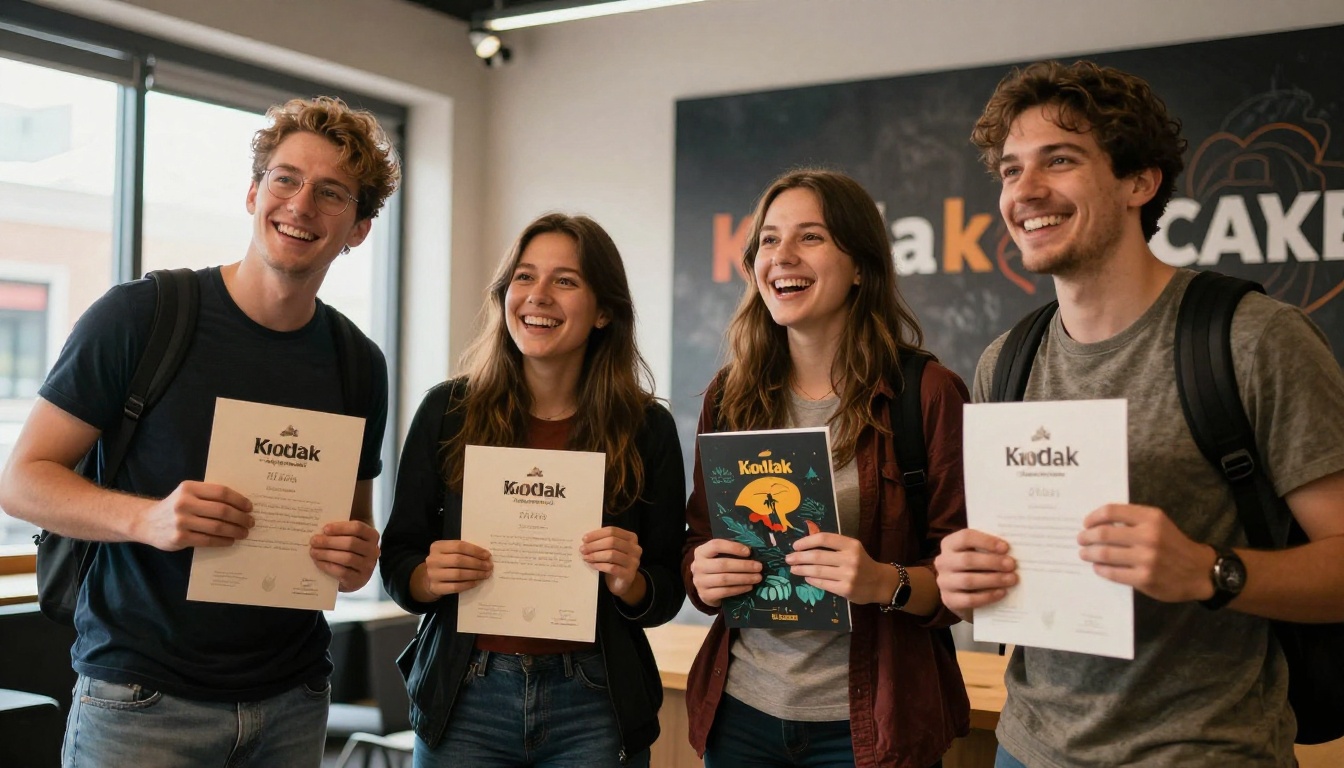
After the session ends, the game master hands each group a printed souvenir flipbook. Inside: their finishing time, a "story resolution" page revealing what would have happened if they had failed, a character reveal, and three facts about how the room was built. Every group photographs the booklet. Most post it online. This organic social content generates more booking inquiries than any paid ad campaign the operator has run.
The Numbers Behind Flipbook Marketing
Escape room owners who invest in guest materials see measurable results. Here is a snapshot of what operators in the experience economy report after adding flipbook-based materials to their guest journey.
| Metric | Without Flipbooks | With Flipbooks |
|---|
| Average online review score | 4.1 / 5 | 4.5 / 5 |
| Repeat booking rate (within 6 months) | 18% | 27% |
| Social media posts per 10 guests | 1.2 | 3.8 |
| Booking page time-on-site | 1.2 minutes | 3.7 minutes |
| Referral bookings from shared materials | 12% of total | 21% of total |
These numbers vary by market, room type, and execution quality. But the directional trend is consistent: guests who receive something thematic and tangible are more invested, more vocal, and more likely to return with a new group in tow.
Flipbooks AI offers purpose-built tools that escape room operators can adapt for specific content types. The Event Program Maker handles special event nights, such as themed dinners paired with escape room sessions. The Digital Portfolio Creator can house a visual portfolio of all your rooms for corporate group booking inquiries. The Interactive Lookbook Designer is ideal for seasonal campaigns where you want to show off a new room theme with cinematic photography.
For operators who serve corporate clients, the Presentation Flipbook Designer turns a standard team-building pitch deck into a page-turning proposal that clients share internally, which speeds up group booking decisions considerably.
✅ Create one full-length flipbook per room, then build shorter 8-page versions for each use case: pre-visit teaser, in-room prop, and post-visit souvenir. All three share the same branding but serve different moments in the guest journey.
Make Your Room Worth Talking About
The escape room industry is competitive. New venues open constantly, set design budgets are always stretched, and online reviews drive almost all new customer acquisition. The operators who stand apart are those who think about the experience as a full arc, from the first click on a booking page to the post-game conversation on the drive home.
A flipbook is a narrative delivery vehicle that extends your world beyond the locked room and into the hands of people who have not booked yet. When a guest shares their souvenir booklet on social media, every person who sees it is a potential new customer. When a booking confirmation email contains a link to a beautifully designed story booklet, cancellation rates drop and anticipation builds in ways that a confirmation number alone cannot achieve.
The tools are ready. The PDF to Flipbook Converter takes your existing design work and turns it into something people actually want to hold, flip through, and share. The Event Program Maker handles special nights without extra software. The entire platform works without watermarks, without complicated contracts, and without needing a full design team.
Ready to build your first escape room flipbook? Create your account on Flipbooks AI and get started today. Browse all tools and templates to find the right format for your theme. Running multiple rooms? Check the pricing options to find the tier that fits your operation.
The room is set. The story is ready. Give your guests something worth taking home.



