In the digital age where attention spans shrink by the second, that beautifully designed brochure sitting on your shelf represents more than just printed paper—it's untapped potential. Every hotel brochure, real estate listing, restaurant menu, and product catalog you've invested in can become an interactive experience that captures attention, drives engagement, and converts browsers into buyers. The transition from static PDF to dynamic flipbook isn't just about going digital; it's about transforming how your audience interacts with your content.
💡 Professional Insight: The average person spends 37 seconds with a physical brochure but 2.5 minutes with an interactive digital version. That's a 400% increase in engagement without changing the core content.
Why Static PDFs Fail Modern Audiences
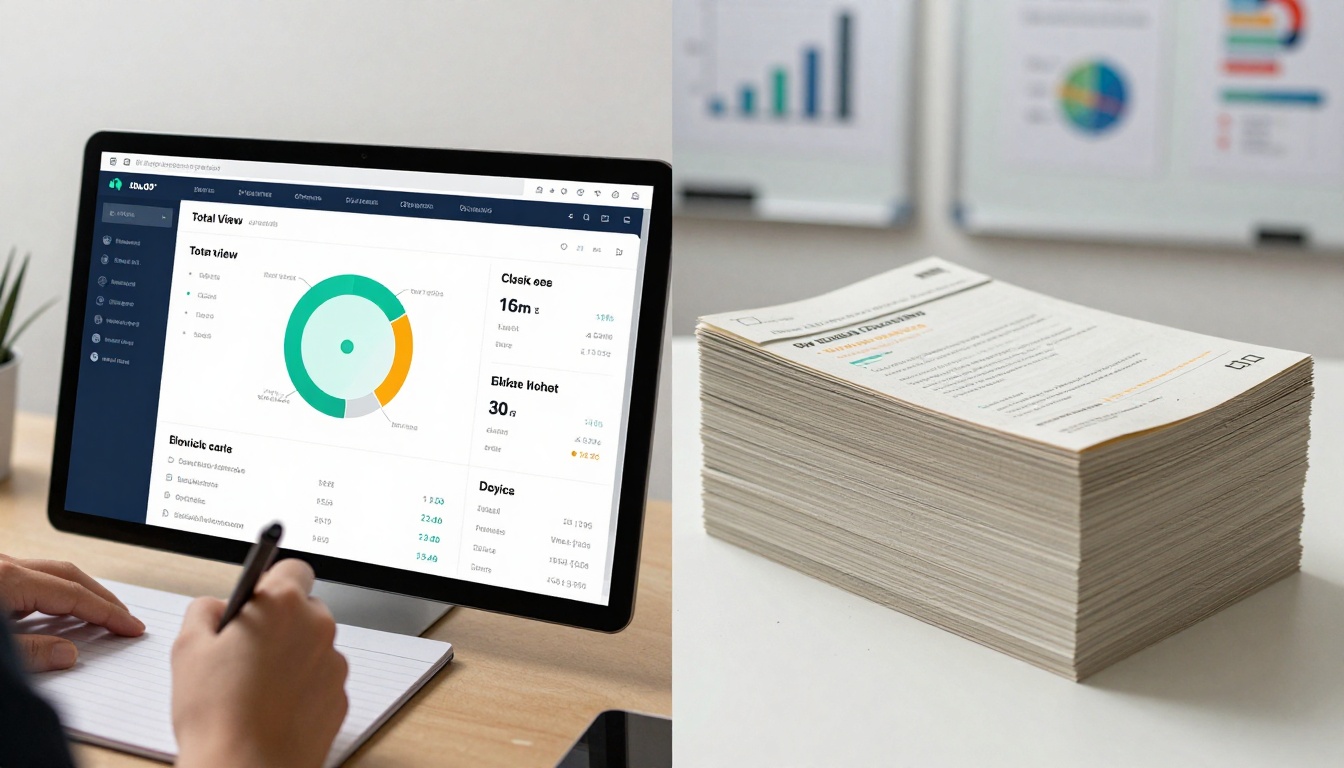
Printed brochures have undeniable tactile appeal, but they suffer from fundamental limitations in today's connected world. Distribution costs alone can cripple marketing budgets—printing 1,000 full-color brochures averages $2,500, plus shipping and storage expenses. Worse yet, you have zero visibility into whether anyone actually reads them. Digital flipbooks solve these problems while adding capabilities physical print can never match.
The Hard Numbers Speak Volumes:
| Limitation | Physical Brochure | Digital Flipbook |
|---|
| Distribution Cost | $2.50 per copy + shipping | $0 after creation |
| Update Flexibility | Reprint entire batch | Instant online update |
| Engagement Tracking | Zero visibility | Real-time analytics |
| Interactive Elements | None | Videos, links, hotspots |
| Mobile Accessibility | Limited | Full responsiveness |
| Environmental Impact | High (paper, ink, transport) | Minimal |
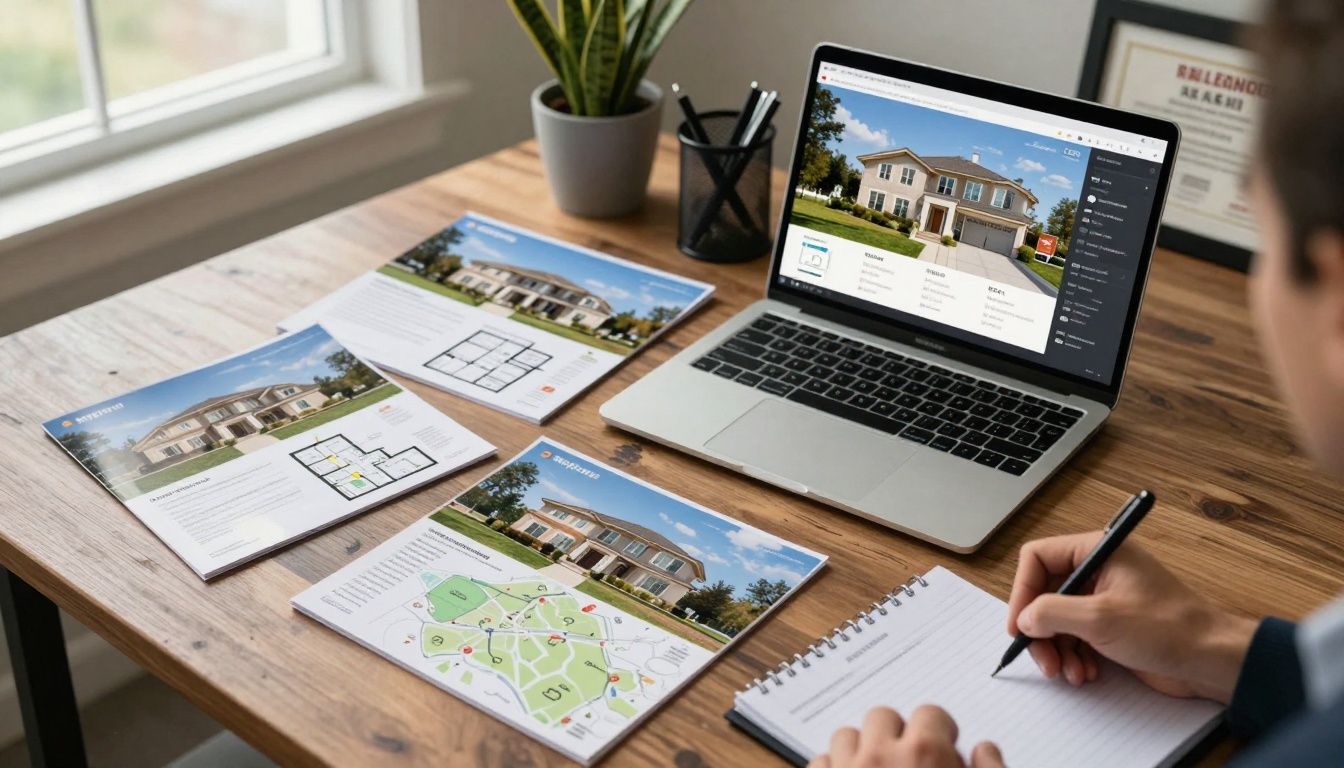
Real estate agents face this daily: they print 500 property brochures for $1,250, distribute them at open houses, and have no idea which features attracted serious buyers. With Flipbooks AI, that same property listing becomes an interactive experience where potential buyers can click through virtual tours, watch neighborhood videos, and calculate mortgage payments—all while the agent tracks which features get the most attention.
The Conversion Process: From PDF to Interactive Experience
Converting your brochure to a flipbook involves more than just uploading a file. It's about strategically enhancing what already works while adding digital capabilities that print can't provide.
Step 1: PDF Preparation
Before uploading to Flipbooks AI, ensure your PDF meets these standards:
- Resolution: Minimum 300 DPI for sharp images
- File Size: Under 100MB for optimal performance
- Layout: Single-page spreads work best for the flipbook experience
- Interactive Elements Planning: Identify where videos, links, or hotspots could add value
Step 2: Upload and Conversion
The PDF to Flipbook Converter handles the technical transformation:
- Upload your PDF (drag-and-drop interface)
- Automatic optimization for web viewing
- Preview the basic flipbook immediately
- Receive shareable link within minutes
Step 3: Enhancement and Customization
This is where the magic happens. Using Flipbooks AI's customization tools:
- Add background music that matches your brand tone
- Embed video content directly into relevant pages
- Insert clickable links to booking systems, contact forms, or product pages
- Create hotspots that reveal additional information on interaction
- Customize page transition effects (curl, slide, fade)
- Apply brand colors and logos consistently throughout
✅ Best Practice: Start with your highest-performing brochure first. The conversion process takes less than 15 minutes, and you'll immediately see which interactive elements drive the most engagement through the built-in analytics.
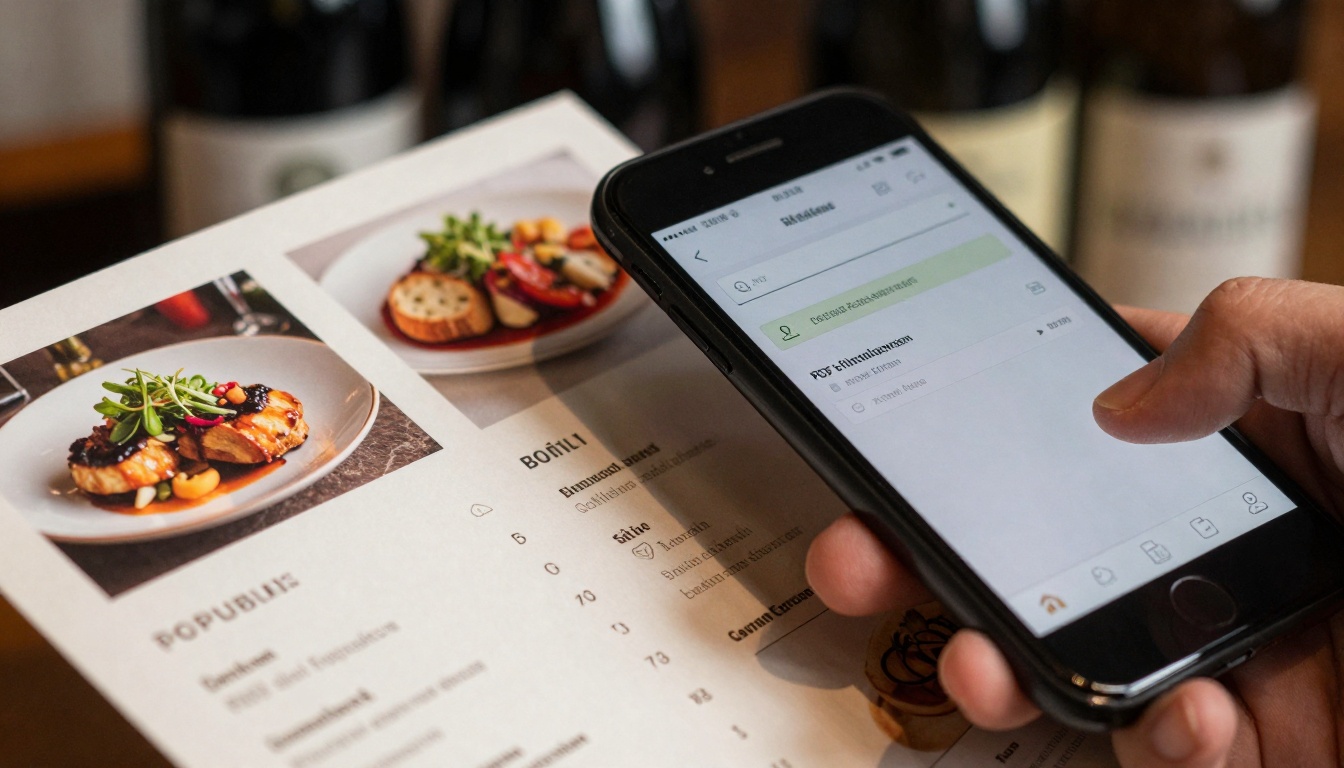
Different industries benefit from unique interactive features when converting brochures to flipbooks. Here's how various sectors leverage the technology:
Hospitality: Hotel Brochures That Book Rooms
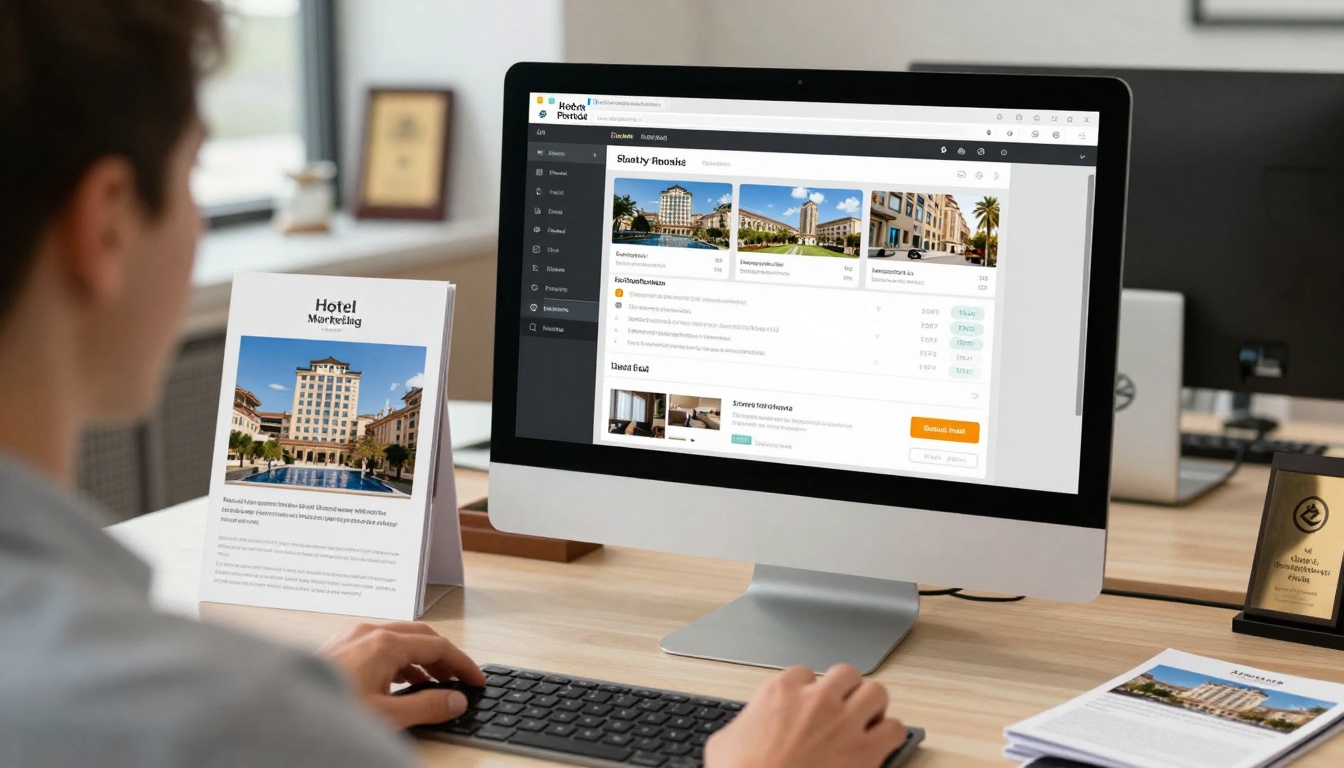
Traditional hotel brochures show beautiful photos but require guests to visit a separate website or call to book. The Hotel Brochure Designer transforms this static experience:
Added Interactive Elements:
- Virtual Room Tours: 360-degree views embedded directly on room pages
- Instant Booking Links: Click any room type to go directly to booking
- Local Experience Videos: Embedded videos showing nearby attractions
- Dining Reservations: Direct links to restaurant booking systems
- Seasonal Offers: Dynamic content that updates automatically
A boutique hotel in Barcelona increased direct bookings by 23% after converting their printed brochure to an interactive flipbook. The key? Embedded booking links on every room page reduced the steps from interest to reservation.
Real Estate: Property Listings That Sell Themselves
Real estate brochures become dynamic sales tools with the Real Estate Brochure Creator:
Critical Additions for Property Marketing:
- Interactive Floor Plans: Click rooms to see dimensions and features
- Neighborhood Videos: Embedded footage of local amenities
- Mortgage Calculators: Built-in tools for financial planning
- Virtual Staging: Show furniture placement options
- Document Storage: Attach inspection reports, surveys, disclosures
⚠️ Warning: Don't just upload PDFs and share links. The real value comes from strategically placed interactive elements that guide potential buyers through the decision journey.
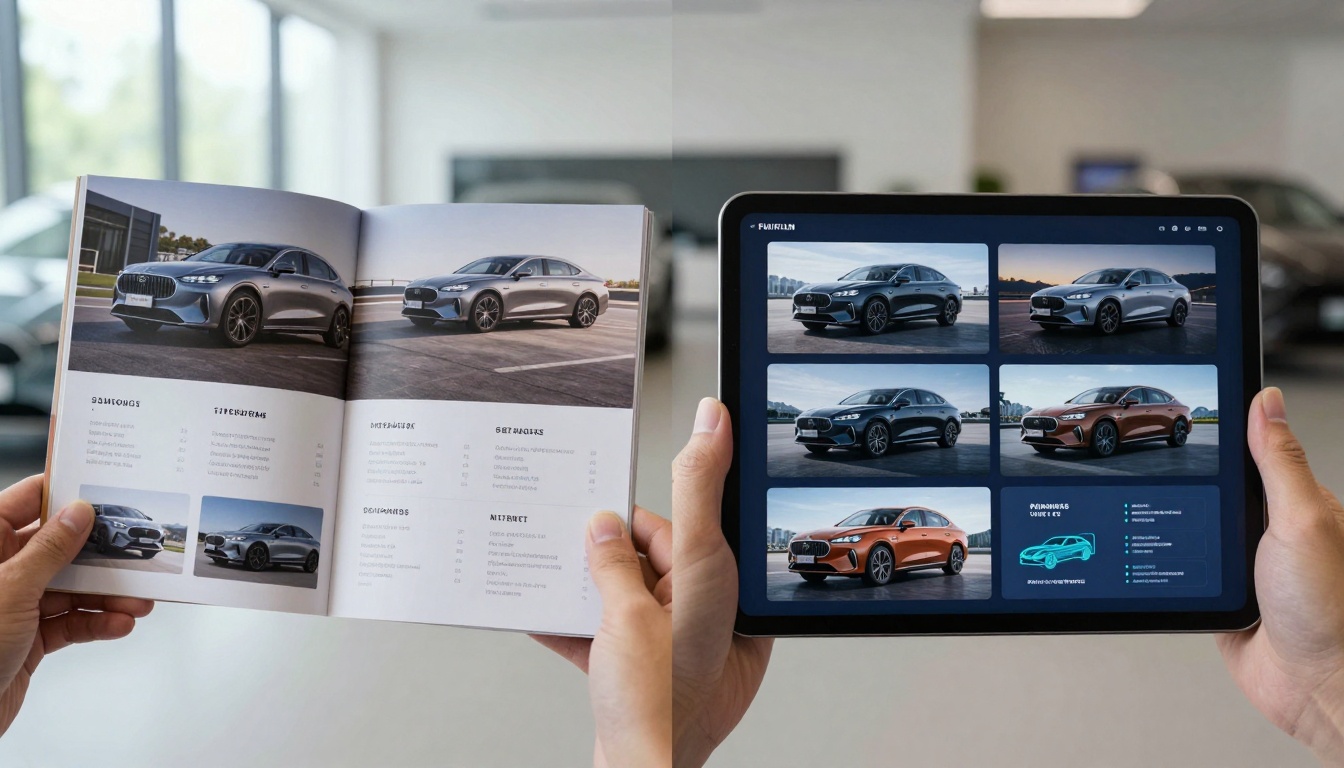
Automotive: Car Brochures That Demonstrate Features
Car dealerships spend thousands on printed brochures that get glanced at and discarded. The Automotive Brochure Generator changes this dynamic:
Feature Demonstrations That Convert:
- Engine Sound Videos: Hear the actual engine revving
- Safety Feature Animations: Visual explanations of complex systems
- Customization Tools: Interactive color and package selectors
- Comparison Matrices: Side-by-side feature comparisons
- Financing Calculators: Built-in payment estimation tools
A luxury car dealership in Munich reported that customers who interacted with their digital flipbook spent 47% more time considering vehicles and were 31% more likely to schedule test drives.
Feature Comparison: What Digital Flipbooks Add
Understanding the value-added features helps justify the transition from print to digital. Here's a detailed breakdown:
| Feature Category | Physical Brochure Capability | Digital Flipbook Enhancement |
|---|
| Content Delivery | Static images and text | Animated reveals, parallax scrolling |
| Media Integration | None | Embedded videos, audio, 360° views |
| Interactivity | Page turning only | Clickable hotspots, embedded forms, calculators |
| Distribution | Physical shipping required | Instant global sharing via link |
| Analytics | None | Page views, time spent, click tracking |
| Updates | Complete reprint required | Instant content updates |
| Accessibility | Physical copy required | Any device, any location |
| Cost Over Time | Per-copy printing costs | One-time creation, unlimited distribution |
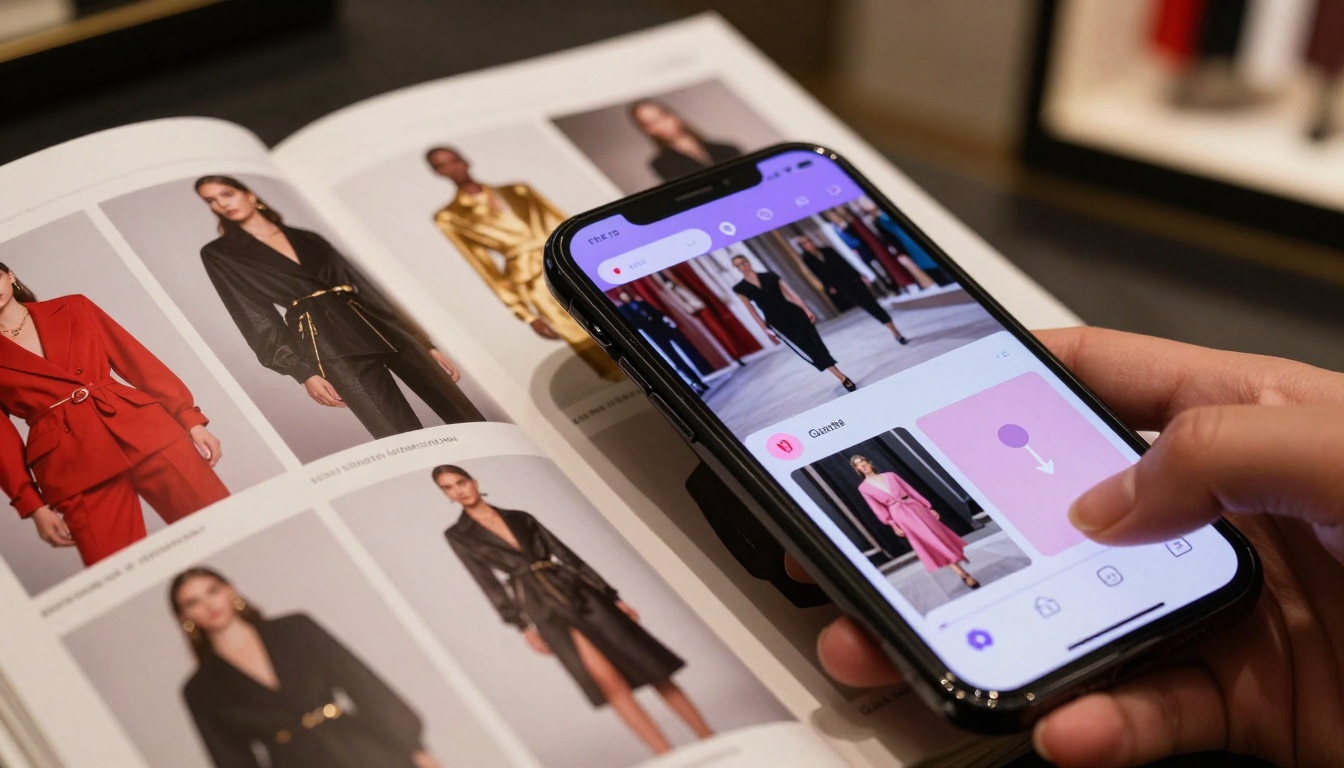
The most significant difference isn't any single feature but the compound effect of all enhancements working together. A restaurant menu becomes an experience when diners can watch chef preparation videos while browsing dishes. A fashion catalog becomes immersive when shoppers can zoom on fabric textures and see runway footage.
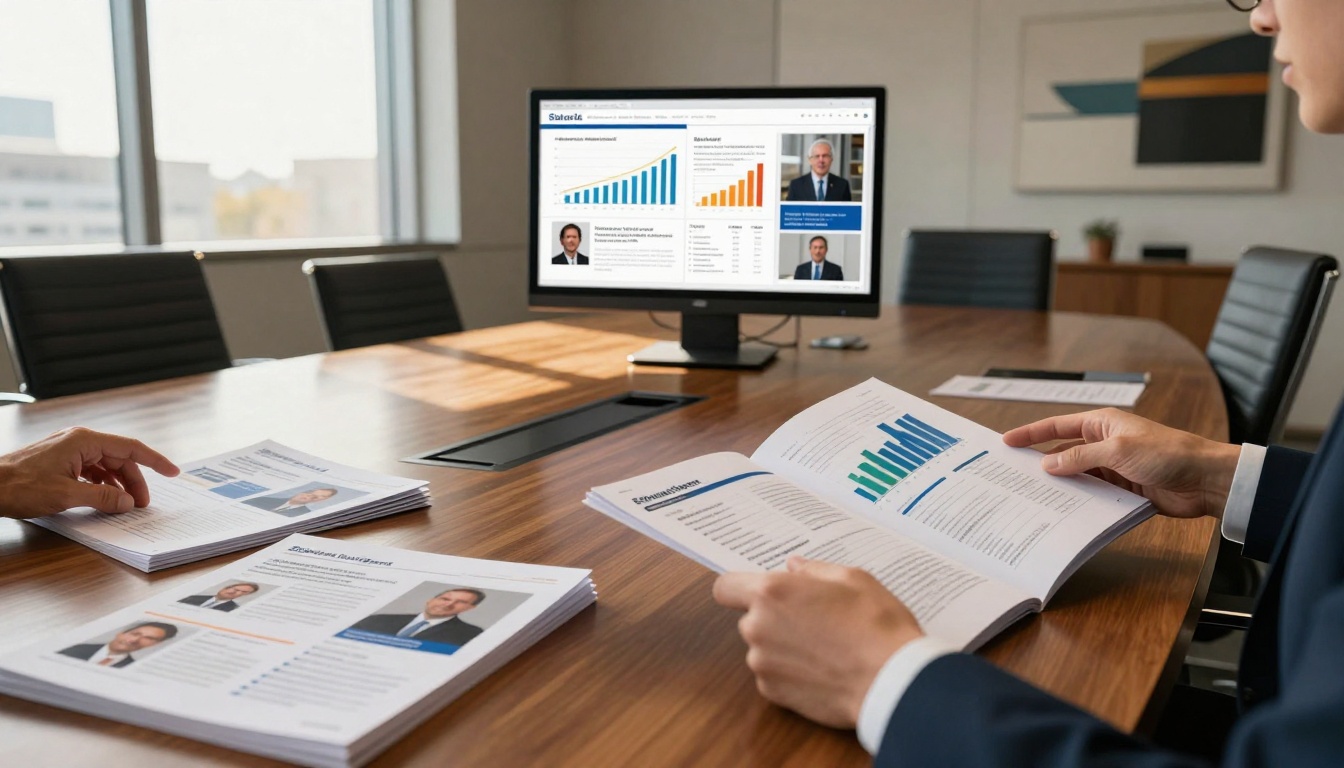
Cost Analysis: Print vs Digital Economics
The financial case for converting brochures to flipbooks becomes clear when you examine the numbers across different business scales:
Small Business (Annual Marketing Budget: $5,000):
| Expense Type | Physical Brochures | Digital Flipbooks |
|---|
| Design/Production | $1,500 (one-time) | $1,500 (one-time) |
| Printing (500 copies) | $1,250 | $0 |
| Distribution/Shipping | $750 | $0 |
| Updates/Revisions | $1,500 (annual) | $0 |
| Total Year 1 | $5,000 | $1,500 |
| Total Year 2 | $5,000 | $0 |
| Two-Year Savings | - | $8,500 |
Medium Business (Annual Marketing Budget: $25,000):
| Expense Type | Physical Brochures | Digital Flipbooks |
|---|
| Design/Production | $5,000 | $5,000 |
| Printing (5,000 copies) | $12,500 | $0 |
| Distribution/Shipping | $7,500 | $0 |
| Updates/Revisions | $5,000 (quarterly) | $0 |
| Total Year 1 | $30,000 | $5,000 |
| Total Year 2 | $30,000 | $0 |
| Two-Year Savings | - | $55,000 |
These savings don't even account for the increased conversion rates from interactive elements or the valuable analytics data that informs future marketing decisions.
Technical Implementation: Getting Started
Creating your first flipbook from an existing brochure follows a straightforward process:
1. Select Your Platform
Flipbooks AI offers specialized tools for different brochure types:
2. Prepare Your Assets
Gather these elements before starting:
- High-resolution PDF of your brochure
- Supplemental videos (30-60 seconds ideal)
- Brand colors (HEX codes)
- Logo files (SVG or high-res PNG)
- Any interactive element plans
3. Upload and Customize
The interface guides you through:
- PDF upload and automatic conversion
- Branding application (colors, logos)
- Interactive element placement
- Mobile optimization settings
- Analytics configuration
4. Distribution Strategy
Plan how you'll share your new flipbook:
- Website Embedding: Use the Embed Flipbook on Website tool
- Email Campaigns: Include direct links in newsletters
- Social Media: Share engaging previews with calls-to-action
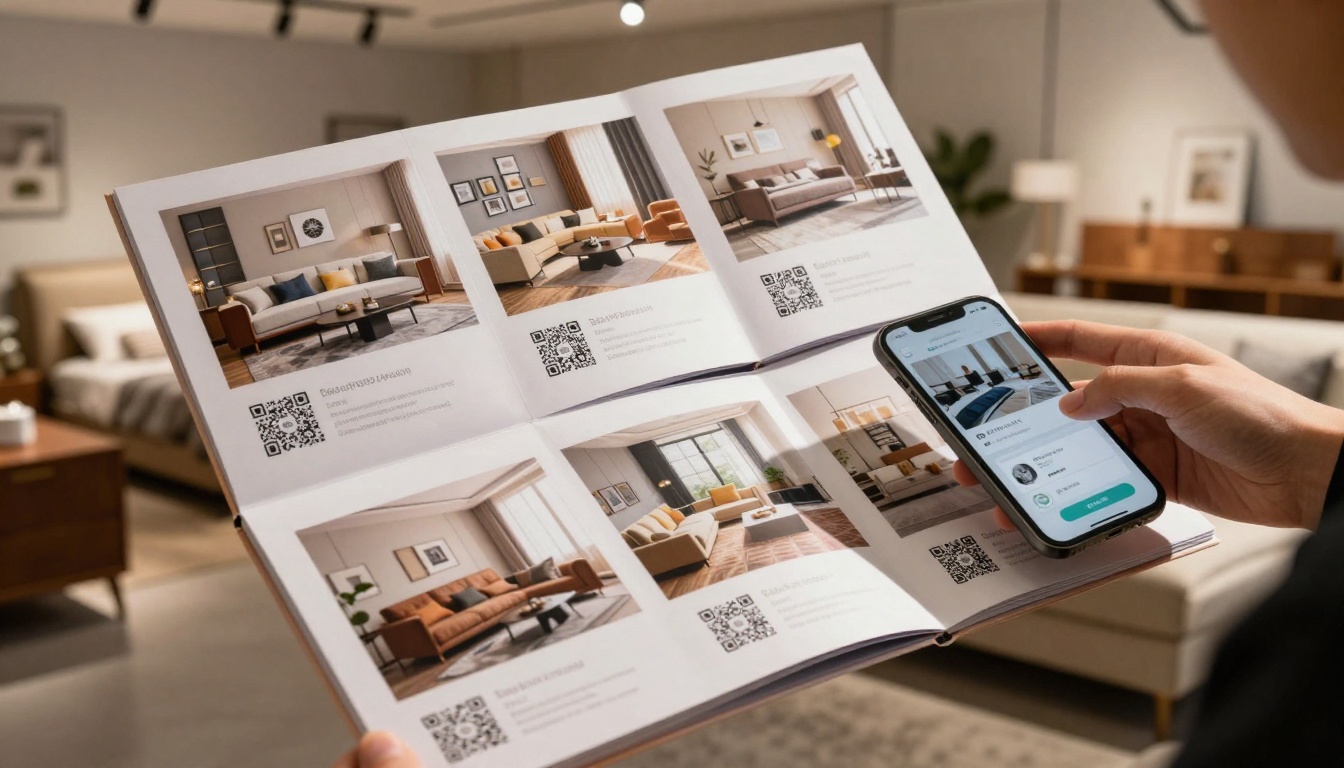
- QR Codes: Add to physical locations and print materials
- Sales Teams: Provide easy-access links for client presentations
Advanced Features: Professional Plan Advantages
While the basic conversion delivers immediate value, the Professional plan unlocks enterprise-level capabilities:
Lead Generation Integration:
- Form Embedding: Capture contact information directly within the flipbook
- CRM Integration: Automatically sync leads with your customer management system
- Behavior Tracking: See which content drives the most conversions
- A/B Testing: Compare different interactive element placements
Advanced Analytics:
- Heat Maps: Visual representation of reader engagement
- Reader Journey Analysis: How users navigate through your content
- Device Performance: Optimization insights for different platforms
- Conversion Funnels: Track the path from viewing to action
Security and Control:
- Password Protection: Restrict access to authorized viewers only
- Expiration Dates: Set time limits on content availability
- Download Controls: Manage offline access permissions
- Domain Restrictions: Limit embedding to approved websites
Common Mistakes and How to Avoid Them
Even with powerful tools, execution errors can undermine your flipbook's effectiveness:
Mistake 1: Overloading with Interactivity
⚠️ Problem: Adding too many videos, hotspots, and animations creates cognitive overload.
✅ Solution: Prioritize interactive elements that directly support conversion goals. Start with 2-3 key enhancements and expand based on analytics.
Mistake 2: Ignoring Mobile Optimization
⚠️ Problem: Assuming desktop experience translates perfectly to mobile.
✅ Solution: Use Flipbooks AI's responsive design tools. Test on actual mobile devices, not just emulators. Simplify navigation for touch interfaces.
Mistake 3: Setting and Forgetting
⚠️ Problem: Creating a flipbook but not promoting it actively.
✅ Solution: Develop a distribution plan before creation. Schedule social shares, email inclusions, and team training on how to use the new asset.
Mistake 4: Missing Analytics Opportunities
⚠️ Problem: Not reviewing performance data to improve future content.
✅ Solution: Set weekly review sessions. Identify which pages get most attention and which interactive elements drive engagement. Use insights to refine both flipbook and original brochure design.
The Future of Brochure Marketing
As digital adoption accelerates, the role of brochures evolves from information delivery to experience creation. The most successful marketers understand that today's audiences don't just want to read about products or services—they want to experience them.
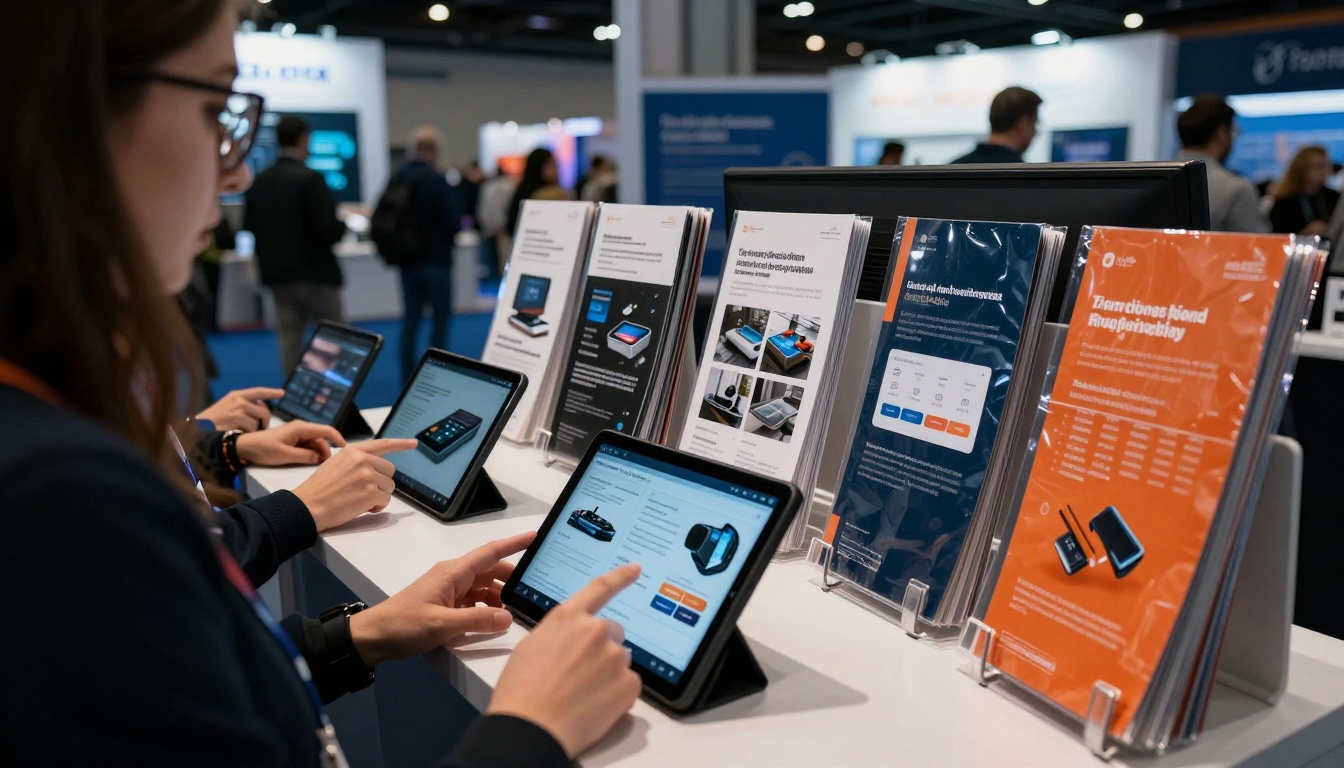
The companies winning in this space aren't abandoning print entirely but creating integrated experiences where physical and digital work together. A beautifully printed restaurant brochure with QR codes linking to an interactive digital menu. A luxury hotel's welcome package that includes both printed materials and tablet access to virtual concierge services. A real estate open house with printed floor plans alongside tablet-based virtual staging options.
This integrated approach delivers the tactile satisfaction of print with the dynamic capabilities of digital. It respects traditional marketing investments while embracing modern audience expectations.
Your existing brochures represent significant design investment, brand development, and content creation. Rather than letting them gather dust or incurring continuous reprint costs, transform them into living marketing assets that engage, convert, and provide valuable insights about your audience.
The tools exist, the process is straightforward, and the results speak for themselves. The question isn't whether to convert your brochures to interactive flipbooks, but which one you'll transform first.
Begin with your highest-performing brochure today. Upload it to Flipbooks AI, add a few strategic interactive elements, and share it with your next ten clients. The engagement difference will be immediately apparent, the cost savings start accumulating from day one, and the analytics will guide your future marketing decisions more effectively than any guesswork ever could.
Compare pricing plans to access the features that match your business needs. Explore the complete tools directory to find specialized solutions for your industry. Your brochures have served you well in print—now let them work even harder for you in digital form.



