Your handbag line deserves more than a static PDF buried in someone's downloads folder. A flipbook lookbook changes the way buyers, boutiques, and shoppers interact with your collection. Instead of scrolling through a flat document, they flip through a living, visual experience that feels as intentional as the bags themselves. Flipbooks AI makes this possible without requiring a design team or any technical background.
This is not about aesthetics for the sake of it. It is about building a digital asset that works for your brand around the clock: at trade shows, in wholesale pitches, on Instagram stories, embedded on your website. A well-built flipbook lookbook positions your handbag line as polished, accessible, and ready to sell.
Why Handbag Brands Need a Digital Lookbook
Static Catalogs Are Losing the Room
Printed lookbooks had their moment. A beautifully produced physical catalog can still make an impression in person, but it does not travel well. It cannot be forwarded, bookmarked, or viewed on a phone at 11pm when a buyer is finalizing their order. The moment it leaves your hands, you lose control of the experience.
PDFs have the same problem from the other direction: they are portable, but they are dull. A 30-page PDF does not invite someone to flip through it the way a magazine does. Buyers skim, miss pages, and move on. That is not the experience your handbags deserve.
What Buyers Actually Want to See
Wholesale buyers, boutique owners, and online shoppers all want the same things from a lookbook:
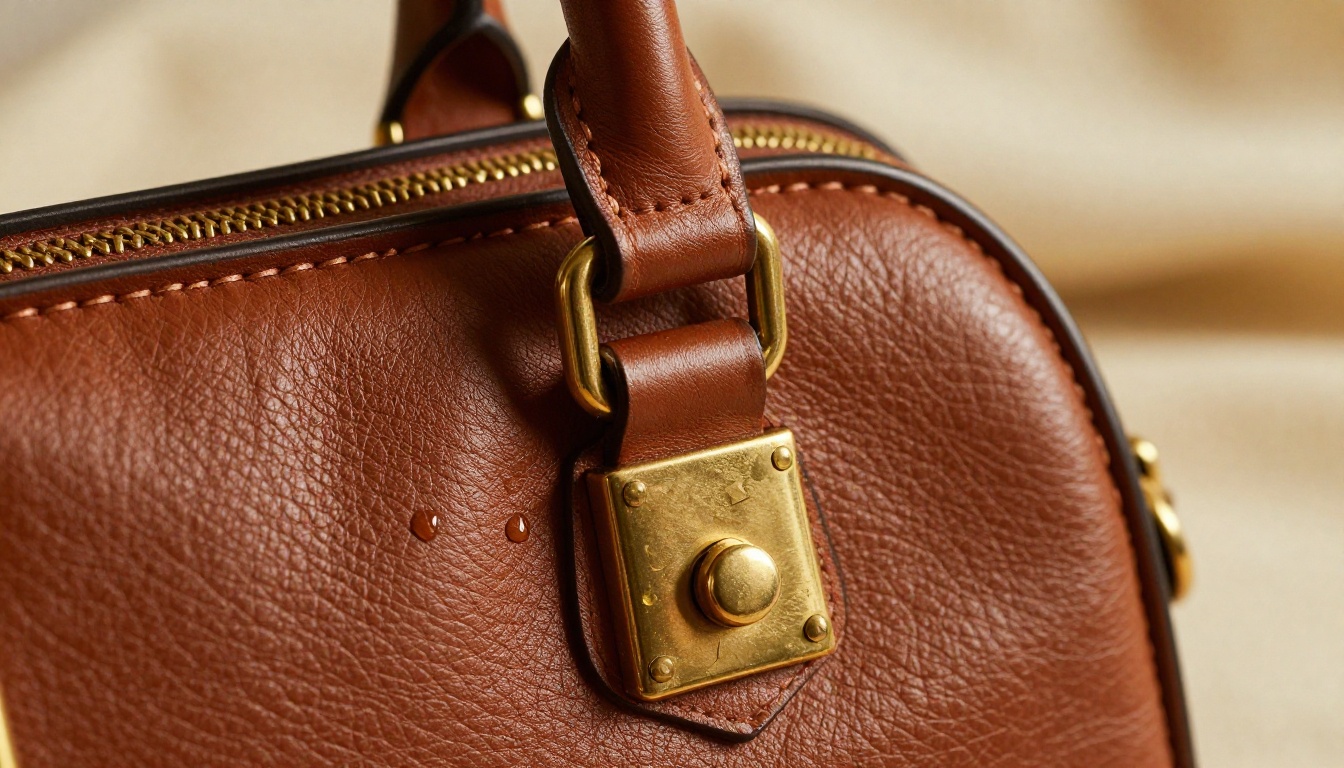
- Multiple angles on each design, especially the hardware and stitching
- Lifestyle context showing how the bag looks when worn in real situations
- Clear organization by collection, color, or occasion
- Instant access without downloading software or opening attachments
- Mobile compatibility because nobody is sitting at a desk when they browse
A flipbook solves all five. It opens in any browser, loads fast, pages turn with a satisfying flip animation, and it looks identical on a phone, tablet, or laptop.
What Makes a Great Handbag Lookbook
Visual Hierarchy That Sells
Every page of a strong lookbook has one clear focal point. That is usually the bag itself, shot in a way that shows its proportions, texture, and color accurately. Secondary elements like model styling, background location, and props support the bag without competing with it.
A common mistake is treating every page equally. In reality, your opening spread and collection pages do the heaviest lifting. Invest more photography time in those pages. The interior detail shots and colorway grid pages can be simpler and still highly effective.
The Shot Types Worth Featuring
Not every image belongs in a lookbook. Some photos work for editorial campaigns but confuse buyers who need practical visual information. Here is a breakdown of what to include:
| Shot Type | Purpose | Priority |
|---|
| Clean product on neutral background | Accurate color and proportion reference | Essential |
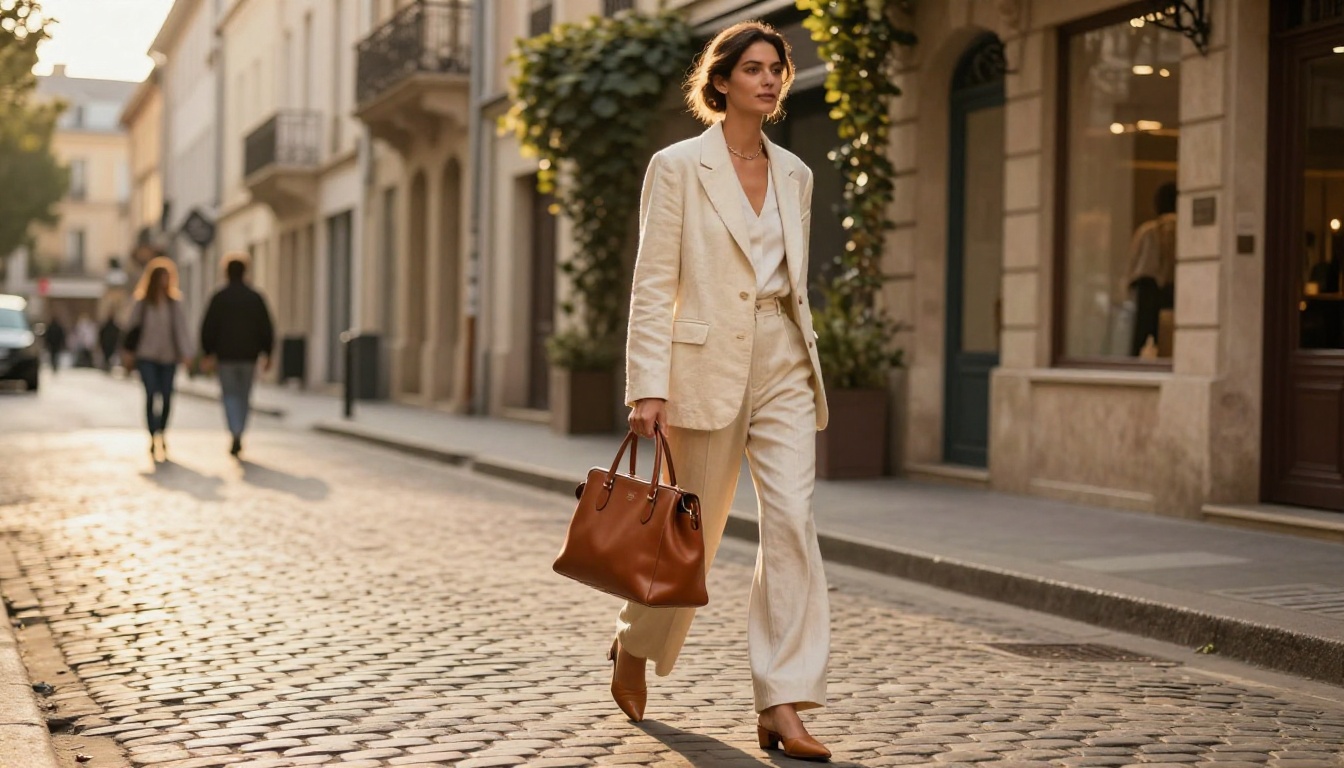
| Lifestyle shot with model | Shows scale, wearability, styling context | Essential |
| Hardware and detail close-up | Communicates quality and craftsmanship | High |
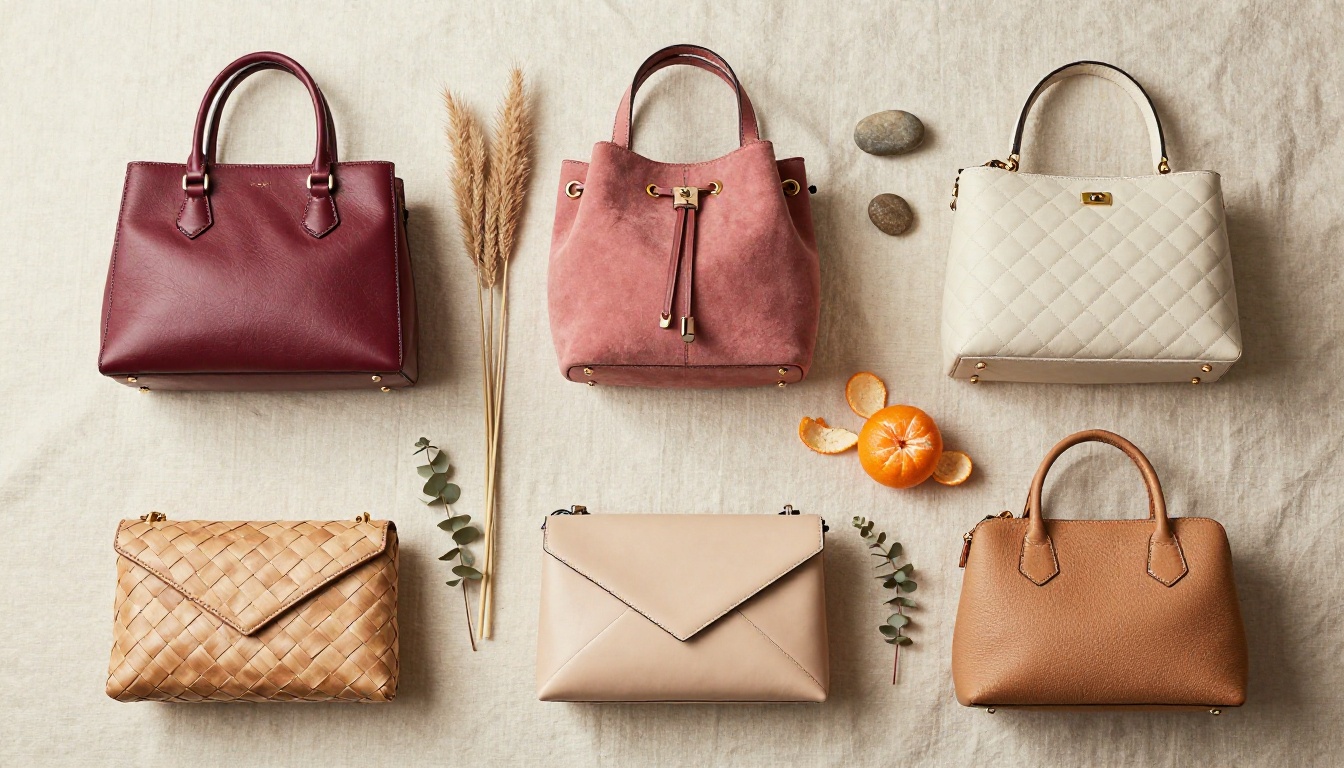
| Flat lay with props | Brand mood and seasonal storytelling | Medium |
| Interior shot showing lining and pockets | Functional selling point | Medium |
| Group collection shot | Shows range and cohesion | High |
How to Organize Your Collection
The sequence of your pages matters as much as the images themselves. Most high-performing handbag lookbooks follow this structure:
- Opening page: brand name, season, and one hero image
- Introduction spread: brand story in 2-3 sentences with a strong lifestyle image
- Collection sections: grouped by silhouette (totes, crossbodies, clutches) or by occasion
- Detail pages: hardware, stitching, interior features for core styles
- Color and material grid: all colorways available for each design
- Ordering information: stockist contacts, minimum order quantities, delivery timeline
💡 Keep each section to 4-6 pages maximum. Buyers who see a 60-page lookbook close it. Buyers who see a focused 20-page lookbook read it twice.
Handbag Photography That Works in a Flipbook
Shot Specs Every Brand Should Follow
Photography for a digital flipbook is different from print. The images will be viewed on screens of every size, so they need to hold detail at both large and small sizes. This means:
- High resolution originals (at least 3000px wide) so they stay sharp when a buyer zooms in
- Consistent color temperature across all product shots so the bags read accurately
- Adequate padding around the bag so it does not get cropped by the page layout
- Horizontal orientation for spread pages, vertical for single-page feature shots
Consistency is the word that separates amateur lookbooks from professional ones. If your tote is shot in warm 5600K morning light and your crossbody is shot under harsh 6500K fluorescent, they will look like products from two different brands even if they share the same leather supplier.
Lighting and Texture Done Right
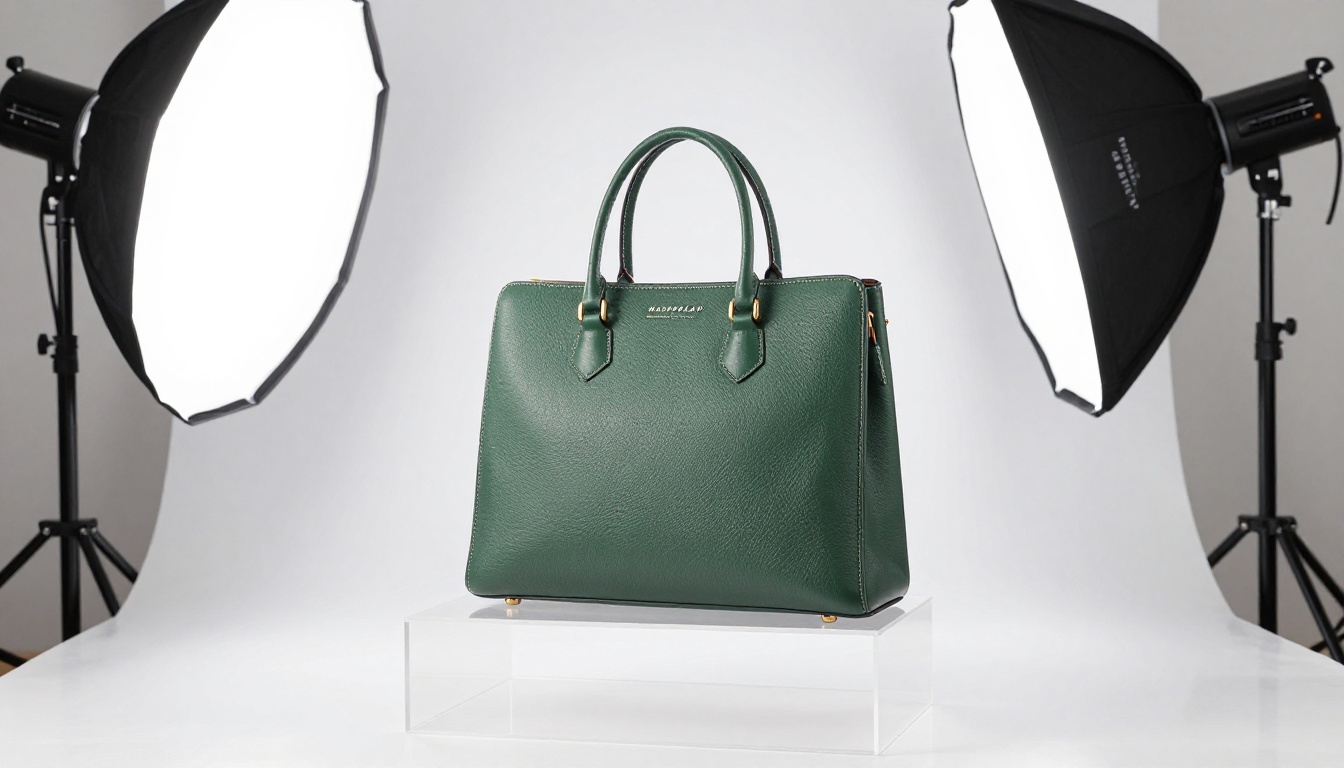
Leather reads completely differently depending on how it is lit. A full-grain vegetable-tanned bag shot under flat overhead lighting looks like vinyl. The same bag shot with a directional light source at a low angle reveals every pebble, every grain variation, and every stitch. That difference is the difference between a buyer who moves on and a buyer who asks for your wholesale price sheet.
For studio shots, position a primary light at 30-45 degrees from the bag surface. Add a fill reflector on the opposite side to manage shadows without eliminating the texture. For lifestyle shots outdoors, early morning and late afternoon light does the same job naturally and adds warmth that no studio setup can replicate on a budget.
⚠️ Avoid shooting on overcast days if your bags are a neutral color like cream, ivory, or beige. Flat grey light washes these tones out completely. Use a daylight-balanced studio light instead and add warmth in post if needed.
How to Build Your Lookbook with Flipbooks AI
Flipbooks AI has a dedicated Interactive Lookbook Designer built specifically for fashion and product brands. Here is the exact process to go from raw images to a published handbag lookbook.
Step 1: Create Your Account
Go to flipbooksai.com/account and sign up. The process takes about two minutes. No credit card is required to start. Once inside, you will see the dashboard where all your flipbooks are managed and published from one place.
Step 2: Build Your PDF in a Design Tool
Before uploading, you need a PDF of your lookbook. Use Canva, Adobe InDesign, or Figma to arrange your images and any text across pages. Standard lookbook dimensions are 1920 x 1080px in landscape, or A4 portrait depending on your preference.
Practical tips before you export:
- Use high-quality image exports (300 DPI minimum for product shots)
- Embed your fonts so they display correctly across devices
- Keep the total file size under 100MB for fast upload and conversion
- Test it on your phone before uploading to catch any layout or readability issues
Step 3: Upload and Convert
In your dashboard, click Create New Flipbook and drag your PDF into the upload area. Flipbooks AI converts it automatically. The conversion takes 30-60 seconds depending on page count. Once done, you see a live preview of the page-flipping version with realistic page-turn physics.

Step 4: Customize Your Branding
This is where the experience gets elevated above a plain PDF. In the editor, you can:
- Set your brand colors for the flipbook interface and background
- Add your logo to the front page and navigation bar
- Choose page effects including realistic page-turn shadows and flip sound
- Embed a video into the opening spread (a runway clip or brand film works perfectly here)
- Add a password if the lookbook is for wholesale buyers only and you want to control access
✅ Use a clean, minimal interface color that complements your brand palette. If your handbag line is earthy and warm, avoid a stark white or black interface. Cream or taupe backgrounds feel more coherent with the collection.
Step 5: Publish and Share
Once the customization is done, hit Publish. Flipbooks AI generates:
- A direct link you can send via email or WhatsApp instantly
- An embed code to place the flipbook on your website or Shopify store
- A QR code you can print on trade show materials linking directly to the lookbook
For brands on the Professional plan, you also get analytics showing who opened the lookbook, which pages they spent the most time on, and how many times it was shared. This data changes how you pitch buyers because you can see exactly what captured their attention. Check pricing plans to see what each tier includes.
Flipbooks AI Plans at a Glance
Choosing the right plan depends on how you plan to use your lookbook and how many collections you publish per year. Here is a comparison of the features across tiers:
| Feature | Starter | Standard | Professional |
|---|
| Number of flipbooks | 1 | Unlimited | Unlimited |
| Custom branding | No | Yes | Yes |
| Password protection | No | Yes | Yes |
| Analytics and reader tracking | No | No | Yes |
| Lead generation forms | No | No | Yes |
| Offline download | No | No | Yes |
| Embed on website | Yes | Yes | Yes |
| Mobile-responsive | Yes | Yes | Yes |
| Watermark-free | No | Yes | Yes |
For most handbag brands, the Standard plan covers everything needed for a seasonal lookbook. If you plan to share with wholesale buyers and want to track who reads it and how far they get, the Professional plan pays for itself quickly with the buyer intelligence it provides.
Real-World Use Cases for Handbag Lookbooks
Wholesale Pitches and Trade Shows
At a trade show, you cannot hand a printed catalog to every buyer you speak with. But you can text or email a link to your flipbook in real time during the conversation. Pull it up on your phone or tablet, hand it to the buyer to flip through, and watch them spend twice as long on your product than they would with a static PDF.
💡 Print a small card with your brand name and a QR code linking to the lookbook. Leave a stack on the table at your booth. Buyers who were too busy to stop and talk will still scan it later that evening.

Influencer Seeding Programs
When you send product to influencers, include a link to your lookbook so they can see the full collection context. Most influencers want to know the brand before they post. A lookbook does that job better than a brand deck or a lengthy email, and it takes the influencer about four minutes to flip through the whole thing.
Include the lookbook link in your media kit PDF, your outreach email, and your Instagram bio link tree. Influencers who know your full range tend to shoot content that fits your brand far more accurately.
Direct-to-Consumer Campaigns
Embed the lookbook on your website's collection page using the embed code from Flipbooks AI. Shoppers who land on your site from paid ads or organic search see a full editorial experience instead of a static grid of product thumbnails. The flipbook format keeps them on the page longer and communicates brand quality in a way that thumbnails alone cannot.
This is particularly effective for seasonal drops. Build a dedicated lookbook for each new season and swap it into your homepage hero section during launch week.
Mistakes That Weaken Your Lookbook
Overcrowding the Pages
The most common error in handbag lookbooks is putting too much on each page. Four bags on one spread, three colorways stacked in a column, and a block of product copy all fighting for attention. Buyers stop reading. Give each main style its own full page or spread and let the photography do the persuasion.
Skipping the Detail Shots
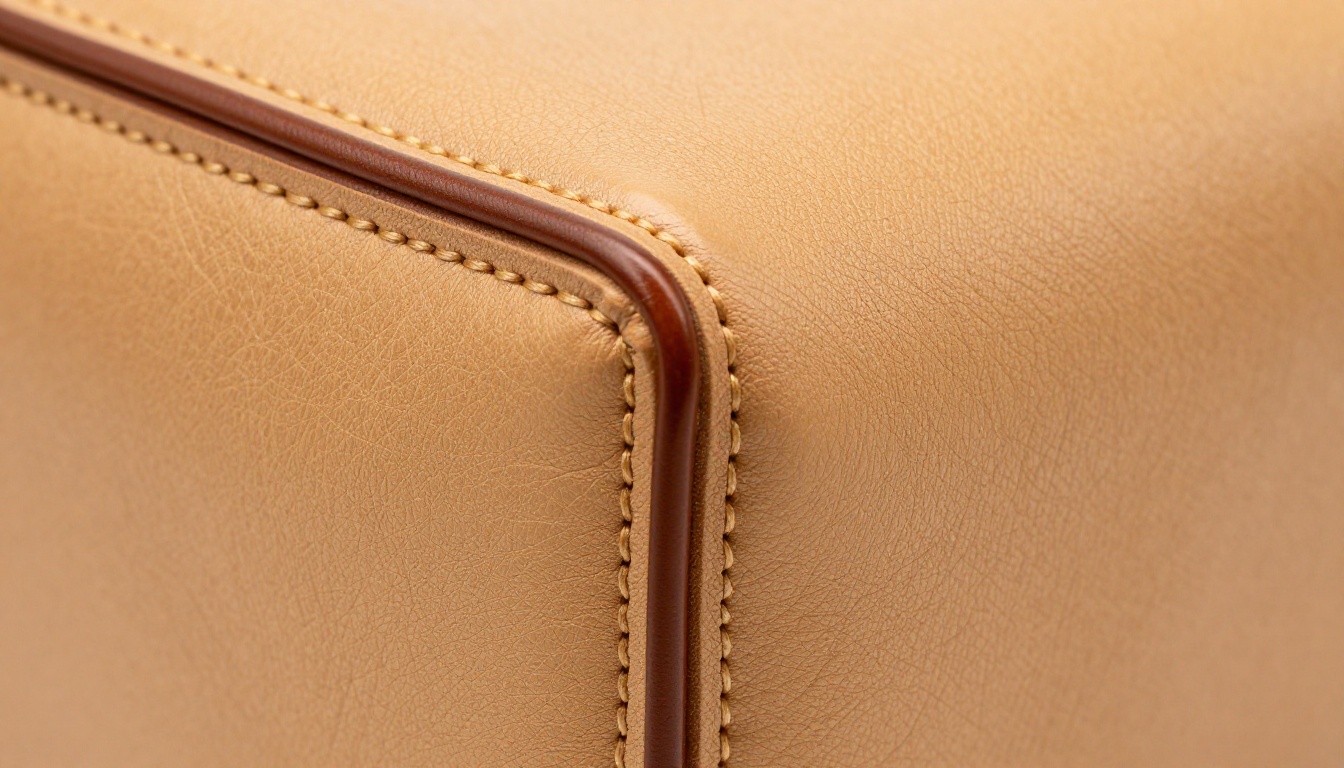
Hardware, stitching, lining, feet, zipper pulls: these details are what justify your price point. A buyer considering a $380 wholesale handbag wants to see why it costs that. A single close-up macro shot of your edge finishing communicates more about quality than three paragraphs of product copy.
Using Low-Resolution Images
A flipbook that renders at 1920px wide will expose every compression artifact in a 72 DPI web image. Start from the highest resolution files you have. The PDF to Flipbook Converter preserves image quality throughout the conversion process, but it can only work with what you upload.
Not Testing on Mobile
Before sending your lookbook to anyone, open the link on your own phone and flip through every page. Check that text is readable without pinching, images are not cropped at the edges, and the flip interaction feels smooth. Most buyers will open the link on a phone before they ever sit down at a computer.
What Every Lookbook Page Needs
Use this checklist when reviewing your pages before hitting publish:
| Page Type | Must Include | Nice to Have |
|---|
| Opening page | Brand name, season, hero image | Tagline, collection name |
| Product feature spread | Clean product shot, style name, available colors | Price reference, material callout |
| Lifestyle spread | Model with bag, location context | Styling details, complementary accessories |
| Detail page | Hardware close-up, stitching shot | Interior shot, base and feet detail |
| Collection grid | All styles at consistent scale | Color filter or category labels |
| Closing spread | Contact info, website, ordering details | Social handles, next collection preview |
✅ Every page should have a clear reason to exist. If you cannot describe what job a page is doing for a buyer in one sentence, remove it or combine it with an adjacent spread.
Your Next Steps
A handbag line without a lookbook is leaving real money on the table. Buyers who cannot see your collection in a clear, professional format will move to brands that make it easy for them. The work is not as complex as it sounds: a focused photoshoot, a tightly designed PDF, and a quick upload to Flipbooks AI puts you in front of buyers with something that actually represents your brand at its best.
Start with your current season. Pull your strongest 15-20 images, build a clean PDF in Canva or Figma, and upload it using the Lookbook Flipbook Builder. You can have a published, shareable lookbook link within an afternoon. No developer, no agency, no print budget.
If you want to see the full feature set before committing, browse the available plans and find the tier that fits your volume. The Standard plan gives unlimited flipbooks with custom branding and no watermarks, which covers most handbag brands at any stage of growth.
Build it once. Share it everywhere. Let the bags speak for themselves.



