Paid newsletters are everywhere, but most of them live and die as plain text emails. If you've been building an audience around your newsletter and wondering how to charge for it, the format itself might be what's holding you back. Readers expect more from a paid product, and a beautifully designed digital flipbook delivers that "worth paying for" feeling that a plain email never will. Flipbooks AI makes it straightforward to convert your existing newsletter content into an interactive, magazine-quality flipbook your subscribers actually want to open, bookmark, and share.
This article breaks down exactly how the paid flipbook subscription model works, how to price it, how to set up your first issue, and how to keep subscribers paying month after month.

Why Free Newsletters Stall at Scale
The gap between value and price
Most newsletter creators undercharge because they assume email is a "free" medium and readers won't pay for it. But that logic breaks down quickly when you look at the numbers. Substack, Beehiiv, and Ghost all prove there are real readers willing to pay real money for content, and the ones who pay consistently are the ones who perceive clear, tangible value.
The problem with a plain-text email newsletter: it looks like every other email in the inbox. There's no visual hierarchy, no art direction, no sense of craft. Even genuinely excellent content gets skimmed in 90 seconds and forgotten. When you charge for something that looks and feels like a commodity, you're fighting a losing battle on price.
What paying subscribers actually want
Paying subscribers aren't just buying information. They're buying:
- A curated editorial experience that respects their time
- A format they look forward to rather than one they tolerate
- A sense of membership in something with a clear identity
- Permanence so they can revisit issues, not just scroll up in a thread
A well-designed flipbook checks every one of those boxes. It has a cover, it has sections, it has real visual design. It feels like receiving a private magazine, not another marketing email.

What a Paid Flipbook Subscription Looks Like
How it differs from a plain PDF
Many creators who try to upgrade their newsletter just attach a PDF. It's a step forward, but PDFs are static, clunky on mobile, and carry zero sense of occasion. A flipbook is a different product entirely. The page-turn animation, the mobile-responsive layout, the ability to embed video or audio, the password protection: these aren't cosmetic extras. They're the features that create the "I'm reading something premium" perception.
| Feature | Email Newsletter | PDF Attachment | Flipbook Subscription |
|---|
| Visual impact | Low | Medium | High |
| Mobile experience | Good | Poor | Excellent |
| Page-turn animation | No | No | Yes |
| Embed video/audio | No | No | Yes |
| Password protection | No | No | Yes |
| Analytics per reader | Limited | None | Yes (Professional) |
| Archive for subscribers | Email thread | Manual file saving | Always-accessible link |
| Brand perception | Commodity | Generic | Premium |
Real formats that convert readers to buyers
The most successful paid flipbook subscriptions tend to follow one of three formats:
- The Monthly Digest: Curated commentary on an industry or topic, delivered as a beautifully designed 20-40 page issue
- The Research Report: Deep-dive content in a structured, data-rich format with charts and callouts
- The Creative Journal: Editorial content for lifestyle, travel, food, or culture niches with strong photography
Each format benefits from the flipbook medium differently. The digest feels like a private magazine. The research report gains authority from its editorial design. The creative journal lives or dies on visual presentation.
💡 Your first paid issue doesn't need to be perfect. It needs to be clearly better than what you were giving away for free. Design matters far more than word count.

Pricing That Makes Sense
Monthly vs. annual tiers
The most common mistake new paid newsletter operators make is offering only one price. A single flat monthly rate leaves money on the table at both ends. Readers who are ready to commit want to save money by paying annually. Readers who are cautious want the flexibility of monthly billing. Offer both.
A two-tier structure (monthly plus annual) typically converts at a higher blended rate than either option alone. The annual discount creates urgency and rewards loyalty, while monthly keeps the door open for skeptics.
What to charge
Pricing depends heavily on niche depth, audience size, and perceived scarcity. Here's a practical starting framework:
| Niche Type | Audience Size | Suggested Monthly | Suggested Annual | Notes |
|---|
| General interest / lifestyle | 2,000+ | $5–$8 | $49–$79 | Volume play, keep entry low |
| Business / professional | 1,000+ | $15–$25 | $120–$199 | Buyers often expense this |
| Finance / investing | 500+ | $25–$50 | $200–$450 | High willingness to pay |
| Technical / developer | 500+ | $12–$20 | $99–$175 | Smaller niche, loyal buyers |
| Creative / niche hobby | 300+ | $8–$15 | $75–$130 | Passionate audience |
⚠️ Don't price based on how long it took you to create the issue. Price based on the value your subscriber receives from reading it. A 10-page investment flipbook that helps someone make one better decision is worth far more than a 40-page lifestyle digest.
The sweet spot for most new paid flipbook subscriptions is $12-$18/month or $100-$150/year. It's low enough to be an impulse buy but high enough to signal that the content is serious.

How to Build Your First Paid Flipbook Issue
Step 1: Design your newsletter as a PDF
Before anything else, your newsletter needs to be a properly designed PDF. If you're already using Canva, Adobe InDesign, or Google Slides, you're closer than you think. The goal is to create a layout that feels intentional: a proper cover page with your issue number and date, a table of contents for issues longer than 10 pages, consistent type hierarchy across headline, subhead, body, and caption, and at least one full-bleed image per major section.
The design doesn't need to be extravagant. Clean, consistent, and on-brand beats elaborate and inconsistent every time.
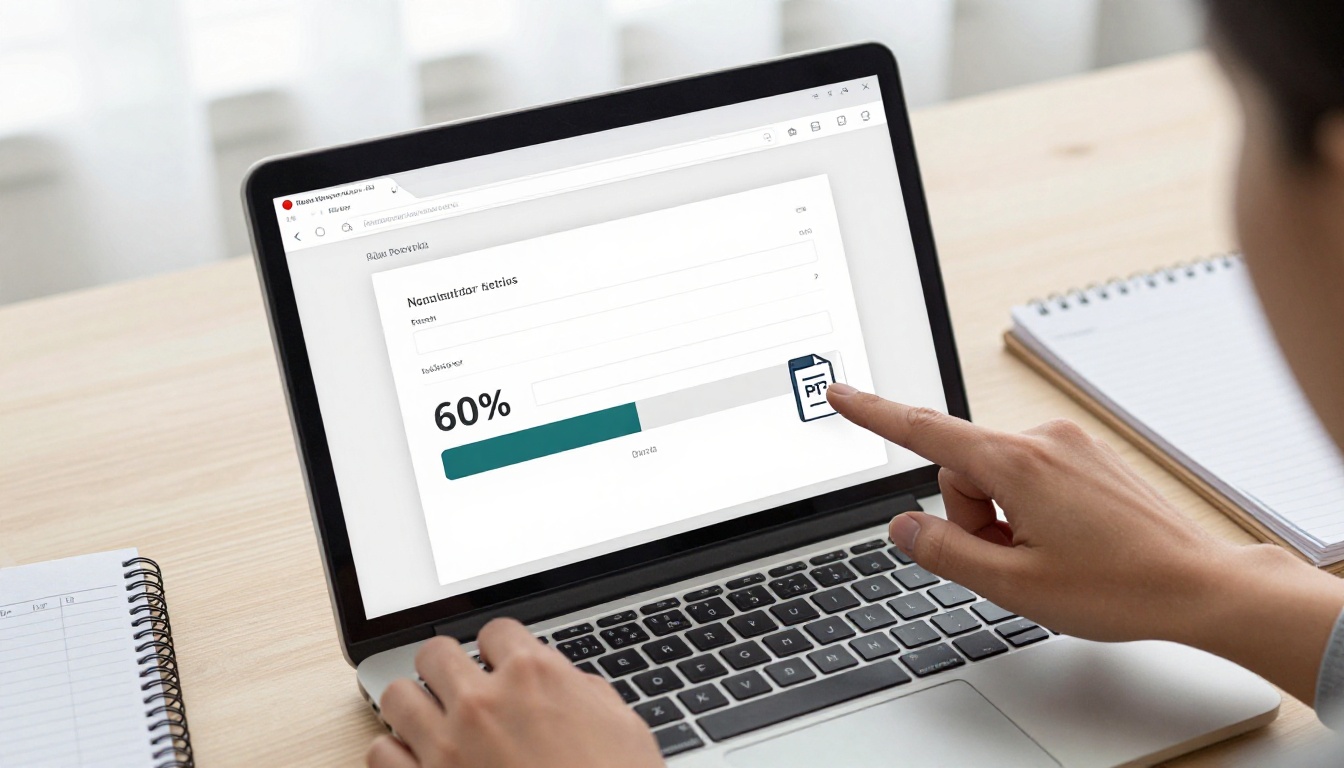
Step 2: Upload and convert on Flipbooks AI
This is where the magic happens. Head to Flipbooks AI and create your account if you haven't already. The platform accepts PDF uploads and converts them into fully interactive flipbooks in seconds.
The Newsletter Flipbook Publisher tool is specifically built for this use case. Upload your PDF, and the platform handles the page-turn animation, mobile optimization, and embed code generation automatically.
✅ Name your file clearly before uploading ("Volume-3-Issue-7.pdf") so your archive stays organized from day one.
Step 3: Apply branding and set password protection
Once converted, go into the customization settings. This is where you:
- Apply your brand colors to the flipbook viewer interface
- Add your logo to the header or footer
- Set a password for each issue (paying subscribers get the password, free readers don't)
Password protection is the simplest paywall you can implement without needing a payment platform integration. Each month, send paying subscribers the new issue link plus that month's password.
For more sophisticated access control, the Professional plan at Flipbooks AI includes lead generation tools and analytics that let you see exactly who's opening which pages, how long they're spending per section, and where they drop off.
Step 4: Deliver to subscribers
The delivery workflow is simpler than most people expect:
- Upload and password-protect the issue on Flipbooks AI
- Copy the share link
- Send your paying subscribers an email with the link and password
- Archive the link in a private members-only page or Notion doc
No custom development, no complex paywall setup. The flipbook handles the premium experience; your email handles delivery.
Growing Your Paid Subscriber Base
Free issue as a lead magnet
The single most effective way to convert free readers to paid subscribers is letting them read a real issue. Give away your best past issue for free, no email required. Not a "sample" or a "preview": a complete issue. When someone reads your full product and then decides to subscribe, they're a far more committed buyer than someone who signed up based on a landing page.
Use the Newsletter Flipbook Publisher to publish this free issue without a password, embed it on your website using Flipbooks AI's embed feature, and let it do the conversion work for you.
Teasers and social proof
Once you have a few paying subscribers, social proof compounds fast. The tactics that work best:
- Subscriber quotes: Real reactions from readers, not written testimonials. Screenshots of genuine replies work better than polished text.
- Open rate teases: "Issue 8 is out. Paying subscribers are spending an average of 9 minutes per issue." Numbers build urgency without discounting.
- Page previews: Share 2-3 beautifully designed pages from each issue on social media. Give people a visual taste without revealing the actual content.

Not all flipbook platforms are built for subscription publishing. Here's how the major options stack up for this specific use case:
| Feature | Flipbooks AI | Issuu | Joomag | Publuu |
|---|
| Password protection | Yes (all paid plans) | Yes (paid) | Yes (paid) | Yes (paid) |
| No watermarks | Yes | No (free plan) | No (free plan) | Yes (paid) |
| Unlimited flipbooks | Yes (Standard+) | Limited | Limited | Limited |
| Subscriber analytics | Yes (Professional) | Yes (premium) | Yes (paid) | Limited |
| Offline downloads | Yes | Paid only | Paid only | Paid only |
| Embed on any website | Yes | Yes | Yes | Yes |
| Mobile-responsive | Yes | Yes | Partial | Yes |
| Custom branding | Yes | Paid | Paid | Paid |
Flipbooks AI stands out for subscription publishing because it doesn't watermark your content, offers password protection at the standard tier, and gives you unlimited flipbooks so you're not paying per issue as your archive grows. Compare pricing plans to see which tier fits your publication cadence.

Tracking Revenue and Retention
What to watch in your analytics
Most newsletter operators obsess over open rates and ignore everything else. With a flipbook subscription, you have access to far richer data. The Professional plan at Flipbooks AI surfaces:
- Total views per issue: How many people actually opened it
- Time spent per page: Which sections are getting real attention
- Drop-off points: Where readers stop before finishing
- Device breakdown: What device mix your audience uses, critical for layout decisions
These metrics tell you which content is earning your subscription price and which sections you can cut or improve.
💡 If you notice consistent drop-off on page 8 of a 20-page issue, that section is either too dense or too off-topic. Analytics won't write your newsletter for you, but they'll tell you exactly where to focus your editing.
Reducing churn
Churn is the silent killer of subscription businesses. A 10% monthly churn rate means you're replacing your entire subscriber base every 10 months, which is an exhausting and expensive treadmill.
The best anti-churn tactics for paid flipbook subscriptions:
- Annual upfront pricing: Subscribers who pay annually churn at a fraction of the rate of monthly subscribers. Push it hard.
- Consistent delivery cadence: Subscribers who know exactly when to expect each issue are far less likely to forget why they subscribed.
- Exclusive archive access: Give paying subscribers permanent access to every past issue. An archive of 24 months of premium content is a compelling reason to stay subscribed.
- Personal reply windows: After each issue, send a short personal note asking for one piece of feedback. Subscribers who reply almost never cancel.
The Numbers Behind a Small Paid Publication
Even a modest paid flipbook subscription generates meaningful revenue. Here's what different subscriber counts look like at a mid-range price:
| Subscribers | Monthly Rate | Monthly Revenue | Annual Revenue |
|---|
| 100 | $12/mo | $1,200 | $14,400 |
| 250 | $12/mo | $3,000 | $36,000 |
| 500 | $15/mo | $7,500 | $90,000 |
| 1,000 | $15/mo | $15,000 | $180,000 |
| 2,000 | $18/mo | $36,000 | $432,000 |
At 500 paying subscribers, a $15/month newsletter flipbook generates enough revenue to be a serious business. At 2,000, it's a media company. And unlike a podcast or YouTube channel, the production cost scales gradually while the revenue scales linearly with subscribers.
The fixed costs are minimal: a Flipbooks AI subscription, your design tool of choice (Canva works well at no cost), and your time. Platform fees on Flipbooks AI don't scale with issue count, so every additional subscriber is almost pure margin.
✅ Start with a soft launch to your existing free list before investing heavily in paid acquisition. 50 founding subscribers who pay $12/month proves the model before you spend on ads.

Ready to Start Charging for Your Content?
The combination of a well-designed newsletter and a beautifully rendered flipbook format is one of the most underutilized opportunities in independent publishing right now. You already have the content. The format is what's been missing.
Get started for free on Flipbooks AI and convert your first issue in minutes. See what your newsletter looks like as a premium product before you charge a single person for it.
When you're ready to add password protection, analytics, and unlimited archived issues, check the pricing plans and pick the tier that matches where your publication is today.
Browse all available tools to find the right template for your specific publication format, whether that's a monthly digest, a research report, or a creative journal.
Your readers are already reading. The only question is whether they're paying for it.



