Therapy workbooks are among the most effective tools in a clinician's arsenal. But there's a problem most practitioners quietly acknowledge: clients rarely complete them between sessions. They get buried in a bag, forgotten on a shelf, or simply feel too clinical and intimidating to open alone. The format is the issue, not the content. And that's exactly what Flipbooks AI solves, turning your carefully designed workbook into something clients actually want to pick up.
Why Your PDF Is Getting Ignored
Static PDFs and printed spiral-bound workbooks have been the standard for decades. But "standard" doesn't mean effective. The reality is that your clients' habits have changed, and your delivery format needs to catch up.
The Open Rate Problem
When you email a client a PDF or hand them a printed workbook, the completion rate drops sharply outside the therapy room. Research consistently shows that between-session homework is one of the strongest predictors of therapy outcomes, particularly in CBT-based approaches. Yet most practitioners report that fewer than half their clients consistently work through assigned materials.
The reasons are predictable:
- PDFs feel static and impersonal on a screen
- Printed workbooks get physically lost or damaged
- There is no sense of progression or reward in a printed document
- Clients associate thick stapled packets with bureaucracy, not healing

What Clients Actually Want
Modern clients want resources that meet them where they are: on their phones, on their sofas, at their own pace. Interactive content that responds and progresses. A flipbook format delivers exactly that. Pages turn. Sections reveal themselves. The experience feels intentional, not like reading a government form.
💡 A client who opens your resource voluntarily on Tuesday is doing more therapeutic work than one who begrudgingly flips through a printed packet during session.
What a Therapy Flipbook Actually Looks Like
Before committing to the format, it helps to visualize what your materials would look like as a digital flipbook. The good news: if you've already designed a workbook in PDF format, you're most of the way there.
CBT Workbooks as Flipbooks
Cognitive Behavioral Therapy workbooks are particularly well-suited to the flipbook format. The structured layout of thought records, behavioral activation logs, and cognitive restructuring sheets translates cleanly into paginated digital content. Clients can move through the workbook at their own pace, returning to specific sections without losing their place.
A typical CBT flipbook might contain:
- Weekly mood tracking pages with space for written reflection
- Thought record templates organized across spreads
- Behavioral experiment planning sheets
- Safety planning resources in a clearly marked section
- Psychoeducation content on cognitive distortions, the anxiety cycle, or sleep hygiene

Mindfulness and Journaling Formats
Mindfulness-based workbooks, gratitude journals, and ACT (Acceptance and Commitment Therapy) materials benefit from the visual continuity a flipbook provides. Soft, calm page designs paired with reflective prompts create an experience closer to reading a beautiful journal than filling out a clinical form.
✅ Use page backgrounds and calming color schemes in your PDF design before converting. The flipbook format preserves all your original formatting faithfully.
Trauma-Informed and Specialized Resources
Trauma-informed workbooks, DBT skill sheets, and psychoeducation materials for conditions like OCD, ADHD, or eating disorders all translate powerfully into flipbook format. Clients can access them discreetly on any device, without carrying visible printed materials that might feel stigmatizing in public.
Not every digital flipbook platform is built with the needs of clinical professionals in mind. Before choosing a tool, there are specific features that matter in therapy contexts.
Features Therapists Actually Need
| Feature | Why It Matters for Therapy |
|---|
| Password Protection | Keeps sensitive client materials private |
| No Watermarks | Maintains professional presentation |
| Mobile Responsive | Clients access on phones, not just desktops |
| Custom Branding | Reinforces your practice identity |
| Analytics | Shows which sections clients actually read |
| Direct Link Sharing | Send directly to clients without extra portals |
| Offline Downloads | Clients access materials without internet |
| Unlimited Storage | Store your full library of specialty workbooks |
Flipbooks AI checks every box above. The platform was built for professionals who need polished, private, reliable digital document delivery without technical complexity. The Standard plan and above offer unlimited flipbooks with no watermarks, making it cost-effective even for solo practitioners managing large resource libraries.
Privacy and Password Protection
Client confidentiality is non-negotiable. Any digital tool handling therapy materials must support private access. Flipbooks AI's password protection feature means you can share a direct link with a specific client while preventing anyone else from accessing the workbook.
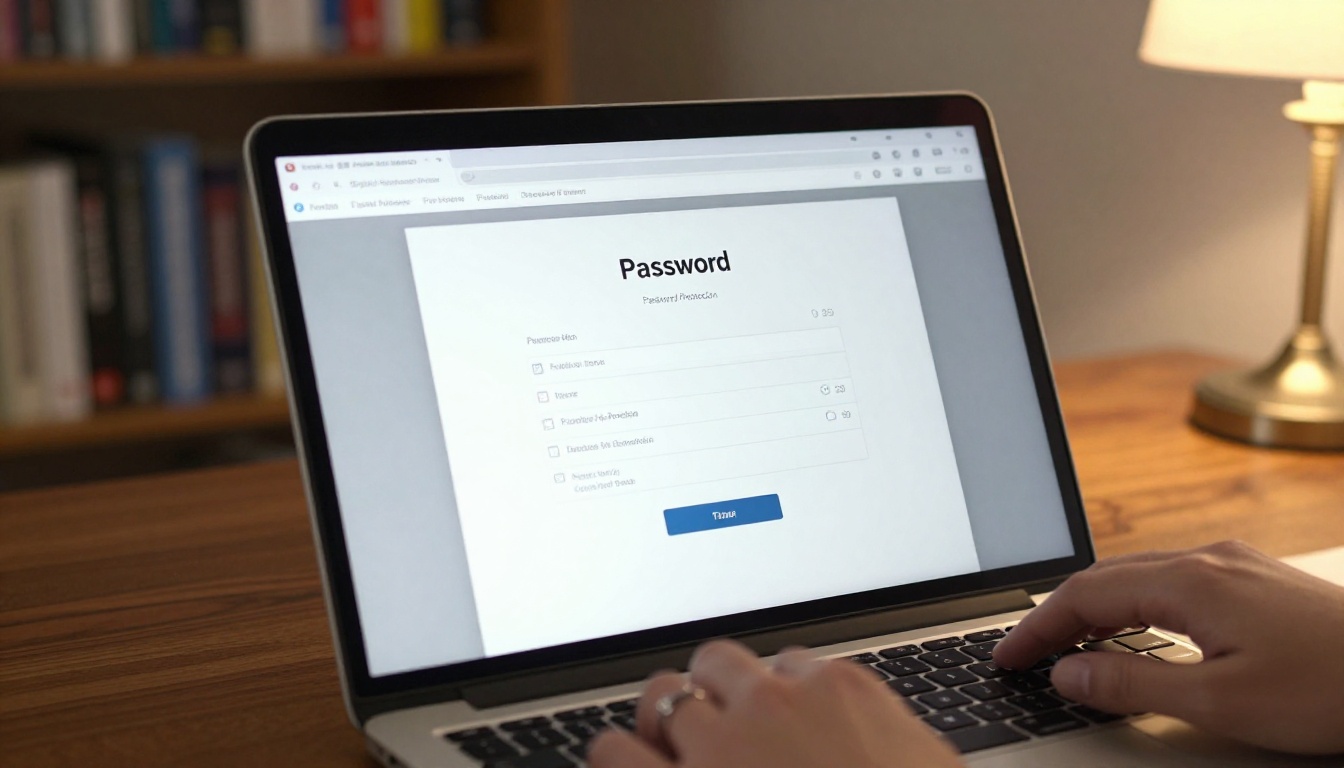
This matters most for:
- Group therapy materials shared only within a specific cohort
- Specialized workbooks for conditions clients may not disclose publicly
- Practice-branded materials you've invested significant time developing
⚠️ Always use password protection when sharing materials containing prompts that reference diagnoses, trauma histories, or other sensitive clinical content.
How to Convert Your Workbook Step by Step
The process is simpler than most practitioners expect. If your workbook exists as a PDF, you can have a live digital flipbook ready to share with clients in under ten minutes.
Step 1: Prepare Your PDF
Before uploading, make sure your PDF is in its final state. Flipbooks AI converts PDF files directly, preserving all your typography, images, layouts, and page structures. A few things to check first:
- Resolution: Export at 150 DPI minimum for crisp text rendering
- Page size consistency: Uniform page sizes (A4 or US Letter) convert most cleanly
- Hyperlinks: Any links in your PDF remain clickable in the flipbook
- Font embedding: Confirm all fonts are embedded in your export settings
Step 2: Upload and Convert
Head to Flipbooks AI and create your account. From the dashboard:
- Click New Flipbook and select Upload PDF
- Drag and drop your workbook file
- Wait for the conversion (typically 30 to 60 seconds for standard workbook lengths)
- Preview the result in the built-in viewer before publishing

Step 3: Customize for Your Practice
Once converted, you have full control over the presentation:
- Add your practice logo and brand colors to the flipbook header
- Set the background color of the reader interface
- Choose a page flip animation (classic page turn or slide)
- Enable or disable the table of contents sidebar
- Embed audio or video to specific pages (add a guided meditation recording directly onto your mindfulness module page)
Step 4: Set Privacy and Share
Before sending to clients:
- Enable password protection and set a unique password per client or cohort
- Copy the direct link from the share panel
- Generate an embed code if you want to place the workbook inside a password-protected section of your practice website
- Send via your secure client communication channel, whether that's your EHR messaging system, encrypted email, or a client portal
For group practices, the Interactive E-Book Publisher tool streamlines workbook management across multiple practitioners and client populations.
Step 5: Track Client Usage (Professional Plan)
With the Professional plan, analytics show you:
- Which pages clients viewed
- Time spent on each section
- Total sessions and return visits
This data has real clinical value. A client who spends 45 seconds on a 12-page workbook gave you very different information than one who spent 20 minutes re-reading the cognitive distortions section three times. See pricing plans to find out what the Professional tier includes.
Not all therapy materials are equal in their flipbook potential. Here's a breakdown of which formats see the strongest client usage when converted.
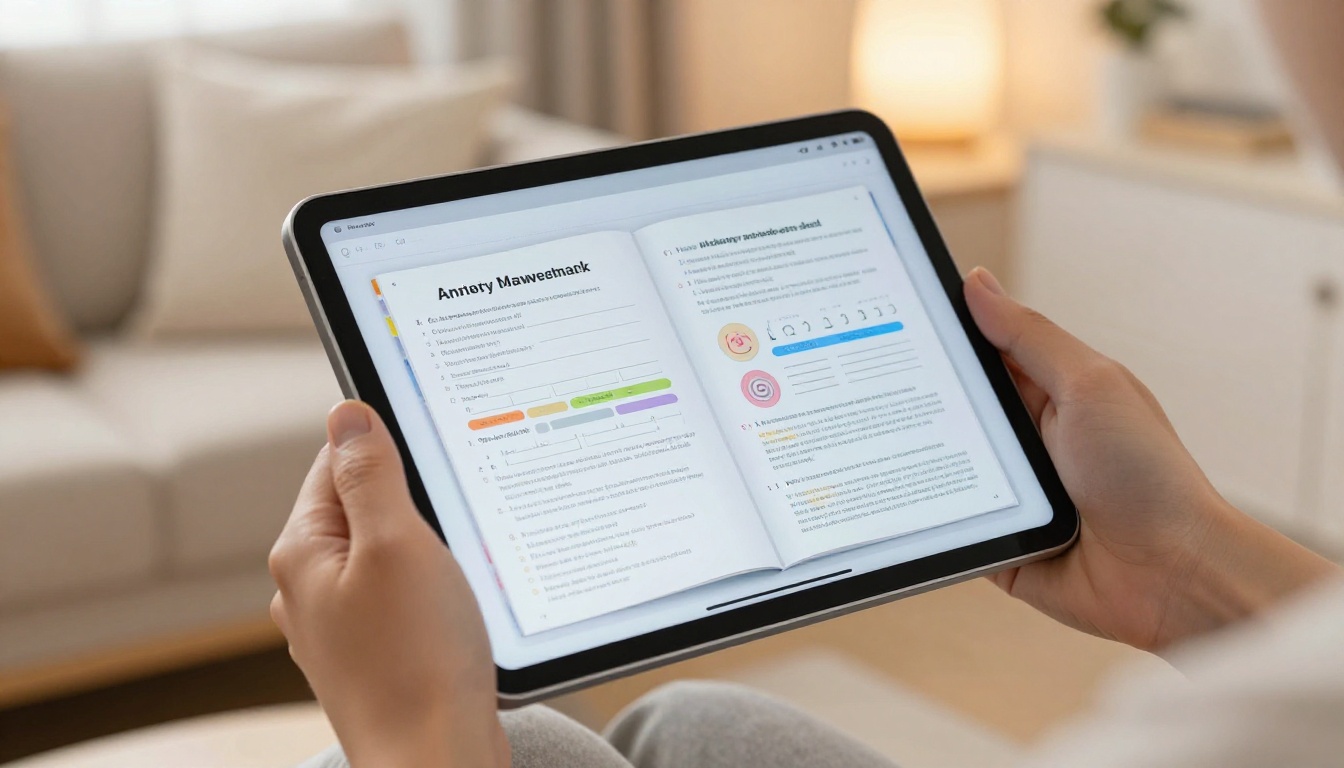
| Workbook Type | Flipbook Suitability | Main Benefit |
|---|
| CBT Thought Records | ★★★★★ | Clear columnar layout renders perfectly |
| Mindfulness Journals | ★★★★★ | Visual design carries through digitally |
| Psychoeducation Materials | ★★★★☆ | Infographics and diagrams stay crisp |
| DBT Skill Sheets | ★★★★☆ | Modular structure works as paginated content |
| ACT Values Exercises | ★★★★☆ | Narrative flow benefits from page-by-page reveal |
| Intake and Assessment Forms | ★★★☆☆ | Functional but better handled by form-specific tools |
| Trauma Narrative Worksheets | ★★★☆☆ | Works well with careful privacy setup |
Anxiety and CBT Worksheets
Anxiety workbooks and CBT material represent the strongest use case. The structured, repeatable nature of thought records and behavioral experiments means clients return to the same sections repeatedly. The flipbook format makes returning to page 14 as simple as typing it into the navigation bar.
Trauma-Informed Workbooks
For trauma-informed approaches, the flipbook format offers something printed materials cannot: pacing control without physical page handling. Some trauma survivors find repeatedly flipping physical pages distressing when the content is heavy. Digital navigation removes that friction entirely.
💡 For trauma-informed workbooks, consider setting the password to a phrase your client already knows from session. It adds one more moment of connection to the material before they begin.
Sharing and Protecting Client Materials
The delivery method matters as much as the content. A beautifully designed workbook shared via an insecure or clunky method undermines the professional relationship you're building.

Three Sharing Methods That Work
Direct Link (Most Common)
Copy the flipbook URL and send it through your existing secure client communication system. The client clicks the link, enters the password if set, and reads immediately on any device.
Embed on Your Practice Website
Use the Embed Flipbook on Website tool to place the workbook directly on a password-protected section of your practice site. Clients who visit your resources page find their materials waiting without needing to manage a separate link.
QR Code in Session
Generate a QR code for the flipbook URL and display it on your screen or whiteboard during session. Clients scan with their phone and have immediate mobile access before they leave the room.
Using Analytics Before Each Session
For practitioners on the Professional plan, reviewing analytics before each appointment becomes a natural part of session preparation. Knowing which sections a client spent time on, and which they skipped, helps you tailor the next 50 minutes with information you wouldn't otherwise have.

Pricing That Works for Real Practices
Therapy practices range from solo practitioners with a part-time caseload to large group practices with dozens of clinicians and hundreds of active clients. Flipbooks AI pricing scales accordingly.
| Plan | Best For | What You Get |
|---|
| Free | Testing before committing | Limited flipbooks, basic features |
| Standard | Solo practitioners | Unlimited flipbooks, no watermarks, custom branding |
| Professional | Group practices | Analytics, lead generation, offline downloads, priority support |
For most solo therapists building a resource library of 10 to 30 workbooks, the Standard plan provides everything needed. For group practices sharing materials across a clinical team and tracking client usage patterns, the Professional plan's analytics justify the investment quickly.
✅ The no-watermark policy from Standard plan onward matters clinically. A watermark on a therapeutic resource undermines the professional presentation you've worked to create.
How Practitioners Are Using This Right Now
The mental health professional community has been early adopters of digital flipbook tools, and the use cases that have emerged go well beyond simply digitizing existing workbooks.

Private Practice Therapists are building branded resource libraries and offering clients access to workbooks as part of session packages. Some include flipbook access as a value-add for ongoing clients, which also supports retention.
Group Practices use shared flipbook libraries so all clinicians assign consistent materials from the same resource bank. When one clinician develops an excellent anxiety workbook, the whole team benefits immediately.
Telehealth Providers have found the format particularly effective. In a video session, you can share your screen to walk through a workbook together, then send the direct link at session end so the client has immediate mobile access before the call ends.
Psychoeducation-Focused Practitioners use the Course Material Publisher tool to deliver structured programs as sequential flipbook modules, creating a course-like experience for clients working through a defined skill-building series.
Clinical Supervisors use workbooks for supervisee development, sharing case conceptualization frameworks and intervention materials through the same platform they use with clients.

Your Clients Will Actually Use This
The single most important thing you can do to increase the effectiveness of your therapy workbooks is make them easier to access. Clients who open their workbook three times between sessions are doing more therapeutic work than clients who intend to work through it but never do.
The shift from printed PDF to interactive flipbook is not cosmetic. It changes the experience of engaging with the material. It reduces friction. It meets clients on the devices they already carry every day. And for many clients, a professionally designed interactive resource communicates something important about how seriously you take your work.
If you've spent hours designing a workbook, your clients should experience it in a format worthy of that effort. Get started for free on Flipbooks AI and convert your first workbook in the next ten minutes.
Browse all flipbook tools to find additional templates and use-case-specific creators for every type of therapy material. When you're ready to access analytics and advanced sharing features, see pricing plans to find what fits your practice size and caseload.



