Your zine has a pulse. It has a voice, a layout, a rhythm that moves from page to page the way only a real publication can. Leaving it as a flat image folder or a PDF that readers have to awkwardly scroll through does it no favors. The good news: you can turn your zine into a digital flipbook online in minutes, giving it the authentic page-turn experience it deserves, the shareability it needs, and the audience it should have. Flipbooks AI makes the whole process remarkably straightforward, even if you've never published anything digitally before.
What Makes a Zine Worth Going Digital
The shift readers already made
Zine culture has always been about direct distribution. You print, you fold, you hand it to someone at a show or slide it into a record sleeve. That physicality is the whole point. But the honest reality is that most of your potential audience will never be in that room with you. Going digital doesn't kill the analog spirit of your zine. It extends it.
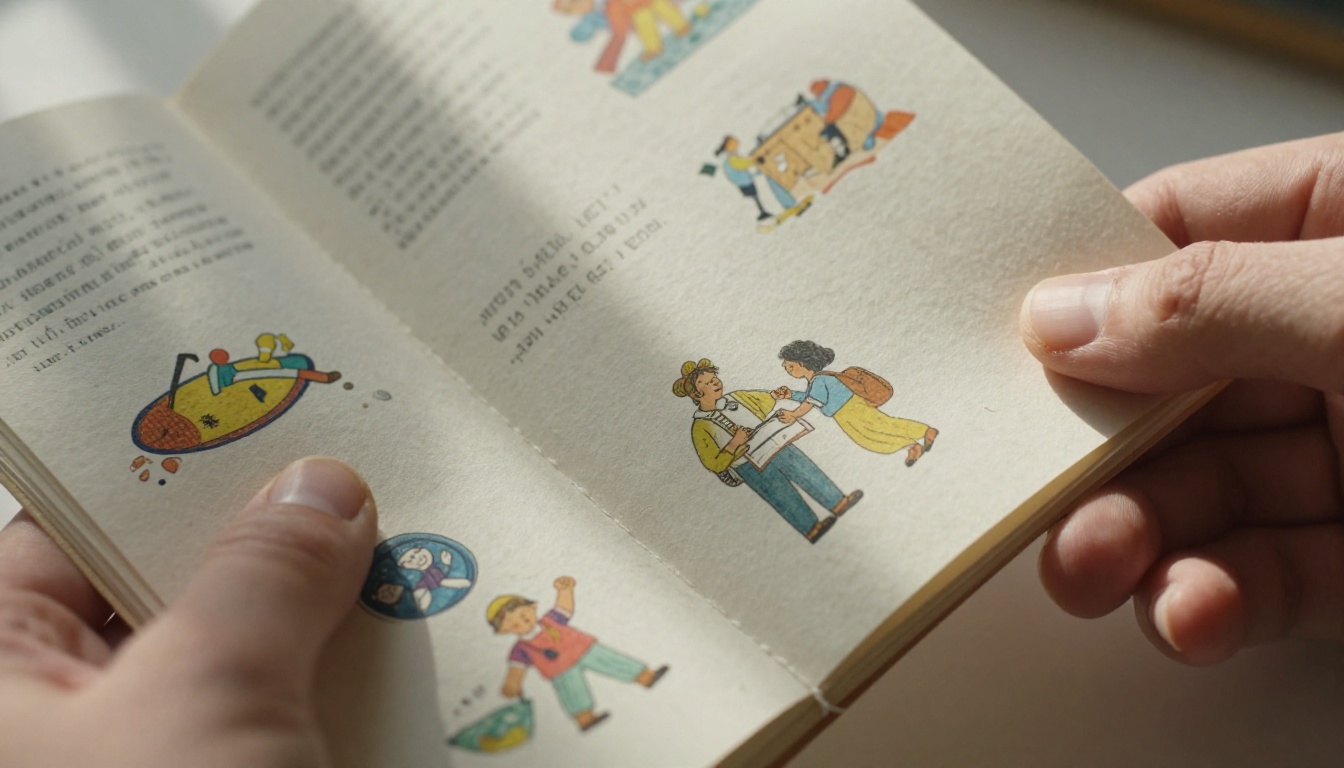
A digital flipbook captures the visual identity of your printed work with a realistic page-curl animation, two-page spreads, and a reading experience that feels like holding the real thing, not scrolling through a WordPress gallery.
Who's reading digital zines right now
Digital zine consumption has grown alongside independent publishing platforms, music blogs, art collectives, and social media aesthetics that celebrate handmade visual culture. Your readers are on mobile, on desktop, and on tablets. They share links in Discord servers, tag their friends on Instagram Stories, and save publications to read later. A PDF doesn't travel well in those spaces. A flipbook link does.
Preparing Your Zine for Online Conversion
Scan or export to PDF first
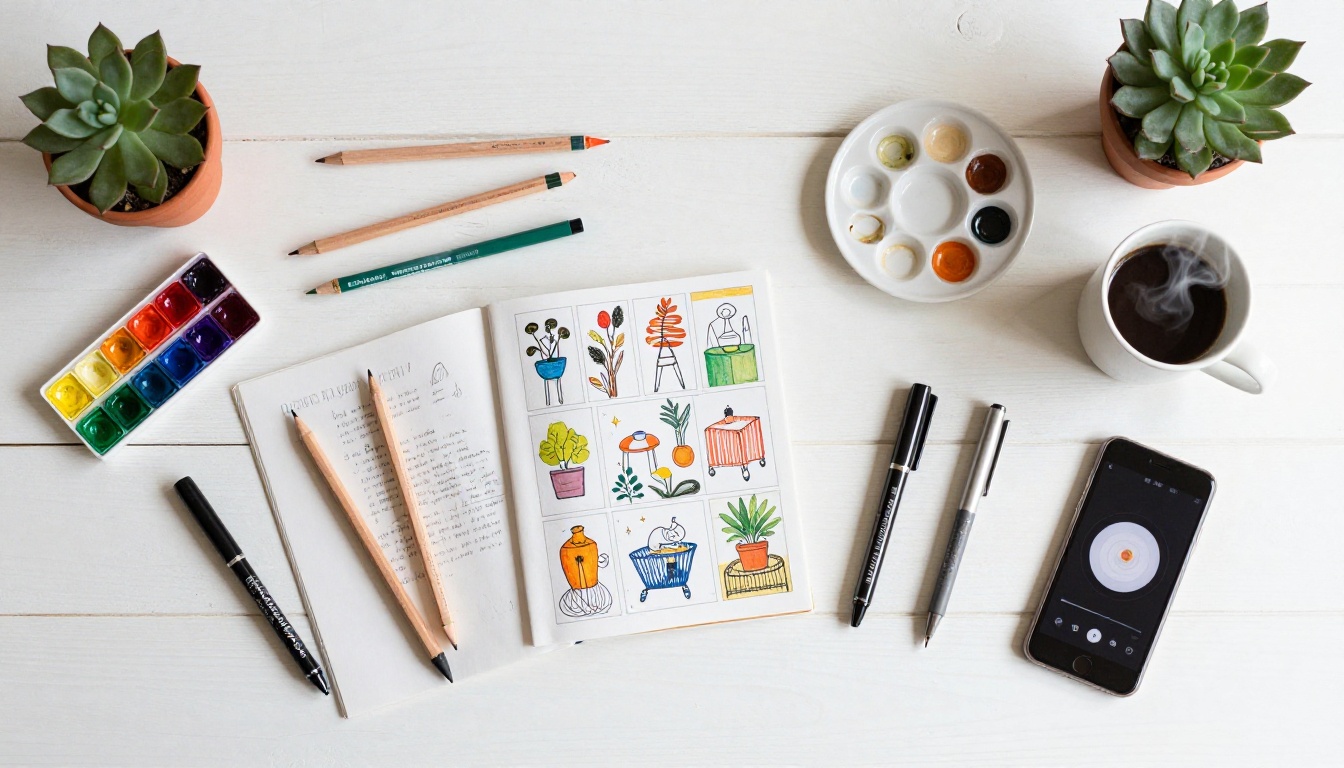
Before anything else, your zine needs to exist as a PDF. If you designed yours digitally in Adobe InDesign, Affinity Publisher, Canva, or even Google Slides, you're already there. If your zine is handmade and physically printed, you'll need to scan each spread at a resolution of at least 300 DPI to preserve the texture and ink quality.
💡 For best results, scan two-page spreads as single landscape images, then assemble them into a multi-page PDF. This preserves the double-page layout exactly as intended.
Recommended tools for scanning and assembly:
- Adobe Acrobat (for combining scanned pages into one PDF)
- Smallpdf or ILovePDF (free online options for merging pages)
- CamScanner app (solid option for scanning flat spreads via phone)
- Your printer's built-in scan-to-PDF function
File size and resolution tips
Flipbook platforms render your PDF page-by-page, so a bloated file slows the experience down. Aim for a final PDF under 50MB for smooth loading. If your zine contains high-res photographs, compress images to 150 DPI for screen use before uploading.
| File Type | Recommended DPI | Max File Size | Best For |
|---|
| Illustrated / Typography | 150 DPI | 30MB | Fast load, crisp text |
| Photo-heavy | 150-200 DPI | 50MB | Color accuracy |
| Hand-drawn / Scanned | 300 DPI scan, compress to 150 for web | 40MB | Preserving texture |
⚠️ Avoid uploading files with fonts that aren't embedded or outlined. Text can render incorrectly in the flipbook viewer if font dependencies aren't resolved before export.

How to Create Your Digital Zine Flipbook with Flipbooks AI
Flipbooks AI converts your PDF into a full interactive flipbook with page-flip animations, custom branding, and shareable links. Here's exactly how to do it.
Step 1: Create your account
Head to flipbooksai.com/account and sign up. No credit card required to get started. Once logged in, you'll see your flipbook dashboard showing all your published and draft publications in one place.
Step 2: Upload your zine PDF
Click "New Flipbook" and select your prepared PDF from your device. The platform processes each page and generates the flipbook viewer automatically. For a typical 16 to 32 page zine, upload and processing is near-instant.
✅ Flipbooks AI supports PDFs up to 500 pages. Most zines are well within that range and convert in under 60 seconds.
Step 3: Customize the look and feel
Once your flipbook generates, you're taken to the customization panel. This is where your zine gets its digital identity:
- Brand colors: Set background, toolbar, and accent colors that match your zine's visual language
- Logo: Upload your zine mark or personal logo, which appears in the flipbook viewer header
- Page effects: Toggle realistic page curl, hard cover effect, or single-page mode for mobile
- Table of contents: Add clickable chapter markers for longer publications
- Thumbnail cover: Choose which page appears in link previews, or upload a custom cover image
Step 4: Set sharing and access options
Navigate to the Share tab. You'll find:
- A direct shareable link you can post anywhere immediately
- An embed code to drop your flipbook into any website or portfolio page
- Password protection to keep distribution exclusive, great for subscribers or limited releases
- Domain restriction to control where your flipbook can be embedded
Step 5: Publish and share
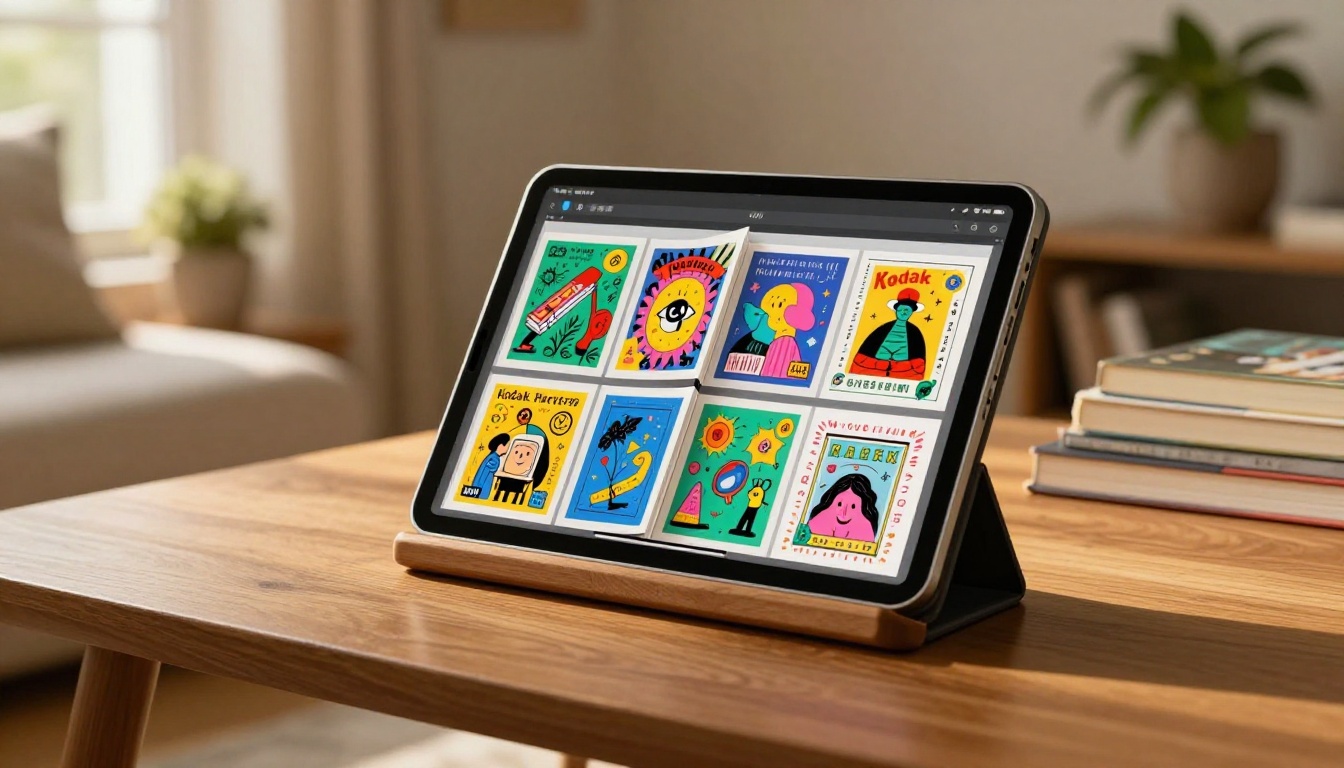
Hit Publish. Your flipbook is now live. You can share the link on social media, add it to your Linktree, include it in email newsletters, or embed it directly on your personal site or portfolio. The flipbook is fully mobile-responsive, so it works on phones, tablets, and desktop browsers without any extra configuration.
💡 Use the Embed Flipbook on Website tool if you're embedding into a specific CMS like WordPress, Squarespace, or Webflow. It generates a clean iframe snippet ready to paste.
Customization Options That Actually Matter
Making it yours visually
The difference between a generic PDF viewer and a distinctive digital publication comes down to how much visual control you have. Flipbooks AI gives you meaningful control without overcomplicating things.
What you can customize:
- Background texture (solid color, gradient, or custom pattern upload)
- Page shadow depth and realism of the curl animation
- Auto-flip speed and reading direction
- Zoom behavior and fullscreen toggle
- Page-turn sound effects (on/off)
- Social sharing buttons (show or hide per publication)
None of these changes alter your original PDF. They only affect how the viewer renders around it, so your design stays exactly as you laid it out.
Adding multimedia to your zine
One of the strongest arguments for digital over PDF: you can embed video and audio directly into flipbook pages. This matters for specific zine types:
- Music zines: Embed a SoundCloud or Spotify playlist in the same publication that reviews it
- Art zines: Add a looping video process clip next to a finished illustration
- Event zines: Embed a YouTube recap or interview clip from the show you're covering
This turns a static publication into a genuine multimedia experience, something a physical print or flat PDF simply can't offer.
Sharing Your Digital Zine with the World
Distribution that actually reaches people
Zine distribution has historically been the hardest part of independent publishing. Distros move slowly, postage eats margins, and physical copies only go so far. A digital flipbook link costs nothing to distribute and reaches anyone with a browser.
Effective distribution channels for digital zines:
- Email list: Paste the link or embed the flipbook directly in your newsletter
- Bandcamp page: Add your zine as a digital companion alongside your music
- Instagram bio / Linktree: A single link that works for every follower simultaneously
- Reddit communities: r/zines, r/comicbooks, r/selfpublishing all welcome digital publications
- Discord servers: Paste the link in the appropriate channel for immediate reads
- Your own website: Use the embed code from Flipbooks AI to host it natively
Private zines and limited releases
Not every zine is for everyone. Password protection lets you:
- Create subscriber-only issues for Patreon supporters
- Send private review copies to press contacts without public access
- Distribute internal zines to a creative collective
- Run a pay-what-you-want model where buyers receive the password on purchase
✅ Password protection is available on Standard plans and above. Check pricing plans to see what's included at each tier.
Plans and What You Actually Get
Choosing the right plan depends on how many zines you publish and which features matter to your workflow. Here's how the tiers compare:
| Feature | Free | Standard | Professional |
|---|
| Watermark | Yes | No | No |
| Number of flipbooks | 3 | Unlimited | Unlimited |
| Password protection | No | Yes | Yes |
| Custom branding | Limited | Full | Full |
| Embed on website | Yes | Yes | Yes |
| Analytics | No | Basic | Full reporting |
| Lead generation | No | No | Yes |
| Offline downloads | No | No | Yes |
| Custom domain | No | No | Yes |
💡 For most independent zine makers, the Standard plan covers everything needed day-to-day. If you're running a print-on-demand side business or selling subscriptions, the Professional plan's analytics and lead capture tools at flipbooksai.com/pricing pay for themselves quickly.
The absence of watermarks on paid plans is significant. A watermark stamped across your cover or spreads undercuts the visual credibility of your publication immediately, and it's the first thing readers notice.
Real-World Uses for Digital Zines
Artists and illustrators
An illustrator who prints 50 copies of their zine for an art fair can now reach 5,000 people with the same work by publishing it as a flipbook after the event. The physical run stays special and collectible. The digital version does the distribution work.
Using the Digital Portfolio Creator alongside your zine flipbook lets you create a companion portfolio publication that links back to your zine, building a two-piece digital presence that's genuinely memorable.

Music and culture zines
Music zines live at the intersection of writing, photography, and design. A flipbook format honors the full-bleed layouts and typographic choices that make these publications visually distinctive. You can embed Spotify tracks or YouTube interviews directly into the pages, so reading a review and hearing the album can happen at the same time.
The Magazine Flipbook Creator is built specifically for this use case, with spread-optimized rendering and multimedia embedding that fits the format.
Small publishers and collectives
If you're running a small press or a collective that releases multiple issues per year, the unlimited flipbooks feature on Standard plans means your entire archive is accessible from a single account. Link from issue to issue, build a reading list, and create a permanent digital home for your catalog.
Educational and community zines
Schools, youth programs, and community organizations produce zines that are typically distributed in person at low scale. Converting these to digital flipbooks extends the reach to parents, community members, and partner organizations who couldn't attend the event.
The School Newsletter Creator and Yearbook Flipbook Maker tools are purpose-built for these use cases, with templates and features that map directly to educational publishing needs.

The Analog-Digital Balance
There's a real tension in the zine world about digital distribution. Some creators feel it dilutes the intentionality of a limited physical run. That perspective is valid. But the two formats aren't in competition. A physical zine is an object with a relationship to a specific time and place. A digital flipbook is infrastructure. It lets the work travel.
The creators building the most interesting independent publishing practices right now are doing both: a small physical run for the people who showed up, and a digital flipbook for everyone else. They aren't choosing between them.
Common concerns and honest answers:
| Concern | Reality |
|---|
| "Going digital makes it feel cheap" | Your design is unchanged. The viewer adds page-flip without altering a single spread. |
| "People won't read it on screen" | Flipbook completion rates are consistently higher than PDF scroll rates. |
| "It costs too much to maintain" | Standard plans are priced for independent creators, not corporations. |
| "I don't want my zine indexed publicly" | Password protection and no-index options keep distribution fully private. |
| "PDF is enough" | PDF is functional. A flipbook is built for reading and sharing. |

Your Zine Has More Readers Than You Think
Most zine creators underestimate their potential audience because they're measuring by physical copies sold or handed out. That number is real, but it's the floor, not the ceiling. Every person who receives a link to a digital flipbook is a potential reader. Every embed on a friend's blog is a new point of discovery. Every share in a community server reaches people who've never heard of your work.
The infrastructure to reach those people is already built. You just need to give your zine the format that travels. Get started for free on Flipbooks AI, upload your first zine PDF, and have a shareable flipbook link in under two minutes.
Browse all the tools and templates available to find the right fit for your publication type, whether that's a straight-up zine flipbook, a music magazine, a portfolio piece, or a community newsletter. And when you're ready to add analytics, lead generation, and offline downloads to your workflow, see all pricing plans to choose what works for where you are right now.
Your zine is already good. Make sure people can actually read it.



