Static brochures are designed to be read once. They sit in lobbies, get handed out at trade shows, maybe end up on a coffee table for a week, then disappear into a recycling bin. When you convert that same brochure into a digital flipbook, the entire lifecycle changes. Readers interact differently, sharing happens naturally, and you gain data you never had access to before. Flipbooks AI makes this conversion straightforward, but understanding what actually shifts, and why it matters, is worth knowing before you start.
Why Printed Brochures Fall Short
The Attention Problem
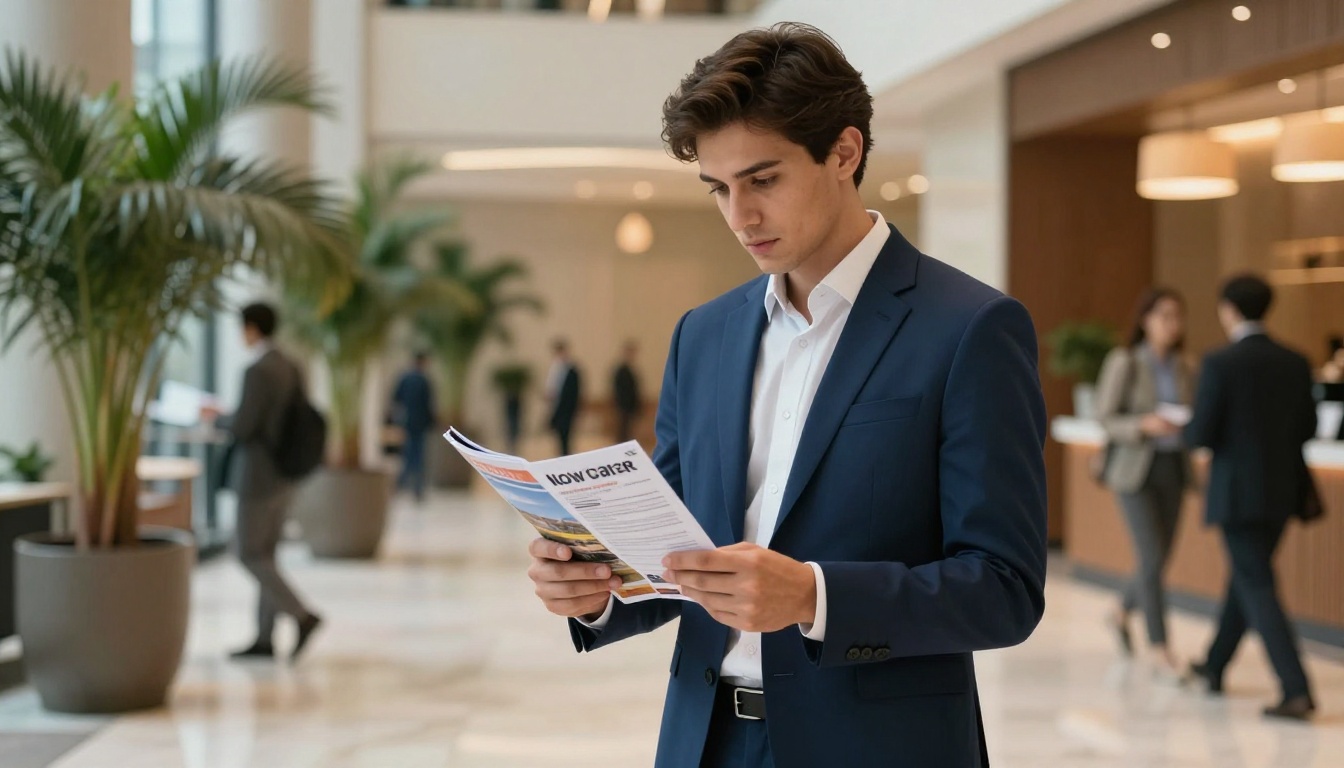
A printed brochure competes with everything in the physical space where it lands. In a waiting room, it competes with phones. At a trade show, it competes with noise, conversations, and a dozen other vendors doing the same thing. Even when someone picks one up, average reading time for a physical brochure is under 30 seconds.
The design and print costs compound the problem. A single print run with quality paper, full color, gloss coating, and professional binding can cost several hundred dollars per thousand units. That number does not include distribution, replenishment when stock runs out, or the cost of reprinting when information changes.
What Printing Actually Costs You
Physical brochures have a shelf life measured in weeks or months. A price change, a new product launch, or a rebranding effort means throwing out whatever inventory exists and starting over. Every outdated stack is a sunk cost with nothing to show for it.
| Cost Factor | Printed Brochure | Digital Flipbook |
|---|
| Initial production | $300 to $1,200+ per 1,000 units | Free to low monthly cost |
| Design updates | Full reprint required | Edit and republish instantly |
| Distribution | Shipping, logistics, staff time | Shareable link or embed code |
| Analytics | None | Full page-view and click tracking |
| Shelf life | Months until outdated | Indefinite, always current |
| Environmental impact | Paper, ink, physical waste | Zero physical waste |
⚠️ Once a printed brochure is in the wild, there is no recall. Wrong prices, discontinued products, or old contact info stay out there until every copy is physically collected or discarded.
What Changes the Moment You Convert
A Clickable, Living Document
The first thing that changes is that everything in your brochure can now do something. A phone number becomes a tap-to-call link. A product becomes a button to a shopping cart. A location becomes a pin that opens in Google Maps. The static page becomes a starting point rather than an endpoint.
This shift in interactivity is not cosmetic. It changes what readers actually do. Instead of writing down a number or trying to remember a website, they act immediately while interest is still high.
Works on Every Device
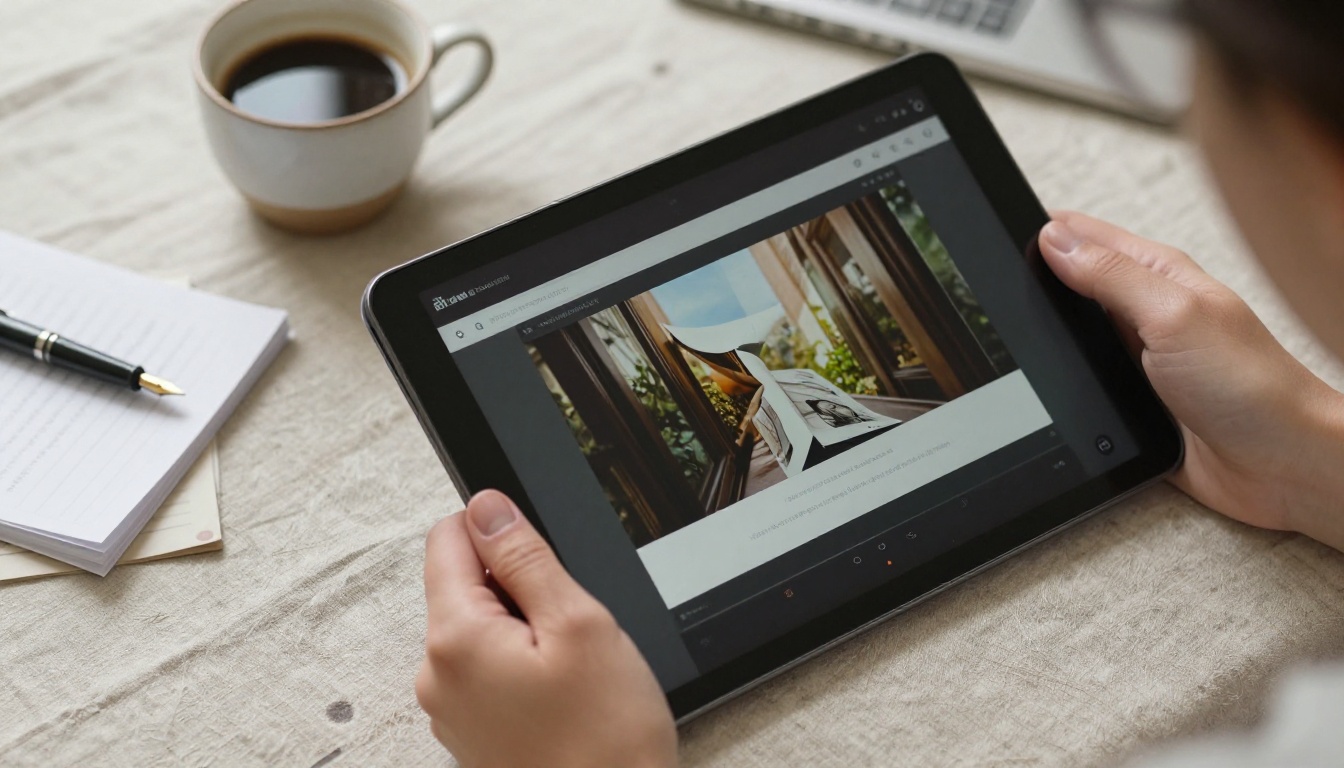
A printed brochure works in one place: wherever it physically is. A digital flipbook is accessible on any device, anywhere, at any time. Someone who picked up your brochure at a trade show and forgot it in a hotel room can still access it via a link sent in a follow-up email.
The mobile experience is particularly important. Digital flipbooks built for the web, like those created on Flipbooks AI, render responsively across smartphones, tablets, and desktops without friction. The page-flip experience works with swipes on mobile and clicks on desktop.
💡 Embedding a QR code on physical materials that links to your digital flipbook gives you the best of both worlds: physical presence with digital follow-through.
Multimedia Becomes Possible
Printed brochures are locked into static images and text. Once converted to a digital flipbook, you can embed video walkthroughs, background audio, animated infographics, and interactive image galleries. A hotel brochure can include a 60-second lobby tour. A real estate listing can feature a room-by-room video walkthrough. A product catalog can show a demonstration video right next to the product specs.
How Readers Behave Differently
Time Spent Per Page
This is the most concrete and measurable change. Studies on interactive content consistently show that readers spend significantly more time with digital, interactive documents than with static alternatives. The page-flip animation creates a physical reading metaphor that feels natural and encourages continuation. Instead of glancing at a page and setting the brochure down, readers tend to flip through the full document.
With the Professional plan on Flipbooks AI, you get analytics that track exactly which pages readers spend the most time on, where they stop, and what they click. That data feeds directly back into your next design decision.
Sharing Becomes a Natural Action
A physical brochure can only be shared if someone physically hands it to someone else. A digital flipbook is a URL. It can be sent via text, email, WhatsApp, LinkedIn, or embedded on a webpage. Every person who shares it extends its reach without any additional cost.
This changes the economics of content distribution entirely. A single flipbook can reach thousands of people through organic sharing with zero incremental spend.
✅ Adding a password to your flipbook keeps sensitive content private while still allowing easy digital distribution to authorized recipients only.
Real Use Cases Worth Knowing
Real Estate: Properties That Sell Faster
Real estate agents who convert property brochures to digital flipbooks report being able to send a full property presentation before a showing even happens. The couple walks into the viewing already familiar with the floor plan, the neighborhood stats, and the pricing tiers.
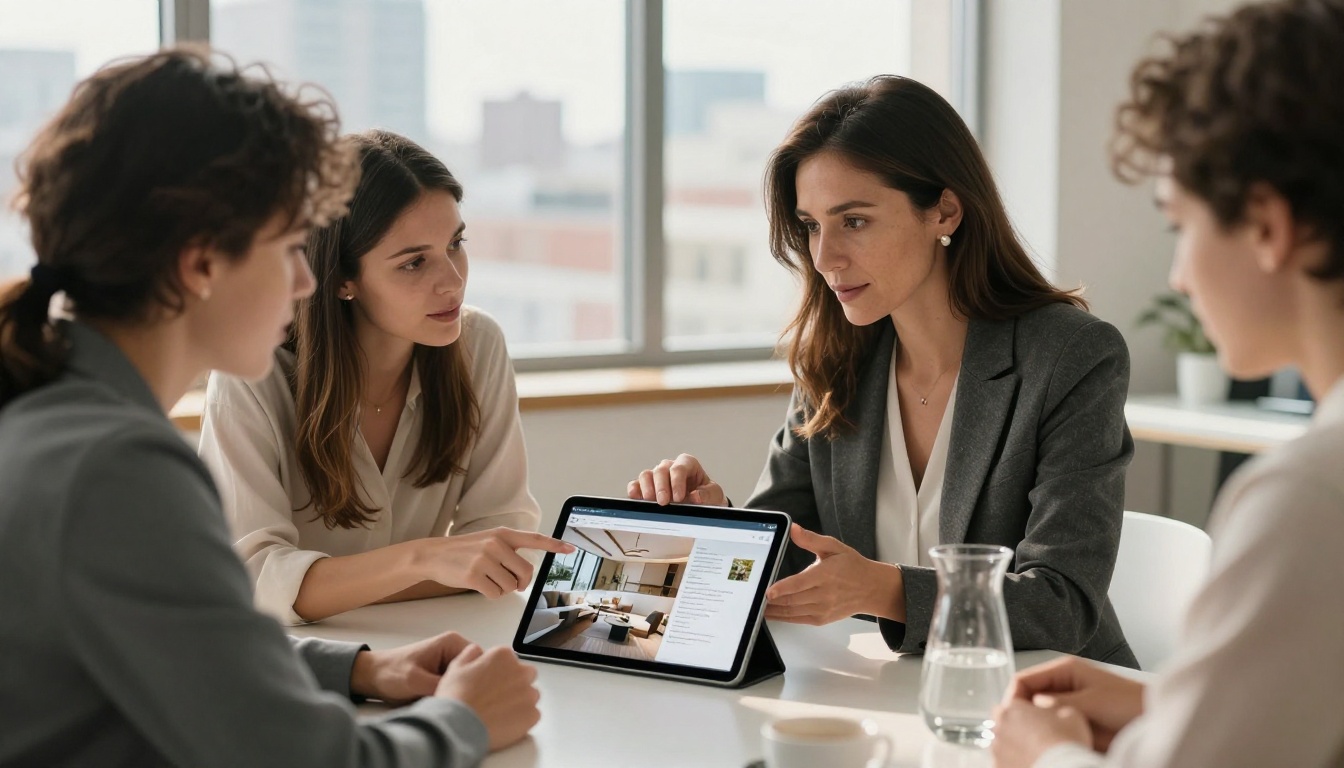
The Real Estate Brochure Creator on Flipbooks AI is purpose-built for this: clean layouts, full-page photography support, and easy sharing via link or embed. Agents update listings without reprinting anything.
Hotels: Bookings Before Checkout
Hotel brochures traditionally cover amenities, room types, dining options, and seasonal packages. Printed versions are static and often outdated by the next season. A digital hotel brochure can embed a virtual room tour, link directly to a booking page, and include a clickable map of local attractions.
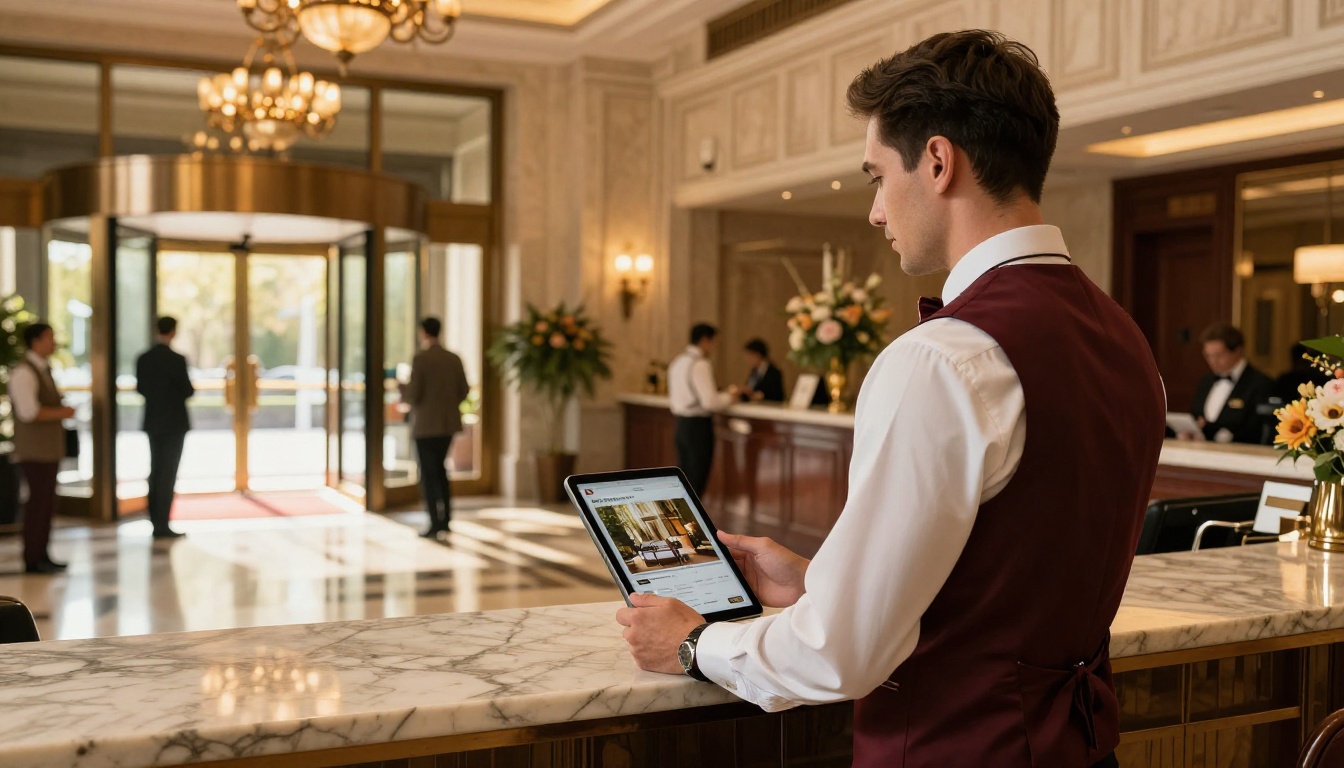
The Hotel Brochure Designer handles this format with support for full-bleed images and multimedia embedding. Concierge staff can share a link on check-in rather than handing out paper stacks that end up in the hotel room trash.
Fashion and Retail Catalogs
Seasonal catalogs are one of the most print-heavy formats in retail. They go out of date the moment a product sells out or pricing changes. Converting a fashion catalog to a digital flipbook means live inventory links, updated pricing, and the ability to add new arrivals mid-season without any reprinting.

The Fashion Catalog Creator is designed specifically for this use case, with support for look-book-style layouts, product tagging, and social sharing options built in.
How to Convert Your Brochure with Flipbooks AI
Flipbooks AI handles the technical work automatically: PDF parsing, page rendering, interactive layer application, and hosting. You do not need design software or development resources to complete the conversion.
Upload Your PDF
Visit Flipbooks AI and create an account. Once in the dashboard, upload your existing brochure as a PDF. The platform converts each page automatically and applies the page-flip animation immediately.
💡 If your brochure was originally designed in Adobe InDesign, Canva, or Illustrator, export it as a high-resolution PDF before uploading. 300 DPI minimum keeps page rendering sharp across all screen sizes.
Customize Branding and Colors
After upload, apply your brand colors to the flipbook viewer, add a custom logo, set a branded domain, and choose from background styles. The result looks like a professional branded publication rather than a generic PDF conversion.
Customization options include:
- Custom viewer colors and backgrounds
- Logo placement and brand fonts
- Page effects and flip animation styles
- Background music for immersive presentations
- Mobile layout adjustments for smaller screens
Share, Embed, and Password-Protect
Once published, your flipbook generates a shareable URL and an embed code for websites. Available sharing options include:
- Direct link: Send via email, text, or social media
- Website embed: Paste the embed code into any webpage or CMS
- Password protection: Restrict access to authorized viewers only
- QR code: Print on physical materials to bridge offline and online
The Embed Flipbook on Website tool generates the correct iframe code for any platform, including WordPress, Squarespace, and Webflow.
Track What Readers Actually Do
The Professional plan on Flipbooks AI includes full reader analytics: which pages received the most time, where readers dropped off, total views, unique visits, and click activity on embedded links.

This data is not available with any printed material. It gives you concrete insight into what parts of your brochure content are actually working and what needs revision in the next iteration.
What You Gain and What You Give Up
| What You Gain | What You Give Up |
|---|
| Unlimited distribution at no added cost | Physical tactile presence |
| Clickable links throughout the document | Requires internet to view without download |
| Real-time updates without reprints | Requires a screen to read |
| Detailed reader analytics | The familiar weight of paper in hand |
| Video and audio embedding | Cannot hand it to someone in a hallway |
| Password protection for private content | |
| Offline download option (Professional plan) | |
| Mobile-optimized reading experience | |
Most businesses find this trade clear-cut. The gains are operational, financial, and measurable. The losses are mostly situational.
✅ Flipbooks AI supports offline downloads on the Professional plan, which partially bridges the internet access gap. Readers can save the flipbook to any device for offline viewing later.
Flipbooks AI Plans at a Glance
| Feature | Free | Standard | Professional |
|---|
| Number of flipbooks | 1 | Unlimited | Unlimited |
| Watermark | Yes | No | No |
| Custom branding | No | Yes | Yes |
| Reader analytics | No | No | Yes |
| Lead generation forms | No | No | Yes |
| Password protection | No | Yes | Yes |
| Offline downloads | No | No | Yes |
| Embed on website | Yes | Yes | Yes |
| Video embedding | No | Yes | Yes |
See pricing plans to find which tier fits your brochure volume and feature requirements.
Who Benefits Most from the Conversion
Reading Behavior: Mobile First
One shift that surprises most first-time converters is how much of their flipbook traffic comes from mobile devices. A printed brochure is inherently a desktop-scale format. A digital flipbook built on a mobile-responsive platform reaches readers wherever they actually are, at any time of day.

Mobile-optimized flipbooks allow readers to pinch-zoom on pages, swipe between sections, tap links directly, and share content through their native share sheet. None of this is possible with a printed format.
Corporate and Enterprise Use
For larger organizations, the case for flipbook conversion extends into compliance, brand consistency, and investor relations. An annual report that previously required coordinated printing and mailing to shareholders can be published digitally, shared via secure link, and updated if corrections are needed before the official record date.

The Annual Report Creator and Corporate Report Maker handle the formatting requirements for these contexts, including support for charts, financial tables, and dense text layouts that must stay precisely formatted.
💡 Password-protected flipbooks are particularly useful for board presentations, investor decks, and confidential press kits that need controlled distribution without the friction of email attachments.
The Numbers Speak for Themselves
The case for converting a brochure to a flipbook is not purely qualitative. Consider what changes in practice:
- Print run eliminated: A typical SMB saves $800 to $3,000 per brochure cycle by going digital
- Distribution time: From weeks (print and ship) to minutes (publish and share a link)
- Update turnaround: From 2 to 4 weeks (reprint) to under 5 minutes (edit and republish)
- Reach potential: From physical distribution limits to unlimited digital reach
- Reader data: From zero data to full performance reporting per page
These numbers add up fast. A business running three brochure campaigns per year can recover the cost of a Flipbooks AI subscription in the first print run it skips.
What Stays the Same
Converting your brochure does not require redesigning it. The visual layout, photography, typography, and brand identity all carry over exactly from your PDF. What changes is what the document can do once a reader has it in front of them.
Your existing brochure likely already has strong visual design. A digital flipbook preserves all of that and adds the interactivity layer on top. It does not replace your design; it activates it.
The brochure you already have is one upload away from becoming something readers actually interact with instead of glance at. Get started for free on Flipbooks AI and publish your first flipbook in minutes. When you are ready for reader analytics, lead generation, and offline downloads, compare pricing plans to find the right tier for your needs.
Browse all available flipbook tools to find the right format for your content, whether that is a tri-fold brochure, a multi-page product catalog, or a full hotel brochure.



