The number is hard to ignore: 87 percent of marketers say interactive content outperforms static content when it comes to grabbing attention and holding it. That's not a rounding error or a niche opinion. It's a pattern repeated across industries, company sizes, and content types. If you're still publishing PDFs that nobody scrolls past page two, or sending newsletters that vanish into inboxes without a click, this is the data you need to see. Flipbooks AI is one of the tools that converts static documents into the kind of interactive experiences modern marketers are racing to produce.
What "Interactive Content" Actually Means
The phrase gets thrown around constantly, but not all interactive content is created equal. At its core, interactive content requires the reader to do something: click, scroll, answer, compare, or configure. The passive experience of reading a PDF transforms into something closer to a conversation.
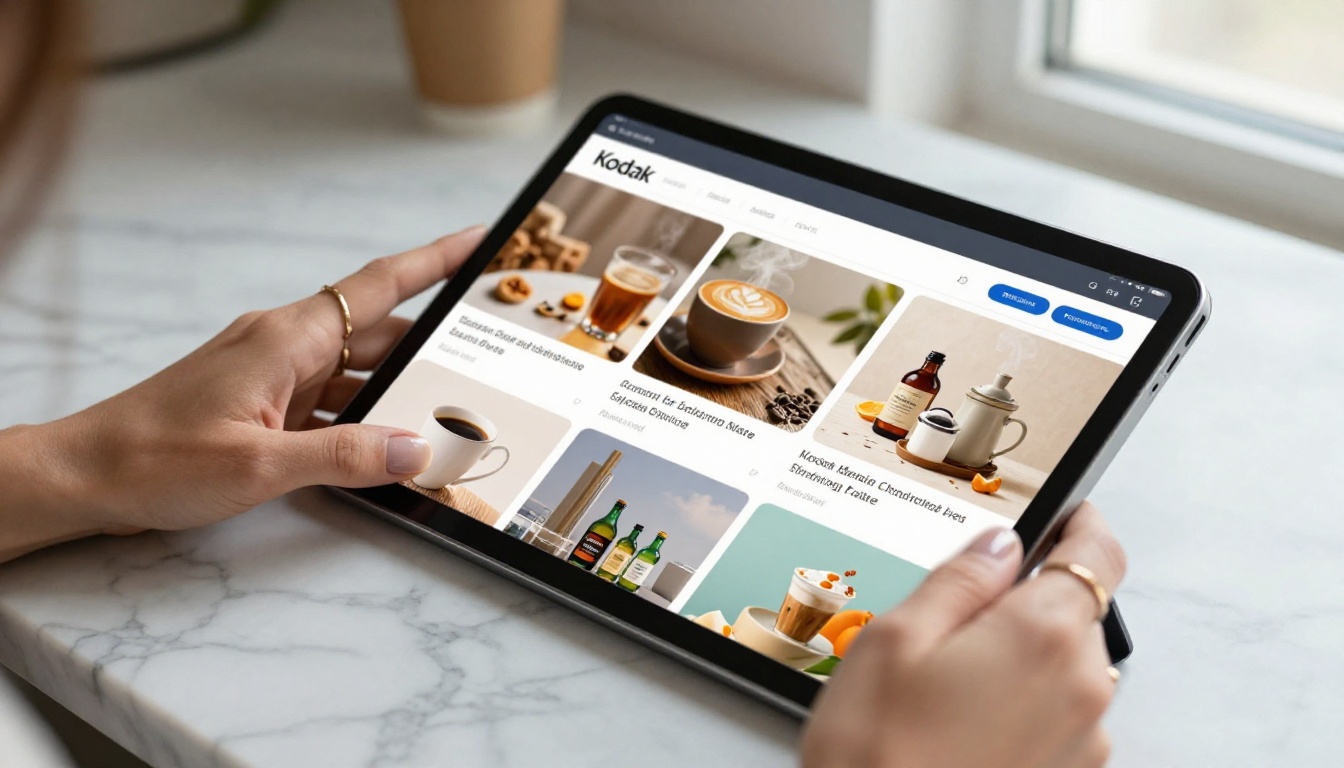
The Main Formats Producing Results Right Now
- Interactive flipbooks with page-turn effects, embedded video, and clickable links
- Quizzes and assessments tied to buyer personas or product recommendations
- Calculators that let visitors input variables and see personalized results
- Surveys and polls that capture intent while delivering value
- Interactive infographics where data points expand on click
- Digital catalogs that let shoppers click directly to product pages
- Configurators that build personalized offers in real time
Each format serves a different purpose, but they share a single trait: they capture attention in a way that static text and images rarely do.
The 87% Statistic and Where It Comes From
The 87% figure originates from research by the Content Marketing Institute, which surveyed marketing leaders across B2B and B2C sectors. The finding: the vast majority of marketers who had tested interactive formats rated them as significantly more effective at holding reader attention than their static equivalents. Separate research from Demand Metric put interactive content at two times higher conversion rates compared to passive formats.

The pattern holds across different verticals:
| Industry | Interactive Content Type | Reported Lift in Activity |
|---|
| Retail and E-Commerce | Digital product catalogs, lookbooks | 2-3x page views |
| Real Estate | Interactive brochures, virtual tours | 40% longer session time |
| Hospitality | Digital menus, hotel brochures | 35% lower bounce rate |
| B2B SaaS | ROI calculators, assessment tools | 2x lead capture rate |
| Publishing | E-magazines, newsletters | 60% higher click-through |
💡 You don't need to build custom software to get these results. Tools like Flipbooks AI convert your existing PDFs into interactive experiences in minutes.
Why Static Content Is Losing the Attention Battle
Here's what happens when someone opens a 20-page PDF in 2026: they skim the first three pages, maybe save it, and forget it exists by afternoon. That's not a content quality problem. It's a format problem.

Static content asks readers to commit to a linear experience. In a world where a short-form video competes with a white paper for the same thirty seconds of attention, that ask is increasingly unrealistic. Interactive content solves the problem by giving readers agency. They navigate on their terms, click what interests them, and skip what doesn't.
Three Attention Problems Interactive Content Fixes
1. The scroll depth problem: Most blog readers never make it past 50% of an article. Interactive formats with embedded navigation or layered content pull readers deeper into the material.
2. The memory problem: Passive reading produces low retention. When a reader interacts with content, whether answering a question or configuring a product, recall improves significantly. Nielsen Norman Group research consistently shows that active participation reinforces memory.
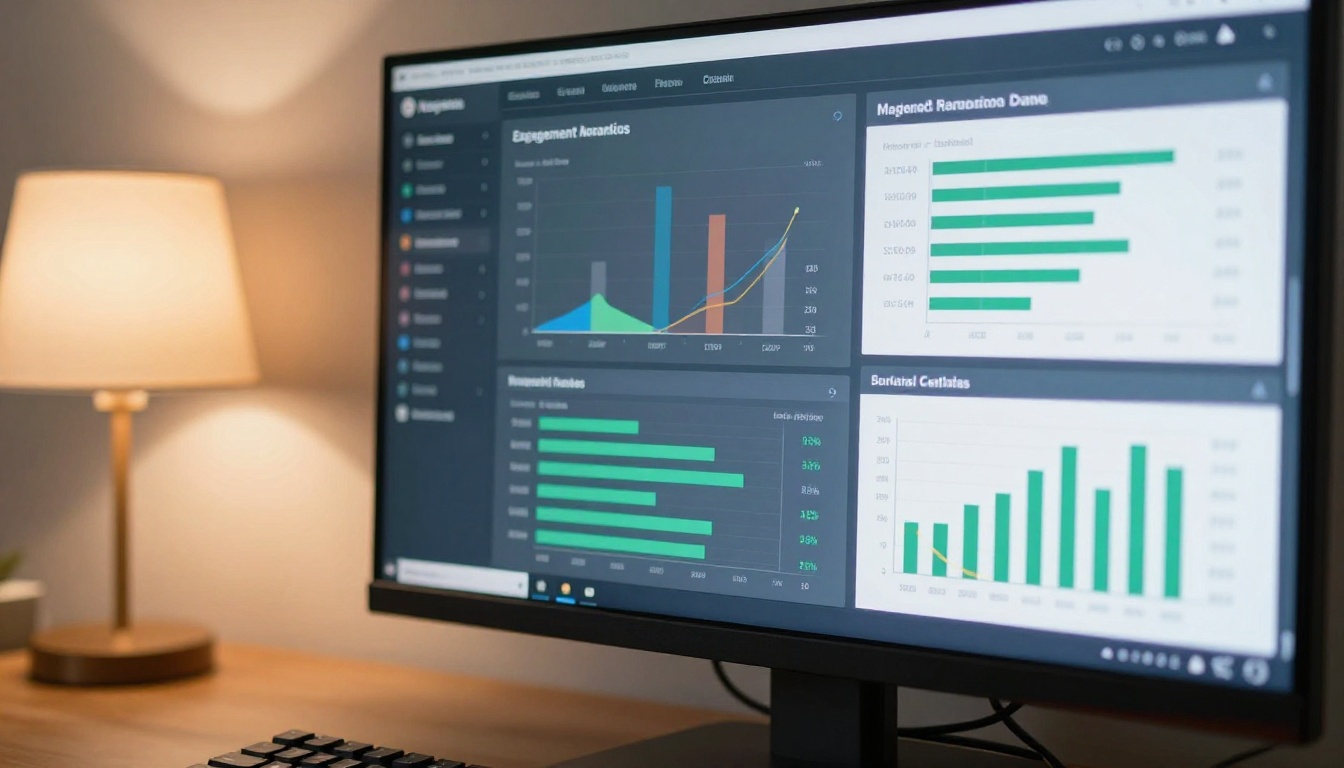
3. The data void problem: A downloaded PDF tells you nothing about how it was used. An interactive flipbook or digital catalog provides analytics: which pages readers spent time on, where they clicked, and where they dropped off.
What the Data Says About Conversion
Attention is one metric. Conversion is the one that pays the bills.

A study by Ion Interactive found that interactive content generates twice as many conversions as static content. Separate analysis from Kapost showed interactive content producing six times more transactions when used in lead nurturing sequences.
The mechanism is straightforward: interactive content creates micro-commitments. When someone completes a quiz, uses a calculator, or flips through a digital catalog and clicks a product, they've already invested effort. That investment increases the likelihood of taking the next step.
✅ Place your highest-value interactive asset at the middle of the funnel, after initial awareness but before the sales conversation. That's where micro-commitment has the most impact on conversion.
Interactive vs. Static: Direct Performance Comparison
| Metric | Static Content | Interactive Content | Difference |
|---|
| Average time on page | 54 seconds | 3.4 minutes | +276% |
| Lead capture rate | 5-10% | 15-25% | +2x |
| Return visitor rate | 12% | 28% | +133% |
| Social share rate | 1.2% | 3.8% | +217% |
| Email click-through | 2.1% | 5.7% | +171% |
Real-World Use Cases That Are Producing Results
Numbers are useful. Specific scenarios are more actionable.

Retail brands replacing static lookbooks with interactive digital catalogs have reported dramatic improvements in product discovery. When shoppers can click directly from a catalog image to a product page, the path to purchase shortens. The Interactive Lookbook Designer format has become a standard tool for fashion and lifestyle brands.
Restaurant and hospitality groups are moving menus online as interactive flipbooks. Guests scan a QR code and get a beautifully paginated digital menu they can actually interact with. The Restaurant Menu Creator eliminates print costs while capturing data on which menu sections receive the most attention.
B2B companies are replacing static PDF presentations with interactive sales decks that let prospects navigate to the sections most relevant to their pain points. The Sales Presentation format gives sales teams control over which content gets highlighted without requiring design resources for each customization.
Real estate agencies using interactive property brochures report longer session times and higher request-for-showing rates. The Real Estate Brochure format lets agents include virtual tour links, floor plans, and neighborhood data in a single interactive document.
How to Create Interactive Flipbooks with Flipbooks AI
This is where theory becomes practice. If you have a PDF, a catalog, a brochure, a menu, or any document that currently exists as a static file, you can convert it into a fully interactive flipbook in under ten minutes.

Step 1: Create Your Account
Go to Flipbooks AI and set up your account. The process takes about two minutes. No credit card is required to start.
Step 2: Upload Your PDF
From your dashboard, click "Create New Flipbook" and upload your PDF file. The platform automatically converts your document into a paginated, page-turn flipbook. Supported file formats include standard PDF files up to high-resolution print quality.
Step 3: Customize Your Branding
Once the conversion is complete, you can:
- Apply your brand colors to the flipbook interface and toolbar
- Add your logo to the viewer
- Choose page transition effects including realistic page-turn animations
- Set background colors or textures to match your visual identity
- Embed videos and audio directly into specific pages
Step 4: Add Interactive Elements
This is where static documents become genuinely interactive:
- Insert clickable links on any text or image area
- Add embedded video players within specific pages
- Create table of contents navigation for longer documents
- Enable search functionality so readers can find specific content fast
Step 5: Configure Sharing and Security
Flipbooks AI gives you multiple distribution options:
- Public link: A clean URL you can share via email, social, or SMS
- Embed code: Drop the flipbook directly into any webpage
- Password protection: Restrict access to specific audiences
- Custom domain: Serve the flipbook from your own domain on Professional plans
⚠️ Password protection and custom domains require the Standard plan or above. Check the pricing page for the full feature breakdown.
Step 6: Track Performance with Analytics
On the Professional plan, you get access to detailed analytics:
- Page-by-page view data: See exactly where readers spend time
- Lead generation forms: Capture email addresses before or during reading
- Session duration tracking: Understand how deeply readers are consuming your content
- Download tracking: See when readers save offline copies
What's included across all plans:
- ✅ No watermarks, ever
- ✅ Unlimited flipbooks on Standard plan and above
- ✅ Password protection for private content
- ✅ Analytics and lead generation on Professional plan
- ✅ Offline downloads
- ✅ Embed videos and audio
- ✅ Mobile-responsive design
- ✅ Custom branding
Not every piece of content needs the same treatment. Here's a practical framework for matching format to objective:

Why 87 Percent Is Probably an Undercount
Here's the honest assessment: the 87% figure was measured before AI-assisted content creation made interactive formats accessible to teams without design budgets. The barrier to entry has dropped dramatically. Two years ago, creating a professional interactive catalog required a designer, a developer, and a serious budget. Today it requires a PDF and a Flipbooks AI account.
As tools become more accessible, adoption accelerates. The marketers who haven't yet adopted interactive formats are increasingly not opting out by choice. They're waiting for the right tool to make the switch painless.
The competitive window for early movers is still open. Brands already publishing interactive catalogs, digital menus, and flipbook reports are building audience habits that static-content competitors will struggle to recapture.
💡 Start with your highest-traffic piece of static content. Convert it to a flipbook, apply UTM tracking to the share link, and measure the difference over 30 days. The data will make the next investment decision simple.
The SEO Angle Most Marketers Are Missing
Interactive content doesn't just outperform on activity metrics. It has a secondary effect on organic search performance that most teams aren't measuring deliberately.

When readers spend more time with interactive content, dwell time increases. When they share it, backlink velocity improves. When they return to it, return visitor signals grow. All three are ranking factors that Google weighs in its quality assessments. A flipbook that holds a reader for three and a half minutes instead of 54 seconds is not just a better user experience. It's a better SEO asset.
Interactive flipbooks hosted on dedicated URLs are also indexable. Search engines can crawl the text content within your flipbook pages, meaning a well-optimized interactive catalog can rank for product and service queries that a downloadable PDF never could.
✅ When publishing a flipbook, always add a descriptive meta title and description through the Flipbooks AI dashboard. This content is used when the flipbook URL is indexed by search engines.
Why Interactive Content Wins in Search Rankings
| SEO Factor | Static PDF | Interactive Flipbook |
|---|
| Page indexability | Not indexed | Fully crawlable URL |
| Dwell time signal | Low (quick download) | High (active reading) |
| Backlink potential | Minimal | Shareable link earns links |
| Mobile experience | Poor rendering | Responsive design built-in |
| Rich result eligibility | None | Schema-ready content |
Stop Publishing Content Nobody Reads
The 87% consensus among marketers isn't just a statistic worth citing in a presentation. It's a signal about where audience behavior is heading. Static content isn't disappearing, but its share of attention and conversion is declining with every quarter. The question isn't whether to add interactive content to your mix. It's which format to start with and how fast you can ship it.
If you have a product catalog, a menu, a brochure, a report, or any PDF that currently exists as a static download, you have everything you need to start right now.
Ready to make the switch? Get started for free on Flipbooks AI and convert your first document today. Browse all available tools and templates to find the format that fits your content goals, or compare pricing plans to choose the features your team needs.



