Sending a cold email with a PDF attachment is how most bloggers pitch brands. It works sometimes, but the open rate is low, the impression is forgettable, and the brand manager who forwards it to their team loses all formatting by the third share. Bloggers who win consistent sponsorship deals have figured something out: how you present your pitch matters as much as what is in it. That is why the sharpest content creators are switching to flipbook decks through Flipbooks AI to close deals faster, look more professional, and stand out in a crowded inbox.
The Old Pitch Is Broken
What brands actually see with PDFs
Brand managers receive dozens of influencer pitches every week. When most arrive as attached PDFs, they get downloaded, maybe opened, often closed. The reading experience is passive. The pages do not respond. The images do not breathe. There is no sense of the creator's personality or polish beyond a font choice.
Worse, when a marketing coordinator forwards that PDF to a senior brand strategist for approval, it loses context. There is no easy way to move between sections. Nobody is bookmarking page 7 to return to your audience data chart.
Why static formats lose deals
Static documents create friction at every stage of the review process. Decision-making in brand partnerships involves multiple stakeholders. A pitch deck needs to survive multiple shares, presentations, and reviews without losing its impact.

PDFs also tell you nothing about whether a brand actually read your content. You send it and then you wait. There is no signal, no data, no follow-up trigger. A flipbook pitch deck, by contrast, can track exactly how long a viewer spent on each page, which sections got attention, and whether someone shared it internally.
💡 Brands process 10 to 15 creator pitches per week on average. The ones that feel interactive and professional rise immediately to the top of the shortlist.
What a Flipbook Deck Changes
First impressions that stick
A flipbook pitch opens with a page-turn animation. It feels like a publication, not a file. That distinction is subtle but powerful. It signals that you have put thought into the experience of being pitched, not just the content of the pitch itself.
Brands associate professional presentation with professional execution. When your flipbook deck looks like a polished magazine spread, the subconscious assumption is that your content, your audience, and your creative work are equally high-quality.
The interactive edge
Flipbook decks can embed direct links to your best content. Brand managers reviewing your pitch do not have to open a second browser tab or copy-paste a URL. A click on your Instagram stat takes them directly to the post. A click on your blog traffic screenshot takes them to your analytics dashboard.
That frictionless flow keeps reviewers inside your pitch for longer, and longer time-on-pitch correlates directly with higher response rates.
✅ Best practice: Include embedded links to your top 3 performing posts directly inside your flipbook deck. Give brands one-click access to proof.
What Goes Inside a Winning Flipbook Pitch
Your media kit essentials
A flipbook pitch deck is an evolved media kit. It should contain everything a brand needs to say yes, organized in a logical narrative arc that moves from credibility to opportunity to call-to-action.
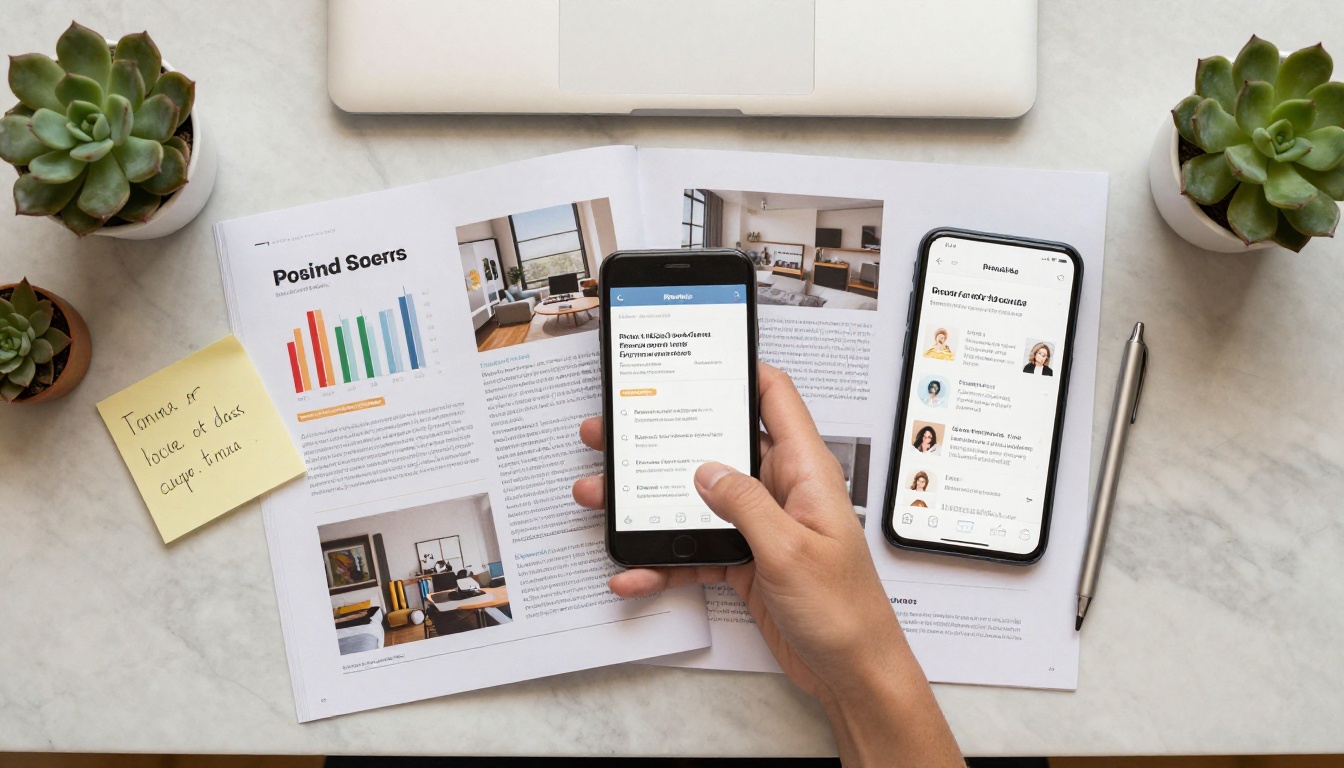
The sections that convert best, in order, are:
- Opening page with your photo, name, and a one-sentence positioning statement
- Audience demographics with age, gender split, location breakdown, and interests
- Platform statistics showing follower counts, monthly reach, and interaction rates
- Content showcase with 3 to 5 examples of your best sponsored posts
- Services and rates with clear packages covering single posts, story series, and full campaigns
- Testimonials from past brand partners, even just one carries real weight
- Contact and next steps with a direct booking link or email
Stats brands actually want to see
Vanity metrics do not close deals anymore. Brands want proof of influence, not proof of follower count. Here is a breakdown of what lands and what gets ignored.
| Metric | What Brands Care About | What They Ignore |
|---|
| Followers | Relative growth rate | Raw follower number alone |
| Interaction Rate | Comments and saves vs. total followers | Likes without context |
| Reach | Monthly unique viewers | One-off viral post reach |
| Audience Demographics | Age, location, purchasing intent | Generic location data |
| Past Campaigns | Documented results from prior deals | Unverified claims |
| Content Quality | Visual consistency and niche authority | Posting frequency |
⚠️ Watch out: Inflated follower counts are instantly visible to experienced brand managers. Lead with interaction rate and real audience data, not follower milestones.
Different blogging niches call for different flipbook pitch styles. A fashion blogger needs visual impact above all else. A personal finance blogger needs data density and authority signals. Knowing which format fits your niche means your pitch works harder without extra effort.

| Blogging Niche | Ideal Flipbook Style | Priority Sections | Recommended Tool |
|---|
| Fashion / Style | Visual-first, lookbook format | Content showcase, aesthetic consistency | Interactive Lookbook Designer |
| Food / Recipe | Warm, editorial magazine feel | Photography quality, recipe brand examples | Magazine Flipbook Creator |
| Travel | Immersive destination spreads | Audience demographics, campaign reach | Digital Portfolio Creator |
| Tech / Finance | Data-dense, clean layout | Interaction rate, authority metrics | Presentation Flipbook Designer |
| Lifestyle / Wellness | Warm, personal, story-driven | Testimonials, community trust signals | Press Kit Designer |
| Parenting / Family | Approachable, high trust feel | Audience demographics, brand alignment | Newsletter Flipbook Publisher |
💡 The most successful pitches mirror the visual language of the brand being pitched. Research their current content aesthetic before choosing your flipbook template.
How to Build Your Flipbook Pitch on Flipbooks AI
Flipbooks AI makes it straightforward to go from a designed PDF to a shareable, trackable, professional pitch deck in minutes. No code, no design degree required.

Step 1: Design your pitch in your preferred tool
Build your media kit in Canva, Adobe InDesign, or Google Slides. Structure it around the 7-section flow described above. Export as a high-resolution PDF.
Step 2: Create your account
Sign up for free at Flipbooks AI. No credit card required to start.
Step 3: Upload your PDF
Use the PDF to Flipbook Converter to upload your designed PDF. The platform converts it into a page-turning digital flipbook automatically, preserving all your fonts, colors, and imagery.
Step 4: Apply your personal branding
Inside the editor, customize the flipbook viewer to match your brand. Set your brand colors, add your logo to the viewer toolbar, and choose a page-turn style that suits your niche aesthetic. Standard plan and above delivers unlimited flipbooks with full custom branding and zero watermarks.
Step 5: Embed links and multimedia
Add clickable links on your statistics pages pointing to your analytics dashboards or best-performing posts. Brands can click straight through to live proof without leaving your deck.
Step 6: Enable password protection (optional)
For pitches with sensitive rate information, use password protection to control who accesses your deck. This keeps your pricing private while allowing you to share one clean, professional link.
Step 7: Share the link
Copy your flipbook URL and paste it directly into your pitch email. Brand managers get one clean link that opens instantly in any browser, on any device. For a full media kit page on your site, use the Embed Flipbook on Website feature.
Step 8: Track who reads it
With the Professional plan, you get full analytics showing who opened your deck, how long they spent on each page, and how many times they shared it internally. This data drives smarter follow-up timing.
✅ Pro tip: If a brand manager spent 4 minutes on your rates page, follow up within 24 hours. That time-on-page signal means they are actively considering a deal.
Plans and Pricing at a Glance
Choosing the right plan depends on how actively you pitch brands and whether you need analytics to drive follow-up strategy. Here is how the tiers compare for blogger use cases.
| Feature | Free | Standard | Professional |
|---|
| Flipbooks | Limited | Unlimited | Unlimited |
| Custom Branding | No | Yes | Yes |
| Watermarks | Yes | No watermarks | No watermarks |
| Password Protection | No | Yes | Yes |
| Analytics | No | No | Yes |
| Lead Generation | No | No | Yes |
| Offline Downloads | No | No | Yes |
| Embedded Media | Basic | Full | Full |
For bloggers pitching their first handful of brands, the Standard plan gives you everything you need: unlimited flipbooks, custom branding, password protection, and no watermarks. When you are closing multiple brand deals per month, the Professional plan's analytics become a real competitive advantage.
Compare plans in full detail to decide which tier fits your current pitch volume.
Niches That See the Biggest Lift
Fashion and lifestyle creators
Fashion bloggers pitching clothing retailers, accessory labels, or beauty lines benefit the most from flipbook decks because the format is inherently visual. A page-turning deck that opens to a full-bleed editorial photo spread immediately communicates creative quality.
The Interactive Lookbook Designer is especially well-suited here. It lets you create pitch decks that feel like the very content a fashion brand wants you to produce for them.
Food, recipe, and wellness bloggers
Brands in the food and wellness space respond strongly to warmth, authenticity, and community trust signals. A flipbook pitch built in a magazine-editorial style, showing your best recipe photography alongside active comment sections, communicates exactly what these brands need to see.
The Magazine Flipbook Creator gives food bloggers a format that feels native to their content type while delivering it inside a professional pitch container.
Travel and adventure creators
Travel bloggers pitching tourism boards, hotel brands, or travel gear companies need to show not just their numbers but the quality of their storytelling. Flipbook decks let travel creators include immersive spreads that feel like mini-destination reports, showcasing both their visual range and their ability to drive audience action.
The Digital Portfolio Creator supports this style with full-bleed imagery and clean data overlays.
3 Mistakes That Cost Bloggers Deals
Switching to a flipbook format solves the presentation problem. But the content inside the deck still needs to work. These are the most common errors that cost bloggers deals even when their metrics are strong.

Mistake 1: Burying the value proposition
Brand managers do not read linearly. They scan. If your most compelling stat, say a 12% interaction rate or a 500k monthly reader count, is not visible within the first two pages, it may never register. Lead with your strongest number.
Mistake 2: Generic audience descriptions
"My audience is women aged 18 to 34 who love fashion" describes approximately 40 million people. Brand managers want specificity: purchasing intent signals, geographic concentration, spending habits, and what products your audience has already bought based on your recommendations. The more specific, the more valuable.
Mistake 3: No clear ask
Every pitch deck needs a closing page with a specific, confident ask. Not "I would love to work together sometime" but "I am offering 2 sponsored post slots in June, with packages starting at $800. Here is how to book." Brands are not going to invent the deal structure for you.
⚠️ A pitch without a clear call-to-action is a pitch without a close. State the offer, state the price, state the next step.
Building a Repeatable Pitch System
The most productive bloggers do not reinvent their pitch for every brand. They build one excellent flipbook deck, then create niche variants of it for different brand categories.
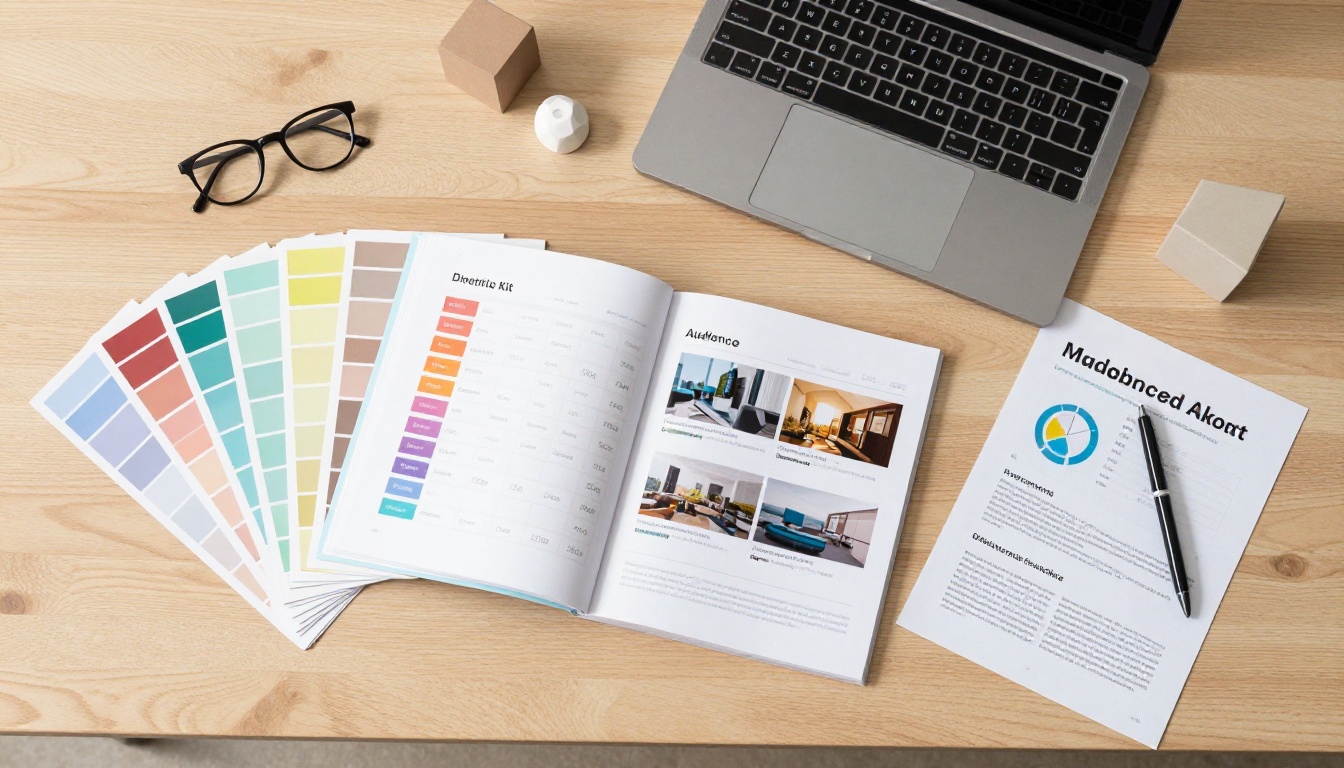
A base template on Flipbooks AI can be duplicated and modified for each outreach campaign. Swap the opening page, adjust the rate card, add campaign-specific examples, and send. The platform's unlimited flipbooks on Standard plan and above makes this practical to maintain at scale.
This approach means the time investment in building a great deck pays off across every pitch that follows. The brand sees a polished, tailored presentation. You spent 15 minutes customizing a template.
| Pitch System Component | One-Off Approach | Template System |
|---|
| Time per pitch | 3 to 6 hours | 15 to 30 minutes |
| Consistency | Variable | High |
| Brand customization | Deep | Moderate |
| Follow-up data | None | Full analytics (Pro plan) |
| Scalability | Low | High |
For bloggers pitching 5 or more brands per month, the template system is not optional. It is the only approach that scales without burning out.
The Pitch Is the Preview
Brands are hiring you to create content that feels premium, on-brand, and worth paying for. Your pitch deck is the first piece of content you ever create for them. If it is a mediocre PDF, you have already told them something about your work quality before writing a single word.
A flipbook deck built on Flipbooks AI changes that signal entirely. It says: this creator thinks about presentation, about user experience, about what it feels like to receive their work. That is the impression that moves a brand manager from "maybe" to "yes."
Ready to stop sending forgettable PDF pitches? Get started for free and build your first flipbook deck today. Browse all available tools and templates to find the perfect format for your niche. When you are ready to add analytics and lead generation to your pitch workflow, compare pricing plans to choose what works for your pitching pace.



