Book clubs thrive on one simple thing: shared reading experiences. But when half your members forget to print the discussion materials, the shared spreadsheet disappears into a folder no one checks, and the group newsletter gets buried in inboxes three weeks deep, the experience starts feeling more like logistics management than a celebration of literature. That is where flipbooks have quietly transformed reading groups around the world. Flipbooks AI gives reading communities a way to share materials that members actually look forward to opening, reading, and passing along to friends.

What Makes a Flipbook Different from a PDF
Before diving into why book clubs specifically love them, it is worth being clear about what separates a flipbook from a plain PDF or a shared Google Doc.
A flipbook is a digital publication that mimics the physical sensation of turning pages. When a reader swipes or clicks through a flipbook, pages turn with a satisfying curl animation. The content inside can include images, embedded videos, audio clips, and hyperlinks, all within a reading format that feels natural and intentional rather than transactional.
The Problem with Flat PDFs
PDFs have served book clubs faithfully for years. But they carry real limitations that reading groups run into constantly:
- No mobile-friendly layout: PDFs designed for print look cramped and unreadable on phones
- No interactivity: You cannot embed a podcast clip, a video reading, or a clickable author interview
- Hard to share properly: Email attachments get buried, download links expire, and large file sizes create problems
- No visibility: You have no idea whether anyone actually opened or read the document
- Generic presentation: A PDF says "here is a document." A flipbook says "here is an experience."
💡 A well-designed flipbook for a book club meeting can include the book artwork, discussion questions, an author biography, relevant quotes, and even a video message from the author, all in one shareable link.
Why the Page-Turn Matters Psychologically
The physical act of turning a page signals reading time to the brain. Research in reading psychology consistently shows that format influences both attention and comprehension. A page-turning format, even a digital one, activates the same mental state as reading a physical book. For a book club, this framing matters enormously. Members who open a flipbook arrive primed to read and absorb, not skim and close.
The format also signals intention. When a coordinator sends a beautifully laid out, interactive flipbook, it communicates that the content is worth sitting with. That implicit message shifts member behavior before they have read a single word.

How Book Clubs Actually Use Flipbooks
The use cases inside reading communities are broader than most people expect. It is not just discussion materials. Book clubs are building entire digital ecosystems around their reading programs, and the flipbook sits at the center of nearly every touchpoint.
Monthly Book Club Newsletters
Reading groups with regular members benefit enormously from a consistent newsletter. A flipbook newsletter can include:
- The selected book of the month with its front image and synopsis
- Background on the author and their broader body of work
- Discussion questions for the upcoming meeting
- Member recommendations for the following month
- A recap of the previous meeting, with photos from the gathering
- Reading challenge updates and individual member progress
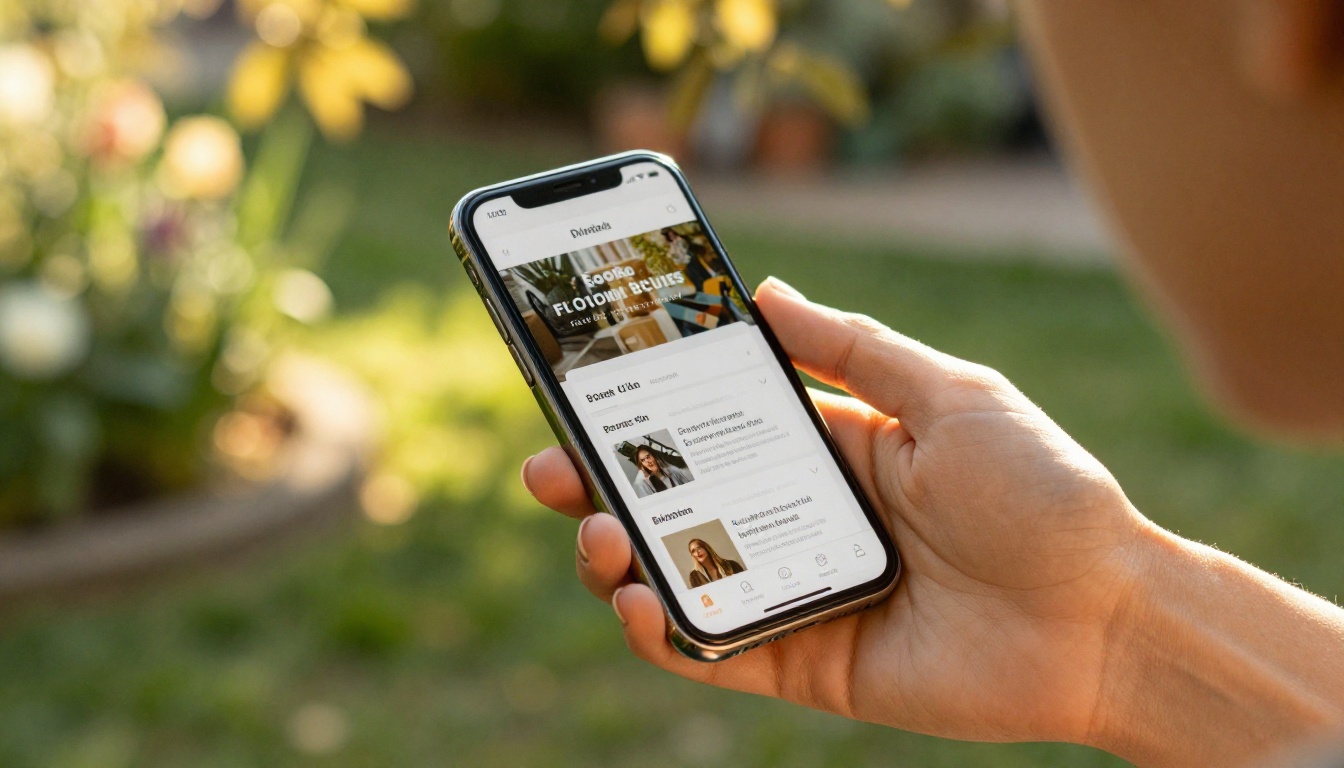
When sent as a flipbook link, the newsletter opens instantly in any browser on any device. No app download required. No login. No printing. Members share it in the group chat and everyone is immediately looking at the same beautifully formatted publication. The upgrade in perceived quality alone is worth the switch.
Discussion Materials Flipbooks
The pre-meeting reading packet is the workhorse of book club preparation. A flipbook version elevates it dramatically. Imagine a beautifully typeset document with the book artwork on the opening spread, chapter-by-chapter questions with relevant quotes pulled directly from the text, and author interview clips embedded directly on the page. That is the version that actually gets read before the meeting, rather than scanned hastily in the parking lot.

Reading Year in Review
At the end of the year, many book clubs create a retrospective of every book they read together. As a flipbook, this becomes a genuine keepsake. Members can flip through the year's titles, see photos from each gathering, read brief member reviews of standout books, and relive the moments that made the club special. This kind of annual flipbook often gets shared well beyond the core group, attracting new members in the most natural way possible.
✅ Best practice: Create a dedicated flipbook for your reading year in review and share it across your book club's social channels. It is one of the most effective ways to grow your membership organically without any formal recruitment effort.
New Member Welcome Packages
Onboarding new members is an often-overlooked area where flipbooks add real value. A welcome flipbook can include the club's reading history, community values, how meetings are structured, contact information for all members, and a selection of favorite discussions from past books. A new member who receives a beautiful welcome flipbook on their first day feels like they have joined something real and well-run.
The Sharing Experience Is the Point
Here is what most book club coordinators discover after their first flipbook: members do not just read it. They share it.
A beautifully designed book club flipbook gets forwarded in WhatsApp groups, posted to Facebook reading communities, and shared in neighborhood apps. The format itself communicates quality and care. It signals that this book club takes its reading culture seriously, and people respond to that signal by wanting to be part of it.
Why a Link Beats a File Every Time
| Method | Works on Mobile | Shareable Link | Interactive | Easy to Update | Analytics |
|---|
| PDF attachment | Partially | No | No | No | No |
| Google Doc | Yes | Yes | Minimal | Yes | Basic |
| Printed handout | No | No | No | No | No |
| Flipbook link | Yes | Yes | Yes | Yes | Yes |
The link is the decisive advantage. A single URL that works on every device, opens instantly in any browser, and looks professional regardless of where it is opened. No version confusion. No outdated attachments floating around in old email threads. No "I cannot open this file" messages at 10pm the night before the meeting.

Password-Protected Sharing for Private Groups
Not every book club wants its materials publicly accessible. Some groups share intimate personal reading reflections, private book recommendations, or original writing by members. Flipbooks AI supports password protection, so you can share a link only with your members while keeping content private from the public.
⚠️ If your book club discusses sensitive topics or includes personal member contributions, always enable password protection. It is available on the Standard plan and above.
How to Create a Book Club Flipbook with Flipbooks AI
This is where the practical magic happens. Creating a professional book club flipbook takes less time than formatting a PDF from scratch, and the result is incomparably better.
Step 1: Create Your Account
Head to Flipbooks AI and create your account. The free plan lets you test the core flipbook creation features immediately, with no credit card required. You can have your first flipbook live within minutes of signing up.
Step 2: Prepare Your Source PDF
Design your book club content in any tool you already use: Canva, Microsoft Word, Google Slides, or Adobe InDesign. Export it as a PDF. For a discussion packet, a strong layout typically includes:
- Pages 1-2: Book artwork, title, and a brief synopsis
- Pages 3-4: Author background with photos and key themes
- Pages 5-9: Discussion questions organized by chapter or theme
- Pages 10-11: Notable quotes and passages for group reflection
- Page 12: Next meeting details and upcoming book announcement
Step 3: Upload and Convert
Use the PDF to Flipbook Converter to upload your document. The conversion is near-instant. Your static PDF immediately becomes a smooth, page-turning reading experience that works on every device.

Step 4: Add Your Club Branding
Apply your book club's visual identity to the reading environment:
- Upload your club logo
- Set your primary and secondary brand colors
- Choose a page-turn style that matches your club's aesthetic tone
- Add a custom background texture or color for the reading space
No design experience is required. The interface is built for people who care about quality but do not have time to learn a new creative tool.
Step 5: Embed Rich Media
This is where flipbooks genuinely outperform every other format. On any page of your reading packet, you can embed:
- A YouTube video of the author discussing the book in an interview
- A podcast episode featuring a critical review or a conversation with the author
- Clickable links to relevant articles, author websites, or deeper reading resources
- Audio clips of notable passages read aloud by a narrator or member volunteer
Step 6: Share with Your Members
Flipbooks AI generates a clean, permanent sharing link the moment your flipbook is published. Your distribution options include:
- Copying the link directly into your WhatsApp or Facebook group
- Embedding the flipbook on your book club website using the Embed Flipbook on Website tool
- Enabling password protection for members-only access
- Activating offline downloads so members can save the flipbook for travel or areas with poor connectivity
💡 Pin the flipbook link at the top of your messaging group so members can always find the current month's materials without scrolling back through weeks of conversation.
Step 7: Track Who Is Reading
On the Professional plan, analytics reveal exactly how many members opened the flipbook, which pages attracted the most reading time, and whether members reached the final page. This data is genuinely useful for understanding which parts of your reading packet resonate most and which sections to rethink.
Comparing Flipbook Plans for Book Clubs
Different reading groups have different needs. Here is how the main Flipbooks AI plans align with typical book club use cases:
| Feature | Free | Standard | Professional |
|---|
| Flipbooks per month | Limited | Unlimited | Unlimited |
| Password protection | No | Yes | Yes |
| Custom branding | No | Yes | Yes |
| Embed on website | No | Yes | Yes |
| Page analytics | No | No | Yes |
| Lead generation forms | No | No | Yes |
| Offline downloads | No | Yes | Yes |
| Watermark | Yes | No | No |
For most small book clubs, the Standard plan covers everything needed: unlimited flipbooks, password protection, custom branding, and no watermarks. Larger clubs running member recruitment campaigns or wanting detailed reading-time data will find the Professional plan worth the upgrade.
✅ Best practice: Start on the free plan to test your first discussion flipbook, then upgrade once your members experience the difference firsthand.
What Book Clubs Are Creating
The variety of content being produced by reading communities is impressive. Here is a breakdown of the most popular flipbook types in the book club world:
| Flipbook Type | When to Create | Key Content Elements |
|---|
| Monthly Newsletter | Before each meeting | Book pick, questions, member news |
| Discussion Packet | 1 week before meeting | Chapter questions, quotes, author bio |
| Reading Year Review | December/January | All books read, photos, member picks |
| New Member Welcome | When onboarding | Club values, reading history, contacts |
| Author Spotlight | When reading a specific author | Biography, bibliography, recurring themes |
| Reading Challenge Tracker | January | Challenge rules, progress system |
| Meeting Recap | After each gathering | Photos, highlights, next book reveal |
Each of these formats can be built from a PDF and converted in minutes using the Interactive E-Book Publisher or the Newsletter Flipbook Publisher.

There is a secondary benefit to using flipbooks that book club coordinators consistently mention after a few months: it raises the perceived quality of the entire club.
When members receive a beautifully designed, interactive flipbook instead of a hastily formatted Word document, it communicates that the club values their time and their reading experience. This perception shift has measurable real-world effects:
- Higher meeting attendance: Members who read deeply from a pre-meeting flipbook show up more prepared and more willing to contribute to the conversation
- Richer discussions: When everyone has read the same beautifully presented questions, conversations go deeper and stay more focused on the text
- More referrals: Members who feel proud of their club naturally invite friends and colleagues to join
- Longer retention: The flipbook becomes part of the monthly ritual that members genuinely look forward to
Aesthetics Matter in Reading Culture
Book clubs are fundamentally aesthetic communities. Members care about beautiful covers, well-typeset pages, and the tactile pleasure of a well-crafted book. A digital flipbook respects that aesthetic sensibility in a way that a flat document never can. The page turn, the layout, the imagery: all of it signals that reading is worthy of beautiful presentation, even in digital form. The medium reinforces the message.
Practical Tips for Running Your Book Club Flipbook
Once you have created your first flipbook, a few habits will make the whole system run effortlessly month after month:
- Build a reusable template: Create a master PDF with your club's branding that you duplicate and fill in each month. This cuts production time from hours to minutes and maintains visual consistency.
- Schedule creation in advance: Give yourself at least a week before each meeting to produce and share the flipbook so members have time to read it properly.
- Collect member feedback: Ask which sections members find most useful. Their input improves future flipbooks and signals that you value their perspective.
- Archive every flipbook: Keep a running collection of all your club's flipbooks. They become a rich, searchable reading history and a point of pride for long-term members.
- Review the reading data: If you are on the Professional plan, check which pages attract the most reading time. If members are spending five minutes on the author biography and skipping the final questions, that is actionable information.
- Embed it publicly: If your club has a website or social media presence, embedding the current month's flipbook with the Embed Flipbook on Website tool is a compelling, low-effort way to attract prospective new members.
💡 Some book clubs now create a separate flipbook specifically for their reading history, updated each January. New members frequently say this archive was the deciding factor in choosing to join.

When Every Member Becomes a Publisher
The most exciting development in the flipbook-enabled book club is member-generated content. When creating and publishing is this accessible, individual members can contribute their own mini-flipbooks: a personal essay on why a particular book moved them, a curated reading list built around a shared theme, or a photo essay from a literary travel destination. Some clubs run monthly member-contribution flipbooks where three or four members each contribute a spread, resulting in a genuinely collaborative publication.
This shifts the book club from a coordinator-managed experience to a living, collaborative literary community. Every member becomes both reader and publisher. The tools to make this happen are available right now on Flipbooks AI, and you do not need any technical skills to use them.

Your Book Club's Next Chapter
Reading groups that have made the shift to sharing flipbooks consistently describe the same turning point: the first time a member says "I actually read the whole discussion packet this time," everything changes. The club feels more alive. Meetings run better. The connection between members deepens. New people start asking to join.
The format does that. A flipbook communicates that this content deserves your full attention. And book clubs, by their very nature, are communities built on the belief that reading is worth that attention.
Ready to try it with your reading group? Create your first book club flipbook on Flipbooks AI and share it before your next meeting. Browse the full flipbook tools directory to see every publishing format available. When you are ready to remove watermarks and add password protection for your members, check the pricing options to find the plan that fits your club.



