Paper catalogs had their moment. Thick, glossy, mailed to millions of homes, they were once the backbone of retail marketing. Today, that same approach costs companies thousands in print and postage, generates zero trackable data, and reaches a fraction of the audience it once did. Digital catalogs have not just replaced print, they have outperformed it by every measurable standard: conversion rate, engagement time, share velocity, and ROI. If your business still relies on print catalogs as its primary product presentation tool, this article lays out exactly why the numbers no longer support that decision, and what the practical path forward looks like with Flipbooks AI.
The Real Gap Between Paper and Digital
What Paper Catalogs Actually Cost You
The average cost to design, print, and mail a catalog ranges from $1 to $5 per unit before postage. For a mailing of 10,000 catalogs, that is $10,000 to $50,000 spent before a single sale is made. And once printed, the catalog is frozen. A price change, a sold-out item, a new product launch: none of those can be reflected without reprinting from scratch.
Beyond the upfront cost, there is the hidden cost of irrelevance. Most print catalogs are discarded within days of arrival. Those that do get opened cannot tell you which pages were read, which products attracted attention, or whether the reader ever made a purchase as a result.
Digital catalogs eliminate these problems completely. You update a digital catalog in minutes. You track every page view, every click, and every product interaction. You pay for creation once and distribute to an unlimited audience at zero marginal cost.
⚠️ The print catalog model assumes you can afford to spend money without measuring results. In 2024, that assumption is a competitive liability.
The Shareability Problem Print Can't Solve
A paper catalog cannot be forwarded in a message, saved to a mood board, embedded on a website, or shared via a QR code on social media. Every interaction with a print catalog ends when the catalog is put down.
A digital catalog is inherently shareable. One link can reach thousands of people. A well-placed embed on a retailer's website puts the catalog in front of every visitor, indefinitely. Social sharing extends reach beyond any mailing list the brand has ever built.

Why Digital Catalogs Capture More Attention
Mobile Browsing Has Redefined the Shopping Journey
Over 60% of all online shopping now happens on mobile devices. Printed catalogs have no mobile presence whatsoever. Digital catalogs built on Flipbooks AI are mobile-responsive by default, delivering a smooth, page-flipping reading experience on any screen size, from a five-inch phone to a 27-inch desktop monitor.
Mobile shoppers browse during commutes, lunch breaks, and late at night. A digital catalog is always available, always up to date, and always one tap away from a purchase. That persistent availability is something no print run can replicate.
Interactive Pages vs. Static Pages
Static pages present products. Interactive pages sell them.
A digital catalog can contain:
- Embedded product videos that demonstrate features in real environments
- Clickable links that take readers directly to product or checkout pages
- Pop-up product details with specifications, sizing, and live availability
- Audio narration for guided brand walkthroughs
- Lead capture forms embedded directly within the page layout
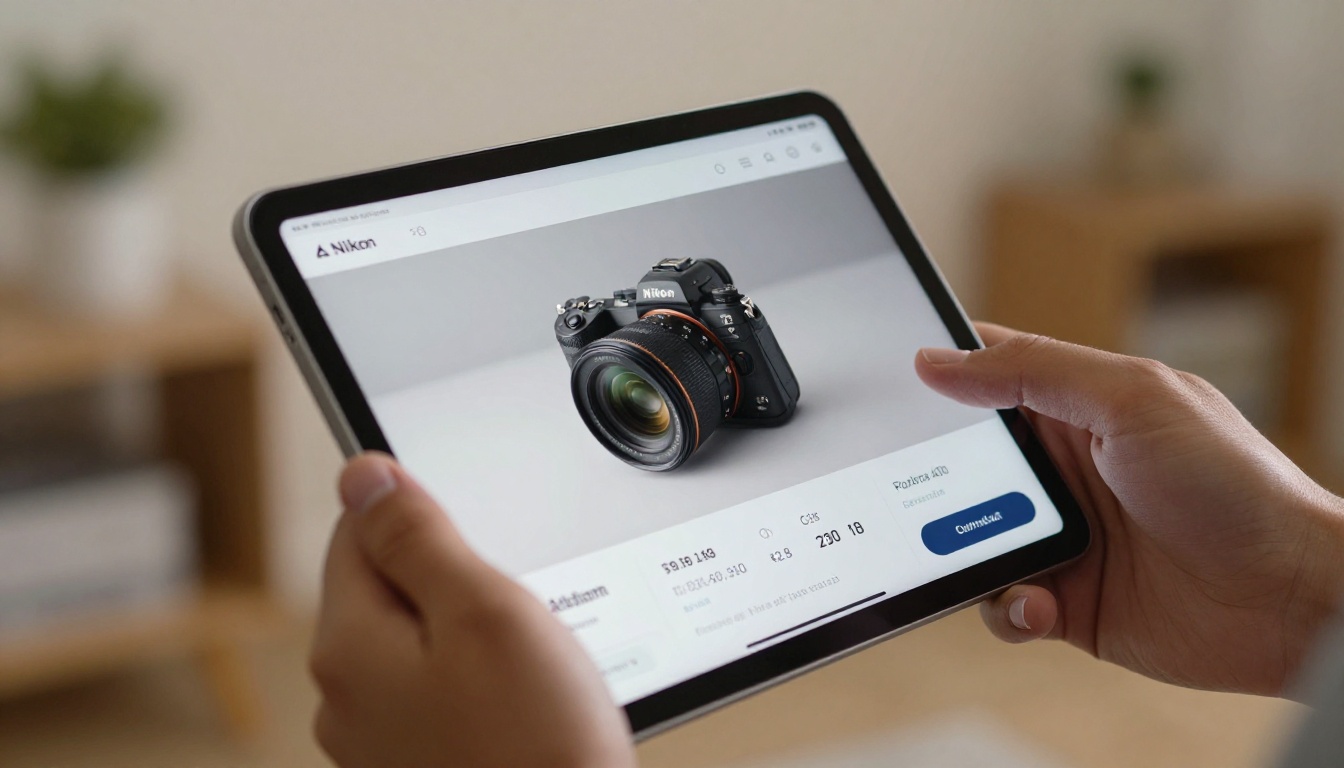
None of these are possible in print. When a reader engages with an embedded video or clicks a buy button directly in the catalog, the path from browse to purchase is reduced to seconds. That zero-friction experience is the core reason digital catalogs convert at a higher rate.
The Numbers Behind Digital Conversion
Click-to-Buy: The Shortest Path to Revenue
The single biggest conversion advantage digital catalogs have over print is the zero-friction buy path. A reader sees a product they want, clicks the link, and lands on the checkout page. There is no need to search for the product online, no risk of losing the customer between seeing the item and locating the website, no cold trail between inspiration and action.
That friction reduction translates directly to conversion rate improvement. Content commerce studies consistently show that interactive digital catalogs generate 35 to 40% higher conversion rates compared to standard PDF presentations, and three to five times higher engagement than equivalent print materials when measured by time spent and pages viewed.
Tracking Every Touchpoint
With paper, you know how many catalogs were mailed. Nothing else.
With a digital catalog on Flipbooks AI, you know:
- How many people opened the catalog and from which channel
- Which pages received the most time and attention
- Which products were clicked and in what order
- Where readers dropped off and stopped engaging
- Which sharing methods drove the most traffic and conversions
This data transforms your catalog from a passive marketing piece into an active market research tool. The most-viewed pages reveal what your customers actually want. The drop-off points show exactly where the browsing experience needs improvement before the next edition goes live.
💡 Use catalog analytics from the Professional plan to identify your highest-performing product pages, then feature those items more prominently in your next edition.

Paper vs. Digital: Side-by-Side
The following table captures the most consequential differences between print and digital catalog formats for marketing and sales teams:
| Feature | Paper Catalog | Digital Catalog |
|---|
| Cost per distribution | $1 to $5 plus postage | Near-zero (share via link) |
| Update speed | Weeks (full reprint required) | Minutes |
| Clickable buy links | Not possible | Built-in |
| Analytics and tracking | None | Full page-level data |
| Mobile compatibility | Not applicable | Native responsive |
| Shelf life | Days to weeks | Unlimited |
| Environmental impact | High (paper, ink, shipping) | Minimal |
| Embed on website | Not possible | One-line embed code |
| Video and audio | Not possible | Fully supported |
| Lead capture forms | Not possible | Available on Pro plan |
| Full-text search | Not possible | Supported |
| Share via link or QR code | Not possible | Instant, one click |

How to Build a Digital Catalog That Sells
Flipbooks AI converts your existing PDF catalog into a fully interactive, page-flipping digital publication in minutes. No specialized design tools required. No technical skills needed.
Step 1 – Upload Your PDF
Head to Flipbooks AI and create your account. Once logged in, upload your existing PDF catalog directly to the platform. The system automatically converts every page into a high-resolution, interactive flipbook with smooth page-turn animations that work on all devices.
If you are starting from scratch rather than converting an existing document, the Digital Catalog Maker and the Product Catalog Generator both offer templates built specifically for product-focused publications.
Step 2 – Add Interactive Elements and Branding
After upload, customize your catalog with elements that drive action:
- Brand colors and logo for consistent visual identity across every page
- Clickable hyperlinks on product images and text that route directly to purchase pages
- Embedded product videos to show items in real-world use
- Background music or audio narration for a guided catalog experience
- Password protection for exclusive wholesale, private client, or pre-launch catalogs
✅ Add clickable product links on every item in your catalog. The fewer clicks between "I want this" and "I bought this," the higher your conversion rate will be.
Step 3 – Share, Embed, and Track
Once your catalog is live, Flipbooks AI provides multiple distribution paths:
- Direct link to share via email campaigns, SMS, or social media posts
- Embed code to place the flipbook directly on your website or landing page
- QR code to print on packaging, receipts, business cards, or in-store signage
- Password-protected link for private wholesale or VIP client access
On the Professional plan, you also get full analytics on opens, page views, and click-throughs, plus lead generation forms to capture buyer contact details directly within the catalog experience.

Who Gets the Most from Digital Catalogs
E-Commerce and Retail Brands
Online retailers benefit most immediately from the click-to-buy functionality. A shopper browsing a seasonal lookbook can click directly to product pages without leaving the catalog experience. Seasonal campaigns that would cost thousands to reprint can be updated and republished in minutes without reprinting fees or delays.
The Catalog Flipbook Creator is built specifically for this use case, letting brands create shoppable product collections that live on their website year-round and update with each new season.
Fashion and Lifestyle Companies
Fashion brands thrive on visual storytelling. A digital lookbook tells that story with embedded video, ambient audio, and full-bleed photography that looks as rich on a phone screen as it does on a desktop. The Interactive Lookbook Designer lets fashion labels create seasonal collections that can be shared to social media, emailed to subscriber lists, and embedded on brand websites simultaneously.
B2B Distributors and Wholesalers
For B2B companies, digital catalogs solve the persistent problem of outdated printed price lists. A wholesale distributor can publish a password-protected digital catalog with current pricing, clickable SKUs, and an embedded order request form. When prices or stock levels change, the catalog updates in real time without a single page being reprinted or re-mailed.
💡 Use password protection to create separate catalog versions for different customer tiers, showing retail pricing to one audience and wholesale pricing to another, from the same platform.

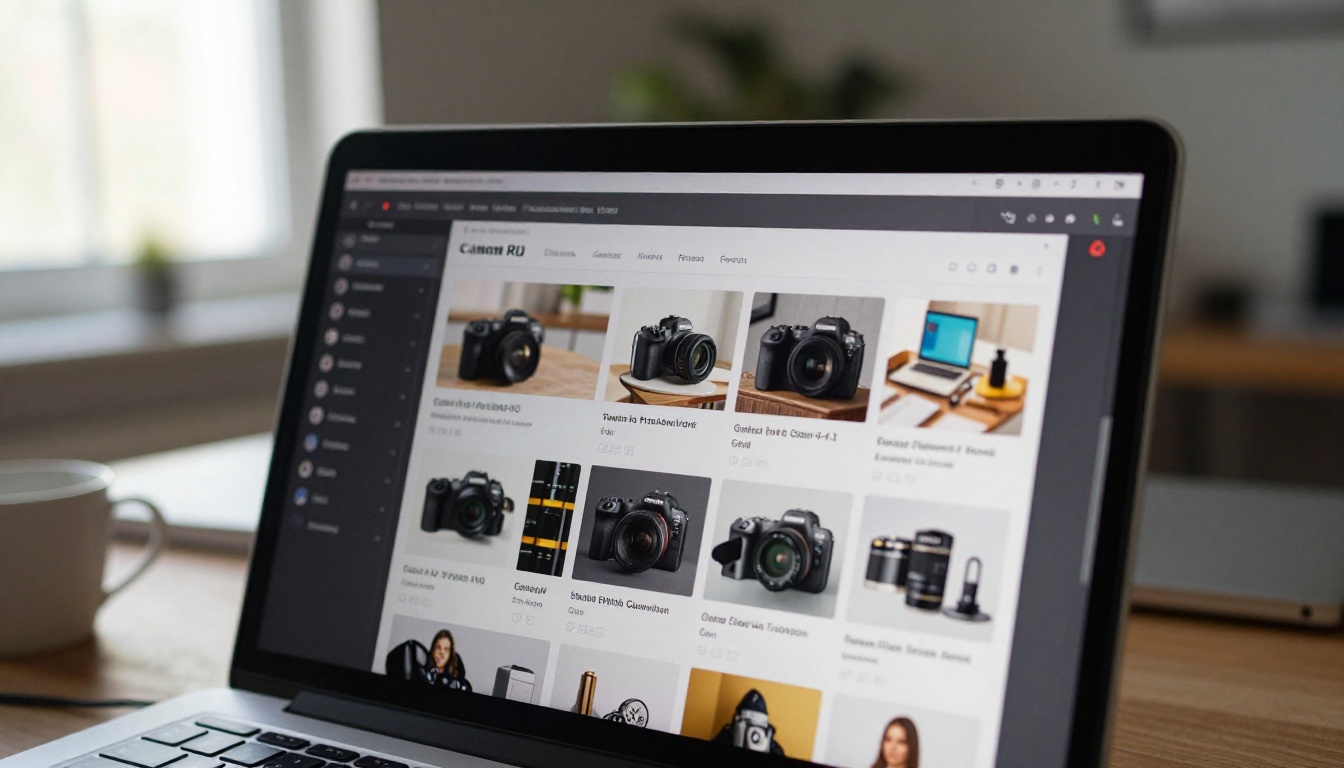
Not all catalog needs are identical. The table below maps common business types to the most effective digital catalog format available through Flipbooks AI:
Real Scenarios Where Digital Catalogs Win
A retail brand runs a 48-hour flash sale. With a print catalog, this is impossible to support. There is no time to reprint, and the catalog cannot reflect limited-time pricing. With a digital catalog, the relevant page is updated in minutes and the updated link is sent to subscribers via email within the hour.
A B2B supplier manages 500 products with quarterly price revisions. Reprinting quarterly is expensive and slow. A password-protected digital catalog means pricing is always current, and the supplier controls which customers see which pricing tier in real time.
A fashion brand launches in three countries at once. Three language versions of the same catalog are published on one platform, each with a dedicated link sent to regional email lists. No shipping delays, no print runs, no per-country logistics.
A furniture retailer wants to reduce cart abandonment. They embed a room-styled digital catalog on their website homepage. Shoppers spend an average of four minutes browsing the catalog and click through to product pages at three times the rate of standard product grid browsing.

The Total Cost Picture
When comparing the full cost of print versus digital over a 12-month campaign, the economics become undeniable:
| Cost Category | Print Catalog (10,000 units) | Digital Catalog (Unlimited Distribution) |
|---|
| Design and layout | $1,500 to $5,000 | $0 to $500 (template-based) |
| Print production | $8,000 to $30,000 | Not applicable |
| Postage and distribution | $5,000 to $15,000 | Not applicable |
| Updates and reprints | $3,000 to $10,000 per update | Included in platform |
| Analytics and reporting | $0 (none available) | Included |
| Annual platform cost | Not applicable | From $0 (free tier available) |
| Total annual estimate | $17,500 to $60,000+ | $0 to $1,000 |
The cost difference alone justifies switching. When conversion rate improvements, real-time update capability, and full analytics access are added to the equation, the case for going digital stops being a question worth debating.

Make Your Next Catalog Do More
Your next catalog does not have to be a PDF attachment or a stack of printed pages. It can be a fully interactive, trackable, shoppable experience that works on every device, reaches your entire audience at no marginal cost, and tells you exactly which products are driving the most interest.
Flipbooks AI handles the conversion, the hosting, the sharing tools, and the analytics, all without watermarks, per-catalog fees, or technical complexity. The platform runs on a no-watermark promise, offers unlimited flipbooks on the Standard plan and above, and scales from solo businesses to enterprise teams.
- Start free today: Create your account and publish your first digital catalog in minutes.
- Compare plans: See the pricing options and choose the tier that fits your distribution volume and analytics needs.
- Browse all tools: Explore the full range of catalog and publishing tools built for every industry, from retail and fashion to B2B and hospitality.
The brands converting more customers are the ones making it easier to buy. A digital catalog is the most direct path from product browsing to purchase confirmation, and it is available to any business today.



