Every festival organizer knows the feeling: boxes of printed programs arrive the morning of the event, the lineup has changed twice since the files went to the printer, and half the stack ends up soaked in rain or stuffed in a trash can before the headline act even finishes. There is a better way, and it does not involve a single sheet of paper. Flipbooks AI turns your festival program into an interactive digital experience that attendees can use, share, and reference throughout the entire event, without a single reprint ever again.
The Real Cost of Printed Programs
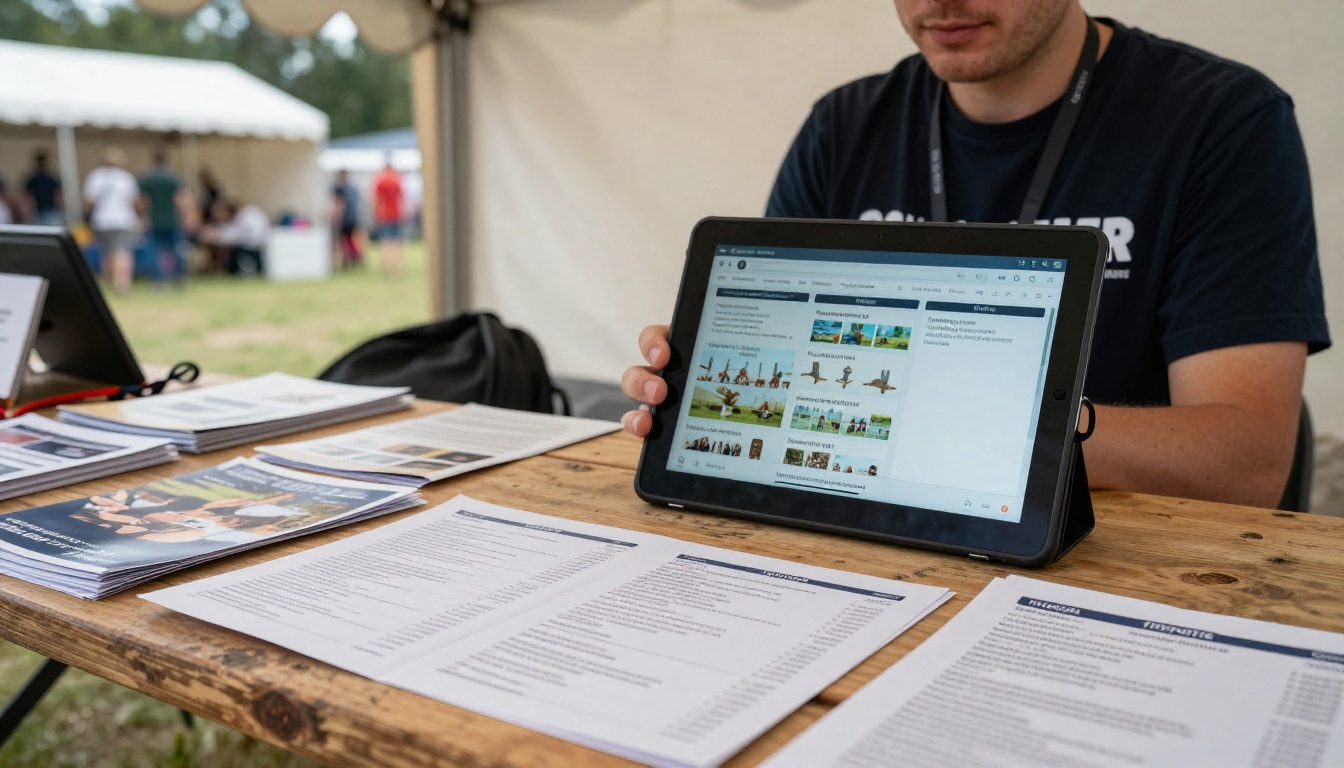
Paper programs feel like a given at festivals. They are tradition. But when you start adding up what they actually cost, the math gets uncomfortable fast.
Print Quotes Nobody Mentions Upfront
The base cost of printing is only the beginning. Most festivals budget for the print run itself but forget about design revision rounds, proof approvals, rush fees when the printer needs final files by Tuesday, and shipping costs to get 8,000 programs delivered to a venue by Thursday morning.
Here is what a realistic print budget looks like for a mid-size festival:
| Line Item | Estimated Cost |
|---|
| Design and layout (freelance or agency) | $400 - $800 |
| Print run (8,000 copies, full color, saddle-stitch) | $1,200 - $2,400 |
| Rush and priority shipping | $150 - $400 |
| Venue storage and handling logistics | $100 - $300 |
| Volunteer time for manual distribution | $200 - $500 |
| Leftover disposal and recycling | $50 - $150 |
| Total | $2,100 - $4,550 |
And that is the best-case scenario, assuming nothing changes after the files go to press.
Last-Minute Changes Cost Double
Lineups shift. Artists cancel. Stage times move. Sponsors pull out at the last second. Every single one of those changes after files go to the printer means either handing out inaccurate programs to every attendee, or paying for a correction print run at rush rates.
⚠️ A single last-minute correction reprint of 500 copies can cost as much as the entire original run, because setup fees apply regardless of quantity printed.
Digital programs eliminate this problem entirely. Update once from any device, and every attendee who opens the link sees the corrected version immediately, at zero additional cost.
What a Festival Flipbook Actually Does
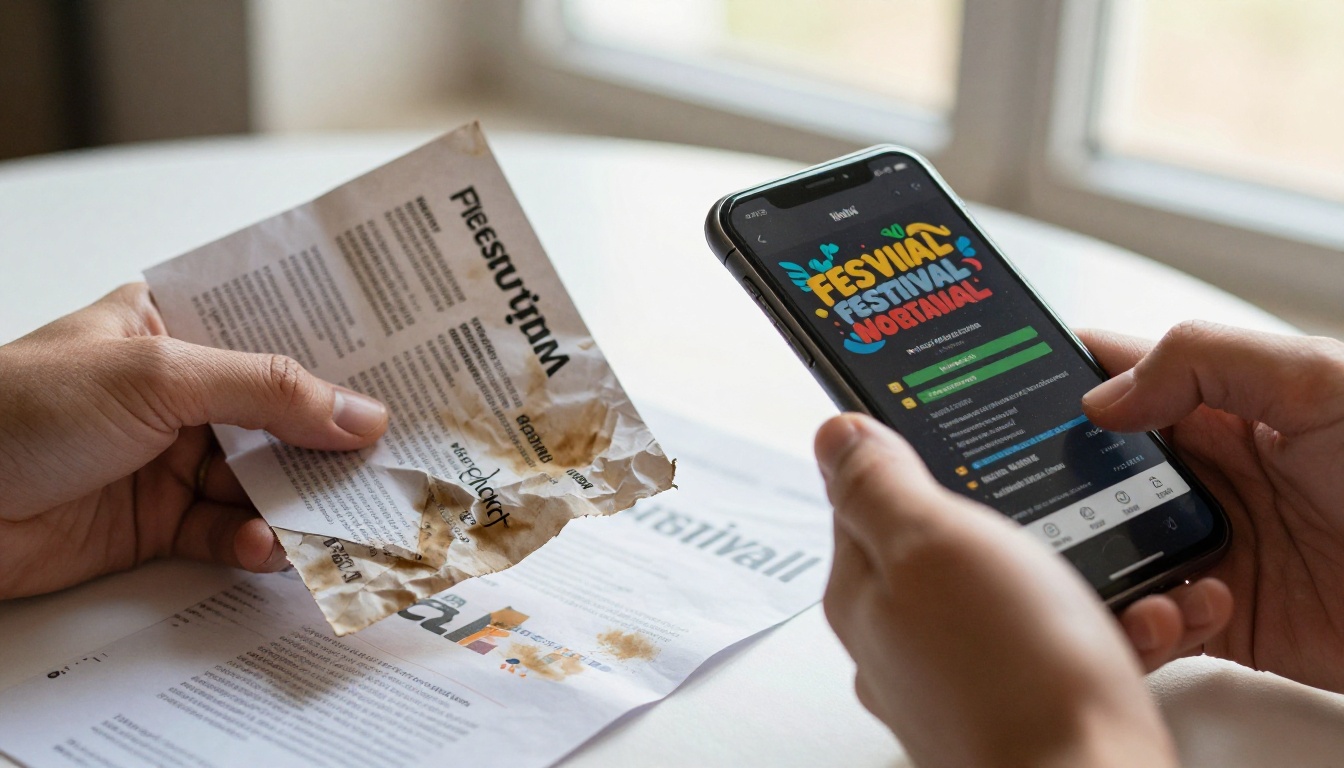
A flipbook is not just a PDF dropped onto a webpage. The animated page-turn experience makes it feel like a real publication, which directly affects how long attendees spend reading the content and how much they absorb from it.
Page-Turn Feel Without the Paper
The habit of flipping through a printed program has always been part of the festival ritual. Digital flipbooks replicate that with smooth, animated page turns that work on any device: phone, tablet, or desktop. The experience is consistent and responsive, and the program stays accessible offline once loaded, which matters enormously in venues with weak signal coverage.
💡 Flipbooks open directly in any browser with no app download required, removing the single biggest friction point in getting attendees to actually use digital event materials.
Videos and Audio Inside the Program
This is where print simply cannot compete. A festival flipbook can embed artist performance videos directly on performer pages, so attendees preview who is playing before choosing which stage to head to. Venue maps can include audio commentary. Sponsor pages can link to real-time deals that attendees redeem with a single tap. Aftermovies from previous years can be embedded right inside the "About the Festival" section. None of that is possible on paper, at any price.
Paper vs. Flipbook: The Full Comparison
The differences are not subtle. Here is the complete comparison across every dimension that matters for festival organizers making this decision:
| Feature | Printed Program | Digital Flipbook |
|---|
| Schedule updates after production | Not possible | Instant, real-time |
| Cost per unit (8,000 copies) | $0.26 - $0.57 | $0.00 |
| Production lead time | 5 to 10 business days | Under 30 minutes |
| Accessible pre-event by attendees | Only if mailed weeks ahead | Yes, via link or QR code |
| Embeds video and audio | No | Yes |
| Works on mobile without extra steps | Requires physical copy | Yes, any device, any OS |
| Environmental footprint | High (paper, ink, transport, waste) | Near zero |
| Attendee analytics | None | Available on Professional plan |
| Password protection for VIP content | Not possible | Yes |
| Shareable via social media | Not possible | Yes, one link |
| Offline access | Yes, if you physically have it | Yes, once loaded in browser |
| Custom branding and domain | Not applicable | Yes |
The flipbook wins across every functional category. The only real argument for print is habit, and habits change when the alternative provides this much more value for everyone involved.
Real-Time Updates Change Everything
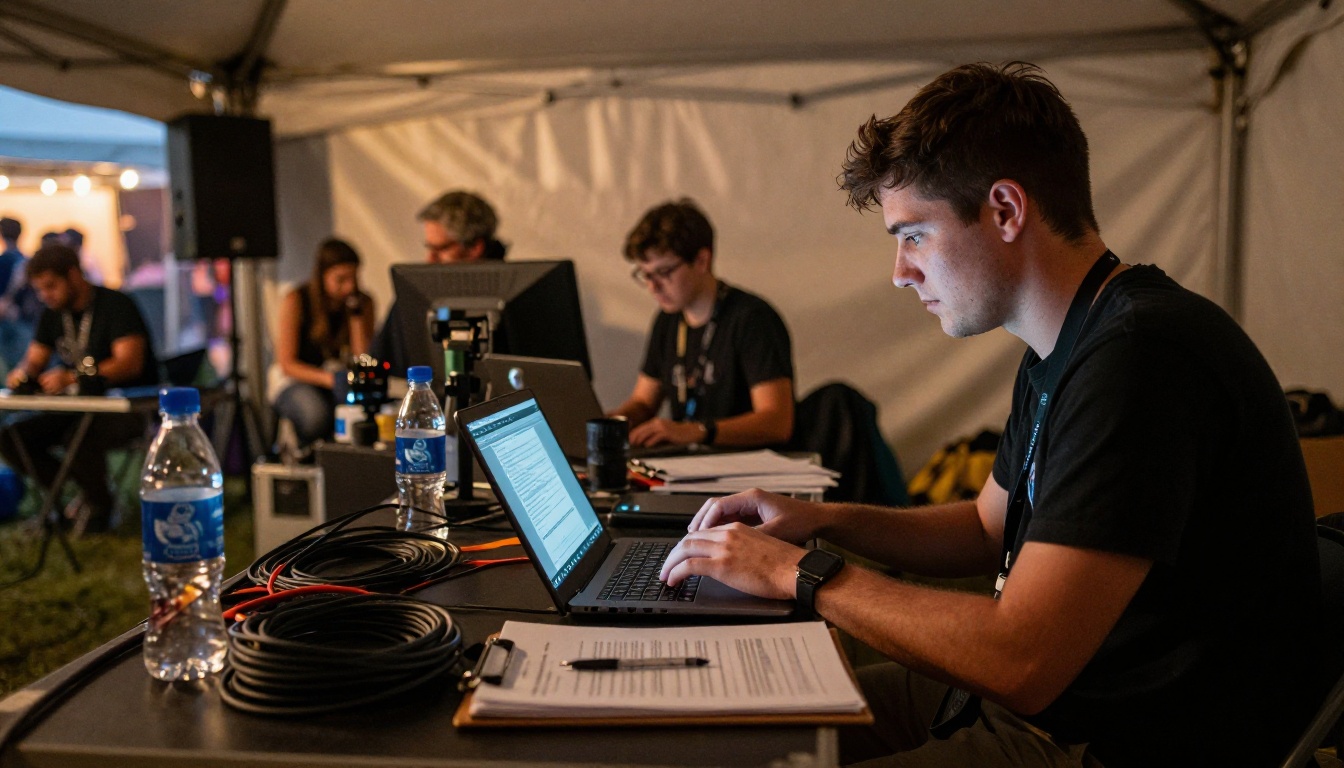
Schedule management is consistently the most stressful operational element of running a multi-day festival. Anything can change on the day: weather delays, technical equipment failures, artist no-shows, medical situations. With a printed program, you are permanently working against a document that cannot be corrected once it leaves the printer.
Artist Cancellations and Schedule Shifts
When an artist cancels, the standard response with printed programs involves handwritten signs at stages, social media posts that only reach followers who are actively checking their phones at that exact moment, and volunteers making announcements on megaphones to specific sections of the crowd. Attendees who are in other areas of the festival grounds, away from stages and information booths, miss the update entirely and show up to a dark stage.
With a live digital flipbook, one update from the organizer dashboard pushes to every device that has the program open. No handwritten signs. No frustrated crowds. No one misses the change because they were at a food stall when the announcement happened.
Push-to-All vs. Reprint-Everything
The operational contrast here is stark. Printed programs give you two options when something changes: accept that attendees are carrying wrong information, or pay for an emergency reprint. A digital flipbook on Flipbooks AI propagates changes to all 8,000 attendees in seconds, at zero additional cost, with zero production delay.
✅ Festival organizers who switch to digital programs consistently report saving 6 to 8 hours per event day in schedule communication, corrections, and attendee redirection work.
How Attendees Find and Use Them
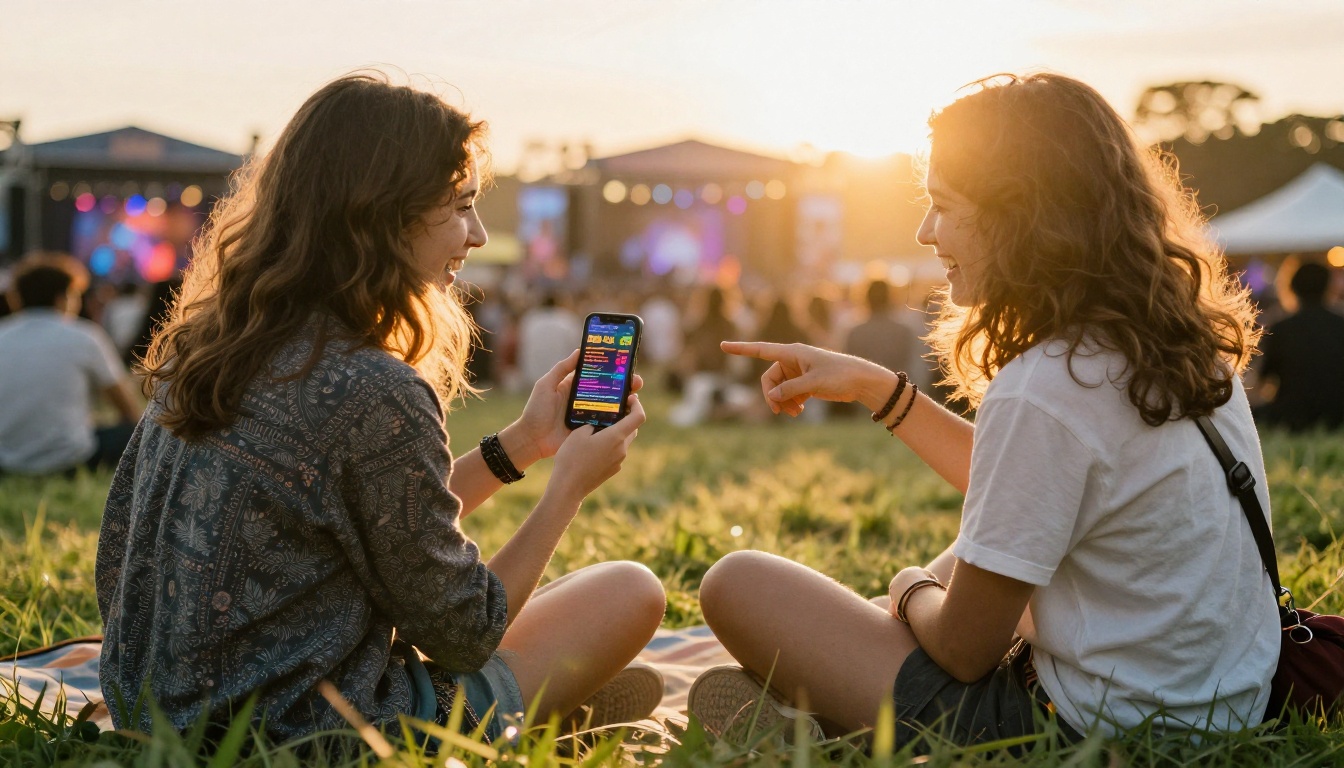
Adoption is the practical concern most organizers raise first. If attendees do not open the digital program, the advantages do not matter in practice. The reality is that adoption rates are high and rising, because the access methods are completely frictionless.
QR Codes at Every Touchpoint
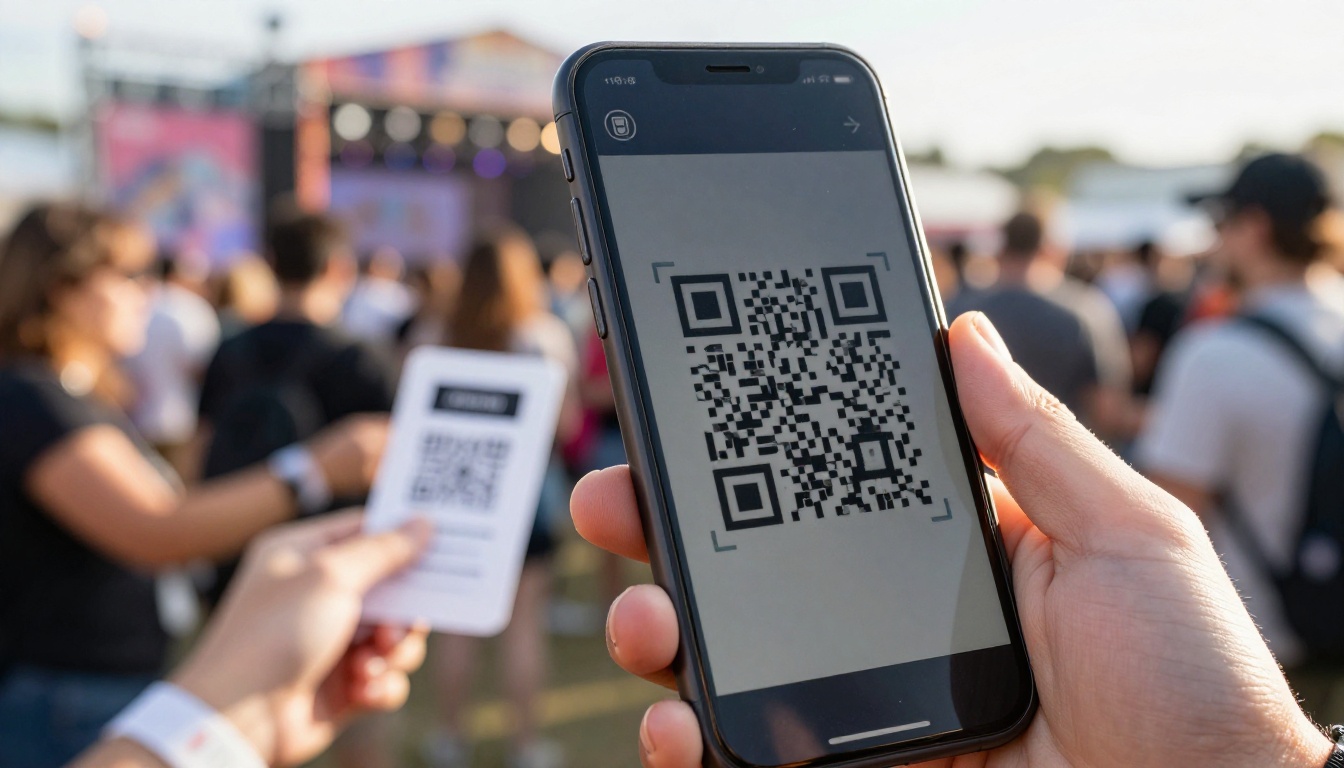
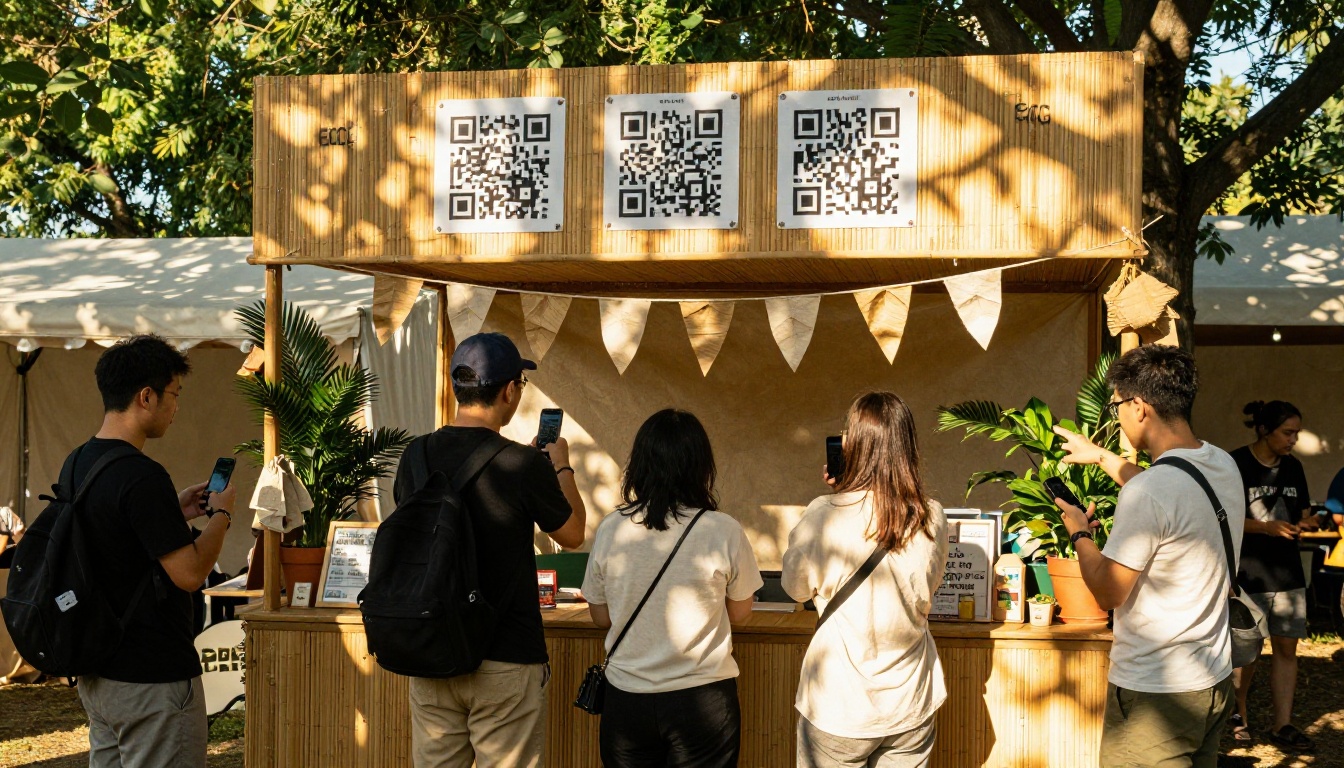
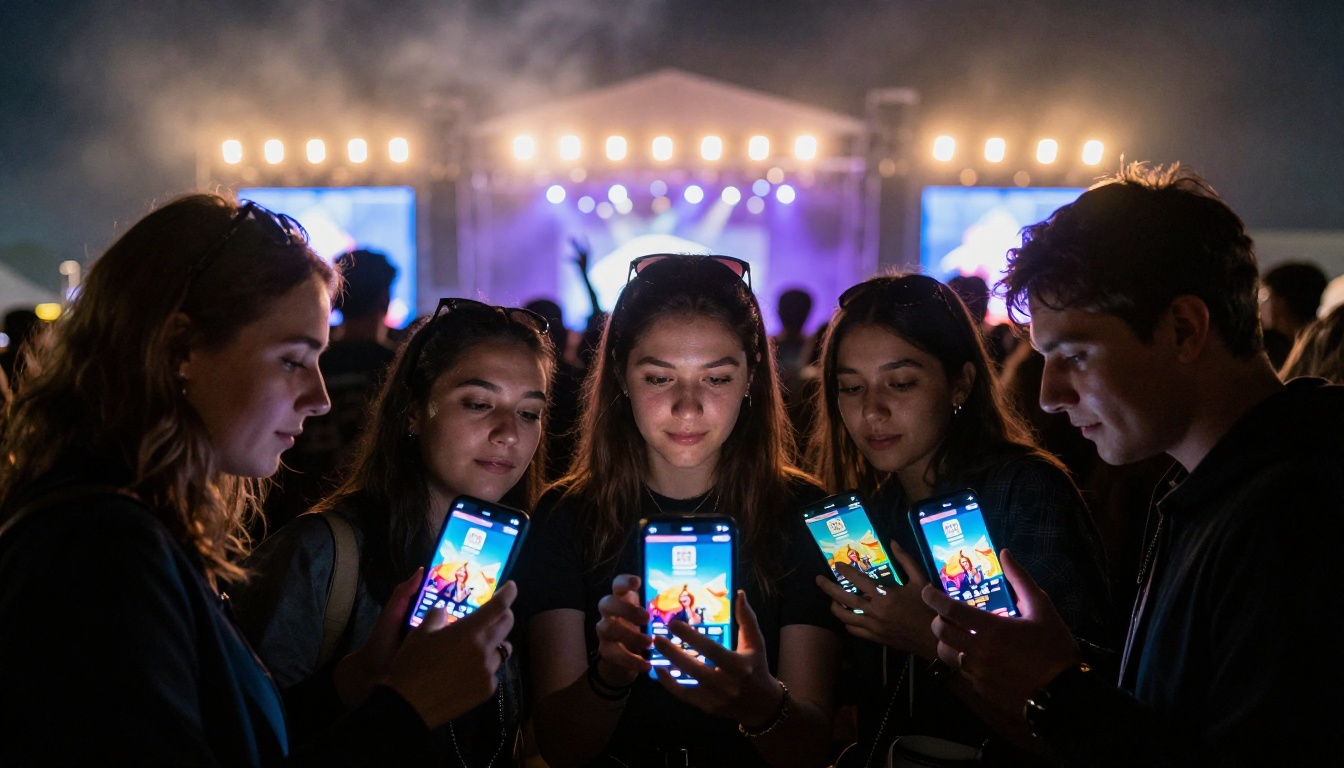
Place a QR code at every festival entrance gate, on every wristband, on every parking pass, on the event website, in every ticket confirmation email, and on posters in the surrounding area. Attendees scan once and the program is instantly accessible for the entire event, even without a signal if they keep the browser tab open.
The scan-to-open flow takes under five seconds. That is faster than unfolding a paper program, locating the right page, and reading small text in outdoor daylight.
Sharing Before the Event Starts
This behavior is simply impossible to replicate with print. Attendees share the flipbook link in WhatsApp groups, post it to Instagram stories, drop it in Facebook event discussions, and share it in Reddit threads weeks before doors open. Every organic share reaches people who would never receive a physical program. Every person who opens the link before attending is better informed, plans their day more deliberately, and arrives at the festival as a genuinely more engaged attendee.
The Event Program Maker tool is built specifically for this workflow: create your program, get a shareable link immediately, and your audience starts engaging with the content before the event even starts.
Environmental Numbers That Matter
This is not just optics. The environmental case for digital programs is concrete, significant, and increasingly important to festival audiences who pay close attention to how events back up their stated values.
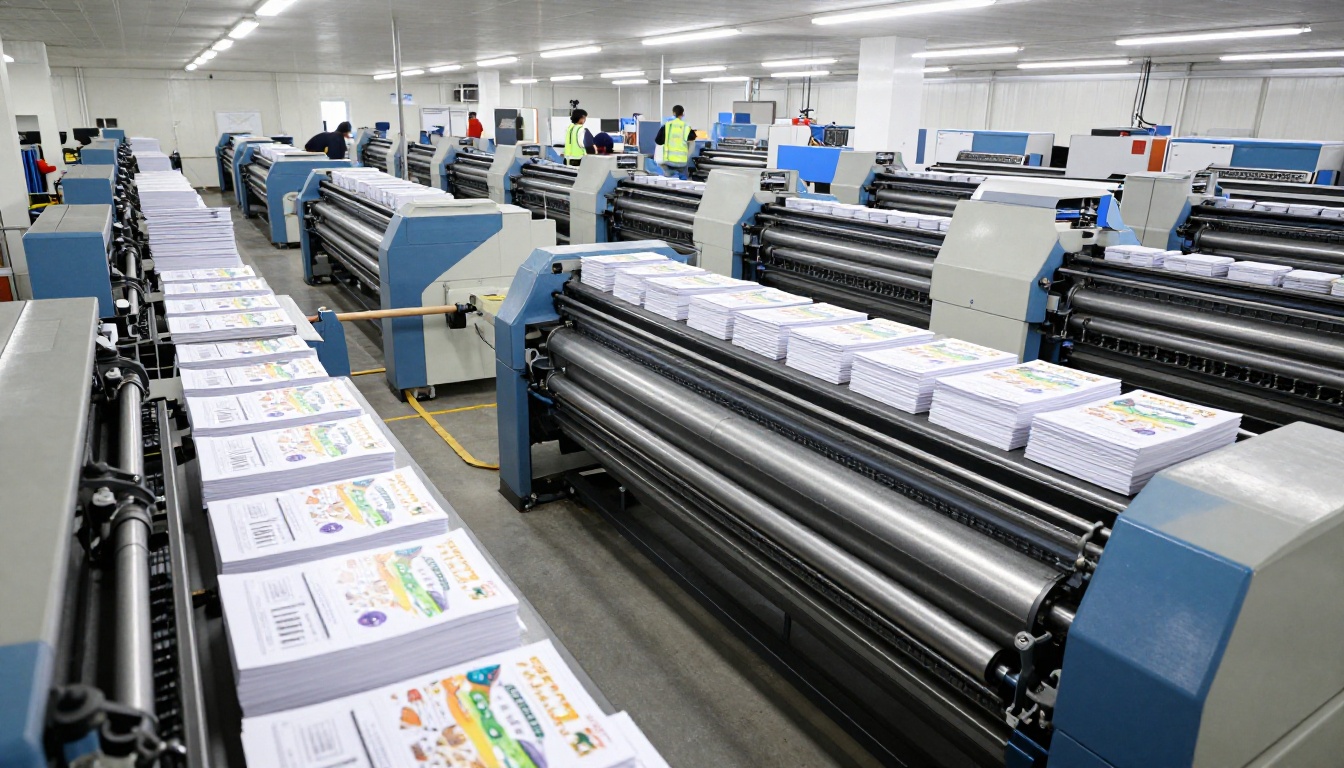
What 10,000 Programs Actually Costs the Planet
| Resource | Per 10,000 Printed Programs | Per Digital Flipbook |
|---|
| Paper (tree equivalent) | Approximately 1.2 trees | 0 |
| Water consumed in production | Approximately 26,000 liters | 0 |
| Carbon emissions (kg CO2) | Approximately 180 kg | Less than 0.005 kg |
| Post-event waste destination | 80 to 90 percent landfill | 0 |
Festivals increasingly position themselves as environmentally responsible events. Distributing 10,000 single-use paper programs directly contradicts that positioning. Digital flipbooks let organizers align their program distribution with their stated environmental values, which resonates strongly with festival audiences who expect consistency between messaging and actual practice.
💡 Festivals that included an environmental statement in their digital program noting how many trees they saved by going paperless reported strong organic social sharing of that specific page alone.
How to Make Your Festival Program Flipbook
Creating a festival program on Flipbooks AI requires no design expertise and no technical knowledge. The full process, from blank PDF to a shareable live program, takes under 30 minutes for a first-time user.
Step 1: Design your program in any tool
Use whatever design software you already have: Canva, Adobe InDesign, Google Slides, or PowerPoint. Export a standard PDF. Landscape format works best for multi-column festival program layouts. There are no proprietary file requirements to meet.
Step 2: Create your account
Go to Flipbooks AI and sign up. No credit card is required for the free plan, which lets you test the full conversion and publishing workflow before committing to a paid tier.
Step 3: Upload and convert your PDF
Drag and drop your PDF into the upload interface. The platform converts it to a fully interactive flipbook in seconds, preserving all your typography, colors, photography, and layout exactly as designed. No reformatting required on your end.
Step 4: Customize the experience
Add your festival branding: logo, brand colors for the flipbook interface, and a custom cover thumbnail. On Standard plan and above, apply a custom domain so the program URL reads as your festival's own web address rather than a third-party platform link. Enable no-watermark publishing to keep the experience clean.
Step 5: Embed videos and audio
Use the multimedia panel to place artist preview clips directly on performer pages, add interactive venue maps, include audio commentary on any section, and link sponsor pages to live redemption offers. This is the capability that creates a genuinely different experience from anything print can offer.
Step 6: Configure access and sharing
Generate the shareable link for broad distribution. Enable password protection if the program contains backstage or VIP-only schedule details. Copy the embed code if you want the flipbook displayed natively on your festival website or inside ticket confirmation pages. The PDF to Flipbook Converter handles all the technical conversion automatically.
Step 7: Distribute via QR codes everywhere
Download the auto-generated QR code and deploy it on wristbands, entrance signage, sponsor banners, ticket PDFs, confirmation emails, social media posts, and your event website. Every scan opens the current, live version of your program automatically, with no extra steps for the attendee.
✅ On the Professional plan, the analytics dashboard shows which program pages receive the most time, which artist sections are read most often, and where attendees stop reading. That is operational intelligence no printed program has ever been able to provide, and it directly informs how you design the next event's program.
Which Events Benefit Most
While any event can move from print to digital, certain festival types see the most immediate and measurable improvements:
| Festival Type | Primary Gain | Most Used Feature |
|---|
| Multi-stage music festivals | Real-time lineup corrections | Live edit, QR gate access |
| Food and drink festivals | Menu and vendor map updates | Multimedia embeds, live edit |
| Art and culture festivals | Rich visual program with artist bios | High-res images, video embeds |
| Corporate conferences | Analytics, lead capture | Professional plan, password lock |
| Community festivals | Dramatic cost savings | Free or Standard plan |
| Multi-day outdoor events | Offline-resilient access | Mobile browser caching |
| Film festivals | Screening schedule corrections | Live edit, shareable links |
Multi-stage music festivals benefit most directly from real-time updates because one lineup change affects every printed program ever distributed, but takes seconds to correct in a flipbook. Food festivals gain the ability to update vendor locations and flag sold-out items throughout the day. Art festivals can include high-resolution artwork images with zero printing cost penalty.
Stop Printing What People Throw Away
Printed festival programs are not sentimental keepsakes. They are expensive, inflexible, environmentally costly, and factually wrong the moment anything changes after they leave the printer. Digital flipbooks solve every single one of those problems simultaneously, at a fraction of the cost for any festival larger than a few hundred attendees.
The math is clear. The attendee experience is better. The organizer experience is less stressful and far more data-rich. The environmental case is unambiguous.
Ready to create your festival program? Get started for free on Flipbooks AI and have a shareable, interactive program live in under 30 minutes. Browse all available event tools to find the exact format your event needs, or compare pricing plans to choose the tier that fits your festival scale.
The box of leftover printed programs sitting in a storage unit after your last event is the best argument for switching. Do not order another one.



