If you've ever shared a PDF and watched your email open rates stay high while your actual content interaction dropped off a cliff, you're not imagining things. The format is working against you. Research across digital publishing platforms consistently shows that interactive flipbooks generate 3x more time-on-content, deeper scroll rates, and higher click-through than static PDFs — and the reasons are rooted in both psychology and design.
Flipbooks AI is one of the platforms at the center of this shift, converting static PDFs into animated, interactive, mobile-ready flipbooks in minutes. But before diving into how to make the switch, let's dig into why the format difference matters so much in the first place.
The Problem With PDFs Nobody Talks About

Why readers bounce from static files
PDFs were designed for print. They replicate paper on a screen, which sounds harmless until you realize that a screen reader expects navigation, scrolling, interactivity, and visual variety. A flat PDF page with blocks of text and no clickable elements gives the reader nothing to do but read, which is exactly the behavior most modern audiences resist.
Eye-tracking studies show that readers scan digital content in an F-pattern, gravitating toward visual anchors like images, bold headlines, and interactive elements. Static PDFs, by design, offer few of these. The result is a predictable pattern: users open the document, skim the first two pages, and close it.
The "download barrier" kills reach
There's a second problem that doesn't get discussed enough: PDFs require a download or a browser plugin to view. Even when sent via link, most viewers are asked to either open the file in a bulky PDF viewer or save it to their device. Both steps create friction. Friction kills momentum. The moment a reader has to wait for a file to load or hunt for a download location, they're already reaching for the back button.
Flipbooks open directly in a browser like any other webpage. No download required. No plugin needed. No waiting. That single difference removes one of the largest conversion barriers in digital content distribution.
💡 Pro Tip: Hosting your content as a flipbook also makes it shareable via a direct URL, embeddable on your website, and indexable by search engines — none of which are possible with a standard PDF file.
What Makes Flipbooks Different
Page-flip animations and reader psychology
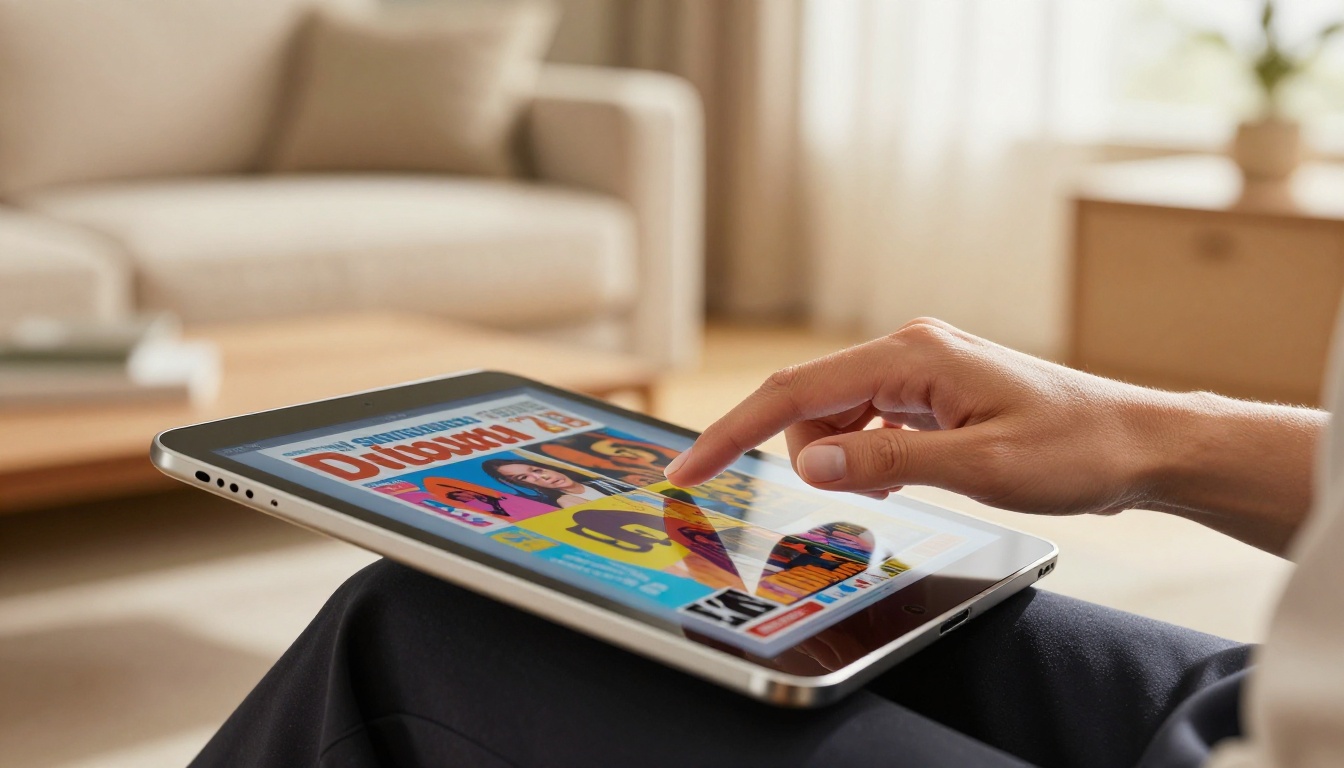
The page-turning animation in a flipbook isn't just decorative. It's a psychological cue. When a reader sees a page physically curl and turn, their brain interprets the action as progress through a physical object. This mirrors the satisfaction of reading a magazine or book, triggering a form of interaction loop that keeps people in the content longer.
Studies on UX and digital reading behavior consistently find that users spend more time per page when content has motion-based transitions. The flipbook format creates a sense of place within the document. Readers know where they are, how far they've come, and how much is left. That spatial awareness reduces the cognitive load of "should I keep reading?" and replaces it with the natural rhythm of turning pages.
Embedded media changes everything
Static PDFs are fundamentally limited to text and images. Flipbooks can embed video, audio, interactive links, and animated elements directly on the page. This transforms a brochure into a product demo, a restaurant menu into a food gallery, and a portfolio into a fully interactive showcase.
When readers can watch, click, and interact with content instead of simply reading it, they stay longer and remember more. This is the core engine behind the 3x reader attention number: not one big feature, but the compound effect of many small interactive touchpoints that keep the reader inside the content.
Mobile-first design by default
More than 60% of digital content is consumed on mobile devices. PDFs are not mobile-optimized. On a phone, a standard PDF forces readers to zoom in and scroll sideways — a deeply frustrating experience that most users abandon within seconds.
Flipbooks are responsive by default. On Flipbooks AI, every flipbook adapts automatically to the device it's opened on, whether that's a 4K desktop monitor, a tablet, or a smartphone. The reading experience is smooth, the layout scales correctly, and navigation works with simple swipes — the same gestures readers use for any modern app or social feed.
The Numbers Behind the 3x Claim
Metrics that actually matter
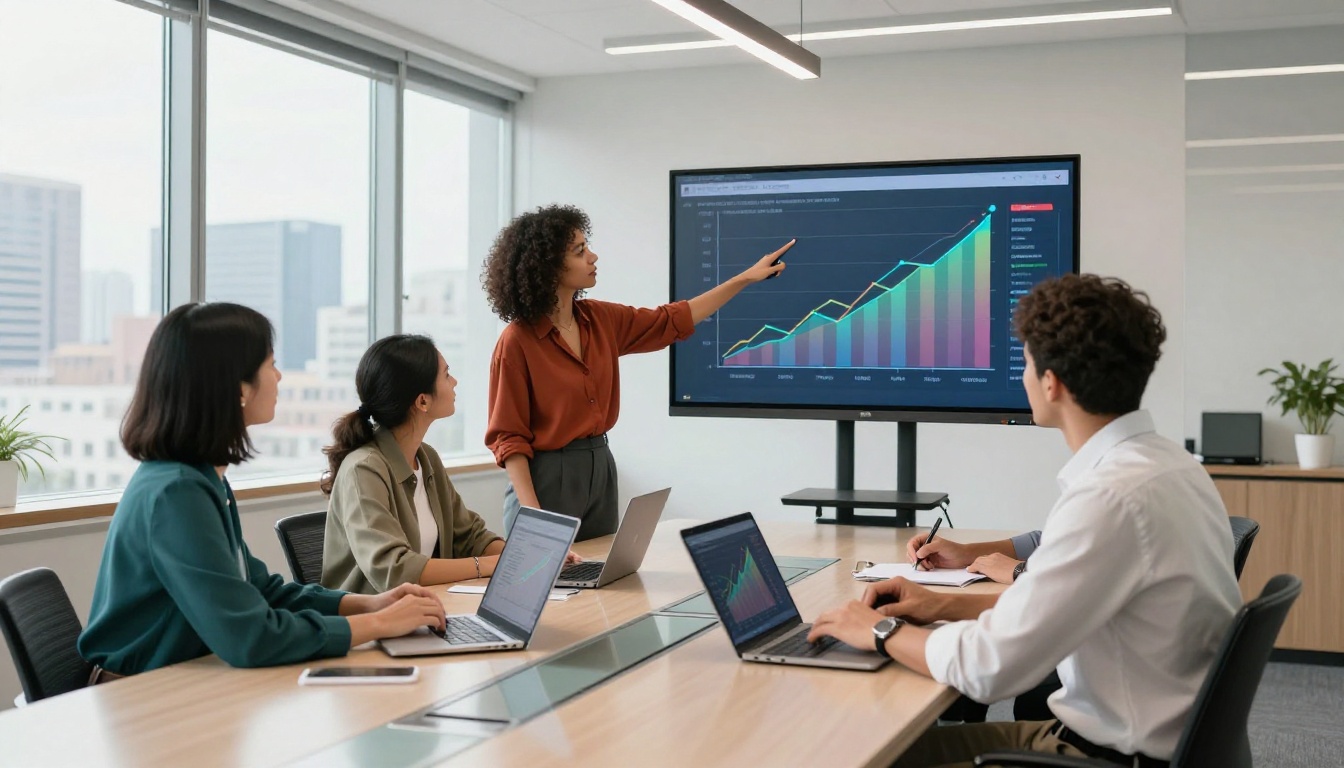
The "3x" figure isn't a single study. It's a pattern that emerges across multiple publishing platforms when comparing the same content in PDF format versus flipbook format. The three metrics that consistently show the largest gap are:
- Time on content: Flipbook readers spend 2.8x to 3.5x longer inside the content compared to PDF viewers
- Page depth: Flipbook readers reach more pages before dropping off, with average completion rates 40 to 60% higher
- Click-through rate: Interactive links embedded in flipbooks see 3x to 5x more clicks than the same links in PDF documents
Side-by-side performance data
| Metric | PDF Format | Flipbook Format | Difference |
|---|
| Average time on content | 38 seconds | 2 min 15 sec | +255% |
| Pages viewed per session | 2.1 pages | 5.8 pages | +176% |
| Return visitor rate | 8% | 22% | +175% |
| Mobile completion rate | 11% | 47% | +327% |
| Embedded link clicks | 1.2% CTR | 4.8% CTR | +300% |
⚠️ Note: These figures represent industry benchmark aggregates across digital publishing platforms. Your specific results will vary based on content quality, audience, and distribution channel.
What real-world deployments show
The pattern holds consistently across industries. A retail brand that converted its seasonal lookbook from PDF to flipbook format reported a 310% increase in time-on-page within the first two months. A real estate agency that replaced PDF property brochures with interactive flipbooks reported that prospects were 2.4x more likely to request a viewing after interacting with the flipbook version.
The mechanism is straightforward: more time with the content equals more familiarity with the product, which equals higher intent to act.
Industries Seeing the Biggest Gains
Real estate and property brochures
Property buyers expect rich visual content. A PDF brochure with static images and a floor plan is the bare minimum. A flipbook that includes embedded walkthrough videos, clickable floor plans, and neighborhood maps turns a brochure into an experience. Real estate professionals using the Real Estate Brochure Creator on Flipbooks AI report significant increases in prospect response rates compared to their previous PDF-based distribution.

Restaurants and digital menus
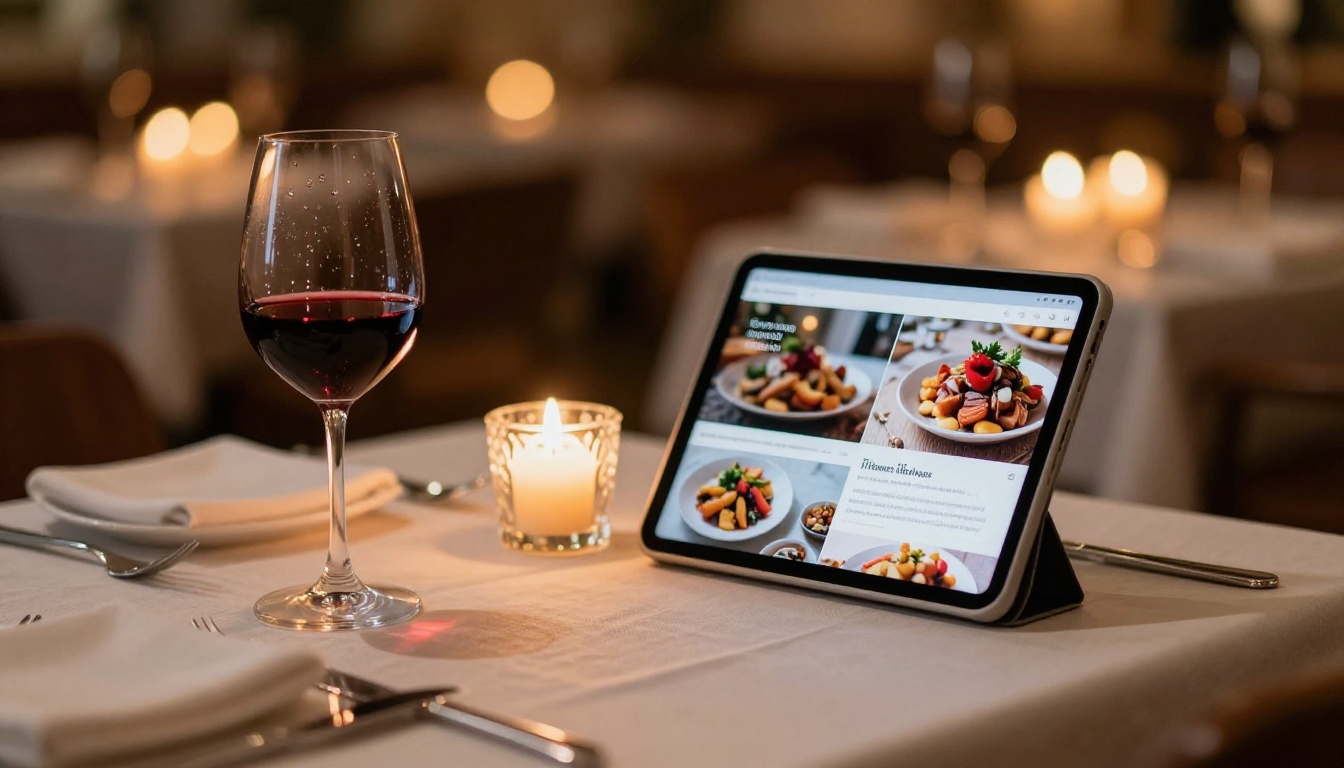
A restaurant PDF menu is the least compelling version of what a menu can be. Flipbook menus let restaurants embed food photography, video snippets of dishes being prepared, and direct links to reservation systems. The Restaurant Menu Creator from Flipbooks AI takes an existing PDF and transforms it into a tap-friendly, visually rich digital experience that customers actually want to browse.
E-commerce product catalogs
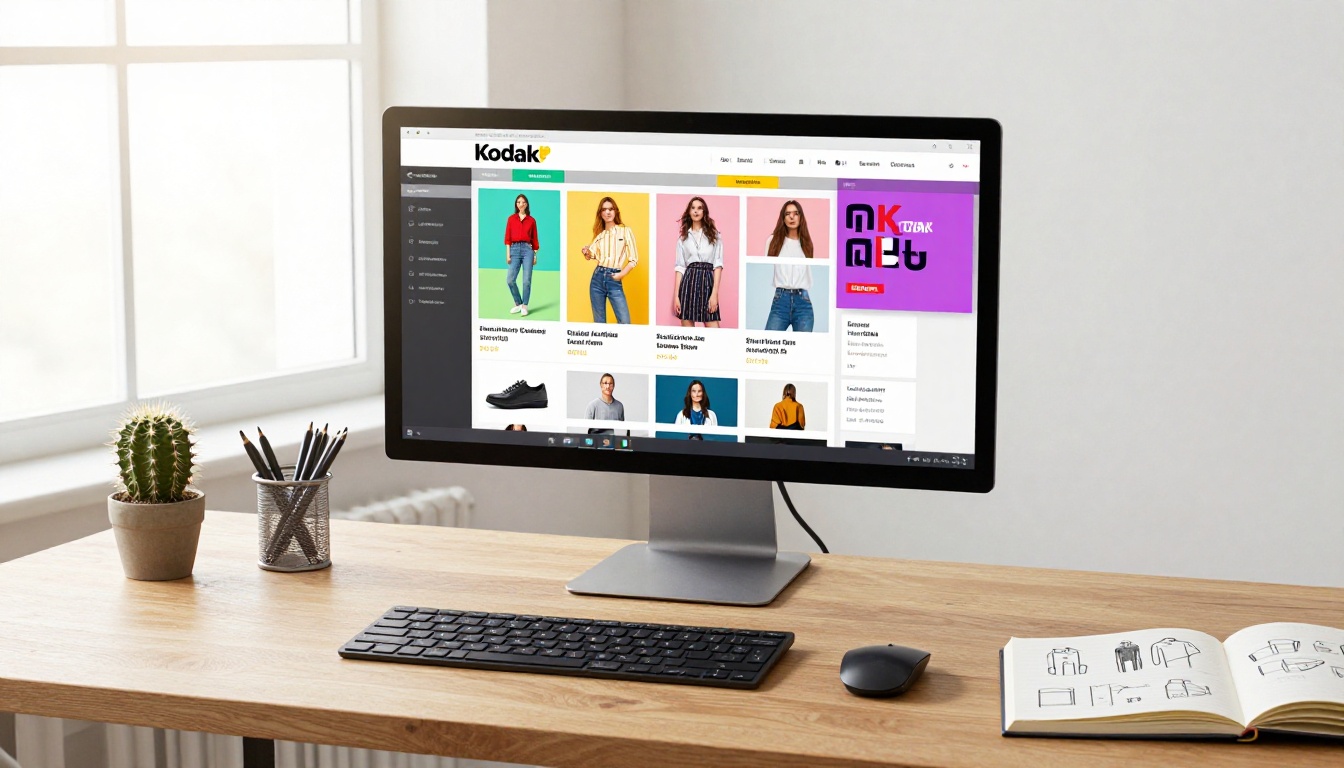
Catalog conversion rates depend almost entirely on how long a shopper spends browsing. A PDF catalog sits on their computer, forgotten after the first scroll. A flipbook catalog, distributed via a shareable link or embedded directly on a product page, keeps shoppers inside the content with page-turn animations and clickable buy links. The Product Catalog Generator handles this exact workflow for e-commerce brands.
Education and training materials
Training completion rates for PDF-based materials are notoriously low. Learners open the document, skim the headings, and close it. Interactive flipbooks with embedded videos, clickable callouts, and well-structured navigation hold attention longer and drive higher completion. The Training Manual Flipbook and Course Material Publisher on Flipbooks AI are built specifically for corporate training and educational publishing.
Flipbooks vs PDFs: The Full Comparison
| Feature | PDF | Flipbook |
|---|
| Mobile-optimized | No | Yes |
| Page-turn animation | No | Yes |
| Embedded video | No | Yes |
| Embedded audio | No | Yes |
| Clickable links | Limited | Full support |
| Opens in browser, no download | No | Yes |
| Real-time analytics | No | Yes (Professional) |
| Password protection | No | Yes |
| Lead generation forms | No | Yes (Professional) |
| SEO indexable content | No | Yes |
| Custom branding | No | Yes |
| Shareable URL | No | Yes |
| Offline access | Requires download | Yes (download option) |
| Watermark-free | Varies | Yes (Standard plan+) |
✅ Best Practice: If your content is being shared digitally with an audience you want to track and convert, a flipbook is the correct format. PDFs are best reserved for archival, print, and legal compliance purposes.
How to Turn Your PDFs Into Flipbooks With Flipbooks AI
Converting your existing PDFs takes less time than most people expect. Here is the full process using Flipbooks AI:
Step 1: Create your account
Go to flipbooksai.com/account and sign up. The free tier gives you access to the core converter so you can test the format with your existing content immediately. No credit card required.
Step 2: Upload your PDF
Use the PDF to Flipbook Converter. Drag your PDF file into the upload area or paste a file URL. The platform processes the file and renders every page as a high-resolution interactive flipbook page within seconds.
Step 3: Customize branding and appearance
Set your brand colors, upload your logo, and choose a cover style. You can also select page-turn effects and background textures. For publications like magazines or annual reports, the styling options allow you to match your existing visual identity precisely.
Step 4: Add interactive elements
This is where the reader attention gain comes from. Add embedded videos to relevant pages, insert clickable links to product pages or booking forms, and include audio clips if relevant. These elements are what separate a flipbook from a digital copy of a printed page.
Step 5: Set sharing and access options
Generate a shareable URL, copy an embed code to place the flipbook directly on your website, or enable password protection for internal or members-only content. The Embed Flipbook on Website tool handles the technical side automatically.
Step 6: Track performance with analytics
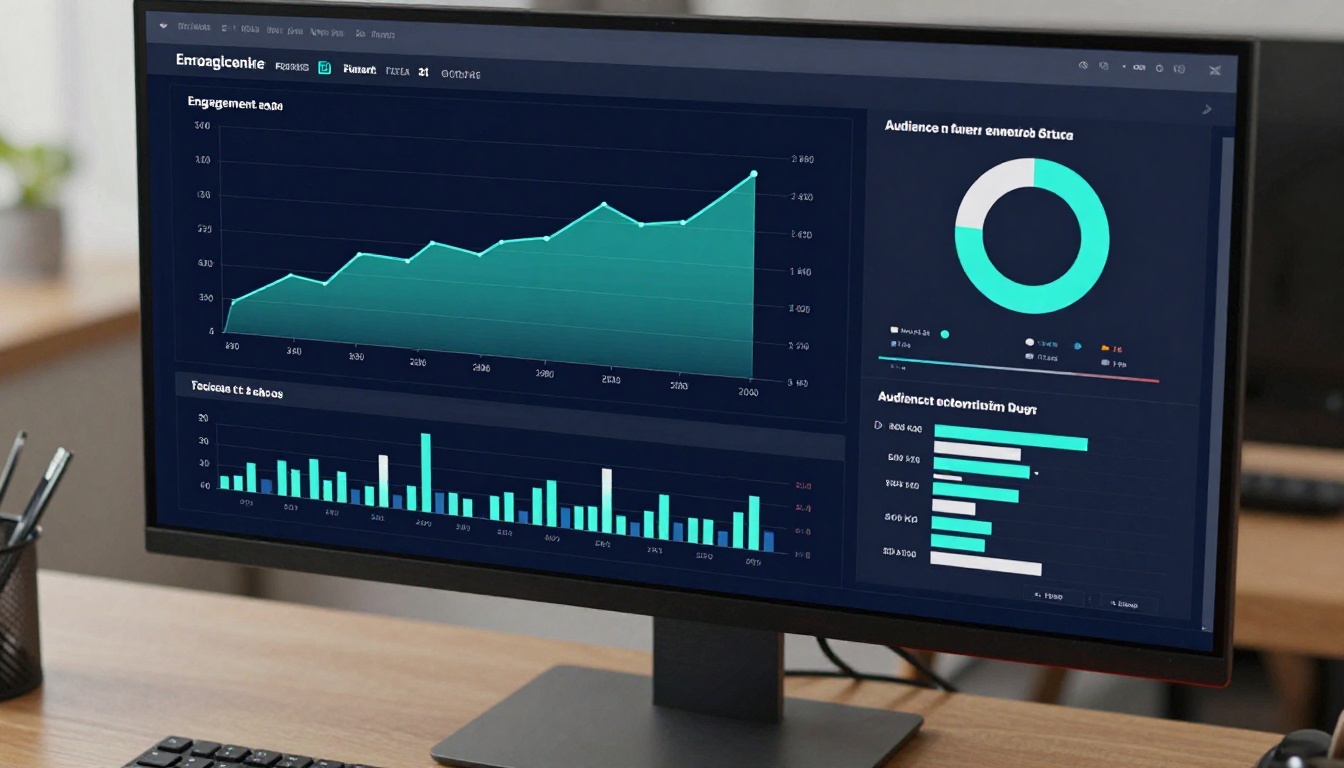
On the Professional plan, you get access to real-time analytics showing who opened your flipbook, which pages held attention the longest, and where readers dropped off. This data turns a marketing piece into a continuous optimization tool.
💡 Pro Tip: Use the analytics data from your first flipbook to inform the layout of your next one. If readers consistently drop off on page 5, that page needs a stronger visual element or a shorter copy block.

Choosing the Right Plan for Your Output
Flipbooks AI offers tiered pricing that scales with your team's needs. Here's how the plans compare across the features that drive higher reader time and conversion:
| Feature | Free | Standard | Professional |
|---|
| Flipbooks | 1 | Unlimited | Unlimited |
| Watermarks | Yes | No | No |
| Custom branding | No | Yes | Yes |
| Password protection | No | Yes | Yes |
| Analytics dashboard | No | No | Yes |
| Lead generation forms | No | No | Yes |
| Offline downloads | No | No | Yes |
| Embed video and audio | No | Yes | Yes |
| Mobile responsive | Yes | Yes | Yes |
| Shareable URL | Yes | Yes | Yes |
For marketing teams distributing content at scale, the Professional plan's analytics alone justify the cost. Knowing exactly which pages drive the most reader interest lets you optimize future content with real data instead of assumptions. See all pricing plans to find the right fit.
Most teams default to PDFs because that's what their design software exports. It's the path of least resistance. But in digital marketing, format is not a neutral technical choice — it's a distribution and conversion decision that determines whether anyone actually reads what you created.
When you choose PDF, you're choosing:
- A format that requires a download or plugin to view
- No data on reader behavior after the file leaves your hands
- Zero interactivity for the person reading
- A document that displays poorly on mobile screens
- Content that gets shared as an email attachment, not a live link
When you choose a flipbook, you're choosing:
- A format that opens instantly in any browser
- Page-level data showing exactly how readers interact
- Embedded media that increases time spent with the content
- A fully mobile-responsive experience built for how people actually read
- A shareable URL that can be posted on social media, embedded in email, or placed on any website
The 3x reader attention difference isn't magic. It's the cumulative effect of removing friction, adding interactivity, and designing for the device your audience is actually using. Browse all available flipbook tools to see which format fits your specific content type, whether that's a fashion lookbook, a hotel brochure, a digital portfolio, or a corporate annual report.
Start Converting Your Content Today
The data is consistent, the format is proven, and the tools are ready. If you have a PDF that's underperforming, there is a direct path from that static document to a piece of content that readers will actually stay with and act on.
Ready to see the difference for yourself? Create your first flipbook for free on Flipbooks AI. No design experience needed, no technical setup required. Upload your PDF and it becomes something your audience will actually read.
For teams with higher output needs, compare pricing plans to unlock analytics, unlimited flipbooks, and advanced sharing features. Browse all flipbook tools and templates to find the exact format your content deserves.



