Static PDFs have dominated digital content distribution for over two decades. They are universal, printable, and easy to email. But they carry a silent problem that most businesses never measure: the majority of people who download a PDF never actually read it. Research puts average PDF completion rates somewhere between 8 and 15 percent. The content you spent hours producing gets downloaded, filed, and forgotten. Flipbooks AI was built precisely because this problem deserved a real solution, and the results speak for themselves.
The Problem With Static PDFs
PDFs were designed for printing in 1993. They became the default for digital document sharing by accident, not by design. A format created so that documents print identically on every machine was never intended to be the primary reading format on screens, tablets, and phones. That original design flaw is still visible today.
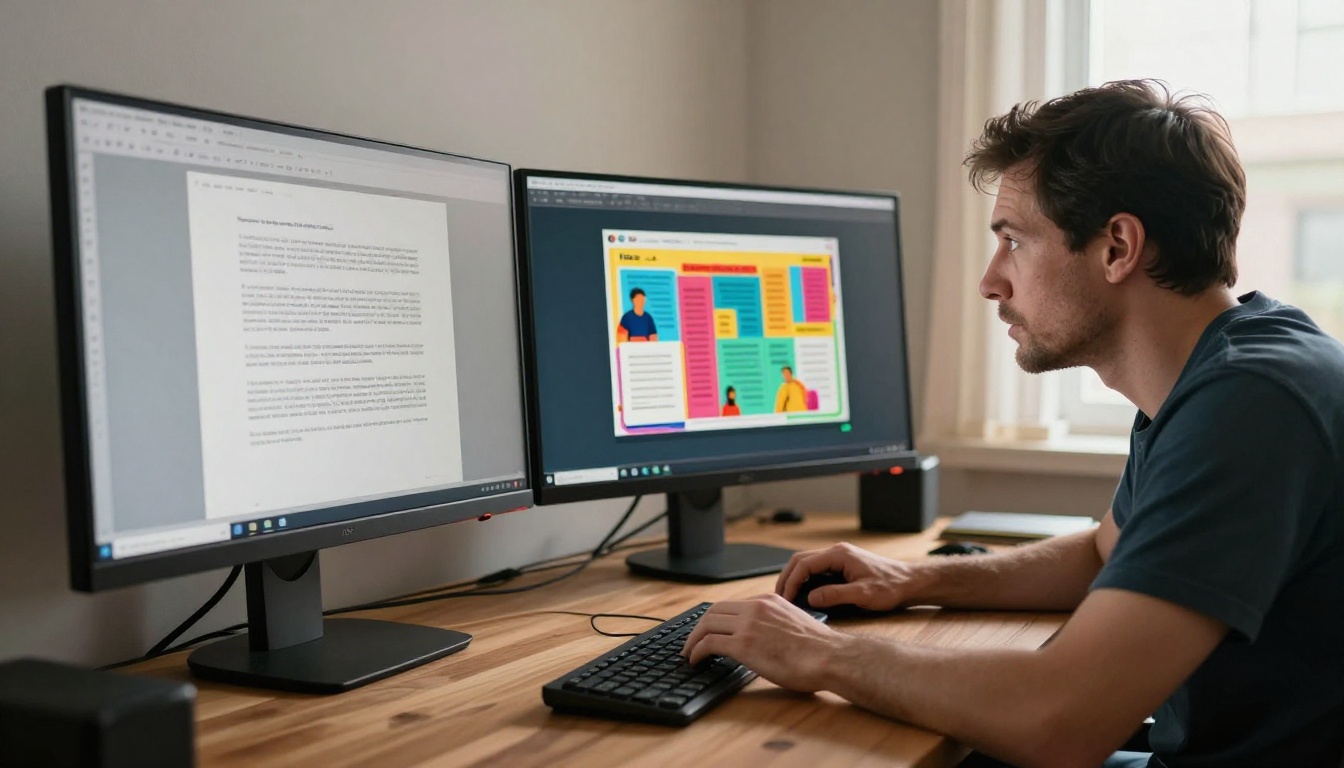
When someone opens a PDF link on their phone, they are immediately fighting the format. Pinch-to-zoom, horizontal scrolling, inconsistent browser PDF viewers, slow load times for large files, and a complete absence of navigation feedback. No progress indicator. No visual pull to turn to the next page. No reward for continuing to read.
Why People Stop Reading PDFs
The average reader spends less than 60 seconds with a PDF document before deciding to continue or abandon. If the first page does not immediately communicate value, they close the tab. The format itself accelerates this decision because there is nothing to interact with. A passive reading experience with no feedback loops creates no psychological momentum.
Compare that to how people read physical magazines, brochures, or catalogs. Physical documents have texture, weight, page-turn resistance, and visual feedback as you progress through them. These micro-sensory signals keep readers inside the experience. Digital PDFs strip all of that away and replace it with a flat scroll.
The Sharing and Tracking Problem
PDFs also fail as shared objects. Sending a PDF attachment in an email requires the recipient to download a file, open a separate application or browser tab, and navigate a document that may or may not look good on their device. If they want to share a specific section with a colleague, there is no easy way to link directly to page 12.
If you want to know whether they actually read it, you have no data at all. For marketing content, product catalogs, brochures, or company reports, these limitations translate directly into missed revenue and missed insights.
What Makes Flipbooks Different
A flipbook is not simply a PDF with a page-turn effect layered on top. It is a document format rebuilt from the ground up for screen-first consumption. The differences run deeper than aesthetics.
Page-Turn Animation and Reader Psychology
The page-turn animation creates something a static PDF cannot: a sense of place within a document. Readers can see how far they have come and how much remains. This sense of progress is one of the most powerful motivators in reading behavior. It is the same reason physical books feel more satisfying to finish than infinitely scrolling articles.
Each time a reader turns a page, they make a small active decision. That decision is a micro-commitment. Behavioral psychology research consistently shows that small commitments increase the likelihood of making the next one. Readers who reach page 3 are far more likely to reach page 10 than readers who scroll past the equivalent point in a PDF.
Multimedia Content That Actually Performs
Flipbooks support embedded video, audio, animated content, interactive links, and forms directly within pages. This is not just a feature list. It fundamentally changes what a document can communicate.
A product catalog page with an embedded 20-second product video communicates more in less time than three paragraphs of descriptive copy. The video and text work together rather than competing for attention. A brochure with ambient background music creates an emotional tone that is impossible to replicate in a flat document.
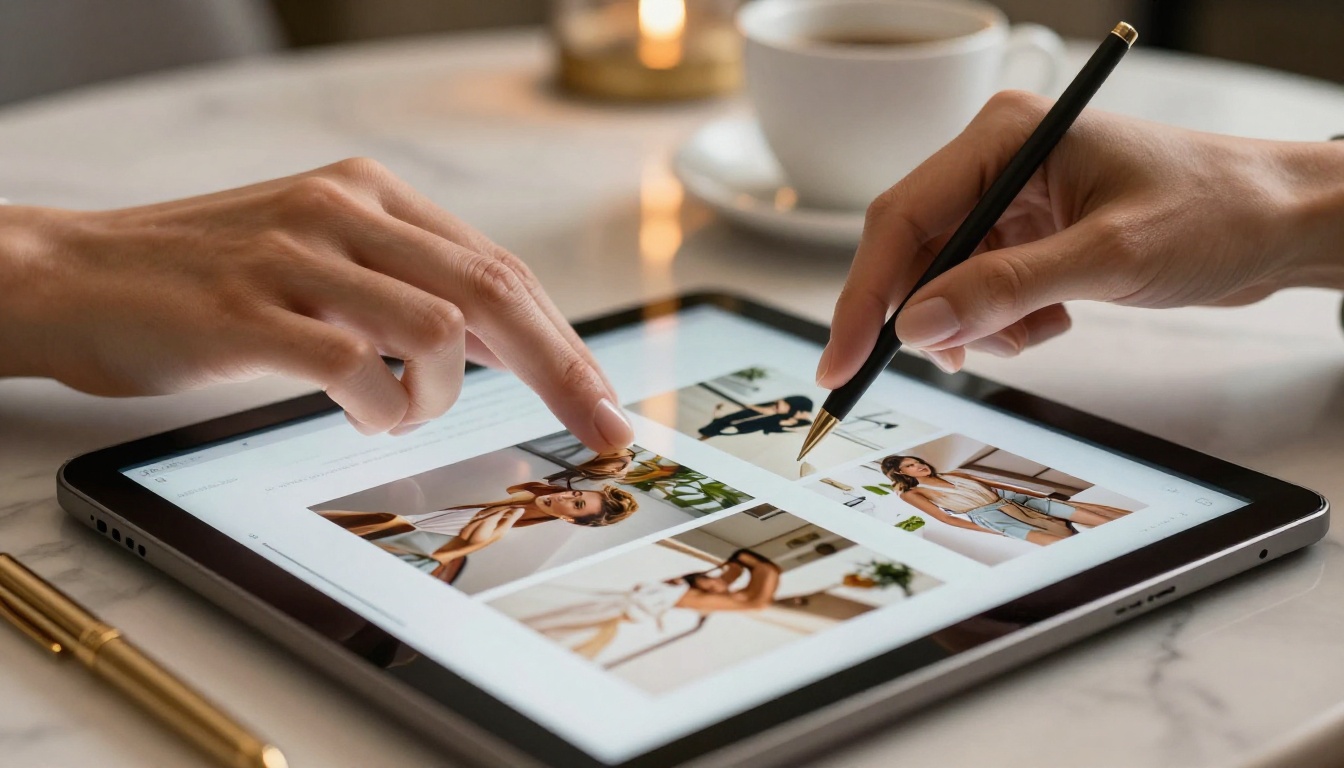
Audio and video content also processes differently in the brain than text. Multisensory stimulation creates stronger memory encoding, which is why readers are more likely to remember a product seen in a video than one described in a paragraph. For sales and marketing content, this difference shows up directly in conversion rates.
Mobile-First by Design
More than 60 percent of email opens and social media clicks happen on mobile devices. Static PDFs are catastrophic on mobile. The pinch-to-zoom experience on a phone is not just inconvenient, it is a friction point that most users abandon within seconds.
Flipbooks are responsive by default. Pages resize automatically to any screen dimension. Navigation is built for thumb gestures. The reading experience on a phone is comparable to reading on a desktop, which means your content actually reaches the mobile audience that now represents the majority of your distribution.
The Numbers Don't Lie
The performance gap between flipbooks and static PDFs is well-documented across industries.

Time on Page
Readers spend an average of under 60 seconds with a PDF document. The equivalent content in flipbook format holds readers for 3 to 5 minutes on average. That is a 300 to 500 percent increase in reading time from the same material, simply presented in a different format.
This matters beyond the document itself. Search engines and social platforms measure dwell time and session duration. Content that holds readers longer improves your website's authority signals without any additional optimization effort.
Completion and Return Rates
PDF completion rates sit between 8 and 15 percent for most marketing content. Flipbook completion rates for the same content consistently measure between 40 and 60 percent. Readers who finish a document are significantly more likely to act on it, share it, or return to it later.
Return visit rates also improve. A reader who had a positive experience with an interactive flipbook remembers the format. They come back to reference specific pages, share sections with others, or find content they skimmed on the first read.
| Metric | Static PDF | Interactive Flipbook |
|---|
| Average Read Time | Under 60 seconds | 3 to 5 minutes |
| Completion Rate | 8 to 15% | 40 to 60% |
| Social Share Rate | Very low | 3x higher |
| Mobile Readability | Poor | Excellent |
| Return Visit Rate | Near zero | Measurable |
| Analytics Available | None | Full page-level |
| Embeddable on Website | No | Yes |
Real-World Use Cases
The shift from PDF to flipbook is already happening across dozens of industries. The consistent pattern is that interactive, browsable formats always outperform static ones when the audience is human and reading on a screen.
Retailers and Product Catalogs
Printed product catalogs remain high-performing sales tools because they invite browsing. People flip through pages, mark items they want, and return later. Static PDFs lose this browsing behavior entirely because there is no natural mechanism for moving through pages in a way that feels deliberate and satisfying.
Digital flipbook catalogs restore the browsing experience. Retailers using the Product Catalog tool report significantly higher click-through rates from catalog pages to product purchase pages, because every page is an active surface with embedded links.
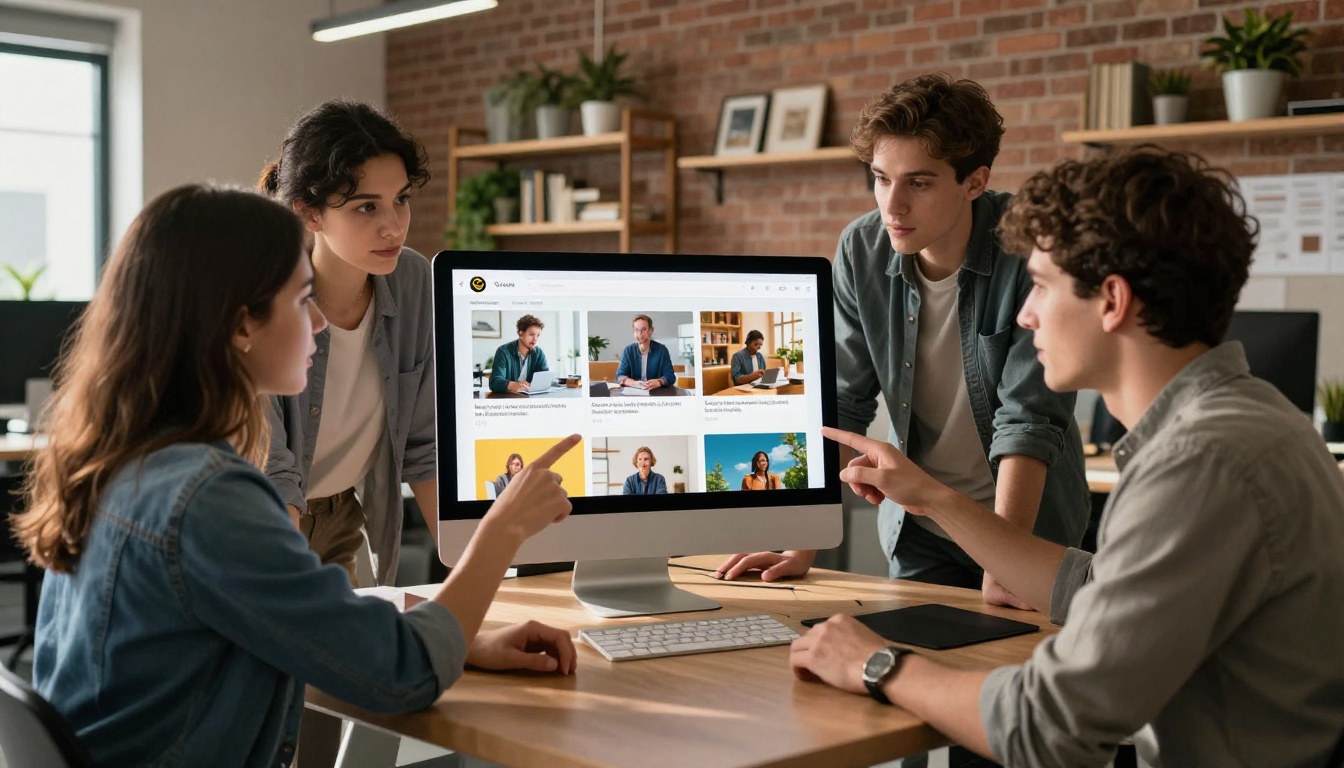
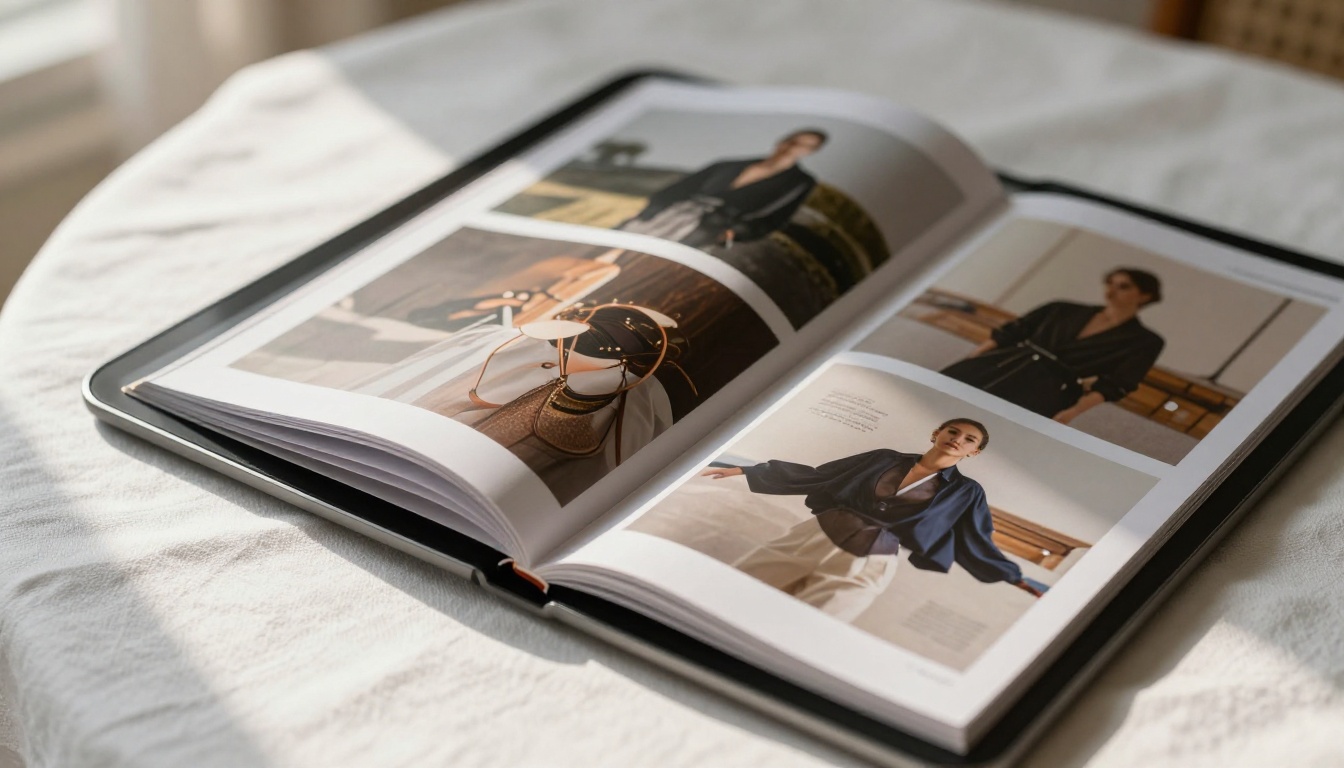
Fashion brands benefit particularly from the Fashion Catalog format, where full-bleed lifestyle photography paired with smooth page transitions creates an immersive experience that static documents cannot replicate. Furniture retailers using the Furniture Catalog Maker have found that room-scene imagery translates dramatically better in flipbook format because readers spend more time on each page.
Restaurants and Menus
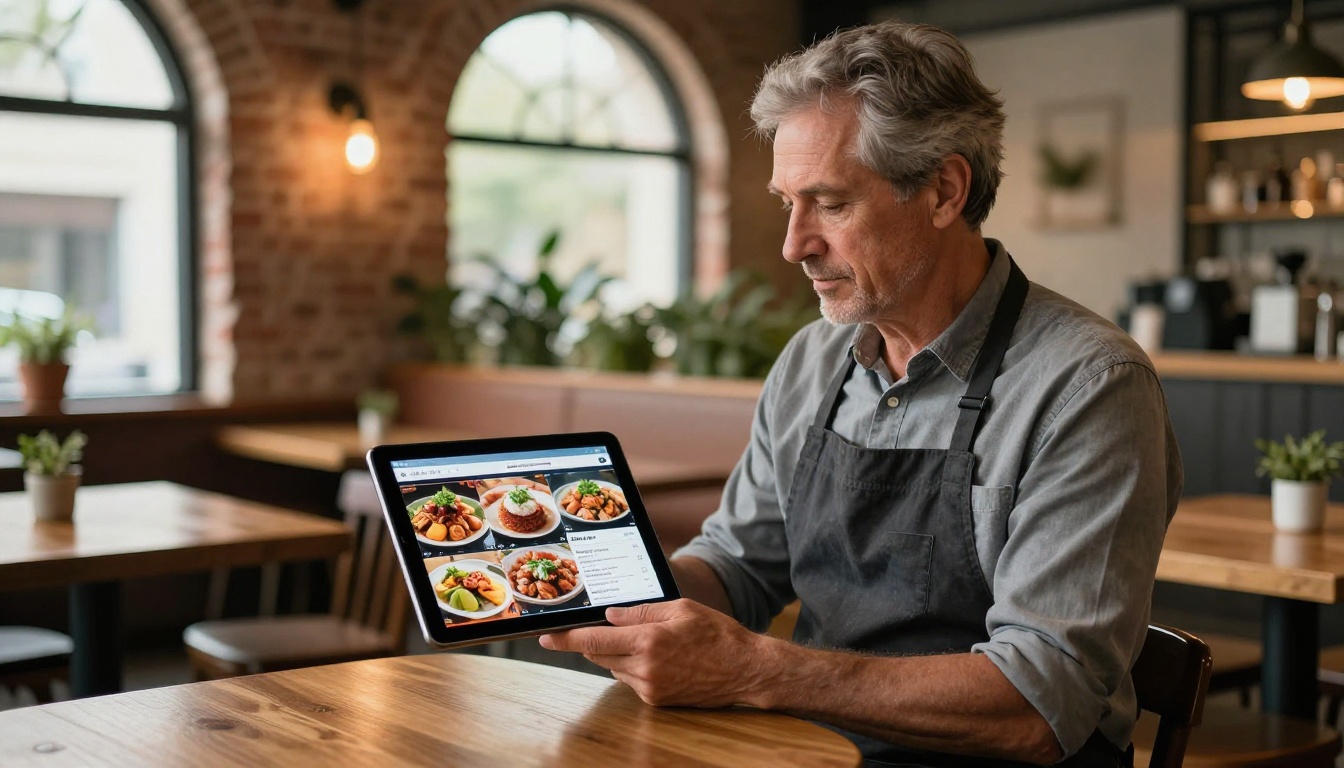
A PDF menu requires zooming and scrolling on a phone. A flipbook menu mimics the physical act of reading a restaurant menu, one of the most comfortable and familiar reading experiences that exists. People linger on menu pages. They browse sections. They read descriptions carefully.
Restaurants using the Restaurant Menu Creator see higher average order values because diners browse the full menu rather than defaulting to items they already know from the first screen they see. The browsing behavior encouraged by a flipbook format has a direct impact on revenue.
Spa and wellness businesses use the Spa and Wellness Menu to present service offerings in a premium format that matches the caliber of experience their clients expect.
Real Estate Brochures
Property brochures live and die on visual impact. A PDF compresses that impact into a small scroll-view. A flipbook spreads each property across full-bleed pages with transitions that feel like turning through a luxury print brochure.
Real estate professionals using the Real Estate Brochure tool consistently report higher response rates from digital brochures compared to their previous PDF versions. The format signals quality and professionalism before a single word is read.

Business Reports and Presentations
Corporate reports sent as PDFs are rarely read beyond the executive summary. The format does not reward the effort of reading. An annual report built with the Annual Report Creator or Corporate Report Maker presents the same data in a format that stakeholders actually read through from start to finish.

Sales teams using the Sales Presentation tool share fully interactive decks that prospects read at their own pace, rather than receiving static PDFs that get forwarded once and never looked at again.
Flipbooks vs PDFs: Full Feature Comparison
| Feature | Static PDF | Flipbook |
|---|
| Page-turn navigation | No | Yes |
| Embedded video | No | Yes |
| Audio support | No | Yes |
| Mobile responsive | No | Yes |
| Embeddable on website | No | Yes |
| Share specific page | No | Yes |
| Password protection | No | Yes |
| Per-page analytics | No | Yes (Professional) |
| Lead capture forms | No | Yes (Professional) |
| Offline access | Yes | Yes (Professional) |
| Custom branding | Partial | Full |
| No watermark | Yes | Yes (Standard+) |
How to Convert Your PDFs With Flipbooks AI
Flipbooks AI makes the conversion from PDF to flipbook immediate. No design skills, no technical knowledge, no complex setup required.
Step 1: Upload Your PDF
Visit Flipbooks AI and create an account. From the dashboard, click Upload PDF and select your file. The converter processes your document automatically, preserving all text, images, and layout from the original. Large multi-page documents with hundreds of pages process in minutes, not hours.
Step 2: Customize Your Flipbook
Inside the editor, you can:
- Apply your brand colors to covers, borders, and backgrounds
- Add your logo to headers or footers on every page
- Embed video directly on specific pages using drag-and-drop
- Insert clickable links to products, websites, or booking pages
- Enable page-flip sound for a tactile reading experience
- Set password protection for private or exclusive content
The PDF to Flipbook Converter tool handles the entire process, with pre-built templates available for every document category including brochures, menus, portfolios, and catalogs.
Step 3: Share and Track Performance
Every flipbook generates multiple sharing options instantly:
- Direct link: Share by email, social media, SMS, or messaging apps
- Embed code: Place the flipbook directly on any web page or landing page
- Password-protected link: Share sensitive content securely with specific recipients

The Embed Flipbook on Website tool provides copy-paste embed codes compatible with WordPress, Webflow, Shopify, Squarespace, and any custom HTML site.
💡 Pro tip: Embed your flipbook directly on your landing page instead of linking to a PDF download. Visitors stay on your site, your bounce rate drops, and you can track exactly which pages generate the most interest.
On the Professional plan, per-page analytics show exactly where readers spend the most time, where they drop off, and how many times each page was viewed. This changes how you create content because you stop guessing what works and start knowing with precision.
✅ Best practice: After your first 30 days of analytics data, restructure your next document so your strongest content appears on the pages where readers currently spend the least time.
The Professional plan also includes lead generation forms, which require an email address before granting flipbook access. This turns every document you share into a potential customer acquisition event with zero additional tooling.
⚠️ Note: The free plan includes a Flipbooks AI watermark on every page. For professional client-facing content, the Standard plan removes it instantly.
Which Plan Is Right for You
| Plan | Flipbooks | Watermark | Custom Branding | Analytics | Lead Gen |
|---|
| Free | 1 | Yes | No | No | No |
| Standard | Unlimited | No | Yes | No | No |
| Professional | Unlimited | No | Yes | Yes | Yes |
See the full plan breakdown and current pricing at flipbooksai.com/pricing.
When PDFs Still Make Sense
Not every document needs to become a flipbook. Here is a practical way to prioritize.
Switch to flipbook immediately if you have:
- Product or service catalogs with more than 6 pages
- Marketing brochures shared digitally via email or social
- Menus displayed on your website or sent to customers
- Property brochures shared with prospective buyers
- Event programs, lookbooks, or creative portfolios
- Annual reports distributed to stakeholders or investors
PDFs still work for:
- Legal contracts requiring offline signature workflows
- Technical specifications accessed by developers
- Documents designed specifically for print reproduction
The test is simple: if a human is meant to read it on a screen, a flipbook will perform better.
Flipbooks AI covers virtually every document category with dedicated purpose-built tools:
- Publications: Interactive E-Book Publisher, Magazine Flipbook Creator, Newsletter Flipbook Publisher
- Business: Sales Presentation, Press Kit Designer, Non-Profit Annual Report
- Creative: Digital Portfolio Creator, Interactive Lookbook Designer, Photography Portfolio
- Education: Training Manual Flipbook, Course Material Publisher, Yearbook Flipbook Maker
- Other: Recipe Book Flipbook, Travel Guide Flipbook, Digital Price List Generator
Browse all available flipbook tools to find the right starting point for your industry and content type.
Make the Switch Today
Your current PDFs are losing readers. The format is the problem, not the content inside it. Switching to flipbooks takes minutes and the improvement in readership is immediate and measurable.
Ready to create your first flipbook? Get started for free on Flipbooks AI, no credit card required. Or review pricing plans to find the tier that fits your publishing volume and feature needs. Explore all available tools and templates to find the perfect fit for your next document.



