Static PDFs have dominated marketing materials for over two decades, and that is exactly the problem. In an era where audiences scroll past content in milliseconds, handing a prospect a flat, unresponsive PDF file is the digital equivalent of mailing them a fax. The format that once seemed professional now signals friction, boredom, and missed opportunity. Flipbooks AI was built specifically to solve this, turning any PDF into a rich, interactive digital publication that readers actually want to click through.
This is not about aesthetics alone. The shift from PDF to flipbook format touches every measurable marketing outcome: time-on-page, click-through rate, lead capture, and brand perception. Whether you are distributing a product catalog, a hotel brochure, a real estate listing package, or a seasonal lookbook, the format you choose directly affects results.

The Problem With PDFs in Modern Marketing
Static Pages Stop Readers Cold
A PDF is a fixed-layout document. It was designed for printing, not for screens. When a prospect opens a PDF on their phone, they immediately face tiny unresponsive text, no zoom-adaptive layout, slow load times on mobile data, and zero reason to keep scrolling. There is no animation, no embedded video, no clickable product link, no form to fill out. They read (or more likely skim) and close.
The bounce rate on PDF-based marketing content is remarkably high for exactly this reason. There is nothing to interact with, nothing to reward curiosity, and no pathway to the next step. A well-designed marketing flipbook recreates the tactile satisfaction of flipping through a printed magazine while adding the interactivity that digital audiences expect.
PDFs Offer Zero Marketing Data
Here is a harder truth: when you send a PDF, you receive nothing back. No page view counts, no heatmaps, no time-on-page metrics, no indication of which products caught attention and which ones were skipped entirely. You are marketing in the dark.
Modern marketing runs on data. Every campaign decision, every budget allocation, and every creative revision should be informed by behavioral signals from your audience. A PDF cannot provide that. A Flipbooks AI publication with analytics enabled can tell you exactly where readers engaged, how long they spent on each page, and which CTAs they clicked.
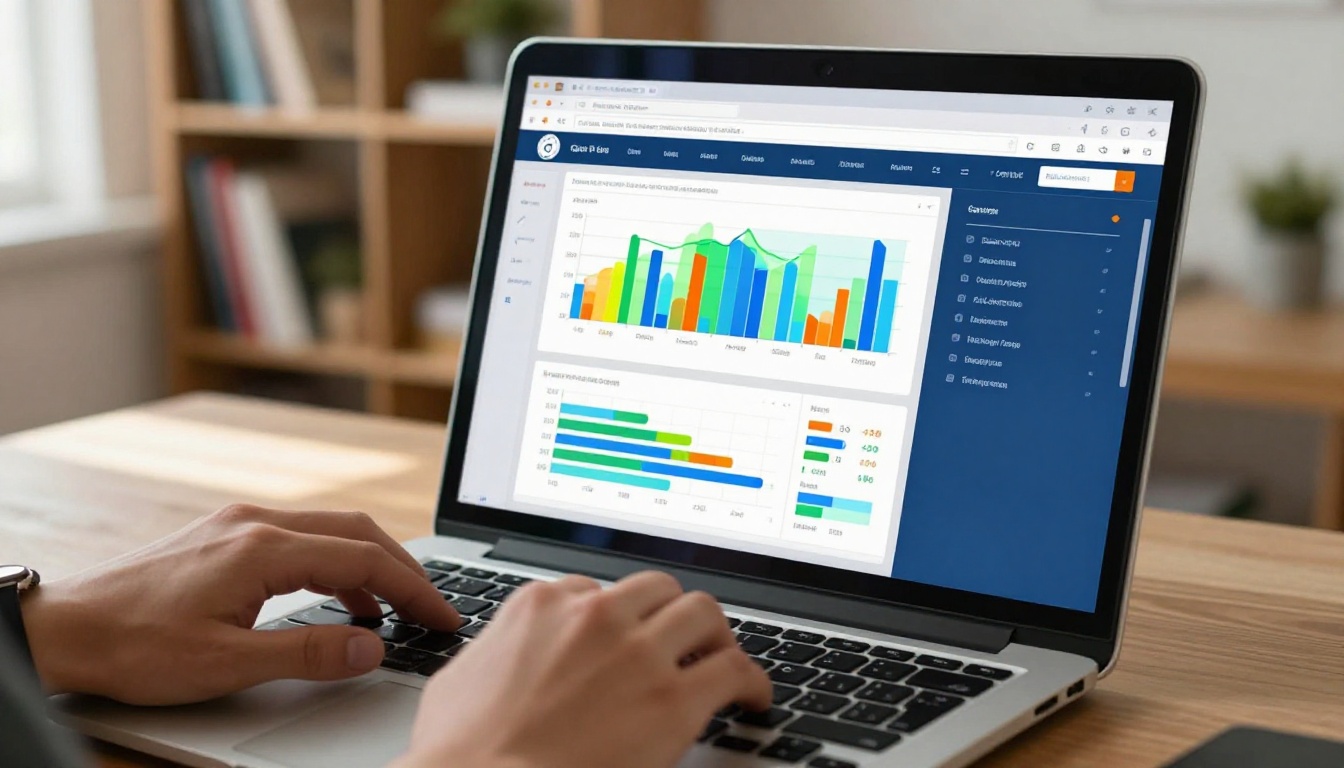
💡 Use page-level analytics to identify your highest-performing content spreads, then restructure future publications to lead with that material.
What a Flipbook Actually Does
The Page-Turn Experience Changes Everything
The core of any flipbook is the page-flip animation, a smooth, realistic turning of pages that mimics the physical act of reading a magazine or catalog. This is not a gimmick. Research in user experience consistently shows that familiar, intuitive interactions increase time-on-content. When readers recognize the format, they engage with it more naturally.
The page-turn effect creates a sense of sequential narrative, encouraging readers to move forward through the content rather than jumping straight to the last page or closing entirely. This matters enormously for marketing materials where the story you tell matters as much as the individual product or service being promoted.
Interactive Elements That Drive Conversions
Beyond the flip effect, a flipbook built on Flipbooks AI can include:
- Clickable links directly to product pages, booking forms, or landing pages
- Embedded videos for product demos, testimonials, or brand storytelling
- Audio narration for guided tours or immersive brand experiences
- Lead capture forms embedded directly within the publication
- Social sharing buttons to extend organic reach without extra effort
- Password protection for private B2B materials, internal reports, or VIP client packages
Each of these features is a conversion opportunity that a PDF simply cannot offer. A restaurant menu with a "Book a Table" button embedded on every spread gets more reservations than a PDF menu ever will. A fashion catalog with shoppable product links drives direct revenue. An annual report with embedded video commentary builds investor confidence in a way that static text cannot.
Flipbooks vs PDFs: The Full Breakdown
| Feature | PDF | Flipbook |
|---|
| Mobile-responsive layout | No | Yes |
| Page-flip animation | No | Yes |
| Embedded video and audio | No | Yes |
| Clickable internal links | Limited | Full |
| Lead capture forms | No | Yes |
| Analytics and tracking | No | Yes (Professional plan) |
| Password protection | Software-dependent | Built-in |
| Social sharing | No | Yes |
| Embed on website | No | Yes |
| Offline download | Yes | Yes (Professional plan) |
| Custom branding | No | Yes |
| Auto-adapted for mobile | No | Yes |
⚠️ Many PDF viewers block embedded links by default, making even the basic interactivity of a PDF unreliable across different devices and operating systems.

Real Use Cases Where Flipbooks Win
Different industries have discovered their own reasons to drop PDFs in favor of interactive digital publications. Here are the sectors where the difference is most dramatic.
Product Catalogs That Actually Move Product
A printed or PDF product catalog is, at best, a passive document. A buyer flips through it, maybe bookmarks a few pages, and sets it aside. There is no way to click through to a product detail page, no video showing the item in use, and no "add to cart" moment.
An interactive product catalog built with Flipbooks AI changes this completely. Every product spread becomes a micro-landing page with direct purchase links, video demonstrations, and real-time pricing. Furniture retailers, fashion brands, and electronics distributors have all reported significant improvements in catalog-to-sale conversion rates after switching from PDF to flipbook format. The Digital Catalog Maker makes this transition straightforward for any product-based business.
Real Estate Brochures That Get Callbacks
Real estate marketing lives and dies on presentation. A PDF of property photos compresses quickly, loses image quality in email, and offers no way to explore a listing beyond static images. A real estate brochure built as a flipbook includes embedded walkthrough videos, neighborhood maps, mortgage calculator links, and a direct contact form, all within the publication itself.
Agents who send flipbook brochures instead of PDF attachments consistently report higher callback rates, because the experience creates a stronger impression and removes friction from the next step.

Restaurant Menus Guests Actually Browse
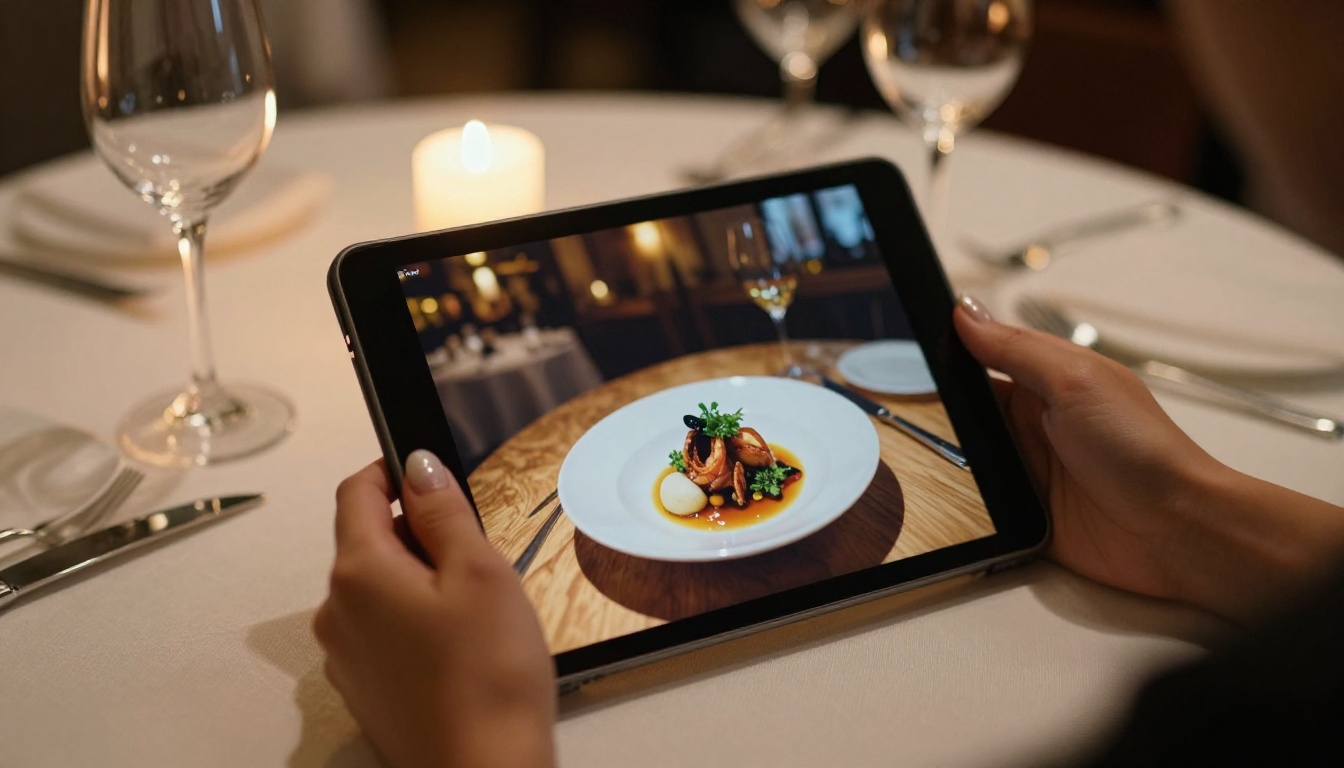
Printed menus are expensive and disposable. PDF menus are hard to read on a phone screen. A digital flipbook menu adapts to any screen size, loads instantly via a QR code scan, shows full-bleed photography of dishes, and can include video of signature cocktails being prepared.
The Restaurant Menu Creator on Flipbooks AI is purpose-built for hospitality businesses that want to move beyond the limitations of static formats. Seasonal menu updates take minutes, not a print run. Specials can be highlighted with visual callouts. Wine pairing suggestions link directly to sommelier notes.
Fashion Lookbooks That Convert
Fashion is a visual language. A PDF lookbook compresses that visual language into a static grid that fails to communicate the movement, texture, and feeling of a collection. An interactive lookbook built on Flipbooks AI uses full-page spreads, page-flip transitions that feel editorial, and direct links to shop each piece on the brand's e-commerce store.
The format works across wholesale (B2B buyers reviewing collections) and retail (consumers discovering new arrivals), making it one of the most versatile marketing assets in the fashion industry.

How to Build Your First Marketing Flipbook
Building your first flipbook requires no design software, no developer, and no technical experience. Here is the process from start to published.
-
Prepare your PDF: Start with any existing marketing material in PDF format, a catalog, brochure, lookbook, menu, or presentation. Export at 300 DPI from your design tool for best results.
-
Create a free account: Go to Flipbooks AI and sign up. The platform supports immediate publishing with no watermarks on paid plans.
-
Upload your PDF: Drag and drop your PDF into the upload interface. Flipbooks AI automatically processes the file, converts each page to a high-resolution digital spread, and applies the page-flip animation. Processing takes seconds for most files.
-
Customize branding and style: From the editor, apply your brand colors to the viewer interface, add your logo, choose a background style (white, dark, or textured), and adjust the page-flip sound settings. Professional plan users also configure custom domain URLs for the published flipbook.
-
Add interactive elements: This is where the real marketing value is built. Add clickable hotspots over products linking to your store, embed video on key spreads, insert a lead capture form on the final spread, and configure sharing settings. Enable password protection for B2B or client-specific material.
-
Publish and distribute: Click publish and receive a shareable URL instantly. Embed the flipbook on your website using the provided embed code (no developer required), share the direct link via email or social media, or generate a QR code for print collateral.
✅ Embed your flipbook on a dedicated landing page with a short intro paragraph. This improves SEO, gives the flipbook context, and creates a trackable URL for campaign analytics.
What the Numbers Actually Show
The engagement gap between PDFs and interactive digital publications is consistent across industries. Interactive content outperforms static documents on every meaningful metric.
| Metric | PDF Average | Interactive Flipbook |
|---|
| Average time on page | 1.5 minutes | 4.2 minutes |
| Pages viewed per session | 3.2 pages | 7.8 pages |
| Return visitor rate | 8% | 31% |
| CTA click-through rate | 0.4% | 6.7% |
| Lead capture rate | 0% (no forms possible) | Up to 12% with embedded forms |
| Social share rate | Near zero | Meaningful organic reach |
These numbers reflect the fundamental difference between a format that people tolerate and one they actively interact with. The page-flip animation creates curiosity. The embedded links create opportunity. The lead forms capture intent. None of that is possible in a PDF.
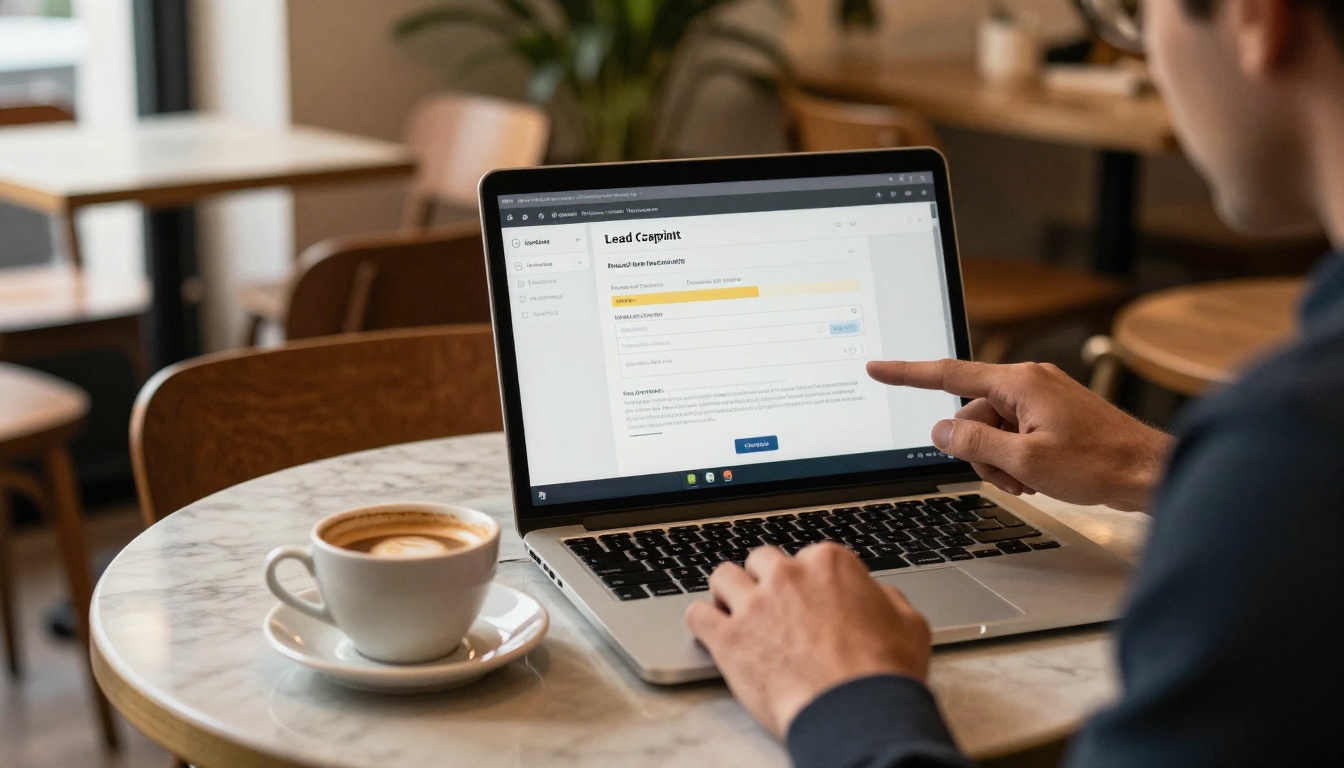
💡 Place your lead capture form on the second-to-last spread, not the last. Readers who reach the end have already self-qualified as highly engaged, making that moment ideal for a conversion ask.
Flipbooks AI Plans at a Glance
| Plan | Flipbooks | Watermark | Analytics | Lead Forms | Offline Download |
|---|
| Free | 1 | Yes | No | No | No |
| Starter | 10 | No | Basic | No | No |
| Standard | Unlimited | No | Standard | No | No |
| Professional | Unlimited | No | Full + Heatmaps | Yes | Yes |
For teams producing multiple marketing assets regularly, the Standard plan offers the best value with unlimited flipbooks and no watermarks. The Professional plan unlocks analytics depth and lead generation tools that make it a direct revenue-generating asset, not just a content format. Check the full pricing breakdown to find the right fit for your business.
Who Should Make the Switch Now
The move from PDF to flipbook format makes immediate sense for any business where marketing content is distributed digitally and where audience engagement drives revenue. That includes:
- E-commerce brands distributing seasonal catalogs and lookbooks to buyers and consumers
- Real estate agencies sharing property portfolios, listing presentations, and buyer guides
- Hospitality businesses distributing menus, hotel brochures, and event programs
- B2B companies sharing sales presentations, pitch decks, and product specification guides
- Publishers and media brands distributing e-magazines, newsletters, and digital reports
- Non-profits sharing annual reports and impact publications with donors and stakeholders
- Educators distributing course materials, training manuals, and student handbooks
The barrier to entry is effectively zero. You already have a PDF. The conversion takes minutes. The publishing is instant.
Stop Sending Files, Start Sharing Experiences
PDFs were a genuine advancement when they arrived. They solved the problem of cross-platform document sharing in a world before reliable internet and responsive design. That problem has been solved, and more importantly, it has been superseded by a much bigger opportunity: creating marketing content that audiences actually enjoy consuming, that captures behavioral data in real time, and that converts passive readers into active leads.
The question is not whether flipbooks outperform PDFs for marketing. The data answers that clearly. The question is how many more sales, leads, and brand impressions you are willing to miss before making the switch.
Ready to publish your first interactive flipbook? Get started for free on Flipbooks AI and have your first publication live in under 10 minutes. Or compare pricing plans if you are ready to go unlimited from day one. Browse the full library of industry-specific tools to find the perfect starting point for your business.



