Your sales deck is competing against every other presentation your prospect has seen this week. Static slideshows with bullet points and plain backgrounds do not close deals in 2025. The format consistently outperforming slideshows across industries right now is the interactive flipbook, and the reasons go well beyond aesthetics. Flipbooks AI has helped thousands of sales professionals replace their outdated decks with immersive, shareable, data-backed digital experiences that prospects actually finish reading.
The Problem with Slideshows in Sales
Slideshows were designed for projection screens in conference rooms. They were never built for the realities of modern sales: remote prospects, asynchronous sharing, and the relentless competition for attention. When you send a PDF or PowerPoint file over email, you have zero visibility into what happens next. Did they open it? Did they scroll past slide 3? You will never know.
The core issue is that slideshows are passive. They ask nothing of the reader, offer no tactile interaction, and provide no sense of progress or momentum. They were built to be clicked through by a presenter in a room, not consumed solo by a busy prospect with three browser tabs open.
Prospects Tune Out Fast
The average attention span during a sales presentation drops significantly after the first few minutes. Static slides offer no interaction, no tactile feeling of progress, and no visual variety beyond static images and text boxes. Prospects click through or abandon entirely because there is nothing compelling them to stay.
A prospect sent a 20-slide PowerPoint might spend two minutes skimming before closing it. That is not enough time to absorb your value proposition, understand your pricing, or feel confident enough to reply.
You Cannot Share a Slideshow Easily
File attachments create friction. Large PowerPoint files bounce off email servers. PDFs open in browser tabs and get closed immediately. You have to hope the recipient has compatible software, the right fonts installed, and enough patience to download a file that might be 20MB or larger. None of this is acceptable when attention is the scarcest resource in sales.
No Insight Into What Prospects Are Doing
This is the biggest blind spot in traditional sales presentations. When you send a static deck, you are operating completely blind. You cannot see which pages resonated, which sections caused drop-off, or whether the prospect shared your materials with a decision-maker. That data gap costs deals.
Every follow-up call becomes a guessing game. "Did you get a chance to look at it?" is a question no sales rep should ever have to ask.

What Makes Flipbooks Different
A flipbook is not just a prettier slideshow. It is a fundamentally different format that draws on how humans interact with physical books and magazines. The page-turn mechanic creates a tactile mental experience even on a screen. The layout supports rich, varied content including video, audio, and embedded links. And critically, it records exactly how people interact with it.
The Page-Turn Effect Is Psychological
There is real cognitive psychology behind why page-turning works. It creates a sense of continuity and forward momentum that clicking through static slides simply does not replicate. When a prospect flips through your sales brochure, they subconsciously feel like they are reading something valuable, something substantial. That perception directly affects how seriously they take your offering.
Physical books have trained humans to associate page-turning with credibility and depth. Digital flipbooks inherit that association and apply it to your sales content. The format alone signals quality before your prospect reads a single word.
Multimedia That Stays Inside the Document
With a static slideshow, videos link out to YouTube and lose your prospect immediately. With a flipbook, video plays directly within the page. Product demonstrations, customer testimonials, and animated feature walkthroughs all stay inside the sales experience. The prospect never leaves your content, never gets distracted by recommended videos, and never loses the narrative thread you have carefully built.
Audio narration works the same way. A flipbook sales brochure where each section includes a short audio explanation is not possible with a slideshow. It is standard with flipbooks.

Flipbooks vs. Slideshows: Side by Side
| Feature | Flipbook | Slideshow (PowerPoint/PDF) |
|---|
| Page-turn animation | Yes, physics-based | No |
| Embedded video | Plays inline, no redirect | Links out or requires plugin |
| Mobile responsiveness | Fully responsive | Often broken on mobile |
| Prospect activity tracking | Page-by-page data | None |
| Shareability | Single URL, no download | File attachment required |
| Password protection | Yes | No (standard PDFs) |
| Custom branding | Full control | Limited without design tools |
| Offline access | Available (Professional plan) | Local file only |
| Lead capture forms | Built-in (Professional plan) | Not possible |
| File size problems | None, cloud-hosted | Large files, email limits |
💡 A flipbook lives at a URL. Your prospect clicks a link and it opens instantly in their browser, on any device, with no downloads or software required.
How Flipbooks Drive Real Sales Results
The difference between a flipbook and a slideshow is not just visual. It is measurable. Sales teams that switch to flipbooks consistently report higher content completion rates and shorter sales cycles, because prospects spend more time with the material.
Higher Time-on-Content
When content has visual variety, page-turn momentum, and embedded multimedia, people stay longer. A prospect who spends eight minutes with your sales flipbook instead of 90 seconds skimming a PDF has absorbed meaningfully more of your value proposition. That depth of attention directly correlates with higher conversion rates.
Interactive formats create what researchers call "active reading behavior." Readers who flip pages rather than scroll feel more invested in the content. They are less likely to abandon midway and more likely to reach your pricing or call-to-action section at the end.
Analytics That Show What Matters
With the Professional plan on Flipbooks AI, you get page-by-page data. You can see exactly which pages your prospect spent the most time on, which sections caused drop-off, and whether they returned for a second viewing. That intelligence shapes your follow-up conversation in a completely different way.
Instead of asking "did you get a chance to look at it?", you can say "I noticed you spent quite a bit of time on our pricing page, I would love to walk you through that section in more detail." That kind of specific, informed follow-up is what converts prospects into customers.

Mobile Access Without Friction
More than 60% of sales content is first viewed on a mobile device. Traditional slideshows break on mobile. Text becomes too small, layouts shift, and the reading experience falls apart entirely. Flipbooks built on Flipbooks AI are fully mobile-responsive by default. Your prospect can flip through your entire sales deck on their phone while commuting, and it looks exactly as intended.
This matters enormously for reaching decision-makers who review materials outside of office hours. If your content does not work on mobile, you are effectively invisible to a significant portion of your audience.

Real-World Sales Scenarios
The shift from slideshows to flipbooks is happening across every sales-heavy industry. Here is how specific sectors use them most effectively:
Real Estate Sales
Real estate agents used to send PDF brochures or walk prospects through PowerPoint presentations of property listings. The agents closing the most deals today use the Real Estate Brochure Creator to build immersive property flipbooks that include interior photography, floor plans, neighborhood detail sections, and embedded virtual tour videos. A prospect can flip through an entire property portfolio on their phone during a lunch break with no friction or downloads required.

Product Catalogs and B2B Sales
B2B sales reps who sell physical products spend enormous amounts on printed catalogs that become outdated within months. With the Product Catalog tool or the Digital Catalog Maker, teams publish and update catalogs instantly, embed product demonstration videos inline, and share a single URL instead of a 40MB PDF. The flipbook stays current, updates are instant, and the data shows which products prospects spend the most time browsing.
Hospitality and Restaurant Sales
Hotels and restaurants pitching to corporate event planners or group bookers need to make a strong visual impression fast. A static PDF of a menu or venue slideshow rarely achieves that. The Restaurant Menu Creator and Hotel Brochure Designer produce richly visual flipbooks that convey atmosphere, quality, and detail in ways that bullet-point presentations never can. Embedded photography and video of dining spaces or event facilities make the pitch immediate and visceral.
Automotive and Dealership Sales
Car dealerships that have replaced static spec sheet PDFs with interactive vehicle flipbooks built using the Automotive Brochure Generator report that prospects arrive at showrooms better informed and more confident. The flipbook does the pre-selling before the in-person conversation even begins.

Turn Your Sales Deck into a Flipbook
This is where the practical advantage becomes undeniable. Converting a slideshow to a flipbook takes minutes.
-
Export your PDF: Take your existing sales presentation or design files and export as a PDF. Canva, InDesign, and PowerPoint all support PDF export natively.
-
Create your account: Go to Flipbooks AI and sign up. The process takes under 60 seconds.
-
Upload with the PDF converter: Use the PDF to Flipbook Converter to upload your file. The platform converts each page automatically, applying realistic page-turn physics throughout.
-
Apply your branding: Set your brand colors, upload your logo, and configure the interface to match your company identity. Your flipbook should feel like a natural extension of your brand, not a generic template.
-
Embed multimedia: Add product videos, testimonials, or audio narration to specific pages. Videos play inline without redirecting your prospect away from your content.
-
Configure sharing and privacy: Add password protection for confidential materials, or generate a public URL for broad distribution. Use the Embed Flipbook on Website tool to place your flipbook directly on a landing page or proposal.
-
Share and watch the data: Send the URL. Once your prospect opens it, your analytics dashboard begins recording their activity across every page.
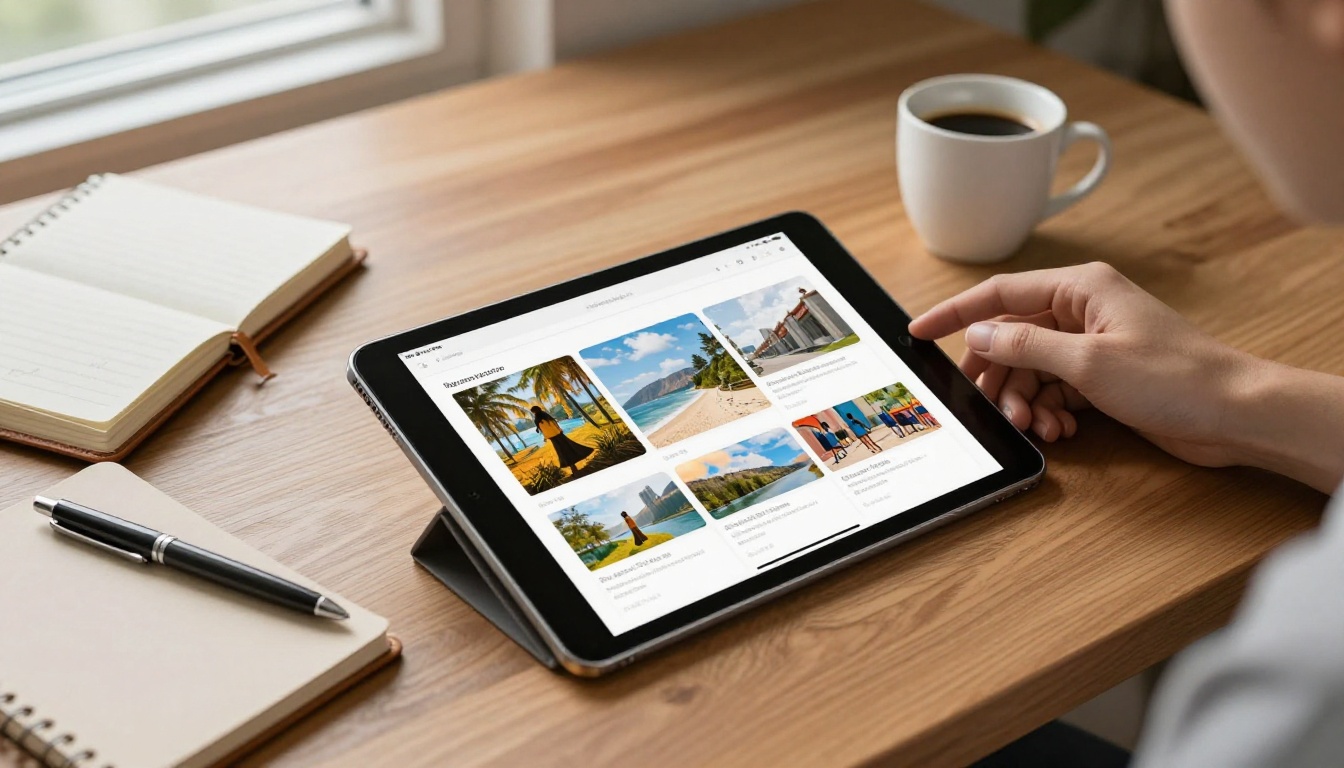
✅ No watermarks on any plan. No downloads required for your prospects. No software compatibility issues to troubleshoot.
Flipbooks AI Plan Comparison for Sales Teams
| Feature | Free | Standard | Professional |
|---|
| Number of flipbooks | 3 | Unlimited | Unlimited |
| Password protection | No | Yes | Yes |
| Custom branding | No | Yes | Yes |
| Prospect activity data | No | Basic | Full page-by-page |
| Lead generation forms | No | No | Yes |
| Offline downloads | No | No | Yes |
| Embedded video and audio | Yes | Yes | Yes |
| Mobile-responsive design | Yes | Yes | Yes |
| Embed on website | Yes | Yes | Yes |
⚠️ If you are using flipbooks for active sales prospecting, the Professional plan's page-level data alone justifies the upgrade. Knowing exactly where a prospect drops off is worth more than the cost difference between plans.
Browse all pricing details to see which plan fits your team's needs.
Who Uses Flipbooks for Sales
Sales presentations do not exist in a vacuum. Every format choice sends a signal to your prospect about how seriously you take their time and how invested you are in the deal. Sending a generic PowerPoint attachment in 2025 signals one thing. Sending a beautifully designed, interactive, mobile-ready flipbook with a clean URL signals something entirely different.
The format becomes part of the pitch.
Flipbooks communicate that your company invests in quality, that you have thought carefully about the prospect's experience, and that you operate at a level that matches what you are selling. None of that is explicitly stated anywhere in the document. It is conveyed entirely by the medium itself.
A well-dressed sales rep sharing an interactive flipbook with a client at a cafe closes differently than one pulling up a slideshow attachment on a laptop. The first feels like a premium experience. The second feels like homework.

Time to Retire the Slideshow
The case against static slideshows for sales is not about preference. It is about performance. Flipbooks hold attention longer, share more easily, work on every device, and provide data that fundamentally changes how you follow up. Every one of those factors has a direct impact on close rates.
The sales teams adopting interactive flipbooks now are building habits and workflows that will define how sales content works for the next decade. The ones still attaching PowerPoint files are dealing with all the friction that comes with a format designed for a different era.

Ready to replace your static slides with something that actually closes deals? Get started for free on Flipbooks AI and convert your first sales deck in minutes. Browse all available tools and templates to find the right fit for your industry. When you are ready for full prospect activity tracking and lead generation, see what the Professional plan includes.



