Gift cards generate billions in retail revenue every year, yet most brands present their gift card catalog as a flat PDF download or a scrollable webpage with zero visual excitement. That gap between how valuable gift cards are and how poorly they're displayed is costing retailers real conversions. Flipbooks AI changes that by turning static catalog files into interactive, page-turning digital experiences that match how modern buyers actually shop.
This isn't about aesthetics for aesthetics' sake. The flipbook format changes how buyers interact with a catalog, how long they stay on it, how often they share it, and ultimately, how many gift cards they purchase.

Why PDFs Kill Gift Card Sales
Gift card catalogs are, at their core, visual products. The design, the colors, the occasion branding, the denomination options: all of these exist to trigger an emotional purchase decision. A static PDF strips away that emotional charge entirely.
What Buyers Actually Expect
When someone shops for a gift card, they're in a giving mindset. They want something that feels premium, personal, and well-presented. A downloadable PDF that opens in a browser tab, requiring manual scrolling and zero tactile feedback, immediately kills that mood.
Digital buyers have been trained by apps, social media, and e-commerce platforms to expect responsive, animated, and visually reactive experiences. A flat catalog simply doesn't meet that expectation anymore.
💡 Retail UX research consistently shows that buyers spend significantly more time on interactive product experiences compared to static document formats, with some studies reporting increases of 40% or more.
How Flat Formats Lose Customers
A PDF catalog requires the buyer to do all the work. They scroll. They zoom. They pinch. On mobile, the experience breaks entirely, especially if the PDF wasn't optimized for smaller screens. Buyers abandon flat catalogs at significantly higher rates than they abandon interactive digital experiences.
For retailers selling gift cards at scale, especially around seasonal peaks like holidays, Valentine's Day, or graduation season, that abandonment translates directly into lost revenue.
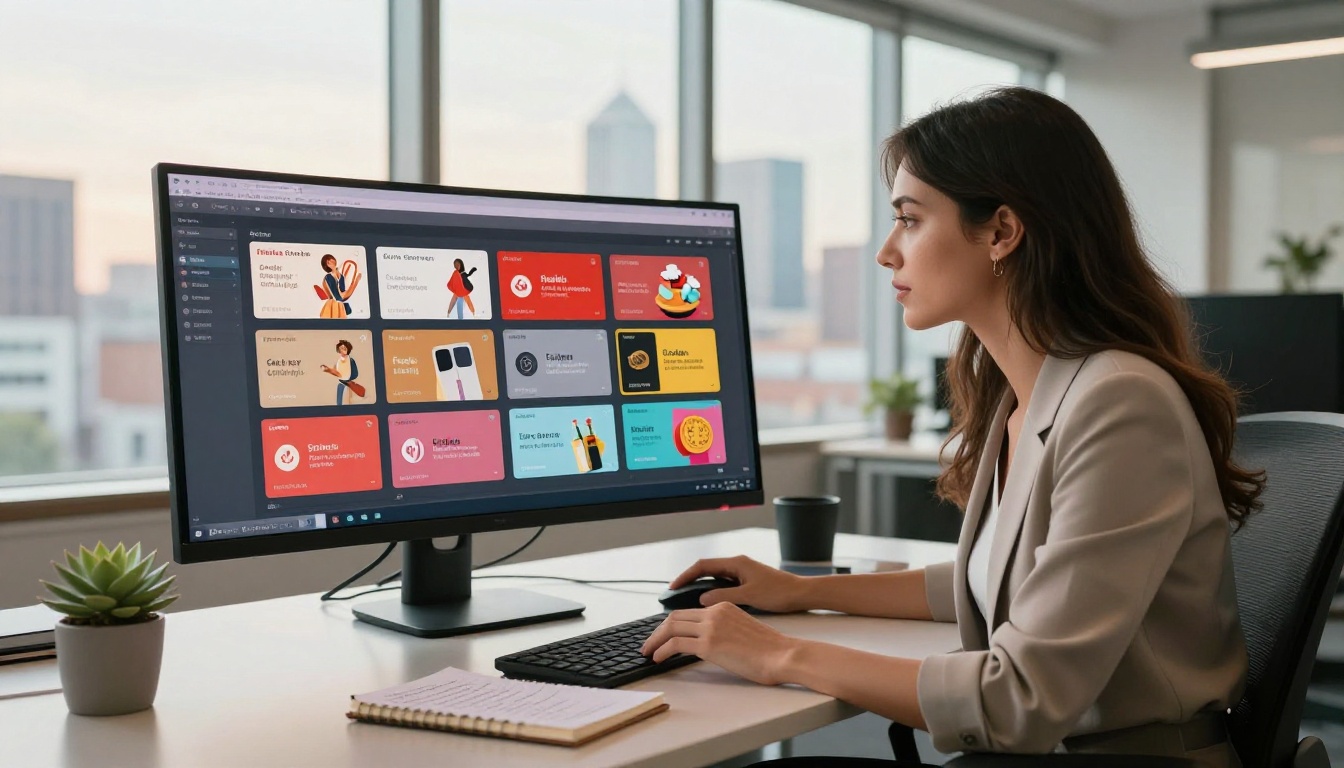
The moment a user opens a flipbook catalog, something clicks. The page-turn animation is not a gimmick. It's a psychological signal that says, "this is worth your time." It mimics the experience of flipping through a physical catalog, which buyers associate with leisure, browsing, and gift shopping.
Page-Turn Animation Matters More Than You Think
The page-curl effect that flipbooks deliver acts as a continuity cue, a visual signal that tells the brain there is more content worth browsing. It creates anticipation. The next page could have exactly the gift card they're looking for.
Static PDFs have no continuity cue. The buyer sees a long scroll and mentally calculates how much effort is required. Most of the time, they decide the effort isn't worth it.
Color and Contrast on Backlit Screens
Gift cards are designed with vibrant colors, gradients, and brand imagery that look spectacular on backlit digital screens. A flipbook format leverages this fully. Each page is displayed at full width, full resolution, with proper color rendering.
In a PDF viewer, those same cards often appear smaller than intended, with incorrect color profiles and no visual breathing room. The difference in perceived quality is dramatic, and that perception shapes purchase intent.
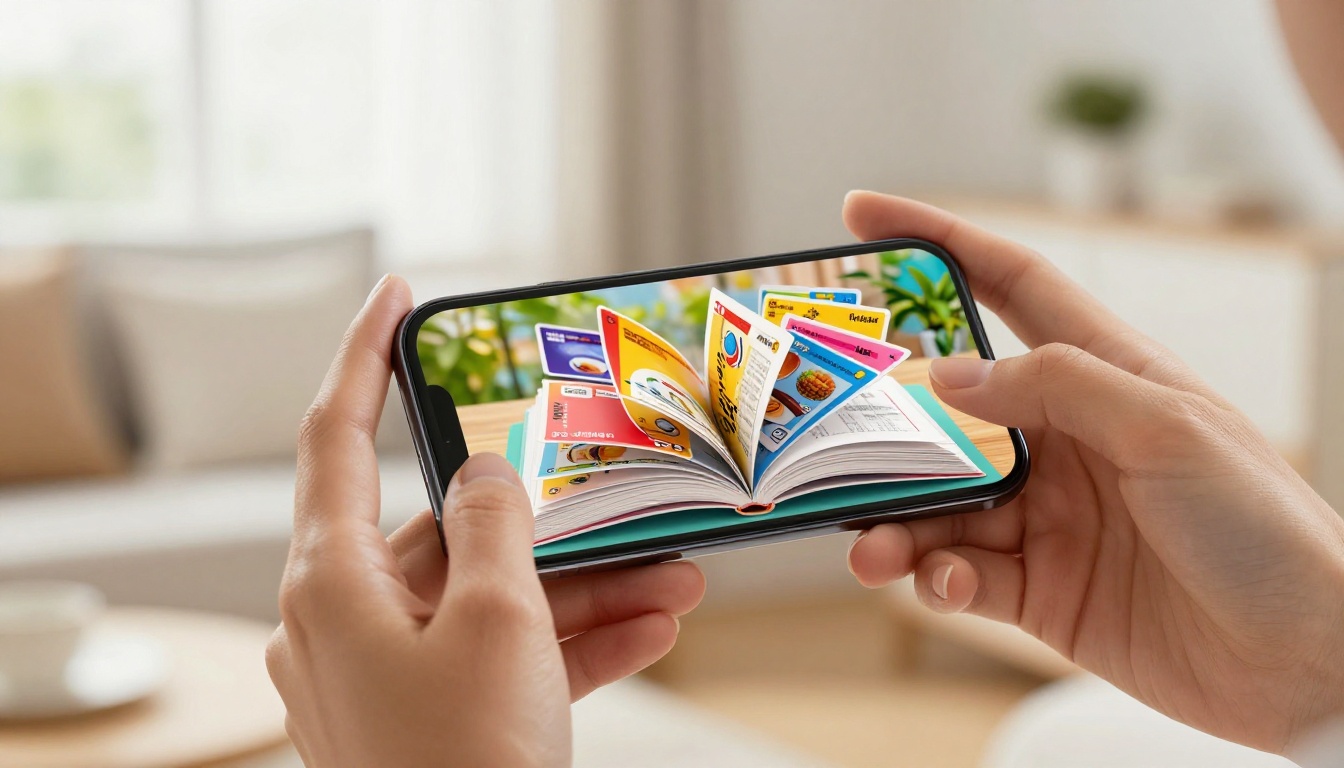
Flipbooks vs. PDFs: A Direct Comparison
The case becomes even clearer when you line up specific factors side by side:
| Feature | Static PDF Catalog | Flipbook Catalog |
|---|
| Mobile experience | Poor, requires pinching and zooming | Fully responsive, touch-friendly |
| Visual presentation | Small, flat, no animation | Full-screen, page-turn animation |
| Shareability | Download link only | Embeddable, shareable direct link |
| Brand customization | None after export | Colors, logo, fonts, custom domain |
| Analytics tracking | None | Page views, click tracking, time per page |
| Interactive media | Not supported | Embedded video and audio supported |
| Password protection | Manual workarounds only | Built-in, one click |
| SEO indexability | Minimal | Full HTML content, linkable pages |
✅ Every dimension where gift card presentation matters, flipbooks win the comparison outright.
The Catalog Flipbook Creator on Flipbooks AI is purpose-built for this exact use case, converting your gift card catalog PDF into a fully interactive digital experience in minutes.

What Most Retailers Are Doing Wrong
Most retailers treat the gift card catalog as a secondary asset. It gets created once, exported as a PDF, uploaded to a website, and forgotten. That approach ignores how buyers actually find and consume catalog content in 2024.
Mistakes That Kill Catalog Performance
- No mobile optimization: Over 60% of gift card browsing happens on mobile devices. A PDF catalog on a phone is a friction-heavy experience that most buyers abandon within seconds.
- No sharing mechanism: Buyers want to share gift card options with friends and family. A PDF can't be embedded in a chat or shared as a clickable preview with a thumbnail.
- No analytics: Retailers have no idea which gift cards buyers look at most, which pages have the highest drop-off, or which denominations generate the most interest.
- No seasonal updates: Re-exporting and re-uploading a PDF for every seasonal campaign is labor-intensive. A flipbook catalog can be updated in real time without redistributing a new file.
- No branding consistency: A generic PDF viewer strips away brand identity. A flipbook catalog carries your colors, logo, and typography throughout the entire browsing experience.
How Format Choice Affects Conversion
Format is not a design decision. It's a conversion decision. When a buyer encounters friction, downloading, zooming, scrolling through small text, they associate that friction with the brand. A smooth, beautiful catalog experience creates the opposite effect: the gift card feels premium before the buyer even looks at the price.

Real-World Use Cases That Work
The flipbook format works across every retail category that sells gift cards. Here are some of the most impactful scenarios where the switch pays off immediately.
Retail Chains and Seasonal Gift Cards
Large retailers running holiday gift card campaigns need a catalog that can be updated quickly and distributed across multiple channels simultaneously. A flipbook catalog can be embedded on the website, shared via email, and linked in social media posts, all from the same source URL. The Digital Catalog Maker makes this possible without any technical resources on the team.
Ecommerce Stores and Digital Gift Cards
Online stores face the additional challenge of making digital gift cards feel tangible and premium. A flipbook catalog, with its physical page-turn metaphor, creates a sense of substance that a static webpage or PDF simply cannot replicate. Buyers browsing gift card options feel like they're leafing through a premium lookbook rather than clicking through flat product thumbnails.
💡 Ecommerce stores using interactive catalog formats report up to 35% longer average session durations on gift card pages compared to static formats, which directly impacts conversion rates and cart values.
Restaurants and Experience-Based Gift Cards
Restaurants and hospitality brands selling experience gift cards, dinner for two, spa days, weekend packages, benefit enormously from the visual storytelling that a flipbook allows. Each page can showcase the atmosphere, the cuisine, or the experience in high-resolution photography, creating an emotional connection that drives purchasing. The Restaurant Menu Creator pairs naturally with gift card catalog pages for a cohesive digital presence.

How to Build a Gift Card Flipbook Catalog
Creating a flipbook catalog for your gift cards is straightforward with Flipbooks AI. Here's how to do it from scratch:
1. Create your account
Head to Flipbooks AI and sign up. No credit card required to start, and your first flipbook can be live within the same session.
2. Prepare your PDF catalog
Design your gift card catalog in any tool you already use: Canva, Adobe InDesign, Illustrator, or even PowerPoint. Export it as a PDF. Make sure each gift card has its own page or section for maximum visual impact per page.
3. Upload and convert
Use the PDF to Flipbook Converter to upload your PDF. The tool converts it automatically into a fully interactive flipbook in seconds. No coding, no technical setup, no waiting.
4. Customize your branding
Add your brand logo, choose your color scheme, and set custom fonts to match your existing brand identity. Flipbooks AI supports full white-label customization so every page feels like your brand, not a third-party viewer.
5. Embed videos and rich media
For experience-based gift cards, embed a short video directly into the relevant catalog page. A 15-second clip of a spa setting or a restaurant ambiance makes the gift card feel genuinely aspirational and worth the price.
6. Set your sharing options
Generate a shareable link, an embed code for your website, or set up password protection for private catalog versions shared with wholesale or corporate buyers. All sharing options are available from your dashboard with a single click.
7. Activate analytics
On the Professional plan, activate page-level analytics to track which gift card designs get the most attention, which pages buyers return to, and where they drop off. This data directly shapes your next seasonal catalog.

Flipbooks AI Plans at a Glance
Choosing the right plan depends on your catalog volume and what your gift card marketing operation actually needs. Here's how the options stack up:
| Feature | Free | Standard | Professional |
|---|
| Flipbooks | Limited | Unlimited | Unlimited |
| Watermarks | Yes | No watermarks | No watermarks |
| Custom branding | No | Yes | Yes |
| Password protection | No | Yes | Yes |
| Embed on website | Yes | Yes | Yes |
| Analytics and tracking | No | No | Yes |
| Lead generation tools | No | No | Yes |
| Offline downloads | No | Yes | Yes |
| Custom domain | No | No | Yes |
⚠️ If your gift card catalog is a core sales asset, the Standard plan is the practical minimum. Watermarks on catalog pages signal "unprofessional" to buyers at first glance, undermining the premium positioning your gift cards are trying to achieve.
For full details on what each plan includes, see the pricing page.
The Sharing and Discovery Advantage
One of the most underrated benefits of converting your gift card catalog to a flipbook is how it changes the distribution math entirely. A PDF is a dead-end asset. Once someone downloads it, it disappears into their downloads folder, never to be shared or opened again.
A flipbook lives at a URL. That URL can be:
- Embedded directly on product pages and dedicated gift card landing pages
- Linked in email campaigns with a visual preview thumbnail that drives click-through
- Shared on social media as a direct click-through with no download required
- QR-coded for in-store displays positioned next to physical gift card racks
- Bookmarked by buyers who return for seasonal purchases throughout the year
This isn't just a convenience improvement. It fundamentally changes how your catalog gets discovered and how many total buyers see it in any given campaign period. A PDF requires active seeking. A flipbook catalog can be passively shared and re-shared across buyer networks with zero friction.
💡 Gift card purchases are frequently social, meaning one buyer shows options to others before making a final selection. A shareable flipbook link is perfectly suited to this buying behavior. A PDF attachment rarely gets forwarded and almost never gets opened by the person it's forwarded to.
For retailers with physical store locations, linking an in-store QR code to a digital flipbook catalog also bridges the gap between foot traffic and digital catalog browsing. Buyers who pick up a physical card in-store can scan to see the full range of options available online, increasing average order value and digital channel adoption simultaneously.

Make the Switch Before Your Competitors Do
The argument for flipbook gift card catalogs is not theoretical. Every measurable dimension of buyer experience, from visual presentation to mobile usability to shareability and analytics, favors the interactive format over the static PDF.
The retailers who act on this now will be the ones who show up in buyer inboxes with a catalog that actually gets opened, shared, and purchased from. The ones who wait will keep watching their PDF download stats and wondering why conversion rates stay flat.
If you're running seasonal gift card campaigns, managing a multi-brand gift card range, or simply trying to sell more gift cards online, your catalog format is worth auditing right now.
Ready to build yours? Create a free account on Flipbooks AI and convert your first gift card catalog in minutes. Browse all catalog tools or check available plans to see which tier fits your catalog volume and campaign goals.



