Something changed in 2025 that accelerated into a full-blown platform migration in 2026: Heyzine users started leaving. Not a trickle, but a noticeable, documented shift of content creators, marketing teams, and small businesses moving their flipbook workflows elsewhere. The reasons are specific, practical, and almost entirely tied to features, pricing, and control.
If you've been using Heyzine and something feels off, you're not alone. This article maps exactly what is driving users to make the switch, what they're finding on the other side, and whether a move makes sense for your situation.
What Heyzine Actually Offers
Before comparing platforms, it's worth being fair about what Heyzine does well. It launched as a simple, accessible PDF-to-flipbook converter with a clean interface and a free tier that made it easy for anyone to publish a digital document.

For solo creators and very small teams with minimal publishing needs, it checked basic boxes. But as publishing expectations shifted in 2025 and into 2026, three specific limitations started becoming dealbreakers.
The Watermark Problem
Heyzine places its branding on flipbooks published under the free plan. This is standard practice for freemium tools, but the friction appears at the upgrade threshold. To remove the watermark, users need a paid plan, and the entry-level pricing often does not include all the features they expected.
Limited Analytics Depth
Teams running marketing campaigns from flipbooks need to know who read what, for how long, and whether a reader converted. Heyzine's analytics sit at a surface level, page views and basic session data, without the lead capture and deeper behavioral tracking that modern marketing stacks require.
Flipbook Count Caps
Heyzine's lower tiers impose limits on how many flipbooks you can have active simultaneously. For agencies managing multiple clients, or content teams publishing weekly, hitting those caps creates workflow bottlenecks and unexpected cost jumps.
The flipbook software market has matured significantly. Where 2022 and 2023 saw a wave of nearly identical tools competing on price, 2026 has filtered the field into platforms with genuinely differentiated feature sets.
Flipbooks AI has emerged as one of the most talked-about alternatives, particularly among users who outgrew Heyzine's limitations. The differences come down to specific features that matter in real workflows.
| Feature | Heyzine Free | Heyzine Paid | Flipbooks AI Standard |
|---|
| Watermarks | Yes | Removed | Never |
| Flipbooks | Limited | Limited by tier | Unlimited |
| Custom Branding | No | Partial | Full |
| Analytics | Basic | Basic | Standard |
| Password Protection | No | Yes | Yes |
| Offline Downloads | No | No | Yes |
| Embedded Video/Audio | No | Limited | Yes |
💡 The no-watermark policy at Flipbooks AI applies from the very first flipbook you create, even on entry-level plans. This single difference has driven a significant portion of the migration.
Why Heyzine Users Are Moving to FlipbooksAI in 2026
The migration is not about one feature. It's about cumulative friction. Here are the specific pain points that repeatedly appear in community discussions, Reddit threads, and user reviews.
Pricing That Scales Fairly
Heyzine's pricing structure penalizes growth. As your publishing volume increases, you're pushed into higher tiers that bundle features you may not need. Flipbooks AI structures its pricing differently, with the Standard plan unlocking unlimited flipbooks upfront instead of metering them per tier.
For agencies and marketing teams, this difference is significant. A team publishing 20 flipbooks per month does not want to recalculate cost-per-flipbook every quarter.
| Plan | Flipbooks | Watermark | Analytics |
|---|
| Heyzine Free | Very Limited | Yes | Basic |
| Heyzine Starter | Limited | Removed | Basic |
| Flipbooks AI Basic | Limited | Never | Basic |
| Flipbooks AI Standard | Unlimited | Never | Standard |
| Flipbooks AI Professional | Unlimited | Never | Full + Lead Gen |
No-Watermark Publishing from Day One

This is the single most mentioned reason in user migration discussions. When you send a client a flipbook with another platform's watermark on it, it signals that you're on a budget tier. For professional presentations, client proposals, and branded publications, that branding creates an immediate perception problem.
Flipbooks AI removes this variable entirely. There are no watermarks on any plan, which means a small business owner or freelancer can publish professional-looking flipbooks without the visual clutter of a third-party brand stamped on their work.
Real-World Use Cases Driving the Switch
The types of users switching are not abstract. Here are specific workflows where the limitations became dealbreakers.
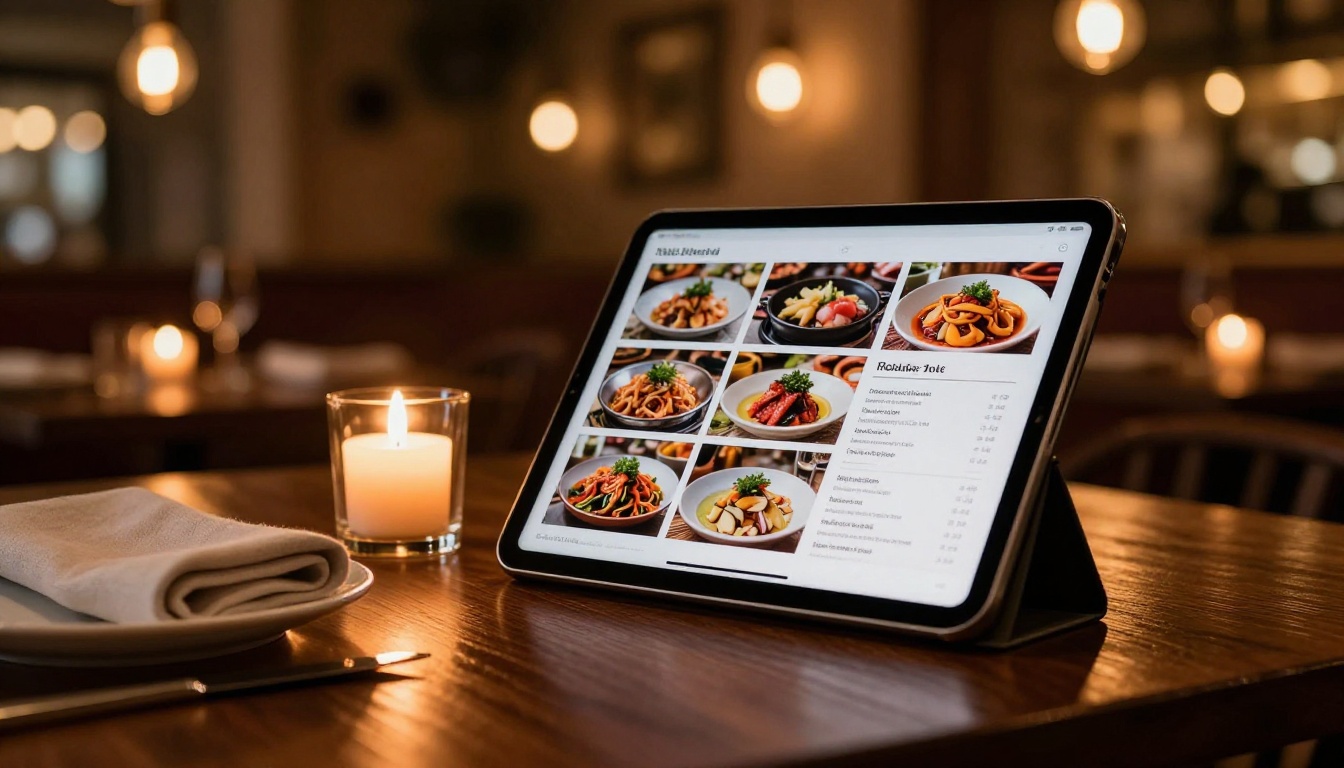
Restaurant owners using Heyzine to publish digital menus found that page limits and watermarks undermined the professional impression they were building. With Flipbooks AI's Restaurant Menu Creator, they publish clean, branded menus that work on mobile and can be updated without reprinting.
Real estate teams sharing property brochures as flipbooks hit Heyzine's file count limits during busy seasons. The Real Estate Brochure Creator at Flipbooks AI lets agents publish unlimited listings with full custom branding, password protection for private showings, and shareable links that work across devices.

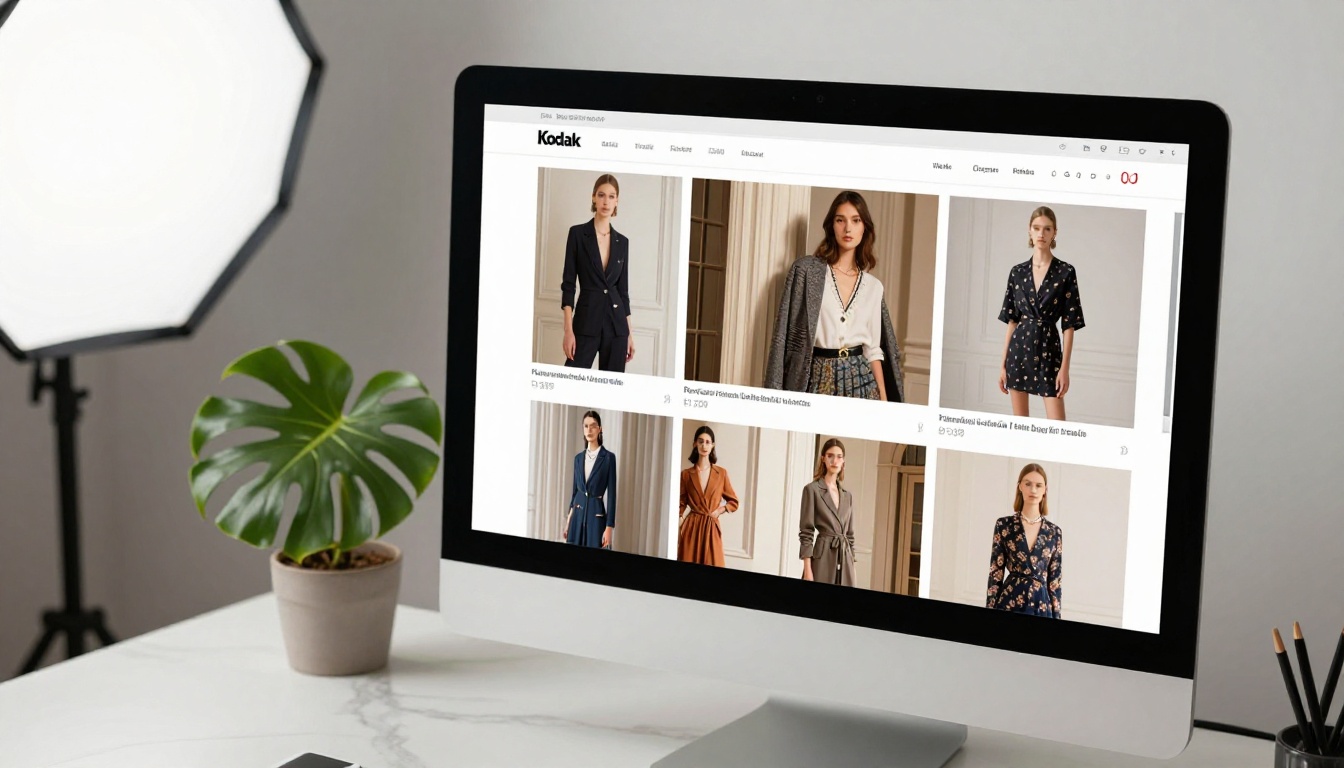
Fashion brands running seasonal lookbooks found Heyzine's video embedding too limited when they wanted to mix editorial photography with short video clips. The Interactive Lookbook Designer at Flipbooks AI supports embedded audio and video natively across all published flipbooks.
Analytics That Actually Help
The shift to data-informed content publishing has made surface-level metrics a real limitation. Knowing that 200 people viewed your catalog is not actionable. Knowing that 40% dropped off after page 3, 15 readers filled out a lead form, and average reading time was 4 minutes, now you have something to work with.

Flipbooks AI's Professional plan includes lead generation tools and behavioral analytics that integrate into standard marketing workflows. This tier is particularly relevant for:
- E-commerce brands tracking which product pages drive the most time-on-page
- B2B sales teams capturing lead information directly from a shared proposal
- Publishers measuring which content sections retain readers longest
- Event organizers tracking reader activity before and after live programs
⚠️ If you're using flipbooks as part of a lead generation funnel, basic page-view data will leave real conversion information invisible. The jump to a plan with lead capture pays back quickly in pipeline clarity.
Sharing and Embedding Done Right
One area where Heyzine offers reasonable functionality is sharing links, but the embedding options have frustrated developers and marketers who need more control over how the flipbook appears within a site.
Flipbooks AI's Embed Flipbook on Website tool generates clean embed codes that work across CMS platforms including WordPress, Webflow, and Squarespace. The responsive behavior on mobile is handled automatically, removing a significant headache for teams who are not developers.

Password protection is available from Standard plans and above, which is important for:
- Internal company reports not intended for public access
- Client proposals with confidential pricing
- Members-only publications and premium content
- Pre-launch product catalogs shared with press under embargo
How to Create Your First Flipbook on Flipbooks AI
If you're already managing PDFs and want to see what the switch looks like in practice, the process is straightforward.
- Sign up at Flipbooks AI. The process takes under two minutes and no credit card is required to start.
- Upload your PDF using the PDF to Flipbook Converter. Files are processed quickly and the page-turn animation is applied automatically.
- Set your branding: Add your logo, choose brand colors, and configure the background and page accent colors. Everything is visual and requires no coding.
- Add multimedia (Standard plan and above): Embed video clips or audio directly onto specific pages for product demos, narration, or promotional clips.
- Set privacy options: Toggle password protection if the flipbook contains private content. Generate your share link or embed code from the same dashboard.
- Publish and distribute: Copy your direct link, use the social sharing options, or paste the embed code into your website. Your flipbook is live immediately.
- Review behavioral data (Professional plan): After 24-48 hours, check the analytics dashboard for page views, reading time per page, drop-off rates, and any leads captured from embedded forms.
✅ For teams migrating from Heyzine, re-uploading existing PDFs to Flipbooks AI takes minutes per document. The most time-consuming step is usually updating shared links in existing materials and communications.
Who Should Stay on Heyzine
This is worth being direct about. Heyzine is not a bad tool in absolute terms. For specific use cases, it still makes sense:
- Hobbyist creators publishing occasional personal projects with no client-facing requirements
- Students who need a simple PDF viewer with a flipbook look and have no commercial intent
- Teams already on paid Heyzine plans with workflows fully built around it, where switching costs clearly outweigh feature benefits
If none of these describe your situation, the calculus starts tipping toward switching.
The Multi-Device Reality in 2026
Content now gets consumed across phones, tablets, laptops, and large monitors within the same user session. A flipbook that looks polished on desktop but breaks the layout on mobile loses half its audience immediately.
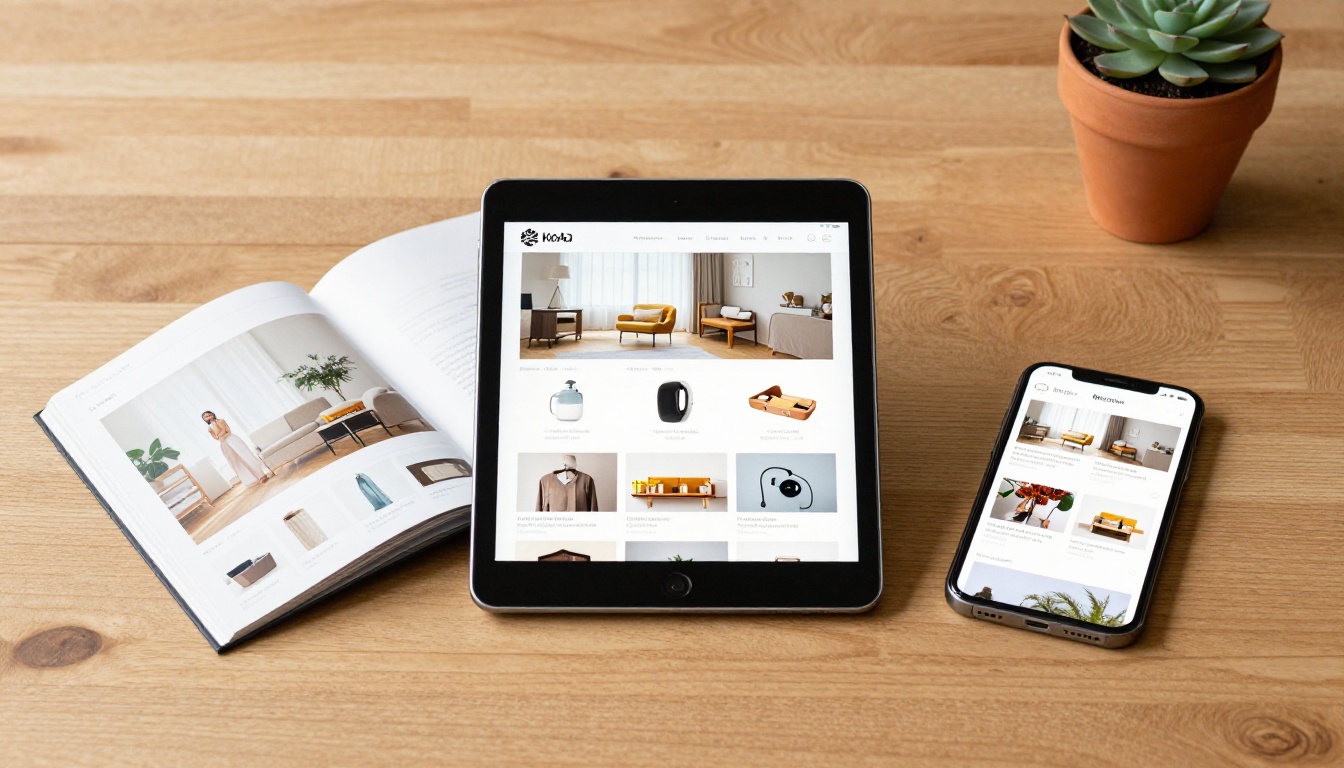
Flipbooks AI is built with mobile-responsive design as a baseline, not an add-on. The flipbook experience adapts automatically to the screen size of the reader without any configuration required. This matters particularly for:
- Product catalogs shared via social media, where most clicks happen from mobile
- Event programs opened on phones during live events
- Educational materials accessed by students across varied devices
- Real estate listings viewed on tablets during property tours
One significant difference between the two platforms is the breadth of specialized tools available. Rather than a single generic converter, Flipbooks AI offers purpose-built tools for specific content types, each with templates and formatting appropriate to the use case.
Browse the full tools directory to find the one that fits your specific publishing workflow.
Making the Move
The migration itself is not technically complex. Your existing PDFs are the assets, and they transfer directly. The steps most users follow:
- Export or download your existing PDFs from Heyzine
- Create your Flipbooks AI account
- Upload PDFs using the PDF to Flipbook Converter
- Recreate any custom branding settings (logo, colors, backgrounds)
- Generate new share links and update them in existing distribution channels
- Replace any embedded flipbooks on websites with the new embed codes
The majority of migrations happen within a single working session for teams with under 20 active flipbooks. Larger archives take longer, but the process is repetitive and straightforward.
💡 Start with your highest-traffic or most client-facing flipbooks first. Get those running cleanly on the new platform before migrating legacy content.
The shift happening in 2026 is a practical response to a widened feature gap. Users who need professional-grade publishing tools are choosing platforms built for that scale. If you're ready to stop working around limitations, create your account and see what the difference looks like in your own workflow. Compare pricing plans to choose what works for your publishing volume.



