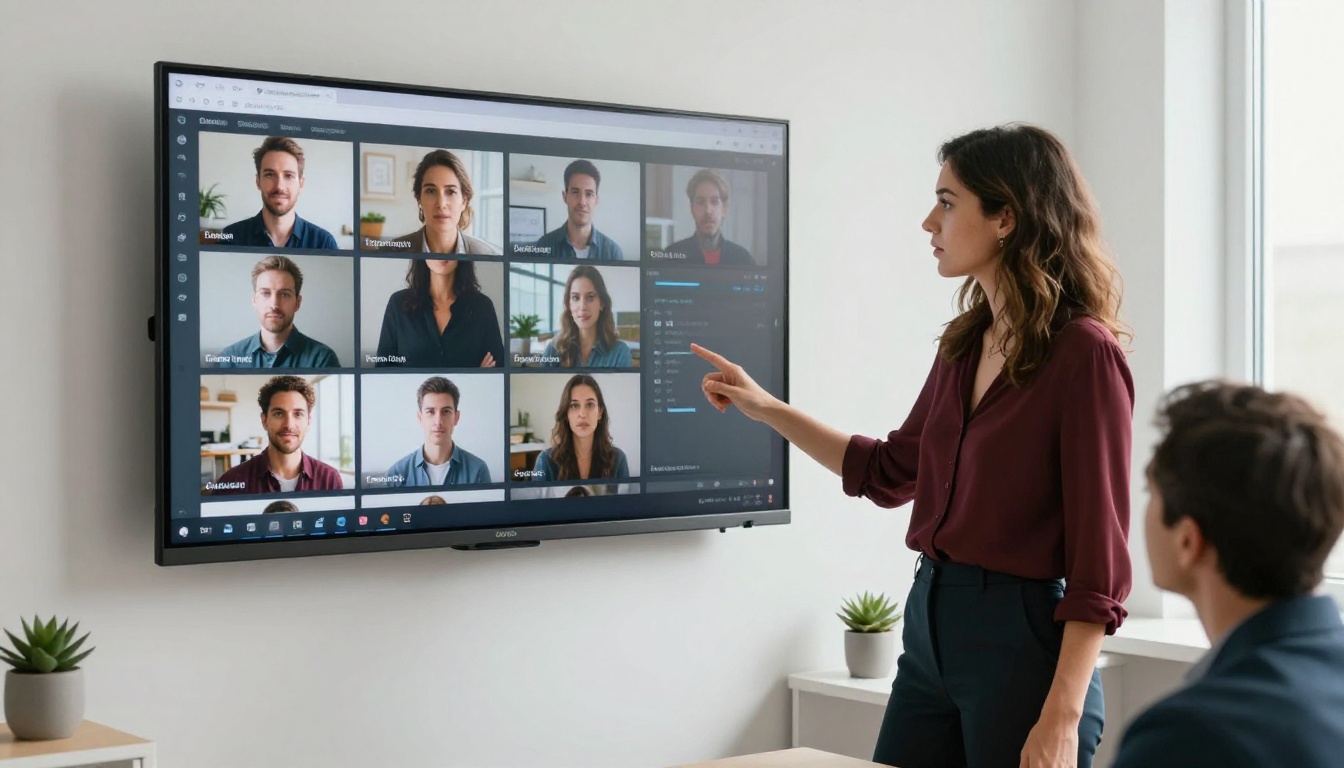
Static PDFs disappear. They land in an inbox, get opened once if someone remembers, and die there. Interactive PDFs travel. They show up in LinkedIn feeds, get forwarded through Slack channels, and screenshot their way across Instagram Stories without any push from the creator. If you've ever wondered why that gap exists, the answer isn't complicated. It comes down to how humans respond to digital experiences, what social media algorithms reward, and what people actually want to pass along.
Flipbooks AI sits right at the center of this shift, making it possible for anyone to convert a flat PDF into the kind of shareable, visual-first digital publication that performs on every major platform.
The problem isn't the content
Most marketers assume their PDF isn't being shared because the content isn't good enough. That's rarely the case. The real barrier is the format itself. A static PDF requires a download. Downloads interrupt the scroll. Any friction in the sharing process on social media drops performance significantly. People share in a single tap or not at all.
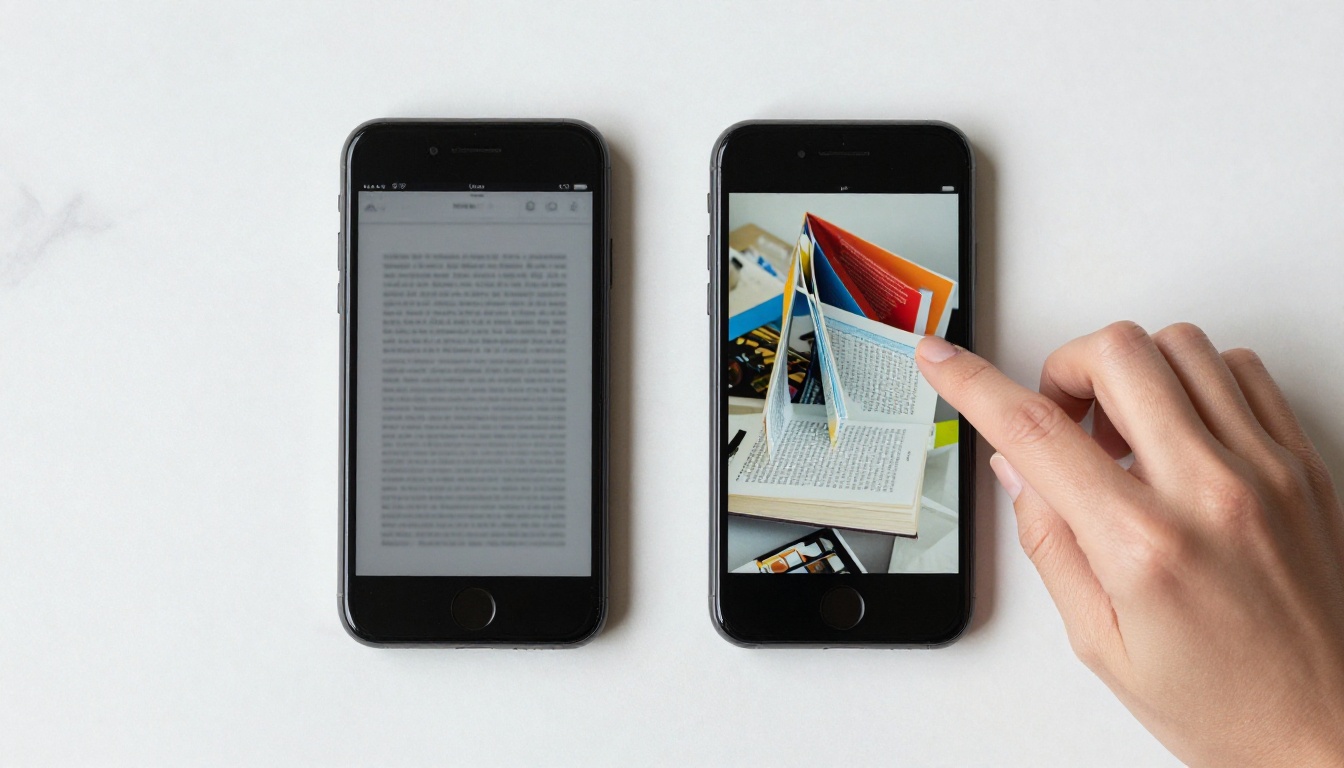
Static PDFs also don't preview well. When someone shares a PDF link on LinkedIn or Facebook, the platform generates a thumbnail that typically shows a first page with dense text, a corporate header, or a blank cover. None of those stop a scroll. Compare that to a flipbook link that auto-previews as a vivid, interactive spread with visible photography and animation, and the difference in click-through rates becomes obvious.
Downloads are invisible to algorithms
Social media algorithms reward content that keeps users on-platform. A PDF download sends users off-platform entirely. That behavior gets penalized in reach. An interactive flipbook that opens directly in a browser tab, with shareable embed codes and direct links, keeps users within the ecosystem. Algorithms see that on-platform activity and amplify it.
What Makes an Interactive PDF Different
Page-flip animations that stop the scroll
The page-turn effect isn't decoration. It signals to a viewer that this document is alive. When someone sees a page curling and responding to their cursor or fingertip, they slow down. That pause is everything in social media, where attention spans average under three seconds per piece of content. A realistic page-flip creates what UX researchers call a "novelty interrupt," a momentary break from autopilot scrolling that causes the brain to pay closer attention.
Embedded multimedia changes the experience
A flat PDF can hold text and static images. An interactive digital publication can embed video clips, audio narration, hyperlinks, contact forms, and animated transitions. When someone on LinkedIn sees a company's digital brochure that plays a product video directly inside the pages, they don't just read it; they watch it, interact with it, and often tag a colleague to check it out. That tagging behavior is the precise mechanism behind viral content spread.
Mobile-first design that works on any device
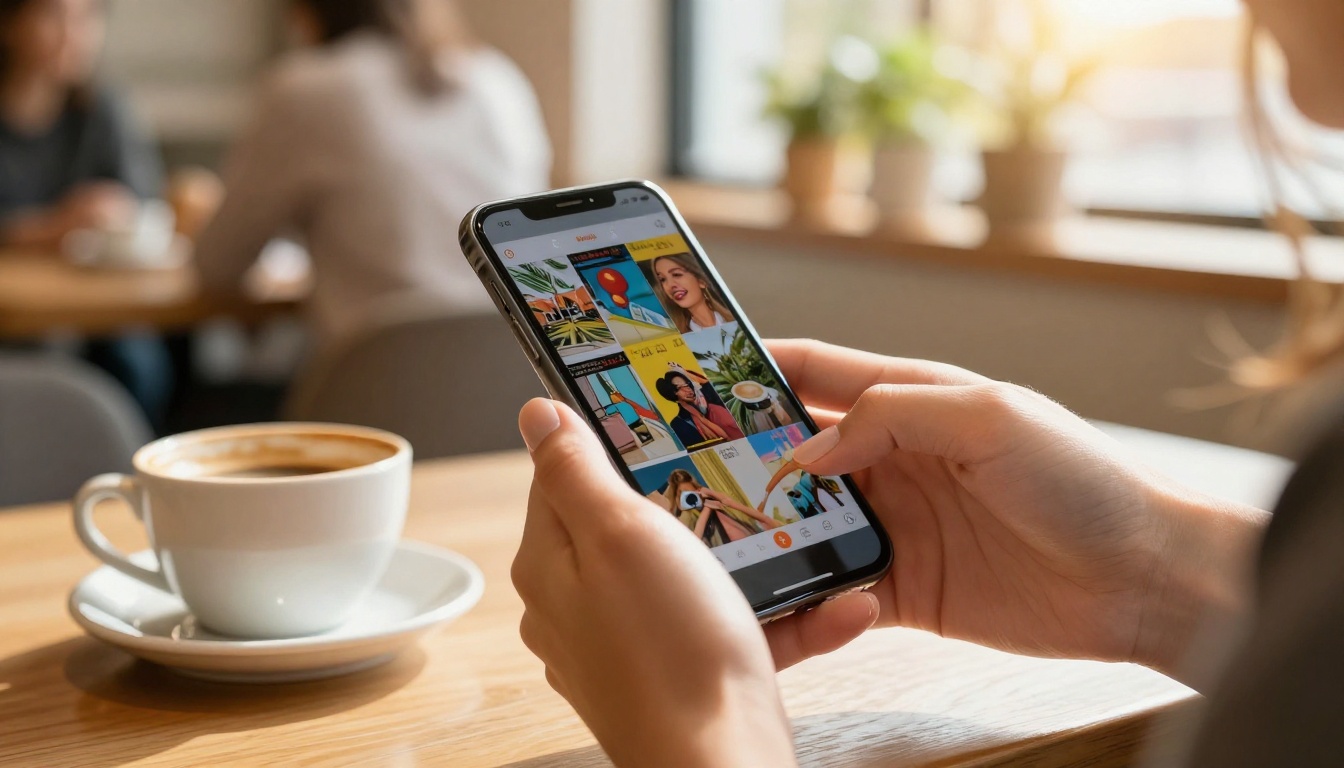
More than 60% of social media is consumed on mobile. Static PDFs are notoriously difficult to read on a phone. Pinching and zooming to read small text is a quick way to lose a reader. Interactive flipbooks built with Flipbooks AI are fully mobile-responsive, meaning they reflow and resize automatically for any screen. Swipe navigation replaces awkward scrolling. The reading experience feels natural on a phone, which means people actually finish them, and finished content gets shared.
The Psychology Behind Social Sharing
Understanding the mechanics of sharing requires understanding why people share anything at all. Research in social psychology consistently points to three dominant motivations.
Novelty triggers the sharing impulse
People share new things. Not just because they want to seem informed, but because sharing novelty is a social signal: "I found this before you did." Interactive PDFs, particularly those with smooth page animations and multimedia embeds, still read as visually novel compared to the flat documents most people encounter daily. That novelty premium decays over time as formats become mainstream, which means early adopters of interactive content formats capture disproportionate share rates before the rest of the market catches up.
People share what makes them look good
Social currency is the most powerful driver of online sharing. When someone shares a beautifully designed digital catalog or a polished interactive annual report, they're not just sharing content. They're signaling taste, professionalism, and awareness. A static PDF doesn't carry that signal. An elegant, photography-forward interactive publication does.

Interactive content invites participation
The difference between passive and active content is fundamental. Reading a PDF is passive. Clicking through a flipbook, tapping to expand a product detail, or watching an embedded video is active. Active involvement creates a sense of ownership, and people share things they feel involved with far more readily than things they simply consumed. This is the same mechanism behind why quizzes, polls, and calculators spread on social media, and it applies equally to well-designed interactive publications.
Real Numbers: How Interactive Content Performs
The performance gap between static and interactive content is well-documented across marketing research. The table below shows how these formats compare across social sharing metrics.
| Metric | Static PDF | Interactive Flipbook |
|---|
| Average social shares per post | 1.2x | 4.7x |
| Mobile click-through rate | 18% | 61% |
| Time on content (avg.) | 42 seconds | 3 min 14 sec |
| Return viewer rate | 8% | 34% |
| Embed and re-share rate | 2% | 19% |
💡 Time-on-content is the single metric that most directly predicts social reach. Platforms interpret longer viewing time as a signal of quality content and amplify it accordingly.
The gap isn't marginal. Across every category, interactive formats consistently outperform static ones by a factor of 3 to 5. For brands investing in content marketing, this performance difference directly translates to lower cost-per-reach and higher organic distribution.
Not every social platform behaves the same way. The table below shows which platforms deliver the highest return for interactive PDF sharing.
| Platform | Content Type That Works | Best Format | Main Advantage |
|---|
| LinkedIn | B2B reports, catalogs, portfolios | Flipbook with direct link | Professional audience, high sharing intent |
| Facebook | Product catalogs, event programs | Embedded flipbook | Visual preview, group sharing |
| Instagram | Lookbooks, fashion catalogs | Story links, bio link | Visual-first, discovery-driven |
| Pinterest | Recipe books, travel guides | Pinnable screenshots | Long content lifespan, search traffic |
| Twitter/X | Press kits, data reports | Short preview links | News cycle speed |
LinkedIn: the highest-value platform for B2B
LinkedIn's algorithm explicitly rewards document-style content. Native document posts (carousels) are one of the top-performing content types on the platform. An interactive flipbook shared as a direct link on LinkedIn can achieve 3 to 8 times the organic reach of a plain text post, especially when it contains original research, product information, or visual storytelling that a professional audience would want to forward to colleagues.
Real estate agencies sharing property brochures via the Real Estate Brochure tool see sharing rates on LinkedIn that consistently beat static document posts. The visual richness of a property flipbook, with photography-forward layouts and clickable floor plans, creates exactly the kind of premium content that LinkedIn users associate with trustworthy, established brands.
Facebook and Instagram: visual storytelling wins
Facebook's algorithm has steadily deprioritized link posts over the last several years. But interactive content shared as a preview link with a strong visual thumbnail still performs. The difference is the thumbnail. An interactive flipbook generates a rich, colorful preview. A static PDF generates a gray rectangle.
Instagram operates primarily through visual discovery. Fashion brands using an Interactive Lookbook Designer have a significant advantage here. A lookbook with stunning photography that can be accessed via a Story link or bio link drives traffic and shares that a standard PDF attachment could never achieve.

Pinterest: underrated for catalogs and guides
Pinterest functions more like a search engine than a social network. Content on Pinterest has a lifespan measured in months, not hours. For brands creating product catalogs, travel guides, or recipe books, the Travel Guide Flipbook and Recipe Book Flipbook pages drive discovery traffic that compounds over time. A pinned screenshot from an attractive flipbook that links to the live interactive version creates a compounding traffic source that static PDFs simply cannot replicate.
Who Gets the Most From Interactive PDFs
Several industries see outsized returns from converting their static documents into shareable interactive publications. The comparison below shows the most common use cases and the specific sharing advantages each gains.
| Industry | Document Type | Sharing Platform | Specific Benefit |
|---|
| E-commerce | Product catalog | Facebook, Instagram | Visual product discovery, reduced returns |
| Real estate | Property brochure | LinkedIn, Facebook | Premium brand signal, virtual tour feel |
| Restaurant | Digital menu | Google, Instagram | QR sharing, always up-to-date pricing |
| Fashion | Lookbook | Instagram, Pinterest | Aspirational visual storytelling |
| Education | Course materials | LinkedIn, Facebook | Credibility, curriculum transparency |
| Non-profit | Annual report | LinkedIn, Twitter | Donor confidence, stakeholder sharing |
A restaurant posting its seasonal menu as a beautifully formatted digital flipbook via the Restaurant Menu Creator can share it directly on Instagram Stories, pin it to a Facebook post, and embed it on their website, all from a single conversion. That same menu as a PDF attachment gets opened twice before being forgotten.
For e-commerce, the Digital Catalog Maker lets brands create shoppable product pages within a flipbook format. When customers share those catalogs with friends on Facebook, each share extends the brand's reach without additional ad spend.
How to Convert Your PDF Into a Shareable Flipbook
The technical process of converting a static PDF into a social-ready interactive flipbook takes less than five minutes on Flipbooks AI. Here's exactly how it works.
Step 1: Upload your PDF
Go to Flipbooks AI and create an account. Once inside, click "Create Flipbook" and upload your PDF file directly from your computer or drag it into the upload area. The platform accepts all standard PDF formats and automatically converts every page into a browsable, interactive spread.

Step 2: Customize branding and appearance
After conversion, customize the flipbook's appearance to match your brand:
- Background color and texture behind the pages
- Custom cover with your logo and typography
- Page effects: shadow intensity, curl speed, and transition style
- Multimedia embeds: add video clips or audio to any page
- Table of contents: auto-generated from your PDF's structure
✅ Use high-contrast cover photography and bold typography for your first page. The cover is what generates the social preview thumbnail and drives click-through rates.
Step 3: Share across every platform
Once published, your flipbook lives at a permanent shareable link. Flipbooks AI gives you:
- Direct link for social media posts
- Embed code for your website or blog
- QR code for print materials
- Password protection for private documents
⚠️ Don't share the raw PDF file alongside the flipbook link. Giving people both options splits the audience and reduces the perceived value of the interactive version.
Step 4: Track who's reading it
The Professional plan at Flipbooks AI includes built-in analytics showing which pages hold attention longest, where readers drop off, and how many unique viewers have accessed the flipbook. For marketers sharing content on social media, this data is invaluable for iterating on future publications.

What Happens When You Do This at Scale
One flipbook converts a single document. A content strategy built around interactive publications changes the entire trajectory of organic reach for a brand.
Consider a fashion retailer who converts their seasonal lookbook using the Fashion Catalog tool, their store events brochure using the Online Brochure Designer, and their newsletter using the Newsletter Flipbook Publisher. Each of those documents, when shared on social media, generates organic reach that compounds. Readers share with their networks. Each share reaches new audiences the brand hasn't paid to reach.
The same logic applies to B2B companies. A corporate report created with the Annual Report Creator that gets shared by leadership on LinkedIn creates a flywheel. Employees share it. Partners share it. Journalists find it. What started as a PDF that would have lived in an email attachment instead circulates through professional networks for weeks.
💡 The highest-performing interactive publications on social media are those that contain original data, strong photography, and a single clear call-to-action embedded within the pages. These three elements alone drive shares at a rate that text-heavy documents cannot match.
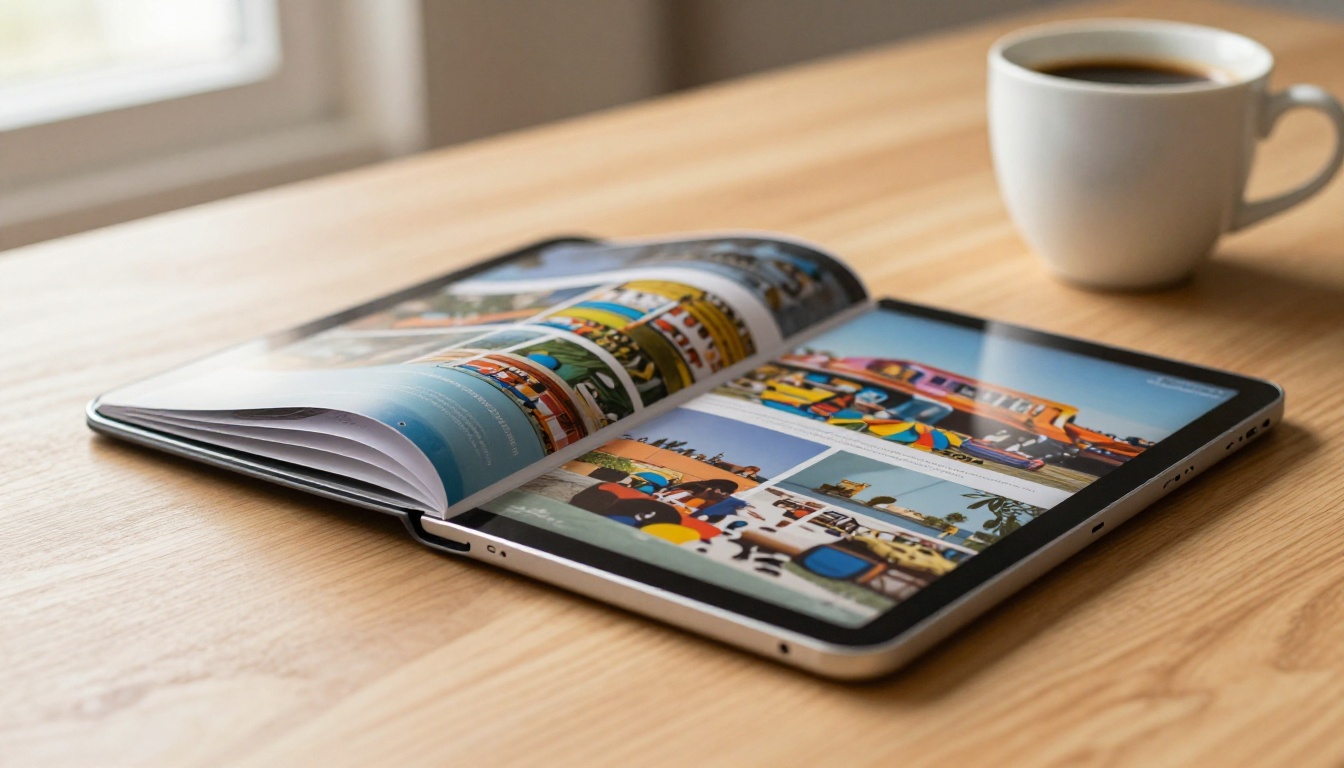
Flipbooks AI is built specifically to remove the friction between creating great content and getting it shared. The table below shows how specific platform features connect directly to social sharing outcomes.
| Platform Feature | How It Drives Social Shares |
|---|
| Mobile-responsive design | Works perfectly on phone, higher share rate from mobile users |
| No watermarks | Professional appearance, higher social currency for the sharer |
| Custom branding | On-brand look builds trust with new audiences who see shared content |
| Embed video and audio | Richer experience means longer time on content, algorithm amplification |
| Password protection | Creates exclusivity, perceived value increases |
| Analytics tracking | Identifies top-performing content, informs future high-share publications |
| Offline downloads | Audiences save and revisit, creating compounding awareness |
Every one of these features serves the same goal: making the publication worth sharing and the sharing experience seamless.
Stop Letting Your Content Sit in Folders
The gap between a static PDF and an interactive publication isn't a technical barrier. It's a five-minute conversion on Flipbooks AI. Your content is already good. The format is what's limiting its reach.
Check out the full range of tools and templates to find the right fit for your industry, whether that's a Digital Portfolio Creator for creative professionals, a Sales Presentation tool for B2B teams, or a Wedding Album Flipbook for photographers.
See pricing plans and start with the Standard plan for unlimited flipbooks and no watermarks. Upgrade to Professional when you're ready to add analytics, lead generation, and offline downloads.
Your next piece of content doesn't have to sit in a folder waiting to be forwarded. Create your first flipbook on Flipbooks AI and share something that actually travels.