Investors receive hundreds of pitch decks every week. Most of those decks arrive as PDF attachments, get opened once in a dark browser tab, and never earn a second look. If you have been sending your fundraising materials as a static PDF and wondering why follow-up calls feel lukewarm, the format itself may be working against you. Flipbooks AI exists precisely because the medium shapes the message, and in investor relations, that gap between a flat document and an interactive flipbook can mean the difference between a meeting and silence.
What Investors Actually Do With Your PDF
The average venture capital firm receives between 1,000 and 3,000 pitch decks per year. Partners rarely read them front to back. They skim. They forward. They share internally and ask associates for a summary. A static PDF survives this process poorly: page layouts break across devices, embedded fonts fail to render, and there is no way to know whether anyone even opened the attachment beyond the first slide.
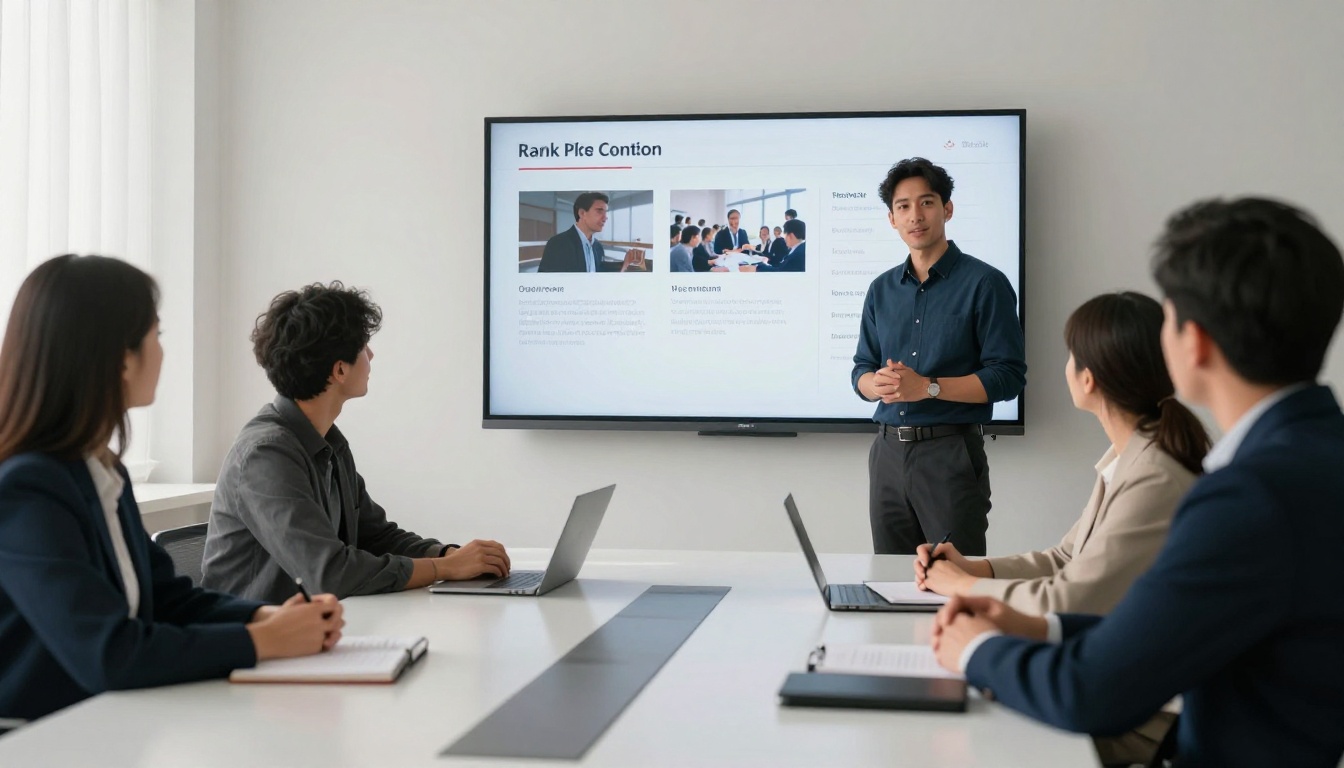
The friction starts before anyone reads a single word. PDFs require a download, an app, or a browser plugin. On mobile, the experience is often broken columns, pinch-to-zoom navigation, and lost formatting. Investors reviewing decks between meetings, on a phone, in a car, simply move on.
A flipbook solves every one of these problems at the format level. It opens in any browser, on any device, with no download required. It looks exactly the same whether viewed on a 27-inch monitor in a boardroom or a 5-inch phone screen in an airport lounge. That consistency is not a small thing. It signals that the founder cares about the reader's experience, which is precisely the signal investors want to see in someone they are about to trust with capital.
The Real Difference: Static vs. Interactive
It is tempting to think of this as a cosmetic distinction. It is not.

| Feature | Static PDF | Interactive Flipbook |
|---|
| Mobile rendering | Often broken | Fully responsive |
| Download required | Yes | No |
| Page analytics | None | Per-page view tracking |
| Embedded video | Rarely works | Native support |
| Shareable link | Attachment only | Direct URL |
| Password protection | Rarely available | Built-in |
| Page-turn animation | None | Smooth, realistic |
| Branding control | Limited | Full customization |
| Lead capture | Not possible | Built-in forms |
| Offline access | Requires download | Optional offline mode |
Every row in that table represents a real friction point that investors encounter when reviewing your materials. Remove enough friction and the deck gets read. Add enough friction and it gets archived.
💡 Founders who send a flipbook link instead of a PDF attachment typically see 40-60% higher open rates because there is no download barrier between the investor and the content.
Why Analytics Change Everything
One of the most overlooked advantages of a flipbook over a PDF is visibility into reader behavior. With a static PDF, you have no idea whether the investor opened it, which pages they spent time on, whether they shared it with a partner, or where they dropped off.

With Flipbooks AI, analytics on the Professional plan give you per-page view data. You can see if an investor spent four minutes on your financials slide, which tells you they are serious. You can see if they skipped the team page entirely, which tells you that is the objection you need to address in your follow-up call. This is information that fundamentally changes how you run the fundraising process, and no PDF can offer it.
⚠️ Following up with a generic "just checking in" email is far less effective than leading with what you actually know: "I noticed you spent significant time on our unit economics slide. Happy to walk you through the assumptions in more detail."
Analytics also tell you when your deck is being shared internally. If a link gets opened twelve times in two days from the same firm, that is a strong signal that your deal is being discussed at a partner meeting. You would never know this from a PDF attachment.
How Investors Forward and Share Decks
Fundraising is a social process inside a VC firm. A junior associate may see your deck first. They pass it to a senior partner with a summary. The partner opens it during a commute. A general partner may share it with an advisory board member. Every handoff is a point of failure for a static PDF.
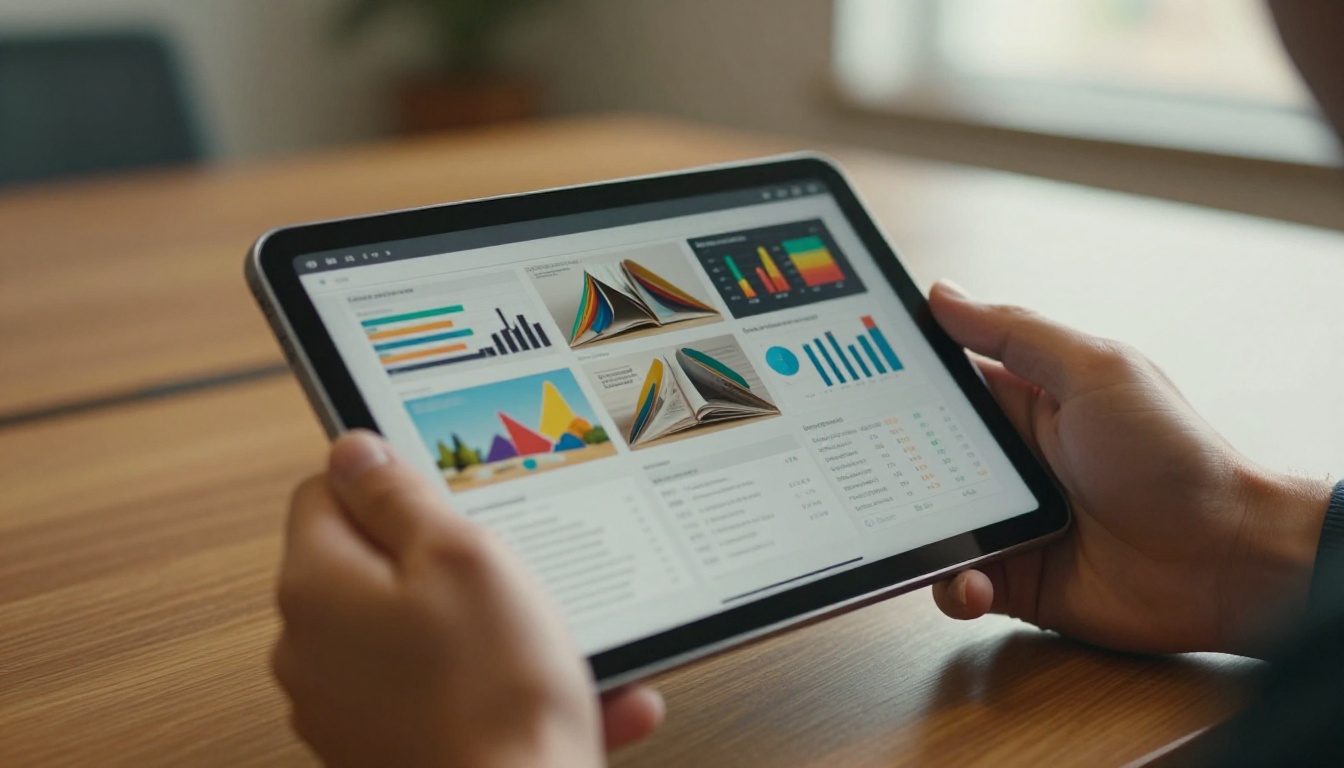
A flipbook link is frictionless at every stage of that chain. Copy the URL, paste it into Slack, and it opens cleanly for whoever receives it. No attachment size limits. No "I can't open this PDF on my phone." No formatting that collapses on a different operating system.
Password protection adds another layer of value here. If your deck contains sensitive financial projections or unreleased product information, you can share a protected flipbook that only authorized viewers can access. That level of control simply does not exist with an email attachment.
✅ Best practice: Create two versions. One protected flipbook with full financials for serious conversations, and one open-access version with your core story for first introductions.
What Pitch Deck Design Signals About You
Investors are pattern-recognition machines. They are not just evaluating your market size and revenue model. They are evaluating you as an operator. The quality and format of your pitch deck is a direct proxy for how you think about product, user experience, and attention to detail.

A founder who sends a well-designed, mobile-optimized, analytics-enabled flipbook is signaling that they:
- Think about the experience of the person on the other side
- Use modern tools rather than defaulting to legacy workflows
- Care about presenting their company in the best possible light
- Have the operational taste to build a product that users will love
A founder who sends a bulky PDF attachment is signaling the opposite, whether they intend to or not.
| Signal | PDF Sends | Flipbook Sends |
|---|
| Format awareness | "I used what was default" | "I chose what works best" |
| User empathy | Low | High |
| Attention to detail | Inconsistent | Deliberate |
| Tech savviness | Passive | Active |
| Professionalism | Standard | Above standard |
This is not about being flashy. It is about respecting the investor's time and experience, which is the most professional thing a founder can do.
Embedding Video in Your Pitch
A PDF cannot reliably play video. An investor who opens your deck expecting to see a product demo embedded in slide seven will see a broken link, a missing plugin warning, or simply nothing at all.

With a flipbook, you can embed video directly into the relevant pages. Investors can watch your product demo, a customer testimonial, or a founder's message without leaving the deck. This turns a passive read into an active experience, which increases time-on-page and keeps investor attention where you need it.
The Presentation Flipbook Designer on Flipbooks AI is built specifically for this use case, with native support for embedded audio and video alongside your existing PDF slides.
Flipbooks for Different Fundraising Stages
The format requirements shift slightly depending on where you are in the fundraising cycle.
| Stage | Format Priority | Key Pages |
|---|
| Pre-seed | Story, vision, team | Problem, solution, founder bios |
| Seed | Traction, market size | Metrics, market analysis, ask |
| Series A | Revenue model, unit economics | P&L, cohort data, growth projections |
| Growth | Scalability, moat | Competitive landscape, expansion plan |
At every stage, a flipbook outperforms a PDF because it maintains formatting integrity across all the devices and contexts where investors will actually consume it.
💡 For Series A and beyond, the analytics feature becomes especially valuable. Investors at this stage are rigorous, and knowing exactly which part of your financial model they are scrutinizing lets you walk into follow-up conversations fully prepared.
How to Create Your Investor Flipbook
Getting your pitch deck into flipbook format is a straightforward process. Here is how to do it using Flipbooks AI:
1. Create your account
Go to Flipbooks AI and sign up. No credit card is required for the free tier, which lets you test the platform before committing.
2. Upload your PDF
Use the PDF to Flipbook Converter to upload your existing pitch deck. The tool converts every slide into a perfectly rendered flipbook page with the original formatting intact.
3. Customize your branding
Set your brand colors, add your company logo, and choose a page-turn animation style that fits your company's personality. Clean and subtle works best for investor decks.
4. Embed video on key pages
Add your product demo video to the relevant slide. Paste the embed code from YouTube or Vimeo directly onto the page where investors expect to see it.
5. Set access controls
For sensitive materials, enable password protection. For general outreach, keep the link open. Both options are available from the sharing panel.
6. Share and track
Copy your flipbook link and send it instead of a PDF attachment. On the Professional plan, view analytics to track which pages investors spend time on and when the link gets shared internally.

The entire process from upload to shareable link takes under ten minutes. The deck you built over weeks deserves a format that shows it at its best.
Features That Matter for Investor Decks
Not all flipbook features are equally relevant to fundraising. Here is what actually moves the needle:
- Analytics per page: Tells you which sections investors care about most
- No watermarks: Keeps your deck looking professional on all plans
- Password protection: Lets you share sensitive financials with confidence
- Embedded video: Keeps investors inside the deck rather than jumping to separate links
- Mobile optimization: Ensures a clean experience however the investor opens it
- Custom branding: Removes any third-party branding from the viewer
- Offline download option: Useful for investors who want to review on a flight
✅ The Sales Presentation tool is built for high-stakes professional presentations with all of these features included.
What Investors Are Really Saying
When investors tell founders to "tighten up the deck," they usually mean the story. But the medium affects whether they stay long enough to encounter the story at all. A flipbook does not fix a weak narrative, but it removes every avoidable reason for an investor to disengage before the story has a chance to work.

The fundraising market has never been more competitive. Founders who optimize every part of the process, including the delivery format, have a structural advantage over those who default to legacy tools.

There is also a psychological dimension. An investor who opens a beautifully formatted, instantly loading flipbook starts with a positive impression of the founder. That impression is not enough on its own, but it is the opening you need. First impressions in fundraising are made in seconds.
Your pitch deck represents months of work. The investors you are targeting are busy, mobile, and inundated with decks. Give your materials every possible advantage by putting them in a format built for how investors actually read.
Get started for free on Flipbooks AI and have your flipbook ready to share within minutes. Compare pricing plans to see which tier fits your current fundraising stage. Browse all available tools to find the exact format your pitch materials need.
The investors reviewing your next deck are watching how you present before they evaluate what you present. Show them you take the details seriously.



