Selling knitting patterns online sounds straightforward until you notice that most buyers browse, hesitate, and leave without purchasing. The format most pattern designers rely on, a flat static PDF sitting in a downloads folder, works against how people actually shop for patterns today. Something is shifting in the knitting community. Sellers who present their patterns as interactive flipbooks are reporting fewer refund requests, more repeat customers, and higher conversion on their listings. This article breaks down exactly why that shift is happening and how to make the change yourself using Flipbooks AI.
The PDF Problem Most Knitters Don't Mention
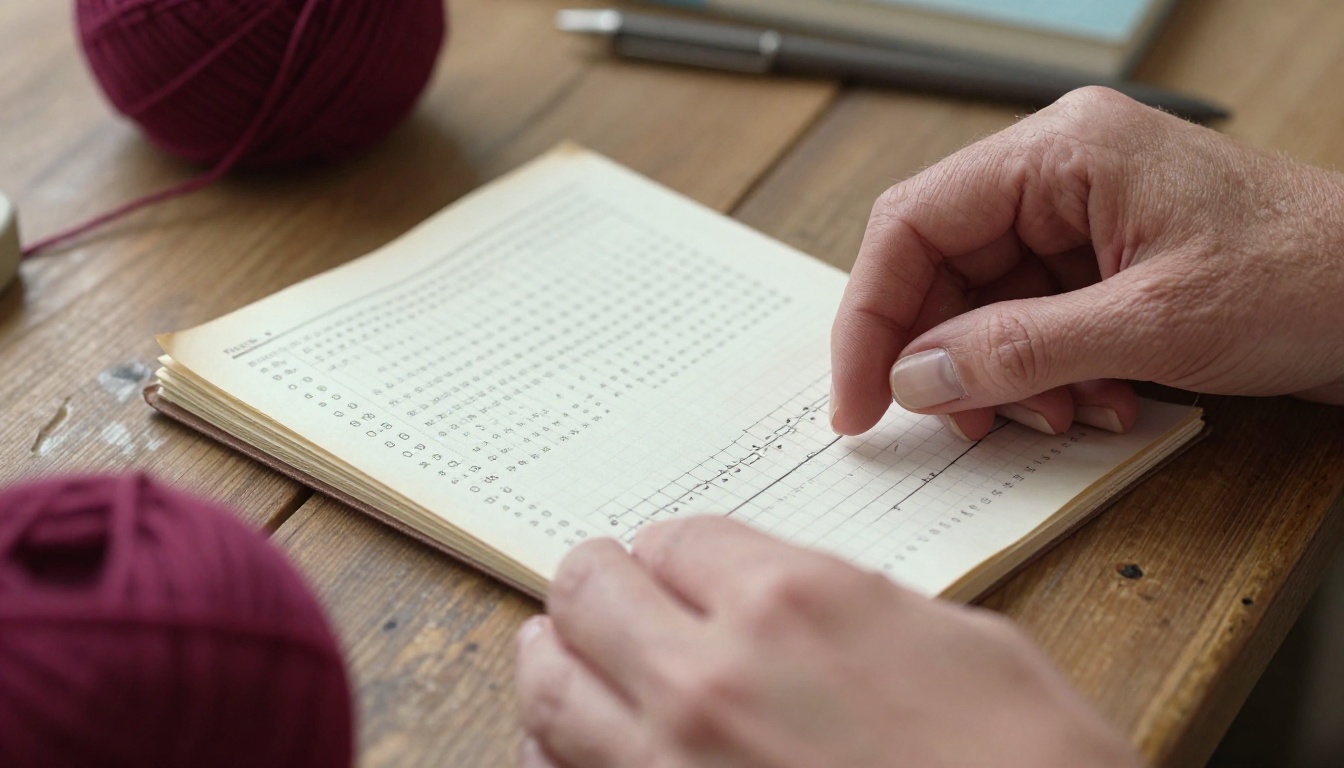
A PDF is not a bad format. It's just the wrong format for selling. When someone lands on your Etsy listing and sees a static product preview image of a finished knitted sweater, they're not thinking about file formats. They're asking themselves: "Will I actually be able to follow this pattern?"
That question is almost impossible to answer from a static thumbnail. Buyers can't flip through the pages, check the stitch abbreviations, or preview the chart layout before committing. And on most platforms, digital products are non-refundable, which means that hesitation kills conversions.
Why Static Files Lose Buyers
The typical PDF buying experience for a knitting customer looks like this:
- Customer finds your listing
- Sees 1-3 static preview screenshots
- Cannot verify complexity level, layout, or chart clarity
- Leaves without buying, or buys and then sends you basic questions about the pattern
This is not a traffic problem. It's a trust problem. And the format is creating it.
What Customers Actually Want Before Buying
In discussions across knitting communities on Reddit, Ravelry, and Facebook groups, the most common pre-purchase questions are:
- "How detailed are the charts?"
- "Is this suitable for intermediate knitters?"
- "How many pages is it?"
- "Are there photos of each step?"
All of these questions get answered instantly when a buyer can flip through the actual pattern before purchasing. Not a cropped preview. The real thing, with real pages and real stitch diagrams.
💡 Pro Tip: Patterns with interactive previews receive significantly fewer "Is this suitable for beginners?" shop messages, because buyers already checked for themselves.
What Makes Flipbooks Different for Knitting Patterns

A flipbook is not just a PDF displayed differently. It's an interactive digital publication that lets readers navigate pages, zoom into stitch charts, and experience the pattern the way they would a physical booklet. The difference in how buyers respond is measurable.
Page-Turning Experience Builds Trust
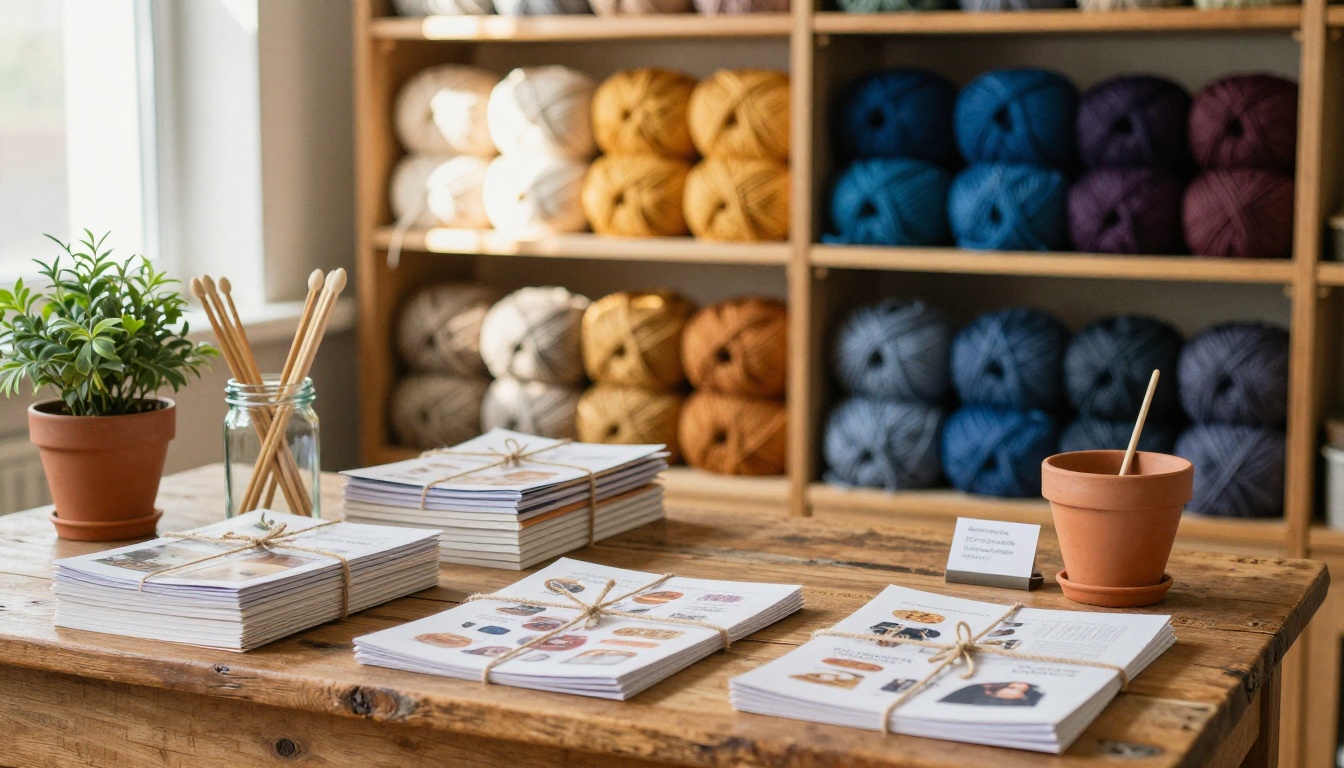
There's something deeply intuitive about being able to flip through content. It mirrors browsing a physical pattern book at a yarn store, where you pick it up, fan through the pages, and only place it in your basket once it feels right. That experience has been missing from online pattern shopping for years.
When a buyer can flip through your pattern digitally before purchasing, three things happen:
- Confidence rises: They can see exactly what they're buying
- Perceived value increases: Interactive content feels more substantial than a static file
- Hesitation drops: Common objections get answered before the buyer has to ask them
Preview Without Downloading
One of the biggest friction points in selling patterns is the preview. Most platforms allow 3-10 preview images, which means you spend time screenshotting specific pages and hoping the buyer zooms in enough to judge quality.
With a flipbook, your entire pattern becomes the preview. You control which pages require payment and which are openly browsable. Buyers can see your materials list, your stitch abbreviation chart, and the first few pattern rows without ever committing to a purchase.
Mobile Reading Changes Everything
Over 60% of Etsy traffic now comes from mobile devices. PDFs on mobile create a genuinely poor experience: they open in a separate app, the text is tiny, charts require repeated pinching, and the whole flow breaks if the buyer doesn't have a PDF viewer installed.
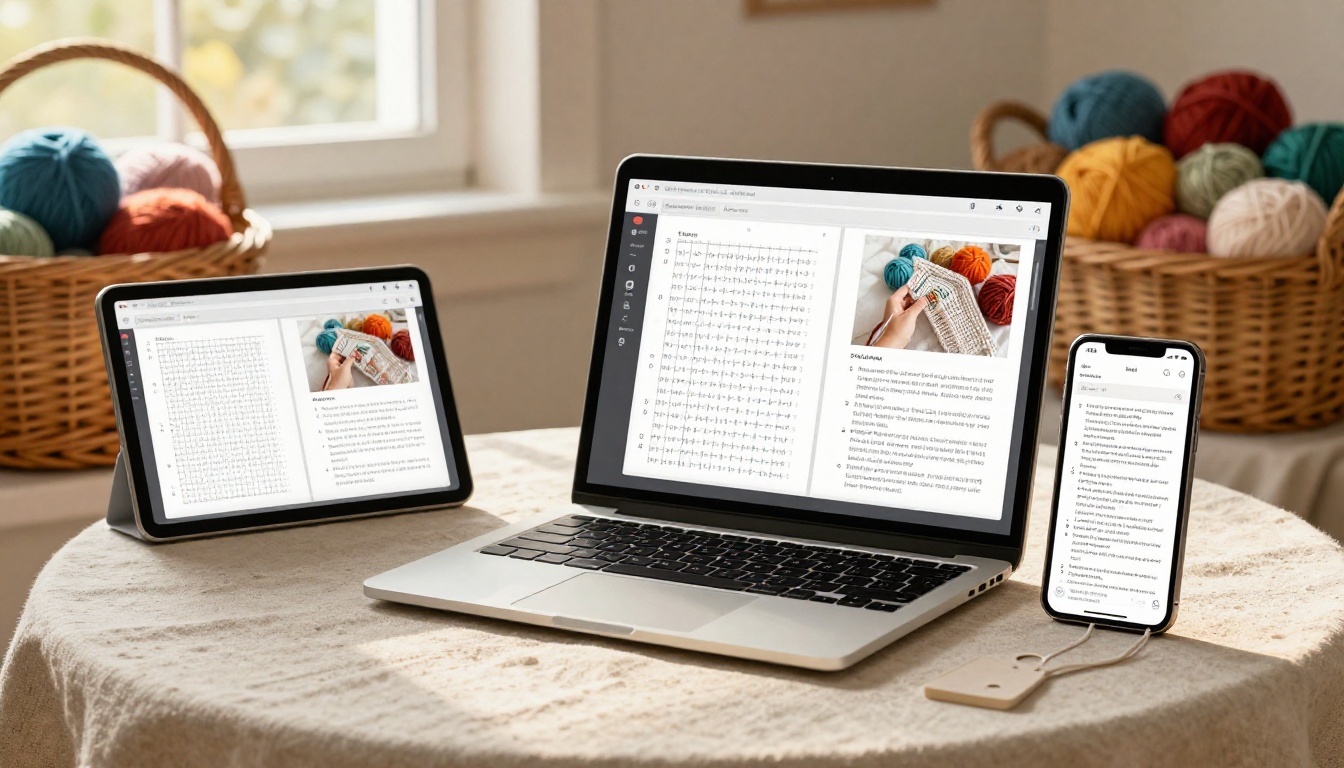
Flipbooks are mobile-native. They render in the browser, respond to touch gestures, and display stitch charts at full resolution without requiring any additional app. For a buyer browsing on their phone during a commute, this is the difference between a sale and a bounce.
⚠️ Important: If your PDF pattern is not optimized for mobile viewing, you're likely losing the majority of potential buyers before they even read your price.
How Knitters Are Making More Sales with Flipbooks
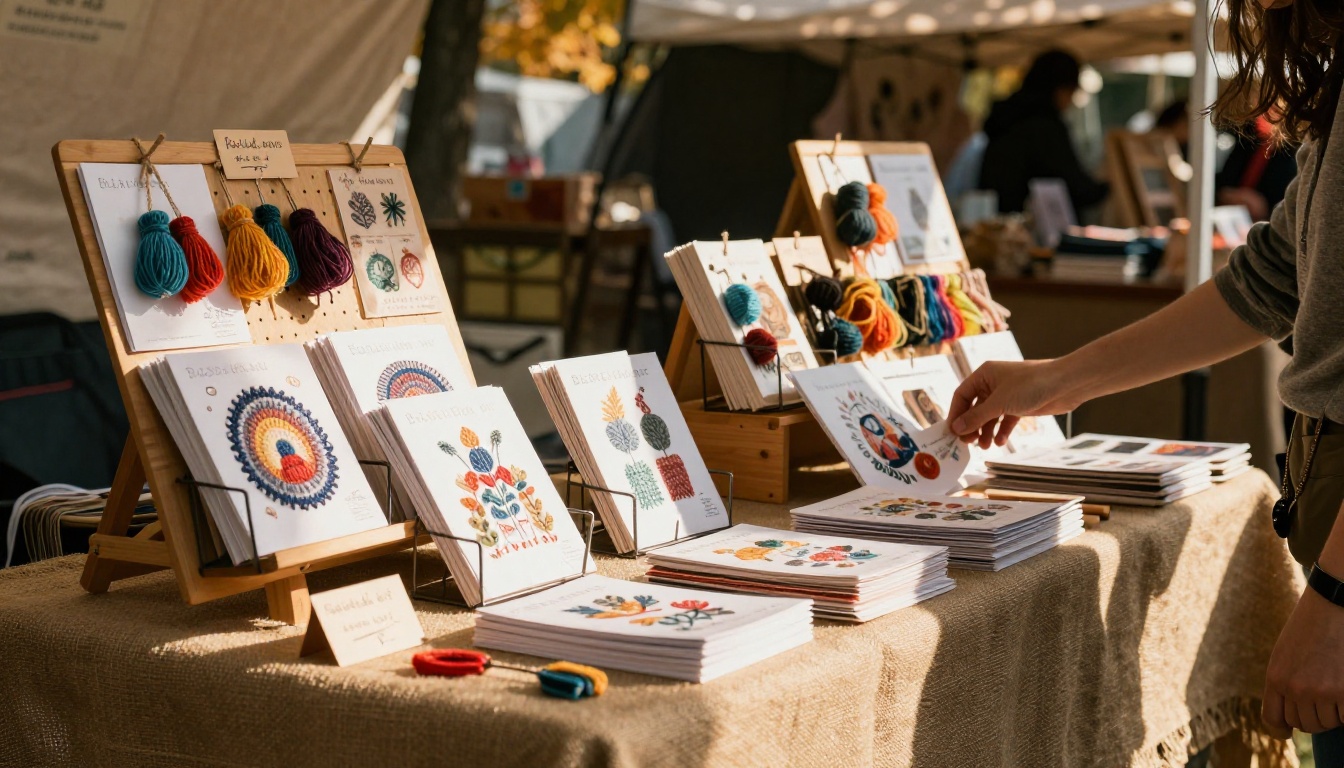
The shift isn't theoretical. Pattern sellers across different platforms report consistent improvements after switching to flipbook-style presentation.
What High-Converting Patterns Have in Common
The patterns that perform best in flipbook format share common traits:
- Clear stitch chart pages that buyers can zoom into before purchasing
- Multiple garment photos embedded between pattern sections
- A visible materials list on the first browsable page
- Section headers that make the complexity level obvious at a glance
Sellers who build these elements into their flipbooks report that buyers arrive at purchase already knowing the difficulty level, which reduces post-purchase messages significantly.
The "Flipping Through" Psychology
There's a concept in retail merchandising called "dwell time": how long a customer spends with a product before deciding. In a physical yarn shop, longer dwell time correlates strongly with purchase likelihood.
Flipbooks create digital dwell time. When a buyer spends 45 seconds flipping through your pattern pages, they're not bouncing. They're investing attention. And attention invested in a product tends to convert.
| Format | Buyer Interaction | Estimated Dwell Time | Trust Signal |
|---|
| PDF thumbnail | Static image only | Under 5 seconds | Low |
| PDF preview images | 3-10 screenshots | 10-20 seconds | Low-Medium |
| Interactive flipbook | Full page browsing | 30-90 seconds | High |
| Physical booklet | Physical page flipping | 60-120 seconds | Very High |
✅ Best Practice: A flipbook with 6+ openly browsable pages converts at nearly the same rate as a physical booklet at a yarn fair, without printing or shipping costs.
Flipbook Features That Knitting Patterns Actually Need
Not all flipbook platforms are built the same. For knitting patterns specifically, certain features matter more than others.
Zoom In on Stitch Detail
Stitch charts are the most common reason buyers abandon a purchase. If the chart is unreadable at normal zoom, they leave. Flipbooks that support pinch-to-zoom and click-to-enlarge resolve this entirely. Buyers can check exactly how a chart symbol key is set up, at full resolution, before they pay.
Embedded Multimedia Content
Modern flipbook platforms let you embed video and audio directly into pages. For knitting patterns, this opens up real possibilities:
- Tutorial clips: A 30-second video showing how to execute a tricky cable crossing
- Yarn texture close-ups: Short clips of the finished fabric showing drape and movement
- Technique walkthroughs: Audio instructions for complex construction methods
Flipbooks AI supports direct video embedding within pages, turning your pattern into a living reference rather than a static document.
Password Protection for Paid Content
Offering a free preview while protecting the full pattern is standard practice for digital pattern sellers. Flipbooks handle this cleanly: the first few pages are publicly visible, while the full pattern sits behind a password that buyers receive after purchase.
This is cleaner than the "purchase for download" model because buyers experience the product before paying, which reduces uncertainty and increases conversion.
How to Turn Your Knitting Pattern Into a Flipbook

Converting your existing PDF patterns to flipbooks takes less time than you might expect. Here's the process using Flipbooks AI:
Step 1: Create your account
Go to flipbooksai.com/account and sign up. The process takes under two minutes, no credit card required to start.
Step 2: Upload your pattern PDF
From your dashboard, click "Create Flipbook" and upload your existing knitting pattern PDF. The PDF to Flipbook Converter handles the conversion automatically, preserving your fonts, charts, and page layout exactly as designed.
Step 3: Set your branding
Add your logo, choose a color palette that matches your shop aesthetic, and set the page-turn animation style. Clean, minimal presentations work particularly well for knitting patterns.
Step 4: Configure your preview pages
Decide which pages are openly browsable (typically the title page, materials list, and sizing information) and which require payment to access. This step is central to using flipbooks in a sales context.
Step 5: Enable password protection
For paid patterns, set a unique password that buyers receive after purchase. For free patterns, share the link openly without restriction.
Step 6: Share your flipbook
Copy the direct link to embed in your Etsy listings, Ravelry shop, personal website, or social media posts. The Embed Flipbook on Website tool generates ready-to-use embed codes if you want the flipbook to display directly inside your shop page.
Step 7: Track your results
Once live, use the built-in analytics available on the Professional plan to see how many people are browsing your pattern, which pages get the most attention, and where readers drop off.
💡 Pro Tip: The pages that get the most zoom activity in your analytics are the ones buyers care most about. Use that data to improve future pattern layouts.
Choosing how to distribute your patterns affects conversion rate, customer satisfaction, and how much time you spend answering pre-purchase questions. Here's how the main options compare:
| Distribution Format | Preview Quality | Mobile Experience | Buyer Trust | Setup Effort |
|---|
| PDF download | Poor | Poor | Low | Very easy |
| Static image previews | Medium | Medium | Medium | Easy |
| Interactive flipbook | Excellent | Excellent | High | Easy |
| Physical booklet | Excellent | N/A | Very High | Complex |
| Course platform embed | Good | Good | Medium | Complex |
The flipbook format sits in a clear position: high trust, excellent mobile performance, and setup complexity no harder than uploading a PDF listing.
When to Keep the PDF
PDFs still serve a purpose in your workflow:
- As the downloadable file buyers receive after purchasing the flipbook version
- For wholesale pattern packs sent directly to yarn shops
- For archival storage of your pattern files
The flipbook is the sales format. The PDF remains the delivery format. These two roles work together rather than competing.
The Right Plan for Where You Are Now
Flipbooks AI offers tiered pricing that fits different stages of a pattern-selling business:
| Plan | Best For | Flipbooks | Standout Features |
|---|
| Free | Testing the format | Limited | Basic conversion, shareable link |
| Standard | Growing pattern shops | Unlimited | No watermarks, custom branding, password protection |
| Professional | Full-time pattern sellers | Unlimited | Analytics, lead generation, offline downloads |
For most independent knitting pattern designers, the Standard plan covers everything needed to sell professionally. The Professional plan becomes worth it once you're running multiple patterns and want to understand buyer behaviour through analytics.
✅ Best Practice: Start on the free tier to convert one pattern and test buyer response before committing to a paid plan.
Knitters Who Sell Bundles Do Even Better
Individual patterns converted to flipbooks perform well. But the format truly shines for pattern bundles and collections.
A bundle of 5-10 related patterns presented as a single multi-chapter flipbook creates something genuinely different from a folder of PDF files. Buyers can flip through all the patterns in sequence, get a feel for the designer's overall style, and experience the collection as a unified product rather than a pile of separate documents.
This changes the perceived value substantially. A "Cozy Winter Collection Flipbook" presents as a premium product. A "5 Pattern PDF Bundle" reads as a discount item, even at the same price.
If you sell themed collections, seasonal sets, or series of patterns from beginner through to more involved projects, the flipbook format is worth prioritising from the start.
Showcasing Your Full Body of Work
For designers who want to present their portfolio before directing buyers to individual pattern purchases, the Digital Portfolio Creator builds a browsable showcase of your work. Think of it as a lookbook for your knitting designs: full-page photos, brief pattern descriptions, and links to individual sales listings.
This works particularly well for:
- New pattern launches: Let potential buyers see your style across multiple designs before committing
- Social media bios: Share a single flipbook link that serves as a visual portfolio for your entire catalogue
- Brand collaborations: Send a professional-looking digital portfolio when approaching yarn companies
How Analytics Help You Sell More Patterns

When your pattern is a static PDF, you get no data about how buyers interact with it. You know how many downloads happened, and that's it.
With a flipbook on the Professional plan, you can see:
- Which pages get the most time: If buyers are spending 30 seconds on your stitch chart, that's important information about what they value.
- Where readers drop off: If most people close the flipbook after page 3, your materials list might be more complex than your audience expects.
- Unique visitor counts: Total views vs. unique visitors tells you whether traffic is new or returning.
- Lead capture from interested readers: Collect email addresses from buyers who browse but haven't purchased yet.
This is the kind of data that was only available to large publishing companies a few years ago. For an independent pattern designer, it's a real advantage that most sellers don't have yet.
Acting on What You Learn
The data turns into action quickly:
- High drop-off on page 2? Simplify your introduction and get to the pattern faster.
- Most zoom activity on the size chart? Make it larger in your next pattern.
- High views but low purchases? Your preview might be giving buyers everything they need without a reason to pay.
💡 Pro Tip: Use the lead generation feature to collect emails from pattern browsers. A follow-up email with a discount code converts a meaningful portion of non-buyers into paying customers.
Make Your Patterns Worth More Right Now
There's no complex migration required. Your existing pattern PDFs upload directly to Flipbooks AI and convert in seconds. You don't need design skills, technical experience, or a new set of files. The patterns you've already created are ready to become interactive flipbooks today.
If you sell knitting patterns on Etsy, Ravelry, your own website, or at local yarn events, the flipbook format addresses the two biggest conversion blockers in one step: buyers can actually browse your pattern before purchasing, and the experience works perfectly on every device.
Start with one pattern. Convert it, share the link in your next Etsy listing or Instagram post, and watch how buyers respond to something they can flip through versus something they can only download. The difference shows up immediately in how people interact with your shop.
Create your first pattern flipbook on Flipbooks AI, or browse all available tools and templates to find the right option for your shop. Check pricing plans to find the right tier for where your pattern business is today.



