Print catalogs built entire industries. They filled mailboxes, stacked shelves, and drove billions in retail sales for most of the 20th century. Today, they are disappearing, and not slowly. Companies across every sector are replacing them with digital flipbooks, and the reasons go far deeper than cost. This article breaks down exactly why print catalogs are moving to digital flipbooks, what that shift means for your business, and how to make the switch without losing the polished, browse-worthy experience your customers expect. Flipbooks AI is one of the platforms making this transition remarkably simple.
The Real Cost of Printing Catalogs
What Printing a Catalog Actually Costs
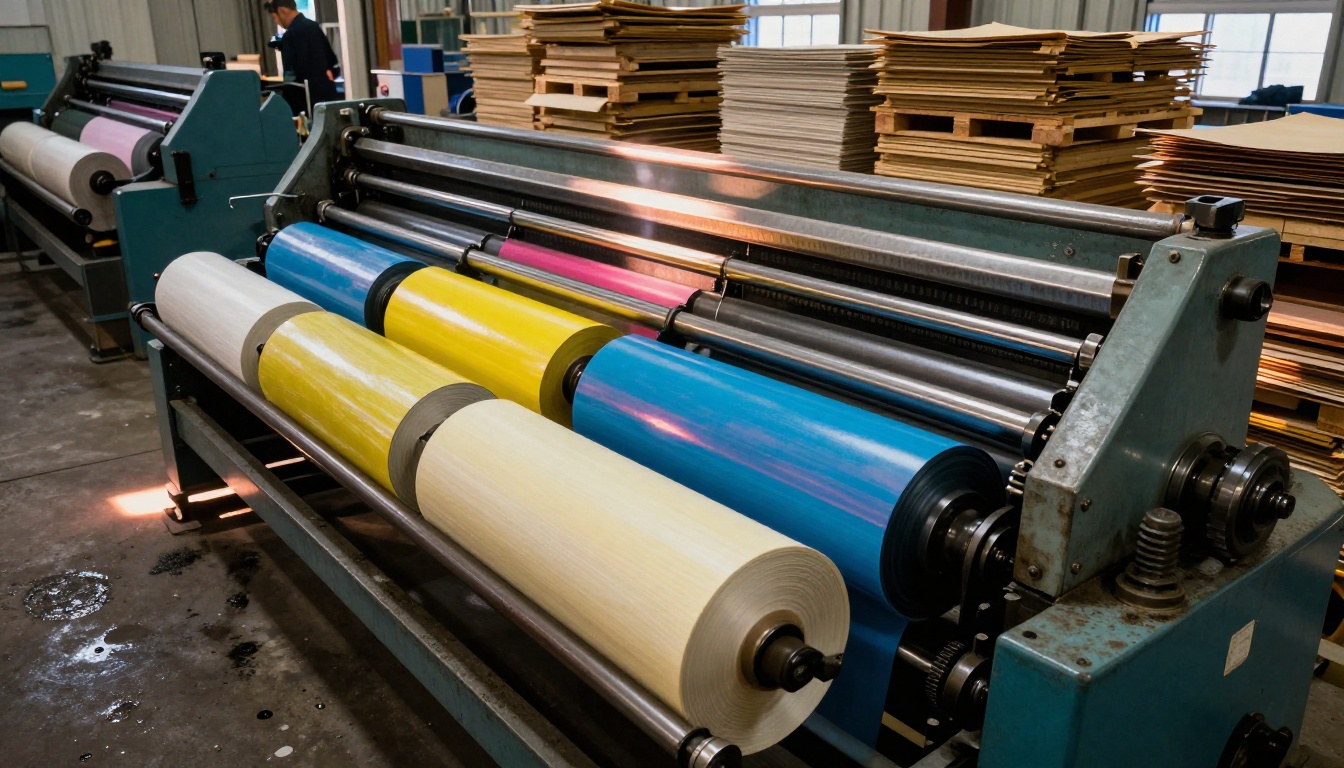
Most businesses underestimate print costs. A mid-size product catalog, 48 pages, full-color, glossy paper, 10,000 copies, runs between $8,000 and $25,000 depending on paper weight, finish, and quantity. Add design revisions and pre-press preparation, and you have a significant budget line before a single catalog reaches a customer.
Distribution adds another layer of cost. Bulk mailing rates for a 300-gram catalog can run $1.50 to $4.00 per piece. For a campaign targeting 50,000 households, that is $75,000 in postage alone, before any creative work is done.
| Cost Category | Typical Print Catalog | Digital Flipbook |
|---|
| Design & layout | $2,000 - $8,000 | $0 (reuse existing PDF) |
| Printing (10k copies) | $8,000 - $25,000 | $0 |
| Shipping & distribution | $3,000 - $12,000 | $0 |
| Storage & warehousing | $500 - $2,000/yr | $0 |
| Updates / reprints | Full production cost | Instant, free |
| Performance data | None | Included |
Hidden Costs Nobody Talks About
Printing is just the first invoice. After that comes fulfillment, postage, returns, and warehousing. When your product line changes, those catalogs become waste. A price change means reprinting. A supplier runs out of stock and you have 9,000 copies promoting a product you can no longer sell.
⚠️ Industry data shows that approximately 40-60% of printed catalogs are discarded without being read. The cost per actual reader is dramatically higher than most marketing teams realize.
Digital catalogs eliminate every one of these downstream costs entirely. There is no print run, no minimum order, no deadline pressure, and no boxes stacking up in a warehouse. Updates take minutes and cost nothing.
What a Digital Flipbook Actually Is
The Page-Flip Experience, Online
A digital flipbook is not simply a PDF attached to an email. It is an interactive, browser-based publication that replicates the tactile feeling of turning physical pages, with the added capability of embedding links, videos, audio, and interactive elements throughout.
When a customer opens a digital catalog, they see a two-page spread that turns with a natural page-curl animation. They can click product images to visit purchase pages. They can zoom in on details, tap embedded videos, and share specific pages directly. The reading experience is intentionally familiar because humans have been reading bound publications for centuries, while the technology underneath is entirely modern.

More Than Just a PDF
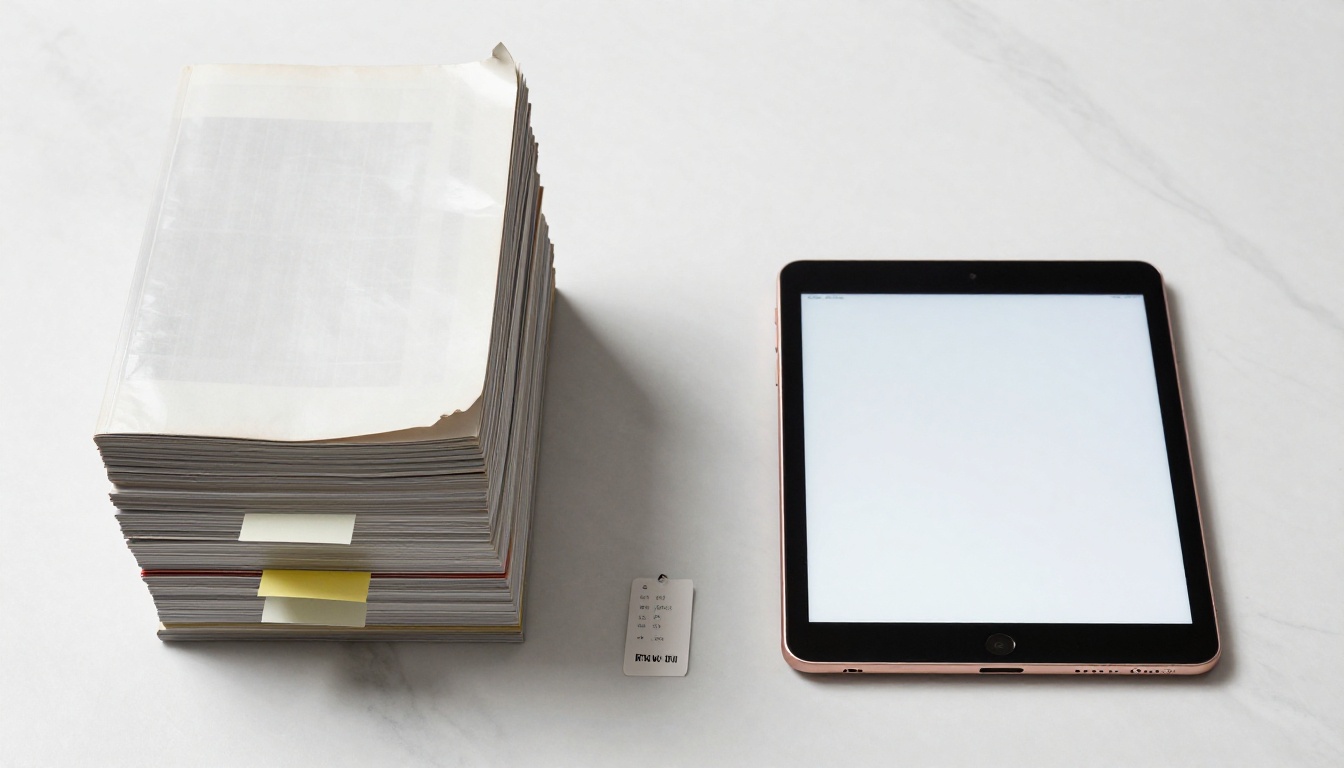
A standard PDF is static. It does not tell you who read it, how long they spent on page 12, or whether anyone clicked the product featured on the last page. A digital flipbook tracks all of this automatically.
The difference matters enormously for sales teams. When a sales rep sends a digital catalog and later opens their dashboard to see the prospect spent 8 minutes on the pricing section and clicked three product links, they have real intelligence for their follow-up conversation. A paper catalog provides nothing of this kind.
Print Vs. Digital Catalogs
| Feature | Print Catalog | Digital Flipbook |
|---|
| Distribution | Physical mail, in-store | Email, link, social, embed |
| Update speed | Weeks (reprint required) | Minutes (edit and publish) |
| Cost per update | Full production cost | Free |
| Performance data | None | Page views, clicks, time spent |
| Interactive elements | None | Video, audio, links, forms |
| Mobile experience | Limited | Fully responsive |
| Environmental impact | Paper, ink, shipping | Zero physical waste |
| Sharing | Manual distribution | One link, unlimited reach |
| Password protection | Not possible | Available |
| Search functionality | None | Full-text searchable |
5 Reasons Businesses Are Switching
Instant Updates, Zero Reprints
This is the single biggest operational reason companies are abandoning print. With digital flipbooks, you edit your PDF, re-upload, and your updated catalog is live within minutes. Everyone who has your link automatically sees the new version. No recalls. No apologies for outdated pricing. No wasted inventory.
For seasonal businesses, this is significant. A fashion retailer can update their lookbook weekly. A restaurant can swap their menu the morning before a price change takes effect. A furniture brand can remove discontinued items the same day a supplier announces discontinuation.
Analytics You Can Actually Use
💡 Pro tip: Knowing which pages your customers spend the most time on is arguably more valuable than any customer survey. Behavioral data is honest data.
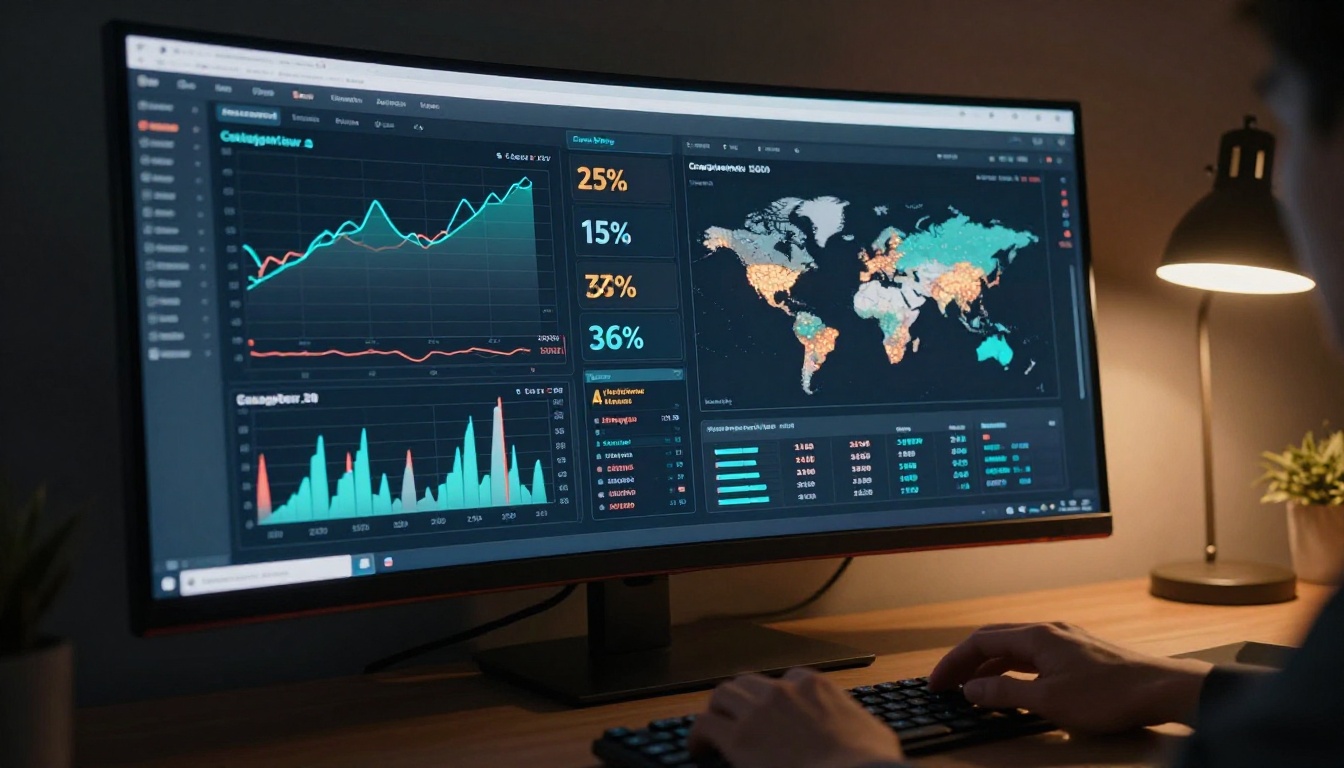
Print catalogs are marketing black holes. You send them out and hope for the best. Digital flipbooks on platforms like Flipbooks AI with Professional plans give you page-by-page view counts, total time spent reading, click-through rates on embedded links, geographic distribution of readers, and lead capture forms built directly into the publication.
This is data that previously required expensive, separate tracking software to approximate, and even then imperfectly. A single dashboard view after sending your catalog tells you more than an entire quarter of print campaigns ever could.
The Environmental Argument
Paper consumption for print catalogs globally runs into millions of tons annually. For brands with sustainability commitments, this creates real tension. Switching to digital catalogs removes paper, ink, the chemicals used in printing, and the carbon footprint of physical distribution entirely.

Research consistently shows that a majority of consumers prefer buying from companies with visible environmental commitments. Your switch from print to digital is a marketing message as much as an operational decision.
Beyond customer perception, businesses operating in regulated industries or regions with strong environmental reporting requirements find that eliminating physical print runs simplifies compliance reporting considerably.
Mobile-First Reach
Over 60% of online browsing now happens on mobile devices. A printed catalog cannot follow your customer to their phone. A digital flipbook designed on a platform with mobile-responsive architecture renders perfectly on any screen, from a 27-inch monitor to a smartphone held in portrait mode.
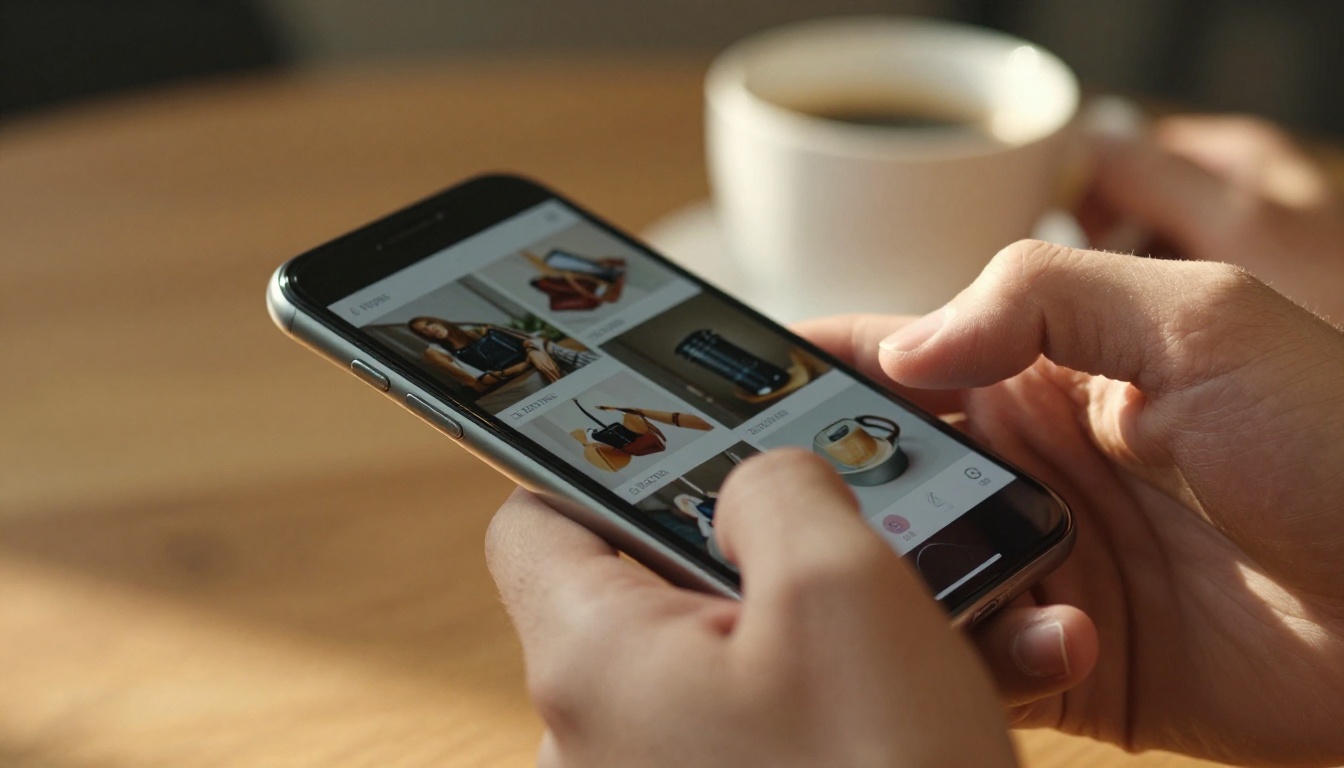
This reach matters because people browse product catalogs during commutes, lunch breaks, and evenings. A digital flipbook is available in all those moments. A print catalog usually requires the customer to be at home or in-store to access it.
This is not a minor convenience. It is the difference between your product catalog reaching someone at the moment they are considering a purchase versus arriving in their mailbox three days after the consideration window has closed.
Embedding, Sharing, Going Everywhere
A digital flipbook can be embedded directly on your website, shared via a single link in an email campaign, posted to social media, and distributed through messaging apps. The same publication reaches every channel simultaneously.
✅ Best practice: Embed your digital catalog on your product landing page. Visitors who browse an embedded flipbook spend significantly longer on-site than those who only view static product images, and the extended session signals quality content to search engines.
Print has none of this flexibility. Each channel requires separate design and production budgets. A social post, a website page, a direct mail piece, and an in-store display all require different materials. With a digital flipbook, one publication serves all channels from a single upload.
Industries Leading the Shift
Fashion and Retail
Fashion brands were among the earliest adopters. Seasonal lookbooks are expensive to print, difficult to distribute internationally, and obsolete within weeks. A digital lookbook published once reaches global audiences, links directly to product pages, and can be updated as items sell out.

Tools like the Interactive Lookbook Designer and Fashion Catalog Creator make it possible to produce a professional result without a large design team. The Catalog Flipbook Creator handles general retail needs with pre-built layouts optimized for product showcasing.
Why fashion brands specifically benefit:
- Seasonal collections change every 8-12 weeks, making reprints prohibitively expensive
- International distribution of print is slow and costly; a link travels instantly
- Interactive product links connect browsers directly to purchase pages
- Video embeds let brands show fabric movement and styling in context
- Lookbook Flipbook Builder templates are sized and laid out for editorial-style presentation
Real Estate
Property brochures in real estate have always been expensive, one-time-use items. Agents print a brochure for a listing, the property sells, and the brochures go in the recycling. Digital property flipbooks solve this immediately. An agent creates one interactive brochure, sends the link to every prospect, and updates it as the listing evolves, with new photos, revised pricing, or open house dates.

The Real Estate Brochure Creator provides templates specifically designed for property presentations, with embedded map links and photo gallery layouts built for high-resolution property photography.
Restaurants and Hospitality
Restaurant menus are among the highest-turnover print items in any business. Prices change, items rotate, seasonal specials come and go. Digital menus and flipbook catalogs solve the reprint cycle entirely.
The Restaurant Menu Creator and Spa & Wellness Menu tools let hospitality businesses publish attractive, printable-looking menus that live online and update in minutes rather than days. A QR code on the physical table links diners directly to the digital version, which is always current.
Product Manufacturers
For manufacturers with large product lines, the Product Catalog Generator and Digital Catalog Maker make it possible to build specification sheets, product ranges, and distributor catalogs that stay current without a print run for every revision.
The ability to segment catalogs by product category, region, or customer type, and share password-protected versions with specific distributor channels, makes digital flipbooks far more flexible than any print equivalent.
How to Convert Your Print Catalog to a Digital Flipbook
The conversion process is straightforward. If you already have a print catalog, it almost certainly exists as a PDF. That is all you need.
Step 1: Prepare Your PDF
Export your catalog from InDesign, Illustrator, Canva, or whatever design tool you use. Resolution should be 150 DPI minimum for screen quality. Ensure all fonts are embedded and images are not compressed below 80% quality. If you do not have a PDF already, Flipbooks AI accepts common document formats.
Step 2: Upload and Convert
Visit flipbooksai.com/account and create your account. Upload your PDF using the drag-and-drop interface. The platform converts it to an interactive flipbook automatically. The page-turning effect is applied instantly, with no configuration required.

Step 3: Customize Your Brand
Once converted, apply your brand identity. Upload your logo, set your brand colors for the reader toolbar, choose a background style, and customize the page-turn sound. Standard plan and above includes unlimited flipbooks with no watermarks.
Add interactive elements at this stage:
- Click-through links on product images pointing to purchase or detail pages
- Embedded videos showing products in use or behind-the-scenes production
- Audio narration for presentation-style catalogs and annual reports
- Lead capture forms for professional and wholesale distribution (Professional plan)
Step 4: Share and Track
Publish your flipbook and choose your distribution method:
- Direct link: Share via email, social media, or messaging apps
- Embed code: Paste into your website with a single code snippet via the Embed Flipbook on Website tool
- Password protection: Restrict access to wholesale clients or private distribution lists
- QR code: Print on physical materials to bridge offline and online
- Offline download: Allow readers to save for offline access (Standard plan and above)
With the Professional plan, analytics activate automatically. You see every page view, click, and reader location in real time.
Flipbooks AI Plan Comparison
| Feature | Free | Standard | Professional |
|---|
| Flipbooks | 3 | Unlimited | Unlimited |
| Watermark | Yes | No | No |
| Custom branding | No | Yes | Yes |
| Password protection | No | Yes | Yes |
| Analytics | No | No | Yes |
| Lead generation forms | No | No | Yes |
| Offline downloads | No | Yes | Yes |
| Embedded video / audio | No | Yes | Yes |
| Custom domain | No | No | Yes |
See full details and compare at flipbooksai.com/pricing.
The Numbers Make the Decision
The shift away from print catalogs is not driven by novelty. It is driven by the simple arithmetic of cost, speed, reach, and data. Printing costs money every single time. Digital publishing costs money once. Performance data from print is zero. Data from digital is continuous and actionable.
Businesses that made this switch years ago now have catalog performance data they never imagined possible: which products get the most attention, which pages drive the most clicks, which distribution channels produce actual buyers. They have reinvested print budgets into content quality and product photography. They reach mobile audiences without additional investment. They update their catalogs the same day their product line changes.
Here is a summary of what drives businesses from print to digital:
| Motivation | Print Reality | Digital Flipbook Reality |
|---|
| Speed to market | 2-4 weeks minimum | Same day |
| Cost per campaign | $15,000 - $50,000+ | Monthly subscription |
| Reach | Limited by distribution | Global, instant |
| Data | None | Full reader behavior |
| Updates | Full reprint required | Edit and republish |
| Waste | Significant | None |
💡 The real question is not whether to switch from print to digital. The question is how much longer you can afford to wait.
Ready to make the shift? Create your account on Flipbooks AI and convert your first catalog today. Browse all available tools and templates to find the right fit for your industry. Compare pricing plans and choose what works for your team.



