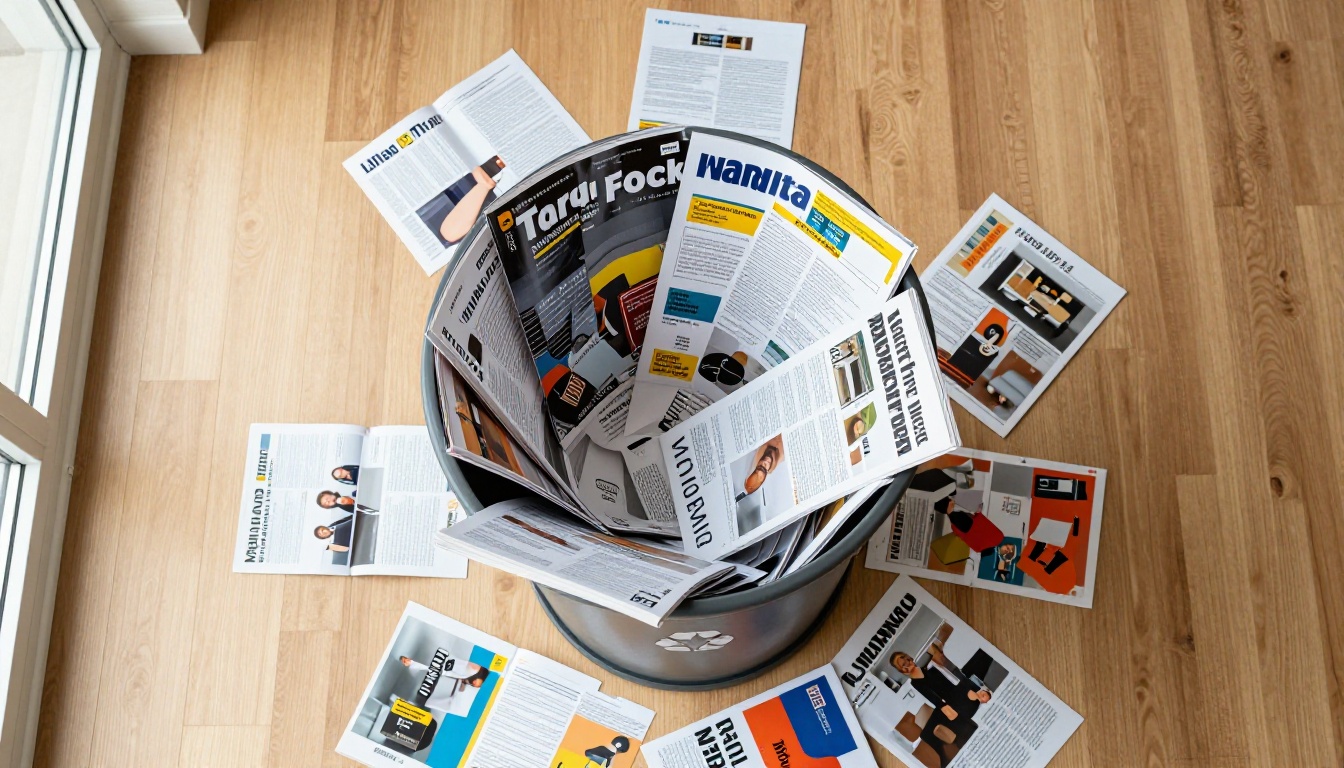
The printing industry is shrinking. Not slowly, not quietly, but fast and visibly. Ad spend on printed materials has dropped by nearly 40% over the past decade, while digital content consumption has exploded across every industry, every age group, and every screen size. The shift is no longer coming. It already happened. And businesses still sending quarterly print catalogs and stapled brochures to their customers are paying for it in both budget and results. Flipbooks AI is one of the platforms making the switch not just easier, but remarkably cost-effective.
What Print Is Actually Costing You
Before you can appreciate the move to digital, you need to see print for what it truly is: an expensive, inflexible medium with no feedback loop.
The Budget Nobody Talks About
A single mid-sized print run of a 24-page product catalog can easily run between $3,000 and $15,000 when you factor in design revision cycles, printing, binding, shipping, and distribution. A significant portion of those materials end up in a recycling bin without being read. Printing and mailing 10,000 catalogs costs roughly $1.50 to $3.00 per unit. Do that quarterly and you're spending $60,000 to $120,000 per year just to push a static document nobody asked for.
That budget does not include the time spent coordinating with printers, managing proofing rounds, tracking delivery logistics, or handling inventory for leftover copies. When you add those soft costs, the real price of print climbs further still.
The Hidden Waste Chain

Print creates waste at every step. Paper consumption, ink, packaging, transportation emissions, and eventual disposal all accumulate. Companies with ESG reporting requirements and sustainability commitments are finding it increasingly difficult to justify large print budgets when the same content can be delivered digitally with a fraction of the environmental footprint.
| Cost Category | Print | Digital Flipbook |
|---|
| Design and layout | $500 to $5,000 per piece | One-time setup |
| Printing (10,000 units) | $8,000 to $20,000 | $0 |
| Distribution and shipping | $3,000 to $8,000 | $0 |
| Updates and revisions | Full reprint required | Edit in minutes |
| Performance analytics | None | Full real-time data |
| Content lifespan | Until reprinted | Permanent, always current |
The numbers make print look like a very expensive gamble with no return on data.
How Digital Reading Changed Everything
Consumer behavior did not shift gradually. The smartphone accelerated a fundamental change in how people find, consume, and share content. Over 60% of web traffic now comes from mobile devices. If your content is not optimized for a 6-inch screen, it simply does not get read.
Mobile-First Audiences Demand Digital
Print cannot adapt to a phone screen. A tri-fold brochure scanned into a PDF and emailed is not a digital experience. It's a frustrating pinch-and-zoom exercise that communicates one thing clearly: this brand has not thought about how I'm reading.
Digital flipbooks solve this natively. They render beautifully across desktop, tablet, and mobile. Pages reflow, text stays legible, and the page-turn interaction feels intentional rather than accidental. Readers stay longer, scroll deeper, and return more often when the format respects their device.
Content That Actually Responds
Static print has no interactivity. A digital flipbook can contain embedded videos, clickable product links, audio narration, contact forms, and animated elements. A restaurant menu can link directly to reservation booking. A real estate brochure can embed a virtual property tour. A product catalog can link to an e-commerce checkout. None of that is possible on paper.
💡 Pro Tip: Embedding a video on the cover page of a digital flipbook increases average time-on-document by up to 3x compared to text-only formats. Use it for product demos or brand introductions.
What Digital Flipbooks Do That Print Never Could
Real-Time Updates Without Reprinting
When a product price changes, a menu item gets discontinued, or a regulatory update requires a policy revision, print demands a full reprint cycle. With a digital flipbook, you update the source document and republish. Your audience sees the current version immediately, every time, on every device.
For businesses managing dozens of SKUs or seasonal pricing, this alone justifies the switch. A price list that is six weeks out of date erodes customer trust. A digital one is always accurate.
Analytics That Show What Works

This is where digital completely separates itself from print. When you send a printed catalog, you know nothing about what happens after it leaves your hands. With a digital flipbook platform, you can track:
- Time spent per page: Which sections hold attention and which are skipped entirely
- Total views: Exact audience size rather than estimated mailing impressions
- Geographic data: Where your readers are located
- Lead capture: Forms embedded directly in the document
- Link clicks: Which calls-to-action are actually converting
The Professional plan on Flipbooks AI includes full analytics and lead generation tools, giving you data that print never could deliver.
💡 Pro Tip: Use page-level data to identify which product pages get the most attention. That information should directly inform your ad spend and inventory decisions.
Distribution That Costs Nothing Per Viewer
Digital content is free to distribute at scale. Send a flipbook link via email, post it on social media, embed it on your website, share it in a messaging app. Each additional viewer costs you nothing. In print, every additional reader requires printing and shipping a new copy. The cost curve for print is linear. For digital, it's flat.
Real-World Use Cases That Work Right Now
Retail and Product Catalogs
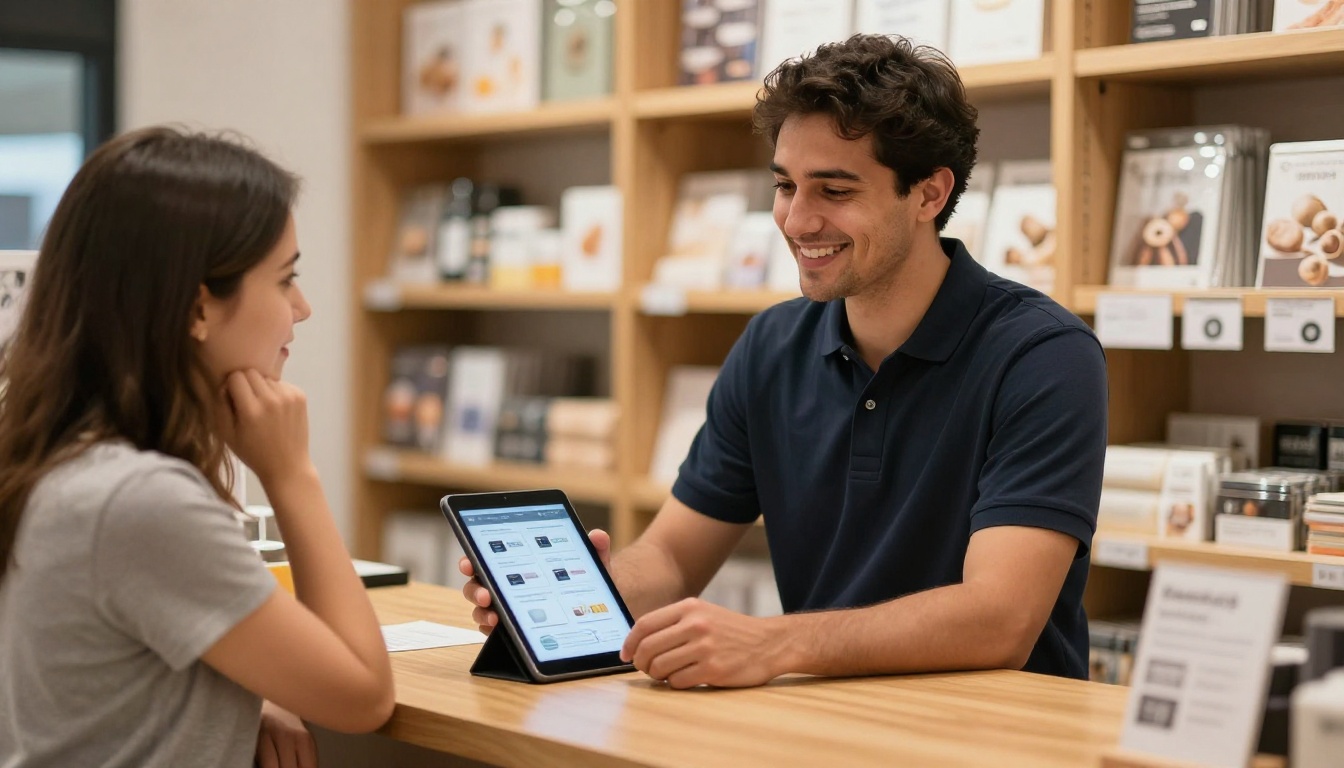
A retail brand with a 200-page seasonal catalog used to spend tens of thousands per print run. Moving to a digital format reduces distribution cost to zero, with the added benefit of clickable product pages driving direct sales. The Digital Catalog Maker makes it straightforward to upload a PDF and have a fully interactive catalog live within minutes. The Catalog Flipbook Creator offers additional customization for brands that need more control over presentation.
Restaurants Replacing Printed Menus
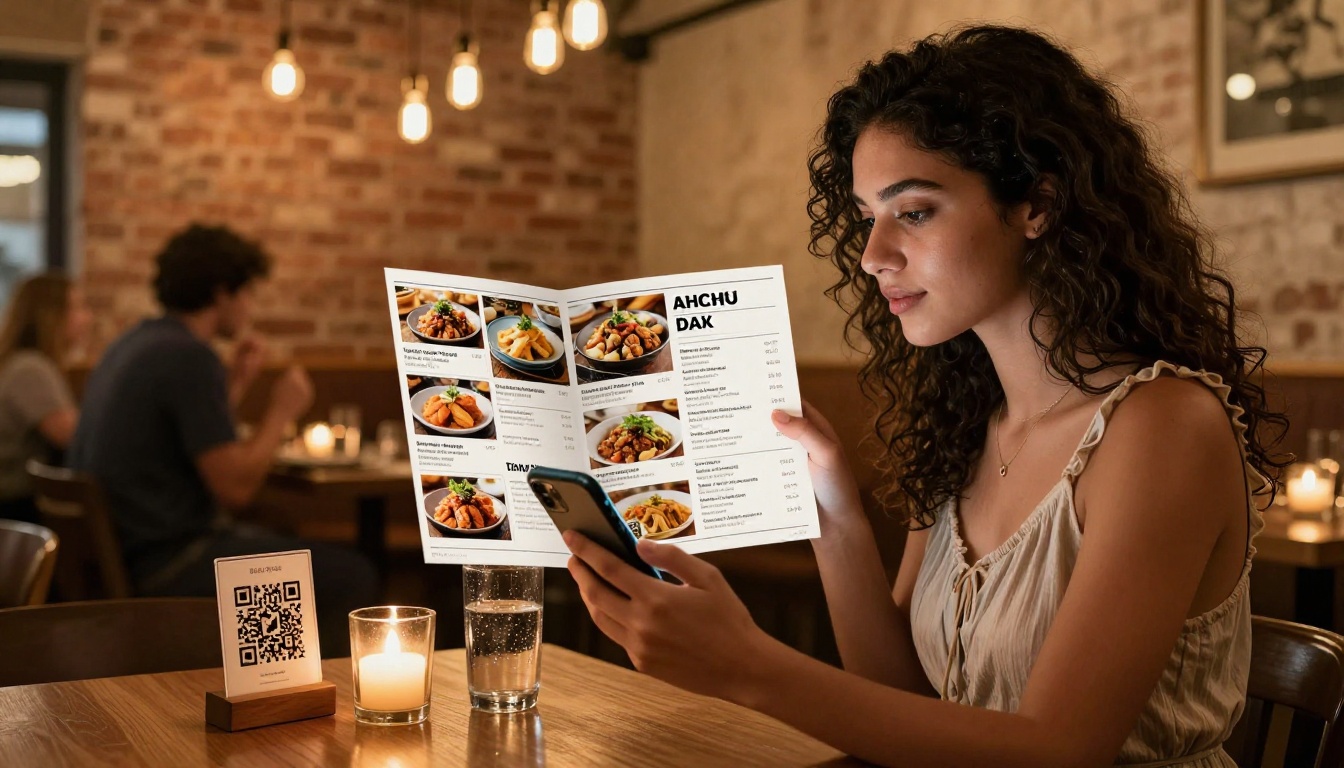
The hospitality industry learned something important in recent years: digital menus were not a temporary workaround. Customers prefer them. They load instantly, stay current, and do not need replacing when a dish sells out. A digital menu built with the Restaurant Menu Creator can include food photography, allergen details, daily specials, and online ordering links, all in one place. The Menu Flipbook Designer handles the visual layout for both casual and fine dining formats.
Real Estate Brochures That Work Harder
A printed property brochure has a shelf life of roughly one open house. A digital real estate brochure can be shared with anyone, anywhere, on any device, indefinitely. The Real Estate Brochure Creator lets agents embed virtual tours, floor plan details, and neighborhood information into a single shareable document that prospects can revisit as many times as they need before making a decision.

Fashion and Creative Lookbooks
Seasonal lookbooks once required significant photography budgets, expensive print runs, and physical distribution to buyers and retailers. Today, a fashion designer can create a fully interactive lookbook, embed video footage from the runway, and share it with buyers globally on the same day. The Interactive Lookbook Designer and Lookbook Flipbook Builder handle formatting automatically for both editorial and commercial presentations.

Print vs. Digital: The Full Picture
| Feature | Print | Digital Flipbook |
|---|
| Distribution cost | High (per unit) | Zero |
| Update speed | Days to weeks | Minutes |
| Performance data | None | Full real-time tracking |
| Mobile optimization | Poor | Native |
| Interactivity | None | Video, links, forms, audio |
| Environmental impact | High | Minimal |
| Password protection | Not possible | Available |
| Searchable content | No | Yes |
| Offline access | Physical copy only | Downloadable |
| Embed on website | Not possible | Yes |
| Lead capture | Manual only | Built-in forms |
✅ Best Practice: If your content changes more than twice per year, print is costing you more than you realize. A digital flipbook pays for itself within the first update cycle alone.
How to Create a Digital Flipbook with Flipbooks AI
The process of converting printed materials into interactive digital flipbooks is far simpler than most teams expect. Here is exactly how it works on Flipbooks AI.
Step 1: Set Up Your Account
Go to flipbooksai.com/account and create a free account. The free tier lets you test the platform immediately, while paid plans remove watermarks and unlock unlimited flipbooks, custom branding, and analytics.
Step 2: Upload Your PDF
Click "New Flipbook" and upload your PDF. The platform automatically converts it into an interactive page-turn format. Supported sources include:
- Print-ready PDFs from any design tool
- Exports from Canva, Adobe InDesign, and Figma
- Word documents saved as PDF
- Any multi-page document under 500 pages
Processing takes under two minutes for most documents. The PDF to Flipbook Converter is the fastest route for straightforward conversions.
Step 3: Apply Your Branding
Once uploaded, apply your brand identity across the flipbook interface:
- Set custom colors and typography
- Add your logo to the player controls
- Choose page transition styles and background options
- Remove all platform watermarks (available on Standard plans and above, with no watermarks ever added by default)
💡 Pro Tip: Match the flipbook player color to your brand primary color. It makes the experience feel native to your website rather than a third-party tool.
Step 4: Add Interactive Elements
Inside the editor, you can embed:
- Videos: YouTube or Vimeo links attached to specific pages
- Clickable links: Product pages, booking systems, contact forms
- Audio: Narration or ambient background tracks
- Call-to-action buttons: Drive specific behaviors from within the document itself
Step 5: Publish and Share
When ready, choose your distribution method:
- Direct link: Copy and share to any platform or channel
- Embed code: Place the flipbook directly on your site using the Embed Flipbook on Website tool
- Password protection: Restrict access to specific audiences or clients
- Offline downloads: Let users save for offline viewing (Professional plan)
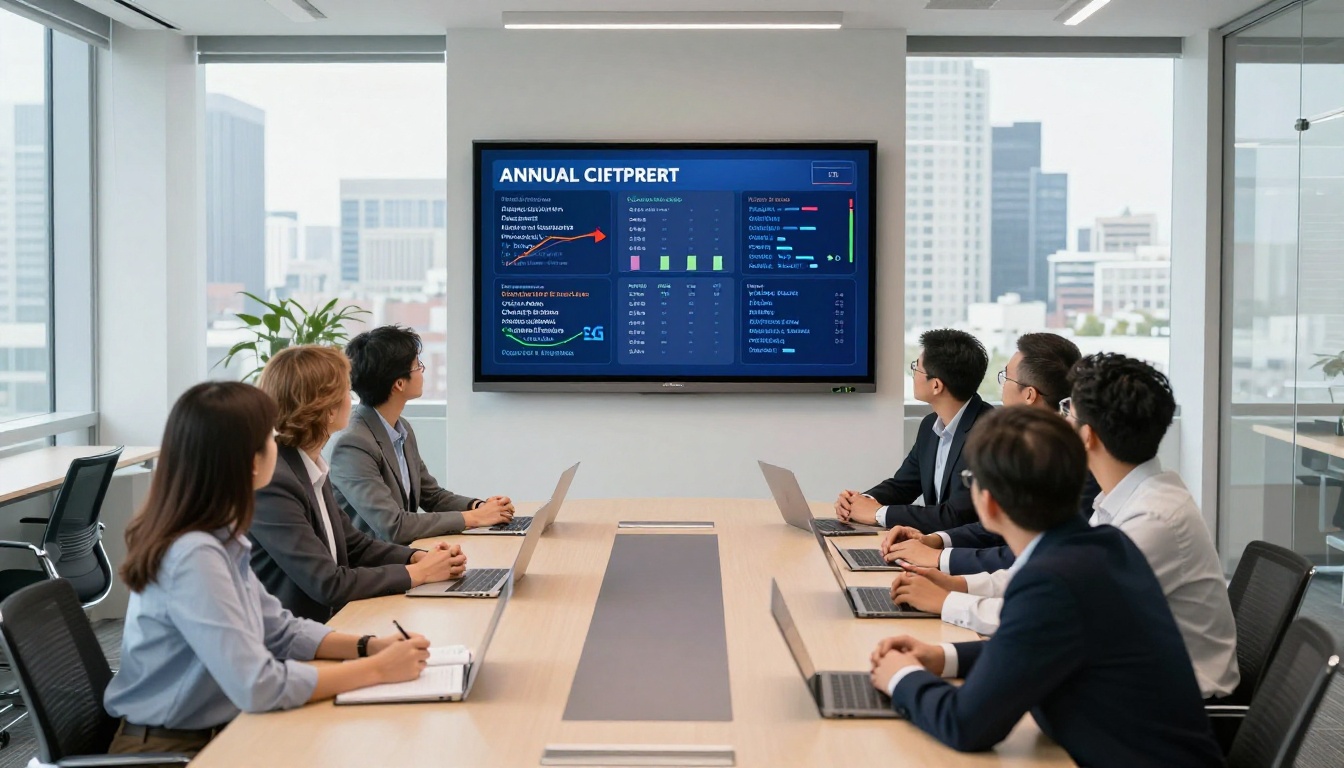
Once live, the analytics dashboard tracks every interaction in real time, from first page views to last page reads.
Who Should Switch Right Now
Small Businesses on Tight Budgets
Print demands upfront investment with no guarantee of results. A small business spending $2,000 on a brochure run gets no data on how many people read it or what they did next. A digital flipbook on a Standard plan costs a fraction of that annually and comes with performance data from day one. Browse the full tools directory to find formats built for every budget and use case.
Brands with Sustainability Commitments
If your company has made public sustainability pledges, removing print marketing is one of the fastest and most visible changes you can make. Digital distribution creates no physical waste, no logistics chain, and no transportation emissions. For B2B brands whose enterprise clients evaluate ESG practices during procurement, this matters increasingly in contract discussions.
Any Team That Updates Content Often
Pricing documents, training materials, product specifications, event programs: any document that requires frequent revisions is an immediate candidate for going digital. The Training Manual Flipbook and Digital Price List Generator are built specifically for content that lives in a state of constant revision.
The Data Points to One Direction
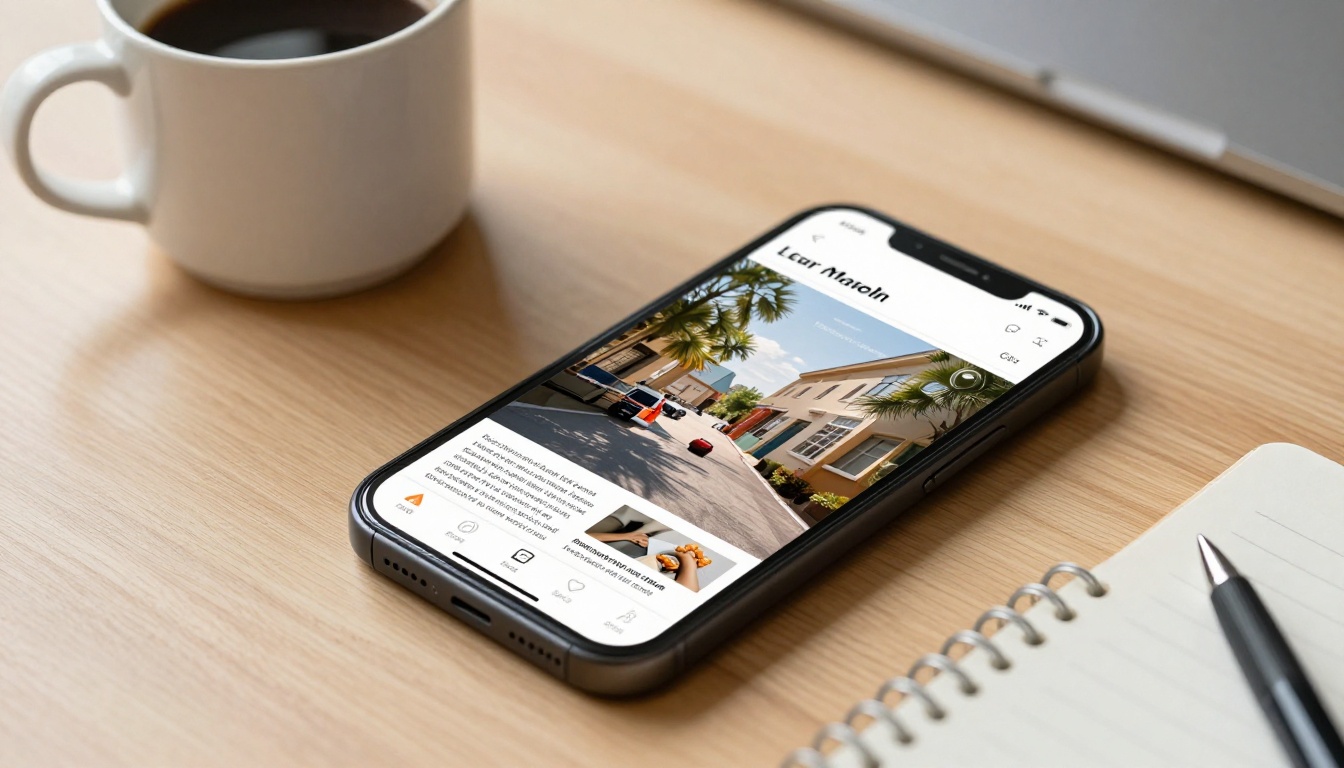
Digital content consumption is growing. Print readership is declining. Mobile-first behavior is now the default, not the exception. Businesses shifting their content strategy to interactive digital formats are spending less, reaching more people, and getting real performance data in return.
The businesses still running quarterly print campaigns are watching their budgets absorb fixed costs with no measurable return. That is not a sustainable position when a better option exists at a lower cost with higher capability.
The shift from print to digital flipbooks is not about chasing trends. It is about using a medium that actually works for how people read today, on the devices they carry everywhere, at the moments they choose to pay attention.
Ready to create your first flipbook? Get started for free on Flipbooks AI. Browse all flipbook tools to find the right format for your content, or compare plans to choose what fits your team.



