Static PDFs are quietly killing startup deals. You spend weeks crafting the perfect pitch deck, investor report, or product catalog, then send it off as a PDF and watch it disappear into someone's downloads folder, never to be opened again. In 2025, that's a real problem, and smart startups are solving it by switching to interactive flipbooks. Flipbooks AI is one of the platforms leading that shift, turning ordinary PDFs into immersive digital experiences that people actually want to read.
What's Actually Wrong With PDFs
Before we get into why flipbooks win, it's worth being specific about why PDFs lose.
They're Static and Lifeless
A PDF is a frozen document. No animation, no interactivity, no way to embed video or audio. Every page looks exactly the same as it did the day it was exported. For a startup trying to stand out in a crowded inbox, "frozen" is the last thing you want your brand materials to feel like.

Consider the numbers. The average adult attention span for digital content is roughly 8 seconds. A dense PDF wall of text doesn't compete with that. Flipbooks, by contrast, use page-turning animations, visual hierarchy, and interactive elements to keep readers scrolling and tapping. That difference in format directly translates to a difference in how long someone spends with your materials, and how likely they are to act on what they see.
No Data, No Feedback Loop
When you send a PDF, you get nothing back. Did they open it? Did they read page 3 or bail out on page 1? You have zero visibility. This is brutal for sales teams and founders who need to know whether their materials are landing.
💡 Pro Tip: Flipbooks with analytics let you see exactly which pages viewers spend time on, so you can refine your pitch based on real behavior, not guesswork.
For early-stage startups iterating on their pitch, this kind of signal is invaluable. Knowing that every investor drops off at the same slide tells you something concrete. A PDF gives you silence.
Mobile Is an Afterthought
PDFs were designed for printing. On a mobile screen, most PDFs require pinching, zooming, and sideways scrolling just to read a sentence. In a world where over 60% of digital content is consumed on phones, that's a significant friction point that costs startups real traction.
Potential customers or investors who receive a PDF link on their phone often don't read it at all. They save it to "read later" on a laptop that never comes. Flipbooks load instantly in a browser and adapt to the screen, removing that barrier entirely.
How Flipbooks Solve These Problems
Flipbooks aren't just prettier PDFs. They're a fundamentally different format built for how people actually consume digital content today.
Pages That Turn and Breathe
The defining feature is the page-turn effect, but that's just the beginning. Flipbooks support embedded video, audio, clickable links, forms, and animations. A product demo can play right inside your catalog. An investor pitch can include a video founder intro on the opening page. That kind of interactivity is impossible in a PDF.
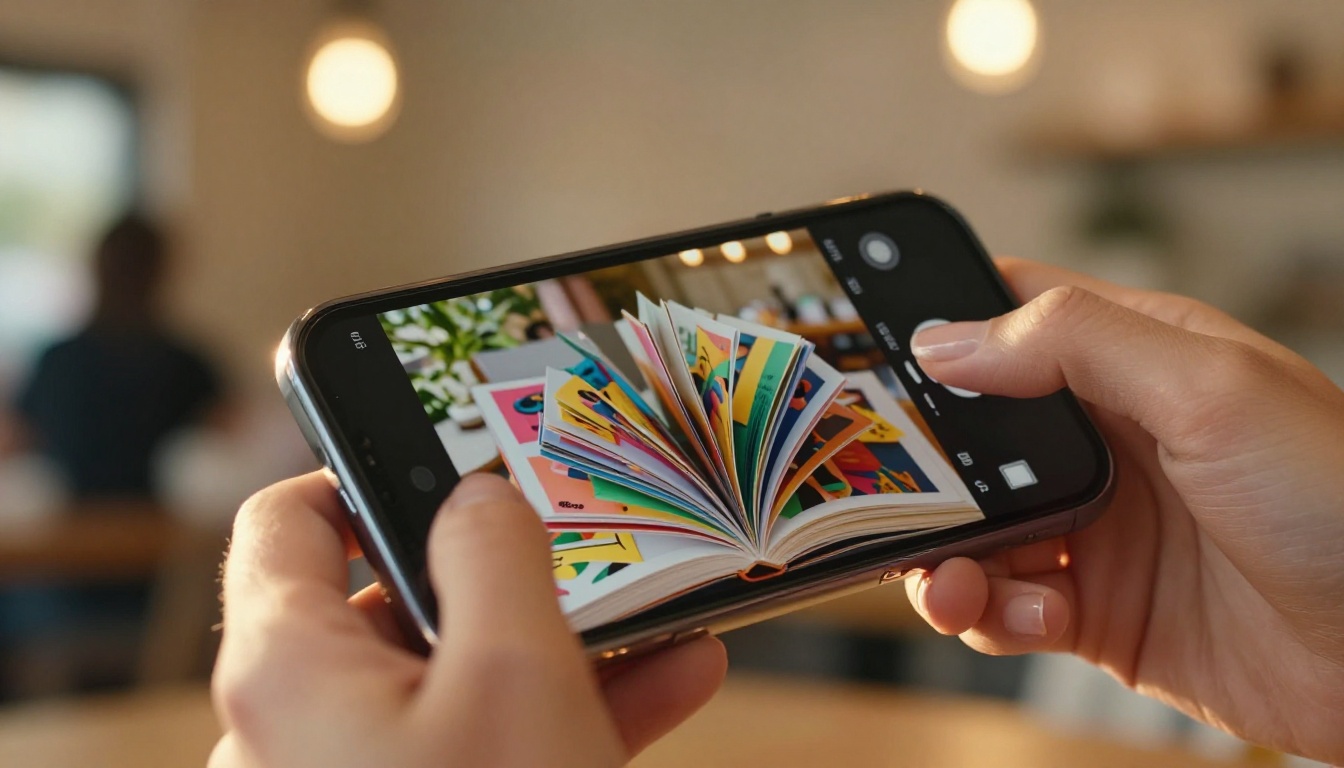
The page-turn animation itself is more than aesthetic. It signals to readers that this document is worth their time. It creates a magazine-like experience that feels curated and intentional, which directly reflects on the startup producing it.
Built for Every Screen
Flipbooks render beautifully on desktop, tablet, and mobile without any pinching or zooming. The layout adapts to the screen automatically, which means your materials look professional whether a VC is reading them on a MacBook or a potential customer is scrolling on their iPhone during a commute.
This matters at every stage. A D2C startup sending product catalogs to retail buyers needs those catalogs to open cleanly on any device the buyer uses. A SaaS startup sharing a solution brief needs it to be readable without friction.
Real-Time Analytics
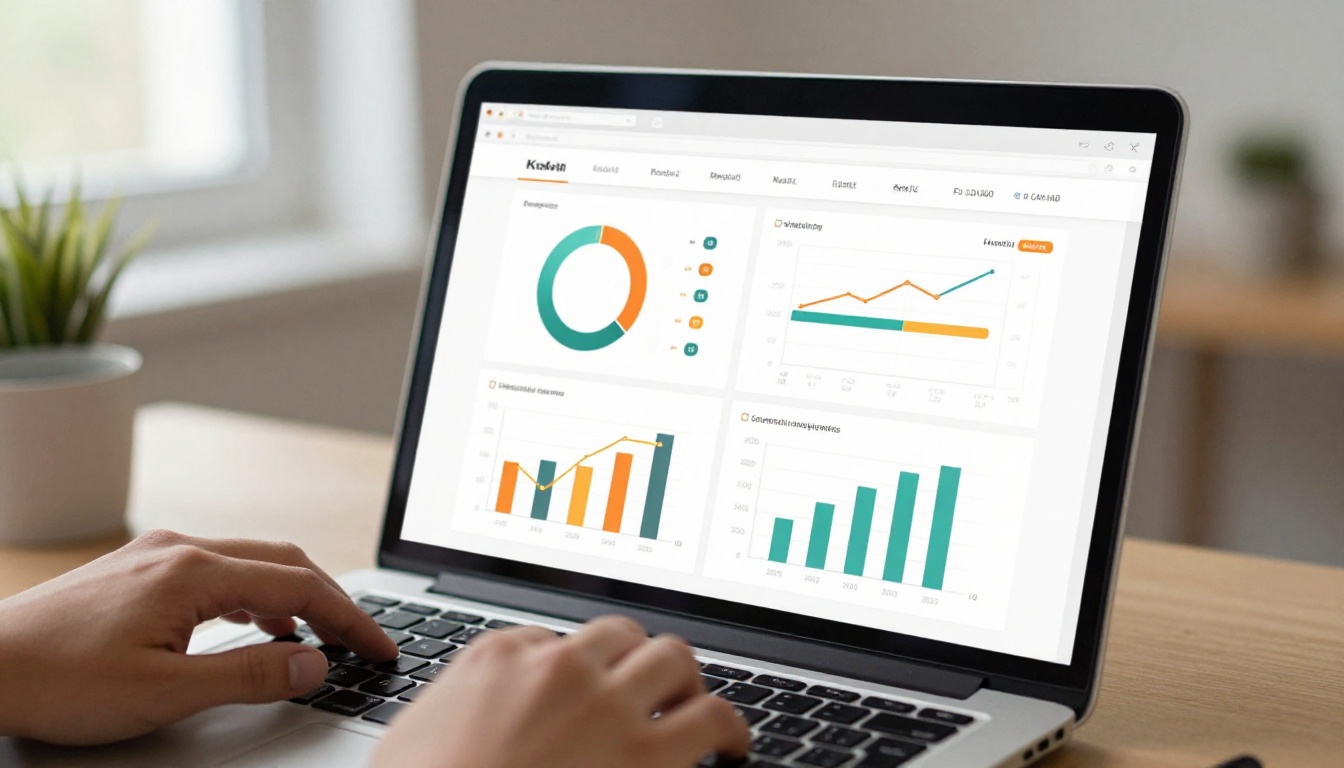
This is the feature that changes how startups operate. With a platform like Flipbooks AI, you get data on every view. Per-page tracking, time spent reading, geographic data, and with the Professional plan, you can collect leads directly from within the flipbook itself.
Flipbooks vs PDFs at a Glance
Here's how the two formats stack up across the dimensions that matter most to startups:
| Feature | PDF | Flipbook |
|---|
| Mobile-friendly | Poor (requires zoom) | Native responsive |
| Page-turn animation | None | Yes |
| Embedded video | No | Yes |
| Clickable links | Limited | Full support |
| Analytics | None | Per-page tracking |
| Lead capture | No | Yes (Pro plan) |
| Password protection | Basic | Yes |
| Offline access | Yes | Yes (downloadable) |
| Branding/customization | Limited | Full white-label |
| Sharing (link or embed) | Download only | Link, embed, or QR |
The differences aren't marginal. For a startup that cares about first impressions, conversion, and data, the flipbook wins across the board.
Real Startup Use Cases
The abstract case is clear. Here's how it plays out in practice for different types of startups.
Pitch Decks That Hold Investor Attention
Founders spend months perfecting their pitch, then deliver it in a PDF that an investor scans in 90 seconds. With a flipbook, the same deck becomes an experience. You can open with an embedded video, include interactive charts, and track whether a specific investor actually read your market size slide or skipped straight to financials.

A SaaS startup that converts its investor deck into a flipbook using Flipbooks AI can password-protect it for confidentiality, then share a single link with multiple investors, tracking which ones open it and for how long. That information shapes every follow-up conversation.
Product Catalogs That Actually Convert
E-commerce and D2C startups live or die by how well their catalog communicates product value. A PDF catalog requires downloading a 40MB file. A flipbook catalog opens instantly in a browser, shows page-turn animations between product spreads, and lets customers click directly through to product pages.
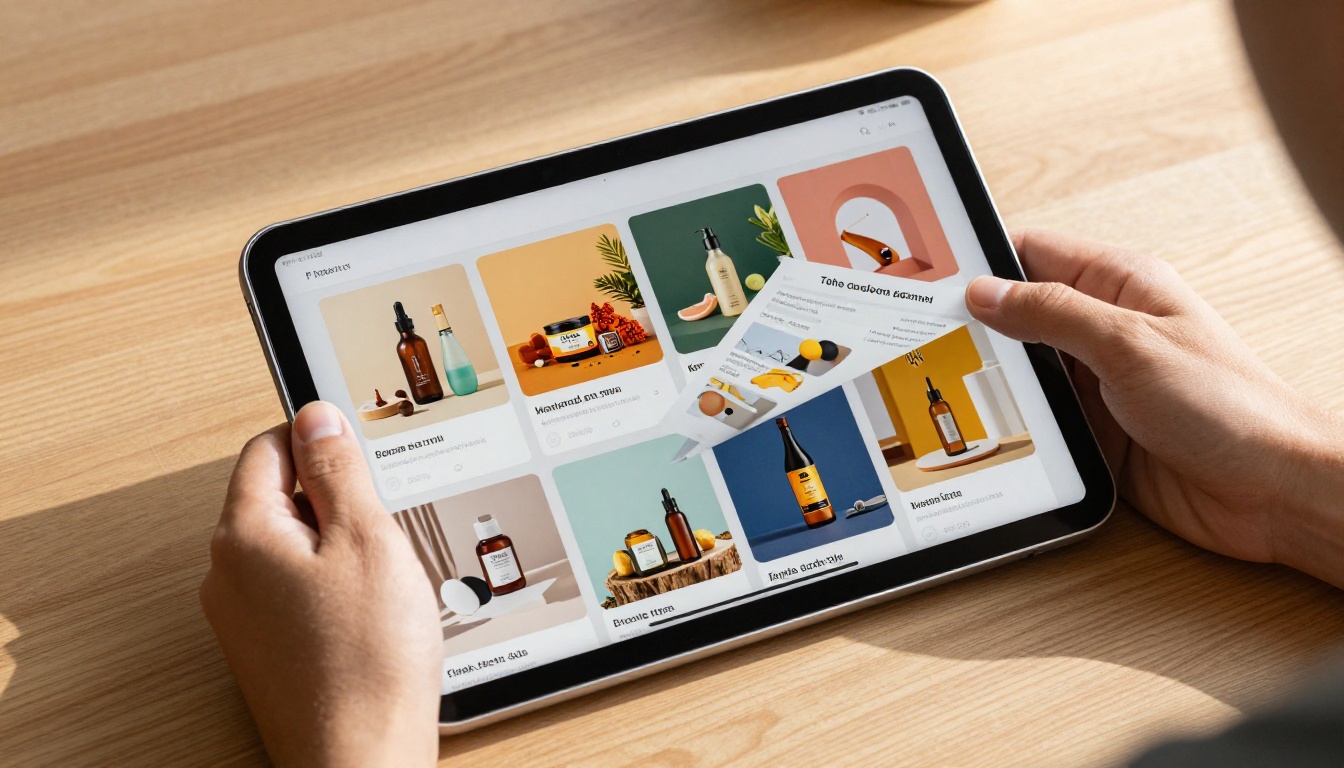
You can build one in minutes using the Digital Catalog Maker or the Product Catalog Generator. The catalog becomes a shareable link you post on social media, embed on your website, or send directly to wholesale buyers. No downloads, no friction, no excuses.
Onboarding Docs That Don't Feel Like Homework
New hire onboarding PDFs are one of the most universally dreaded document formats. They're long, dense, and identical for every role. A flipbook version can include embedded welcome videos, clickable department org charts, and interactive checklists. New employees actually read it instead of bulk-skimming and forgetting.
For fast-growing startups hiring at scale, this matters. When onboarding is clearer, ramp time shortens and early confusion drops. The Training Manual Flipbook tool is built precisely for this use case.
Sales Decks That Give Reps an Edge
Sales teams at early-stage startups often run cold outreach at volume. Sending a PDF attachment to 200 prospects is standard. Sending a personalized flipbook link that notifies you when it's opened, tracks how far they read, and includes an embedded booking form is a completely different proposition.

✅ Best Practice: Add a lead capture form on the final page of your sales flipbook. With Flipbooks AI Professional, you collect name and email before readers access the full content, turning your outreach materials into a lead generation tool.
Plan Comparison for Startups
Flipbooks AI offers tiered pricing that scales with startup growth. Here's how the plans break down:
| Feature | Free | Standard | Professional |
|---|
| Flipbooks | 3 | Unlimited | Unlimited |
| Watermark | Yes | No | No |
| Custom branding | No | Yes | Yes |
| Password protection | No | Yes | Yes |
| Analytics | No | Basic | Full |
| Lead generation | No | No | Yes |
| Offline downloads | No | Yes | Yes |
| Embedded video/audio | Limited | Yes | Yes |
| Custom domain | No | No | Yes |
For most early-stage startups, the Standard plan is the right entry point. No watermarks, unlimited flipbooks, custom branding, and password protection handle the basics without the cost of the Professional tier. As you scale your outreach and need analytics or lead capture, upgrading to Professional pays for itself with a single converted lead.
How to Turn Your PDF Into a Flipbook
If you have a PDF sitting on your desktop right now, here's how fast the process is on Flipbooks AI.
Step 1: Create your account
Head to flipbooksai.com/account and sign up. The free plan requires no credit card.
Step 2: Upload your PDF
From your dashboard, click "New Flipbook" and upload your PDF. The platform accepts files up to 500MB and handles multi-page documents automatically. The PDF to Flipbook Converter processes your file and generates the page-turn version in seconds.
Step 3: Customize your flipbook
Once the conversion is complete, you can:
- Apply your brand colors and logo
- Choose a background style (solid, gradient, or custom image)
- Add a custom opening page with your brand name
- Set page-turn animation speed and style
- Embed videos or audio on specific pages
- Add clickable hyperlinks throughout the content

Step 4: Configure sharing settings
Before publishing, decide on your sharing setup:
- Public link: Anyone with the URL can view
- Password protected: Viewers must enter a password (ideal for investor materials or internal docs)
- Embed code: Drop the flipbook directly into your website or landing page using the Embed Flipbook on Website tool
Step 5: Share and track
Copy your flipbook link and send it. If you're on the Professional plan, open your analytics dashboard to watch activity in real time. You'll see total views, average time on each page, and drop-off points that tell you exactly where readers lose interest.
💡 Pro Tip: Share your flipbook as a QR code at in-person events. Print it on business cards, booth signage, or packaging. Anyone who scans gets your full interactive catalog or deck instantly on their phone, no download required.
Different startup documents have different jobs. Here's a quick reference for matching your document type to the right Flipbooks AI tool:
Browse the full list at flipbooksai.com/tools.
What Startups Actually Gain
Moving from PDF to flipbook isn't just a cosmetic upgrade. The operational benefits compound over time.

Faster feedback loops. When your analytics show that investors consistently drop off at page 7 of your pitch deck, you fix page 7. Without analytics, you're iterating blind.
Higher perceived quality. Perception matters in early-stage fundraising and sales. A polished, interactive flipbook signals that your startup sweats the details. It's a low-cost way to look more established than you are.
Reduced friction in sharing. Instead of attaching a 25MB PDF that gets caught by spam filters or requires someone to download and open a separate app, you send a link. It opens in a browser tab in two seconds.
Reusable and updatable. A PDF is a snapshot in time. If pricing changes on page 12, you reprint the whole thing. A flipbook is a living document. Update the source and every shared link reflects the change automatically.
SEO and discoverability. Public flipbooks are indexed by search engines. A well-structured product catalog or company brochure can generate organic traffic without any additional effort.
Cost savings at scale. Print runs for catalogs and brochures are expensive. A digital flipbook costs nothing to distribute, scales to any audience size, and can be updated without reprinting.

⚠️ Watch out for: Free flipbook tools that add watermarks to your published content. Watermarks on investor materials or customer-facing catalogs look unprofessional. With Flipbooks AI, watermarks are removed entirely on the Standard plan and above, so your brand stays clean.
Stop Sending Files, Start Sending Experiences
The shift from PDF to flipbook is one of those changes that seems small until you see the difference in how people respond to your materials. Investors stay longer. Customers convert more. New hires actually read the onboarding doc. Sales reps know exactly when a prospect is hot.
PDFs served their purpose when print was the dominant medium. In 2025, startups competing for attention in crowded digital inboxes need formats built for the web, built for mobile, and built to give data back.
Ready to stop sending boring PDFs? Create your first flipbook for free on Flipbooks AI today. No credit card required, no watermarks on paid plans, and your first three flipbooks cost nothing.
When you're ready to scale, compare pricing plans to see which tier fits where your startup is right now. Or check all flipbook tools to find the exact format your next document needs.



