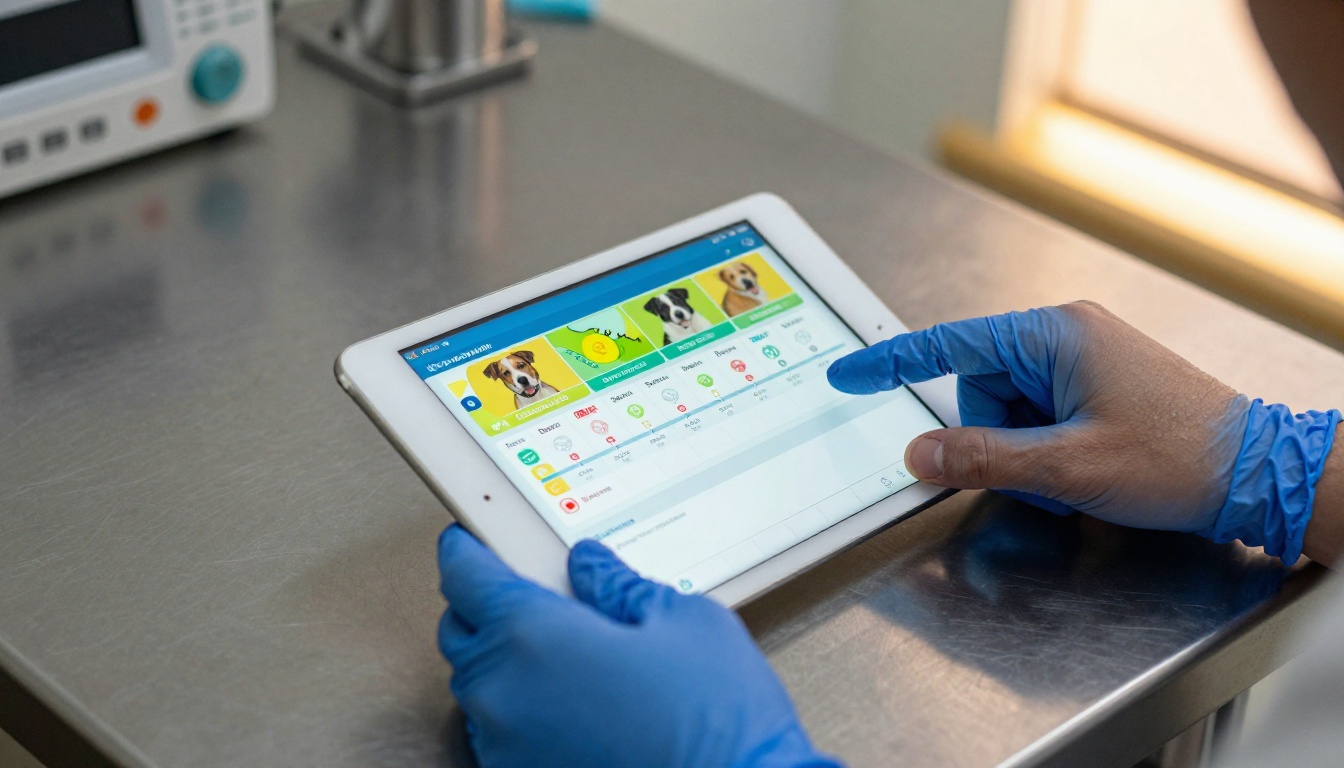
Most pet owners leave a veterinary appointment with good intentions and a folded paper handout that ends up crumpled at the bottom of their bag. By the time their dog develops a limp or their cat stops eating, that handout is long gone, and so is the information on it. Flipbooks AI changes the entire equation by giving veterinarians a way to deliver pet care information that clients can access anytime, on any device, without printing a single page. This is not a small upgrade. It is a fundamental shift in how veterinary practices communicate with the people who trust them most.
The Problem With Paper Handouts
Veterinary client education has not changed much in 30 years. Clinics still print the same discharge sheets, fold them in half, and hand them to pet owners who are already stressed, distracted, and trying to keep a wriggling animal under control. The system was never ideal. Today, it is actively failing.
Why Clients Ignore Printed Instructions
Research consistently shows that patients retain less than 20% of verbal medical instructions immediately after receiving them. Pet owners face the same challenge, often managing a scared or sedated animal while trying to absorb critical aftercare information. Paper handouts were supposed to solve this, but they create their own problems:
- They get lost, wet, chewed, or thrown away within days
- They cannot be updated when protocols or drug dosages change
- They look dated and reflect poorly on the practice's professionalism
- They cannot include video demonstrations of wound care or pill administration
- They offer zero insight into whether the client actually read them
- They require reprinting every time content needs updating, adding cost and staff time
The result is a communication gap that leads to missed medications, incorrect wound care, skipped follow-up appointments, and frustrated clients who call the clinic repeatedly with questions already answered in the discharge sheet they cannot find.
The Hidden Cost of Poor Communication
Poor post-visit communication is one of the top reasons clients switch veterinary practices. When a pet owner cannot remember the correct dosage of their dog's antibiotic, they call the clinic. When they cannot locate the discharge sheet, they panic at midnight. When they get contradictory information from searching online instead of using the clinic's official resources, they lose trust.
Every gap in communication adds friction, eats staff time, and damages the client relationship that practices work so hard to build. A single post-surgical complication caused by misunderstood aftercare instructions can result in an emergency visit, a negative review, and a client who never returns. The cost of poor handouts is not just inconvenience. It is real clinical and financial risk.
What a Veterinary Flipbook Actually Does
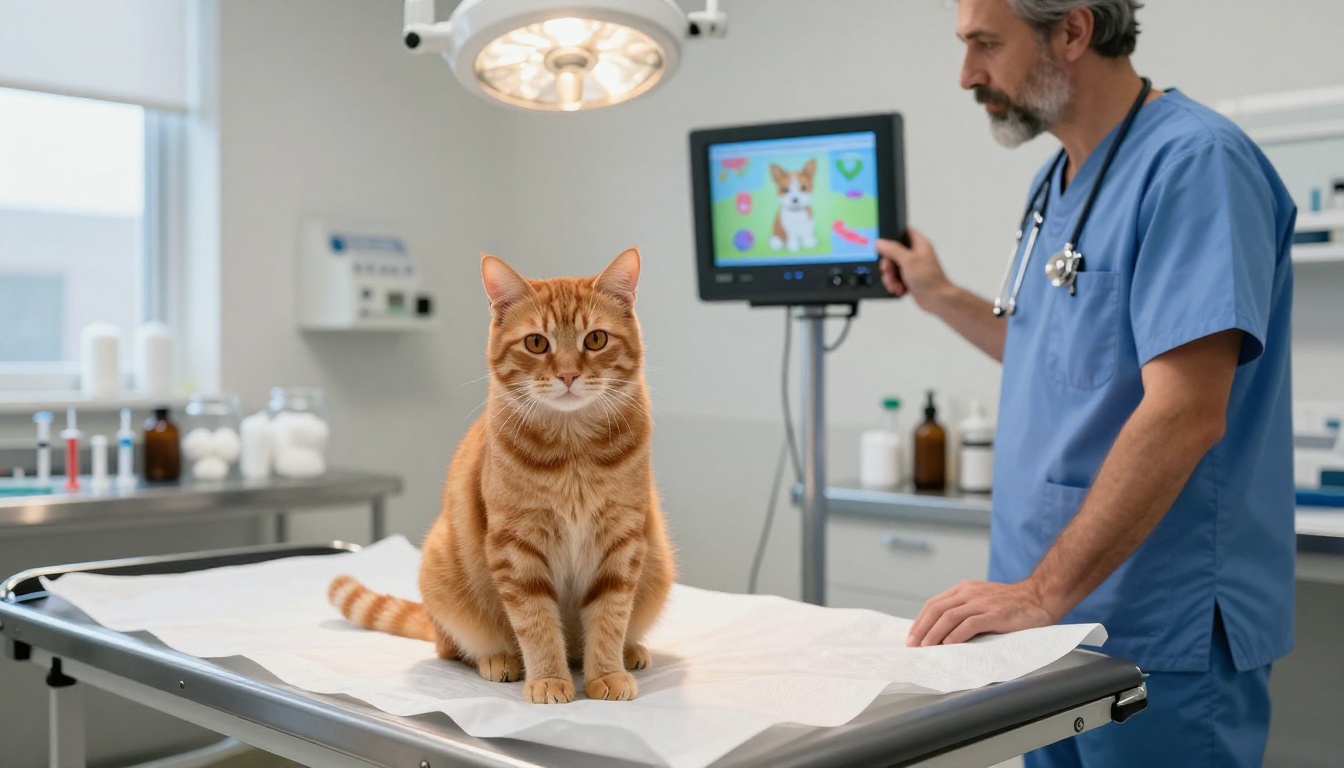
A veterinary flipbook is a digital, interactive publication built from a standard PDF. Instead of handing over a static document, you share a link that opens a mobile-friendly, page-turning experience packed with your clinic's branding, rich visuals, and structured information.
More Than a Digital Brochure
The difference between a PDF and a flipbook is the difference between a form letter and a genuine client resource. A PDF sits inert in a download folder, impossible to navigate on a small screen. A flipbook:
- Loads instantly in any browser, with no app required
- Displays beautifully on smartphones, tablets, and desktop screens
- Supports embedded videos, audio files, and clickable links
- Tracks views and reading time on Professional plans, giving clinics actual data
- Can be password-protected for private post-operative instructions
- Updates instantly across all shared links when content changes
How Clients Actually Interact With It
Pet owners receive a link via text or email, tap it, and the flipbook opens right in their browser. They can flip through pages, zoom in on medication charts, watch a short video demonstrating how to clean a wound, and share the same link with a partner or family member who also needs the information. No printing, no searching through folders, no calling the clinic to ask what the discharge sheet said about activity restrictions.
This accessibility removes the most common barrier to compliance: clients simply not being able to find or re-read the instructions when they need them.
5 Real Ways Vets Use Flipbooks Daily

Veterinary practices that adopt flipbooks do not just use them for one thing. The format is flexible enough to handle nearly every type of client communication, from routine wellness reminders to complex post-surgical protocols.
Post-Surgery Aftercare Instructions
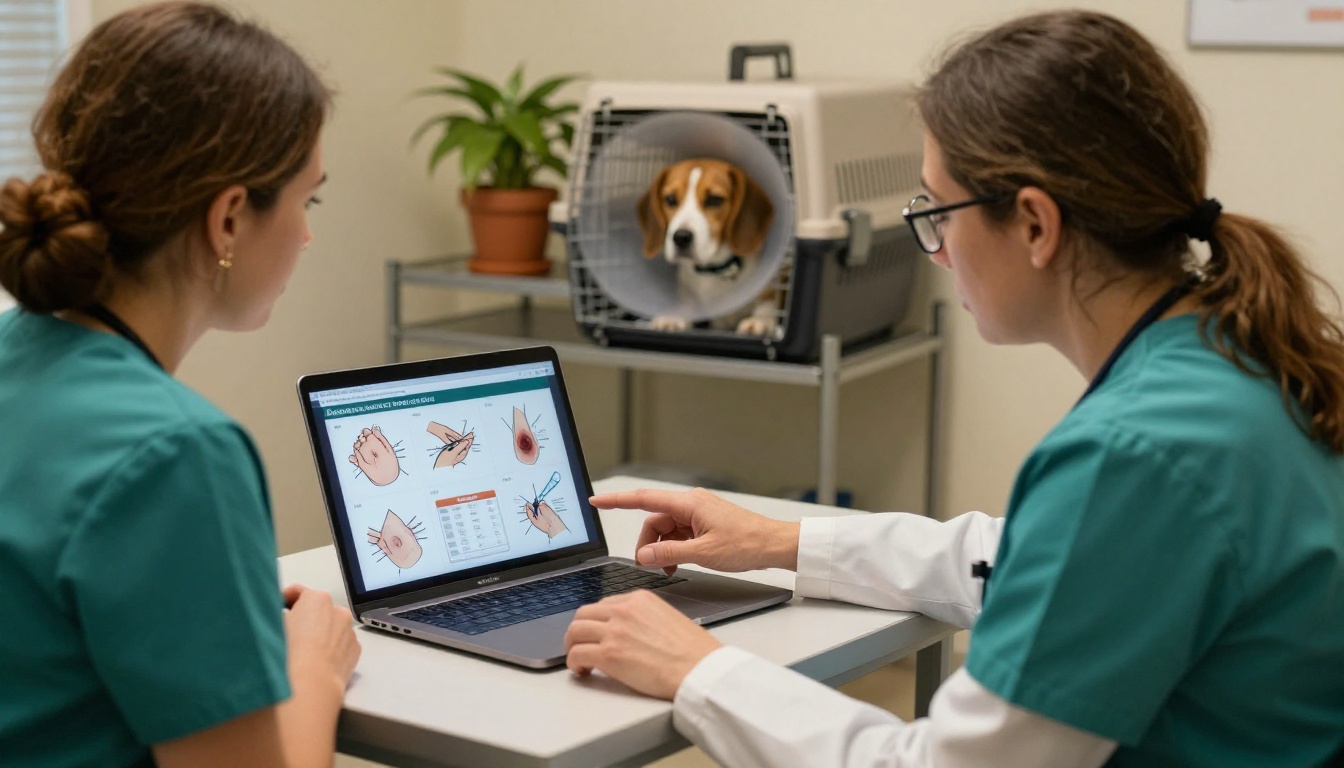
This is where flipbooks save the most staff time and deliver the clearest clinical benefit. A well-structured aftercare flipbook covers:
- Incision care and early signs of infection with reference photos
- Activity restrictions broken down day by day for the first two weeks
- Medication schedules with photos of each pill for easy identification
- Specific instructions for when to call the clinic versus visiting the emergency vet
- Follow-up appointment reminders with a clickable link to the booking system
When pet owners can pull up this information at 2 AM without calling the emergency line, everyone benefits. The clinic reduces out-of-hours calls, the client feels supported, and the pet receives consistent care based on accurate instructions.
Vaccination Schedules Made Visual
Instead of a dense table that confuses clients, a vaccination schedule flipbook uses clear timelines, color-coded age groups, and brief explanations of why each vaccine matters. Clinics can create separate versions for puppies, kittens, adult dogs, adult cats, and senior pets, then update all of them instantly when guidelines change. The client always has access to the current, accurate schedule rather than an outdated printed version.
Breed-Specific Wellness Tips
A Great Dane owner needs completely different information than someone who just adopted a Persian cat. Breed-specific flipbooks let practices provide genuinely useful, targeted content without printing hundreds of paper variations. A Bulldog owner gets information about respiratory concerns, skin fold care, and weight management. A Border Collie owner gets content about mental stimulation, joint health, and high-energy exercise needs. Share the right link for the right breed, and clients feel like they received something built specifically for their pet rather than a generic handout.
Seasonal Health Reminders
Heartworm season, tick prevention campaigns, holiday hazard warnings, summer heat advisories for brachycephalic breeds. These are perfect flipbook use cases. Create a seasonal wellness edition once, update the content for the next season, and distribute it via email or SMS to your client list. Seasonal flipbooks keep the practice visible between appointments without feeling intrusive or promotional.
New Pet Owner Welcome Packs
First-time puppy or kitten owners are overwhelmed, and they will search the internet for answers whether or not the clinic gives them better options. A welcome pack flipbook covering the first-year vaccination schedule, spay and neuter timing, nutrition basics by life stage, socialization tips, and what to expect at each developmental stage turns a single appointment into an ongoing educational relationship. New pet owners who receive this level of organized support become long-term, loyal clients.
Paper vs. Digital Flipbook: The Real Comparison
| Feature | Printed Handout | Veterinary Flipbook |
|---|
| Client access | One-time, often lost | Permanent link, always accessible |
| Update process | Reprint entire batch | Edit once, updates everywhere instantly |
| Multimedia support | None | Video, audio, clickable links |
| Branding quality | Basic letterhead | Full custom branding, colors, and fonts |
| Client analytics | None | Page views, read time, click tracking |
| Cost per distribution | Printing plus staff time | One-time creation, unlimited shares |
| Mobile experience | Poor, small folded paper | Optimized for any screen size |
| Privacy controls | None | Password protection available |
| Environmental impact | Paper waste per client | Zero paper, zero waste |
| Update speed | Days to reprint and redistribute | Seconds to update and auto-distribute |
The numbers are not close. A printed discharge sheet costs money every single time it is created and provides zero feedback on whether it was useful or even opened. A flipbook is created once and works indefinitely, improving with every update.
How to Build a Vet Flipbook With Flipbooks AI
Flipbooks AI makes the creation process straightforward for any veterinary practice, regardless of technical experience. You do not need design software or a web developer. If you have a PDF, you have everything you need.
Step 1: Create Your Account
Go to flipbooksai.com/account and sign up. The platform offers plans suited to solo practitioners, small animal clinics, and larger multi-doctor practices. Review the pricing options to identify the tier that matches your clinic's volume and feature needs before uploading your first document.
Step 2: Prepare Your PDF
Before uploading, make sure your PDF is well-organized with clear headings for each section. Include your clinic's logo, address, phone number, and emergency contact on the first page. Add any booking URLs or QR codes that clients should be able to tap directly from the flipbook. Well-structured PDFs produce cleaner, more readable flipbooks.
Step 3: Upload and Convert
Use the PDF to Flipbook Converter to upload your document. The conversion takes seconds. Your PDF becomes a fully interactive, page-turning flipbook with automatic mobile optimization applied. No manual formatting adjustments required.
Step 4: Customize Your Branding
Add your clinic's colors, logo, and font choices to match your practice's visual identity. Set a branded cover page, adjust the page-turning animation, and configure the reading interface to feel like an extension of your clinic's existing materials rather than a generic document viewer. Consistency builds trust.
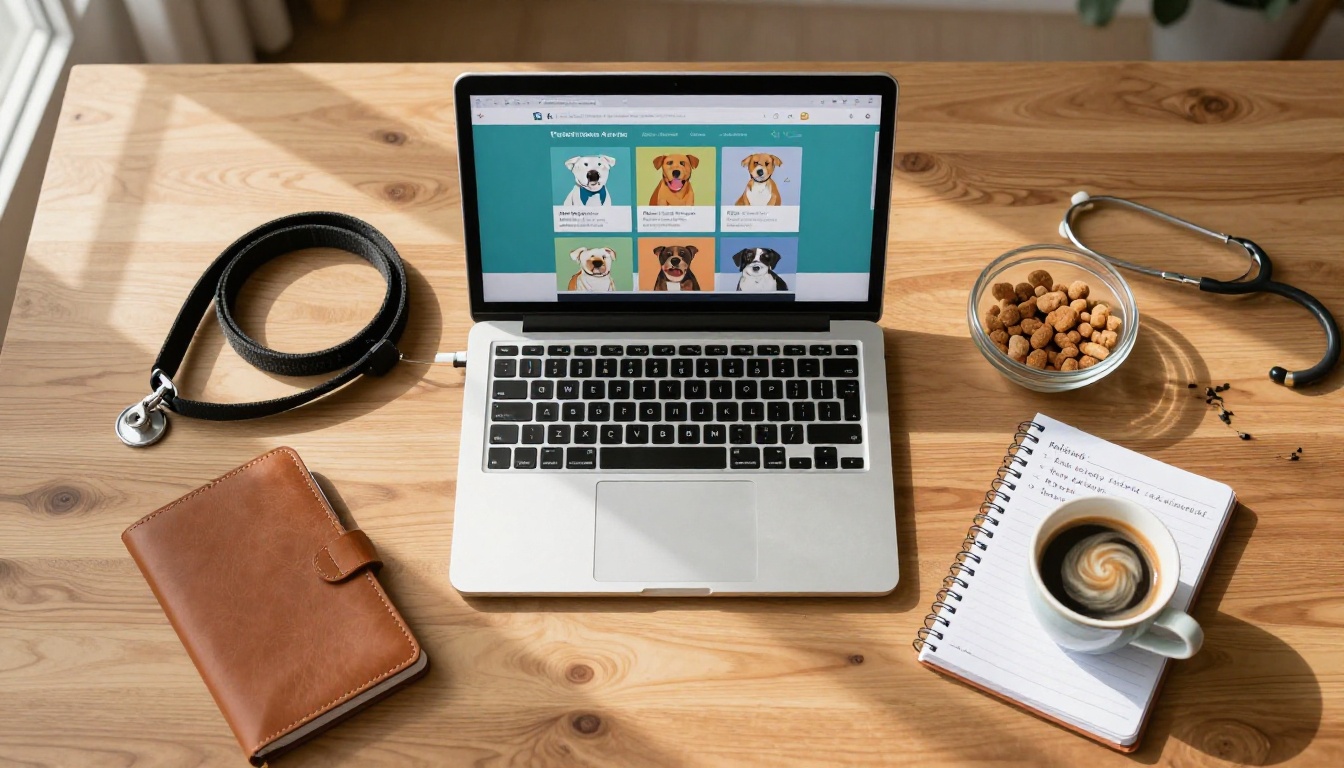
Step 5: Embed Multimedia
This is where veterinary flipbooks become genuinely powerful. Add:
- Short video demonstrations of wound cleaning or medication administration
- Audio clips of the treating vet explaining key recovery milestones
- Clickable buttons linking directly to the online booking portal
- Animated section transitions that improve readability on smaller screens
- Embedded maps for clients who may need to locate the nearest emergency clinic after hours
Step 6: Control Access and Privacy
For general wellness content shared with all clients, create a public link to distribute via email or SMS. For post-surgical instructions specific to an individual patient, enable password protection so only that client can access the document. This protects sensitive information while keeping the convenience of digital delivery.
Step 7: Share, Monitor, and Refine
Send the link through your practice management software, email newsletter, or SMS platform. Professional plan users gain access to analytics showing exactly how many clients opened the flipbook, which pages held their attention longest, and which links they clicked. This data identifies which content is genuinely helpful and where clients are still getting confused, letting practices refine their communication materials over time.
Flipbooks AI Plans for Veterinary Practices
| Plan | Ideal For | Flipbooks | Analytics | Password Protection | Offline Access |
|---|
| Starter | New practitioners testing the format | Limited | None | No | No |
| Standard | Established clinics with steady client volume | Unlimited | Basic stats | Yes | No |
| Professional | Multi-doctor practices with high client throughput | Unlimited | Full with lead gen | Yes | Yes |
💡 Professional plan analytics let veterinary practices identify which aftercare sections clients read most carefully, revealing where confusion or anxiety is highest and helping prioritize staff follow-up calls.
⚠️ Any flipbook containing patient-specific medical information should use password protection. General wellness and educational content can remain public without privacy concerns.
✅ Every Flipbooks AI plan includes no watermarks on published content, keeping all client-facing materials looking professionally produced at all times.
When to Send a Flipbook

Timing matters as much as content. The most effective veterinary flipbooks are sent at moments when clients are actively focused on their pet's health, not days later when the urgency has faded.
Before the Appointment
Send a "What to Expect" flipbook 24 hours before a scheduled procedure. Cover fasting requirements, what to bring, drop-off and pick-up procedures, and how to keep their pet calm during transport. Clients who arrive informed are less anxious, ask more productive questions, and trust the clinical team more from the first interaction.
After Surgery or Treatment
Send the aftercare flipbook within 30 minutes of discharge, while the pet is still in the car and the owner is actively thinking about what to do next. This window, when anxiety is highest and attention is sharpest, is when the information is most likely to be read thoroughly. Include a direct booking link for the follow-up appointment at the bottom of the final page.
During Wellness Campaign Seasons
February is National Pet Dental Health Month. April is Heartworm Awareness Month. August is National Immunization Awareness Month. Each of these is an opportunity to send a branded wellness flipbook to the entire client list with timely, specific information that keeps the practice visible without feeling like advertising. These seasonal touchpoints consistently outperform generic email newsletters in open and engagement rates.
The Client Retention Angle
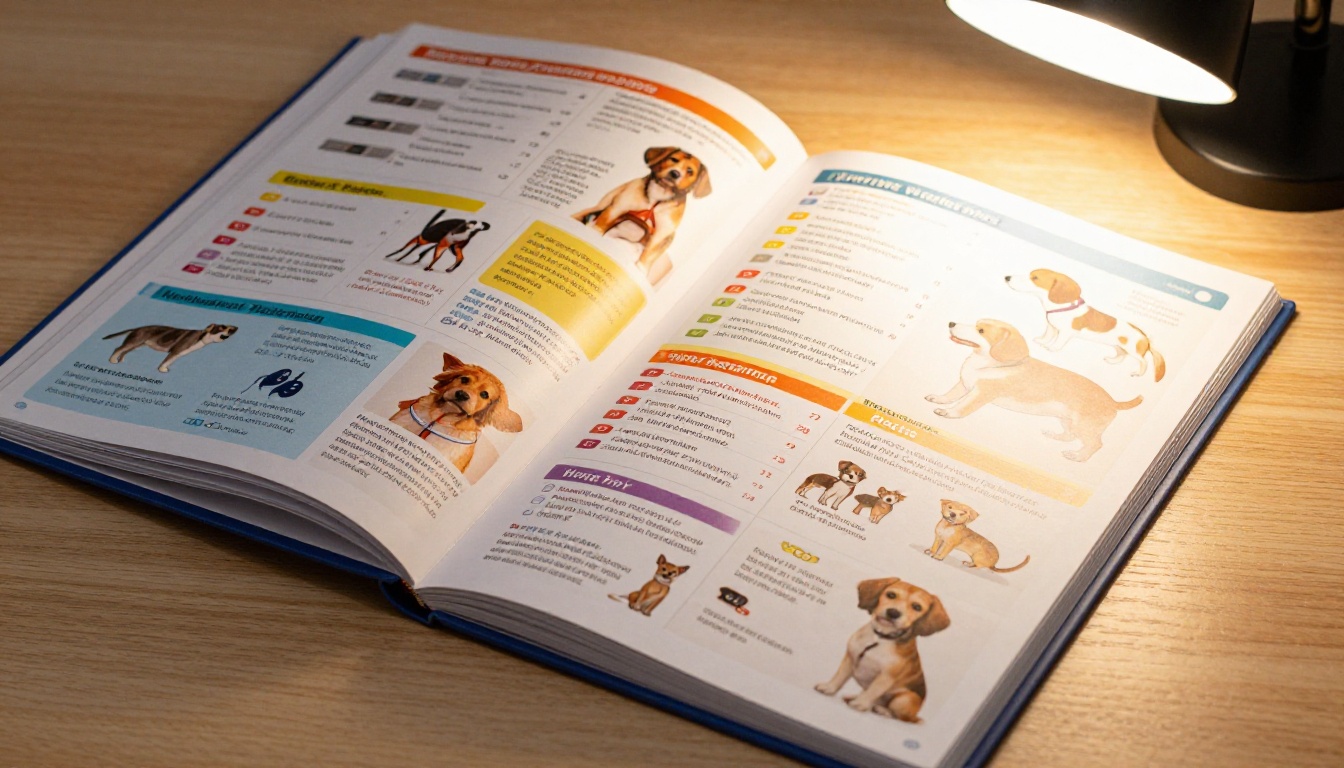
Veterinary practices with strong client communication protocols have measurably higher retention rates. When clients feel informed and supported between visits, they are significantly more likely to return for preventive care, refer friends and family, and leave detailed positive reviews that attract new clients organically.
A flipbook is not just a communication tool. It works passively as a retention asset. Every time a client opens the aftercare link to check the medication schedule, they see the clinic's name and branding. Every time they share the puppy wellness guide with a friend who just adopted a new dog, that friend sees the practice's contact information. Word of mouth becomes word of link.
The Training Manual Flipbook tool is also useful internally, letting clinic managers build onboarding materials for new staff and continuing education resources for the entire team using the same platform their clients already interact with.
What the Data Shows About Client Communication
Studies on veterinary client satisfaction consistently surface the same gaps. Clients want clearer post-visit instructions. They want easier access to health information between appointments. They want to feel like the practice they chose actually thinks about their pet outside the 20 minutes of face time at the clinic.
A flipbook addresses all three without adding a single minute to appointment time or a single dollar to printing costs. The format itself communicates professionalism. A client who receives a beautifully branded, mobile-optimized flipbook from their veterinarian perceives the practice as modern, thorough, and client-focused. That perception builds trust, and trust is the foundation of every long-term client relationship a practice depends on.
Practices using digital client education tools report a measurable reduction in repeat phone calls about post-visit questions, a consistent improvement in medication compliance rates, and higher scores on client satisfaction surveys. These are not marginal improvements. They represent a real shift in the quality of care delivered outside the clinic walls.
Where to Start

The most direct path is to build one flipbook for the use case your clinic handles most often. If post-surgical aftercare calls are your biggest staff time drain, start there. If new puppy appointments consistently run long because owners arrive unprepared, build the welcome pack first. If vaccination schedule confusion is causing missed boosters, that is your starting point.
Create your first veterinary flipbook on Flipbooks AI, share it with the next ten clients in that category, and track whether the volume of follow-up calls drops over the following two weeks. The difference is typically immediate and measurable.
Ready to put better pet care information in your clients' hands? Get started for free on Flipbooks AI and have your first veterinary flipbook live before your next appointment. Browse all available flipbook tools to find formats suited to every type of client communication your practice handles, or review pricing plans to choose the tier that fits your clinic's size and goals.



