The watch industry doesn't move fast. These are brands that spend decades perfecting a 4mm movement, that still hand-finish every bridge in a Geneva atelier, that have customers who pass timepieces to their grandchildren. So when watch brands start doing something new with their marketing, it's worth paying attention.
The shift happening right now? Watch brands — from independent micro-brands to century-old maisons — are replacing their traditional printed lookbooks with interactive digital flipbooks. And they're not doing it because it's trendy. They're doing it because it works better in almost every measurable way.
Flipbooks AI has become the tool of choice for many of these brands, offering a conversion pipeline from PDF to interactive flipbook in minutes. But before we get to the how, let's talk about the why.
The Lookbook Is Central to Watch Brand Marketing
For watch brands, the lookbook isn't a brochure — it's a brand artifact. It's where photography, copywriting, lifestyle imagery, and product detail converge into something that communicates the entire emotional universe of the brand. A Patek Philippe lookbook isn't selling a watch; it's selling a philosophy.
What Makes Watch Lookbooks Different
Watch lookbooks carry more creative weight than most product catalogs because:
- They sell feeling, not function. A watch lookbook isn't explaining how a tourbillon works. It's showing you what kind of person wears one.
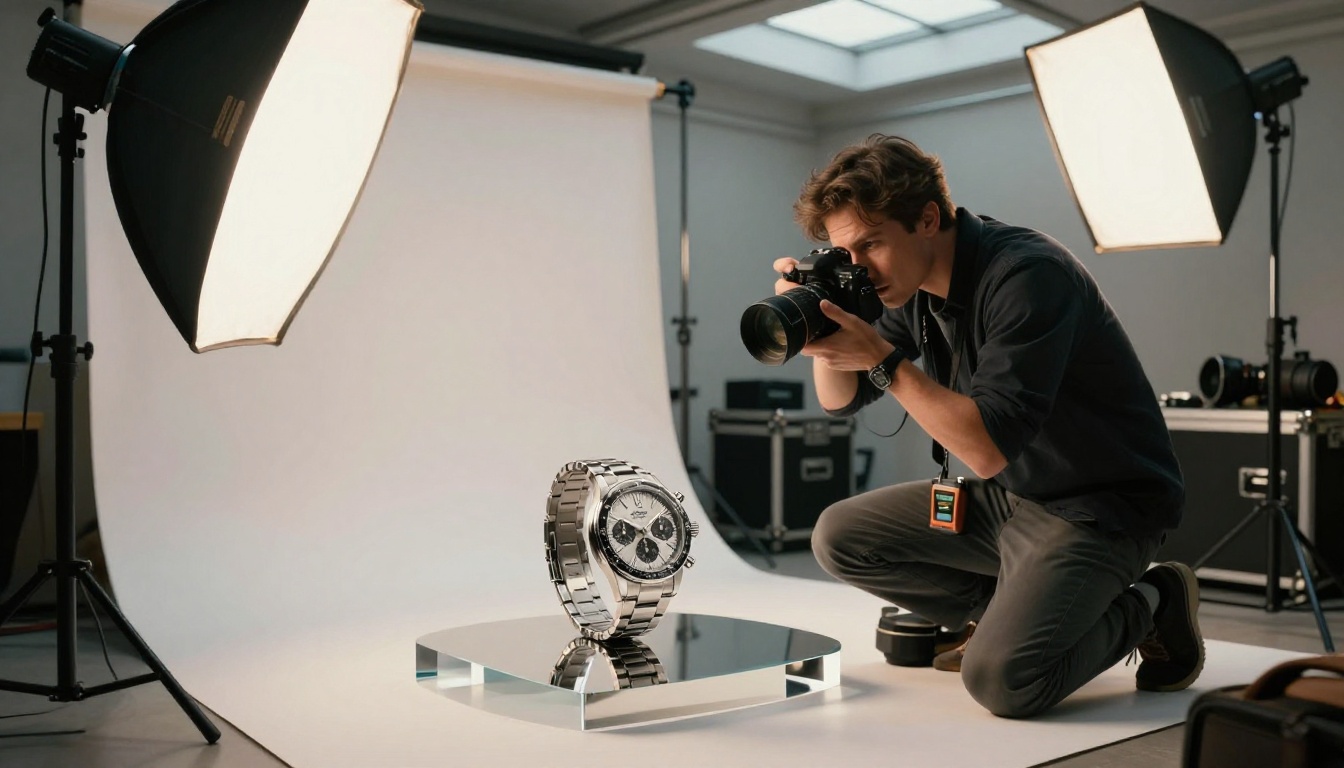
- They rely on photography-first storytelling. The imagery must do the heavy lifting — full-bleed spreads, close-up dial photography, lifestyle scenes in curated environments.
- They're long-form by design. A typical seasonal watch lookbook runs 40-80 pages, covering multiple collections with editorial depth.
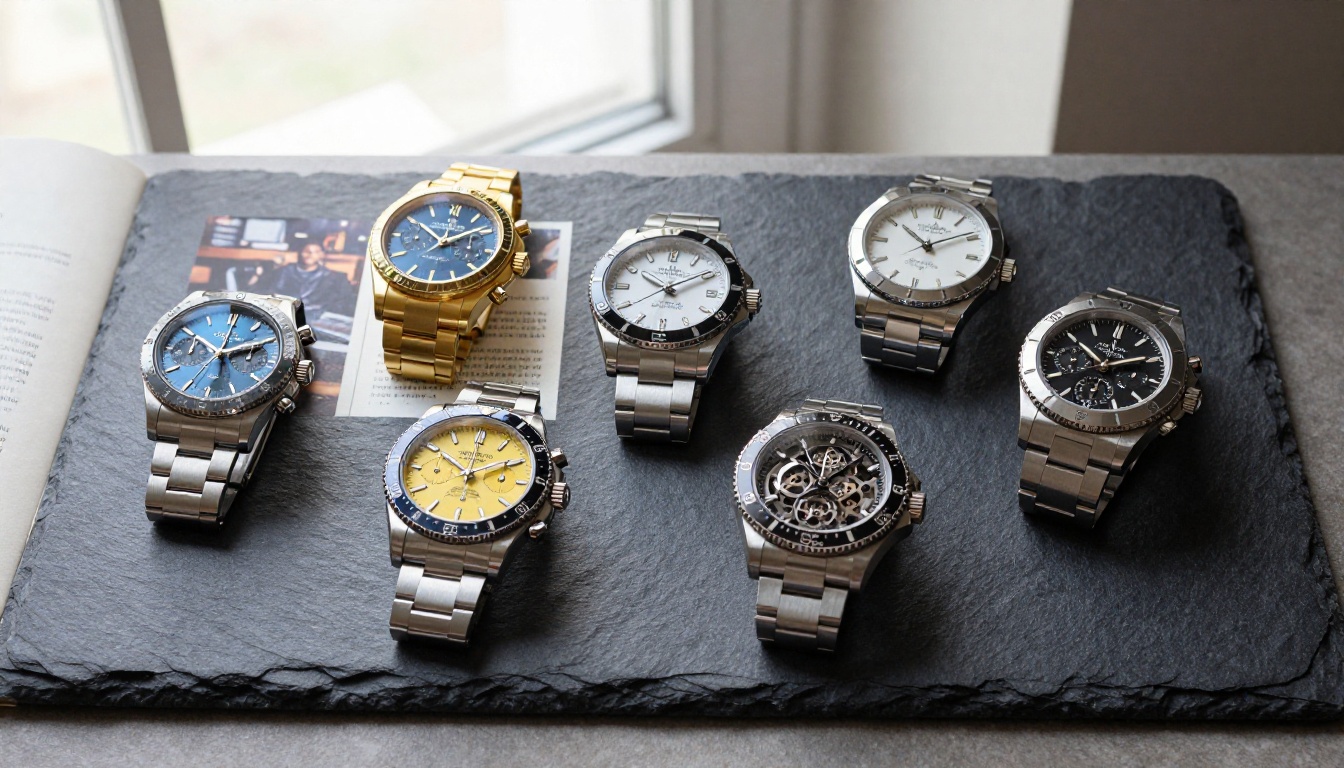
That depth is exactly why the format matters so much. A static PDF doesn't honor the work that goes into a 70-page watch lookbook. A flipbook does.
Why Watch Brands Use Flipbooks for Lookbooks
The core reasons why watch brands use flipbooks for lookbooks fall into five categories: experience quality, distribution reach, analytics capability, cost efficiency, and brand control.
The Page-Turn Experience Mirrors Physical Luxury
Luxury is tactile. When a collector visits a boutique, the brand ambassador hands them a printed lookbook with thick paper stock, sewn binding, and full-bleed photography. The physical act of turning a page is part of the experience.
Digital flipbooks replicate that. The animated page-turn, the spread layout that shows two pages simultaneously, the ability to zoom into a dial photograph — these all approximate the physical artifact in ways a PDF viewer or scrolling webpage never can.
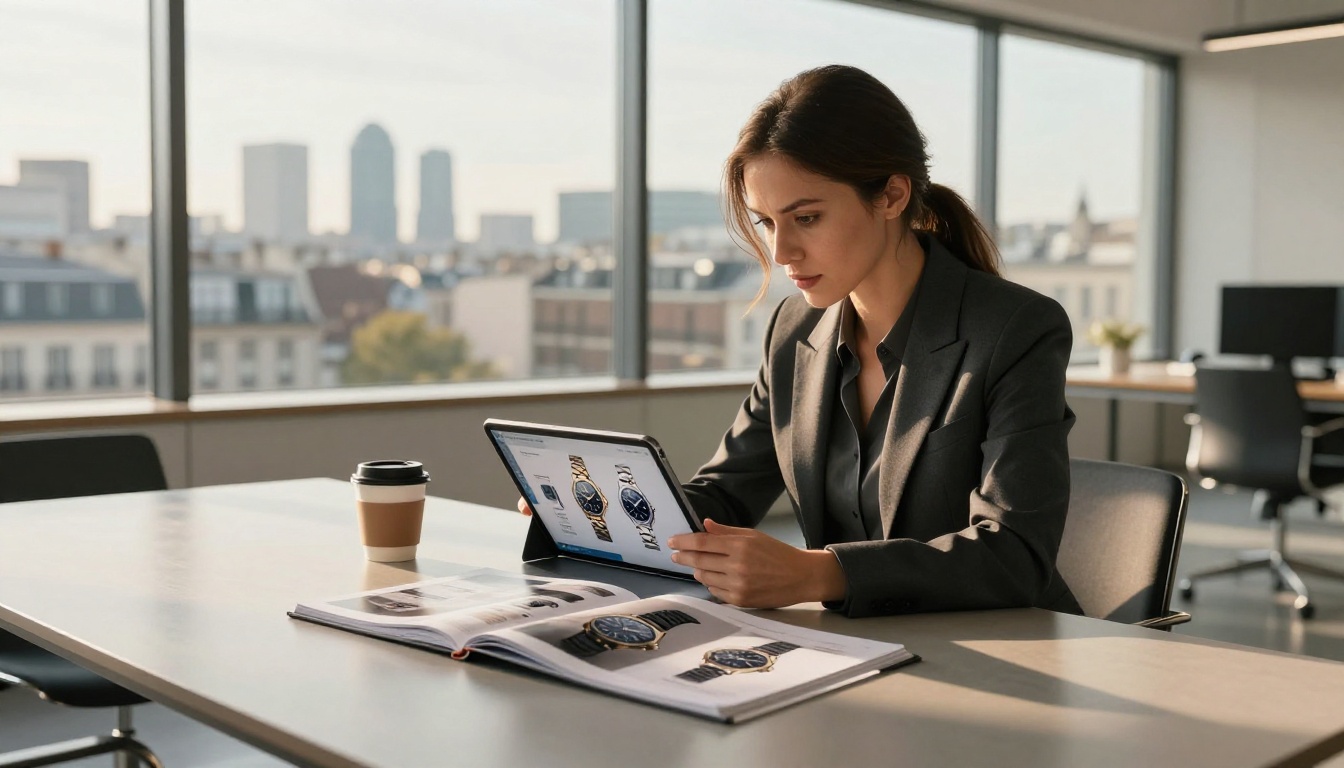
💡 Watch brands report that customers spend significantly longer with flipbook lookbooks than with equivalent PDF content, simply because the reading experience is more engaging.
Distribution That Printed Catalogs Can't Match
Printing 10,000 copies of a 70-page full-color lookbook is expensive. More critically, distribution is limited to what you can physically mail, hand out at events, or leave in boutiques.
A digital flipbook solves this entirely:
- Email it as a single link (not a 40MB PDF attachment)
- Embed it directly on the brand's website or collection page
- Share it on social media with a direct link that opens instantly on mobile
- Password-protect it for pre-launch previews or VIP customer access
- Send it globally to press, retail partners, and distributors simultaneously
The same lookbook that previously required a $40,000 print run and coordinated physical shipping now reaches every press contact and retail partner in the world with a single link.
Analytics: Knowing What Actually Gets Read
This is where flipbooks give watch brands something printed lookbooks never could: data.
With the Professional plan on Flipbooks AI, brands can track:
- Which pages readers spend the most time on
- Where readers drop off and stop reading
- Which collections generate the most page views
- How many unique viewers opened the lookbook
- Lead capture for readers who request more information
For a watch brand, this is strategically valuable. If the sports collection pages get triple the dwell time of the dress watch section, that's actionable market intelligence — not a gut feeling.
Cost Comparison: Print vs. Digital Flipbook
The economics are stark. Here's a realistic breakdown:
| Cost Category | Printed Lookbook (5,000 copies) | Digital Flipbook |
|---|
| Design & Layout | $8,000–15,000 | $8,000–15,000 |
| Print Production | $18,000–35,000 | $0 |
| Shipping & Distribution | $5,000–12,000 | $0 |
| Updates & Corrections | Reprint cost | Free (real-time edits) |
| Analytics | $0 (none) | Included |
| Global Distribution | Limited | Unlimited |
| Total Estimated | $31,000–62,000 | $8,000–15,000 |
The design cost stays the same — you still need great photography and layout. Everything downstream costs a fraction.
✅ Flipbook lookbooks also solve the "outdated inventory" problem: if a reference is discontinued mid-season, the digital lookbook can be updated in minutes instead of requiring an expensive reprint.
Brand Control and Presentation Consistency
Watch brands are obsessive about consistency. The Pantone color of a brand's red, the exact typeface weight used in headers, the way the logo is presented — these things are not negotiable.
Printed lookbooks, once distributed, are out of brand control. Different lighting conditions in different boutiques change how colors read. Paper yellows. Lookbooks get dog-eared.
Digital flipbooks present identically on every device, every screen, in every country. The cover image is always sharp. The typography is always correct. The photography is always calibrated.
How Watch Brands Structure Their Flipbook Lookbooks
Not all watch lookbooks are structured the same way. The format varies by brand size, distribution goal, and seasonal strategy.
Collection-by-Collection Structure
Most maison-level brands organize their lookbook by collection — one chapter per line. Each chapter opens with a lifestyle spread, moves into detailed product photography, and closes with technical specifications.
This structure works well in flipbook format because readers can navigate directly to the collection they want using the table of contents or thumbnail navigation.
The Lifestyle-First Approach
Independent and micro-brands often lead with lifestyle heavily. The first 20-30 pages are purely editorial — the watch in context, worn by real people in real places. Product photography comes later, almost as supporting documentation for the visual story.
💡 This approach performs particularly well with younger collectors who discover brands through social media. The lifestyle imagery feels native to how they already consume brand content.
Technical Documentation Integration
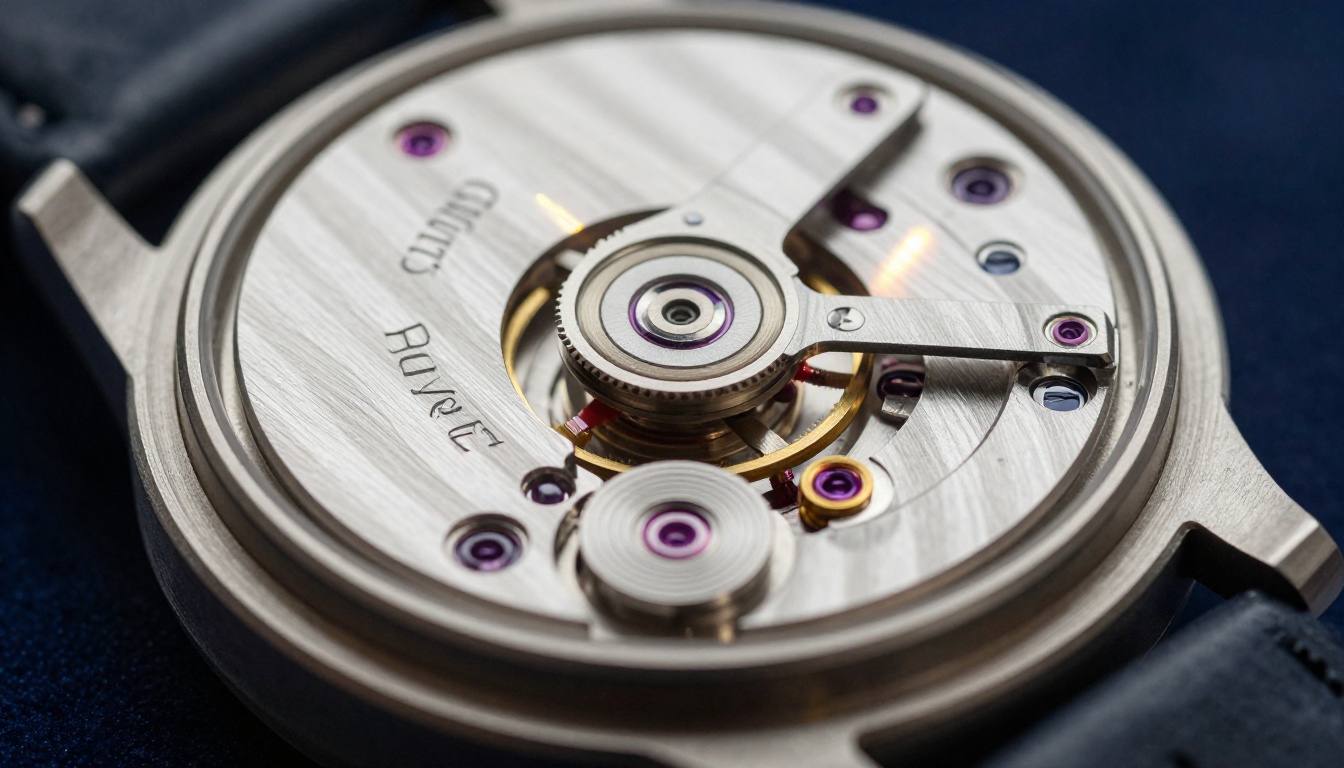
Higher-end brands sometimes include movement photography, technical specifications, and COSC certification details within the lookbook itself — effectively merging the lookbook and the technical catalog.
Flipbooks handle this well because they support embedded videos, zoomable high-resolution images, and rich multimedia within the same document.
Watch brands deploy flipbooks in several distinct ways, each serving a different purpose in the marketing funnel.
| Flipbook Type | Use Case | Typical Length | Access |
|---|
| Seasonal Collection Lookbook | Press, retail partners, collectors | 40–80 pages | Public or password-protected |
| Pre-Launch Preview | Press embargo, VIP customers | 15–25 pages | Password-protected |
| Trade Show Digital Catalog | Baselworld, Watches & Wonders | 20–40 pages | Tablet-displayed at booth |
| Retailer Sales Deck | Independent retailers, AD network | 30–50 pages | Link + PDF download |
| Limited Edition Announcement | Brand newsletter, social media | 8–15 pages | Public |
Each format benefits from the flipbook's core advantages: professional presentation, instant distribution, and measurement capability.
How to Create a Watch Brand Lookbook with Flipbooks AI
Creating a professional interactive watch lookbook through Flipbooks AI takes a fraction of the time and cost of managing a print production cycle.
Step 1: Prepare Your PDF
Your design team produces the lookbook in InDesign, Canva Pro, or Adobe Acrobat exactly as they would for print. Full-bleed photography, proper bleeds, correct typography. Export as a high-resolution PDF. This step is identical to your existing print workflow.
Step 2: Upload to Flipbooks AI
Head to Flipbooks AI and create your account. From the dashboard, click "New Flipbook" and upload your PDF. The conversion engine processes your file, preserving all typography, imagery, and layout exactly as designed.
For watch brands with complex layouts — gatefolds, spread photography, full-bleed imagery — the Interactive Lookbook Designer is the ideal starting point, or the Lookbook Flipbook Builder for maximum control over the output.

Step 3: Configure Branding
In the customization panel:
- Set your brand colors for the viewer interface (toolbar, buttons, background)
- Upload your brand logo to appear in the viewer header
- Configure a custom domain so the lookbook lives at
lookbook.yourbrand.com
- Set a password if distributing to press under embargo or for VIP access
✅ All plans include custom branding with no watermarks, ensuring the flipbook presents as a fully owned brand asset — not a third-party hosted document.
Step 4: Configure Access and Sharing
Decide how this lookbook will be distributed:
- Public link for general press and collector distribution
- Password protection for pre-launch embargo or retailer-exclusive previews
- Embed code to place the flipbook directly on your collection page
- Direct link for email newsletters or social media sharing
The mobile-responsive design means every recipient has an identical experience whether they open it on a phone, tablet, or desktop — critical when distributing to international press across different device ecosystems.
Step 5: Activate Analytics (Professional Plan)
For brands serious about measuring lookbook performance, the Professional plan on Flipbooks AI activates full analytics, lead generation forms, and offline download capability. This is where the flipbook stops being a passive document and starts functioning as an active marketing tool.
Watch brands have several options for digital presentation. Here's how flipbooks compare to the alternatives:
| Format | Brand Presentation | Mobile Experience | Analytics | Shareability | Cost |
|---|
| Interactive Flipbook | Excellent | Excellent | Full (Pro plan) | Direct link | Low |
| Static PDF | Poor | Poor | None | Attachment | Low |
| Brand Website Page | Good | Good | Limited | Good | High (dev cost) |
| Digital Magazine Platform | Good | Good | Moderate | Limited | Medium-High |
| Printed Catalog | Excellent | N/A | None | Very limited | Very High |
The flipbook format wins across most dimensions that matter for a distributable lookbook asset. The only scenario where a printed lookbook remains essential is the physical boutique touchpoint — but there, the flipbook functions as the digital companion, not the replacement.
The Real Reason This Is Working
Here's something the analytics and cost arguments don't fully capture: the watch industry is aging out of certain distribution habits, and the brands that adapt their lookbook strategy are finding new collectors.
The person who discovers a brand on Instagram isn't going to wait for a printed lookbook to arrive by mail. They want to flip through the collection right now, on their phone, while they're interested. A flipbook delivers that. A PDF doesn't.
At the same time, the flipbook format preserves the editorial quality that luxury watch brands require. This isn't a product grid. It's a curated brand story, presented beautifully, accessible anywhere.
Flipbooks AI Plans for Watch Brands
| Plan | Best For | Flipbooks | Analytics | Starting Price |
|---|
| Starter | Micro-brands, testing | 5 | No | Free |
| Standard | Growing independents | Unlimited | No | From $9/mo |
| Professional | Established brands | Unlimited | Full | From $29/mo |
Browse the full pricing breakdown to choose the plan that fits your distribution needs. Most watch brands with active press relations benefit from the Professional tier, where analytics and lead capture turn each lookbook send into a measurable marketing event.
Where to Go From Here
Watch brands that have made the shift to digital flipbook lookbooks consistently report three things: lower production costs, broader distribution reach, and better insight into what their customers actually care about within the collection.
The format respects the craft and investment that goes into a professional watch lookbook. It doesn't compress your photography or strip your typography. It presents your work exactly as designed, everywhere, instantly.
Ready to build your first interactive watch lookbook? Create your account on Flipbooks AI and convert your existing PDF in under five minutes. If you want to see how all the tools and templates work before committing, browse the full tools directory to find the format that fits your brand's needs.
Compare pricing plans and start distributing your lookbook the way it deserves to be seen.



