Wholesale purchasing decisions don't happen over lunch anymore. They happen at 11pm on a laptop, during a warehouse walkthrough on a phone, or in a video call between buyers in three different time zones. The way B2B buyers research, compare, and order has shifted dramatically, and the tools that suppliers use to present their products have to keep up. That's exactly why wholesale buyers across retail, fashion, food distribution, hardware, and manufacturing are actively requesting digital flipbook catalogs from their suppliers, and walking away from those who still ship thick printed binders. Flipbooks AI is at the center of this shift, giving suppliers the tools to build professional, interactive catalogs without a developer or design agency.
The Problem with Printed Catalogs
Printed catalogs served their purpose for decades. But today's wholesale environment moves too fast for paper.

Consider what a printed catalog actually requires:
- Design freeze months before distribution
- Print runs that cost thousands of dollars per batch
- Physical shipping to potentially hundreds of buyer locations
- Zero updates once it leaves the printer
A product gets discontinued. A price changes. A seasonal line drops earlier than planned. With a printed catalog, none of that can be reflected until the next print cycle, which might be six months away. Buyers who ordered based on outdated pricing get frustrated. Suppliers who can't update on the fly lose credibility.
The B2B buying cycle is now faster, more competitive, and more demanding than the traditional catalog model can support.
⚠️ Outdated pricing in a printed catalog can cost a supplier their wholesale relationship. Buyers who spot discrepancies lose confidence in the supplier's professionalism.
What Makes a Flipbook Catalog Different
A flipbook catalog is a digital publication that looks and behaves like a real book flipped open on screen. Pages turn. Products display with high-resolution imagery. And crucially, the whole thing is live and updatable.
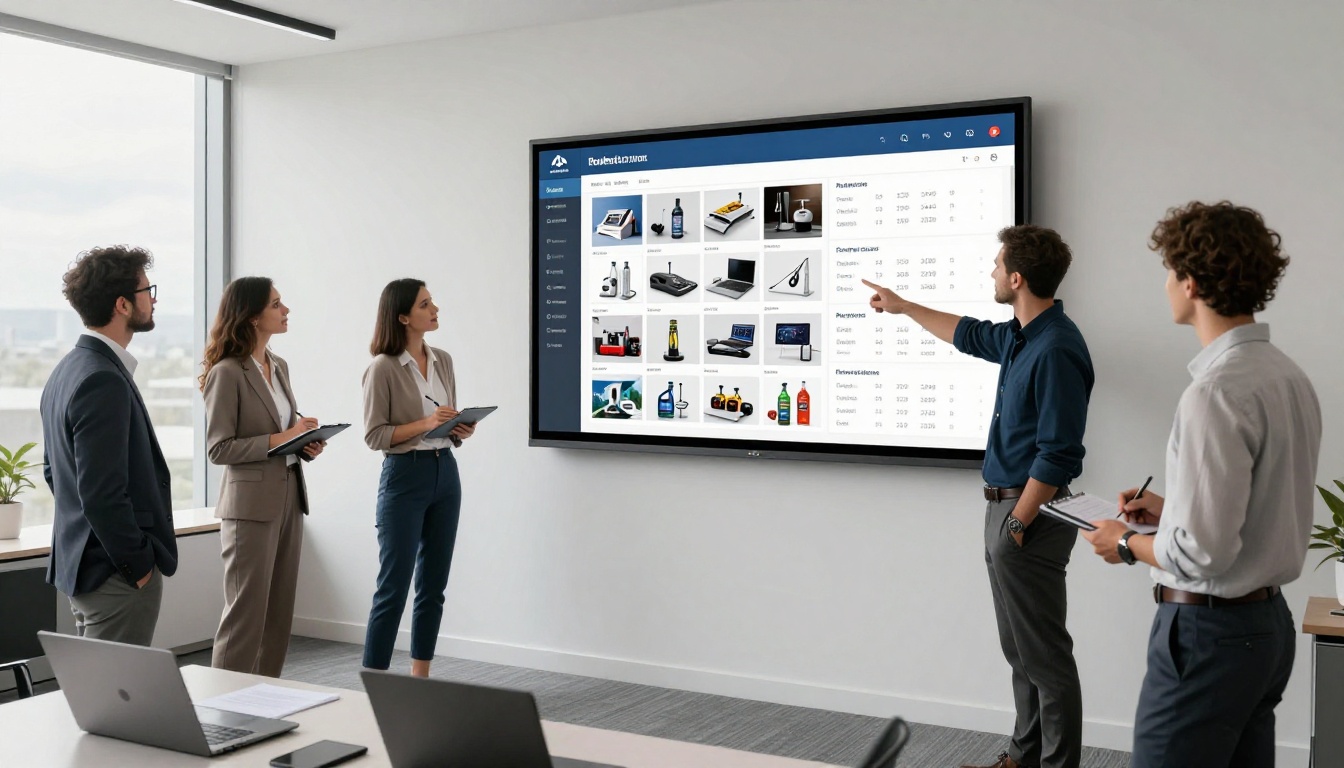
Unlike a flat PDF or a basic ecommerce page, a flipbook catalog delivers the tactile familiarity of flipping through a physical book while adding capabilities that print could never offer:
- Clickable product links and embedded order forms
- Embedded video demonstrations
- Searchable text across all pages
- Real-time pricing and availability updates
- Password protection for exclusive buyer tiers
- Analytics showing which pages buyers spend the most time on
Flipbooks AI is built specifically to help suppliers and B2B brands create this kind of high-performance digital catalog, without needing a developer or a design team.
Top Reasons Wholesale Buyers Prefer Flipbooks
This is where it gets specific. Wholesale buyers aren't switching to flipbook catalogs because they're trendy. They're doing it because flipbooks solve real, concrete problems in the purchasing workflow.
Instant Access, Anywhere
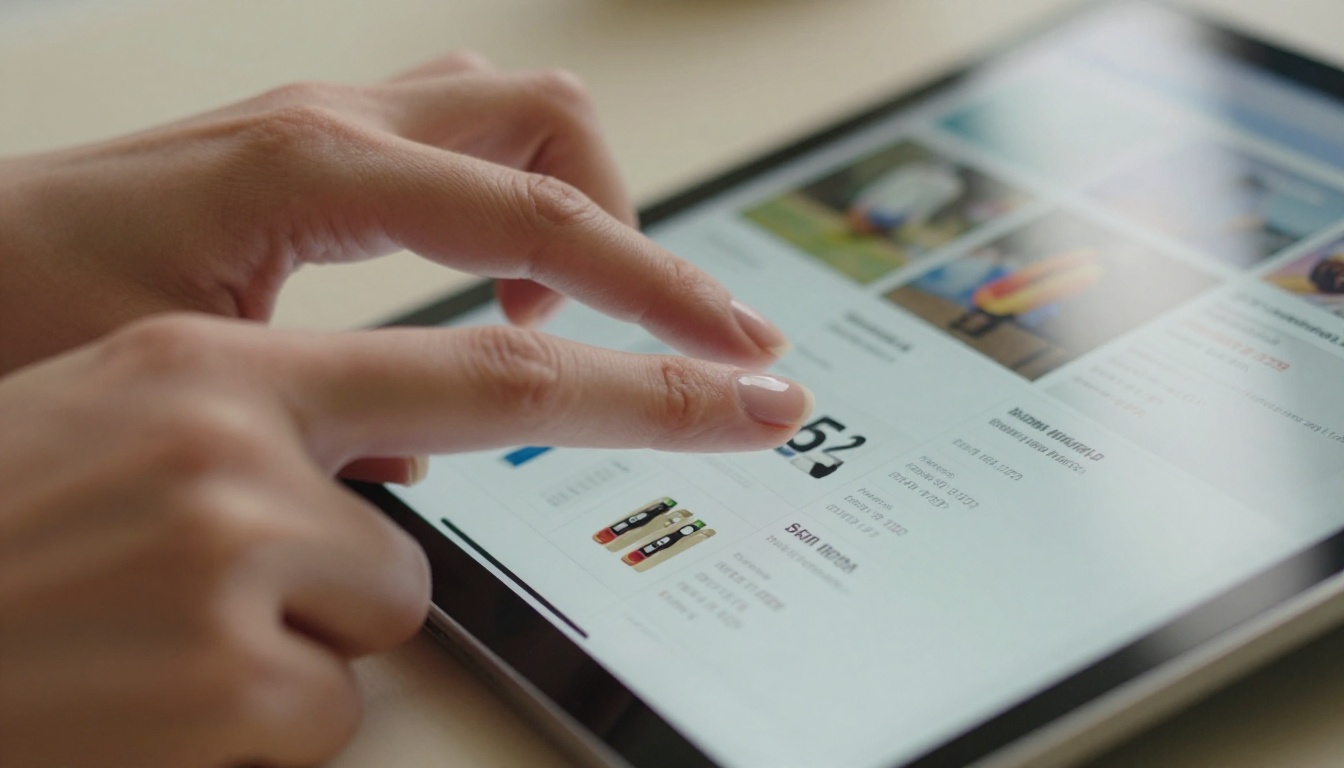
A wholesale buyer in Chicago managing 14 supplier relationships doesn't have room on their desk for 14 catalogs. A flipbook catalog lives on a URL. It opens on any device, any browser, in seconds. Buyers on the warehouse floor open it on their phone. Procurement managers review it on a tablet in the boardroom. The same catalog, same version, always current.
Pricing That Stays Accurate
The most common complaint wholesale buyers have about print catalogs is finding out the prices are wrong. A digital flipbook catalog connected to a live product system can be updated the moment pricing changes. No reprints. No awkward conversations. No lost orders.
Shareable With the Whole Team
In wholesale, the buying decision rarely sits with one person. A buyer might need sign-off from a category manager, a finance director, and a warehouse supervisor. A flipbook catalog can be shared as a single link, with optional password protection, allowing every stakeholder to review the same document simultaneously.
💡 Use password-protected flipbooks when sharing exclusive pricing or pre-launch product lines with select buyers. This prevents leakage to competitors while maintaining a premium buyer experience.
Searchable Product Lines
A fashion wholesale catalog might contain 400 SKUs. A hardware supplier might list 2,000. Nobody has time to flip through every page to find a specific item. Flipbook catalogs are fully text-searchable, so buyers can jump directly to what they need.
Built-In Analytics for Smarter Follow-Up
With analytics available on the Professional plan, suppliers can see exactly which catalog pages buyers spent the most time on. If a buyer lingered on the outdoor furniture section for three minutes but only glanced at indoor lighting, that's a clear buying signal. Sales reps can follow up with precision rather than guessing.
Real-World Wholesale Use Cases
The shift to flipbook catalogs isn't theoretical. It's happening across industries right now.
Fashion and Apparel Wholesale
A fashion distributor supplying 300 boutiques across Europe used to ship seasonal lookbooks via courier, at considerable cost per batch. After switching to a digital flipbook lookbook, the same seasonal catalog reaches all 300 buyers instantly via email link. Buyers can view full-resolution fabric shots, zoom into texture details, and click through to request samples. Reorder rates increased because buyers could access the catalog while standing in their stores during stocktaking.
Food and Beverage Distribution
A specialty food importer with a rotating inventory of artisan products found that printed price lists were obsolete within weeks of printing. A flipbook catalog updated weekly allows restaurant buyers and deli owners to browse current stock, see seasonal specials, and place inquiries directly, without calling a sales rep for a price check.
Hardware and Industrial Supply
A tools and hardware wholesaler serving 80 independent hardware retailers built a digital catalog with embedded product demonstration videos alongside each major SKU category. Retail buyers could watch a 30-second clip of the tool in action before committing to a bulk order. Return rates dropped significantly.
Home Furnishings and Decor
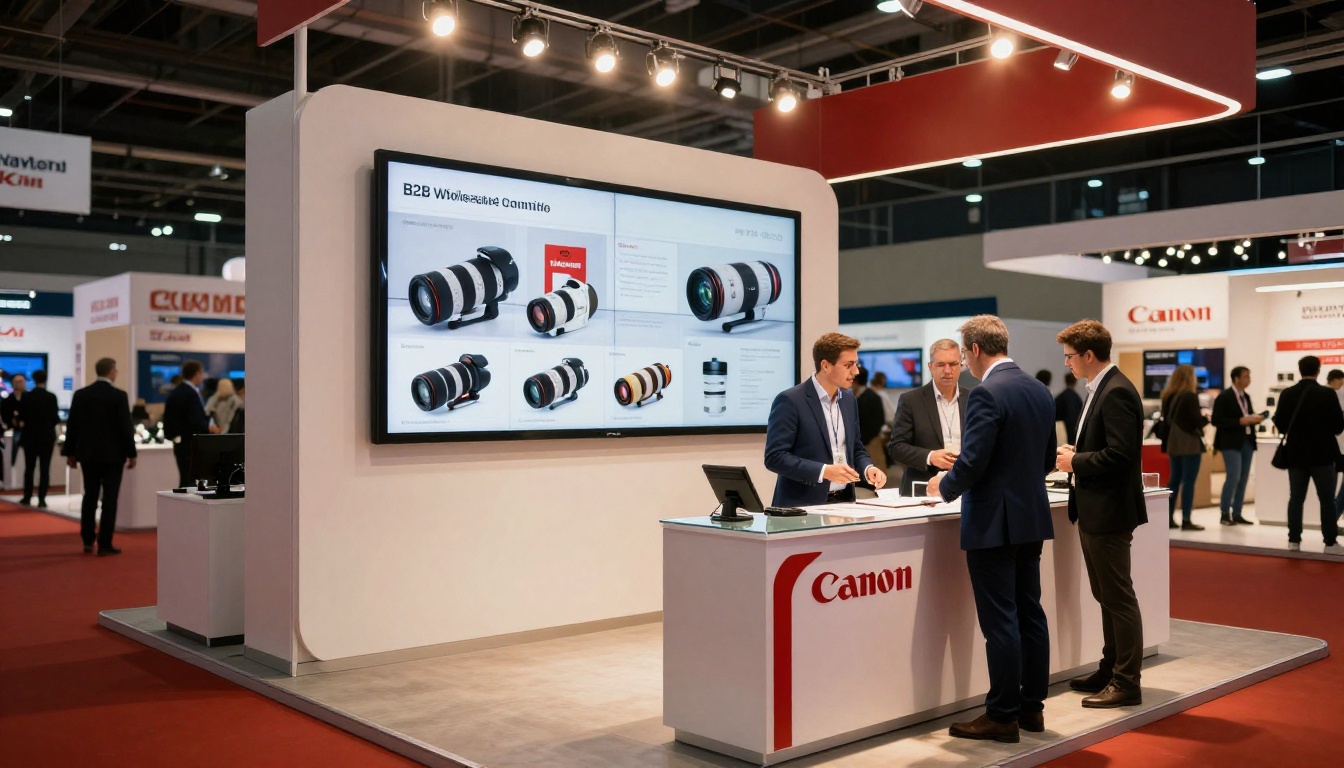
A furniture importer attending trade shows used a catalog flipbook displayed on large touchscreen monitors at their booth. Rather than handing out heavy printed brochures, buyers scanned a QR code and had the full catalog on their device before leaving the show floor. The digital catalog also embedded interior design inspiration images to help retailers visualize merchandising.
How to Build a Wholesale Flipbook Catalog
Flipbooks AI makes this process straightforward, even for suppliers who have never built a digital publication before.

1. Create Your Account
Head to flipbooksai.com/account and sign up. No credit card is required to start. The platform is fully browser-based, no software to install.
2. Prepare Your PDF
Your existing product catalog, price list, or lookbook in PDF format is all you need. If you don't have a PDF yet, design it in Canva, Adobe InDesign, or even Google Slides, then export as PDF.
3. Upload and Convert
Use the PDF to Flipbook Converter to upload your file. The platform processes it in seconds, turning every page into a crisp, interactive flipbook. No manual coding or technical setup required.
4. Customize for Your Brand
Add your company logo, choose brand colors for the interface, and configure the page-turn animation style. For wholesale-specific use, consider:
- Adding your company contact details on the back page
- Setting a cover page with your seasonal tagline
- Embedding a product video in the catalog introduction
5. Set Sharing and Access Controls
Configure how buyers access the catalog:
- Public link: For general distribution at trade shows or via email
- Password protection: For exclusive pricing tiers or pre-launch lines
- Embed code: To display the catalog directly on your wholesale portal or website using the Embed Flipbook on Website tool
6. Share and Track
Send the link to your buyer network. Monitor engagement through the analytics dashboard on the Professional plan. See page views, time-on-page, and which sections drive the most interest.
✅ Update your flipbook catalog at the start of every quarter and notify buyers via email with the direct link. Consistent updates signal reliability and keep buyers engaged.
Flipbook Catalog Features That B2B Buyers Love
Not all digital catalog platforms are equal. Here's what wholesale buyers specifically ask for, and how flipbook-format catalogs deliver.

| Feature | Printed Catalog | Basic PDF | Flipbook Catalog |
|---|
| Mobile-friendly | ❌ | Partial | ✅ |
| Real-time updates | ❌ | ❌ | ✅ |
| Embedded video | ❌ | ❌ | ✅ |
| Searchable content | ❌ | Limited | ✅ |
| Password protection | ❌ | Limited | ✅ |
| Analytics | ❌ | ❌ | ✅ |
| Shareable link | ❌ | ✅ | ✅ |
| Custom branding | ✅ | Partial | ✅ |
| No watermarks | ✅ | Varies | ✅ |
| Offline access | ✅ | ✅ | ✅ |
Print vs. Digital: Side-by-Side Numbers
The business case for switching is compelling when you look at the real cost of printed wholesale catalogs.
| Cost Factor | Printed Catalog | Flipbook Catalog |
|---|
| Design and print (500 copies) | $3,500 to $8,000 | $0 (existing PDF) |
| Distribution and shipping | $1,200 to $4,000 | $0 |
| Update cycle | Every 6 to 12 months | Instant |
| Reach | Limited to physical copies | Unlimited |
| Analytics | None | Full page-level data |
| Environmental impact | High (paper, shipping) | Minimal |
| Buyer access speed | Days to weeks | Seconds |
For a mid-size supplier sending catalogs to 200 wholesale accounts twice per year, switching to a digital flipbook catalog can save $8,000 to $24,000 annually, while giving buyers faster, better access to more current product information.
💡 Suppliers who switched to digital catalogs report 40% faster response rates from wholesale buyers, compared to physical catalog mailings.
Wholesale Buyers on Mobile: Why It Matters
One factor that rarely gets mentioned in supplier discussions is where wholesale purchasing decisions actually happen.

Research across B2B sectors consistently shows that more than 60% of wholesale buyers use mobile devices during the product research phase. They're browsing catalogs on their phones during commutes, in the warehouse, at trade shows, and in between meetings.
A printed catalog cannot be accessed on mobile. A basic PDF can be opened, but it's painful to navigate on a phone screen: no page-turn experience, no search that works well, no embedded media. A properly built flipbook catalog, built for mobile-responsive display, delivers the full catalog experience on any screen size.
Flipbooks AI catalogs are fully mobile-responsive by default. No configuration needed. Every catalog created on the platform automatically adapts to phones, tablets, and desktops.
The Buyer Experience Buyers Actually Want
Wholesale buyers are also consumers in their personal lives. They're used to Amazon, Shopify storefronts, and high-quality digital shopping experiences. Their expectations for supplier catalogs have risen accordingly.
A supplier who shows up to a buyer meeting with a printed catalog in 2027 is signaling that they're behind the curve. A supplier who sends a beautifully designed, interactive flipbook catalog before the meeting, complete with video demos and current pricing, signals professionalism and genuine investment in the buyer relationship.
Comparing Plans for Wholesale Suppliers
Different supplier scales need different feature sets. Here's how the plans match wholesale use cases.

| Plan | Best For | Key Features | Flipbooks |
|---|
| Starter | Small suppliers, testing | Core flipbook creation, basic sharing | Limited |
| Standard | Growing wholesalers | Unlimited flipbooks, custom branding, no watermarks | Unlimited |
| Professional | Large distributors | Analytics, lead generation, offline downloads, password protection | Unlimited |
For most wholesale suppliers actively managing multiple buyer relationships, the Standard plan covers core needs. Suppliers who want to use catalog analytics to drive smarter sales follow-up should look at the Professional plan, available at flipbooksai.com/pricing.
✅ No watermarks on any paid plan. Your catalog carries your brand, not a third-party logo.
Different industries within wholesale benefit from purpose-built catalog tools. Rather than building from a blank PDF every season, suppliers can use:
Each tool is optimized for its category and connects to the same core flipbook creation platform. Browse the full tools directory to find the right fit for your product category.
Give Wholesale Buyers What They Want
Wholesale buyers have clear preferences. They want catalogs they can access instantly, on any device, with pricing they can trust. They want to share catalog links with their team without scheduling a courier pickup. They want to search for the specific SKU they need without flipping through 200 pages. And increasingly, they're choosing suppliers who meet those expectations over those who don't.
The suppliers winning wholesale accounts in 2027 are the ones who show up prepared, with professional digital catalogs that respect their buyer's time and reflect the quality of their products.
Create your first wholesale flipbook catalog on Flipbooks AI and see the difference in your buyer conversations. Browse all available tools and templates for your specific product category, or compare pricing plans to find what fits your distribution scale.



