Wineries spend years perfecting their craft, but the tasting experience often ends with a forgettable printed sheet handed to guests at the door. That disconnect costs real money. When a guest walks away without remembering the Reserve Cabernet they loved or the wine club offer they half-read, you have lost a sale that was inches away. Flipbooks AI gives wineries a better way: interactive, mobile-friendly flipbook publications that turn ordinary tasting materials into a memorable brand experience guests actually keep, share, and return to.
The Problem with Paper Tasting Sheets
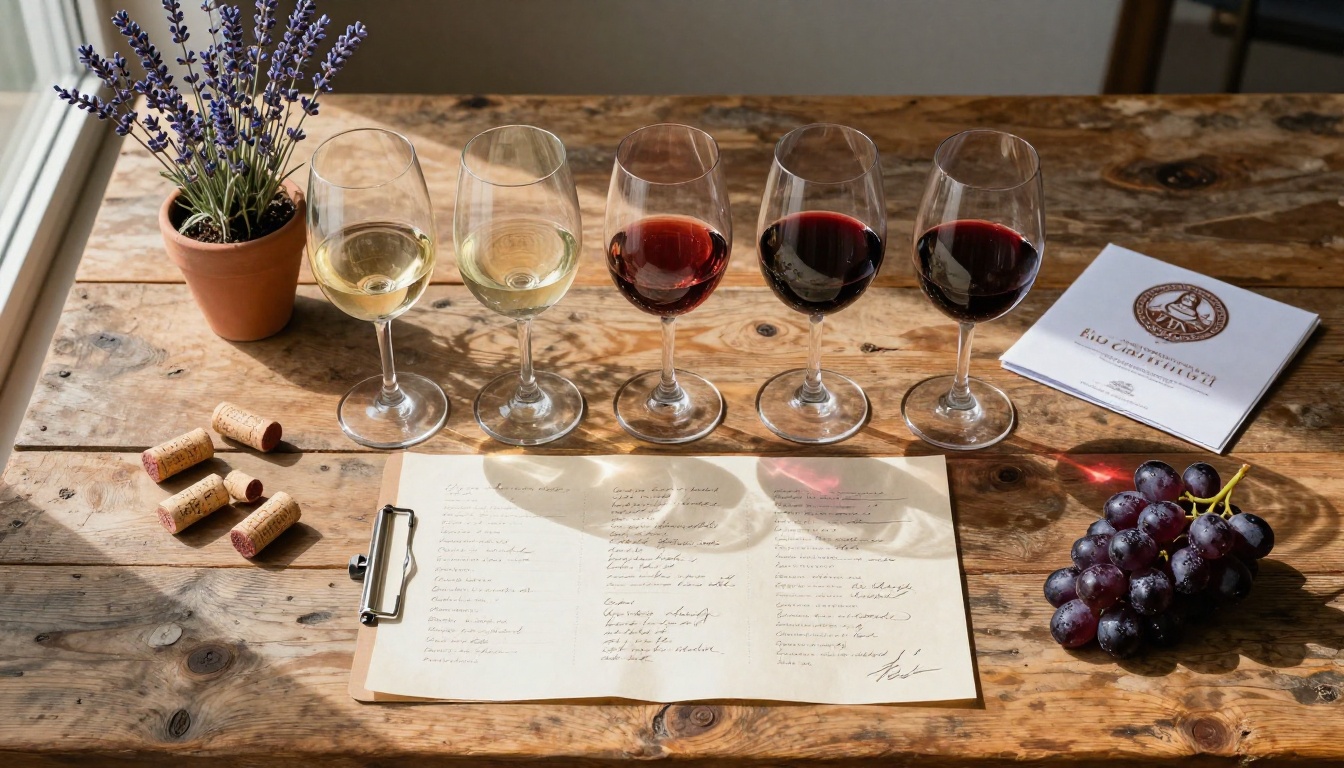
Paper tasting sheets are a hospitality relic. They made sense before smartphones. Today, they get shoved in a pocket, forgotten in the car, or thrown away before the guest even gets home. This is not speculation: the hospitality industry has documented consistently that printed collateral has a retention rate well below 30%, while digital content shared via link can be revisited weeks later.
What Guests Actually Remember
Research in sensory marketing shows that people retain a tasting experience most vividly when multiple senses are reinforced after the fact. A guest who leaves with a beautiful, interactive digital document that includes the tasting notes they circled, the vineyard story behind the wine, and a direct link to buy a case is far more likely to convert than one who got a paper handout.
The memory of taste fades fast. The story behind the wine can last a lifetime, but only if you give it a vehicle worth reading. A QR code on the tasting table that opens a polished, page-turning flipbook on the guest's phone does something a printed sheet never can: it stays with them after they leave.
Think about the last time you kept a brochure from a winery visit. Now think about the last time you bookmarked a link on your phone. The behavioral difference between those two actions is the entire argument for making this switch.
The Real Cost of Disposable Print
Let's put actual numbers on this comparison.
| Cost Factor | Printed Tasting Sheet | Digital Flipbook |
|---|
| Per-unit cost | $0.30 to $2.00 each | $0 per share after creation |
| Update cost | Reprint entire run | Edit instantly, no cost |
| Guest retention | Discarded within 48 hrs | Accessible indefinitely via link |
| Sharing potential | Zero | Unlimited (link, QR, embed) |
| Analytics | None | Full read tracking (Pro plan) |
| Wine club CTA | Static printed text | Clickable button with direct link |
| Environmental impact | Paper waste each season | Zero physical waste |
The math is unforgiving for print. A winery running 200 tastings per weekend is spending hundreds of dollars per month on materials that most guests never revisit. That same budget applied to a professional digital flipbook publication pays returns across every single guest interaction, indefinitely.
What a Wine Tasting Flipbook Actually Does
A wine tasting flipbook is a digital publication that replicates the tactile, page-turning feel of a printed booklet, but with the power of a live web page. Guests can flip through pages on any device, tap clickable links, watch embedded videos, and share the publication with friends in one tap. The format is elegant, it respects the aesthetic of a premium winery brand, and it solves every problem that printed materials create.
From Static PDF to Interactive Experience
The conversion process is simple. You design your tasting materials in whatever tool your team already uses, whether that is Canva, Adobe InDesign, or even PowerPoint. Export as a PDF, upload it to Flipbooks AI, and in minutes your static document becomes a page-turning digital experience with smooth animations, embedded links, and full mobile responsiveness.
💡 Pro Tip: Design your tasting sheet in landscape format (16:9 ratio) for the best flipbook viewing experience on tablets and laptops. Portrait orientation works equally well for mobile-first guests.
The visual quality of your design carries directly into the flipbook. High-resolution photography of your vineyard, the barrel room, and individual bottles looks stunning in the format. The page-turn animation adds a tactile richness that plain digital PDFs completely lack.
Real Examples of Flipbooks at Work
Consider these concrete scenarios that wineries are putting into practice right now:
- Estate tasting menus: Guests scan a QR code at the tasting bar and open the current flight menu on their phone. Each wine has tasting notes, a vineyard origin map, vintage details, and a direct purchase link to your shop.
- Wine club welcome packages: New members receive a link to a beautifully designed digital welcome booklet instead of a paper kit. It includes membership benefits, a seasonal food pairing spread, and an event calendar with clickable RSVP links.
- Private event programs: Corporate buyouts and private dinners get custom-branded event programs that guests keep bookmarked long after the event ends.
- Harvest season releases: New vintage announcements arrive as beautifully photographed digital lookbooks shared via email, requiring no print run whatsoever.
Why Digital Flipbooks Win for Hospitality
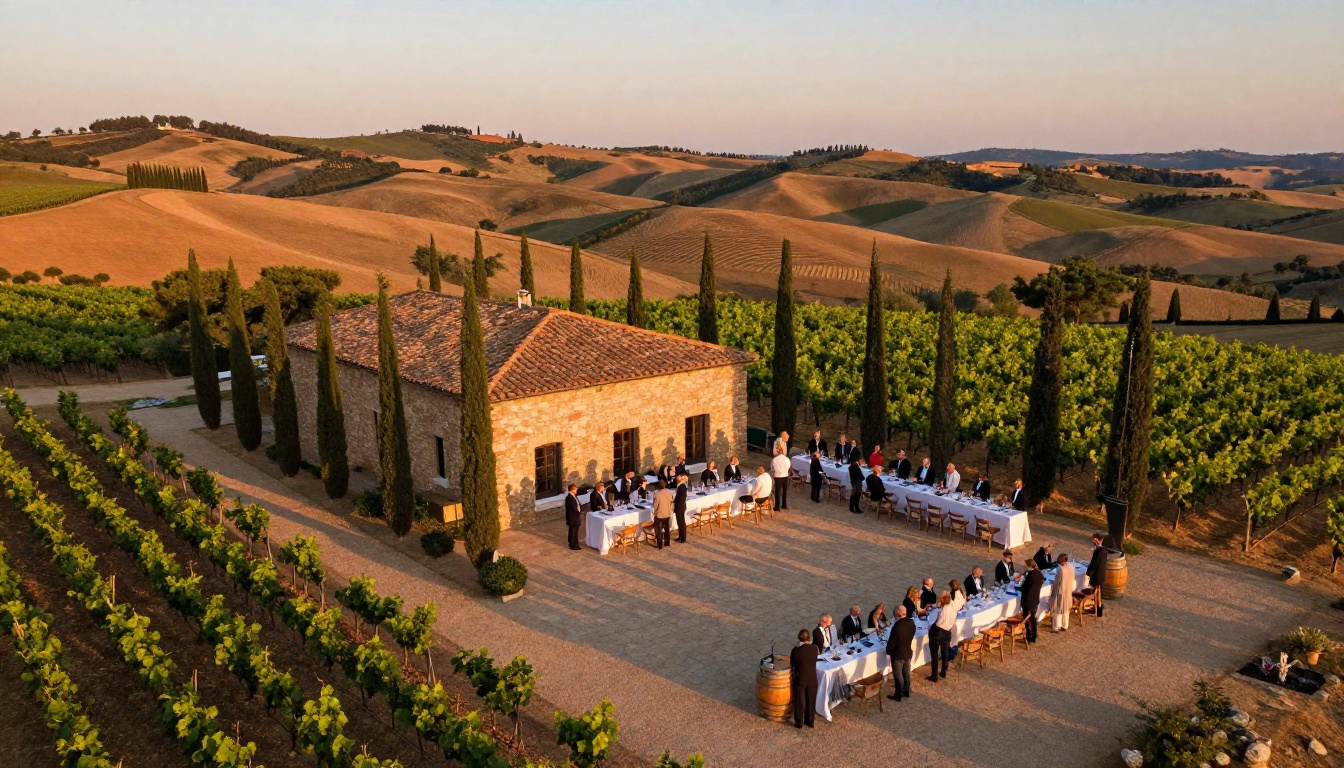
Hospitality has always been about creating a feeling. The best wineries know that every touchpoint, from the gravel crunch of the driveway to the first pour, contributes to the brand story. Your digital materials should reflect that same level of care and intention.
Mobile-First Guests Expect More
Over 70% of winery visitors research the experience on their phones before arriving, and many will look up tasting notes during the tasting itself. When your materials live as a shareable flipbook, they become part of that mobile journey rather than a dead-end paper artifact.
A flipbook loads instantly in any mobile browser. No app download. No login required. The guest taps a QR code, the publication opens, and they are immediately inside a beautifully designed brand experience. Two seconds from scan to page one.
Wineries that have made this transition consistently report that guests spend more time reviewing the content and share it at far higher rates than any printed material could achieve. The format fits naturally into how people already use their phones, and that frictionless access is everything in a moment of excitement during a tasting.
QR Codes and Instant Sharing
One of the highest-impact use cases for winery flipbooks is the QR code placement. Instead of printed menus that collect wine stains and wear out within a season, a single laminated card with a QR code stays pristine for months. The flipbook behind it gets updated digitally whenever the flight changes, and the QR code itself never needs to change.
✅ Best Practice: Create one QR code that points to your current tasting flight flipbook. Update the publication content whenever the flight rotates. Guests always see the current version, and you never reprint a single card.
Sharing is where the format truly separates itself from print. When a guest loves a Syrah and wants to tell their partner about it, they share the entire flipbook in one tap. That is organic word-of-mouth marketing that printed materials can never replicate.
How to Create a Wine Tasting Flipbook
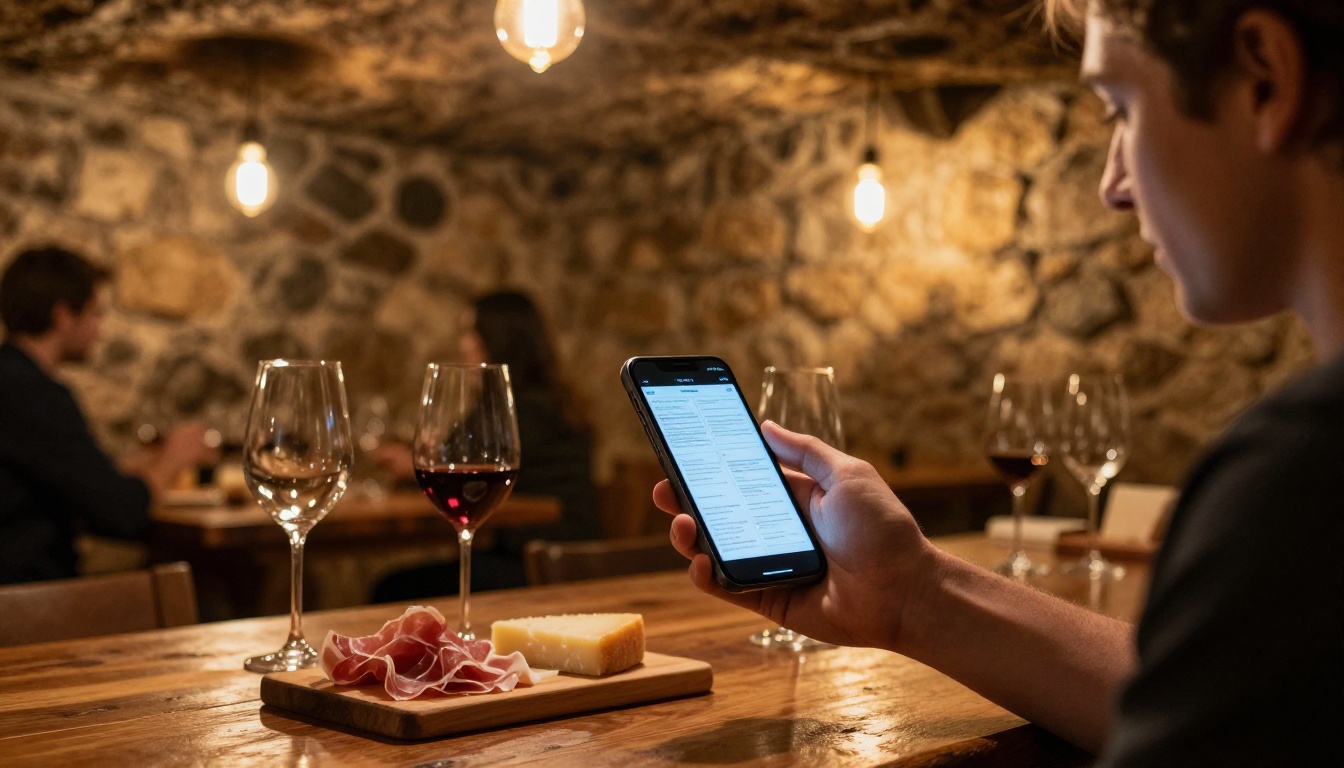
Creating your first wine tasting flipbook on Flipbooks AI takes less than 30 minutes from PDF to published link. Here is the full process.
Step 1: Design Your Tasting Materials as a PDF
Use whatever design tool your team is comfortable with. The final output just needs to be a PDF. A strong winery flipbook typically includes:
- A cover page with your winery name, logo, and current tasting flight title
- Individual pages for each wine with tasting notes, vintage, varietal, region, and food pairing suggestions
- A vineyard story page, winemaker profile, or heritage narrative that builds emotional connection
- A wine club or mailing list call-to-action page at the back
- Your contact information, website URL, and social media handles
Keep the design clean and brand-consistent. High-quality photography of the vineyard and bottles elevates the entire experience significantly.
Step 2: Upload and Convert
Head to Flipbooks AI, create your free account, and upload your PDF using the PDF to Flipbook Converter. The platform converts it automatically into a page-turning publication with smooth animations and a professional viewer interface.
💡 Pro Tip: For a winery lookbook or seasonal catalog aesthetic, try the Interactive Lookbook Designer. It is purpose-built for visual, lifestyle-forward publications where photography carries the story.
Step 3: Add Branding and Customization
Once uploaded, personalize your flipbook to match your winery's brand identity:
- Set your brand colors for the viewer interface and page controls
- Add your logo to the publication header
- Insert clickable links on wine names that connect directly to your online shop pages
- Enable audio if you want to include a welcome message from your winemaker
- Add embedded video if you have a vineyard walk-through or harvest footage to share
- Set password protection for exclusive member events (Professional plan)
Step 4: Share, Embed, and Track
Your flipbook is live the moment you publish. From here:
- Direct link: Copy the URL for email campaigns, Instagram bio, or SMS messages to wine club members
- QR code: Point it at your flipbook URL and print it on tasting table cards or standing signage in the tasting room
- Website embed: Use the one-click embed code to place the flipbook directly inside your tasting room page or shop page
- Password protection: For exclusive events, add a password so only invited guests can access the publication
⚠️ Note: Password protection, analytics, and lead generation are available on the Professional plan. If tracking which pages guests read most is part of your sales strategy, the data those features generate justifies the upgrade quickly.
Flipbook Features That Work Best for Wineries
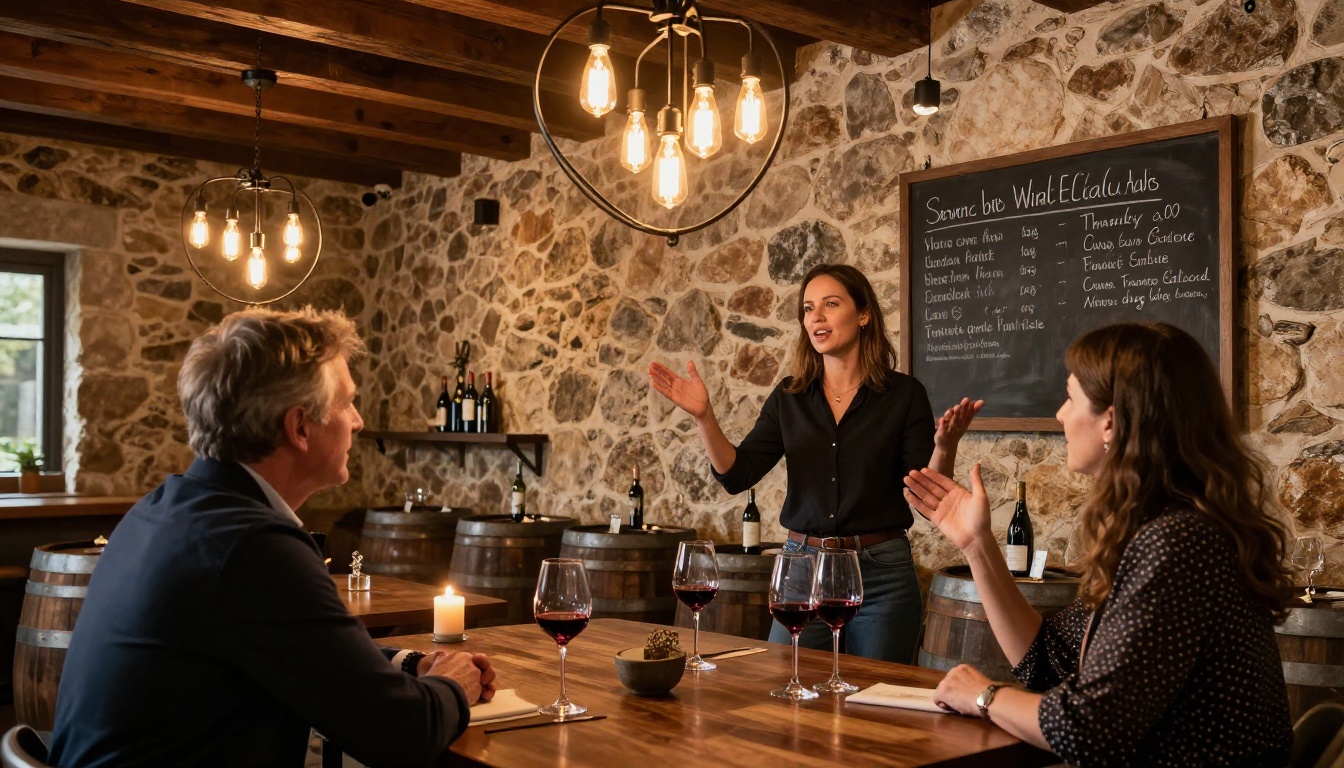
Not every flipbook feature matters equally for wineries. Here is a breakdown of which ones deliver the most value across hospitality and direct-to-consumer wine sales.
Tasting Notes and Pairing Tables
The page layout of a flipbook is ideal for structured content like tasting notes and food pairing grids. Unlike a flat PDF, a flipbook page can be bookmarked by the reader and returned to later. Guests who save your tasting flipbook on their phone are far more likely to reference it before placing an online order three days after their visit.
A well-designed tasting page for a single wine might include:
- Varietal: Cabernet Sauvignon, 2021
- Region: Napa Valley, Rutherford AVA
- Nose: Black cherry, graphite, cedar, dried herbs
- Palate: Full-bodied with firm tannins, notes of dark chocolate and tobacco
- Finish: Long and mineral, with lingering fruit
- Pairs with: Grilled lamb, aged cheddar, portobello mushroom
That content lives in the flipbook permanently, accessible on demand, and shareable without any additional cost.
Password Protection for Exclusive Events
Private events, wine club barrel previews, and trade tastings all benefit from a password-gated flipbook. This adds a layer of exclusivity that reinforces the premium positioning of the experience. Only invited guests get access. The password is sent via the event reservation confirmation email or printed discreetly on the physical invitation.
Analytics to See What Guests Read
The Professional plan includes full analytics on your publications. You can track:
- Total views and unique visitors per publication
- Which pages received the most reading time
- Where readers dropped off and stopped engaging
- Lead capture data when the built-in email form is enabled
For a winery, this data is genuinely actionable. If analytics show that page 5, your Reserve Cabernet, gets three times the dwell time of every other page, that tells your marketing team exactly what to feature in the next allocation email or social campaign.
Comparing Flipbook Plans for Wineries
Flipbooks AI offers tiered plans well-suited to wineries at different stages of digital adoption.
| Feature | Free Plan | Standard Plan | Professional Plan |
|---|
| Flipbooks | 1 | Unlimited | Unlimited |
| Watermark on publications | Yes | No | No |
| Custom branding | No | Yes | Yes |
| Password protection | No | No | Yes |
| Analytics dashboard | No | No | Yes |
| Lead generation forms | No | No | Yes |
| Offline downloads | No | No | Yes |
| Embed on website | Yes | Yes | Yes |
| Mobile responsive | Yes | Yes | Yes |
| Video and audio embed | No | Yes | Yes |
For most wineries starting out, the Standard plan covers everything needed for a polished, branded tasting flipbook without watermarks or limitations. As the digital program grows, the Professional plan pays for itself through lead capture and analytics alone.
✅ Best Practice: Start with one flipbook for your current tasting flight. Once your team sees guest response and QR code scan rates, expanding to seasonal catalogs, wine club materials, and event programs becomes an obvious next step.
Real-World Winery Use Cases
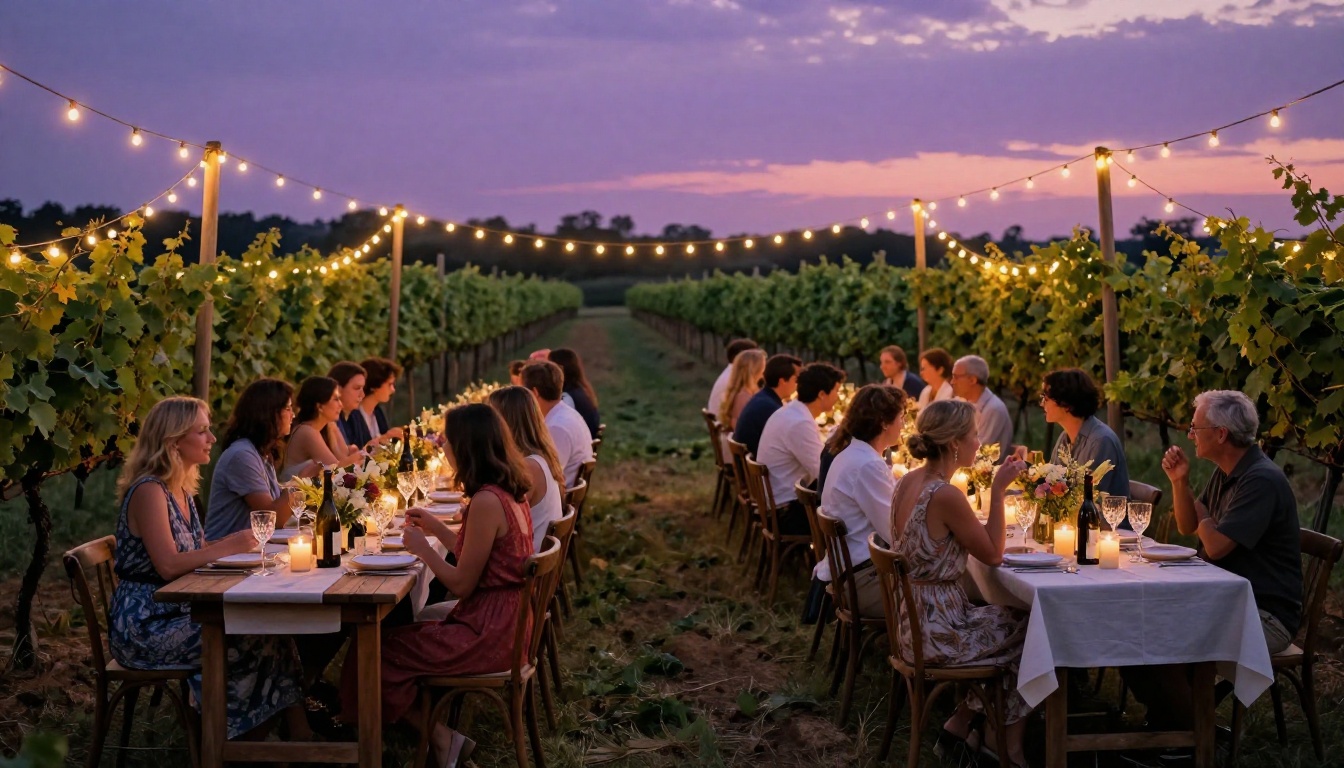
The flipbook format works across every touchpoint in the guest journey. Here is how different winery operations are applying it with strong results.
Vineyard Tours and Estate Events
Tour groups are among the highest-conversion audiences a winery has. These guests are already emotionally invested in the experience before the first pour. A beautifully designed flipbook as their tour companion, including the property map, varietal profiles, harvest history, and winemaker notes, reinforces the brand story at every stop along the route.
At the end of the tour, the flipbook stays on their phone. It becomes the souvenir they actually keep, and the direct link to purchase they actually use when shopping for a gift or restocking at home.
Wine Club Membership Materials
Wine club acquisition is the backbone of direct-to-consumer revenue for most wineries. The welcome experience matters enormously for member retention. Sending a new member a premium digital welcome booklet via email, rather than a generic PDF or a printed folder that gets recycled within a week, signals that the club experience will be just as elevated as the initial tasting that convinced them to join.
Use the Interactive Lookbook Designer to build a wine club welcome flipbook that includes:
- A personal welcome from the winemaker (with embedded video message)
- The member's current allocation and pickup schedule
- A curated seasonal food pairing spread with photography
- Member-exclusive event dates with clickable RSVP links
- A referral offer for bringing a friend to the next tasting event
Seasonal Release Lookbooks

Every harvest brings a new story. Spring releases, library wines, holiday gift sets: each one deserves marketing materials that match the quality of the product inside the bottle. A seasonal release lookbook in flipbook format can be shared via email blast, posted on social media, and embedded on your website's shop page all at once.
The same publication also serves as the digital catalog for online buyers who never visited the winery in person. This is where the format bridges hospitality and e-commerce in one seamless, visually driven channel.
Browse the full suite at flipbooksai.com/tools to find the format that fits your current priority.
Your Tasting Room Deserves Better Materials
The wines in your cellar represent years of cultivation, patience, and craft. The materials you hand guests during a tasting should reflect that same level of care. A sheet printed on an office laser printer does not match the story an $80 bottle deserves. An interactive, beautifully branded flipbook does.
Wineries making this shift are seeing measurable results: guests who return to the flipbook before placing online orders days after their visit, wine club sign-ups driven by clickable CTAs embedded inside the publication, and QR code scan data that shows exactly which tables and flights generate the most purchase intent. These are metrics that printed materials have never been able to provide.
The format is proven. The tools are accessible. The barrier to entry is a single PDF upload and 30 minutes of setup. The ongoing return is every guest who shares your flipbook with someone who was not in the tasting room that day.
Ready to create your first tasting flipbook? Get started free on Flipbooks AI and have your first publication live before your next weekend tasting session.
See every tool available for hospitality and wine marketing at flipbooksai.com/tools, or compare pricing plans to find what works for your operation.



